Some cities just have that special quality that makes you stop and stare. Whether it’s spotless streets, fresh air, colorful architecture, or sparkling waterways, certain cities around the world have mastered the art of urban beauty and cleanliness.
These places are more than just travel destinations — they’re proof that a city can be both functional and stunning. Get ready to explore 15 cities that genuinely look and feel like they were designed to impress.
Zurich, Switzerland
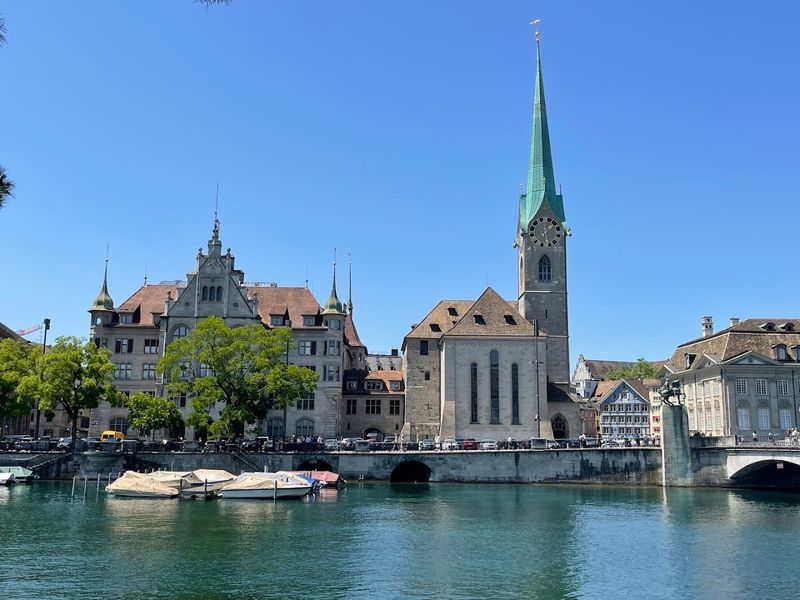
Locals in Zurich actually joke that their city is cleaner than most people’s kitchens — and honestly, they might be right. Zurich consistently tops global quality-of-life rankings, and one stroll along the lakefront makes it obvious why.
The water in Lake Zurich is so clear you can see straight to the bottom, which is pretty remarkable for a major European city.
Historic cobblestone streets wind through a beautifully preserved old town filled with medieval guild halls and church towers. Strict environmental policies keep air pollution impressively low, even for a densely populated urban area.
The city invests heavily in public transport, making it easy to get around without adding to traffic or pollution.
Beyond cleanliness, Zurich has a visual charm that feels almost unfair. Flower boxes hang from windows, parks are perfectly groomed, and the Alps loom dramatically in the background.
Visitors often describe the experience as stepping into a postcard that somehow also has excellent coffee and world-class museums.
Singapore
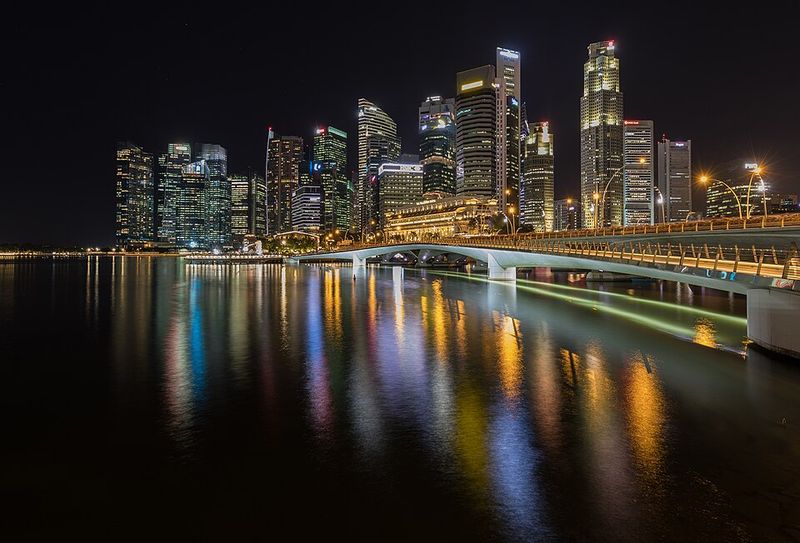
Singapore takes cleanliness so seriously that chewing gum is heavily restricted, and littering can earn you a very uncomfortable fine. The result is a city that genuinely sparkles from every angle.
Walking through its streets feels less like navigating a metropolis and more like touring an extremely well-organized theme park — except everything is real and fully functional.
The city’s urban design is nothing short of spectacular. Gardens by the Bay features towering Supertrees that light up at night like something from a science fiction film.
Green corridors weave through skyscrapers, connecting parks and nature reserves throughout the city in a way that feels both intentional and breathtaking.
Public transport is spotless, punctual, and efficient enough to make commuters in other cities genuinely envious. Every station, bus stop, and sidewalk is maintained with an almost obsessive attention to detail.
Singapore proves that a tropical megacity can be modern, lush, and immaculately clean all at the same time — a combination most cities only dream about achieving.
Copenhagen, Denmark
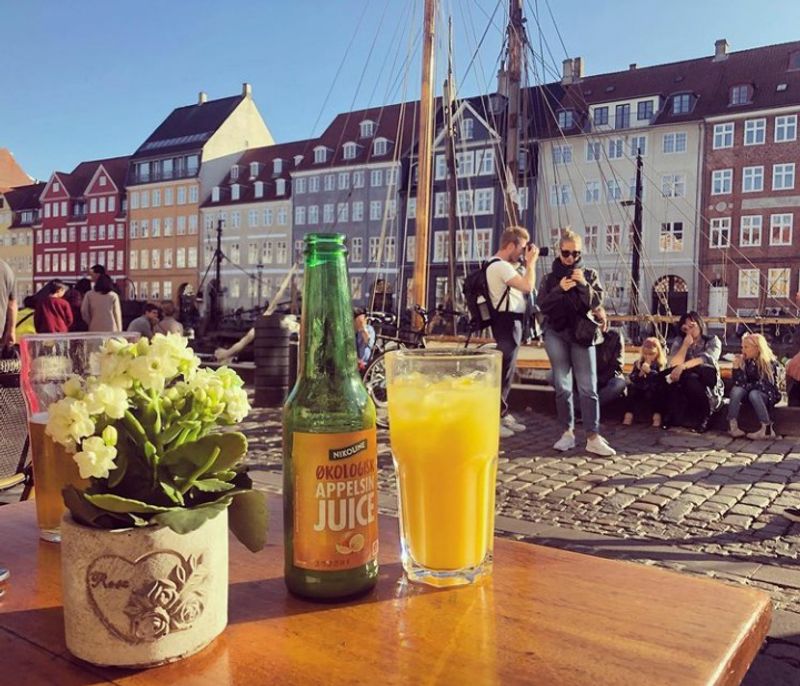
Nyhavn’s row of candy-colored buildings reflected in the canal is one of those sights that genuinely stops people mid-stride. Copenhagen has a visual confidence that feels effortless, like the city knows exactly how good it looks and isn’t trying too hard about it.
The Danish capital has long been a global leader in sustainability, and that commitment shows in every clean corner of the city.
Cycling is the dominant mode of transport here, which does wonders for air quality and keeps the streets surprisingly peaceful. More bikes than cars pass through central Copenhagen on any given day, a statistic that feels almost impossible until you’re actually standing on a city street watching it happen.
Dedicated bike lanes are treated with the same respect as major roads.
Green spaces are woven throughout the urban landscape, from royal gardens to converted harbor areas now used for swimming and recreation. The city’s canals are clean enough for locals to actually swim in them during summer, which is a genuinely rare achievement.
Copenhagen makes sustainable urban living look not just practical but genuinely, unmistakably beautiful.
Vienna, Austria
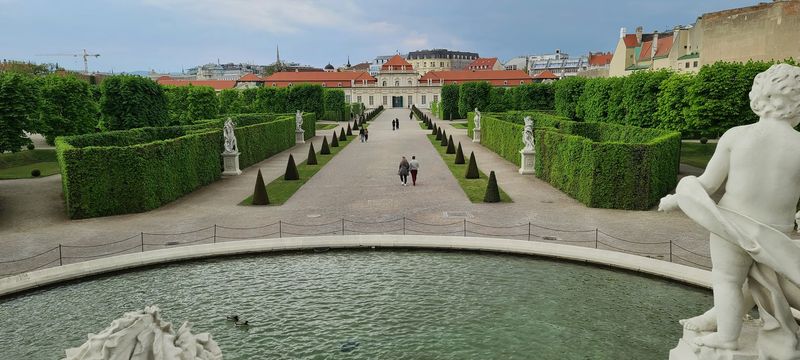
Vienna operates on a different level of elegance — one where even the public toilets are sometimes housed in beautifully tiled historic structures. The Austrian capital carries centuries of imperial grandeur in its architecture while somehow managing to feel completely livable and modern.
Wide boulevards lined with ornate buildings create a sense of theatrical beauty that few cities in the world can match.
The Ringstrasse, a grand circular boulevard built in the 19th century, showcases some of the most impressive urban architecture in Europe. Museums, opera houses, and government buildings sit side by side in a stretch of architectural ambition that still commands respect today.
And they are all immaculately maintained, which is not something you can say about every historic city center.
Public transport in Vienna is exceptionally clean and reliable, connecting every corner of the city with minimal fuss. Cafes spill onto spotless sidewalks, parks are carefully groomed, and the Danube Canal has been transformed into a vibrant, clean recreational space.
Vienna balances old-world charm with modern urban standards in a way that feels both effortless and deeply intentional.
Tokyo, Japan
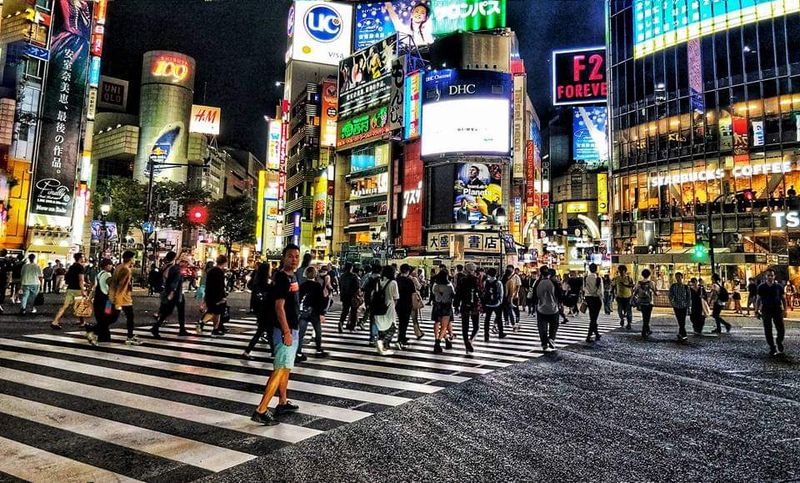
Tokyo has roughly 14 million people living in it, and yet somehow finding a piece of litter on the street feels like a genuine challenge. The city’s cleanliness is legendary and slightly baffling to first-time visitors who are used to the idea that bigger cities equal messier cities.
In Tokyo, that logic simply does not apply.
What makes this even more impressive is that public trash cans are actually quite rare throughout the city. Residents and visitors are expected to carry their waste home with them, and remarkably, most people just do it without complaint.
The cultural commitment to keeping shared spaces clean is deeply rooted and visibly effective in ways that feel almost magical.
Beyond cleanliness, Tokyo is a visual feast of neon lights, traditional temples, cherry blossom-lined parks, and futuristic architecture. Neighborhoods shift dramatically in character from block to block, offering endless surprises.
Train stations are immaculate and run with Swiss-watch precision, which is saying something given that Switzerland is also on this list. Tokyo is simply one of the most extraordinary urban experiences on the planet.
Reykjavik, Iceland
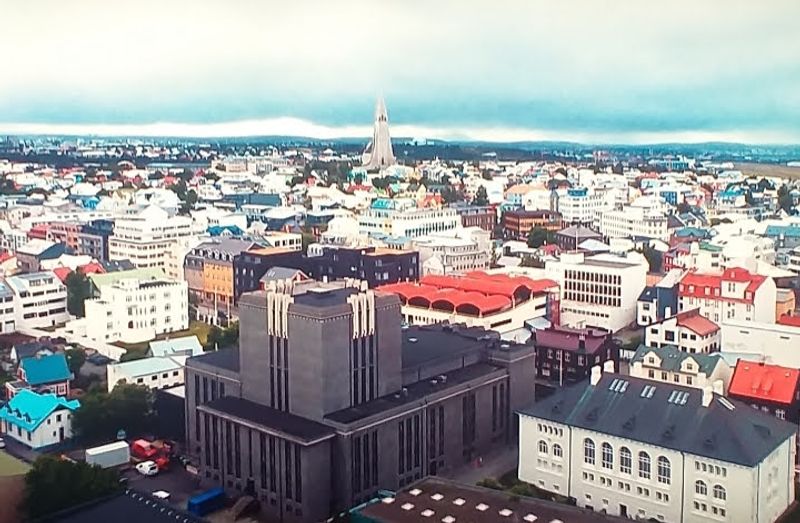
Standing in the middle of Reykjavik and breathing in the air feels genuinely different — crisp, clean, and completely free of the urban haze that hangs over most capital cities. Iceland’s capital runs almost entirely on geothermal and hydroelectric energy, making it one of the greenest cities on Earth in the most literal sense possible.
That environmental commitment is visible everywhere you look.
Colorful corrugated-iron houses line the streets in cheerful shades of red, blue, and yellow, giving the city a storybook charm that contrasts beautifully with the dramatic volcanic landscape surrounding it. On clear days, snowcapped mountains and glaciers are visible directly from the city center, which is a view that most capitals simply cannot compete with.
Hallgrimskirkja church towers over the skyline like a concrete rocket ready for launch.
The city is small enough to explore entirely on foot in a single day, yet packed with culture, great food, and natural wonders. The nearby Northern Lights, hot springs, and lava fields make Reykjavik a base for extraordinary adventures.
Clean, quirky, and surrounded by raw natural beauty, it is one of the most unique capital cities in the world.
Helsinki, Finland
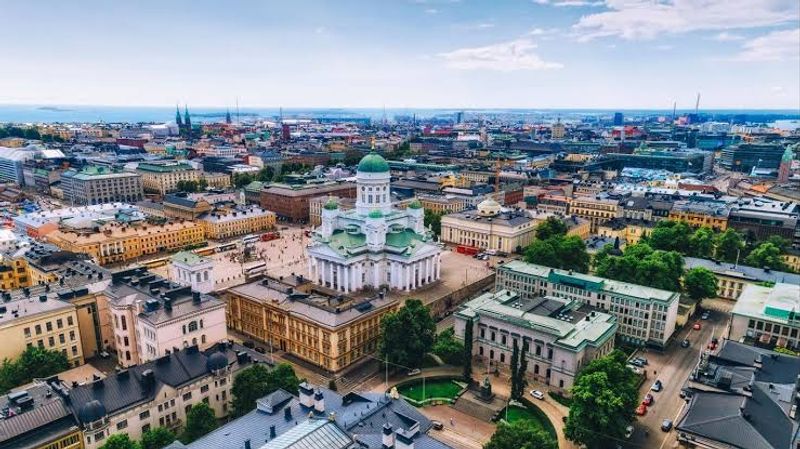
Finland consistently ranks as one of the happiest countries on Earth, and a few hours in Helsinki makes that statistic feel completely believable. The Finnish capital has a calm, ordered quality that feels less like urban planning and more like someone simply decided the city should be a pleasant place to exist in — and then made it happen.
Clean streets, fresh Baltic air, and efficient services create a daily experience that is genuinely low-stress.
The city’s design scene is world-class, with Scandinavian minimalism expressed in architecture, furniture, and public spaces throughout Helsinki. The neoclassical Helsinki Cathedral overlooking the harbor is one of the most photographed buildings in northern Europe, and for good reason — it is strikingly beautiful against the blue water below.
Market Square buzzes with activity while staying remarkably tidy.
Islands, forests, and coastal inlets surround the city, giving residents easy access to nature without ever leaving the metropolitan area. Public transport is clean, punctual, and easy to navigate even for first-time visitors.
Helsinki may not shout its beauty from the rooftops, but it earns deep admiration from anyone who takes the time to actually walk its streets and breathe its air.
Vancouver, British Columbia, Canada
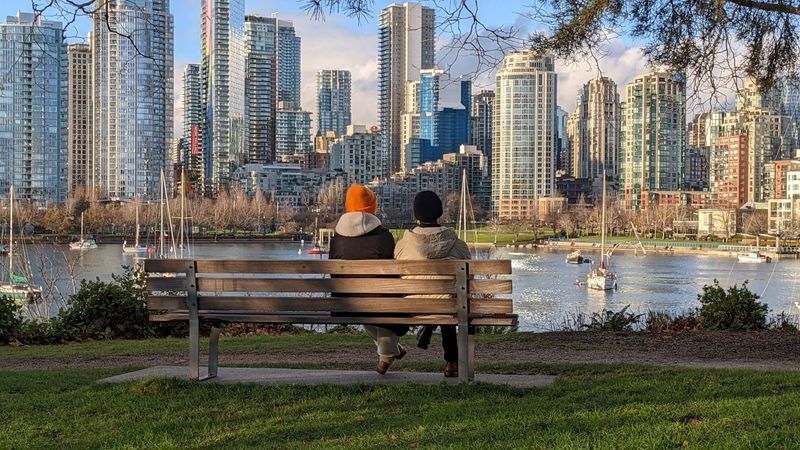
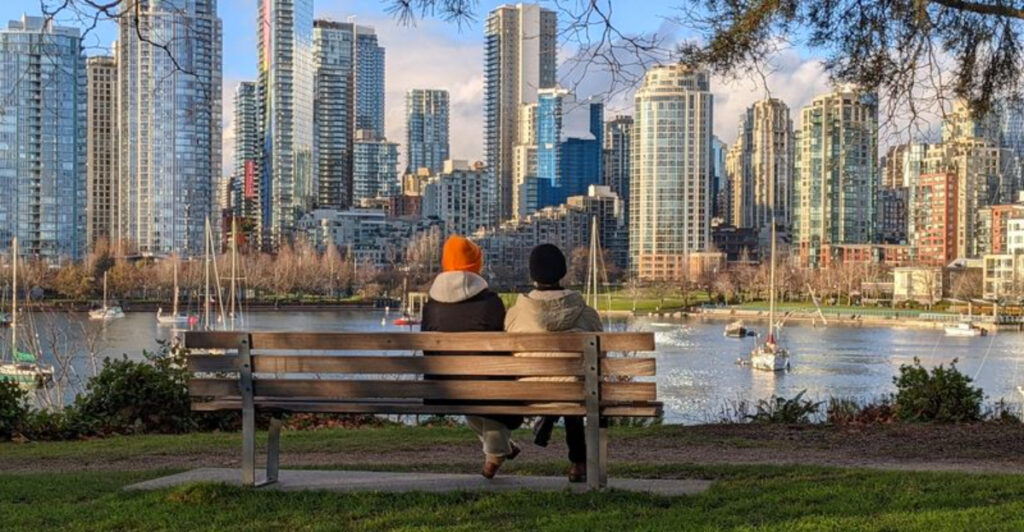
Few cities on Earth can claim a backdrop quite like Vancouver’s — ocean on one side, snow-covered mountains on the other, and a gleaming skyline sitting right in the middle. The combination is almost aggressively beautiful, the kind of scenery that makes people stop mid-conversation just to stare.
And remarkably, the city itself matches that natural grandeur with clean streets, well-maintained parks, and excellent public spaces.
Stanley Park is one of the great urban parks of the world, a massive forested peninsula right next to downtown that offers beaches, trails, and sweeping harbor views. The seawall running around it is popular with cyclists, joggers, and walkers year-round, keeping the outdoor culture of Vancouver very much alive and very much visible.
Environmental awareness is practically a civic religion here.
Vancouver’s neighborhoods each carry their own distinct character, from the vibrant energy of Granville Island’s public market to the quiet residential streets lined with cherry blossoms in spring. Public spaces are kept impressively clean for a city of its size.
Vancouver effortlessly blends urban sophistication with outdoor adventure in a package that consistently ranks among the most desirable places to live anywhere in North America.
Munich, Bavaria, Germany
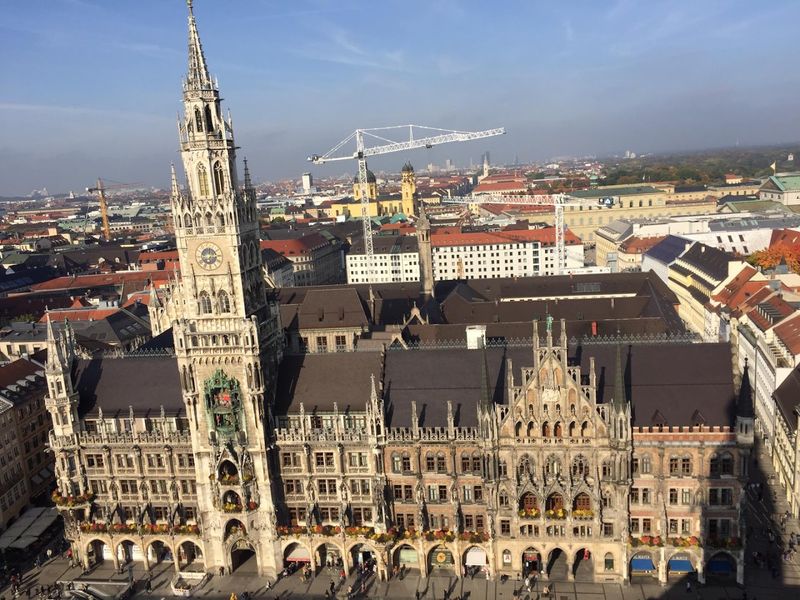
Munich has a certain smugness about it — and frankly, the city has earned every bit of it. The Bavarian capital is clean, organized, beautiful, and surrounded by some of the most dramatic mountain scenery in Europe.
Visitors arriving for the first time often describe the experience as finding a European city that actually works the way you always hoped European cities would work.
The English Garden in the heart of Munich is larger than New York’s Central Park and kept in immaculate condition year-round. Locals sunbathe on its lawns, surf a standing wave on the Eisbach river that runs through it, and generally use it as a massive shared living room.
The fact that a city this size maintains a park this beautifully speaks volumes about its civic standards.
Historic architecture fills the old town center, from the twin-towered Frauenkirche cathedral to the colorful Marienplatz square. Public transport is clean, efficient, and surprisingly affordable.
Beyond Oktoberfest season, Munich operates as a quietly excellent city that rewards visitors who take time to explore its museums, riverbanks, and well-kept neighborhood streets with genuine, unhurried pleasure.
Sydney, New South Wales, Australia
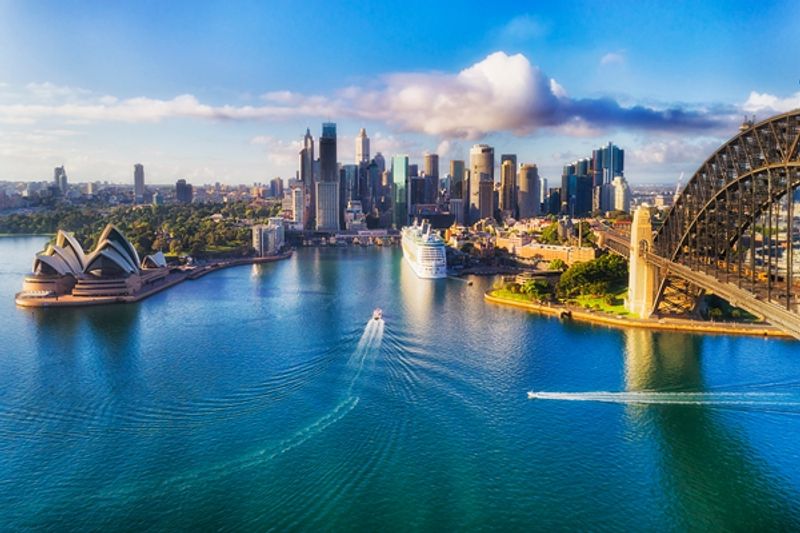
The Sydney Opera House is one of those buildings that photographs can never fully prepare you for — standing in front of it for the first time is a genuinely humbling experience. Sydney pairs that architectural icon with a harbor so spectacular that the city almost feels like it was arranged specifically for maximum visual impact.
And then it also has some of the cleanest, most accessible beaches of any major global city.
Bondi Beach is world-famous, but the coastal walk connecting it to nearby Coogee passes through a string of smaller beaches and clifftop parks that are equally beautiful and far less crowded. Sydney’s commitment to public outdoor spaces is obvious and impressive.
Waterfront parks, harbor walkways, and well-maintained coastal reserves give residents and visitors an exceptional quality of outdoor life.
The city center itself stays cleaner than you might expect for a metropolis of five million people. Public transport connects the harbor, suburbs, and beaches efficiently, and the temperate climate encourages outdoor activity year-round.
Sydney has a relaxed confidence that comes from knowing it sits in one of the most naturally beautiful settings of any city on the planet, and it wears that knowledge very well.
Stockholm, Sweden
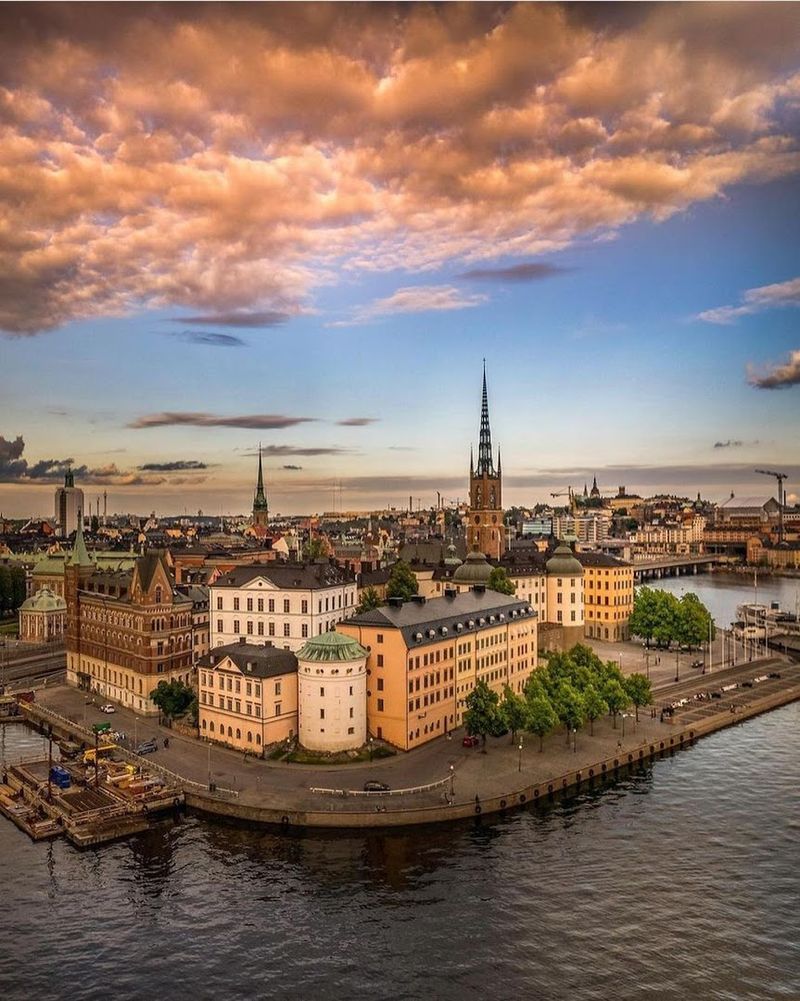
Stockholm is built across 14 islands connected by bridges, which means that water is basically everywhere you look — and that water is clean enough to swim in right in the city center. That single fact says a great deal about how seriously Sweden takes environmental quality.
The Swedish capital has been working toward sustainability for decades, and the results are obvious to anyone walking its streets.
Gamla Stan, the old town, is one of the best-preserved medieval city centers in Europe. Narrow cobblestone lanes wind between buildings painted in warm shades of ochre, rust, and cream, creating a visual experience that feels completely authentic rather than touristy.
The Royal Palace sits at its edge, overlooking clean waterways and green islands stretching into the distance.
Stockholm’s public transport system is notably clean and efficient, running on renewable energy and connecting every corner of the archipelago city with impressive reliability. Green spaces and waterfront parks are generously distributed throughout the urban area.
Stockholm manages to feel simultaneously historic and deeply modern, combining centuries of architectural beauty with forward-thinking environmental policies that make it one of Europe’s most admired and livable cities.
Calgary, Alberta, Canada
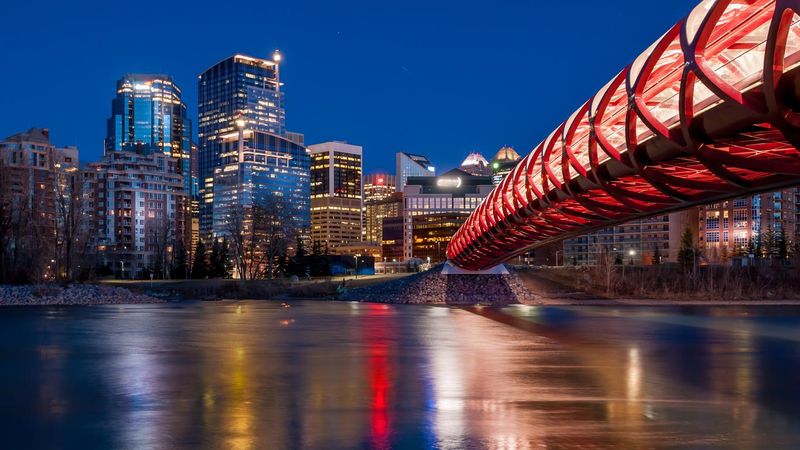
Calgary has a secret weapon that most cities would kill for — the Canadian Rockies sitting right there on the horizon, visible on clear days from downtown office windows. The city itself is consistently ranked among the cleanest in the world, thanks to strong waste management systems, low pollution levels, and a civic culture that genuinely values keeping shared spaces in excellent condition.
It is a combination that is hard to beat.
The Bow River pathway system winds through the city for over 800 kilometers of maintained trails, connecting parks, neighborhoods, and natural areas in a network that encourages outdoor activity in every season. In summer, the river valley turns vivid green and becomes a favorite destination for cyclists and picnickers.
In winter, the Chinook winds bring unexpected warmth that keeps the city surprisingly livable.
Calgary’s downtown is modern and well-maintained, with an underground walkway system called the Plus 15 that connects buildings throughout the core and keeps pedestrian traffic flowing smoothly even in cold weather. The city is young by world standards, having grown rapidly in the 20th century, but it has developed a confident urban character that balances natural beauty with clean, functional city living in a genuinely appealing way.
Ljubljana, Slovenia
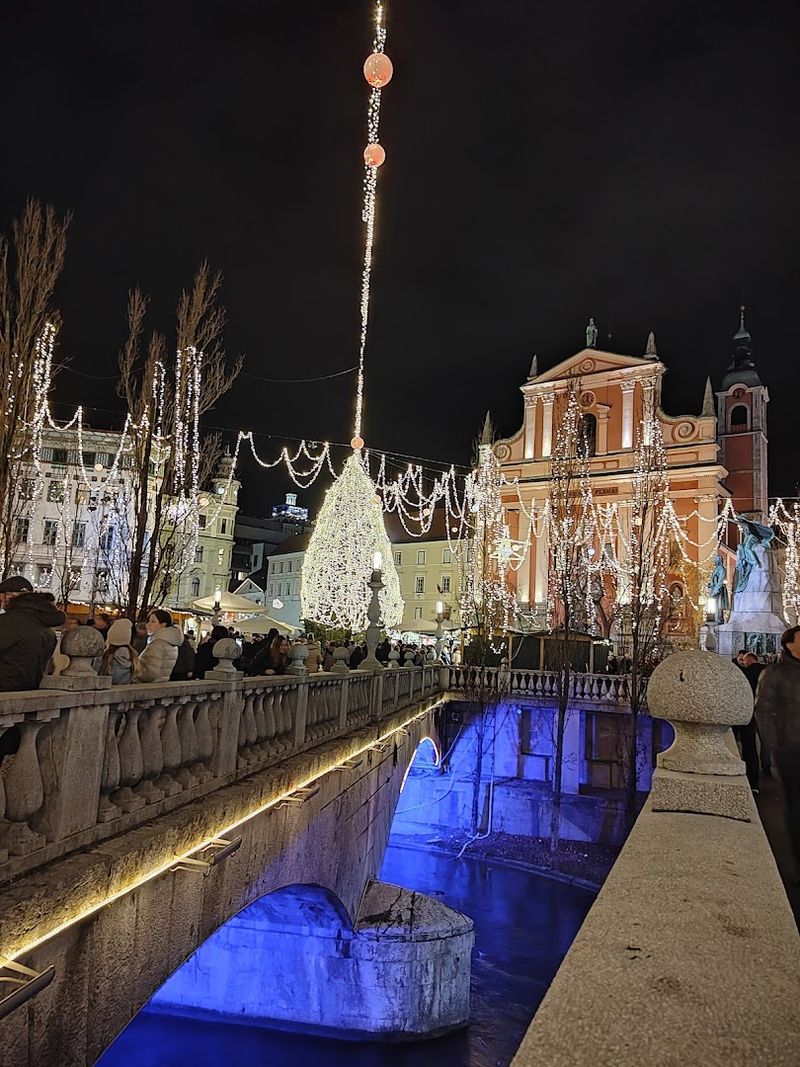
Ljubljana might be the most pleasant surprise on this entire list. Slovenia’s small capital city punches so far above its weight in terms of charm, cleanliness, and beauty that first-time visitors consistently leave wondering why nobody told them about it sooner.
The car-free old town center is a genuine delight to walk through, with pastel-colored buildings, riverside cafes, and a castle-topped hill providing a backdrop that feels almost too good to be real.
The Ljubljanica River flows directly through the city center, lined with weeping willows and outdoor seating that stays busy from spring through autumn. The water is clean and well-maintained, and the riverbanks are kept in genuinely excellent condition.
Ljubljana’s mayor famously transformed much of the city center into a car-free zone, a decision that dramatically improved both air quality and the overall atmosphere.
The city won the European Green Capital award in 2016, a recognition that reflected years of genuine environmental effort rather than just good marketing. Green markets, cycling infrastructure, and widespread recycling programs are woven into daily life here.
Ljubljana proves that a city does not need to be large or internationally famous to offer an extraordinarily beautiful and clean urban experience worth celebrating.
Dubai, United Arab Emirates
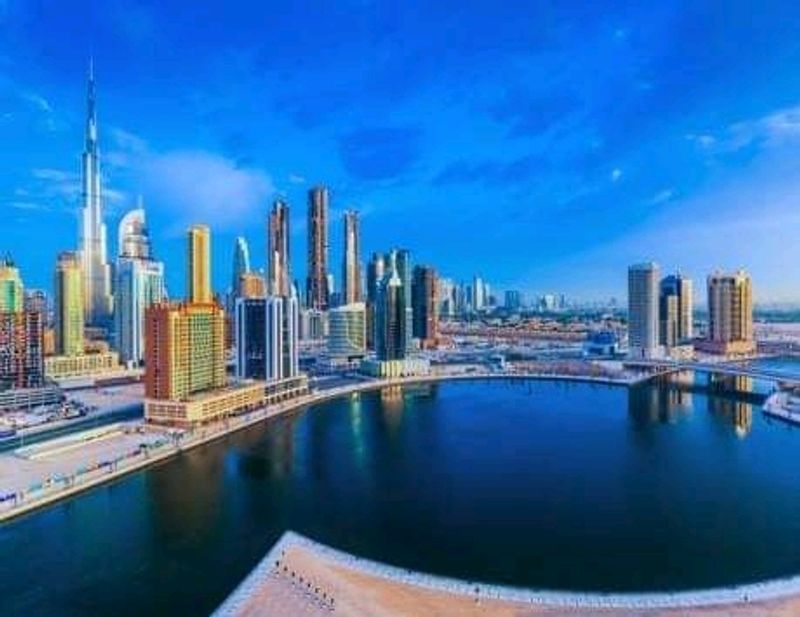
Dubai is essentially what happens when a city decides that ordinary is simply not an option. Built at remarkable speed from desert sand into a global metropolis, Dubai has invested obsessively in maintaining an urban environment that looks polished, modern, and immaculately clean at essentially all times.
The contrast between the surrounding desert and the gleaming city rising from it never quite loses its impact, no matter how many times you see it.
Streets are cleaned with a frequency and thoroughness that would make other major cities genuinely envious. Public spaces, malls, transport hubs, and tourist areas are maintained to a standard that reflects both civic pride and a clear understanding that millions of international visitors are watching.
The Burj Khalifa, still the world’s tallest building, anchors a skyline that manages to look both futuristic and strangely elegant against the desert sky.
Beyond the skyscrapers, Dubai offers beautifully landscaped parks, pristine beaches along the Persian Gulf, and carefully maintained heritage areas that preserve the city’s older character. The contrast between ultramodern architecture and traditional wind-tower buildings creates a visual richness that surprises many visitors.
Dubai is ambitious, immaculate, and genuinely unlike anywhere else on Earth.
Geneva, Switzerland
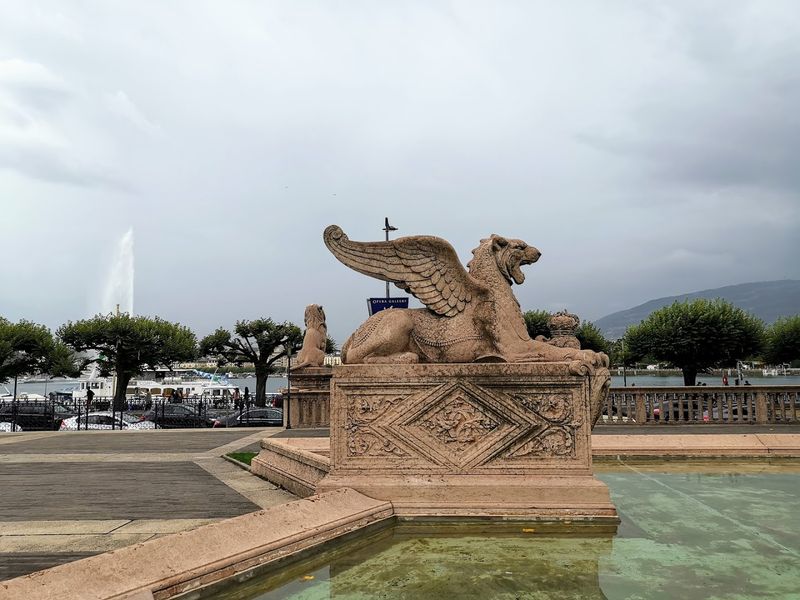
Geneva’s famous Jet d’Eau shoots 140 meters of water into the air above Lake Geneva, which is about as confident an opening statement as a city can make. The Swiss city backs up that showmanship with some of the cleanest public spaces, purest air, and most pristine lakefront scenery in all of Europe.
Walking the lakeside promenade here, with flower gardens on one side and snowcapped Alps on the other, is a quietly spectacular experience.
As home to dozens of international organizations and diplomatic missions, Geneva maintains an urban environment that consistently reflects global standards of excellence. The pressure to look good is real, and the city rises to it admirably.
Streets are spotless, public transport runs with clockwork precision, and the overall sense of order is both calming and deeply impressive.
The old town perched above the lake offers medieval streets, historic churches, and excellent museums that reward exploration. Geneva’s parks are beautifully maintained, and the lake itself is clean enough for swimming throughout the summer months.
Swiss environmental regulations and urban planning standards ensure that Geneva remains not just one of the most expensive cities in the world, but also one of the most genuinely beautiful and well-kept ones anywhere on the planet.
Share this story