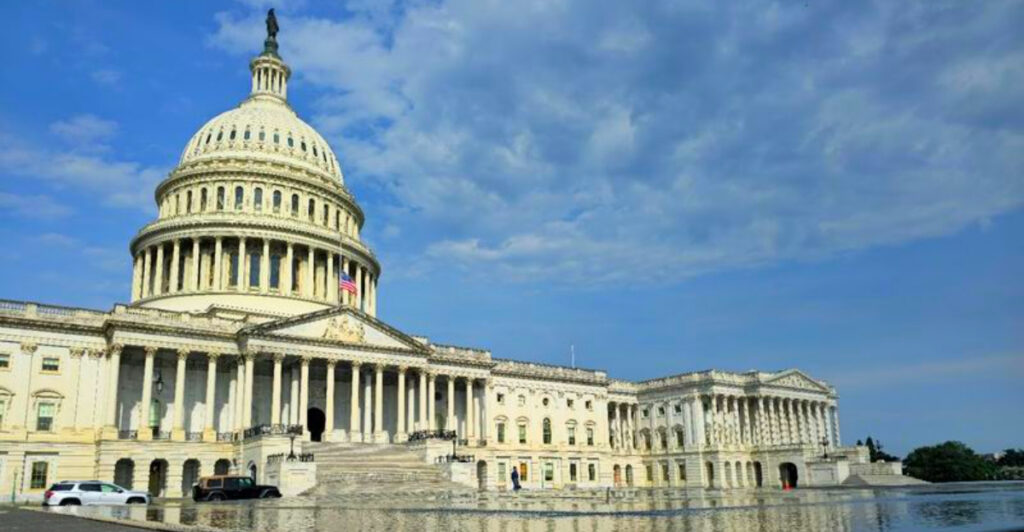
Some of the most powerful moments in American history did not happen on battlefields. They happened at tables, in forts, and in formal halls where signatures changed everything.
From agreements that ended wars to documents that redrew maps and reshaped the lives of entire nations, treaties have been quietly doing the heavy lifting of history for centuries. The places where these deals were made are still out there, waiting to be visited, studied, and appreciated.
Some are national monuments. Some are tucked away in small towns.
A few are even overseas, because American diplomacy has never been shy about traveling. Each location tells a story that goes far beyond the paper it produced.
Get ready to take a tour through 12 remarkable places where the stroke of a pen changed the course of a nation.
1. Independence Hall, Philadelphia, Pennsylvania
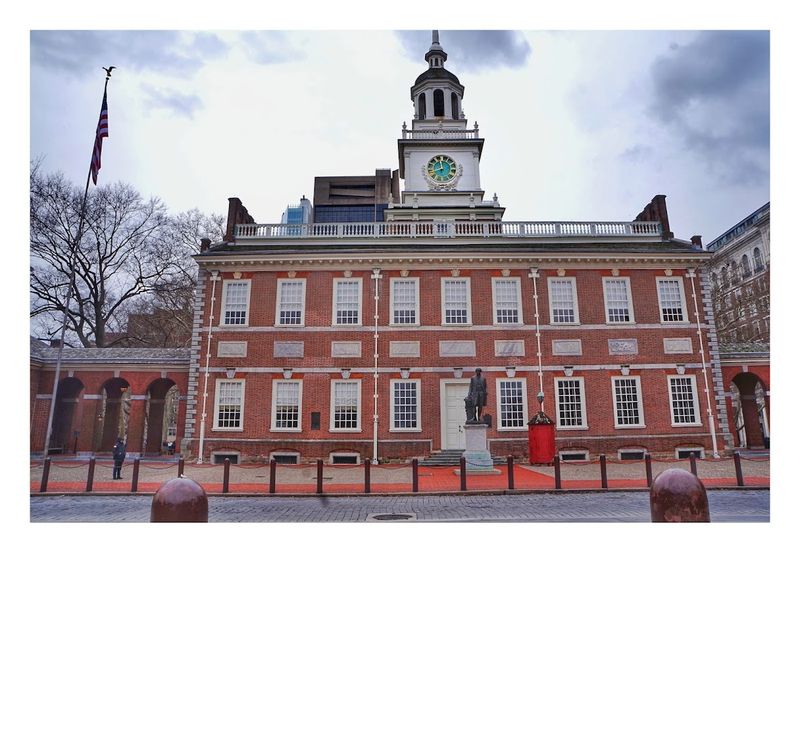
Most people know Independence Hall as the birthplace of the Declaration of Independence and the U.S. Constitution, but this legendary building also served as the backdrop for some of America’s earliest diplomatic activity.
Philadelphia was the capital of the new United States for a significant stretch of the late 1700s, making it the natural hub for international negotiations. Foreign diplomats, treaty discussions, and early alliances all passed through the city during this period.
The building itself opened in 1753 and became the meeting place for the Continental Congress. It was here that the framework for how the young nation would deal with foreign powers began to take shape, long before Washington D.C. existed as a capital.
Today, Independence Hall is a UNESCO World Heritage Site and one of the most visited historic landmarks in the country. Rangers lead tours through the Assembly Room where so much of early American political life unfolded, giving visitors a front-row seat to history.
2. Ghent, Belgium
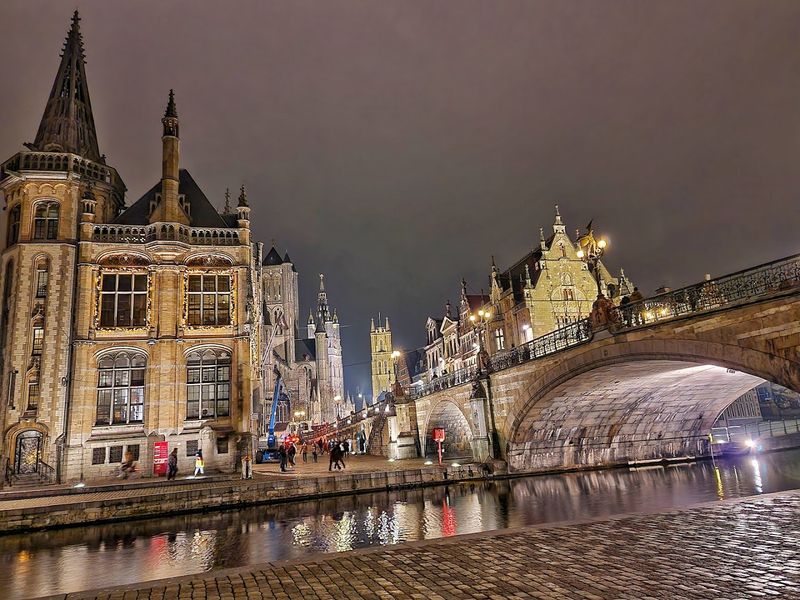
Christmas Eve 1814 was a very productive holiday for diplomats. That was the day the Treaty of Ghent was signed in the Flemish city of Ghent, officially ending the War of 1812 between the United States and Great Britain.
The war had dragged on for over two years, producing no clear winner on either side. Both nations were exhausted and eager to return to the business of trade and expansion.
American negotiators including John Quincy Adams and Henry Clay sat across from British counterparts in Ghent for months before reaching an agreement.
The treaty essentially restored things to how they were before the war began, with no major territorial changes. Critics called it a draw, but supporters pointed out that the United States had successfully held its own against one of the most powerful nations on earth.
The Vredeshuis, or House of Peace, in Ghent marks the location today and stands as a reminder that one of America’s most important early diplomatic victories happened an ocean away from home.
3. USS Missouri Memorial, Pearl Harbor, Hawaii
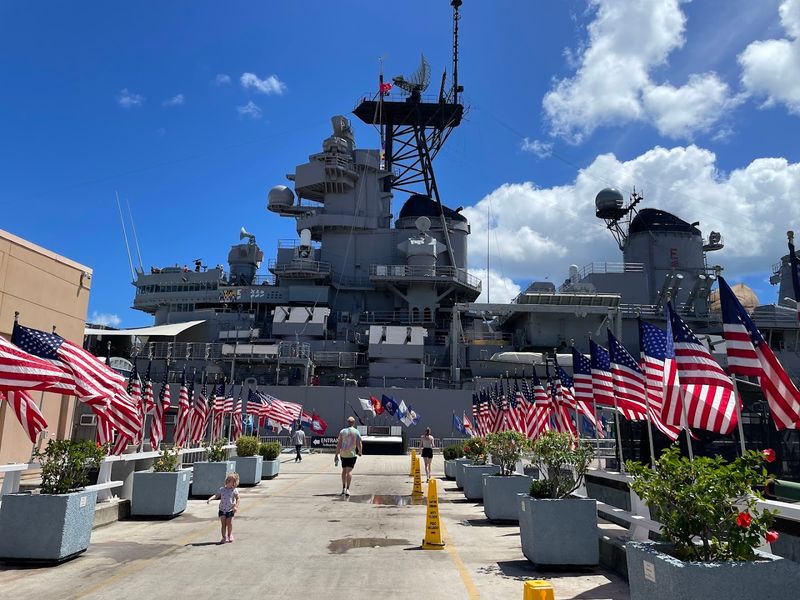
Sometimes the most important treaties are not technically treaties at all. Some are surrender documents signed on the deck of a battleship while the world holds its breath.
That was the case aboard the USS Missouri on September 2, 1945, when representatives of Imperial Japan formally signed the Instrument of Surrender that ended World War II. Anchored in Tokyo Bay at the time, the massive Iowa-class battleship became the stage for one of the most consequential diplomatic moments in modern history.
General Douglas MacArthur presided over the ceremony, while delegates from the United States, Great Britain, China, the Soviet Union, Australia, Canada, France, the Netherlands, and New Zealand stood witness. The signing officially brought an end to a conflict that had reshaped the globe and claimed tens of millions of lives.
4. Greenville Treaty Line Site, Ohio
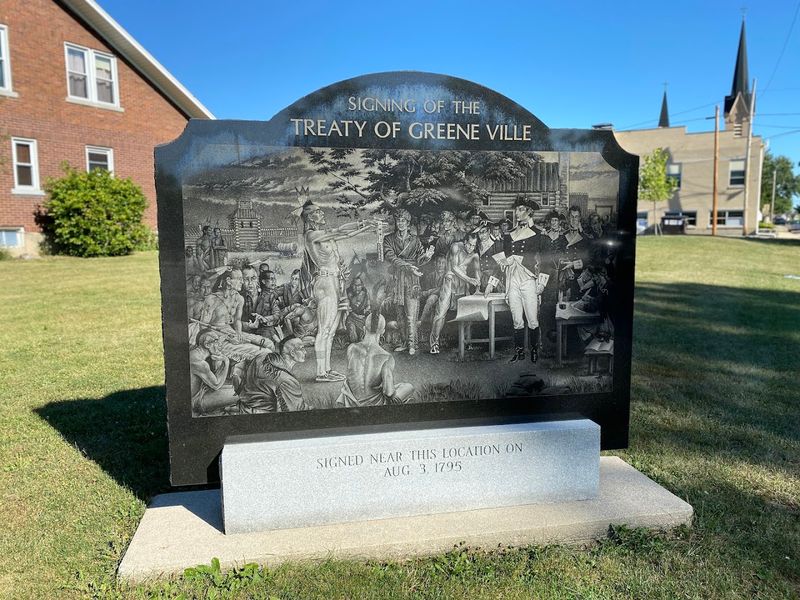
After years of brutal conflict across the Northwest Territory, a peace agreement signed in a small Ohio settlement in 1795 finally drew a line, literally, through the middle of the continent.
The Treaty of Greenville ended the Northwest Indian War, a conflict that had been raging since the early 1790s. General Anthony Wayne, fresh off his decisive victory at the Battle of Fallen Timbers, negotiated the agreement with representatives from twelve Native nations, including the Shawnee, Delaware, and Miami tribes.
The treaty established the Greenville Treaty Line, a boundary that opened up most of present-day Ohio to American settlement while supposedly reserving the northwest for Native peoples. In reality, pressure on those lands continued almost immediately.
One of the treaty’s signatories on the Native side was a young Shawnee leader named Black Hoof. Another notable figure present was a teenager named Tecumseh, who refused to sign and would later become one of the most famous Native leaders in American history.
The state memorial in Greenville, Ohio, marks the site today with quiet dignity.
5. Old Senate Chamber, U.S. Capitol, Washington, D.C.
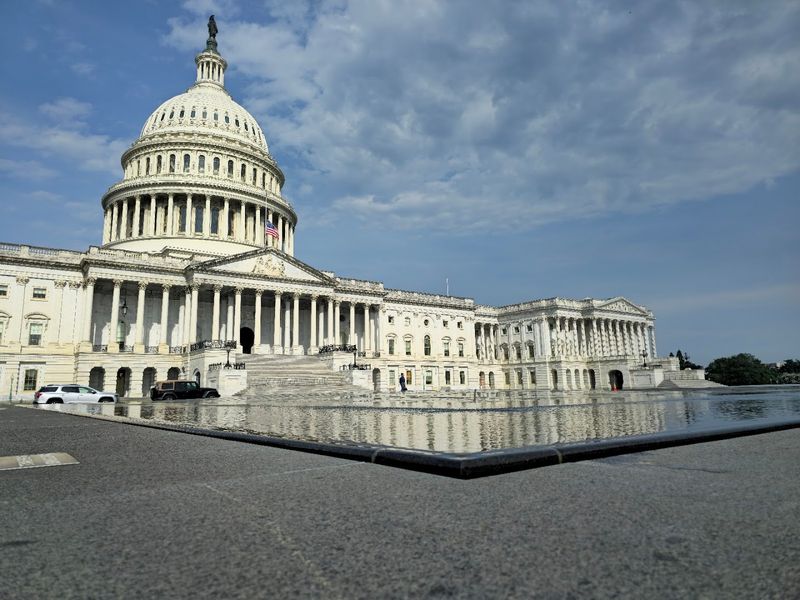
Before the United States became a global superpower, its treaties still required one very important thing: Senate approval.
For decades during the early 19th century, the Old Senate Chamber inside the U.S. Capitol served as the setting where some of America’s most important international agreements were debated and ratified.
Under the Constitution, treaties negotiated by the president cannot take effect without Senate consent, giving the chamber enormous influence over foreign policy.
Major agreements connected to territorial expansion passed through these walls, including treaties tied to the acquisition of Florida, western boundary disputes, and negotiations involving Native American nations.
The chamber itself operated as the Senate’s home from 1810 until 1859. During that period, legendary figures such as Henry Clay, Daniel Webster, and John C.
Calhoun argued over the future direction of the young republic and its growing diplomatic ambitions.
6. Fort Laramie, Wyoming
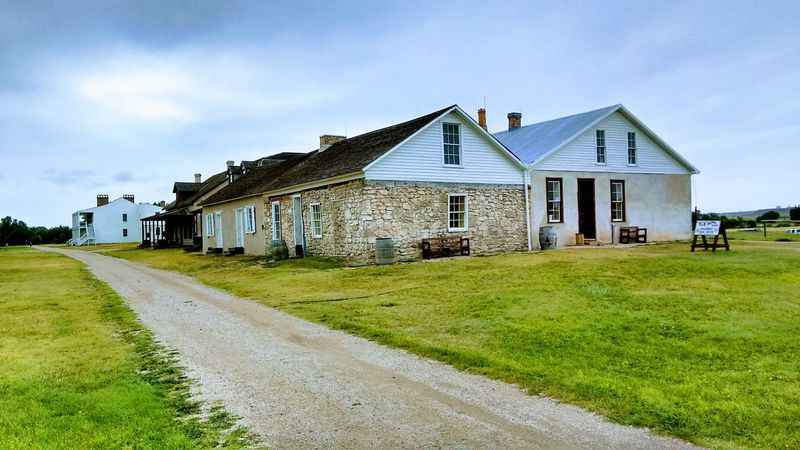
Few places in the American West carry as much treaty history as Fort Laramie, a trading post turned military fort that became the setting for two of the most consequential agreements ever made with Plains tribes.
The first Treaty of Fort Laramie in 1851 brought together representatives from the Sioux, Cheyenne, Arapaho, Crow, and several other nations. The goal was to define territorial boundaries and establish safe passage for settlers heading west on the Oregon Trail.
The second treaty in 1868 was even more significant. It recognized the Great Sioux Reservation, including the Black Hills, as permanent Sioux territory.
The U.S. government promised to keep settlers out. That promise did not last long, particularly after gold was discovered in the Black Hills in 1874.
Fort Laramie is now a National Historic Site managed by the National Park Service. Several original buildings have been preserved or restored, and rangers offer tours that bring the fort’s layered history to life.
It is one of the most well-preserved windows into 19th-century frontier diplomacy anywhere in the country.
7. Palace of Versailles, Versailles, France
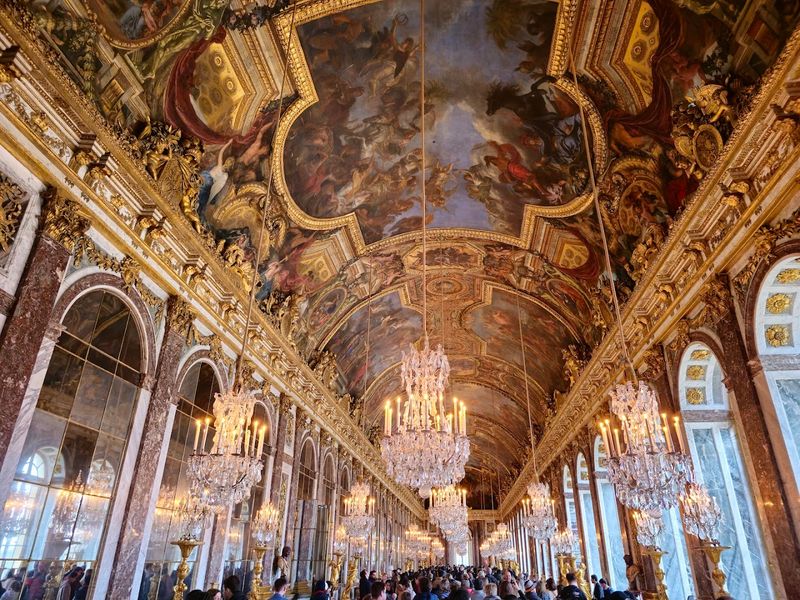
No treaty of the 20th century carried more consequences than the one signed inside the glittering Hall of Mirrors at the Palace of Versailles.
The Treaty of Versailles, signed on June 28, 1919, formally ended World War I between Germany and the Allied Powers. The agreement imposed heavy reparations, territorial losses, and military restrictions on Germany, reshaping the political map of Europe in the process.
The choice of location was deliberate. German leaders had proclaimed the German Empire inside the same Hall of Mirrors back in 1871 after defeating France in the Franco-Prussian War.
Holding the treaty ceremony there was meant to symbolize a dramatic reversal of fortune.
U.S. President Woodrow Wilson played a major role in the negotiations, pushing his vision for the League of Nations and a new system of international diplomacy.
Many of Wilson’s ideas made it into the final agreement, though the United States ultimately never joined the League itself.
8. Treaty Oak, Austin, Texas
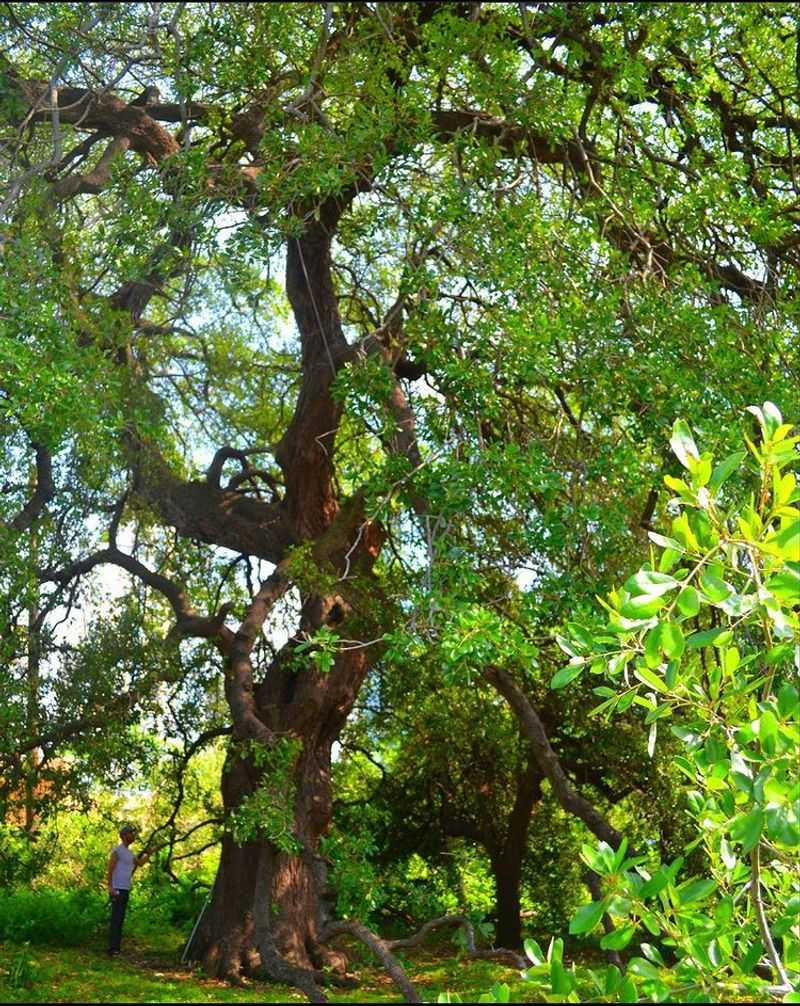
Not every treaty site comes with columns and marble floors. Some come with bark, branches, and a few centuries of quiet endurance.
Treaty Oak in Austin, Texas, is a massive live oak tree believed to be around 500 years old. Local legend holds that Stephen F.
Austin negotiated agreements with Native tribes beneath its wide canopy during the early days of Texas settlement in the 1820s.
Historians debate exactly what official agreements, if any, were formalized under the tree, but its symbolic importance to Austin’s identity is undeniable. The tree was once considered the most perfect specimen of a North American tree and was part of a grove of fourteen oaks known as the Council Oaks.
In 1989, the tree was nearly destroyed when someone poisoned it with herbicide. A massive community effort and horticultural intervention saved about a third of the original canopy.
Today, Treaty Oak stands in a small downtown park, fenced and protected. Visitors regularly stop to take photos and read the plaques explaining its history, making it one of Austin’s most unusual and beloved landmarks.
9. Portsmouth Peace Treaty Site, New Hampshire
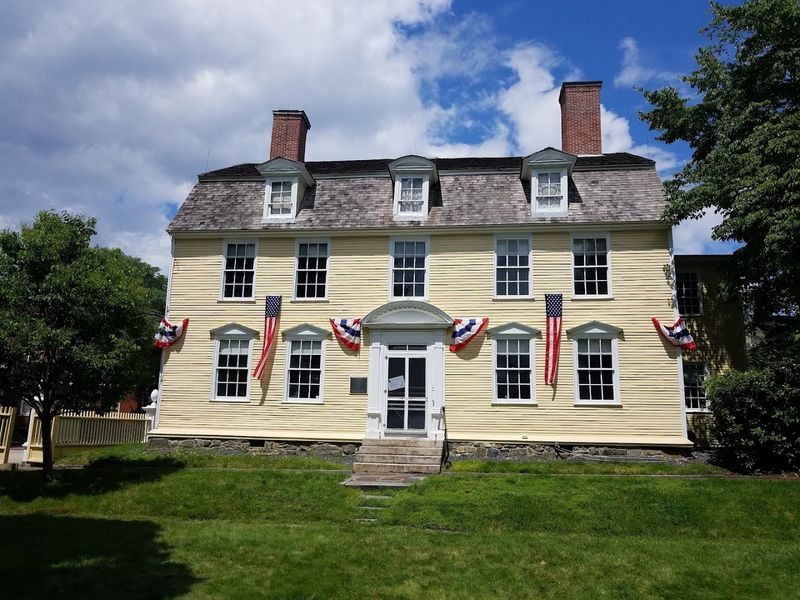
In the summer of 1905, a small New England naval yard became the most important diplomatic address on the planet, at least for a few weeks.
President Theodore Roosevelt brokered the Treaty of Portsmouth, which ended the Russo-Japanese War, a conflict that had shocked the world by showing an Asian nation defeating a major European power in open combat. Roosevelt invited negotiators from both Japan and Russia to the Portsmouth Naval Shipyard, which sits on the Maine side of the Piscataqua River near Portsmouth, New Hampshire.
After weeks of tense negotiations, the treaty was signed on September 5, 1905. Roosevelt became the first American to win the Nobel Peace Prize for his role in bringing the two sides together.
The naval shipyard is still an active military installation, but a museum and historic markers commemorate the treaty negotiations. The nearby city of Portsmouth holds commemorative events marking the anniversary of the signing.
It remains one of the clearest examples of American diplomatic influence extending far beyond its own borders during the early 20th century.
10. Fort Stanwix, Rome, New York
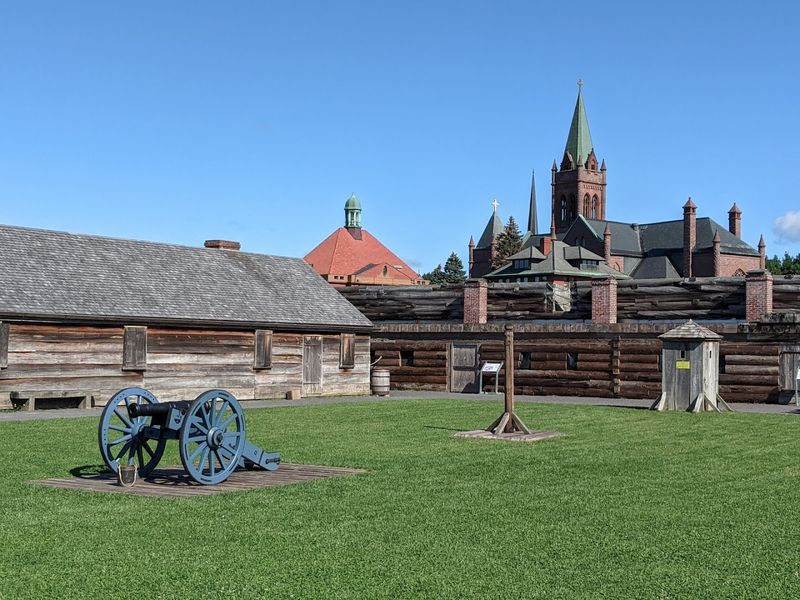
Before Rome, New York, was a city, it was a critical crossroads, and the fort built there became the site of agreements that shaped the future of an entire continent.
Fort Stanwix hosted two major treaties during the 18th century. The first, in 1768, was negotiated between British colonial officials and the Iroquois Confederacy.
It established a boundary line meant to separate colonial settlements from Native territories, though settlers pushed past it almost immediately.
The second Treaty of Fort Stanwix came in 1784, after the American Revolution. The new U.S. government used it to force significant land cessions from the Iroquois nations that had sided with Britain during the war.
The Oneida and Tuscarora, who had supported the Americans, fared somewhat better in the negotiations.
Today, Fort Stanwix is a fully reconstructed National Monument managed by the National Park Service. Costumed interpreters and detailed exhibits bring the 18th-century fort back to life.
It is one of the most thorough reconstructions of a Revolutionary-era fort in the entire country, and the treaty history adds serious depth to every visit.
11. The White House, Washington, D.C.
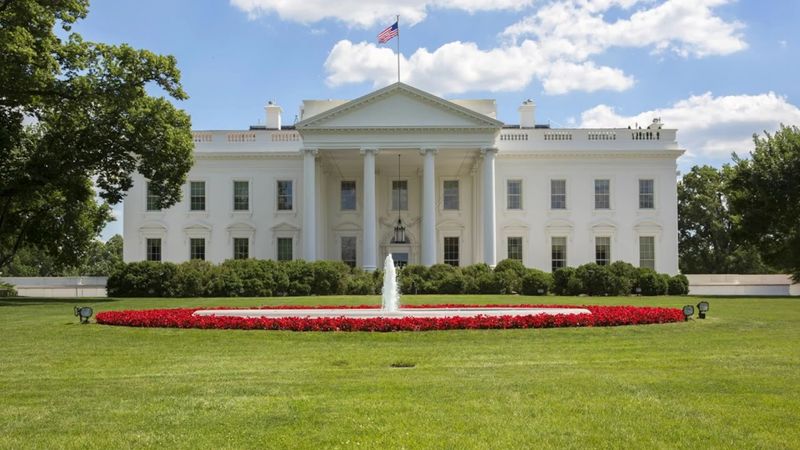
No single address in the United States has hosted more treaty signings, diplomatic handshakes, and historic agreements than 1600 Pennsylvania Avenue.
The White House has been the setting for landmark moments across nearly every era of American foreign policy. The Adams-Onis Treaty of 1819, which secured Florida from Spain and established the western boundary with New Spain, was negotiated in Washington.
The formal Egypt-Israel Peace Treaty was signed on the White House lawn in 1979, following the Camp David framework.
More recently, the White House hosted the signing of the Abraham Accords in 2020, normalizing relations between Israel and several Arab nations. Dozens of trade agreements, arms reduction treaties, and alliance agreements have been formalized there across the decades.
The East Room, the Rose Garden, and the South Lawn have all served as backdrops for these moments depending on the occasion and the number of cameras involved. While the building is not always open to casual visitors, public tours are available through congressional offices, giving Americans a rare look inside the most diplomatically active building in the country.
12. Fort Jackson, Louisiana
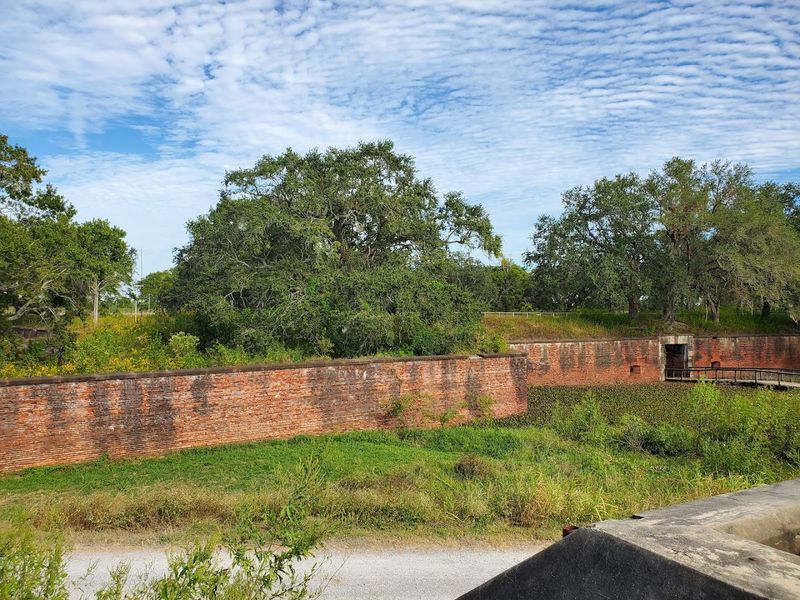
A star-shaped brick fort sitting in the Louisiana marshlands near the mouth of the Mississippi River does not look like a place that changed American history, but Fort Jackson has a remarkable story attached to it.
The fort is connected to the aftermath of the War of 1812 and the broader effort to secure American control over the lower Mississippi River and the Gulf Coast. The Battle of New Orleans, fought in January 1815, was one of the final military engagements of that conflict, and the region around Fort Jackson became central to consolidating American authority over the area.
Fort Jackson was formally established in 1822 and played a significant role in multiple 19th-century conflicts, including the Civil War, when Union forces captured it in 1862 during Admiral David Farragut’s campaign up the Mississippi.
Today, the fort is a Louisiana state historic site open to visitors. The well-preserved brick walls, moat, and interior structures offer a tangible connection to an era when controlling the mouth of the Mississippi River meant controlling the economic future of an entire nation.
Share this story