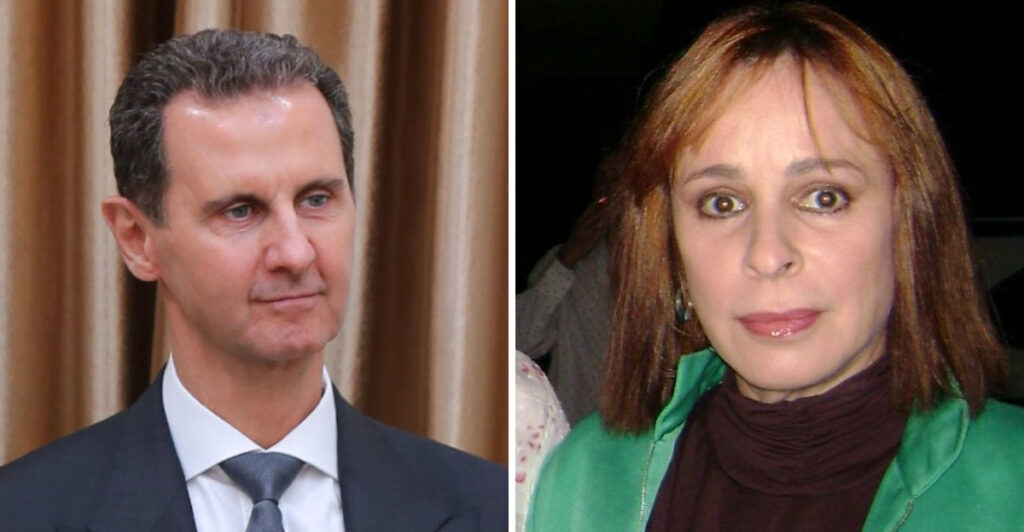
History’s most powerful authoritarian rulers didn’t just shape nations, they also shaped the lives of their own children in complicated and often surprising ways. Some of these sons and daughters tried to escape their parent’s dark legacy, while others embraced power and privilege without question.
A few even rose to lead their own countries. Learning about these families helps us understand how political power works and why it can be so hard to leave behind.
1. Svetlana Alliluyeva: Joseph Stalin’s Daughter
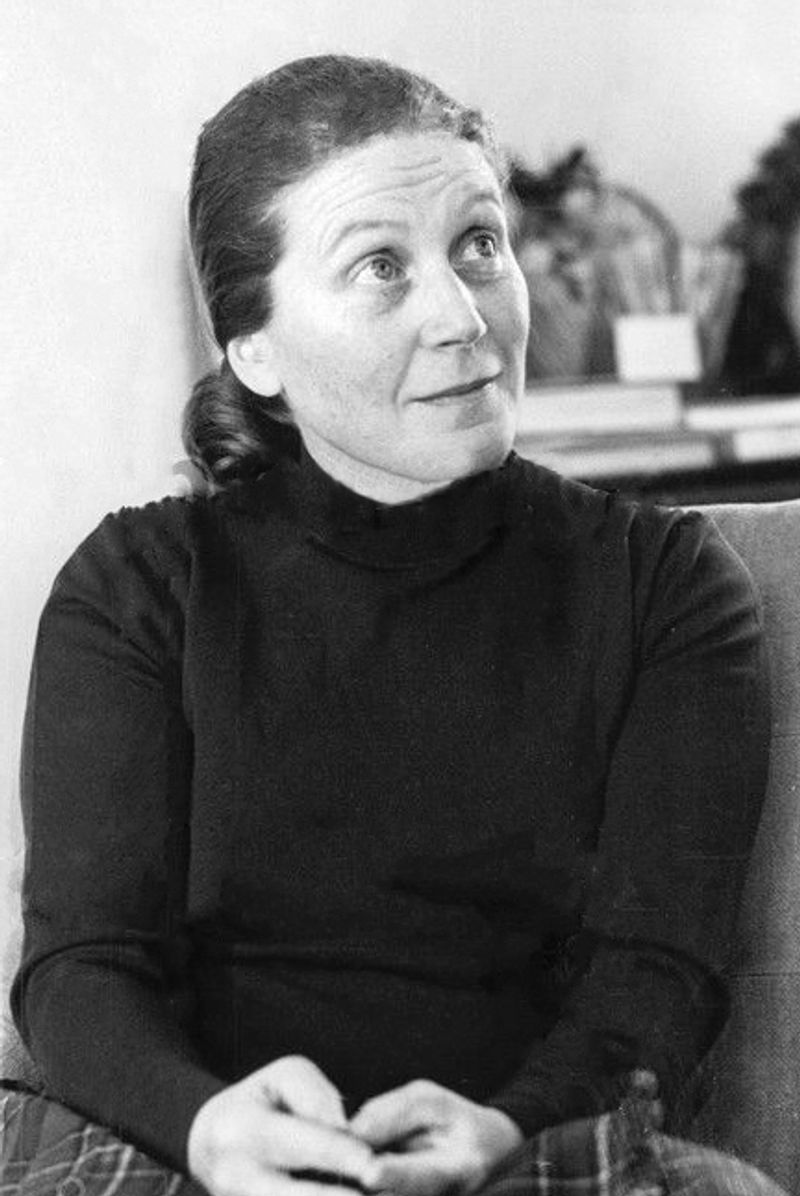
Born into one of the most feared households in Soviet history, Svetlana Alliluyeva grew up surrounded by secrecy, fear, and political pressure. Her father, Joseph Stalin, ruled the Soviet Union with an iron grip, and family life was anything but normal.
Svetlana later described her childhood as deeply isolating and emotionally painful.
After Stalin died in 1953, Svetlana began questioning everything she had been taught. By 1967, she made a bold decision, she walked into the U.S.
Embassy in India and defected to the West. The move stunned the world and embarrassed Soviet leadership.
She eventually settled in the United States, changed her name multiple times, and wrote two memoirs criticizing Soviet repression. Svetlana spent decades trying to build a quiet life far from her father’s shadow.
She passed away in Wisconsin in 2011, never fully escaping the weight of her last name.
2. Edda Mussolini: Daughter of Benito Mussolini
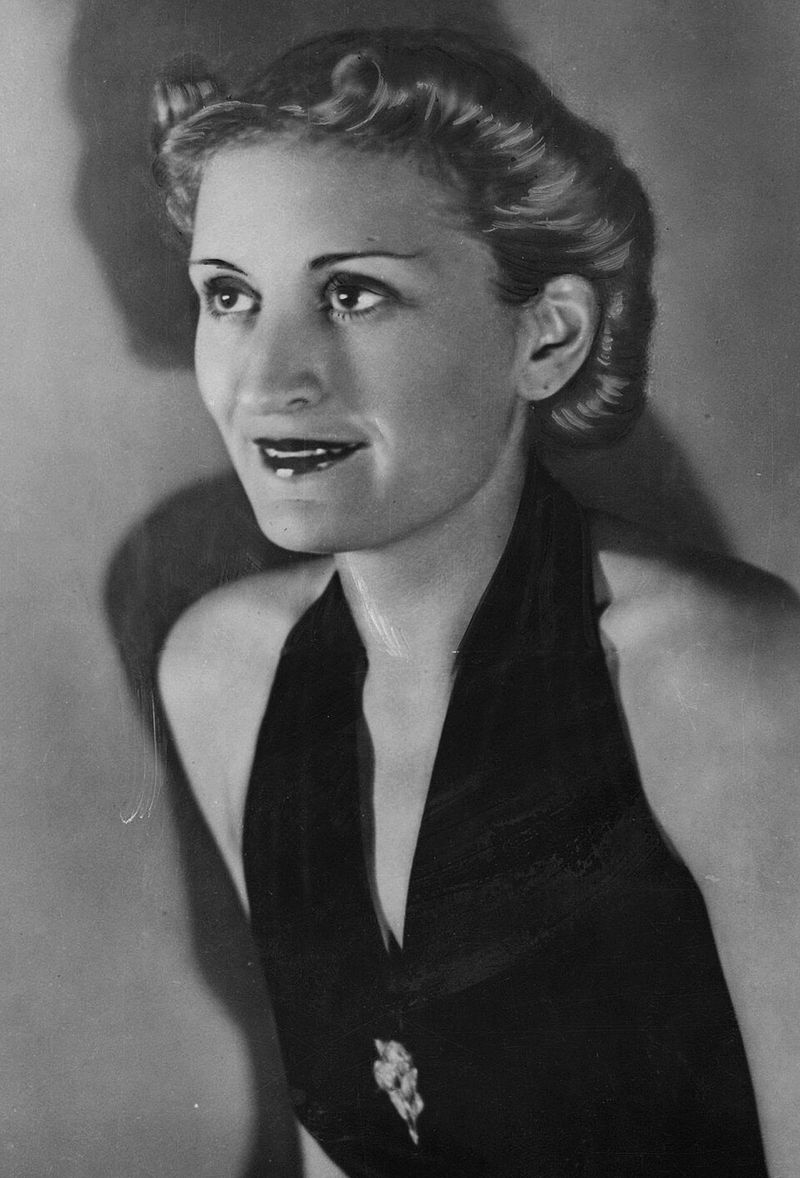
Edda Mussolini was her father’s favorite child, and by most accounts, she knew it. Benito Mussolini doted on her in ways he rarely showed others, and Edda carried herself with the confidence of someone who believed deeply in her family’s power.
Even as Italy crumbled around fascism, she stayed fiercely loyal.
She married Count Galeazzo Ciano, who served as Italy’s Foreign Minister. Their relationship with Mussolini became complicated when Ciano voted against the dictator in 1943.
Mussolini had his own son-in-law executed, a decision that deeply fractured his bond with Edda.
After the war, Edda never publicly apologized for her family’s role in fascism. She gave interviews defending her father’s legacy well into old age and remained a controversial figure in Italian society.
Her story is one of loyalty pushed to painful extremes, raising hard questions about family, power, and moral responsibility.
3. Kim Jong-un and Kim Yo-jong: Children of Kim Jong-il
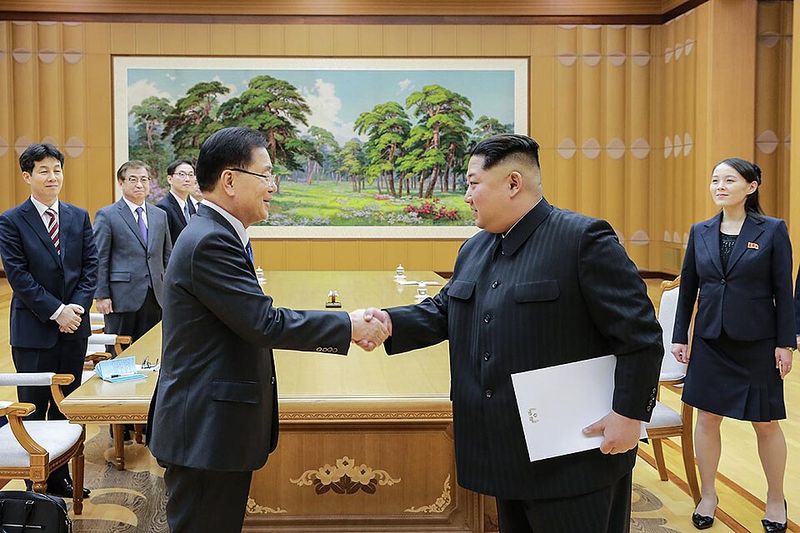
Few political dynasties in the modern world are as tightly controlled as North Korea’s Kim family. Kim Jong-il ruled the isolated nation for nearly two decades, and when he died in 2011, power passed directly to his son Kim Jong-un.
The transition was seamless and deliberate.
Kim Jong-un quickly consolidated authority, ordering the execution of rivals including his own uncle. His leadership style has been even more unpredictable than his father’s, marked by nuclear weapons tests and tightly managed propaganda.
Outside observers rarely get a clear picture of what life inside the regime truly looks like.
His sister, Kim Yo-jong, has emerged as one of the most powerful people in North Korea. She handles political messaging, oversees propaganda, and is considered a key decision-maker.
Together, the siblings represent how authoritarian power can transfer between generations while keeping the same tight grip on millions of people.
4. Uday and Qusay Hussein: Sons of Saddam Hussein
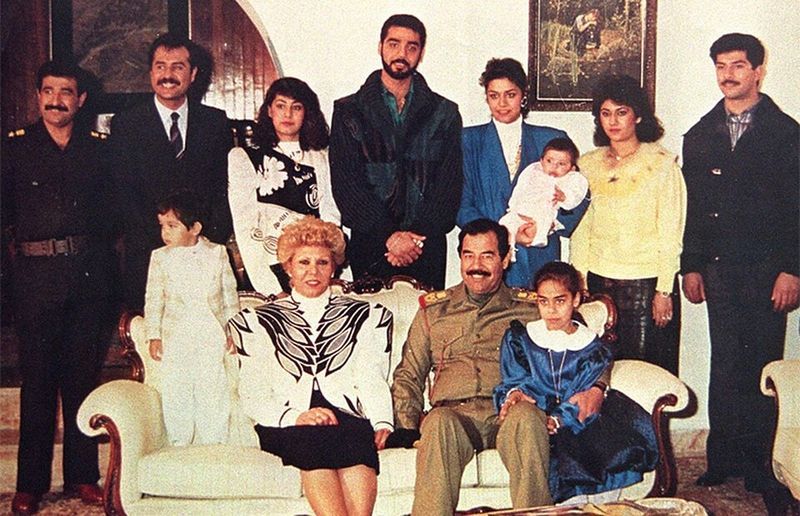
Saddam Hussein’s two sons were among the most feared men in Iraq. Uday Hussein, the elder of the two, was notorious for his violent temper, lavish lifestyle, and complete disregard for human life.
Stories of his cruelty circulated widely among Iraqis who dared to whisper them at all.
Qusay was considered the more calculating brother. He oversaw Iraq’s Republican Guard and internal security forces, making him a central figure in maintaining the regime’s brutal control.
Saddam reportedly favored Qusay as his political heir because of his discipline and loyalty.
Both brothers were killed on July 22, 2003, during a U.S. military raid in Mosul following the invasion of Iraq. Their deaths were seen as a major symbolic blow to what remained of the Hussein regime.
For many Iraqis, the news brought a complicated mix of relief and uncertainty about what would come next.
5. Saif al-Islam Gaddafi: Son of Muammar Gaddafi
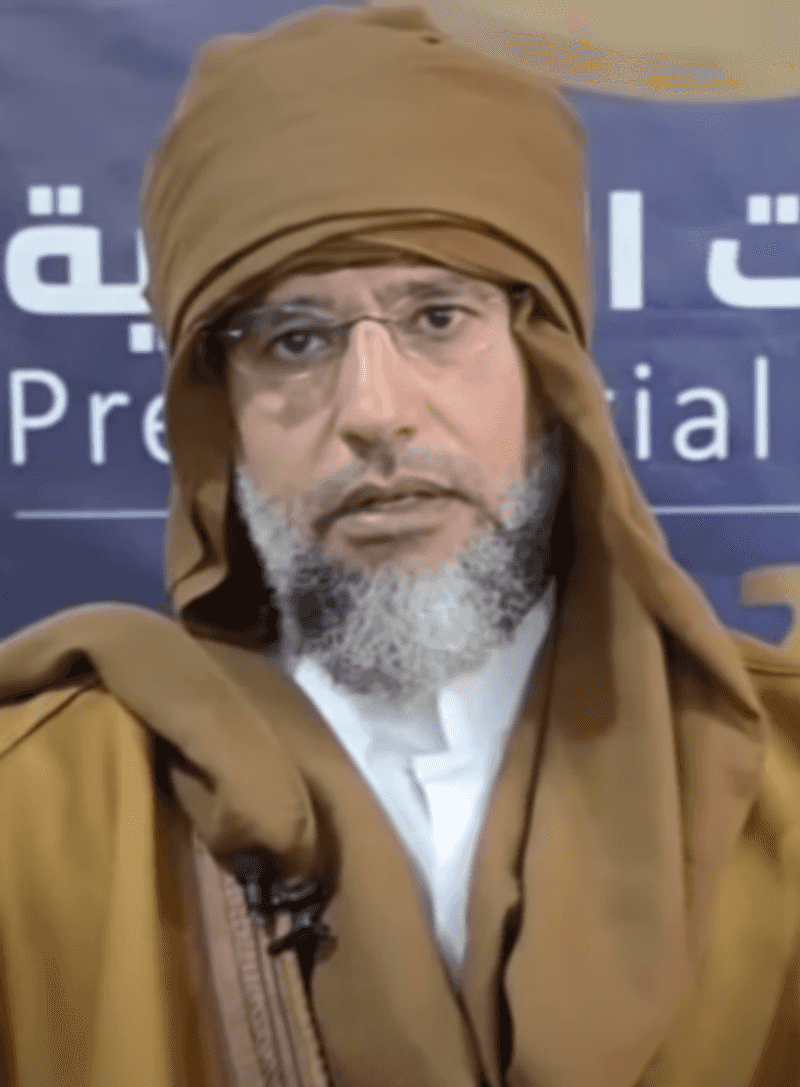
For years, Saif al-Islam Gaddafi seemed like the one member of the Gaddafi family the outside world could work with. He earned a PhD from the London School of Economics, spoke fluent English, and presented himself as a forward-thinking reformer who might one day modernize Libya.
Western governments and media were cautiously optimistic.
That image shattered quickly when Libya’s 2011 uprising began. Rather than supporting calls for reform, Saif appeared on state television threatening protesters with civil war.
He became a vocal defender of his father’s regime, and international opinion turned sharply against him.
After Muammar Gaddafi was killed in October 2011, Saif was captured by rebel forces and faced war crimes charges. The International Criminal Court issued a warrant for his arrest.
He has remained a controversial and elusive figure in Libyan politics, with some factions still viewing him as a potential political player in the country’s fractured landscape.
6. Nicu Ceausescu: Son of Nicolae Ceausescu
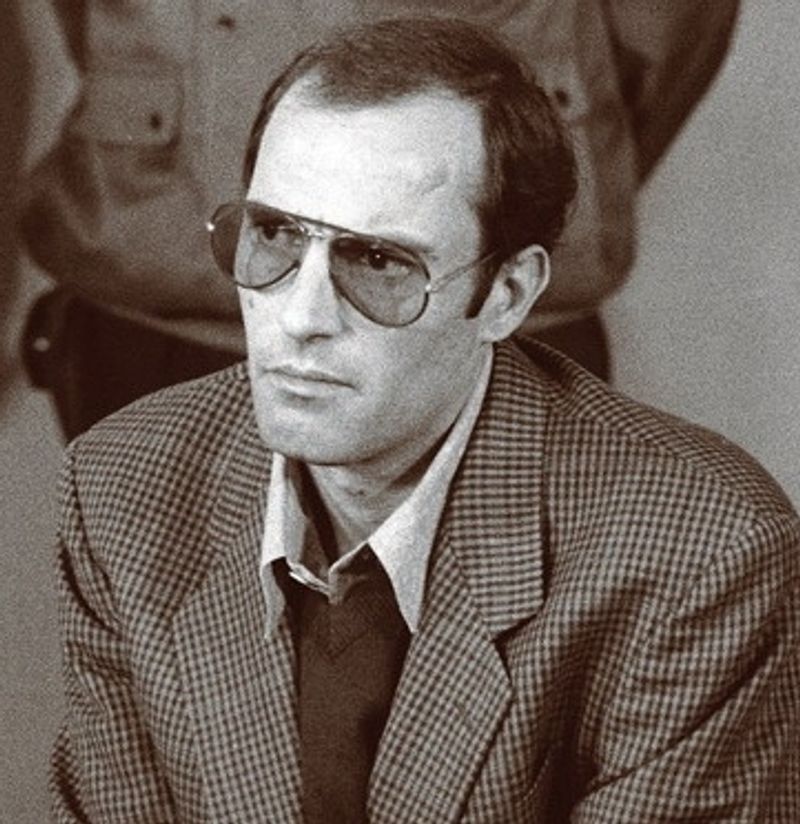
Growing up as the son of Romania’s communist dictator meant Nicu Ceausescu had access to almost anything he wanted. While ordinary Romanians stood in long lines for basic food and electricity, Nicu lived a life of extravagant privilege.
He was widely known for heavy drinking, reckless behavior, and abusing his position without consequence.
Nicolae Ceausescu had been grooming Nicu as a possible successor to lead Romania’s communist government. Nicu held regional party leadership positions and was being positioned for a larger national role.
Many Romanians resented him deeply, seeing his rise as proof that the regime rewarded loyalty over merit.
When the Romanian Revolution broke out in December 1989, everything collapsed rapidly. Nicolae and Elena Ceausescu were executed on Christmas Day, and Nicu was arrested shortly after.
He was convicted of inciting violence against protesters. Nicu died in 1996 from liver disease, his story a cautionary tale about unchecked privilege and inherited power.
7. Bashar al-Assad: Son of Hafez al-Assad
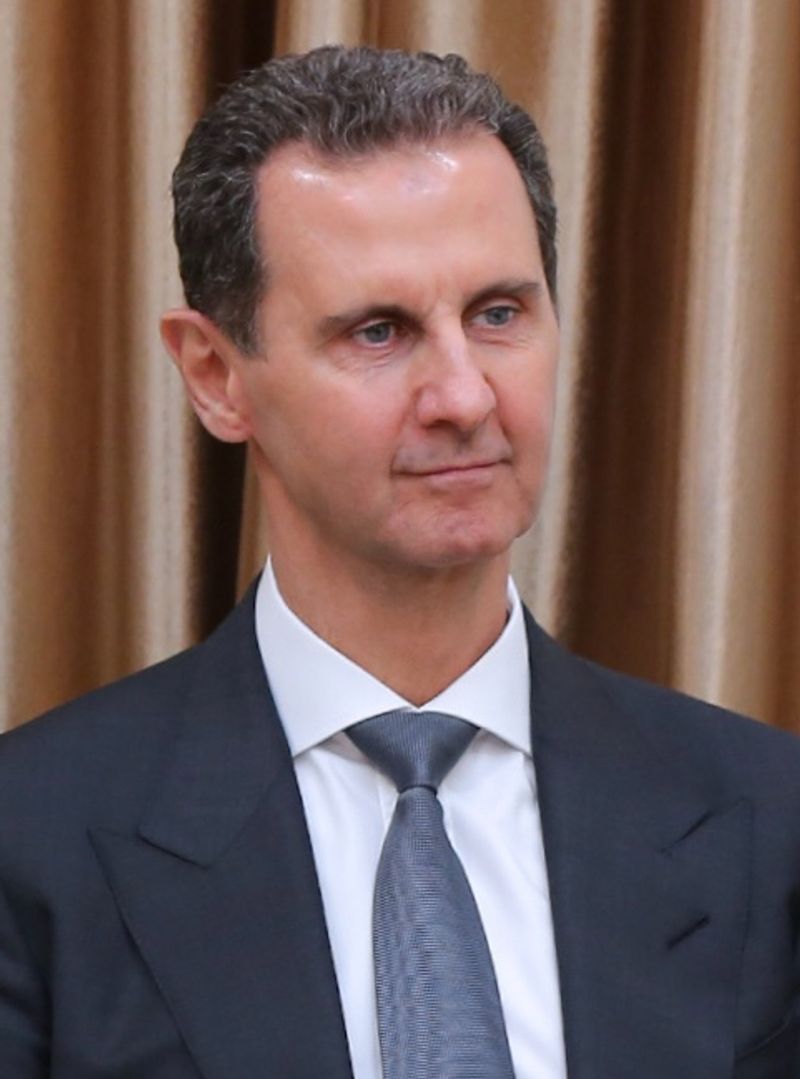
Nobody expected Bashar al-Assad to rule Syria. He trained as an ophthalmologist in London and seemed destined for a quiet medical career.
His older brother Bassel was the one being groomed for leadership — until Bassel died in a car accident in 1994. Suddenly, Bashar was called home to prepare for a role he had never sought.
When his father Hafez al-Assad died in 2000, Bashar assumed the presidency. Early in his rule, some observers hoped he might introduce political reforms and open Syrian society.
Those hopes faded quickly as the regime maintained its authoritarian grip.
The Syrian civil war, which began in 2011, defined Bashar’s presidency in devastating ways. Hundreds of thousands of Syrians were killed, and millions were displaced.
International bodies accused his government of using chemical weapons against civilians. He remained in power for years, relying on support from Russia and Iran, becoming one of the most controversial leaders of the 21st century.
8. Isabel Peron: Political Successor of Juan Peron
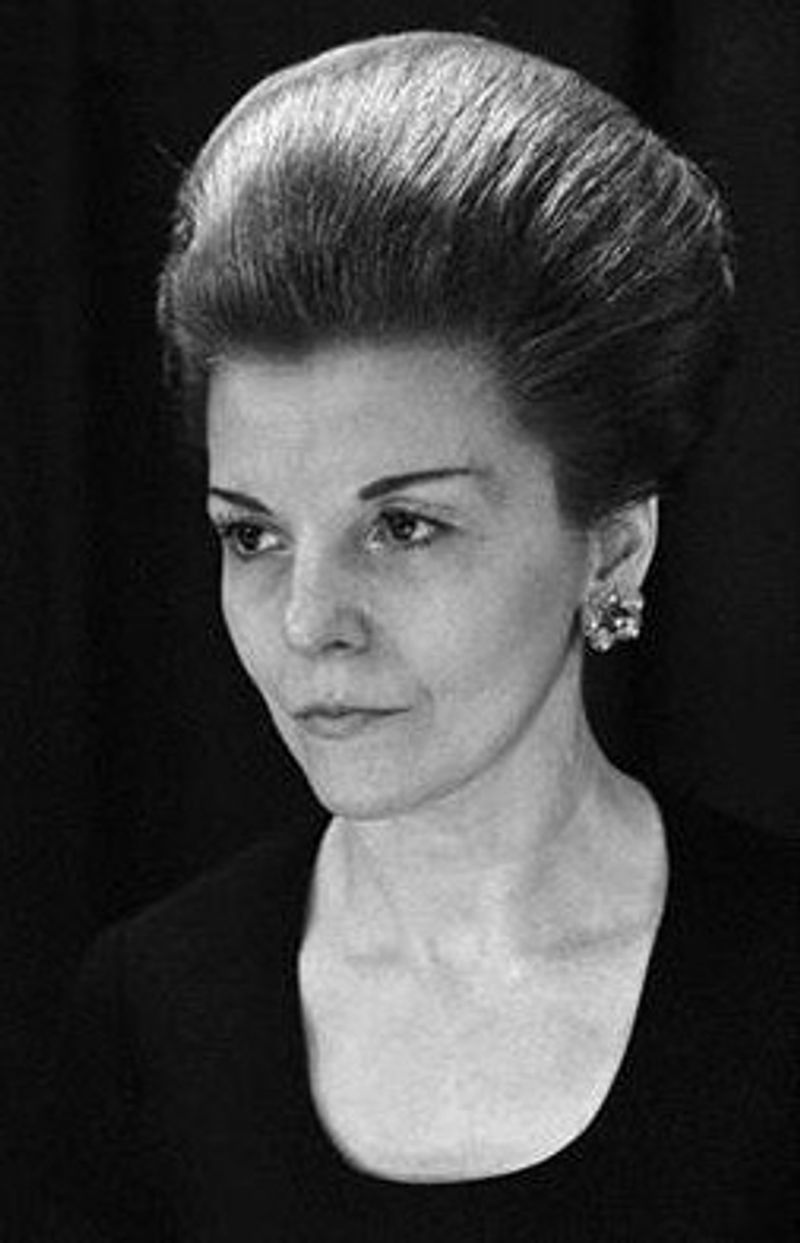
Isabel Peron holds a unique place in political history. She was not Juan Peron’s biological daughter but his third wife, and she became Argentina’s and the world’s first female president when Juan Peron died in office in 1974.
Her path to power was unlike almost anyone else on this list.
Juan Peron had returned from exile in 1973 after nearly two decades away from Argentina. He ran for president with Isabel as his vice presidential running mate, and they won by a wide margin.
When he died just months into his term, Isabel stepped into the presidency unprepared for the chaos that followed.
Her government struggled with extreme political violence, economic collapse, and deep social unrest. A military coup removed her from power in 1976.
Isabel was placed under house arrest and later went into exile in Spain. Her story remains a complicated chapter in Argentina’s long struggle between democracy and authoritarian rule.
9. Alina Fernandez: Daughter of Fidel Castro
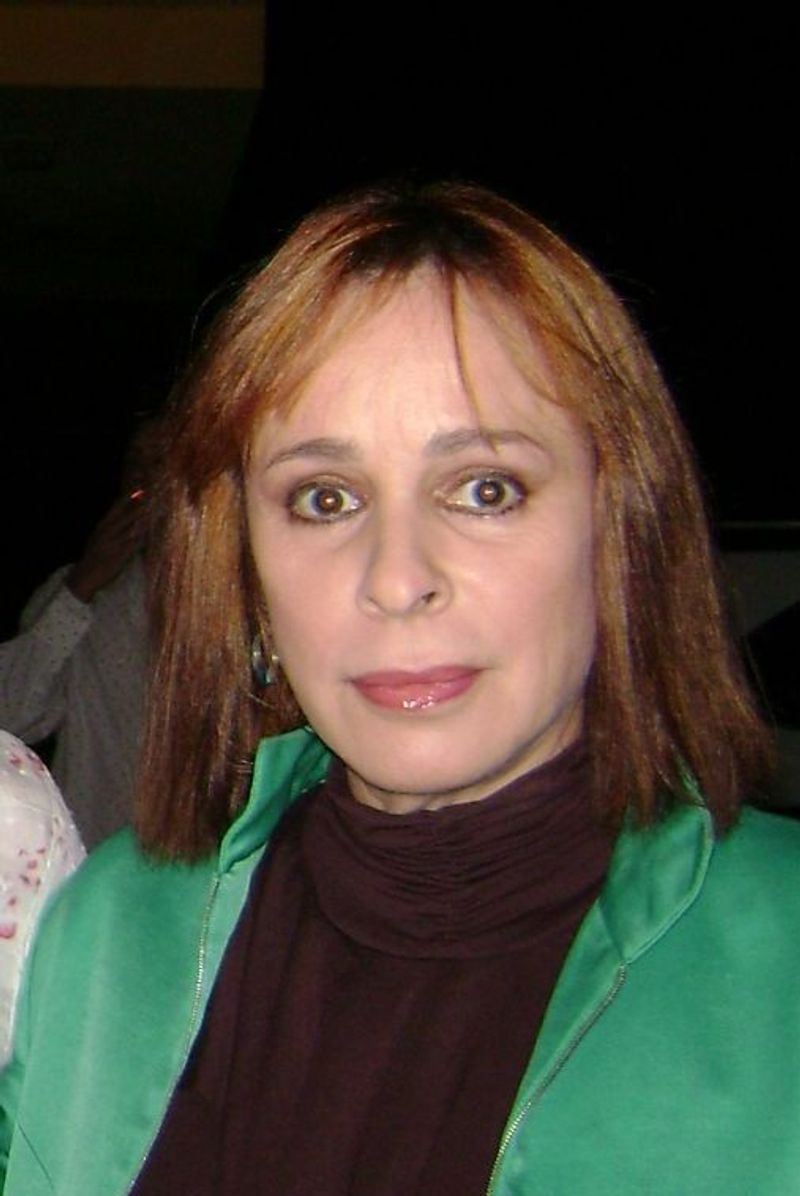
Fidel Castro had several children, but few made headlines quite like Alina Fernandez. Born in 1956, she was the daughter of Castro and a married woman named Natalia Revuelta.
Growing up in Cuba under her father’s revolution was a deeply conflicted experience, she was both the leader’s daughter and someone who grew increasingly critical of his government.
Alina became one of the most outspoken critics of the Castro regime to ever come from within the family. She openly challenged the restrictions on free speech, political freedom, and basic rights that ordinary Cubans faced every day.
Her relationship with her father was tense and complicated for much of her adult life.
In 1993, she disguised herself and fled Cuba using a fake Spanish passport. She settled in the United States and became a radio broadcaster and author, using her platform to advocate for Cuban freedom.
Her defection was a significant embarrassment for her father’s government.
10. Teodoro Nguema Obiang Mangue: Son of Equatorial Guinea’s Ruler
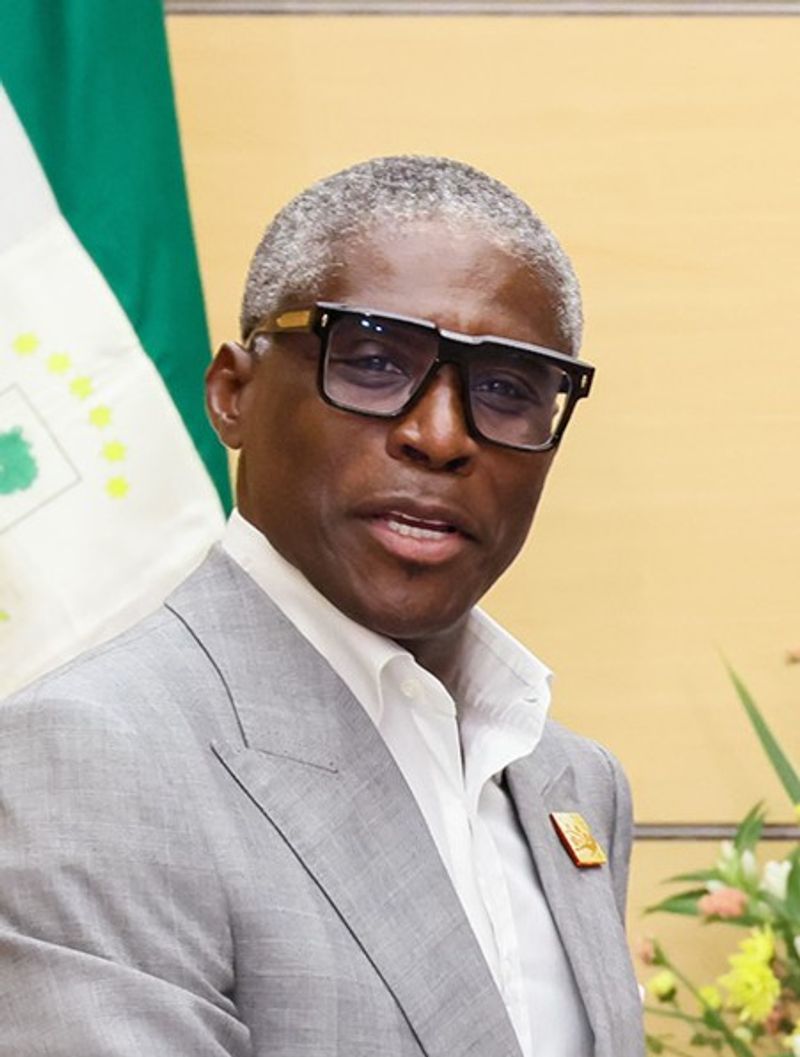
When your father has ruled a small African nation since 1979, certain privileges tend to follow. Teodoro Nguema Obiang Mangue, known as Teodorin, is the son of Equatorial Guinea’s longtime president and has become internationally notorious for spectacular displays of wealth.
His spending habits became the focus of major corruption investigations across several countries.
Teodorin reportedly spent millions on a private jet, a yacht, a Malibu mansion, sports cars, and luxury goods all while serving as his country’s agriculture minister. Equatorial Guinea has significant oil wealth, but most of its citizens live in poverty.
The contrast drew sharp international criticism and legal scrutiny.
French and U.S. authorities launched investigations into whether his assets were purchased with stolen public funds. He was convicted in absentia by a French court in 2017.
Despite these legal troubles, Teodorin was appointed vice president of Equatorial Guinea in 2012, suggesting that in some regimes, family loyalty outweighs accountability.
11. Gamal Mubarak: Son of Hosni Mubarak
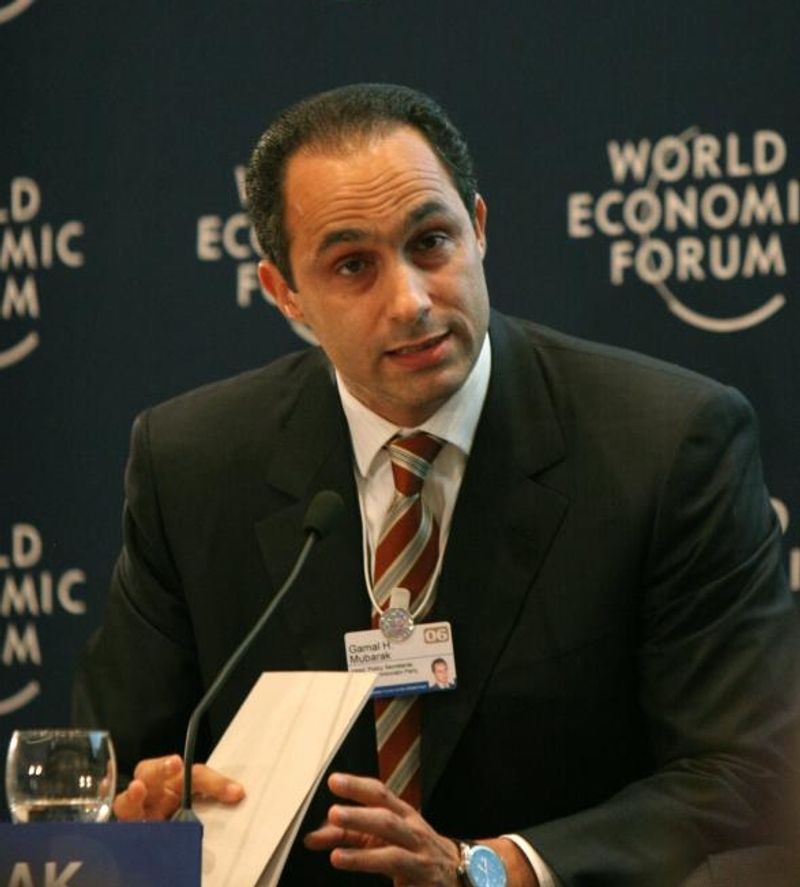
For years, it seemed almost certain that Egypt’s political future had one name attached to it: Gamal Mubarak. As the son of longtime president Hosni Mubarak, Gamal rose steadily through the ranks of Egypt’s ruling National Democratic Party during the 2000s.
Political insiders openly discussed the possibility of a father-to-son power transfer.
Gamal had a background in investment banking and presented himself as a modern, business-minded politician. He cultivated relationships with Egypt’s business elite and pushed economic liberalization policies that critics argued benefited the wealthy while leaving ordinary Egyptians behind.
Resentment over inequality became one of the central grievances of the Arab Spring.
When mass protests erupted in Tahrir Square in January 2011, Hosni Mubarak’s government collapsed within weeks. Gamal’s political ambitions effectively ended with his father’s resignation.
Both were later tried on corruption charges. The Mubarak dynasty became a symbol of how dynastic political ambitions can be swept away when citizens demand change.
12. The Trabelsi Family: Connected to Ben Ali’s Tunisia
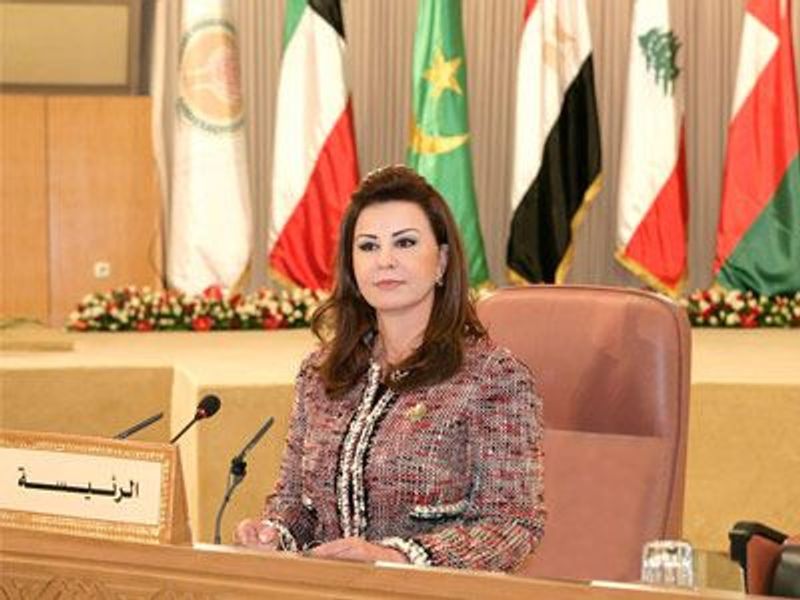
Zine El Abidine Ben Ali ruled Tunisia for over two decades, and during that time, his wife’s family, the Trabelsis, became synonymous with greed and political favoritism. Leila Ben Ali’s relatives used their connections to the presidential palace to accumulate businesses, property, and influence across the country.
Ordinary Tunisians watched with growing frustration.
The family’s reach extended into banking, real estate, media, and trade. Competitors found it nearly impossible to operate without dealing with Trabelsi interests.
A leaked U.S. diplomatic cable famously described the family as a quasi-mafia, a phrase that stuck and spread widely after WikiLeaks published it.
When the Tunisian Revolution began in late 2010 and early 2011, the Ben Ali family and many Trabelsi relatives fled the country. Reports indicated that Leila Ben Ali left with suitcases of cash and gold.
Their flight became a powerful symbol of how authoritarian regimes protect family wealth right up until the very end.
13. Ferdinand Marcos Jr.: Son of Philippine Dictator Ferdinand Marcos
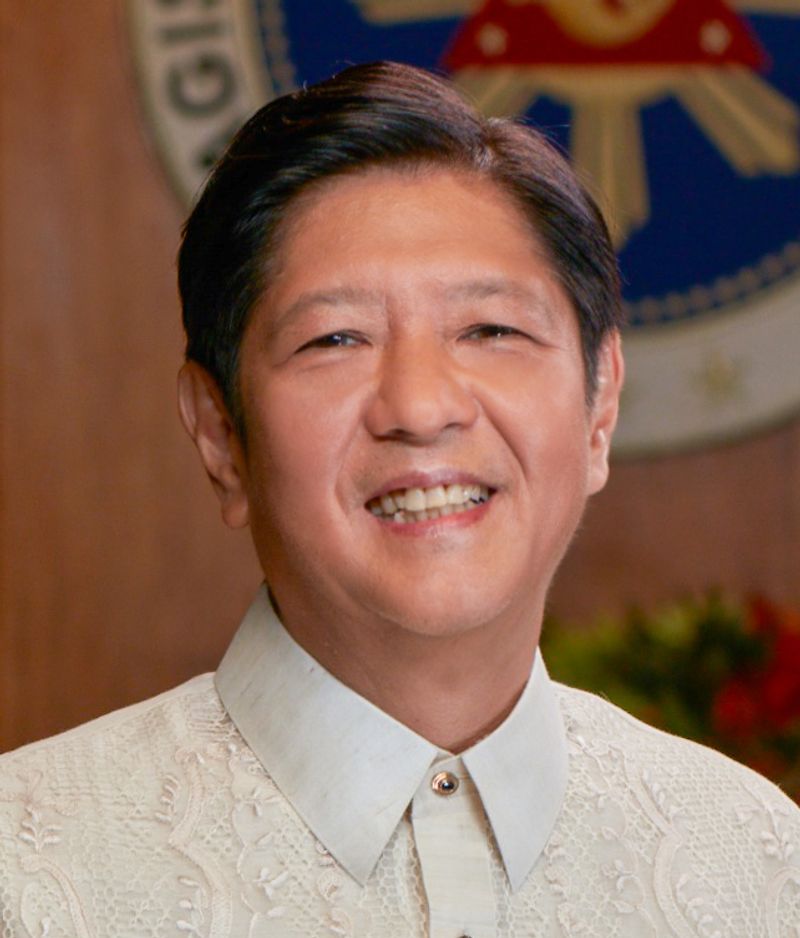
Ferdinand Marcos ruled the Philippines as a dictator from 1972 to 1986, overseeing widespread human rights abuses, massive corruption, and the looting of billions from the national treasury. When the People Power Revolution forced his family into exile in Hawaii, many assumed the Marcos era was permanently closed.
That assumption turned out to be wrong.
His son, Ferdinand Marcos Jr., widely known as Bongbong, gradually rebuilt the family’s political standing over the following decades. He served as governor, congressman, and senator, steadily rehabilitating the Marcos name through a carefully managed public image campaign.
Critics accused him of revisionist history, while supporters praised his family’s legacy of infrastructure development.
In May 2022, Marcos Jr. won the Philippine presidential election by a landslide, returning his family to the country’s highest office nearly 40 years after being driven out. His victory stunned observers worldwide and sparked intense debate about historical memory, social media influence, and how quickly societies can forget the past.
Share this story