Europe is home to some of the most stunning lakes in the world, from fairy-tale alpine waters to ancient glacial lagoons. Whether you love hiking, history, or simply soaking in breathtaking scenery, there is a lake here that will leave you speechless.
These natural wonders span across dozens of countries, each with its own unique charm and character. Pack your bags and get ready to discover the lakes that belong on every traveler’s bucket list.
1. Lake Bled, Slovenia
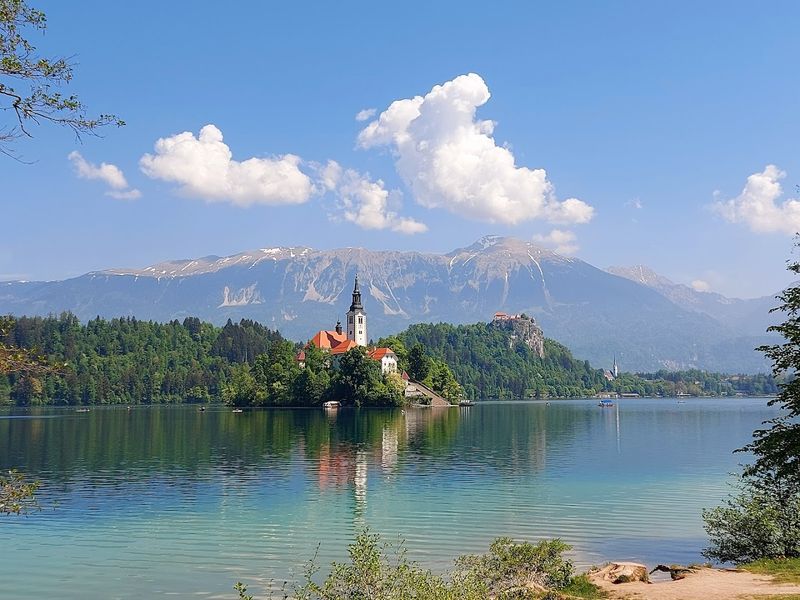
Straight out of a storybook, Lake Bled might be the most photogenic lake in all of Europe. Sitting in the heart of Slovenia’s Julian Alps, this turquoise gem features a tiny island with a white church that visitors can reach by traditional wooden rowboats called pletnas.
Ringing a bell inside the church tower is said to grant a wish, making it a favorite spot for romantics and dreamers alike.
Perched above the lake on a rocky cliff, Bled Castle offers sweeping views that stretch across the water and into the mountains beyond. The town of Bled itself is walkable and welcoming, with cozy cafes serving the famous kremna rezina, a vanilla cream cake locals are incredibly proud of.
Morning visits reward early risers with mirror-like reflections on the calm water. Lake Bled is not just beautiful; it feels genuinely magical at every hour of the day.
2. Lake Como, Italy
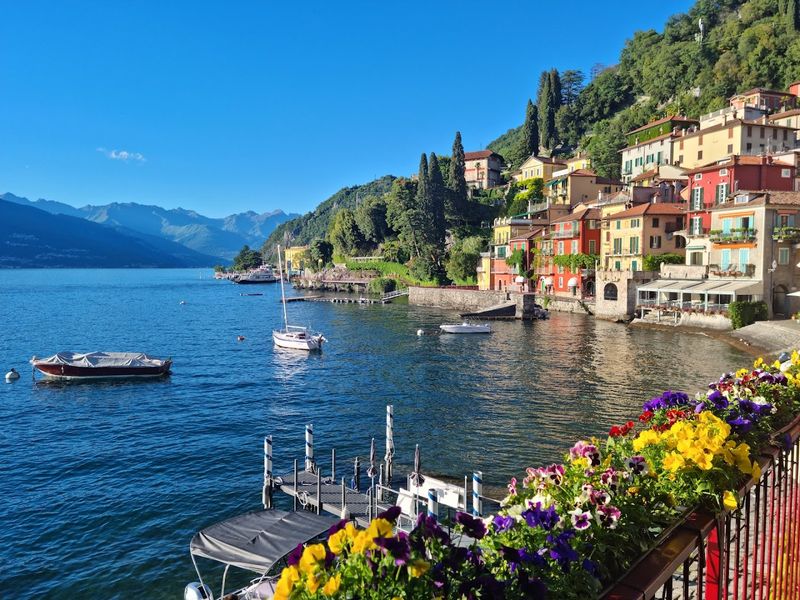
For centuries, artists, poets, and celebrities have been drawn to Lake Como, and it is easy to understand why. Nestled between steep green mountains in northern Italy, this Y-shaped lake is lined with ornate villas, blooming gardens, and charming pastel-colored towns.
Bellagio, sitting at the fork of the lake, is often called the Pearl of the Lake for its cobblestone streets and breathtaking panoramic views.
Ferries connect the lakeside villages, making it simple and affordable to explore multiple towns in a single day. Varenna is especially lovely, with narrow lanes that wind down to the water’s edge.
The lake stays relatively warm through summer, drawing swimmers and kayakers from across Europe. George Clooney famously owns a villa here, but you do not need celebrity status to fall in love with Como.
One afternoon on its shores and you will already be planning your return trip.
3. Plitvice Lakes, Croatia
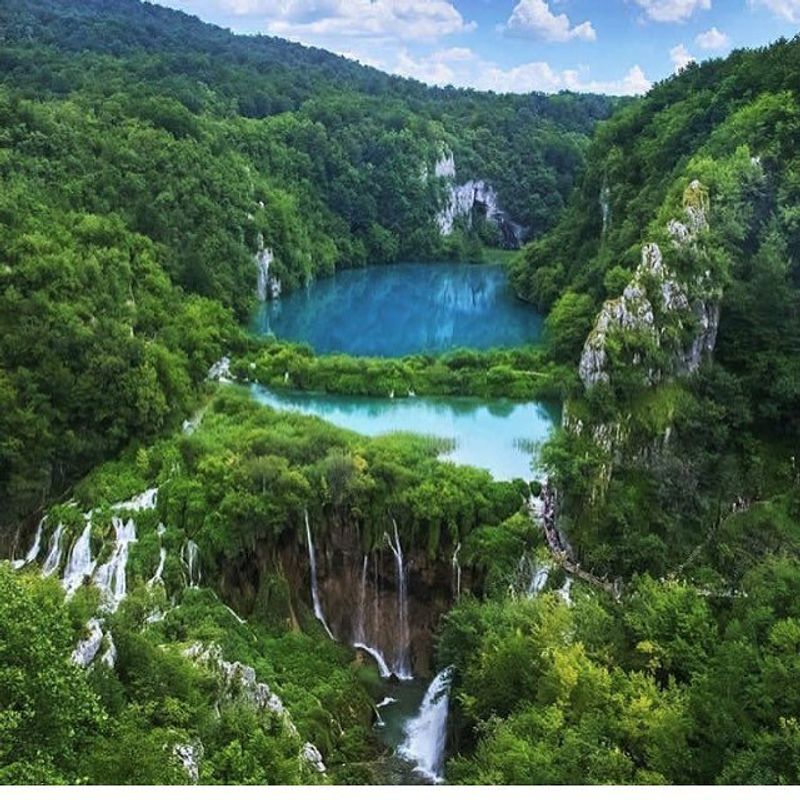
Nothing quite prepares you for your first glimpse of Plitvice Lakes. Croatia’s most visited national park is home to sixteen terraced lakes connected by a series of roaring waterfalls, all wrapped inside a dense forest that turns vivid shades of gold and orange in autumn.
The water shifts between shades of emerald, turquoise, and deep blue depending on the minerals, sunlight, and algae present at any given moment.
Wooden boardwalks and hiking trails wind through the park, allowing visitors to walk directly above the waterfalls and crystal-clear pools below. Because the park is a UNESCO World Heritage Site, swimming is not permitted, but the views more than make up for it.
Arrive early in the morning to beat the crowds and experience the park in near silence, with only the sound of rushing water to keep you company. Plitvice is truly one of nature’s finest masterpieces.
4. Lake Geneva, Switzerland and France
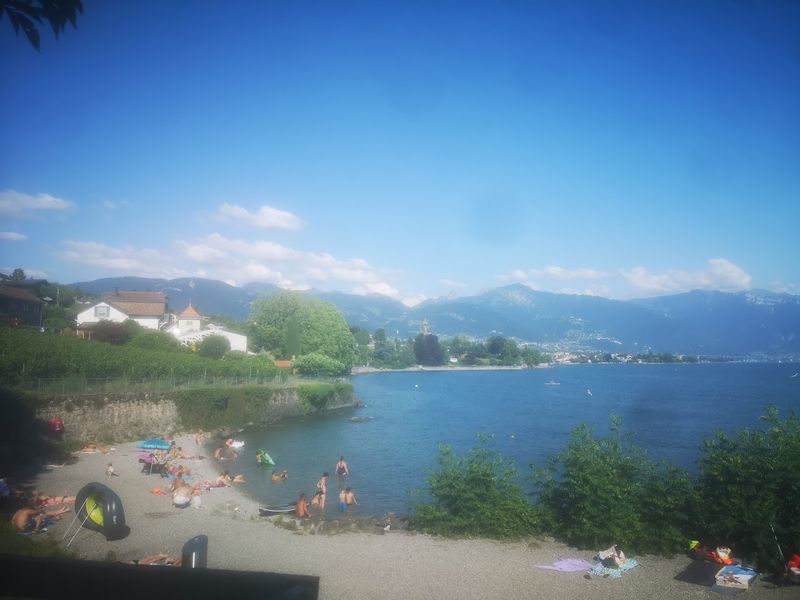
Stretching across the border of Switzerland and France, Lake Geneva is one of the largest freshwater lakes in Western Europe and a destination that blends natural beauty with sophisticated culture. The Swiss Riviera along its northern shore is dotted with vineyards, castles, and lakeside promenades that feel almost impossibly scenic, especially when the Alps rise sharply in the distance.
Montreux hosts its legendary jazz festival each summer, drawing musicians and music lovers from around the world. Geneva sits at the western tip of the lake, offering world-class museums, international organizations, and the famous Jet d’Eau fountain shooting water 140 meters into the sky.
Paddle steamers still cruise the lake the old-fashioned way, offering a relaxed and panoramic way to see both shores. Whether you visit in winter with snow on the peaks or in summer with sailboats dotting the water, Lake Geneva rewards every season beautifully.
5. Hallstattersee, Austria
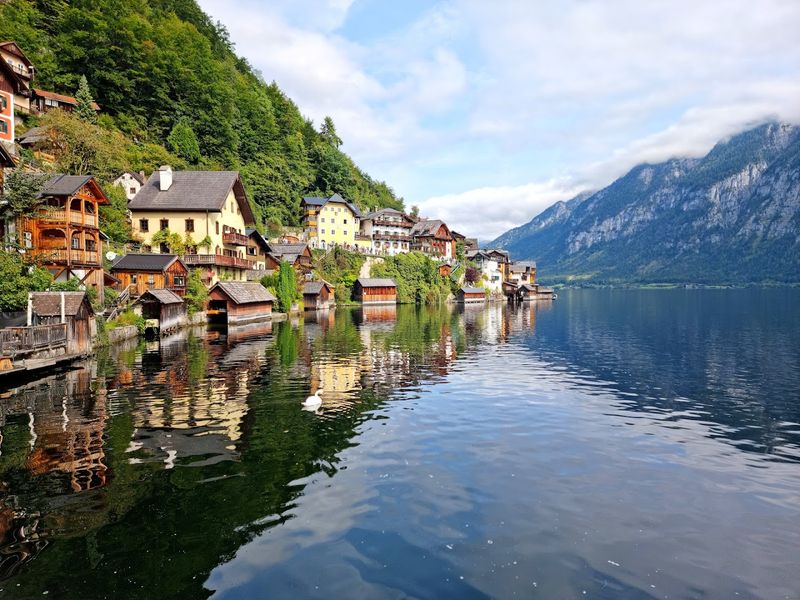
If you have ever seen a photo of a tiny Austrian village reflected perfectly in a glassy mountain lake, chances are it was Hallstatt. The village of Hallstatt clings to a narrow strip of land between the Hallstattersee and a towering cliff face, creating one of the most photographed scenes in all of Europe.
Its colorful houses, flower-filled balconies, and historic church make it look almost too perfect to be real.
The area has been continuously inhabited for over 7,000 years, making it one of the oldest settled communities in the world. Salt mining here dates back to prehistoric times, and a fascinating museum tells the full story.
Visitors can take a boat across the lake from the train station, which adds a dreamy arrival experience. Autumn mornings bring low mist rolling across the water, adding an almost ghostly beauty to the already enchanting landscape.
Hallstatt is small but unforgettable.
6. Lake Bohinj, Slovenia
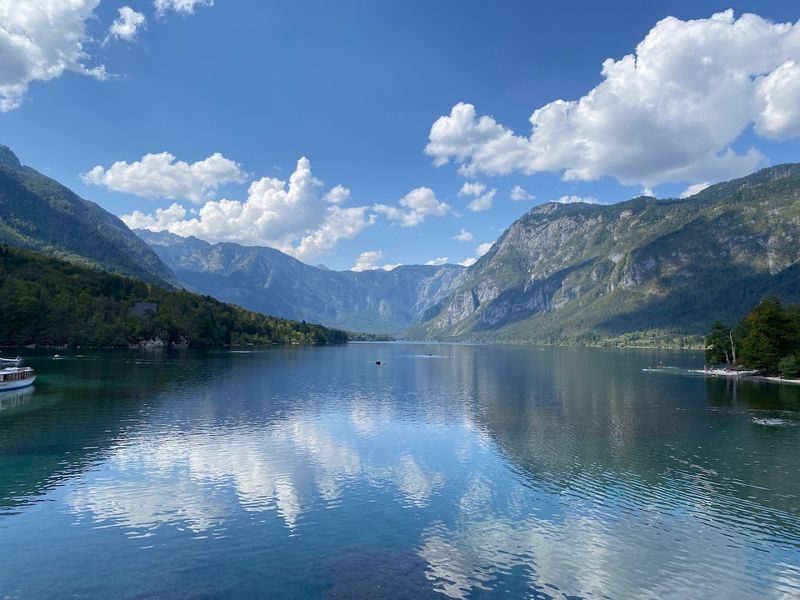
Tucked deeper into Triglav National Park than its famous neighbor Lake Bled, Lake Bohinj rewards travelers willing to go a little further off the beaten path. The lake is the largest permanent natural lake in Slovenia, and its wild, unspoiled shores feel a world apart from the tourist bustle that surrounds Bled.
The water is so clear you can see straight to the rocky bottom, even in the deeper sections near the center.
Hiking trails fan out in every direction from the lake, leading to mountain huts, hidden waterfalls, and panoramic ridgelines. Swimming is popular in summer, and the lake stays refreshingly cool even during July and August.
A small stone church dedicated to Saint John the Baptist stands at the lake’s eastern end, its reflection shimmering in the still morning water. Bohinj is the kind of place that feels like a secret worth keeping, even after you have shared it with everyone you know.
7. Lake Annecy, France
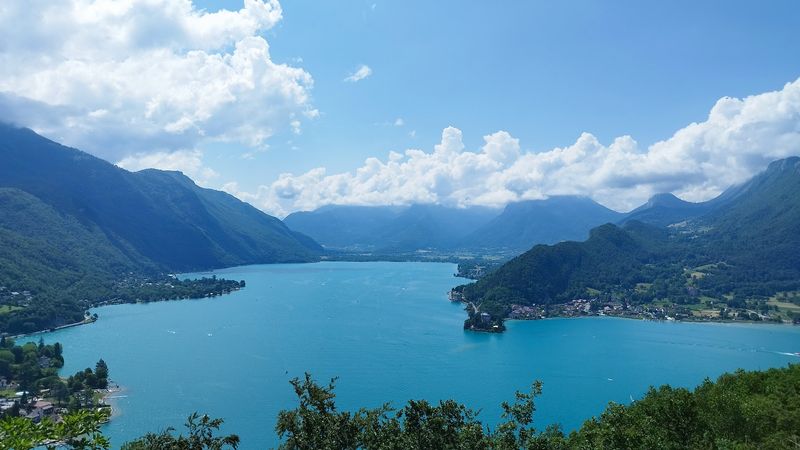
Known widely as the cleanest lake in Europe, Lake Annecy in the French Alps has been carefully protected since the 1960s, and the results speak for themselves. The water is an almost unnatural shade of vivid blue, so clear and pure that swimming here feels like a privilege.
The lake sits just minutes from the medieval old town of Annecy, a beautifully preserved city of canals, flower-draped bridges, and pastel facades.
Cycling paths ring the entire lake, making it easy to explore at your own pace without a car. Paddleboarding, sailing, and kayaking are all popular on the calm water during summer months.
The surrounding mountains offer excellent hiking, and the cable car up to La Tournette provides jaw-dropping views over the lake and beyond. Annecy blends outdoor adventure with genuine French charm in a way few places manage so effortlessly.
A weekend here never feels like enough time.
8. Lago di Braies, Italy
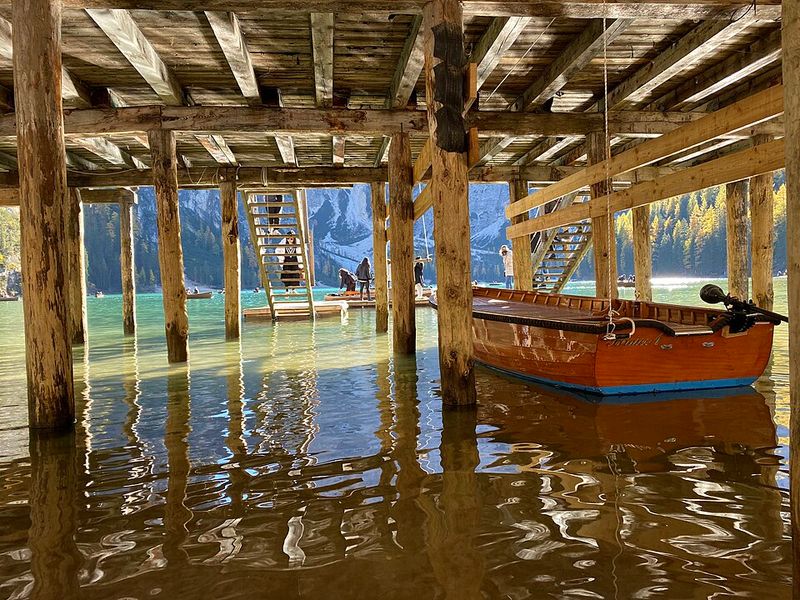
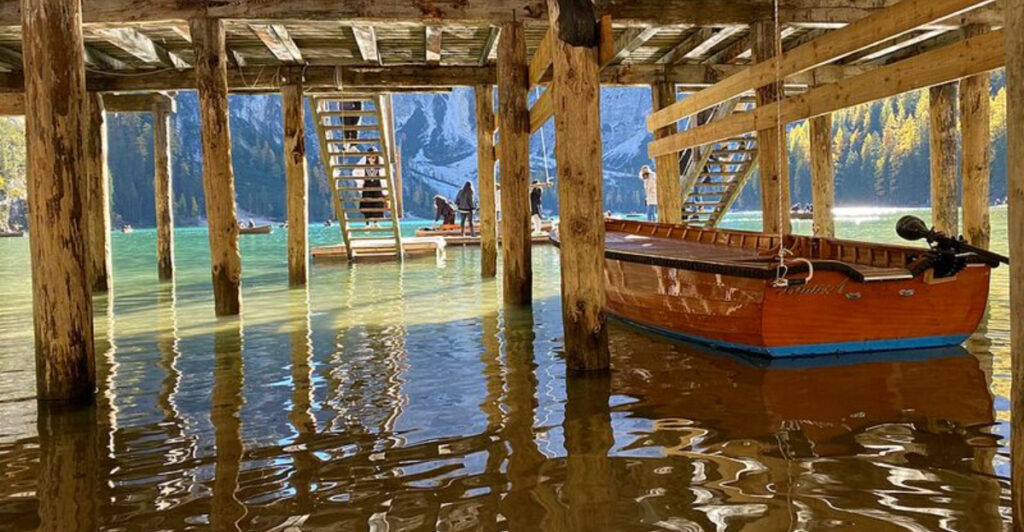
Sometimes called Pragser Wildsee in German, Lago di Braies sits high in the South Tyrol region of the Italian Dolomites and looks so impossibly beautiful that many visitors assume they are looking at a digitally enhanced photograph. The water is a deep, jewel-like emerald green, framed on all sides by sheer rocky peaks and thick forests of dark spruce trees.
A small wooden dock with red rowboats for hire adds a charming finishing touch to the scene.
The lake sits at 1,496 meters above sea level, so the air is crisp and cool even in the height of summer. A well-maintained trail circles the entire lake in about an hour, offering changing views at every turn.
Because the area has become extremely popular in recent years, arriving before 8 in the morning is strongly recommended to avoid crowds and parking difficulties. Lago di Braies is genuinely one of those rare places that exceeds every expectation.
9. Lake Lucerne, Switzerland
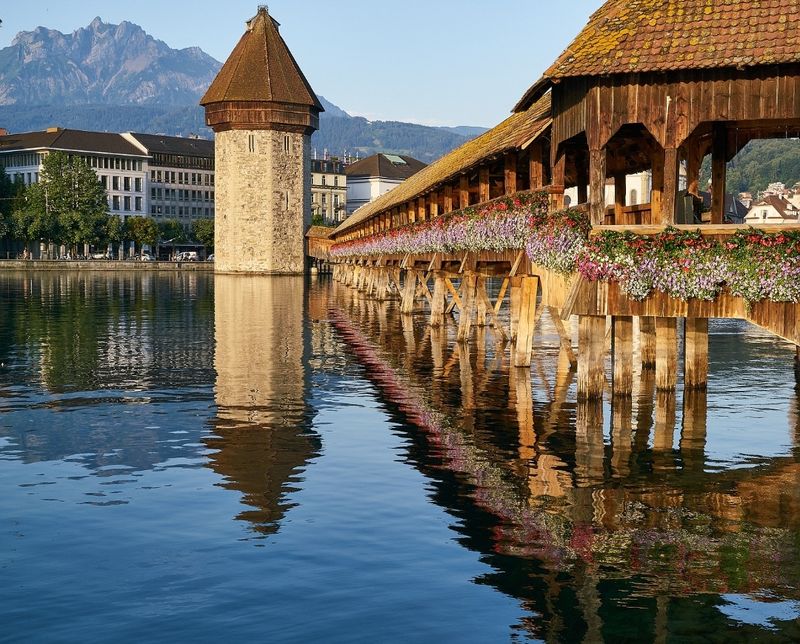
Lake Lucerne sits at the very heart of Switzerland, both geographically and historically. The four-armed lake is surrounded by some of the most dramatic mountain scenery in the country, with peaks like Mount Pilatus and Rigi rising steeply from the water’s edge.
The city of Lucerne at the lake’s northwestern tip is one of Switzerland’s most beloved destinations, famous for its medieval Chapel Bridge and vibrant waterfront promenade.
Historic paddle steamers have been cruising the lake since the 19th century, and riding one today still feels wonderfully nostalgic. The boat routes connect small villages tucked into coves and inlets that are difficult to reach any other way.
In winter, the snow-covered peaks reflected in the still water create a scene of extraordinary calm. Lucerne is also a gateway to some of Switzerland’s most iconic mountain excursions, including the legendary Gotthard Pass.
Few lakes in Europe carry this much history and natural grandeur in one place.
10. Loch Lomond, Scotland
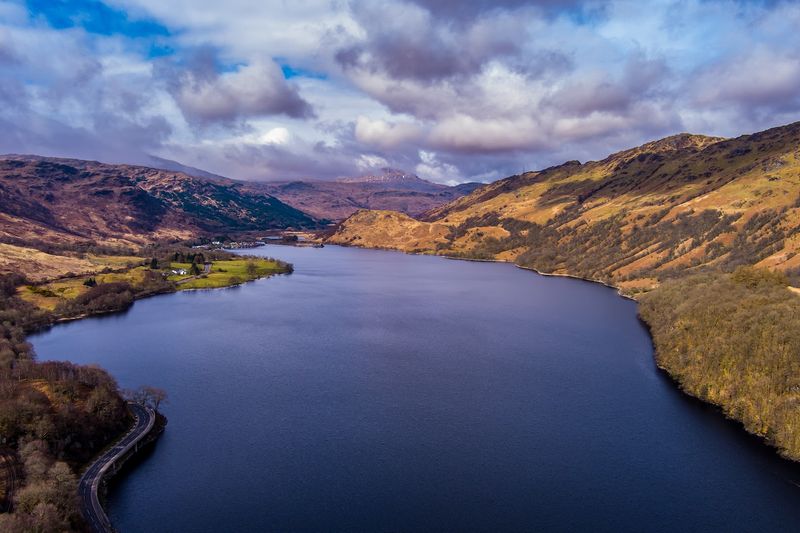
Scotland’s largest lake by surface area, Loch Lomond carries a certain wild romance that no photograph can fully capture. The loch stretches 39 kilometers from north to south, transitioning from wide, island-dotted waters in the south to narrower, mountain-flanked channels in the north.
On a misty morning, with low clouds drifting between the Highland peaks, it looks exactly like the setting of an ancient legend.
The famous song “The Bonnie Banks o’ Loch Lomond” has made this lake part of Scotland’s cultural identity for generations. The West Highland Way, one of Scotland’s most celebrated long-distance walking routes, runs along its eastern shore.
Dozens of islands dot the loch, some inhabited and some entirely wild. Ben Lomond, rising above the eastern shore to 974 meters, offers a rewarding hike with panoramic views across the water.
Loch Lomond sits inside a national park and is easily accessible from Glasgow, making it a perfect day trip or extended escape.
11. Lake Garda, Italy
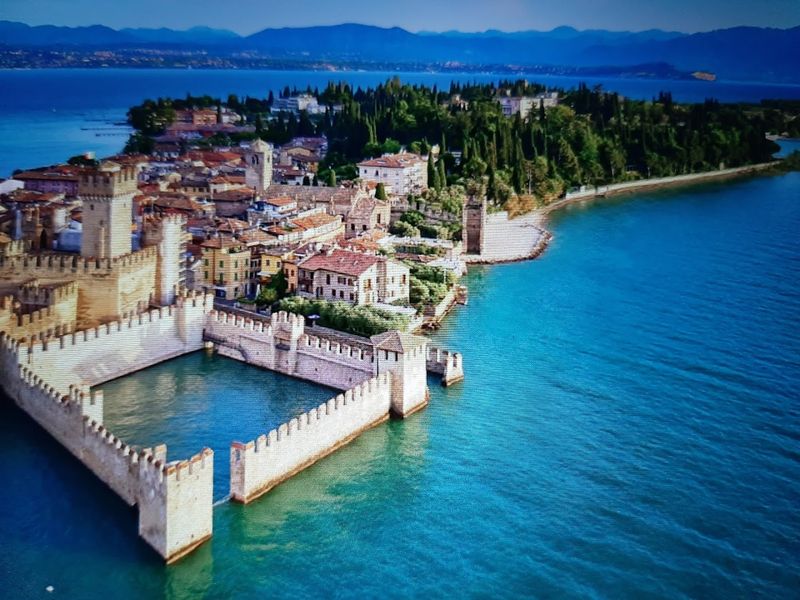
Italy’s largest lake manages to feel like several different destinations rolled into one. The southern shores near Sirmione are flat, warm, and dotted with Roman ruins and medieval castles, giving off a distinctly Mediterranean atmosphere.
Head north toward Riva del Garda, and the scenery shifts dramatically as towering Dolomite cliffs close in on both sides of the narrowing lake.
Windsurfers and kitesurfers flock to the northern end of the lake, where reliable winds funnel down from the mountains and create near-perfect conditions. Lemon groves, olive trees, and cypress forests line the western shore, known as the Riviera dei Limoni.
Towns like Limone sul Garda and Malcesine are colorful and lively, perfect for wandering through on a warm afternoon. Lake Garda is the most visited lake in Italy, and once you arrive, the reason becomes immediately obvious.
It offers something genuinely rewarding for every type of traveler, regardless of age or interest.
12. Jokulsarlon Glacier Lagoon, Iceland
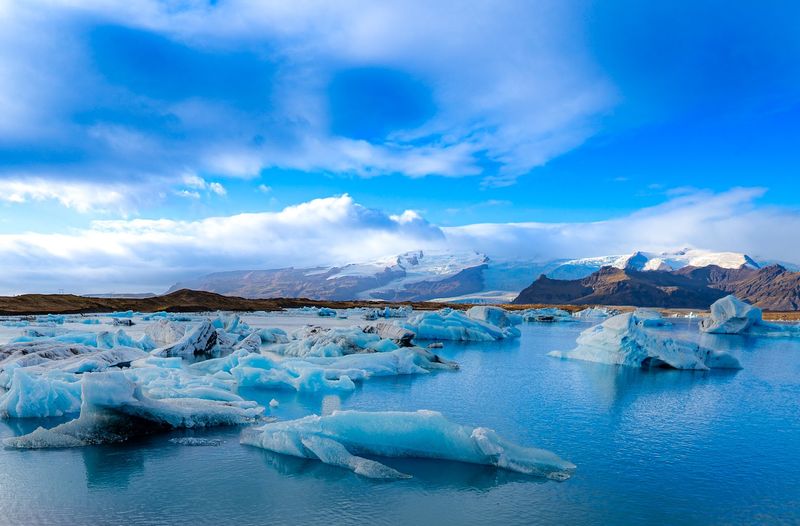
There is nowhere else in Europe quite like Jokulsarlon. This glacial lagoon in southeastern Iceland was formed as the Vatnajokull glacier, the largest in Europe, began retreating over the 20th century.
Today, enormous chunks of ice calve directly from the glacier into the lagoon, creating a constantly shifting landscape of blue and white icebergs drifting slowly toward the sea. Some of the ice is so ancient it contains trapped air bubbles from thousands of years ago.
Amphibious boat tours take visitors right among the icebergs for a close-up view that feels genuinely otherworldly. Just across the road, Diamond Beach is covered in chunks of clear ice washed up on jet-black volcanic sand, creating a scene of extraordinary visual contrast.
The lagoon has appeared in multiple James Bond films and other Hollywood productions. Jokulsarlon is especially dramatic at midnight during summer when the Arctic sun casts golden light across the floating ice.
13. Lake Saimaa, Finland
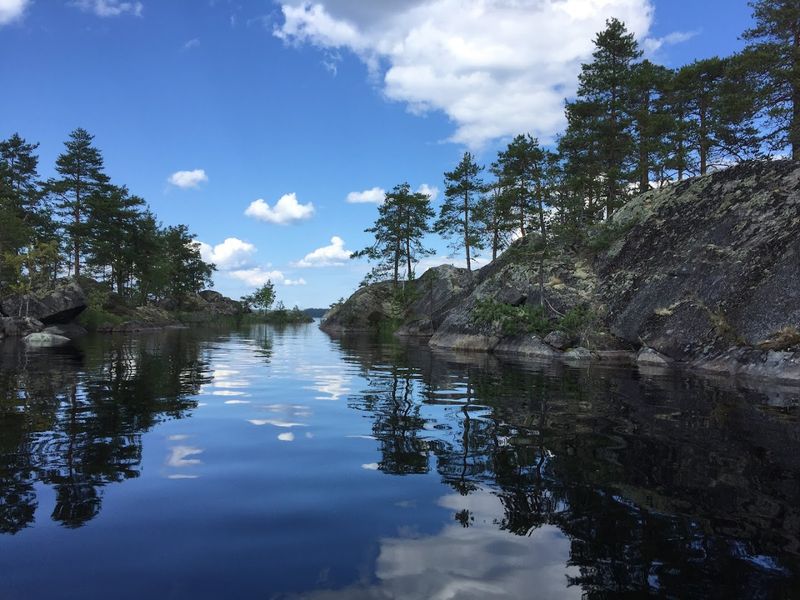
Finland is often called the land of a thousand lakes, and Lake Saimaa is the crown jewel of that extraordinary collection. Stretching across southeastern Finland, it is the fourth largest lake in Europe and one of the most complex, consisting of hundreds of interconnected channels, bays, and islands that form a watery maze nearly impossible to fully explore in a single visit.
The surrounding forests are dense, dark, and hauntingly beautiful.
Saimaa is home to one of the world’s rarest mammals, the Saimaa ringed seal, a species found nowhere else on Earth. Kayaking through the calm waterways is one of the most popular activities, offering a quiet, immersive way to experience the landscape up close.
Traditional Finnish lakeside saunas dot the shoreline, and jumping from a sauna directly into the cool lake water is an experience locals consider essential. Saimaa is the perfect destination for travelers who genuinely crave stillness and untouched nature.
14. Konigssee, Germany
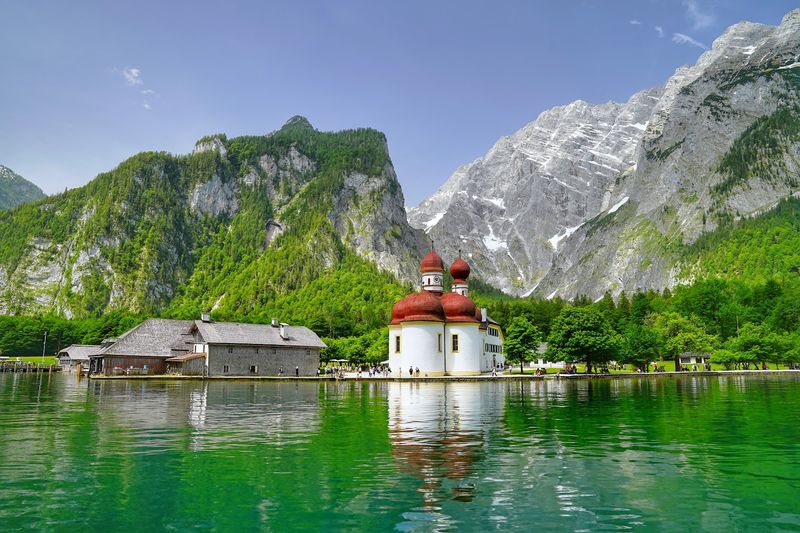
Hidden inside Berchtesgaden National Park in the far southeast corner of Bavaria, Konigssee is arguably the most dramatically beautiful lake in all of Germany. Sheer limestone walls rise almost vertically from the water on both sides, creating a narrow fjord-like corridor that blocks wind and keeps the surface remarkably calm and mirror-flat.
The emerald green water is so clear that the reflections of the cliffs look almost identical to the cliffs themselves.
Only electric boats are permitted on the lake to protect its pristine water quality, and the traditional wooden vessels have been ferrying visitors since the 19th century. Boatmen famously play a trumpet note halfway across the lake and then stop to let the echo bounce back from the rock face, a tradition that never fails to impress.
The tiny pilgrimage church of St. Bartholomew, accessible only by boat, sits at the lake’s midpoint like a painting come to life. Konigssee is unforgettable in every season.
15. Ohrid Lake, North Macedonia and Albania
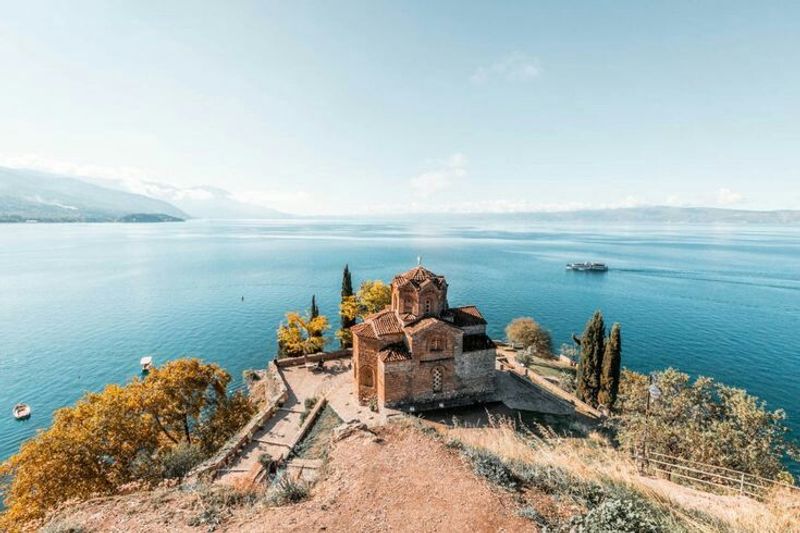
Ohrid Lake is one of Europe’s best-kept secrets, though those who know it tend to speak about it with something close to reverence. Shared between North Macedonia and Albania, the lake is estimated to be between three and five million years old, making it one of the most ancient lakes on the planet.
Its depth reaches 294 meters, and it harbors dozens of endemic species of plants and animals found absolutely nowhere else on Earth.
The UNESCO-listed town of Ohrid on the Macedonian shore is a treasure trove of Byzantine churches, Roman amphitheaters, and medieval fortresses. The water itself is startlingly clear and a deep cobalt blue, particularly beautiful in the late afternoon light.
Local fishermen still use traditional techniques passed down through generations, and the area’s cuisine revolves heavily around freshwater trout. Ohrid offers the rare combination of profound historical depth and natural splendor, all without the overwhelming crowds found at more famous European destinations.
Share this story