Country music has a way of sneaking up on you, wrapping itself around your heart before you even know what happened. From heartbreak anthems to road trip hymns, these songs didn’t just top charts, they rewrote the rulebook.
Some of them were recorded in tiny studios with almost no budget, yet they ended up shaping an entire genre. Here are 15 country songs so powerful, so perfectly written, that music simply wouldn’t be the same without them.
Hank Williams – Your Cheatin’ Heart
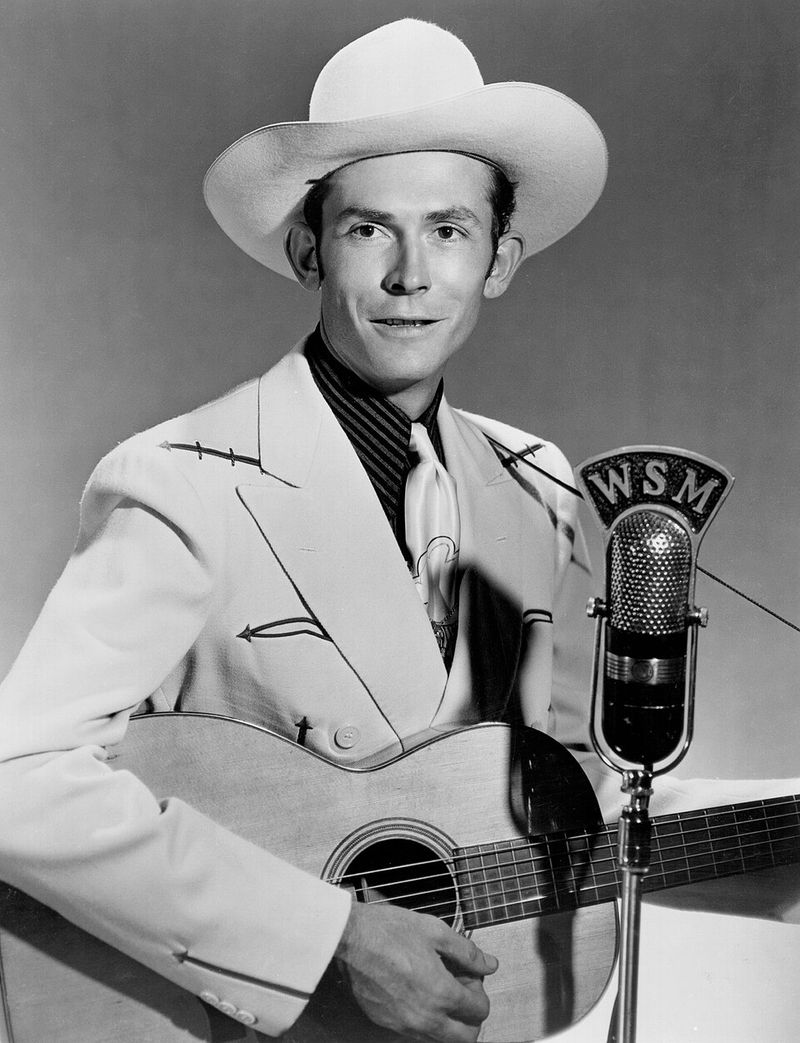
Hank Williams wrote this song about his ex-wife while riding in the back of a car, and that raw, unfiltered pain is exactly why it hits so hard. Released in 1953, just after his death, it became one of the best-selling country singles ever.
The man didn’t sugarcoat anything.
The melody is deceptively simple. But that simplicity is the whole point.
Williams had a gift for saying the most complicated feelings in the fewest words possible.
I remember hearing this for the first time as a kid and not fully getting it. Then I got older.
Suddenly, every lyric made perfect sense. “Your Cheatin’ Heart” didn’t just define honky-tonk music, it basically invented emotional honesty in country songwriting. No artist before him had laid themselves bare quite like this.
Hank set the standard, and honestly, most artists are still chasing it.
Johnny Cash – I Walk the Line
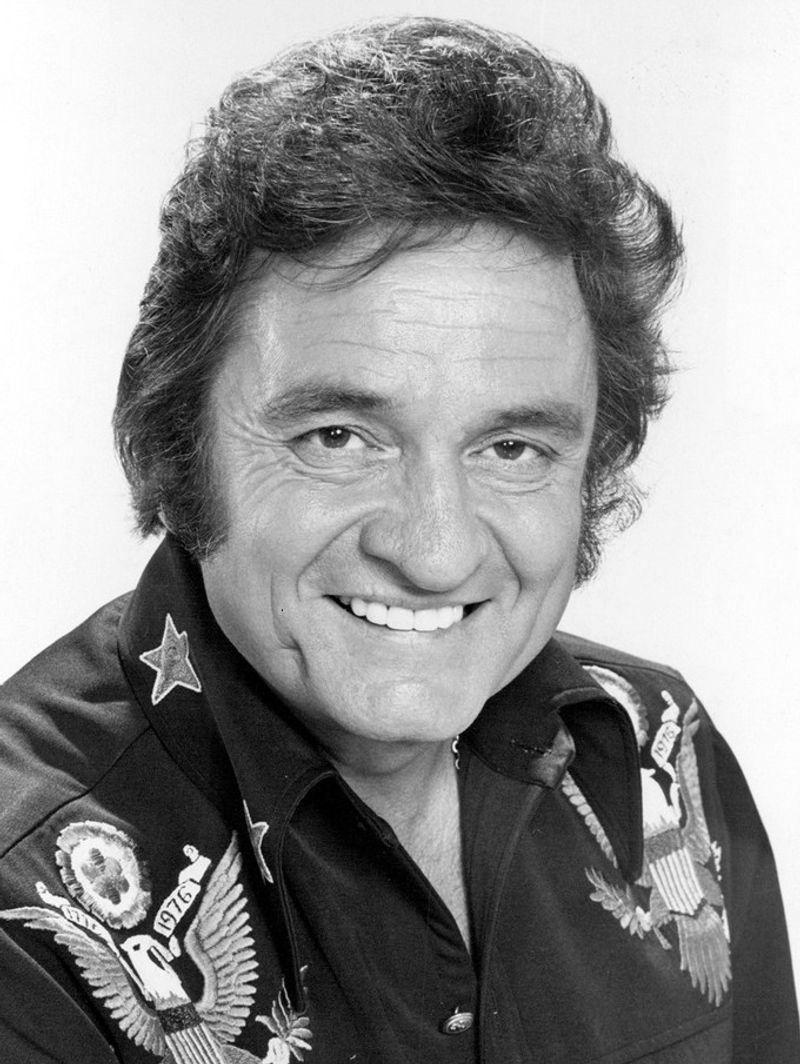
Johnny Cash wrote “I Walk the Line” in 1956 as a personal promise to stay faithful to his first wife. That backstory alone makes every listen feel heavier.
The man put his vows on a record and sold them to the world.
What makes this song technically fascinating is the key change between each verse. Cash actually hummed to himself between verses to reset his pitch.
No fancy studio tricks, just discipline and a jaw-dropping voice.
The song spent 43 weeks on the country charts and crossed over to pop audiences, proving that great music doesn’t need a genre label. Cash was barely 24 when he recorded it, which is almost unfair. “I Walk the Line” didn’t just launch his career, it established that country music could carry real moral weight.
It was a song about loyalty at a time when rock and roll was all about rebellion.
Patsy Cline – Crazy
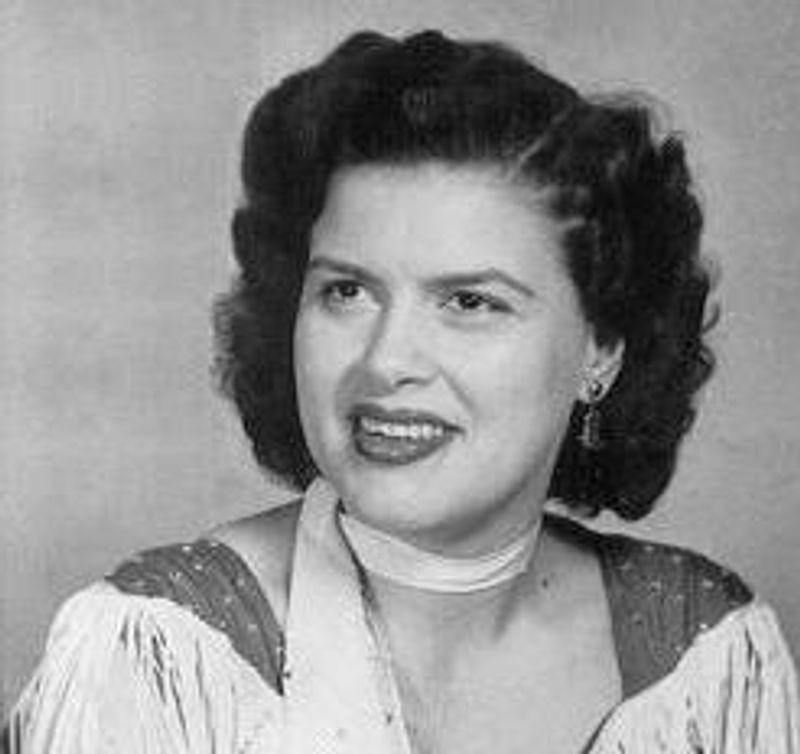
Willie Nelson wrote “Crazy,” but Patsy Cline made it immortal. When she first heard the demo, she reportedly hated it.
Then she recorded it anyway, and the result became one of the most played jukebox songs in history. Sometimes stubbornness pays off beautifully.
Cline’s voice on this track is something else entirely. She bends notes in ways that feel both effortless and heartbreaking at the same time.
Producers were skeptical, but she trusted her gut.
Released in 1961, “Crazy” helped push country music into a lush, orchestrated sound that appealed to mainstream pop listeners. It was a bold move at a time when country was still very much a niche market.
The song proved that country singers didn’t have to shout to be heard. Cline’s gentle, aching delivery did more damage than any loud ballad could.
This track essentially opened the door for every crossover country artist that followed.
Tammy Wynette – Stand by Your Man
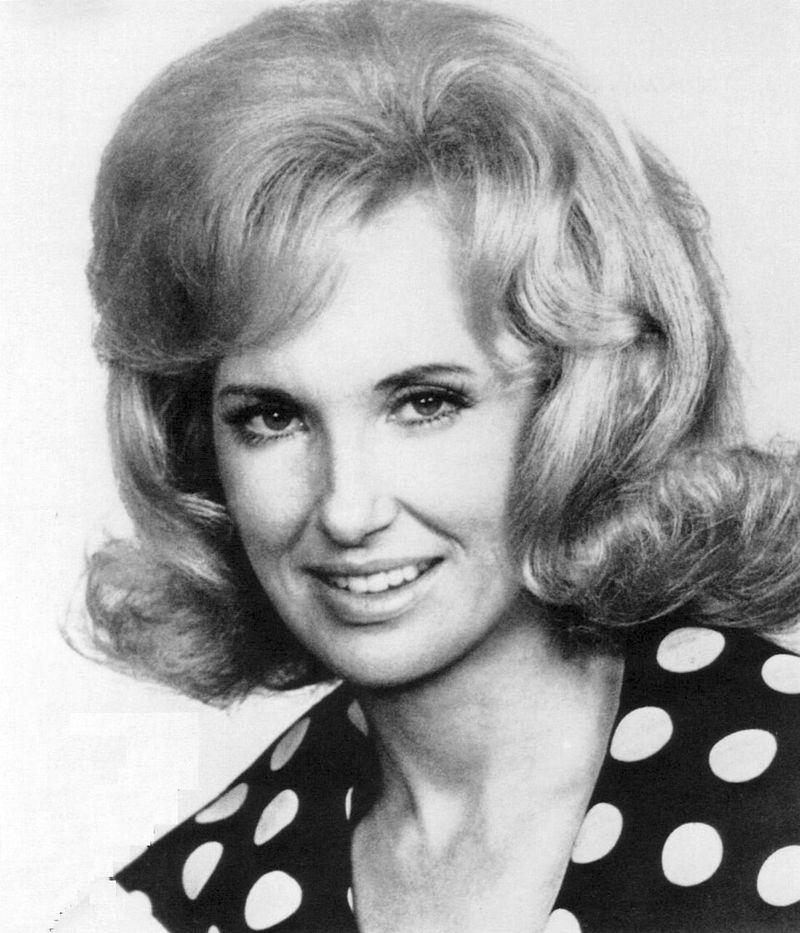
Few songs have sparked as much debate as “Stand by Your Man.” Recorded in a single afternoon in 1968, it became the best-selling single ever by a female country artist at the time. Not bad for a few hours of work.
Tammy Wynette co-wrote the song herself, which often gets overlooked in the controversy. Critics called it anti-feminist.
Wynette called it realistic. The argument still hasn’t fully settled, which honestly proves the song still matters.
Musically, it’s a masterpiece of restrained emotion. The strings swell at exactly the right moment, and Wynette’s voice carries both strength and vulnerability simultaneously.
It’s a complicated song sung by a complicated woman who had lived through genuine hardship. “Stand by Your Man” put female country artists on the map in a serious way. It also showed that a woman’s perspective in country music could be just as commercially powerful as any man’s.
Loretta Lynn – Coal Miner’s Daughter
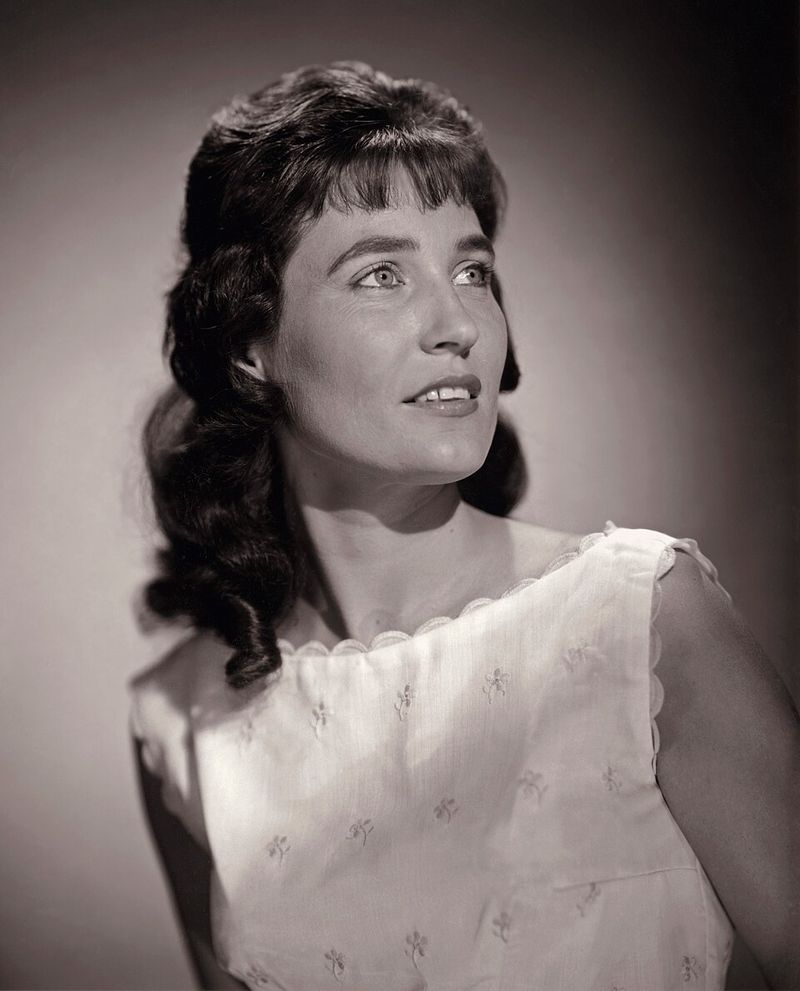
Loretta Lynn grew up in a two-room cabin in Butcher Hollow, Kentucky, and she didn’t hide a single detail of that life when she wrote this song. “Coal Miner’s Daughter” is basically a biography set to music, and it remains one of the most personal songs in country history.
When it was released in 1970, it hit number one and stayed there. Lynn’s unflinching honesty about poverty and pride struck a chord with millions of working-class Americans who finally felt seen.
The song also helped reshape what country music could talk about. Before Lynn, artists often softened their stories for mass appeal.
She refused. She sang about outhouses, worn-out shoes, and a daddy who worked himself to the bone.
That rawness made it real. “Coal Miner’s Daughter” didn’t just make Lynn a star, it gave an entire class of people a voice they hadn’t heard on the radio before. That’s a rare gift.
Dolly Parton – Jolene
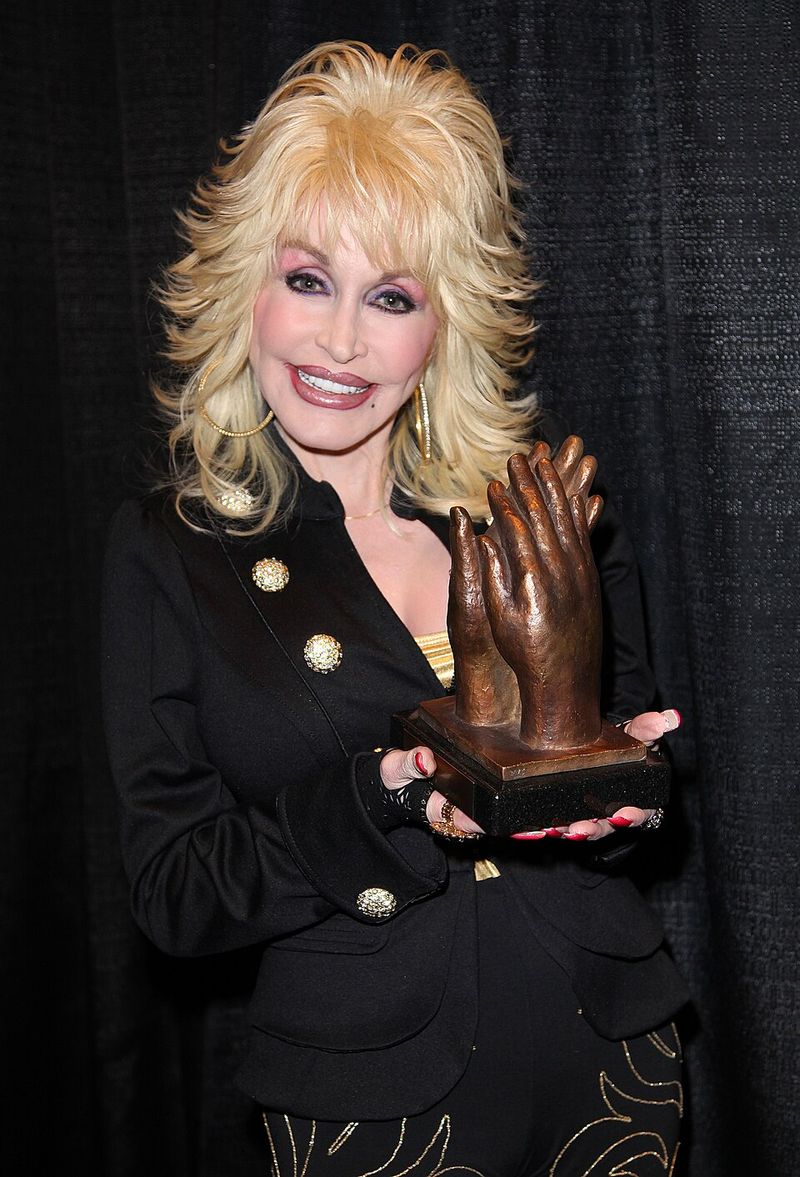
Dolly Parton reportedly wrote “Jolene” and “I Will Always Love You” on the same day. That’s not a flex, that’s just Tuesday when you’re Dolly Parton.
Released in 1973, “Jolene” became an instant classic and has been covered more times than almost any other country song.
The premise is deceptively simple: a woman begging a more beautiful woman not to steal her man. But the way Parton delivers it, with desperation and dignity at the same time, makes it feel enormous.
What really sets “Jolene” apart is the chord progression. It’s dark, almost haunting for a country song of that era.
Parton borrowed from minor keys in a way that felt genuinely cinematic. The name “Jolene” itself came from a red-haired bank teller who Parton thought was flirting with her husband.
Real life makes the best material. This song proved Parton was not just a pretty voice but a genuinely brilliant songwriter.
John Denver – Take Me Home, Country Roads
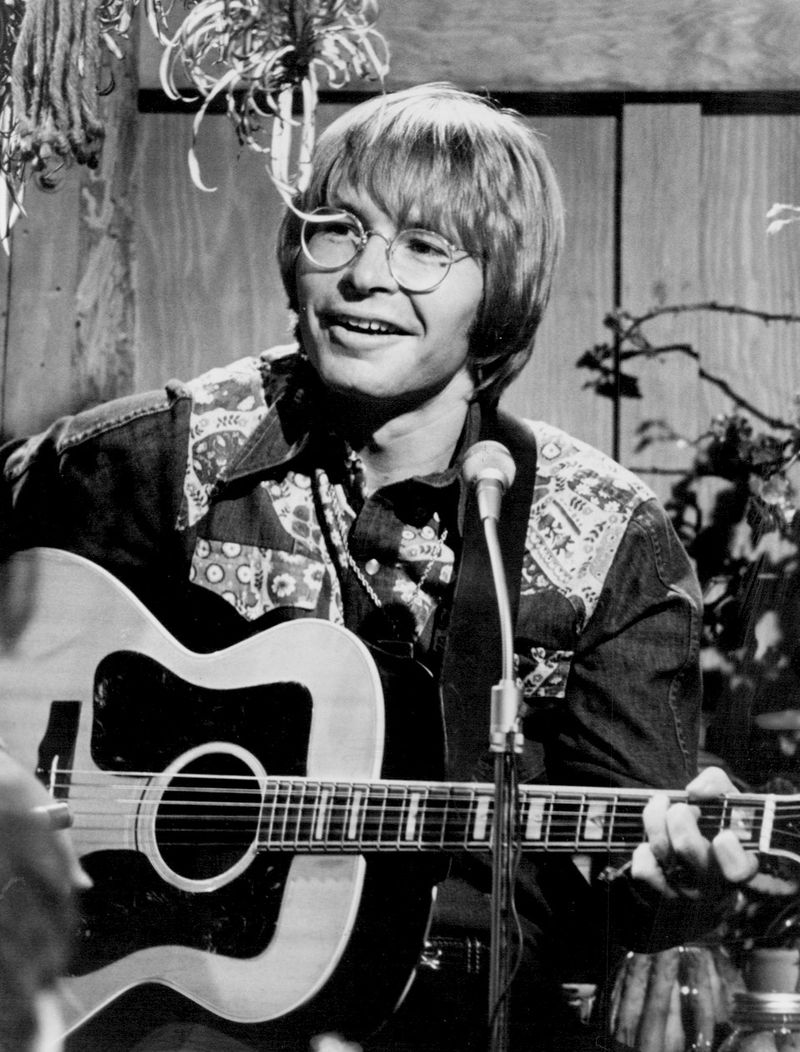
John Denver had never actually been to West Virginia when he co-wrote “Take Me Home, Country Roads” in 1971. He wrote it after a friend showed him a photo of Shenandoah Valley.
Sometimes you don’t need to visit a place to capture its soul perfectly.
The song became West Virginia’s official state song, which is a remarkable honor for a guy who was technically from New Mexico. Denver’s folk-country blend was different from traditional Nashville sounds, and radio programmers weren’t sure what to do with it at first.
They figured it out fast. The song hit number two on the Billboard Hot 100 and introduced a whole generation to country-influenced music without ever feeling like a lecture.
It’s the kind of song that makes total strangers sing together in bars, cars, and soccer stadiums worldwide. “Country Roads” didn’t just change country music, it crossed every border and became a global anthem. That’s a pretty extraordinary trip for a song about going home.
Willie Nelson – On the Road Again
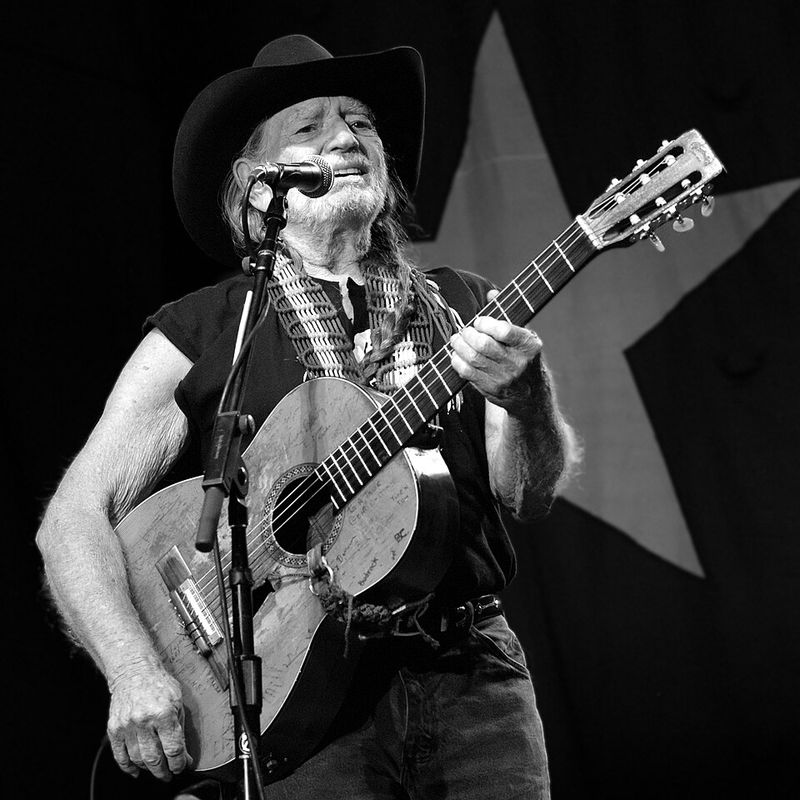
Willie Nelson wrote “On the Road Again” on a napkin during a flight to meet with a movie producer. The producer asked for a song about touring life, and Willie delivered a masterpiece before landing.
That might be the most Willie Nelson story ever told.
Released in 1980 for the film “Honeysuckle Rose,” the song won a Grammy and became the defining anthem of the outlaw country movement. It also perfectly captured something real: the strange joy of never staying in one place.
I’ve always loved how unapologetically happy this song sounds. Most road songs are about loneliness.
Willie flipped the script and made wandering feel like freedom. The song helped cement Nelson’s image as the ultimate road warrior of country music, a role he’s never really stopped playing. “On the Road Again” changed how country artists talked about touring life, turning what could feel like sacrifice into something that sounded genuinely worth celebrating.
Kenny Rogers – The Gambler
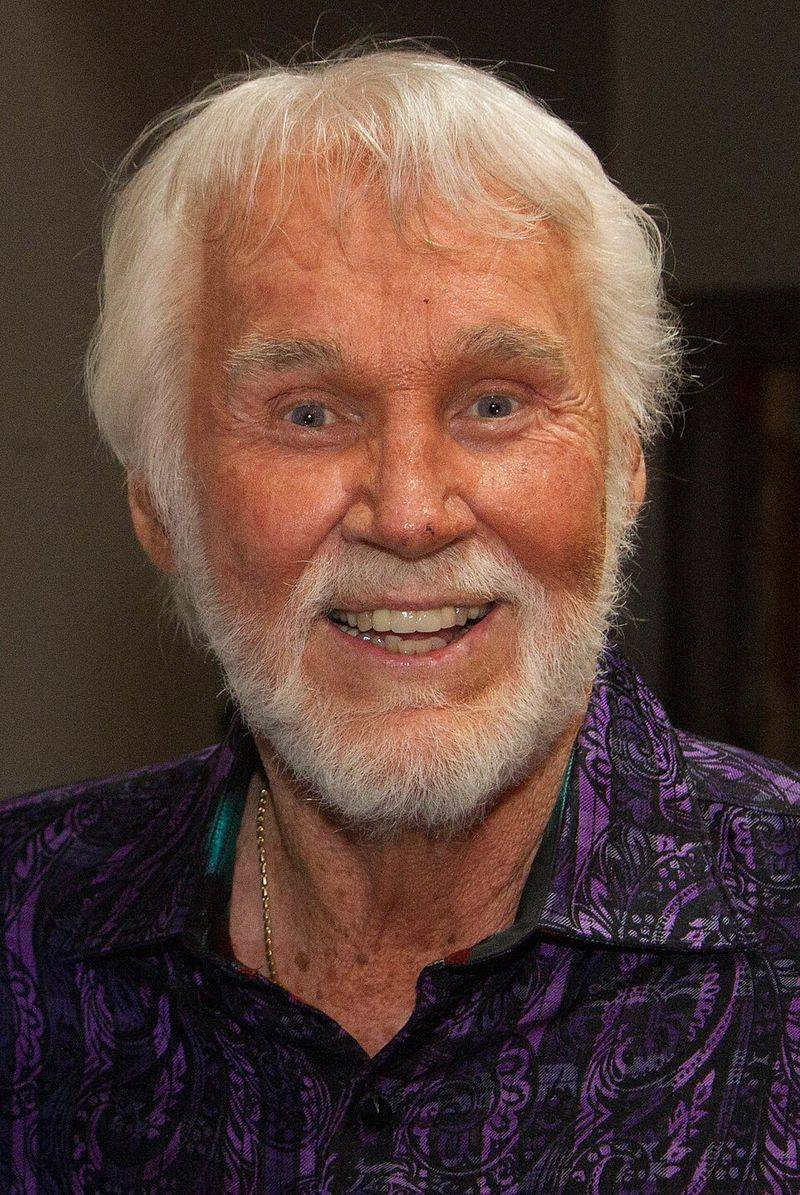
“You got to know when to hold ’em” is probably the most quoted piece of life advice ever delivered in a country song. Kenny Rogers didn’t write “The Gambler,” but he owned it so completely that most people assume he did.
That’s the power of the right singer meeting the right song.
Don Schlitz actually wrote it in 1976, but Rogers’ 1978 recording turned it into a phenomenon. It won the Grammy for Best Male Country Vocal Performance and spawned five television movies.
Five. From one song.
What makes “The Gambler” timeless is that it’s really a life philosophy wrapped in a story about cards and an old man on a train. The advice in the chorus applies to business, relationships, and pretty much every decision you’ll ever face.
Rogers delivered those lines with such warmth and authority that you genuinely believe the old gambler existed. The song changed country storytelling forever.
Waylon Jennings – Luckenbach, Texas
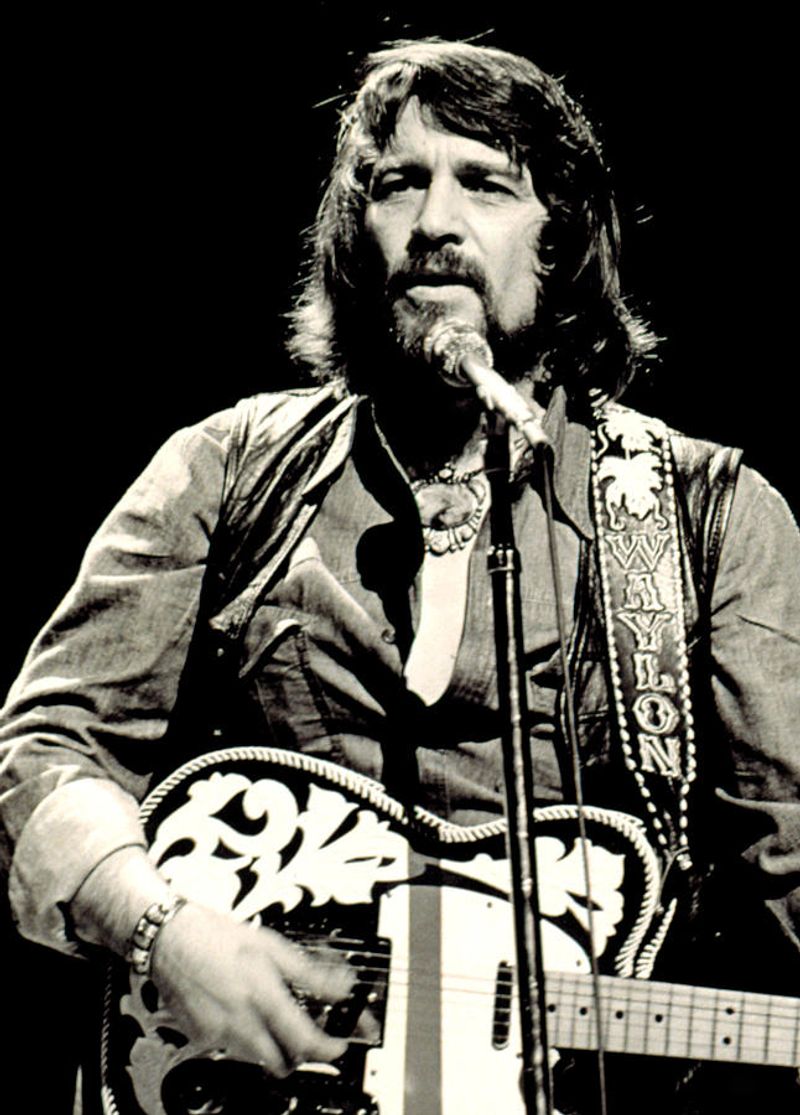
Waylon Jennings didn’t just record “Luckenbach, Texas” in 1977, he basically declared war on Nashville’s polished, corporate sound with every single note of it. The song called out the music industry’s obsession with gloss and glamour, and it did so while sounding absolutely fantastic.
The real Luckenbach, Texas is a tiny unincorporated community with a population of around three people. After this song hit number one, it became a genuine tourist destination.
Music really does move people, sometimes literally.
Jennings co-wrote the song with Willie Nelson’s drummer, and together they captured the spirit of outlaw country better than almost any other recording. The message was simple: strip everything back, get back to basics, and stop trying so hard to impress everyone.
That philosophy influenced a generation of artists who were tired of Nashville’s formula. “Luckenbach, Texas” didn’t just top charts, it started a genuine cultural conversation about authenticity in country music that still echoes today.
Merle Haggard – Mama Tried
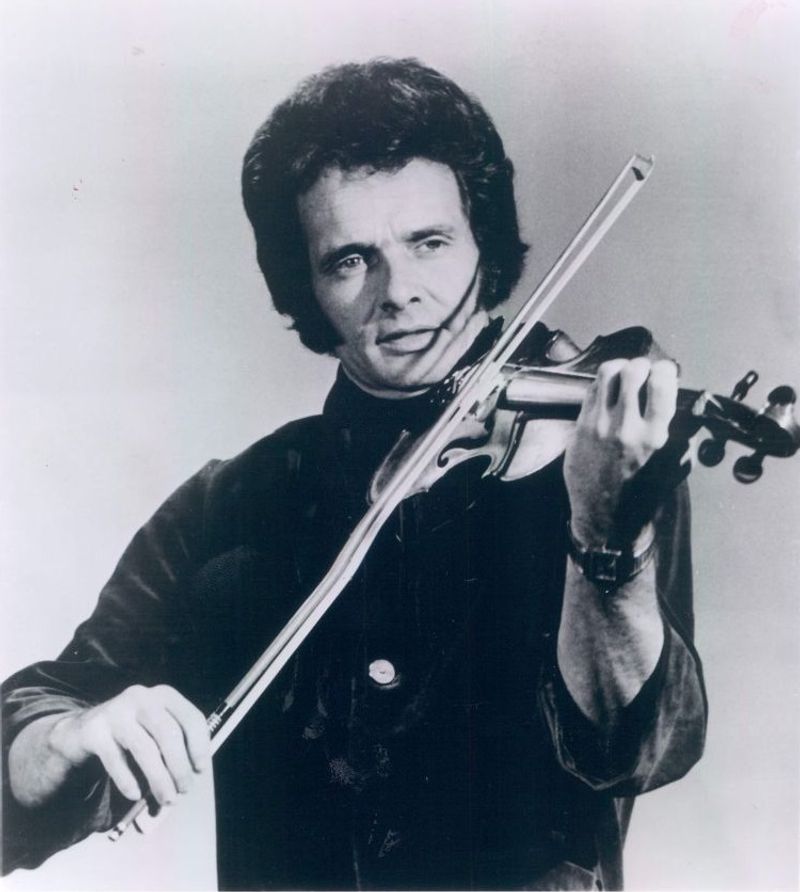
Merle Haggard wrote “Mama Tried” in 1968 while reflecting on his actual time spent in San Quentin prison. That’s not a metaphor.
He really was there, and Johnny Cash played a concert inside those walls that reportedly changed Haggard’s life trajectory. Country music saved him, and then he returned the favor.
The song hit number one and became the defining track of working-class rebellion in country music. It was honest in a way that felt almost uncomfortable for radio in 1968.
Haggard never tried to glamorize his past, but he didn’t apologize for it either. “Mama Tried” sits in that rare space between confession and pride, which is exactly why it resonates so deeply. The song also marked a shift in how country music handled morally complex protagonists.
Before Haggard, country bad boys were mostly fictional. He made it personal, real, and unforgettable.
His mama really did try, and the whole world listened.
George Jones – He Stopped Loving Her Today
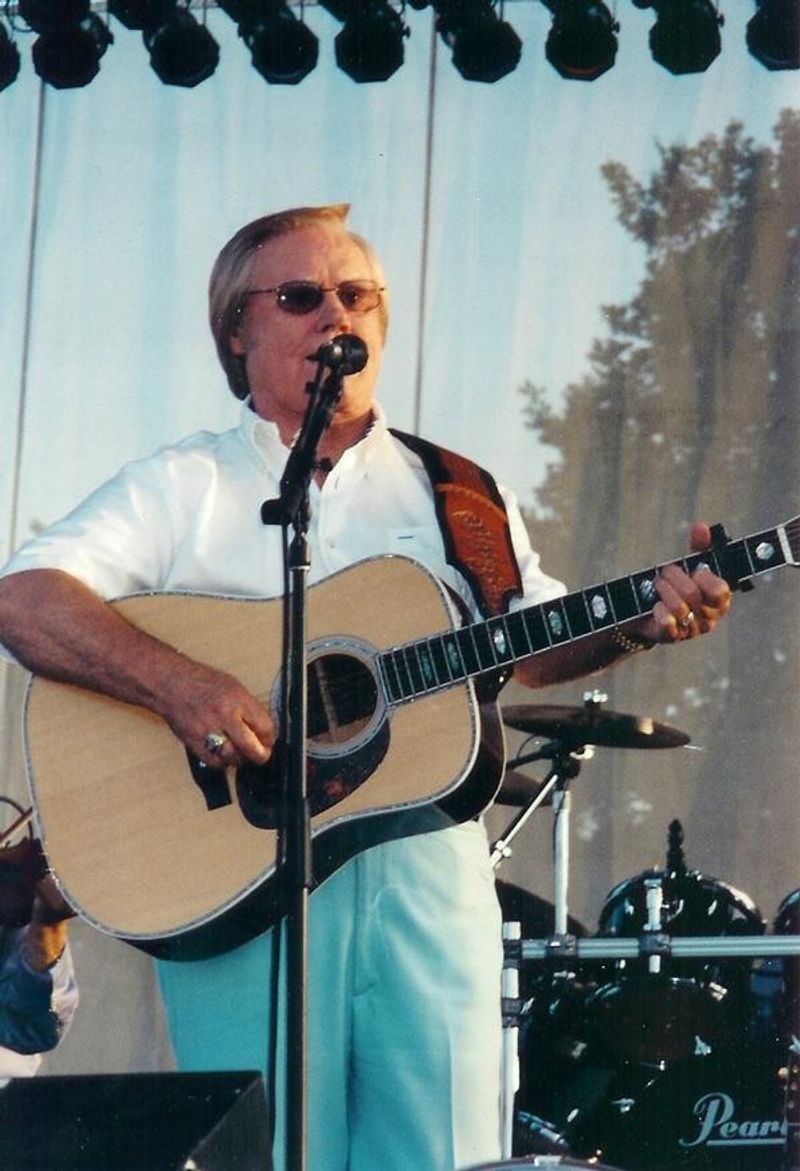
Many music critics call “He Stopped Loving Her Today” the greatest country song ever recorded. That’s not a small claim, but after one listen, it becomes very hard to argue against.
George Jones delivers every syllable like it costs him something real.
Jones reportedly hated the song when he first heard it. Producer Billy Sherrill practically had to drag him into the studio.
The recording took three years to complete because Jones kept canceling sessions. The finished product was worth every delay.
Released in 1980, the song tells the story of a man who loved a woman until the day he died. Literally.
It’s devastating, beautiful, and completely unlike anything else in country music. Jones won the CMA Award for Song of the Year, and the industry gave him a standing ovation.
He had been battling addiction for years, and this song felt like a comeback and a eulogy at once. Country music rarely gets this heavy or this perfect.
Randy Travis – Forever and Ever, Amen
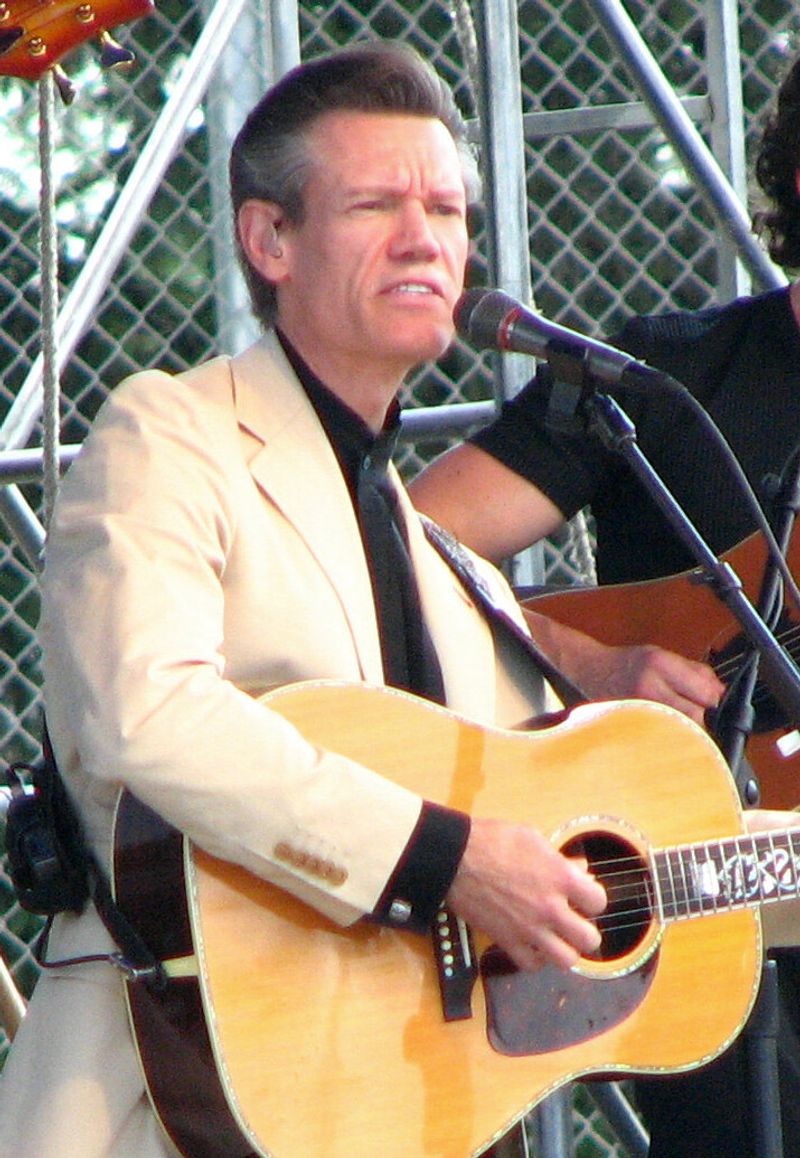
By 1987, country music had been flirting with pop production for years, and a lot of traditional fans were getting restless. Then Randy Travis walked in with “Forever and Ever, Amen” and essentially reminded everyone what country music was supposed to sound like.
The response was immediate and enormous.
The song hit number one and won the Grammy for Best Male Country Vocal Performance. More importantly, it sparked what became known as the New Traditionalist movement in country music.
Travis was 28, and he was already saving a genre.
What makes this song so enduring is its playful opening about gray hair and wrinkles before settling into pure, unshakeable devotion. It’s clever without being cute.
Travis had a baritone voice that sounded like it was carved from solid oak, and he used every note of it here. “Forever and Ever, Amen” proved that traditional country sounds could still dominate the charts, and it opened the door for artists like Alan Jackson and Garth Brooks to follow.
Garth Brooks – Friends in Low Places
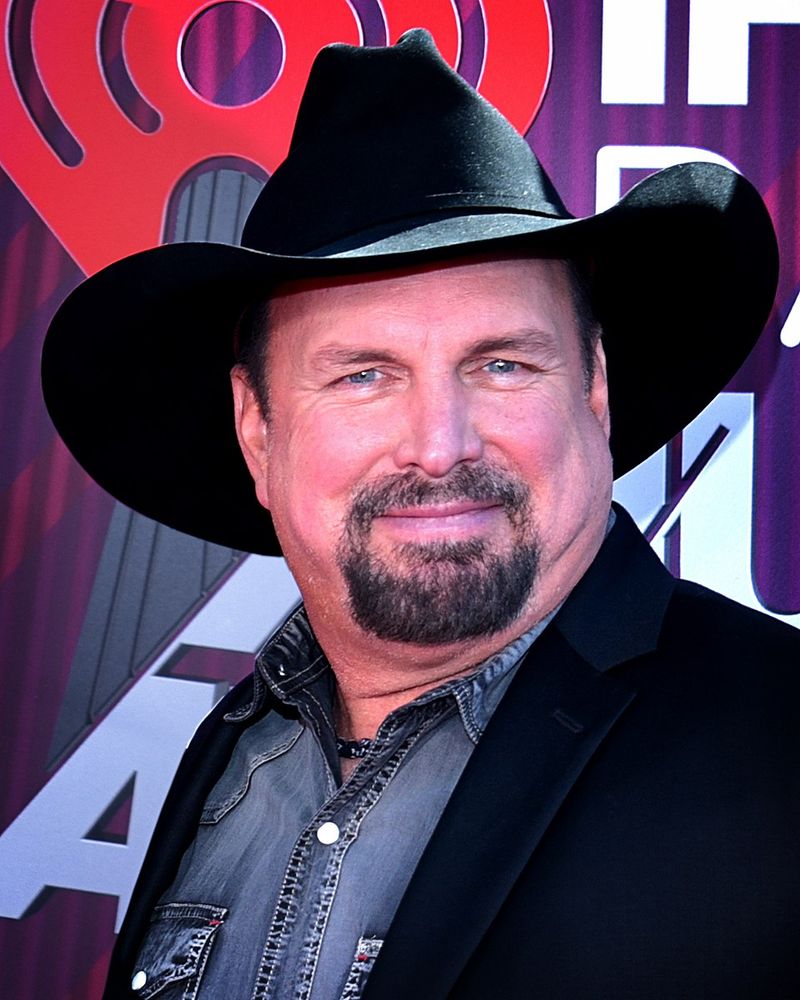
Garth Brooks showed up to a black-tie party in boots and blue jeans, and everybody loved him for it. That’s basically the entire plot of “Friends in Low Places,” and it’s also a pretty accurate summary of how Brooks conquered country music in 1990.
The song was originally written for someone else. Brooks heard it, knew it was his, and recorded a version so infectious that it became the best-selling country single of 1990.
The crowd singalong in the chorus wasn’t even planned for the recording. It just happened organically.
“Friends in Low Places” bridged the gap between traditional country and mainstream pop culture in a way nobody had quite managed before. It became the anthem of every person who ever felt out of place at a fancy event, which is basically everyone.
Brooks went on to become one of the best-selling music artists of all time, and this song was the rocket fuel. Country music has never been the same since he crashed that party.
Alan Jackson – Chattahoochee
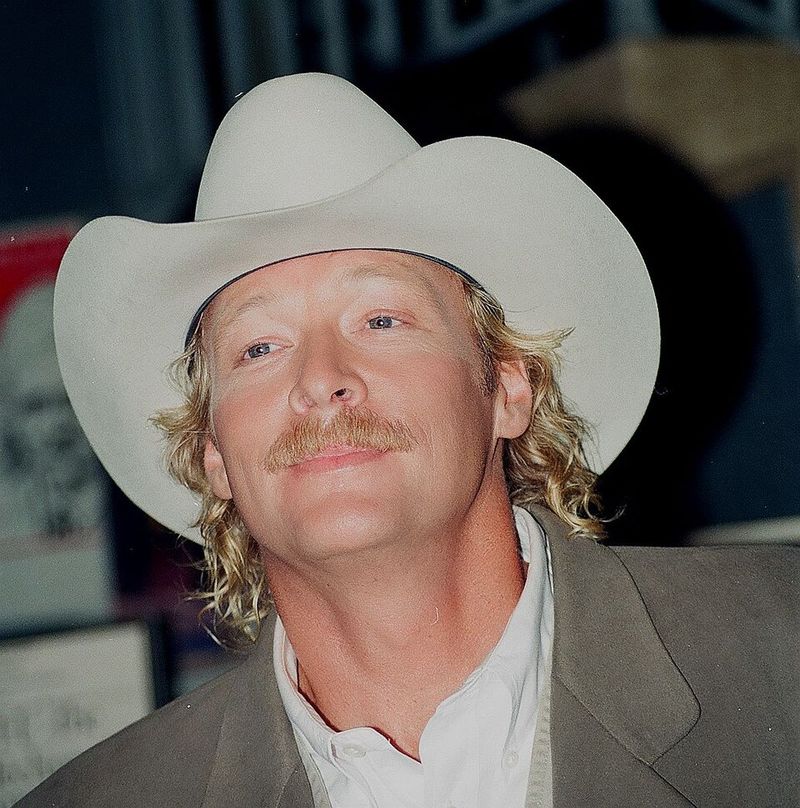
“Chattahoochee” is the kind of song that makes you feel like summer even in the middle of January. Alan Jackson released it in 1993, and it won both the CMA Single of the Year and Song of the Year awards.
Two trophies for one song about a river and a good time. Sounds about right.
Jackson wrote it about growing up along the Chattahoochee River in Georgia, and every detail feels lived-in and real. The fiddle-driven arrangement is pure country joy, the kind of sound that makes people get up and move without thinking about it.
What “Chattahoochee” did for country music was remind the industry that fun was allowed. The early 90s were getting serious, and Jackson brought the party back without sacrificing musical quality.
It also proved that regional pride could translate into massive national hits. You didn’t have to grow up near that river to feel every word of this song.
That’s the whole magic of great country music, and Jackson nailed it.
Share this story