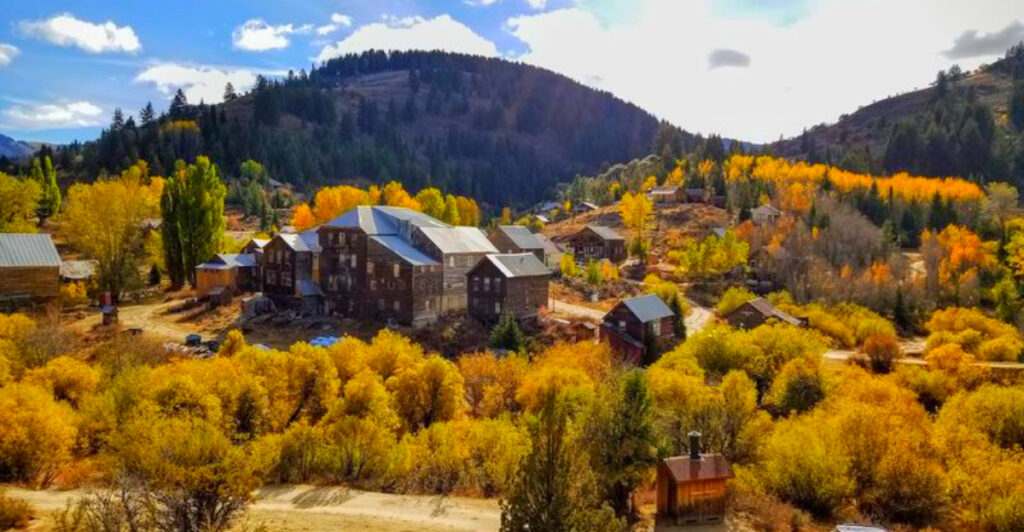
Idaho still has towns where old mining buildings lean slightly with age, wooden boardwalks creak under your feet, and the past feels close enough to touch. Hidden in mountain valleys, along remote rivers, and beside forgotten rail lines, these communities preserve a side of the American West that many states have long since paved over or modernized beyond recognition.
Some of these places are true ghost towns with abandoned storefronts and empty streets, while others remain small working communities that continue to live alongside their history instead of turning it into a tourist performance. What connects them is a strong sense of place and a level of preservation that makes visitors feel like they stepped into another century.
This list highlights 10 Idaho towns where frontier history still feels remarkably alive.
1. Wallace
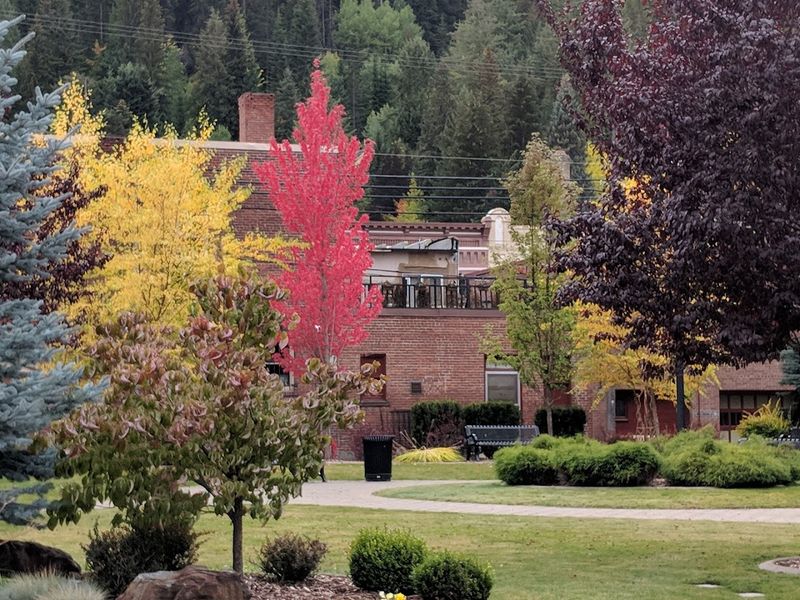
Wallace has a bold claim that most towns could never back up: its entire downtown is a National Historic District, making it one of the most completely preserved mining-era communities in the United States.
Founded in 1884, Wallace quickly became the heart of Idaho’s Silver Valley and earned the nickname “Silver Capital of the World.” The brick buildings lining the main streets look almost exactly as they did at the turn of the 20th century, right down to the original facades.
The Northern Pacific Railroad Depot, built in 1901, now operates as a railroad museum and anchors the historic district beautifully. One of the more unusual stops is the Oasis Bordello Museum, preserved exactly as it was when it closed in 1988, offering a genuinely strange but historically fascinating look at frontier-era life.
Wallace also sits along Interstate 90, which was famously rerouted over the town on a viaduct just to avoid demolishing the historic district. That alone tells you everything about how seriously this town takes its past.
2. Idaho City
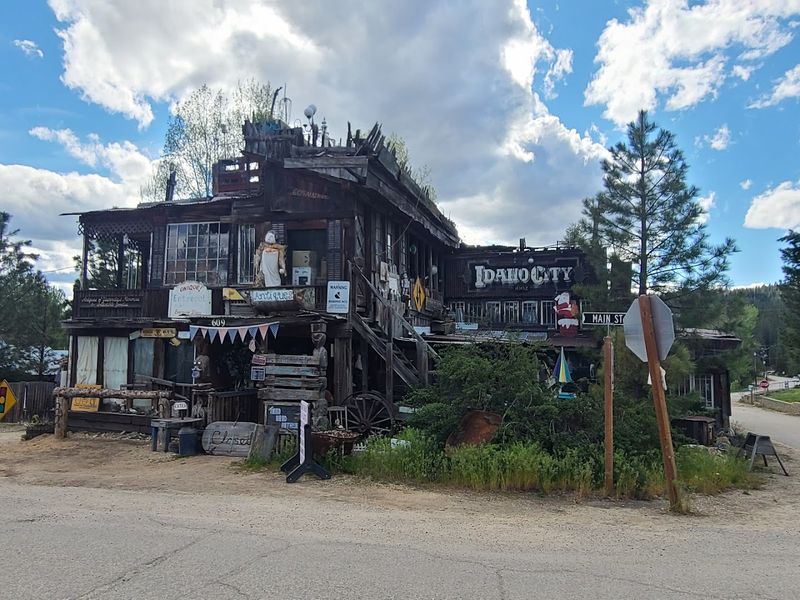
At its peak in the 1860s, Idaho City was one of the largest cities in the entire Pacific Northwest, bigger than Portland and Seattle at the time. Over $250 million worth of gold was pulled from the surrounding hills between 1863 and 1867, drawing thousands of miners, merchants, and fortune-seekers to the area.
The town burned down multiple times, as frontier towns had an unfortunate habit of doing, but Idaho City kept rebuilding. Today, its historic district preserves a remarkable collection of early structures, including the Boise County Courthouse and the Masonic Temple.
Wooden boardwalks still run along the storefronts, and the overall layout of the town has barely changed since its gold rush days. The old territorial penitentiary and pioneer cemeteries add layers of history that feel genuinely untouched.
Idaho City is about 38 miles northeast of Boise, making it one of the most accessible historic towns on this list. It is close enough for a day trip but rich enough in history to deserve much more of your time.
3. Salmon
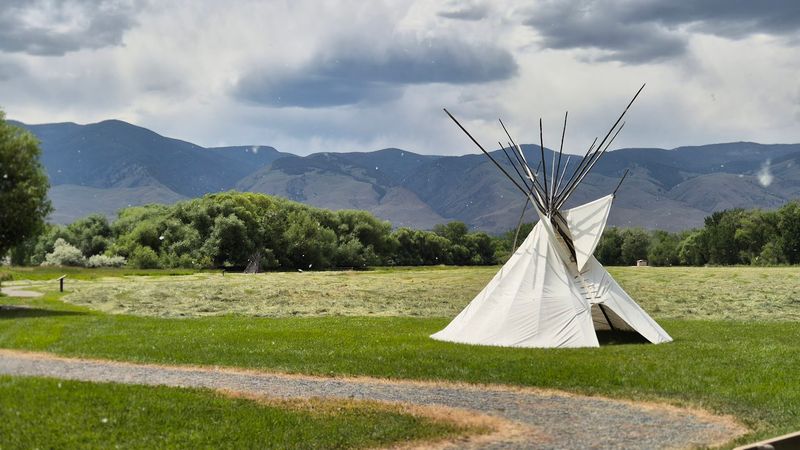
Surrounded by rugged mountains and winding rivers, Salmon is one of Idaho’s most historic small towns, yet it still feels refreshingly untouched by modern tourism. Best known as the birthplace of Sacagawea, the Lemhi Shoshone woman who guided Lewis and Clark, Salmon proudly embraces its frontier heritage through preserved buildings, museums, and old-fashioned western charm.
The downtown area features historic storefronts, locally owned shops, and classic brick architecture that reflect the town’s roots as a mining and ranching hub during the late 1800s. Outdoor beauty surrounds the town in every direction, with the Salmon River, often called the “River of No Return,” adding to the area’s wild and timeless atmosphere.
Despite its incredible scenery and historical importance, Salmon remains peaceful and uncrowded, giving visitors the feeling they’ve stepped into a simpler era. Whether you come for fishing, history, or mountain views, Salmon offers a rare glimpse into Idaho’s enduring frontier spirit.
4. Paris
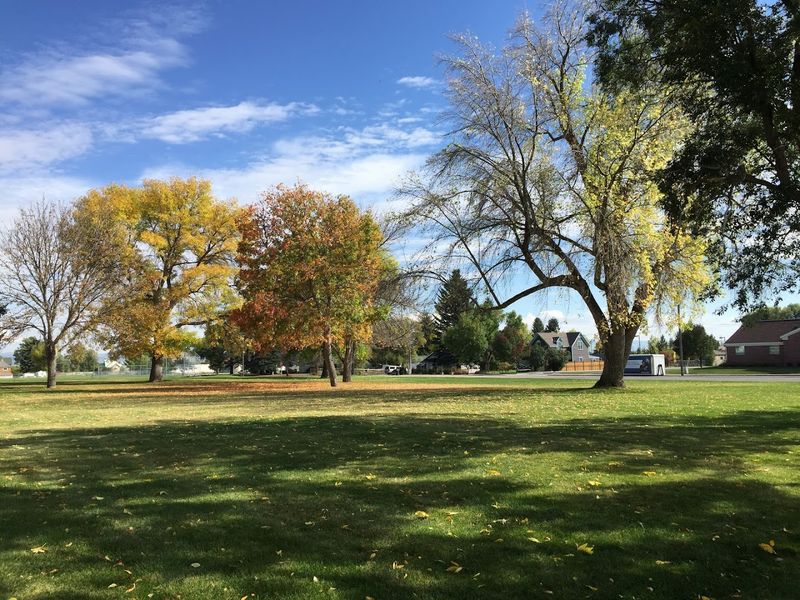
Paris, Idaho, is not the city with the famous tower, but it does have a landmark that stops visitors in their tracks. The Paris Tabernacle, completed in 1889 by Mormon pioneers using locally quarried red sandstone, is considered one of the finest examples of pioneer-era religious architecture in the entire American West.
Founded in 1863 by settlers from The Church of Jesus Christ of Latter-day Saints, Paris sits in the Bear Lake Valley near the Idaho-Utah border. The town was laid out in the classic Mormon grid pattern, and many of the original pioneer-era homes and buildings remain standing today.
The surrounding farmland and the backdrop of the Bear Lake Valley give Paris a peaceful, almost pastoral quality that feels completely separate from modern Idaho. Historic homes line quiet streets where the pace of life has not changed dramatically in over a century.
The Tabernacle itself is open for tours and draws visitors from across the region who come specifically to see its detailed craftsmanship. Paris is a small town, but it carries an architectural and historical legacy far larger than its population suggests.
5. Silver City
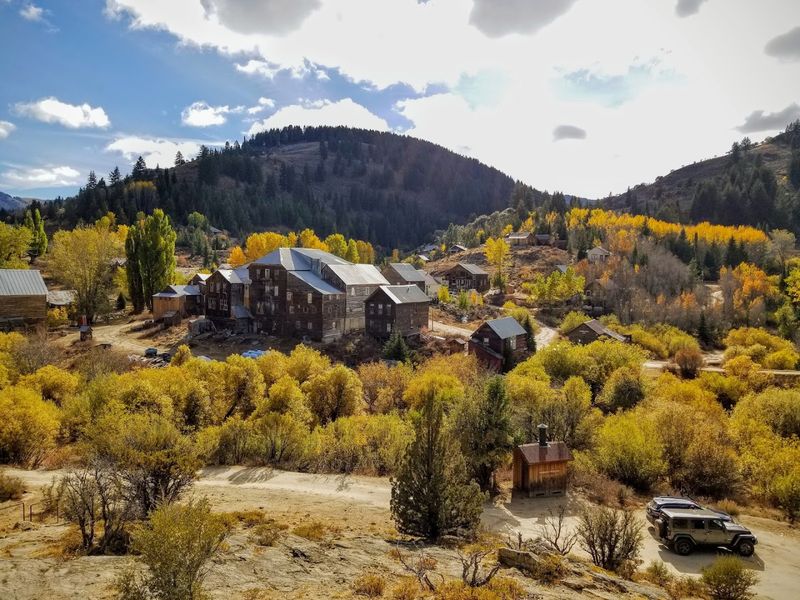
Perched high in the Owyhee Mountains at nearly 6,200 feet, Silver City is the kind of place that makes historians genuinely emotional. More than 75 original buildings from the 1860s through the early 1900s still stand here, largely because the town was simply too remote for developers to bother with.
Silver City served as the Owyhee County seat from 1866 to 1934 and was home to Idaho Territory’s first telegraph line and first daily newspaper, both established in 1874. The Idaho Hotel, operating in some form since 1863, still welcomes guests during the summer months.
Other surviving landmarks include an 1892 schoolhouse and St. Joseph’s Catholic Church from 1898, both in remarkable condition. The dirt roads, the weathered storefronts, and the near-total absence of modern development make Silver City feel like a film set, except everything here is completely real.
Access requires a rough dirt road that is typically only passable from late spring through early fall, which has helped preserve the town’s extraordinary isolation and authenticity.
6. Bovill
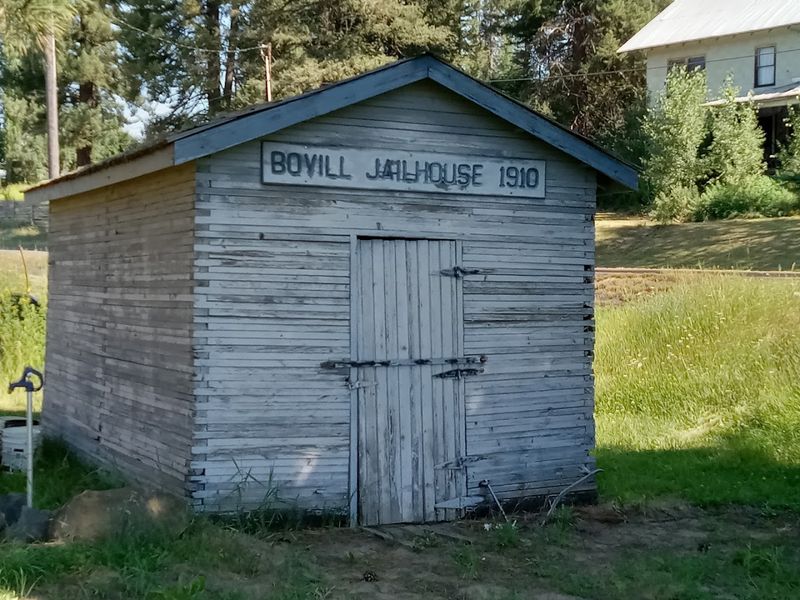
Not every historic Idaho town owes its existence to gold or silver. Bovill, located in the forested hills of Latah County in north-central Idaho, grew up around the logging industry in the early 20th century, and it still carries that rugged, working-class character today.
The town was named after Robert Bovill, a Scottish-born businessman who played a central role in developing the area’s timber operations around 1906. The railroad arrived shortly after, connecting Bovill to larger markets and briefly turning it into a regional hub for the logging trade.
Old storefronts line the quiet main street, and the surrounding landscape of dense conifer forest gives the town a distinctive north Idaho character that feels far removed from any urban influence. Bovill never grew large, and that restraint has preserved its early-20th-century atmosphere remarkably well.
The population today hovers around 250 people, making Bovill one of the smaller entries on this list. But for visitors interested in the history of Idaho’s timber industry rather than its mining era, Bovill offers a genuinely different and underappreciated perspective on frontier life.
7. Custer
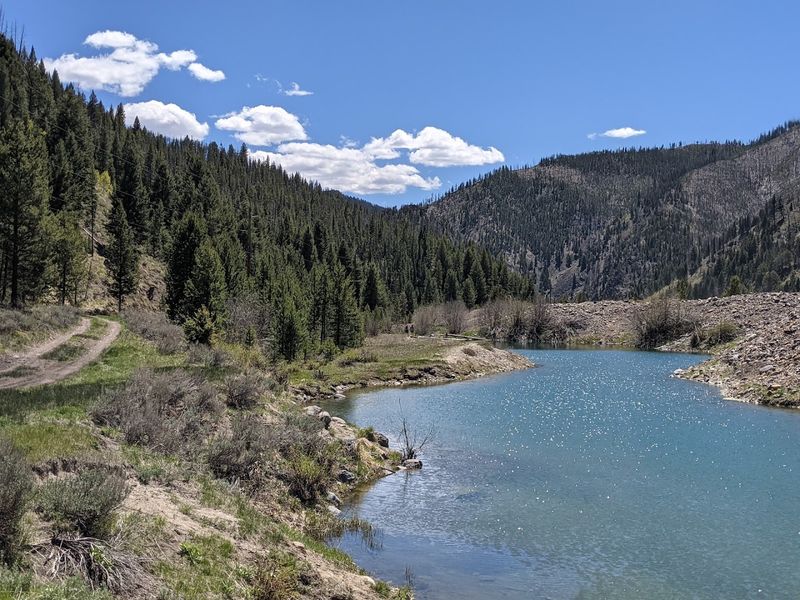
Custer is one of those ghost towns that does not just hint at the past, it practically reconstructs it. Preserved as part of the Land of the Yankee Fork State Park in Custer County, the town features restored false-front stores, a schoolhouse that now operates as a museum, and miners’ cabins that visitors can actually walk through.
The town was established in the 1870s during Idaho’s silver and gold mining boom and reached its peak in the 1880s before declining rapidly as ore deposits were exhausted. Abandoned mine shafts, crumbling cabins, and rusting machinery remain scattered across the site.
The schoolhouse museum does an exceptional job of contextualizing daily life in a 19th-century mining community, with exhibits covering everything from mining techniques to the social structure of the town. It is one of the better-interpreted historic sites in Idaho.
Custer sits along the Yankee Fork of the Salmon River, a scenic location that adds natural beauty to the historical experience. The Yankee Fork Dredge, a massive gold dredge located nearby, is another major attraction that draws visitors to this part of central Idaho.
8. Bayhorse
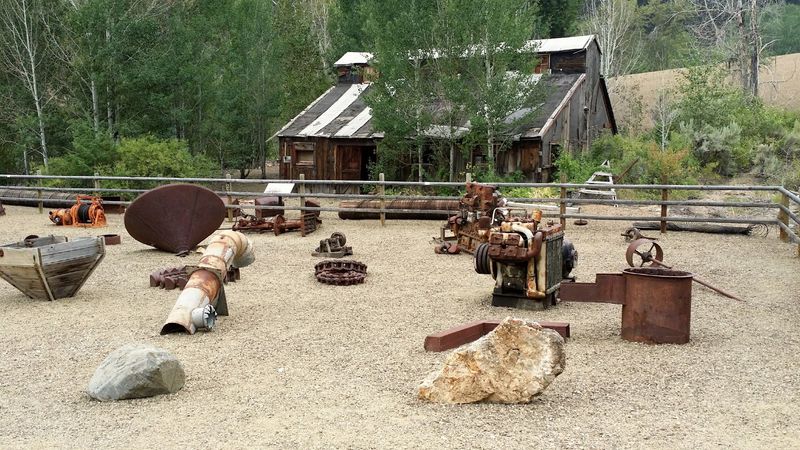
Few places in Idaho capture the raw, unfiltered reality of 19th-century mining life quite like Bayhorse. This state historic site within Land of the Yankee Fork State Park features deserted streets, stone ruins, and the remains of industrial mining infrastructure that have been left largely as they were found.
Bayhorse was established in the 1870s during the silver mining boom and once supported a population of several hundred miners and workers. The Gilmer and Salisbury Stamp Mill, used to process silver ore, still stands on the site along with the ruins of the Wells Fargo Building and nearby charcoal kilns.
Abandoned mine shafts dot the hillsides above the town, and old mining equipment rusts quietly in the open air. The combination of stone structures, wooden ruins, and industrial remnants gives Bayhorse a more varied and visually striking character than many comparable ghost towns.
The site is managed by Idaho State Parks and Recreation, which has worked to stabilize the most significant structures without over-restoring them. That careful approach means Bayhorse retains its authentically weathered appearance, which is exactly what makes it so compelling to visit.
9. Weippe
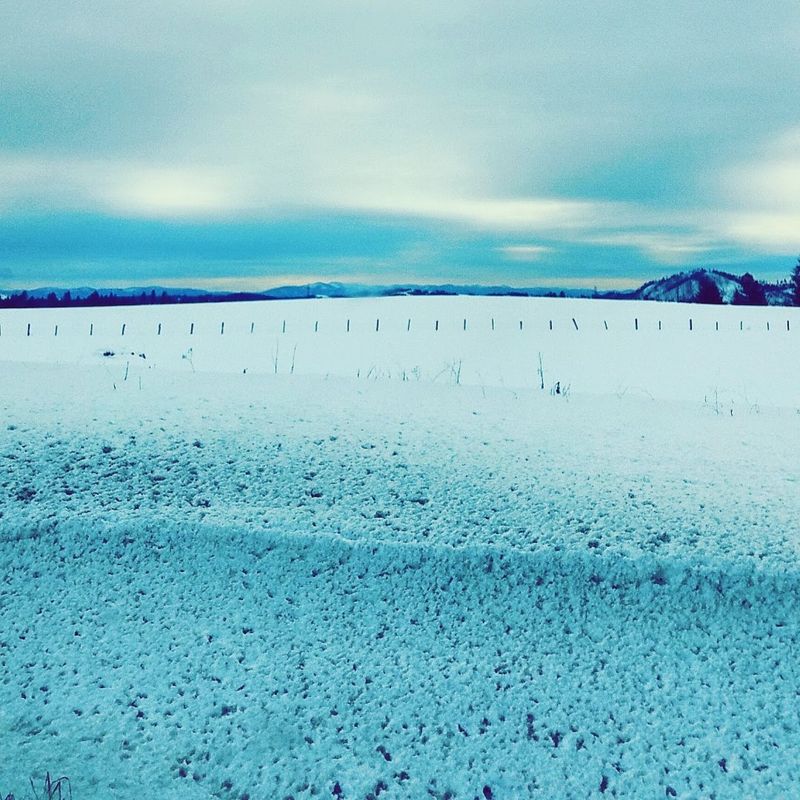
Weippe carries a historical distinction that puts it in a category of its own among Idaho’s small towns. In September 1805, the Lewis and Clark Expedition emerged from the Bitterroot Mountains, exhausted and near starvation, onto the Weippe Prairie and encountered the Nez Perce tribe for the first time.
That meeting was a turning point in the expedition’s survival and in the broader history of American westward exploration. The Nez Perce provided the Corps of Discovery with food and guidance that allowed them to continue their journey to the Pacific Ocean.
The town of Weippe developed on this historically significant prairie and has retained a small-town character that feels largely unchanged from earlier in the 20th century. Historic markers and interpretive sites around the area help visitors understand the full context of what happened here.
Weippe is part of the Nez Perce National Historical Park system, which connects it to a broader network of sites across the region. For anyone interested in the Lewis and Clark story or in the history of the Nez Perce people, Weippe is not just a stop on a road trip, it is a destination in its own right.
10. Sandpoint
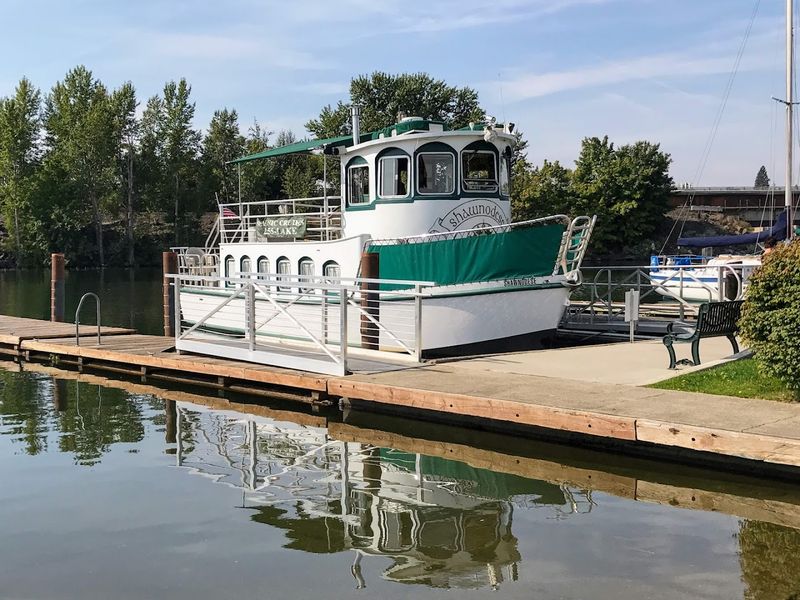
Tucked along the shores of Lake Pend Oreille in northern Idaho, Sandpoint feels like the kind of town travelers stumble upon and immediately wish they had discovered sooner. Originally established as a railroad and logging community in the late 1800s, the town still preserves much of its historic charm through brick storefronts, vintage signs, and cozy cafés lining its walkable downtown streets.
The surrounding scenery only adds to its timeless atmosphere, with towering mountains and sparkling lake views creating postcard-worthy backdrops in every season. While Sandpoint has become popular with outdoor enthusiasts for skiing, boating, and hiking, it somehow manages to avoid feeling overly commercialized.
Locals still gather at family-owned diners, art galleries showcase regional talent, and sunsets over the marina remain one of the town’s greatest simple pleasures. Whether you visit during snowy winters or sunny summer afternoons, Sandpoint offers a slower pace and nostalgic charm that make it feel wonderfully frozen in time.
Share this story