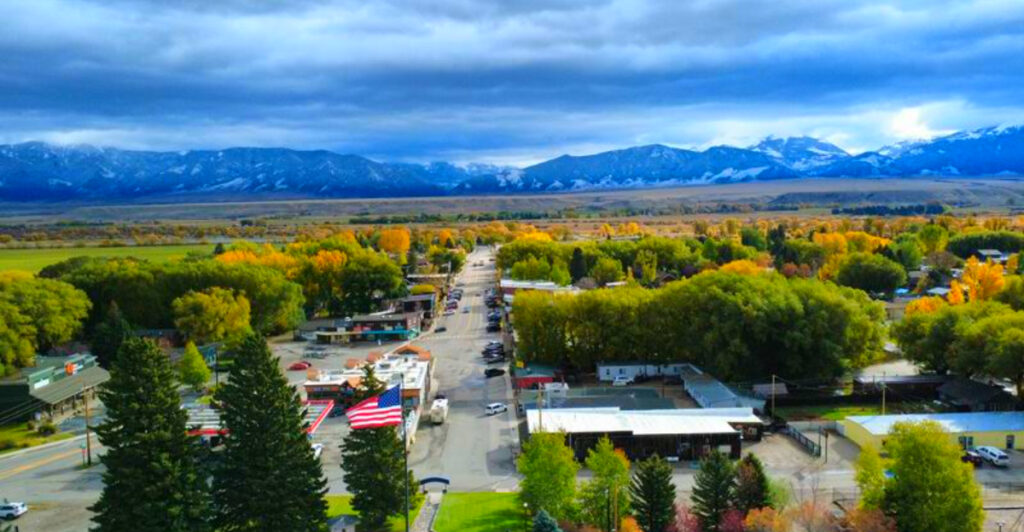
Montana’s smallest towns often leave the biggest impression. Scattered between mountain ranges, river valleys, and open prairie, these communities hold onto the kind of character that larger destinations usually lose somewhere along the way.
Some grew out of gold rush camps, others became ranching hubs or railroad stops, and many still feel deeply connected to the landscapes around them.
What makes these towns worth visiting is not polished tourism or oversized attractions. It is the fly-fishing rivers running through downtown, the historic main streets that still feel lived in, and the local diners, breweries, and shops that give each place its own identity.
This list highlights 14 Montana towns that prove you do not need a big population to create a memorable place.
1. Philipsburg
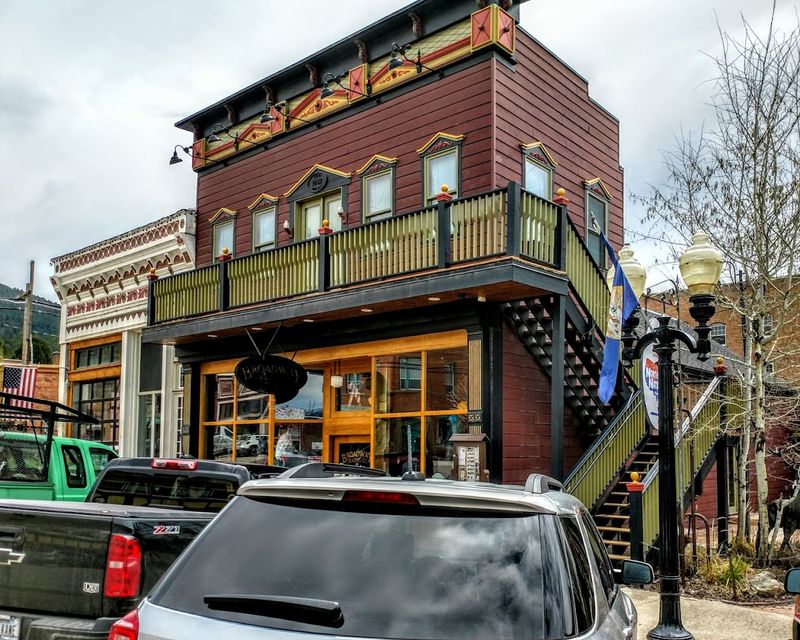
Few towns in Montana pull off a comeback story quite like Philipsburg. Once a booming silver mining hub, this small community in the Pintler Mountains has transformed itself into one of the state’s most delightful destinations without losing any of its original character.
The main street is lined with beautifully restored Victorian buildings painted in bright, cheerful colors, making it look almost too charming to be real. Visitors can browse local shops, stop into the famous Sweet Palace candy store, or try their luck at one of the nearby sapphire mining operations.
Georgetown Lake and the Discovery Ski Area are just a short drive away, adding outdoor adventure to the mix. Philipsburg is frequently called Montana’s most underrated town, and after one visit, it is very easy to understand why that reputation has stuck around.
2. Bigfork
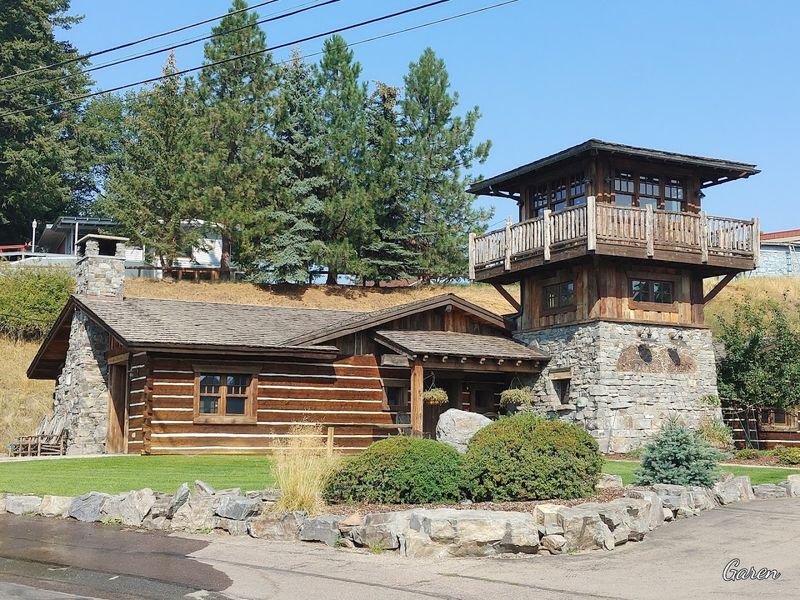
Tucked along the northeastern shore of Flathead Lake, Bigfork operates on its own quiet frequency. This small village has built a reputation as an arts destination, with galleries, boutiques, and a well-regarded summer theater program drawing visitors who want culture alongside their mountain scenery.
The compact downtown is easy to explore on foot, with independent cafes and local shops filling historic storefronts just steps from the water. Flathead Lake itself is the largest natural freshwater lake west of the Mississippi, which gives Bigfork an impressive natural backdrop that most towns could never compete with.
Hiking trails fan out into the surrounding hills, and kayaking on the lake is a popular warm-weather activity. Compared to the busier tourist towns nearby, Bigfork maintains a noticeably relaxed pace that makes it a genuinely refreshing stop on any Montana road trip.
3. Livingston
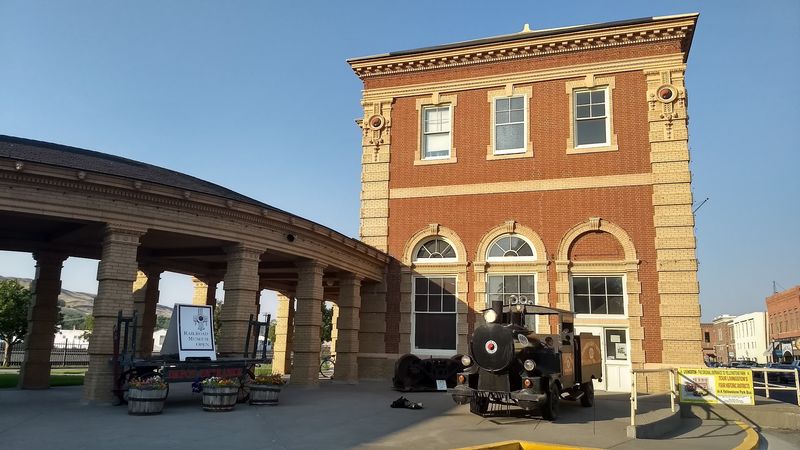
Livingston has a personality that is hard to pin down, and that is precisely what makes it so interesting. Positioned along the Yellowstone River with the Absaroka Mountains rising to the south, this town has drawn artists, writers, and fly-fishing enthusiasts for generations.
The 1902 railroad depot, designed by the same architectural firm behind New York City’s Grand Central Terminal, now serves as the Livingston Depot Center museum and is worth a visit on its own. The Danforth Museum of Art and several independent galleries reflect a creative energy that feels genuine rather than manufactured for tourists.
Main Street offers a well-balanced mix of historic bars, local restaurants, and independent bookshops that keep things interesting for repeat visitors. Livingston sits just 56 miles north of Yellowstone National Park, making it a smarter and far less crowded base than the park’s immediate gateway towns.
4. Virginia City
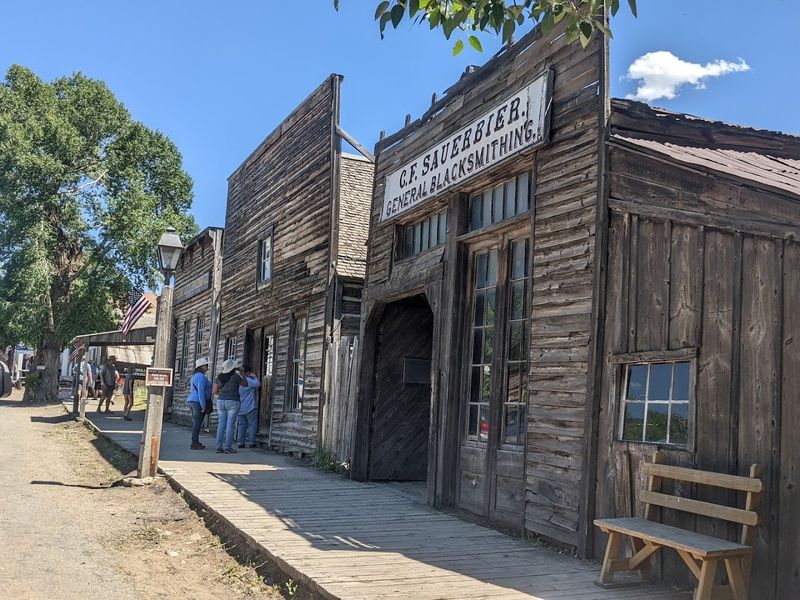
History does not just visit Virginia City, it never left. This remarkably preserved gold rush town looks very much as it did in the 1860s, with original wooden boardwalks, period storefronts, and a layout that has barely changed since gold was first discovered here in 1863.
The town is part of a National Historic Landmark District, and many of the buildings still contain original furnishings and artifacts from the frontier era. Stagecoach rides, melodrama performances at the historic opera house, and guided walking tours give visitors multiple ways to connect with the past.
Virginia City sits in the Madison Valley alongside its smaller neighbor Nevada City, and the two towns together make for a full day of exploration. For anyone who has ever wondered what a real gold rush town actually looked like, this place provides the most accurate answer Montana has to offer.
5. White Sulphur Springs
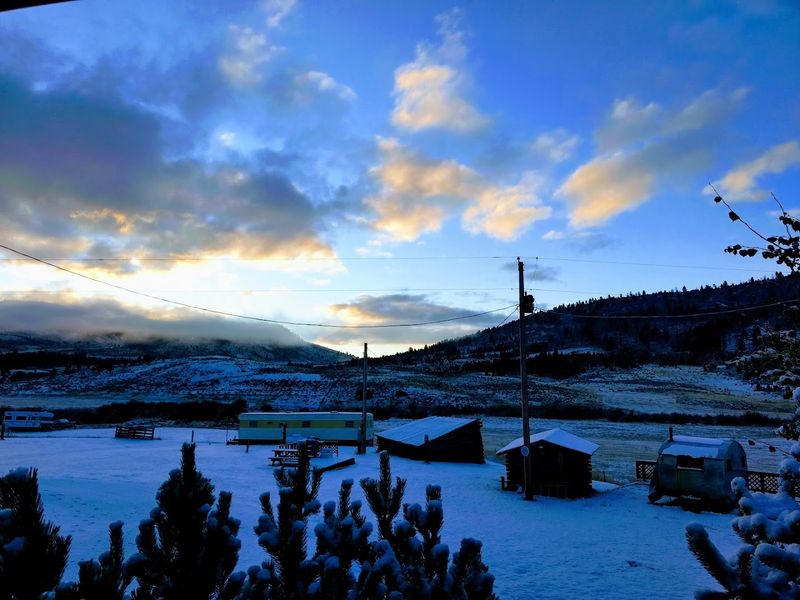
Central Montana does not get nearly enough attention, and White Sulphur Springs is the best argument for changing that. Surrounded by the Big Belt, Little Belt, and Castle mountains, this quiet ranching town sits in a broad valley that feels genuinely removed from the rest of the world.
The town’s name comes from natural mineral hot springs that have attracted visitors since the late 1800s, and the Spa Hot Springs Motel still allows guests to soak in the historic waters today. The Meagher County Historical Museum offers a solid introduction to the area’s ranching and mining heritage.
Wildlife viewing in the surrounding hills is excellent, with deer, elk, and pronghorn frequently spotted near the roads leading into town. White Sulphur Springs rewards slow travelers who are willing to trade crowds and convenience for open skies and genuine Montana ranch country atmosphere.
6. Red Lodge
Red Lodge sits at the base of the Beartooth Mountains and serves as the starting point for the Beartooth Highway, a 68-mile scenic route that climbs to nearly 11,000 feet and is widely considered one of the most dramatic drives in the entire country.
The town itself earns its keep with a handsome historic downtown full of brick storefronts, local restaurants, and independent shops that cater to skiers in winter and hikers in summer. The Carbon County Historical Society and Museum covers the area’s coal mining and ranching past in impressive detail.
Red Lodge Mountain ski area draws winter visitors, while the Beartooth Plateau offers world-class hiking once the snow melts. The town has a confident, outdoorsy character that feels earned rather than performed, and its manageable size makes it easy to explore thoroughly in a single weekend visit.
7. Fort Benton
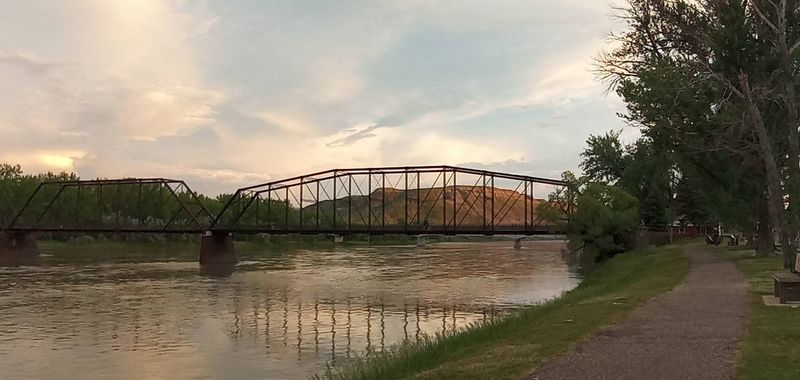
Called the Birthplace of Montana, Fort Benton carries its title with a quiet pride that matches the steady pace of the Missouri River flowing past its front door. Steamboats once docked here to deliver supplies to the frontier, making this small town one of the most historically significant spots in the entire state.
The historic district is remarkably intact, featuring original fur-trading-era buildings and the beautifully restored 1882 Grand Union Hotel, which Forbes has recognized as part of one of the prettiest towns in America. The Museum of the Upper Missouri and the Museum of the Northern Great Plains together tell the story of this region in considerable depth.
A walking path along the river levee connects most of the major landmarks and makes for a peaceful afternoon stroll. Fort Benton offers serious history without the crowds, which is a combination that is genuinely difficult to find anywhere in Montana.
8. Stevensville
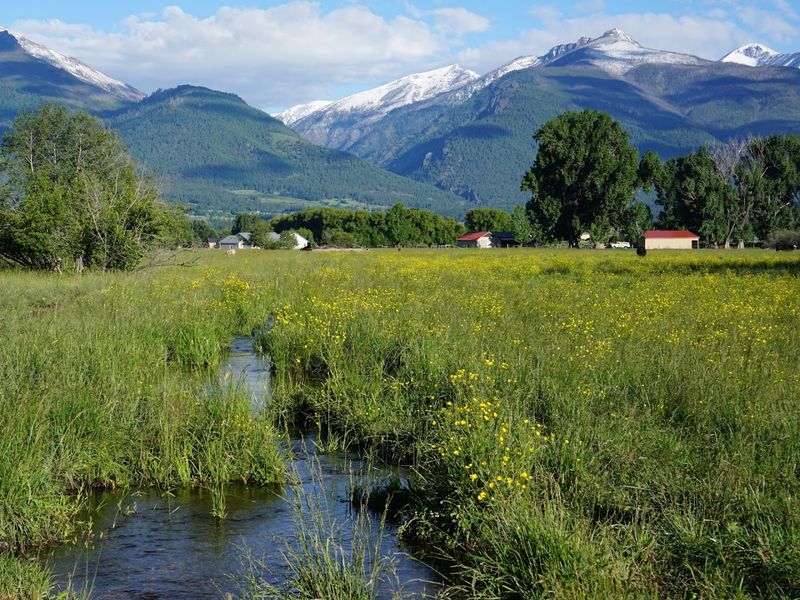
Montana’s oldest permanent settlement wears its history comfortably, without making a big fuss about it. Stevensville was established in 1841 when Jesuit missionaries built St. Mary’s Mission here, and that original structure still stands as one of the most visited historical sites in the Bitterroot Valley.
Fort Owen State Park, located at the edge of town, preserves the adobe walls of Montana’s first permanent American settlement and offers free, easy access to a genuinely important piece of frontier history. Main Street is lined with antique shops, local cafes, and bakeries that keep the community feel very much alive.
The Bitterroot Mountains provide a dramatic western backdrop that makes even a quick drive through town feel worthwhile. Stevensville tends to attract travelers who want scenic beauty and historical depth without the resort-town price tags that have taken over some of Montana’s more famous destinations.
9. Ennis
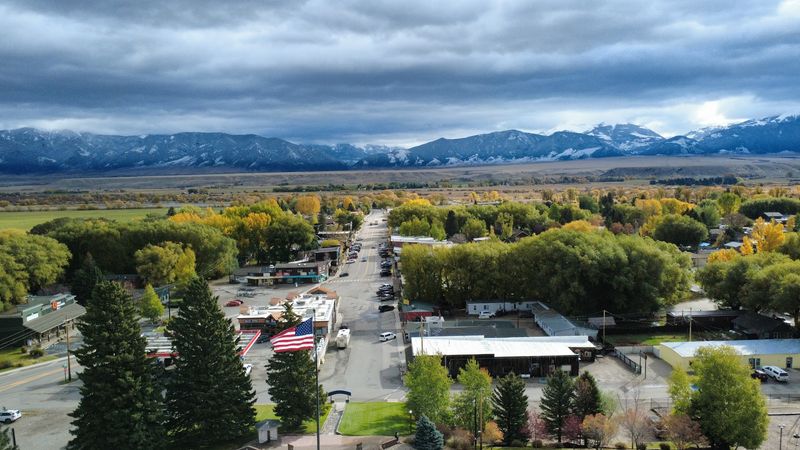
Any serious fly-fishing conversation eventually lands on Ennis. Positioned in the Madison Valley in southwestern Montana, this small Western town sits beside the Madison River, which is consistently ranked among the top trout fishing rivers in North America.
Ennis traces its roots to the 1863 Gold Rush era, when it served as a supply stop for prospectors passing through the valley. Today it is part of what fishing enthusiasts call the Gold Triangle, a trio of rivers that includes the Madison, Gallatin, and Jefferson, all offering exceptional trout fishing conditions.
The town’s main street has a classic Western feel with outfitter shops, local diners, and a small-town energy that has not been diluted by heavy tourism. Even visitors who have no interest in fishing tend to enjoy Ennis for its mountain views, relaxed pace, and honest small-town character.
10. Choteau
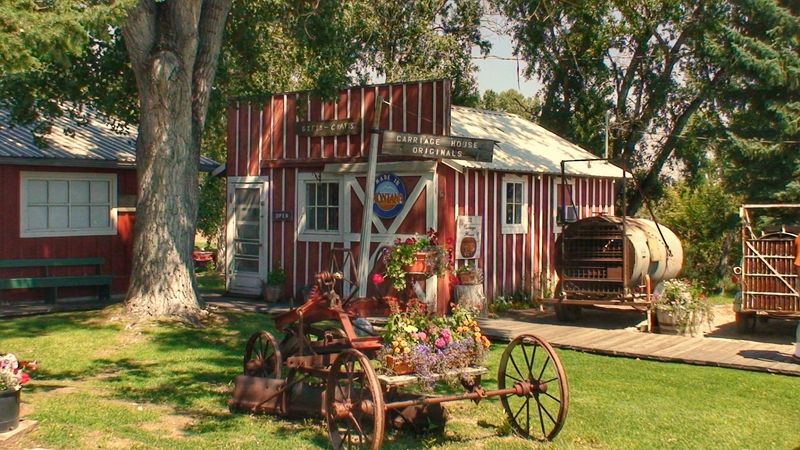
Choteau sits exactly where the Rocky Mountain Front collides with the Great Plains, creating a landscape contrast so dramatic that it stops first-time visitors in their tracks. The mountains rise abruptly from flat prairie here, with no gradual buildup, giving the town one of the most striking natural settings in all of Montana.
The Old Trail Museum is a genuine highlight, housing dinosaur fossils, Blackfeet cultural artifacts, and pioneer history in a well-organized collection that punches well above its small-town weight. Choteau also serves as a gateway to the Bob Marshall Wilderness Complex, one of the largest roadless wilderness areas in the lower 48 states.
Wildlife viewing near the Rocky Mountain Front is exceptional, with grizzly bears, wolves, and mountain goats all present in the surrounding terrain. Choteau delivers a front-row seat to wild Montana without the tourism infrastructure that can sometimes make a place feel less authentic.
11. Eureka
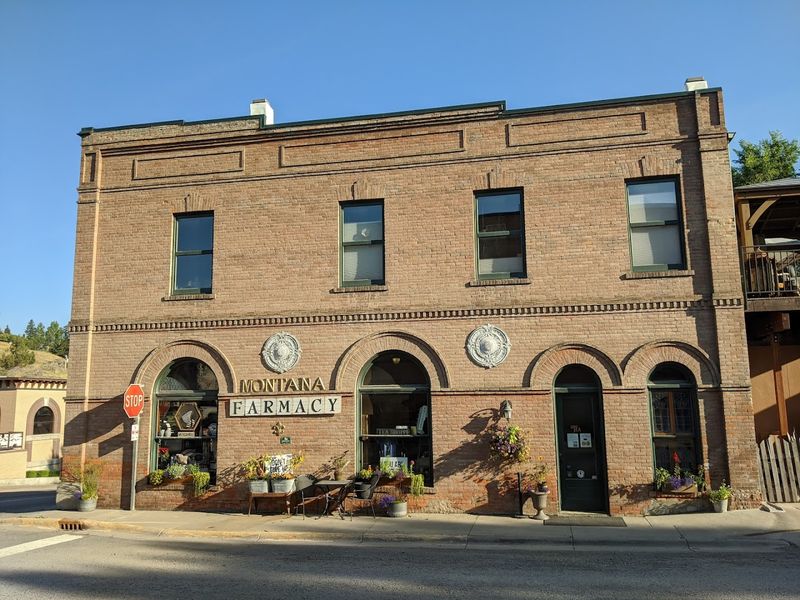
Eureka occupies a narrow valley in Montana’s far northwestern corner, just a few miles south of the Canadian border, surrounded by the Whitefish Range and Purcell Mountains. It is the kind of town that rewards travelers who are genuinely willing to go out of their way.
The Tobacco Valley, where Eureka sits, is famous among nature photographers for its autumn larch season, when the surrounding hillsides turn a vivid gold that makes the landscape look almost surreal. The nearby Ten Lakes Scenic Area offers alpine hiking trails that lead to high-elevation lakes well away from the crowds that gather around more famous Montana parks.
Lake Koocanusa, a massive reservoir formed by the Libby Dam, stretches close to town and provides excellent boating and fishing opportunities throughout the warmer months. Eureka is the definition of off-the-beaten-path, and that is its single greatest quality.
12. Lewistown
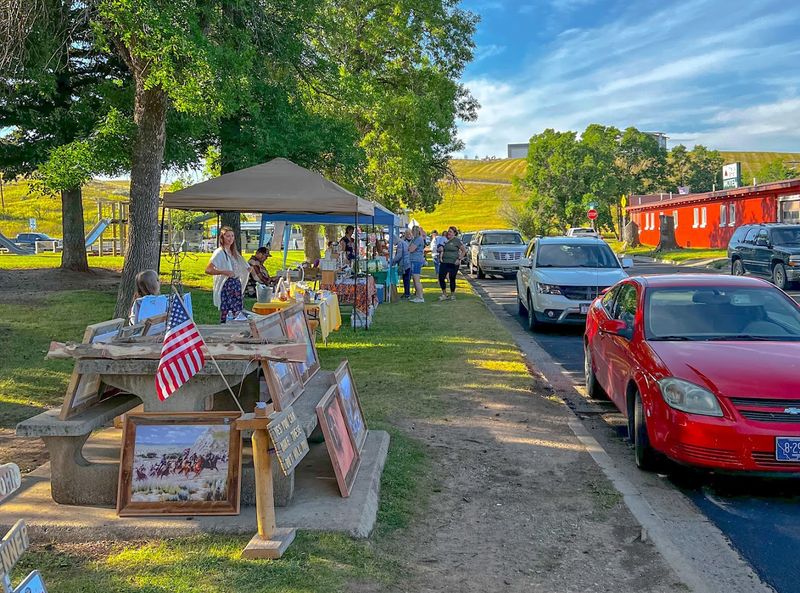
Lewistown holds a geographic distinction that most towns can only dream about. Sitting almost exactly at the geographic center of Montana, it is surrounded by five separate mountain ranges, including the Snowy and Judith Mountains, making it one of the most scenically positioned towns in the entire state.
The downtown area features a collection of hand-cut sandstone buildings constructed in the late 1800s and early 1900s, including the historic Fergus County Courthouse from 1902. Big Spring Creek, which flows near town, is a favorite spot for fly fishing and easy walks along well-maintained paths.
Lewistown does not have a famous landmark or a single headline attraction, but that works in its favor. The town’s appeal is cumulative, built from friendly locals, honest ranching history, and the kind of unhurried atmosphere that reminds visitors what Montana actually feels like before the tourist infrastructure takes over.
13. Seeley Lake
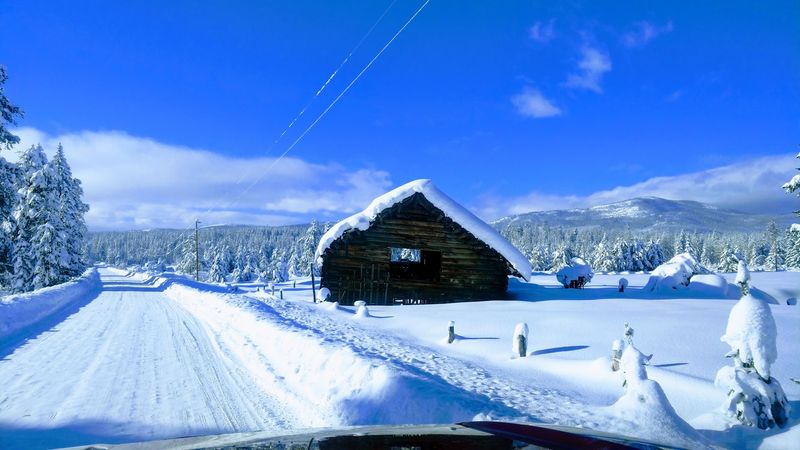
Seeley Lake is the kind of place that shows up in people’s vacation plans once and then never quite leaves their heads. The lake itself is remarkably clear, set inside a dense corridor of lodgepole pine and larch forest in the Seeley-Swan Valley between the Mission and Swan mountain ranges.
The small community around the lake operates at a pace that feels genuinely unhurried, with a handful of local businesses, outfitters, and lodges serving a steady stream of visitors who come for fishing, paddling, and wildlife watching. Moose are commonly spotted along the marshy areas near the lake’s edges, which tends to make even a casual morning drive feel eventful.
Autumn is an especially popular time to visit, when the larch trees surrounding the valley turn golden and the crowds thin out considerably. Seeley Lake is the kind of destination that quietly earns loyalty rather than loudly demanding attention.
14. Columbia Falls
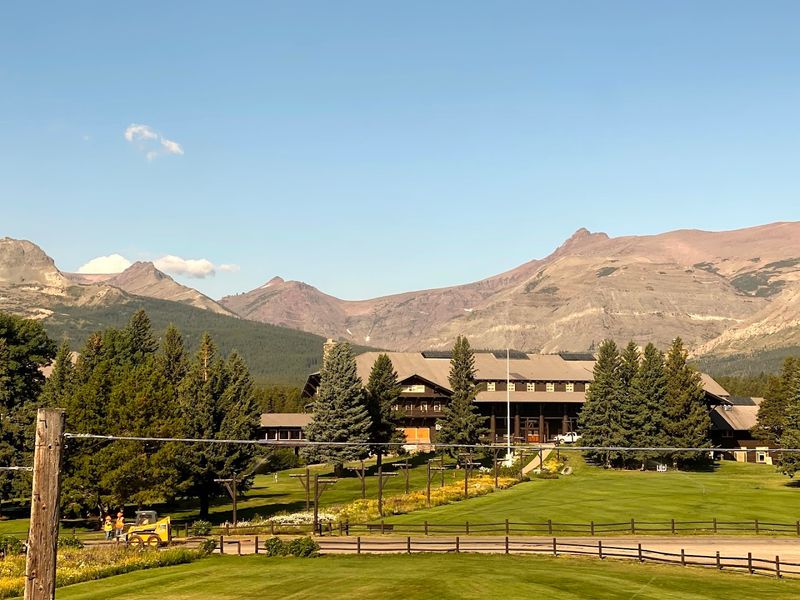
Most drivers heading to Glacier National Park pass straight through Columbia Falls without a second glance, which is a mistake that patient travelers have been quietly benefiting from for years. This small city of around 5,000 people sits just 16 miles from Glacier’s west entrance and offers a noticeably more relaxed and affordable alternative to the park’s immediate gateway towns.
The downtown has been investing in itself steadily, with local restaurants, a growing arts scene, and community events that reflect genuine civic pride rather than tourism strategy. Hungry Horse Reservoir, located a short drive to the east, provides excellent fishing, boating, and hiking without the parking headaches that come with the national park itself.
Columbia Falls also connects easily to the Flathead Valley’s broader network of trails and recreation areas. For travelers who want Glacier’s scenery without Glacier’s crowds, this town makes a very convincing case for slowing down and staying a while.
Share this story