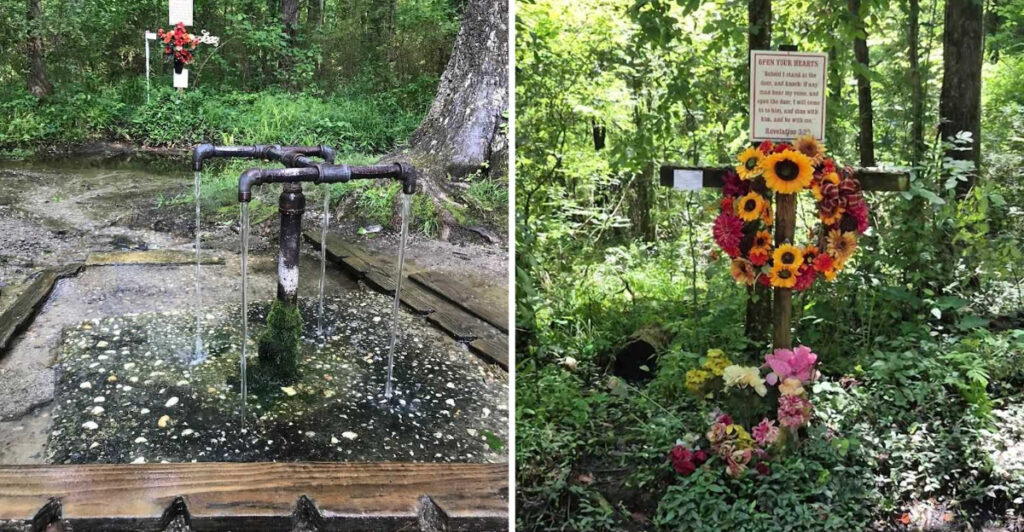
Tucked away in the quiet backroads of South Carolina, there is a spring that has drawn visitors for centuries, and the stories people tell about it are hard to forget. The water flows freely, day and night, from a natural artesian aquifer, and people drive hours just to fill up their jugs and carry a little of it home.
Some come out of curiosity, others come with hope, and a surprising number come back again and again. The history behind this place stretches back to the 1700s, tangled up with faith, folklore, and a remarkable act of generosity that still stands today.
Keep reading to find out what makes this little-known spring one of South Carolina’s most quietly powerful destinations.
The Remarkable History Behind the Springs
The story of this spring goes back to the Revolutionary War era, when British soldiers reportedly fell ill nearby and were brought to this spot to recover. According to local legend, the water healed them, and word spread quickly about its remarkable properties.
The land eventually came into the ownership of a man named Lute Boylston, who made a decision in 1944 that still defines the place today. He deeded the property directly to God, making it one of the few pieces of land in the United States legally titled in that way.
That single act of faith transformed the springs from a local curiosity into something far more meaningful. The deed is real, recorded in Barnwell County, and it is the reason the water has always been free and open to anyone who wants it.
History here is not just a backdrop; it is the foundation.
The Natural Artesian Water Source
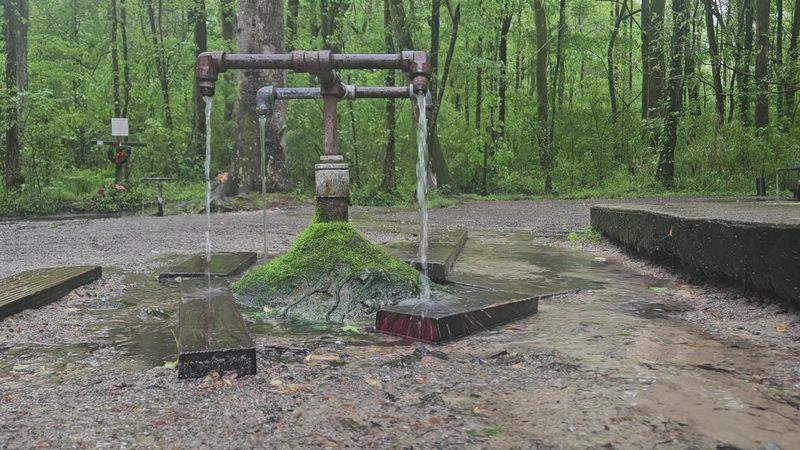
The water does not come from a pump or a treatment facility. It rises naturally from an artesian aquifer deep underground, which means it flows continuously without any mechanical help.
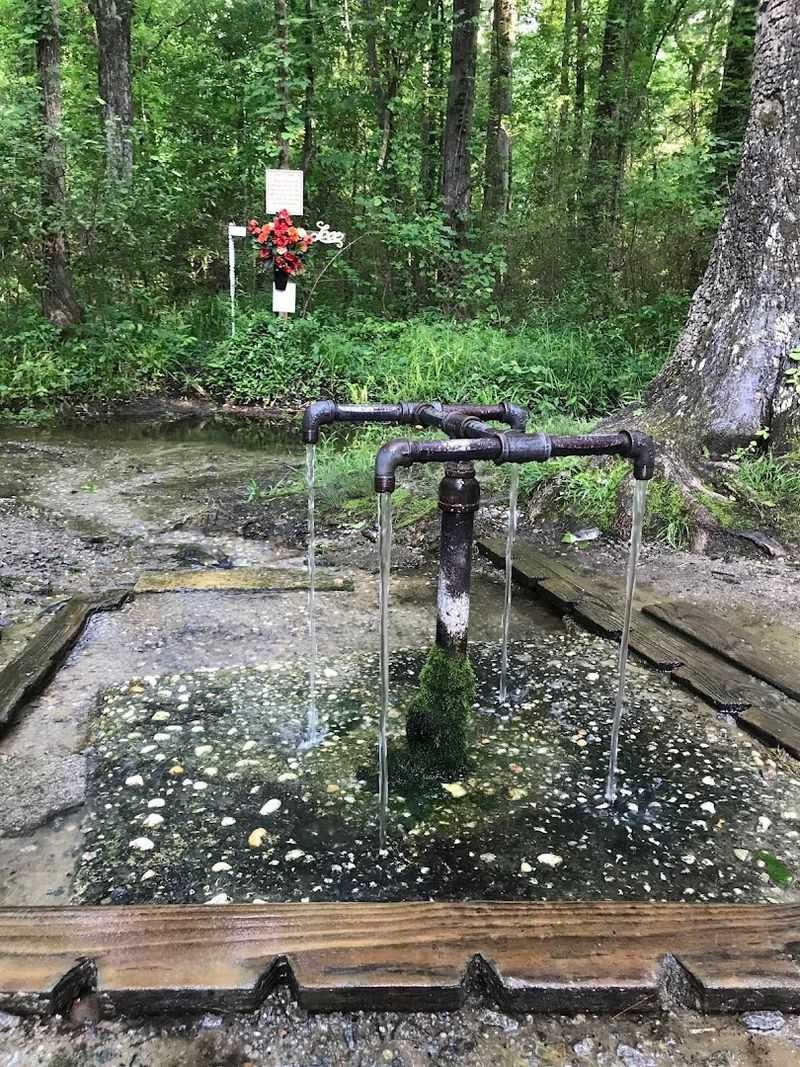
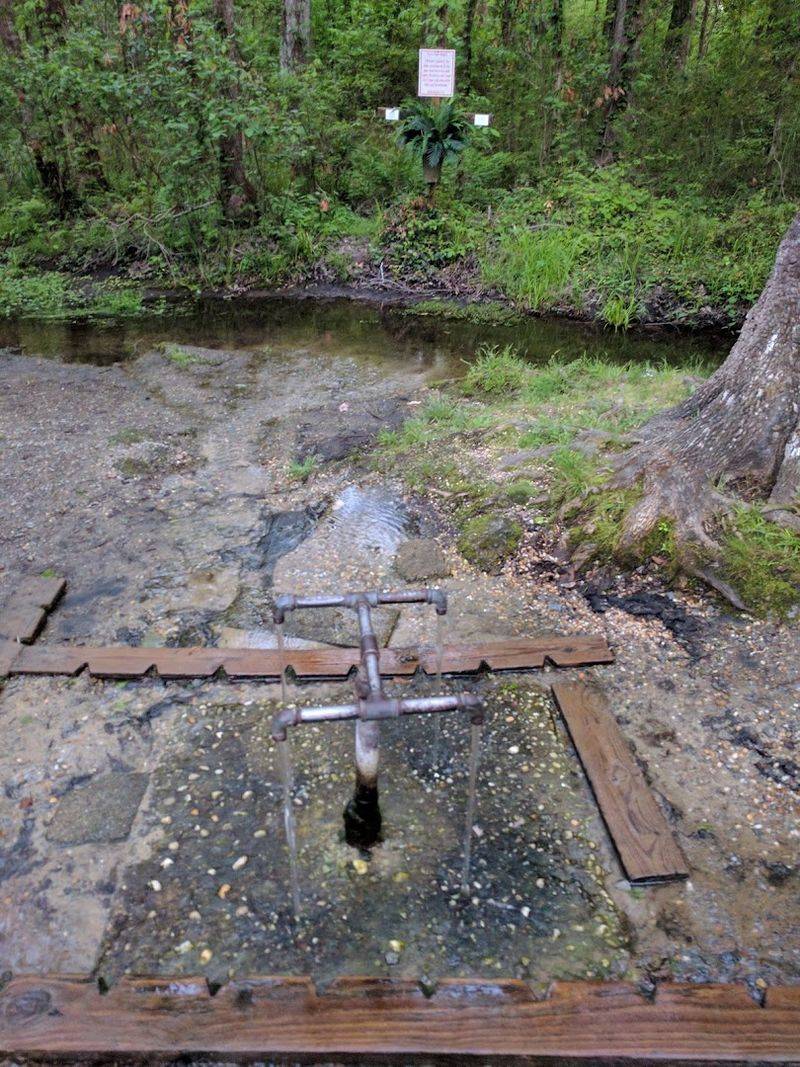
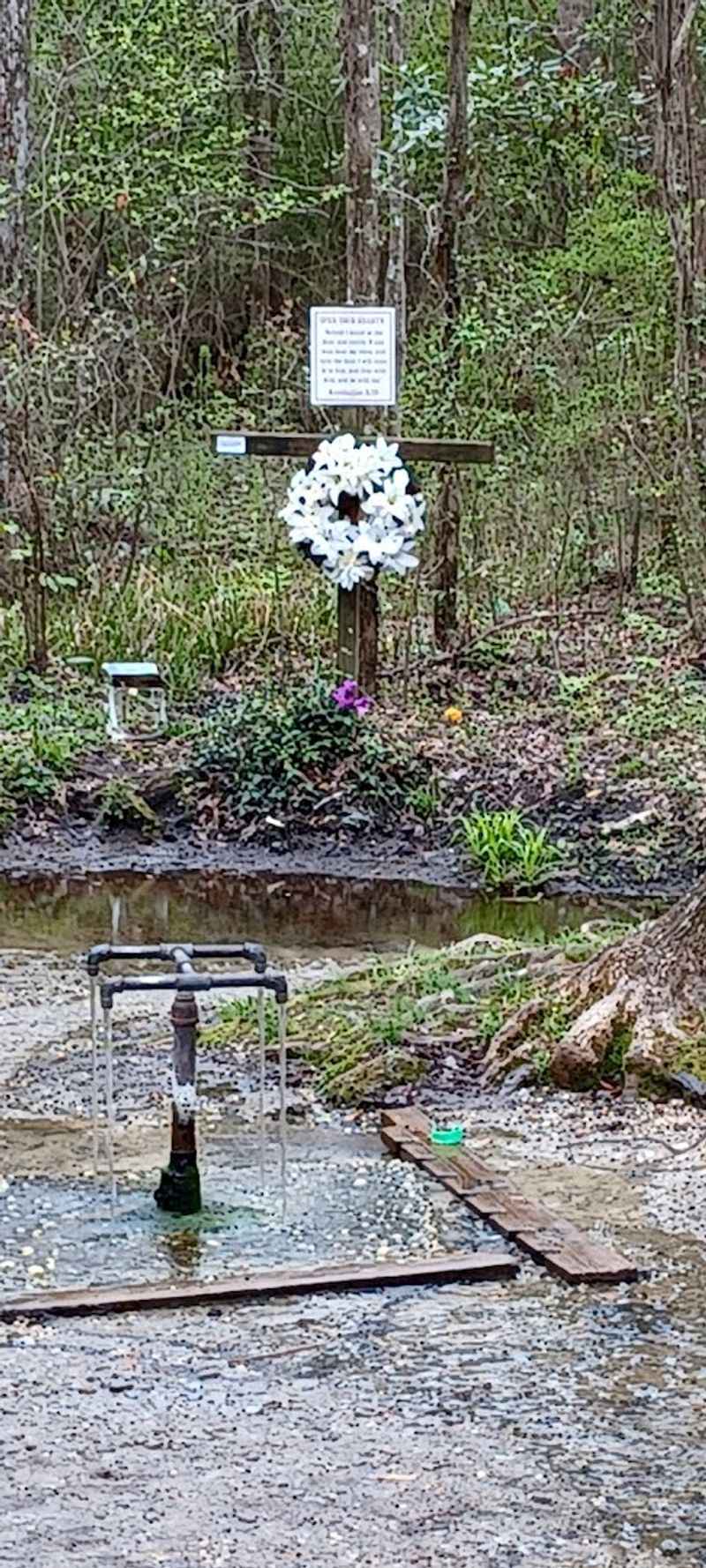
There are four separate faucet stations on the property, with most of them offering four spigots each, so multiple people can fill containers at the same time.
The flow is steady and consistent, and containers fill up faster than you might think. Visitors regularly bring gallon jugs, five-gallon containers, and even large glass jars.
The water runs cold and clear, with a clean, slightly mineral taste that catches people off guard in the best way.
One thing worth knowing: the water flows constantly, so your shoes might get a little wet if you are not careful around the spigots. Wearing waterproof sandals or old sneakers is a practical choice for any visit here.
Where Exactly This Spring Is Located
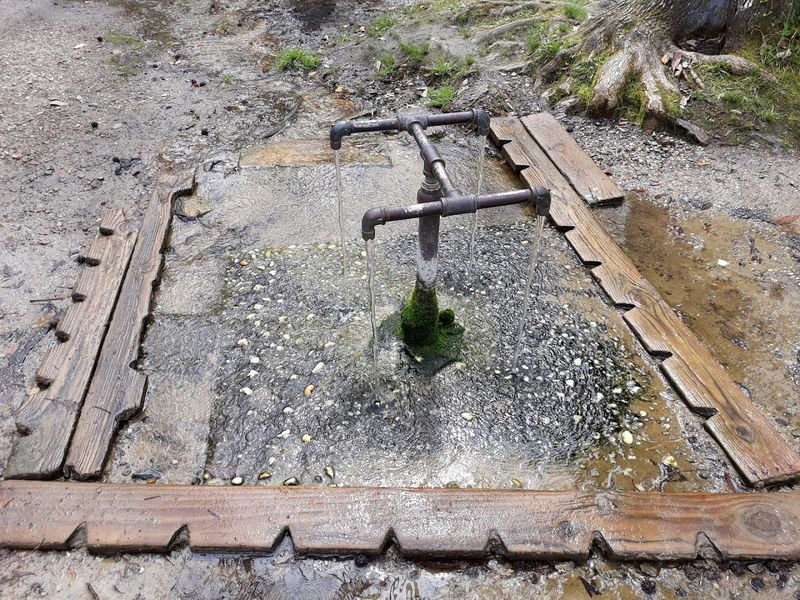
The address is 1211 Springs Ct, Blackville, and getting there is half the adventure. The drive takes you through the kind of small-town South Carolina scenery that feels like it has barely changed in decades, with speed limits dropping from 55 mph to 35 mph and even 30 mph as you pass through quiet communities.
Blackville sits in Barnwell County, a rural corner of the state that most people pass through without stopping. That is exactly what makes arriving here feel special.
The spring itself is tucked just off the main road, easy to miss if you are not paying attention.
Parking is plentiful, and the setup is more organized than you might expect for a free, open-air natural spring. A small wagon or hand cart comes in handy if you plan to fill multiple containers.
What the Water Tastes Like
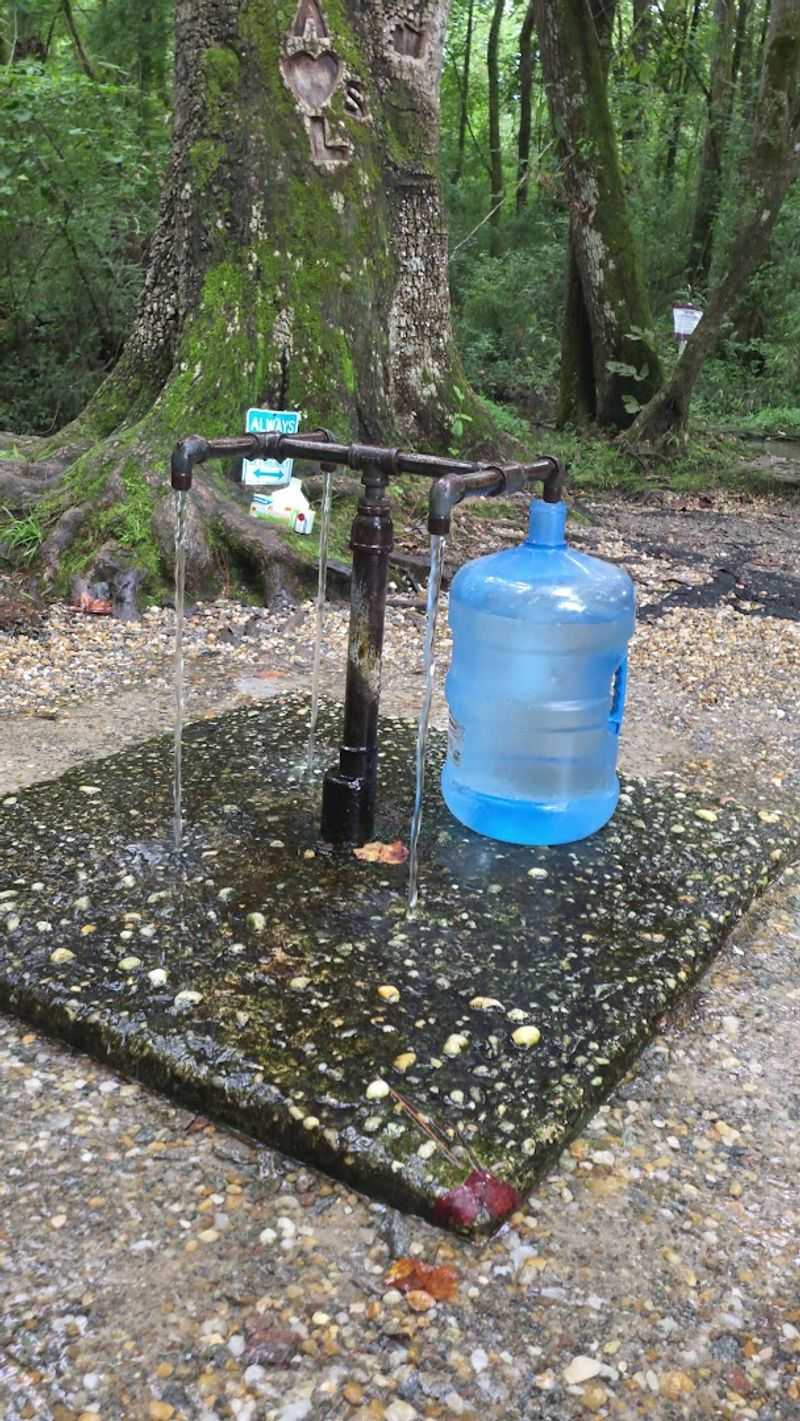
Words like “clean” and “refreshing” get used a lot when people describe this water, but they genuinely apply here. There is a coolness and a lightness to it that feels different from tap water or even most bottled options.
It has a subtle mineral quality without being heavy or chalky.
On a warm South Carolina afternoon, drinking it straight from the spigot is one of those simple pleasures that is hard to explain until you have tried it. Some visitors pour it over their heads for a quick cool-down, and on a humid July day, that sounds like a brilliant idea.
People who have been drinking it regularly for months or years often say their bodies feel the difference, though the spring makes no official medical claims. The taste alone is reason enough to make the trip, and most first-timers leave wishing they had brought bigger containers.
The Spiritual Atmosphere of the Place
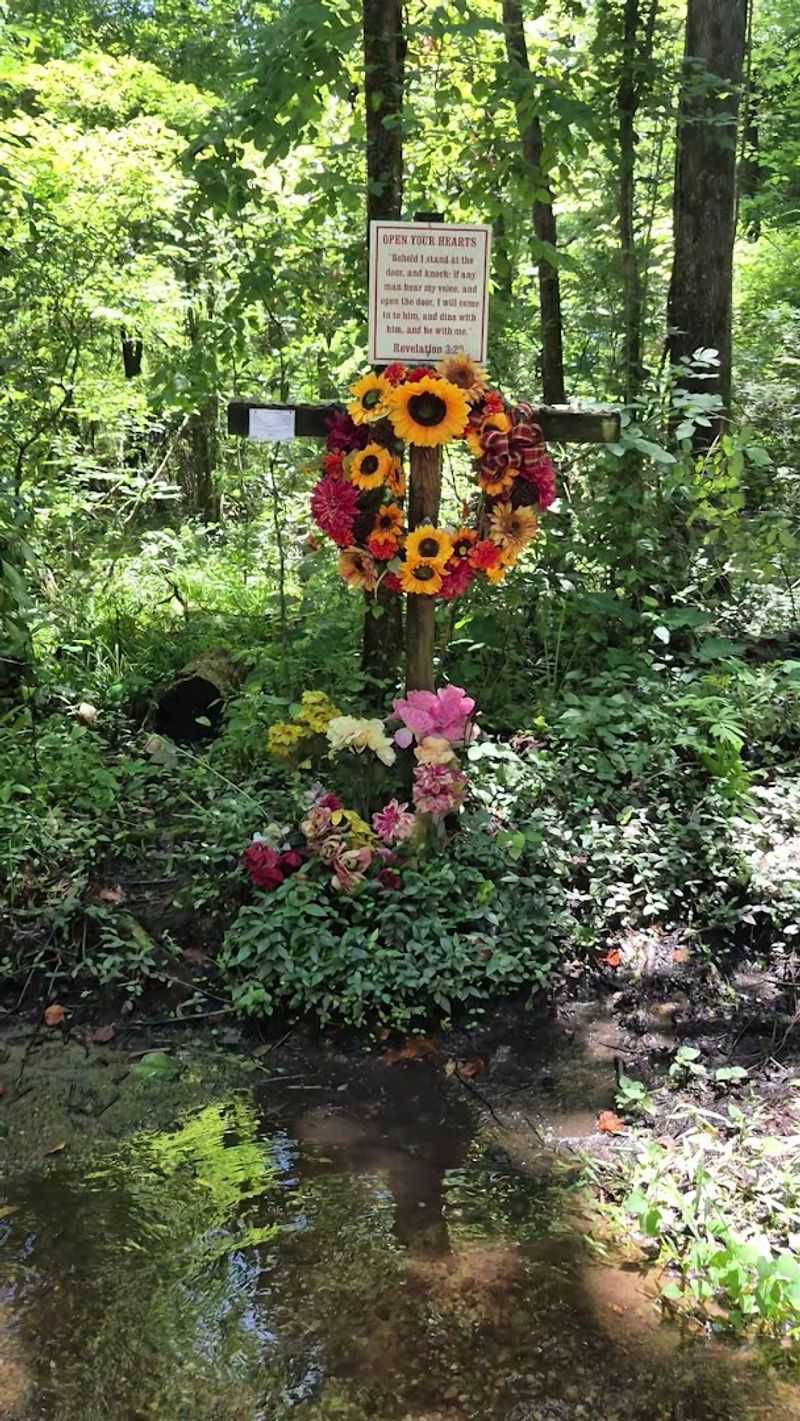
There is something noticeably calm about the energy at this spring that is hard to put into words without sounding overly dramatic. Visitors from completely different backgrounds arrive and seem to fall into the same quiet, unhurried rhythm.
Conversations happen naturally, and they tend to run deeper than small talk.
During my visit, I watched a woman say a prayer aloud while another visitor had her hands in the water. Nobody found it strange.
In fact, it felt completely fitting for a place that was legally given to God eight decades ago.
The property carries a sense of intentionality, as if every person there understands they are sharing something sacred. That shared understanding creates a warmth between strangers that you do not often find at tourist spots.
It is open 24 hours a day, every day of the year, which adds to its feeling of being a permanent, unconditional offering.
Who You Will Meet at the Springs
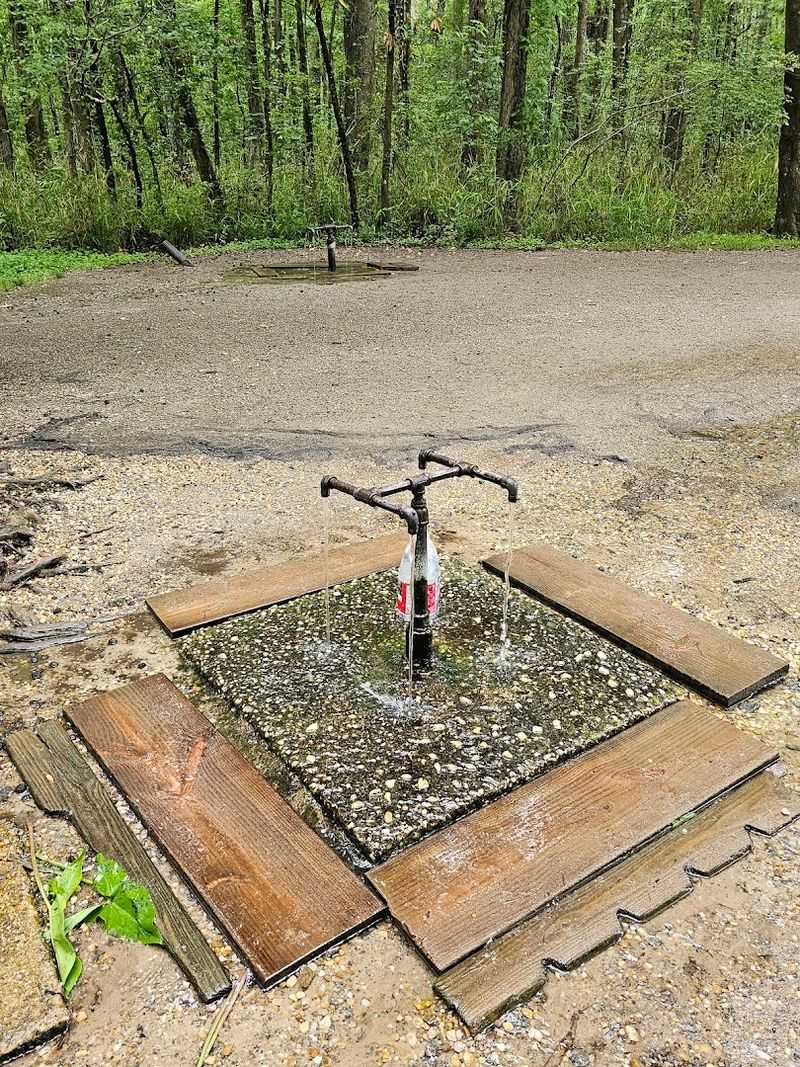
On any given visit, the crowd at this spring is genuinely diverse. People drive in from neighboring states, from cities hours away, and from small towns just down the road.
License plates from Georgia, North Carolina, Florida, and beyond are a common sight in the parking area.
What stands out is how everyone seems to leave their usual pace behind. Conversations flow easily between strangers, and it is not unusual to hear someone share a personal story about why they started coming here.
Long-time visitors often act as informal guides for newcomers, pointing out the best spigots or offering tips on container sizes.
The community that forms around this spring is one of its most underrated qualities. A visit here rarely feels like a solo errand.
More often, it turns into an unexpected social experience with people you would never have crossed paths with otherwise, and that is a genuinely rare thing.
The Legend of Healing Properties
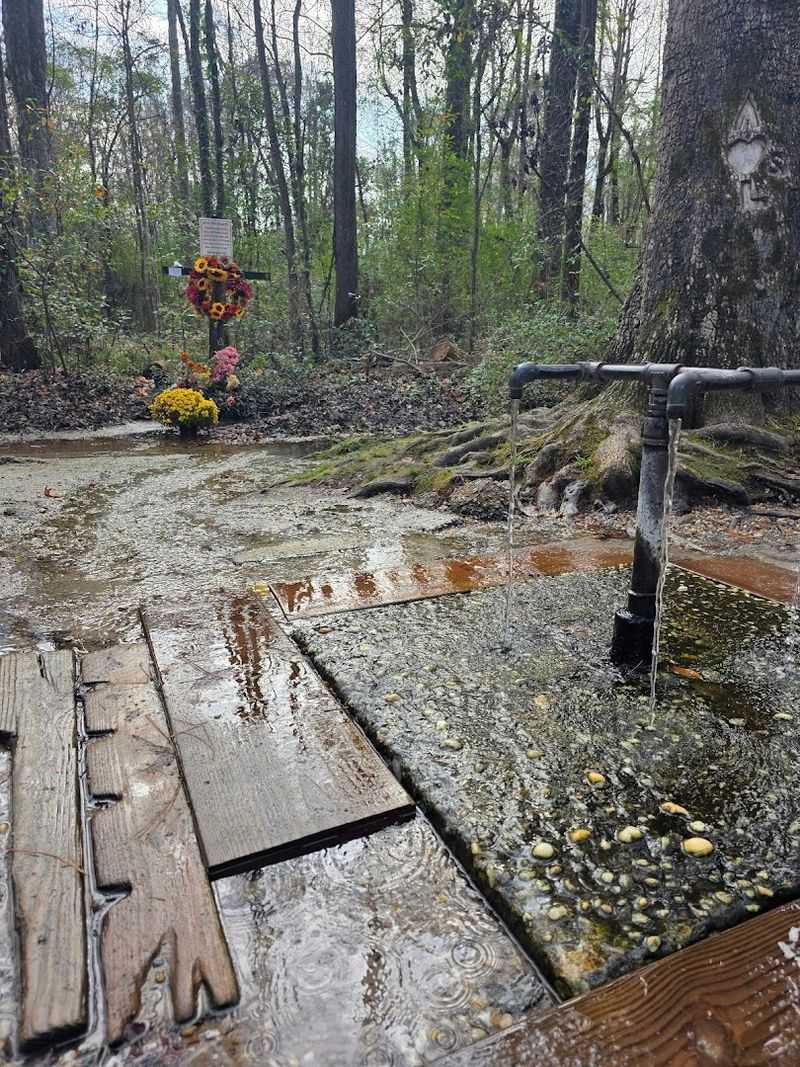
The name says it plainly: healing springs. The claim has been attached to this water for centuries, starting with those Revolutionary War-era stories of soldiers recovering from illness after drinking here.
Whether you approach that history skeptically or with open curiosity, it is undeniably compelling.
No scientific body has officially certified the water as medicinal, and the spring makes no formal health claims. But the testimonials from regular visitors are consistent enough to make you wonder.
People describe reduced joint discomfort, better digestion, and an overall sense of vitality after drinking the water consistently over time.
The mineral content of artesian water can vary significantly depending on the geology of the aquifer, and some natural springs do carry beneficial trace minerals. Whether the effects here are physical, spiritual, or simply the result of drinking clean, unprocessed water regularly, the belief in this spring has persisted across generations, and that kind of staying power means something.
Lute Boylston and the Deed to God
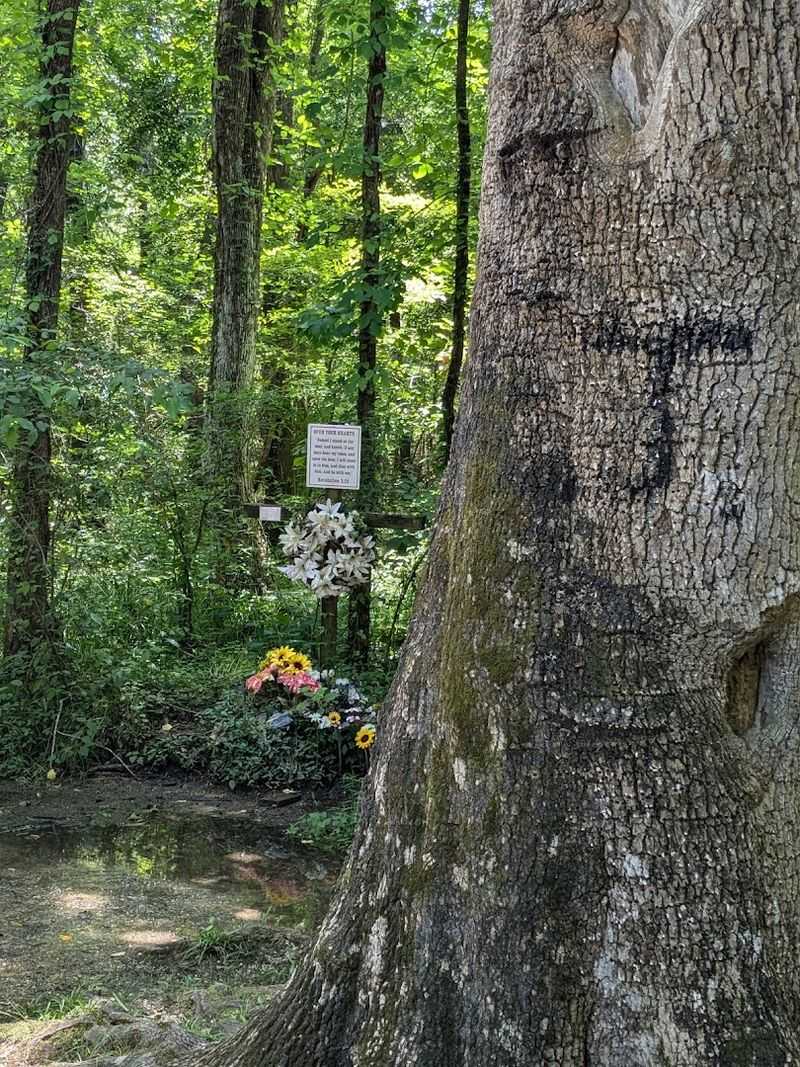
The most extraordinary chapter in this spring’s story involves a local landowner named Lute Boylston. In 1944, he made the decision to deed the property to God, ensuring that no person, company, or government could ever charge for access to the water or restrict who could visit.
The deed is recorded in Barnwell County and lists God as the owner, which created an interesting legal situation that has held up for more than 80 years. No human heir can inherit it, no developer can buy it, and no municipality has ever successfully claimed control over it.
Boylston reportedly believed the spring was a divine gift meant for everyone, and he wanted to make that permanent in the most official way he could think of. His act of generosity is the reason thousands of people every year can pull up to a free, open spring and fill as many containers as they like, no questions asked.
What to Bring for Your Visit
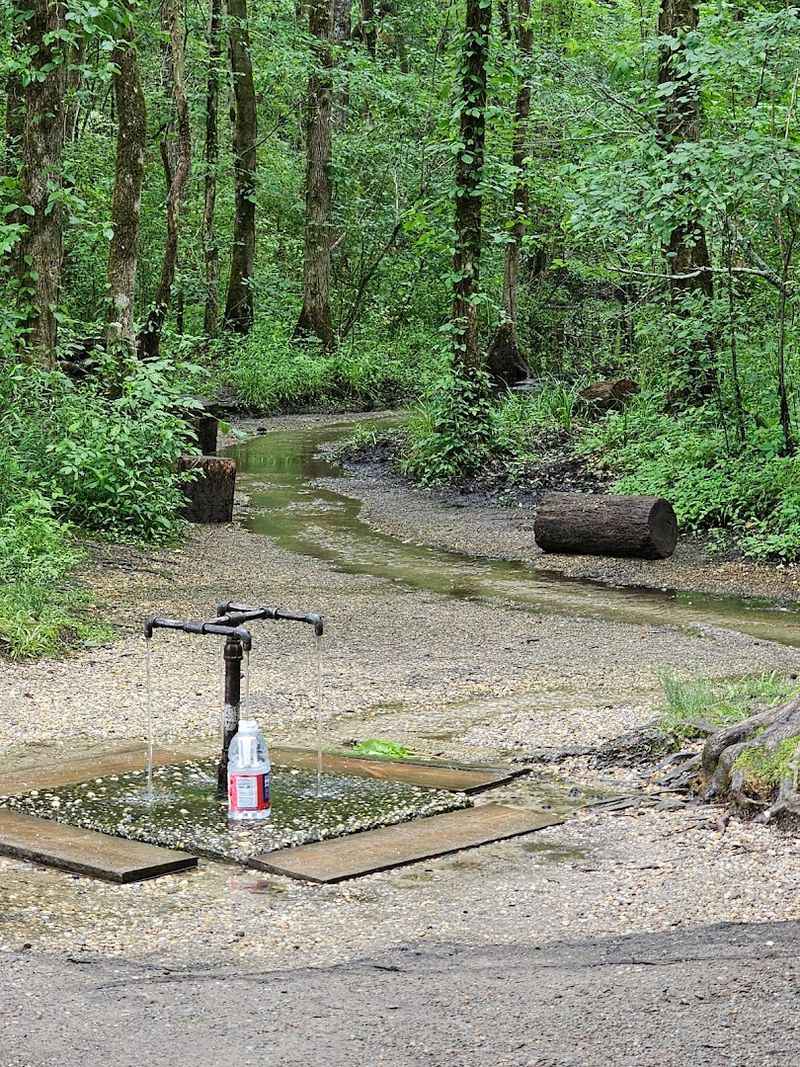
First-time visitors almost universally say the same thing afterward: they wish they had brought more containers. The water is free, the flow is constant, and there is no limit on how much you can take.
Gallon jugs work well, but three-gallon containers are reportedly the ideal size because they fit neatly under the spigots without awkward balancing.
A small wagon, hand cart, or folding dolly is worth throwing in the trunk if you plan to fill more than a few gallons. Moving eight or ten filled containers back to your car across a parking lot gets heavy fast.
Waterproof shoes or sandals are a smart call since the constant water flow tends to create wet ground around the faucet stations.
Arriving on a weekday typically means shorter waits and a more relaxed pace. Weekend mornings can get busy, with 25 to 30 visitors at once, though the multiple spigot stations keep things moving efficiently.
The Surrounding Small-Town Atmosphere
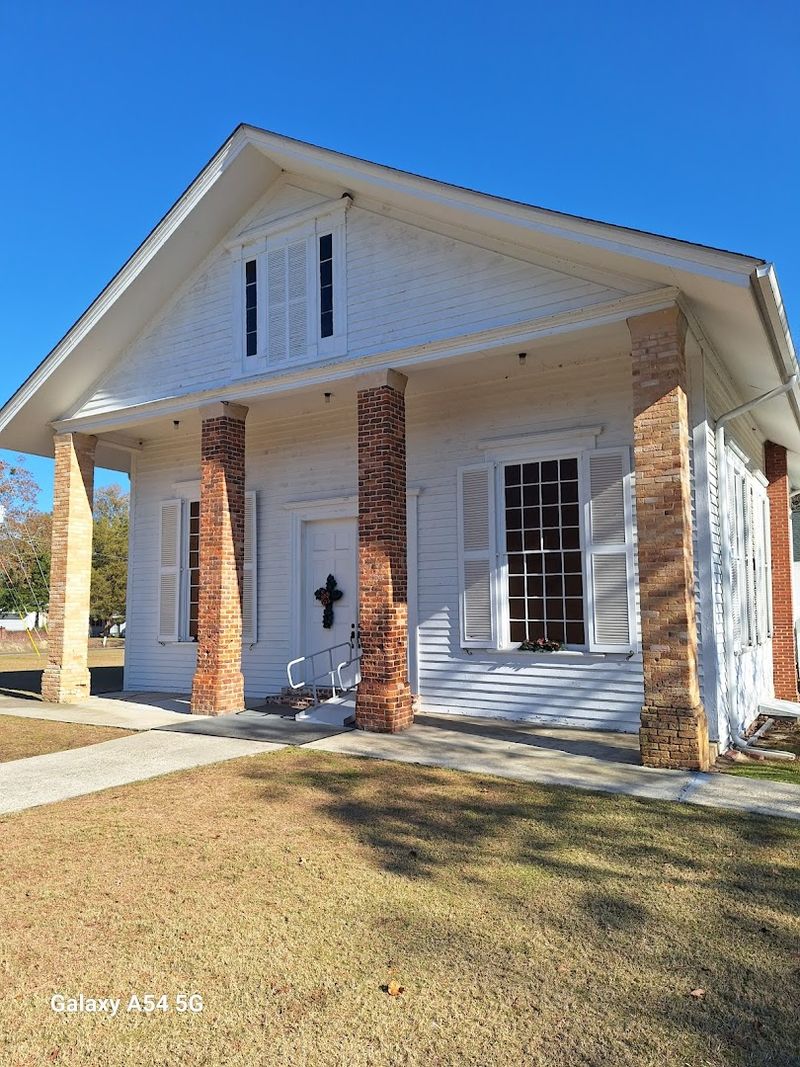
Blackville itself is the kind of town that rewards slow travel. The roads leading to the spring drop in speed limit several times, which forces you to actually look at the landscape around you, and that turns out to be a good thing.
The countryside here has a quiet, unhurried quality that is increasingly rare.
There is a country store near the top of the road leading to the springs that is worth a stop. The food is homemade and reasonably priced, and the products reflect the kind of local craftsmanship that you will not find at a chain store.
It is the sort of place where you end up staying longer than planned.
The whole area around Barnwell County has a lived-in, authentic character that feels genuinely welcoming rather than staged for tourists. Spending a few extra hours exploring the town before or after the spring turns a quick errand into a real day trip.
Best Times to Visit and Practical Tips
The spring is open every single day of the year, around the clock, which means there is technically no bad time to visit. That said, timing does affect your experience.
Weekday visits, especially mid-morning on a Tuesday or Wednesday, tend to be the most peaceful, with short waits and plenty of room at the spigots.
Weekend mornings attract larger crowds, often 25 to 30 people at a time. The setup handles the volume well, but if you prefer a quieter, more contemplative experience, a weekday is the better choice.
Early arrivals on weekends, before 9 a.m., can also beat the rush.
The drive involves back roads with variable speed limits, so budget extra time than your GPS suggests. The route through small towns is genuinely pleasant, and treating it as part of the experience rather than an inconvenience makes the whole trip feel more intentional and rewarding.
Why People Keep Coming Back
There are places you visit once and check off the list, and then there are places that pull you back. This spring falls firmly into the second category, and the reasons are layered.
The water itself is part of it, but regular visitors often say the atmosphere is just as much of a draw as the water.
Something about standing at a spring that has been freely shared for centuries, surrounded by people from different walks of life who all arrived with the same quiet intention, creates an experience that is hard to replicate anywhere else. It is grounding in a way that most modern travel destinations simply are not.
People who have been making the trip for 20 or 30 years describe it as a kind of ritual, something that keeps them connected to something larger than their daily routines. That kind of loyalty, earned over decades, is the most honest endorsement any place can have.
Share this story