Most people rushing through Midtown Manhattan have no idea that a 25-foot waterfall is tucked just steps away from the busy sidewalks. Right between the skyscrapers and the taxi horns, a compact urban park sits quietly on East 51st Street, offering something that feels completely out of place in the best possible way.
This park is one of those rare New York City spots that rewards the curious and the observant. It features moveable tables and chairs, lush greenery, a small outdoor cafe, and that remarkable waterfall that manages to drown out the city completely.
Whether you stumble upon it by accident or track it down on purpose, the experience of finding this park in the middle of one of the world’s busiest neighborhoods is genuinely surprising. This article walks through everything worth knowing about this remarkable little corner of Manhattan.
The Story Behind This Urban Pocket Park
Greenacre Park did not appear by accident. It was a gift to New York City from Abby Rockefeller Mauze, a philanthropist and member of the Rockefeller family, and it opened in 1971.
The park was designed by landscape architect Hideo Sasaki, whose firm created a space that felt intentional and thoughtful rather than simply functional. The goal was to give Midtown workers and residents a genuine place to pause, not just a patch of grass wedged between buildings.
That original vision has held up remarkably well over five decades. The park remains privately funded and managed, which is a big part of why it stays so well maintained.
Unlike many public parks in New York City that rely on city budgets and volunteer groups, Greenacre operates with a dedicated staff that cleans and cares for the space daily. That commitment shows in every corner of the park.
That 25-Foot Waterfall Up Close
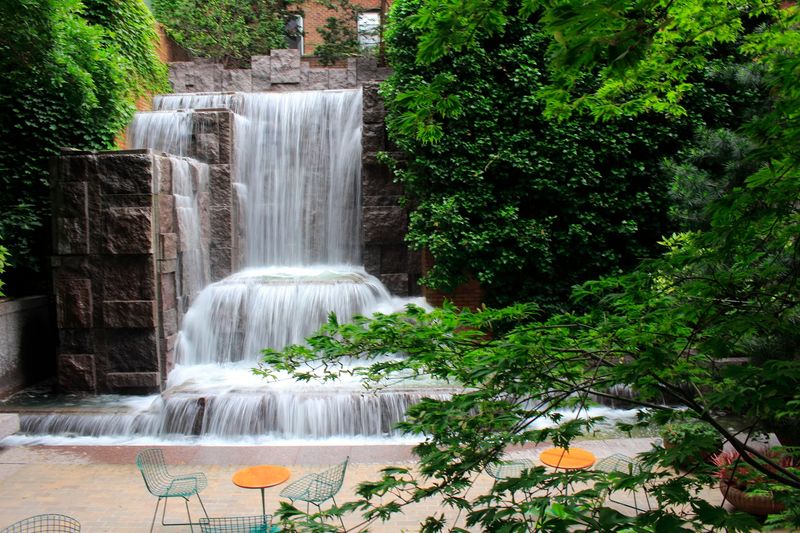
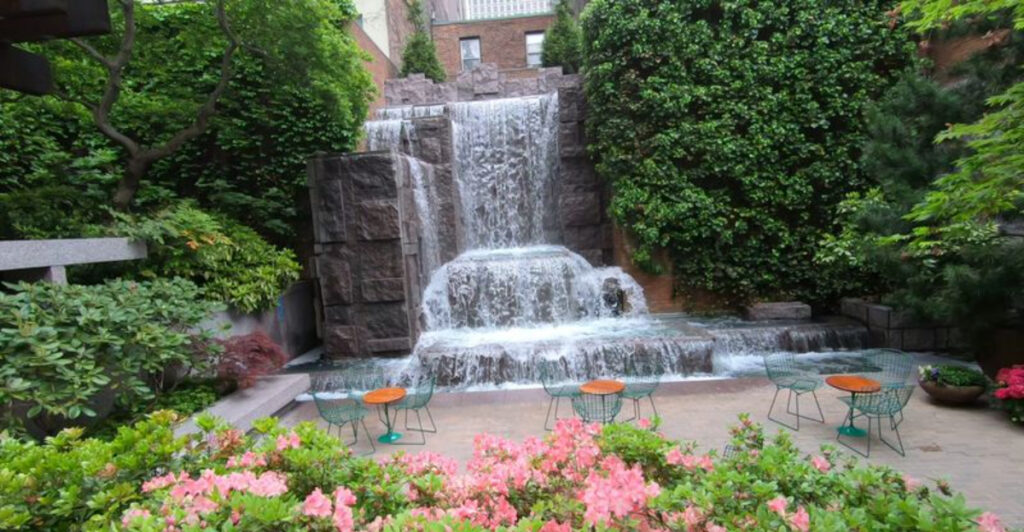
The waterfall is the undisputed centerpiece of Greenacre Park, and it earns every bit of attention it gets. At 25 feet tall, it covers the entire back wall of the park, sending water cascading down a rough stone surface into a shallow pool below.
The sound it produces is substantial. Seating directly in front of the falls is loud enough that holding a conversation requires some effort, which makes that area particularly popular with people who want to focus on work, reading, or simply zoning out without the background chatter of the city breaking through.
The waterfall runs consistently while the park is open, and the visual of a full wall of moving water framed by greenery and surrounded by Manhattan skyscrapers is genuinely striking. It does not feel like a decoration or an afterthought.
The falls feel structural and essential, as if the park was built around them rather than the other way around.
How the Park Is Laid Out
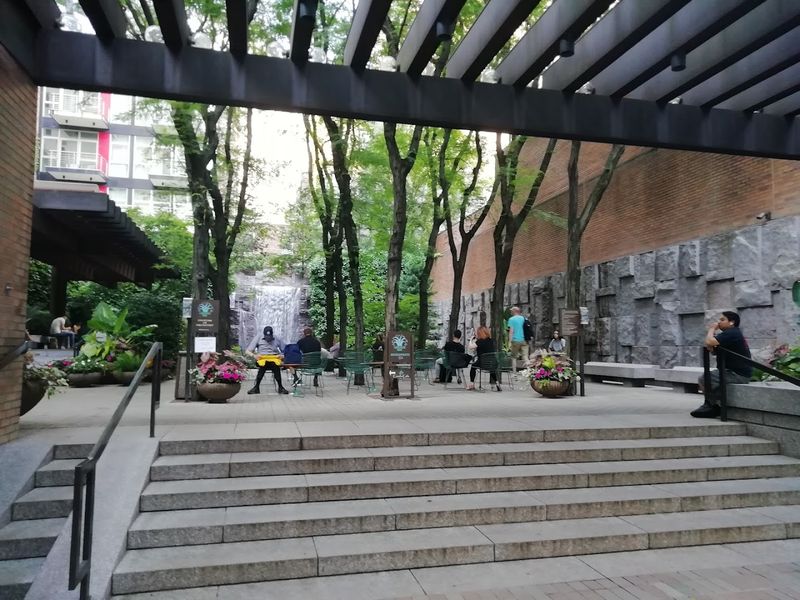
Despite its small footprint, Greenacre Park manages to pack in a surprising amount of variety. The space is organized into distinct zones, each offering a slightly different experience depending on what a visitor is looking for.
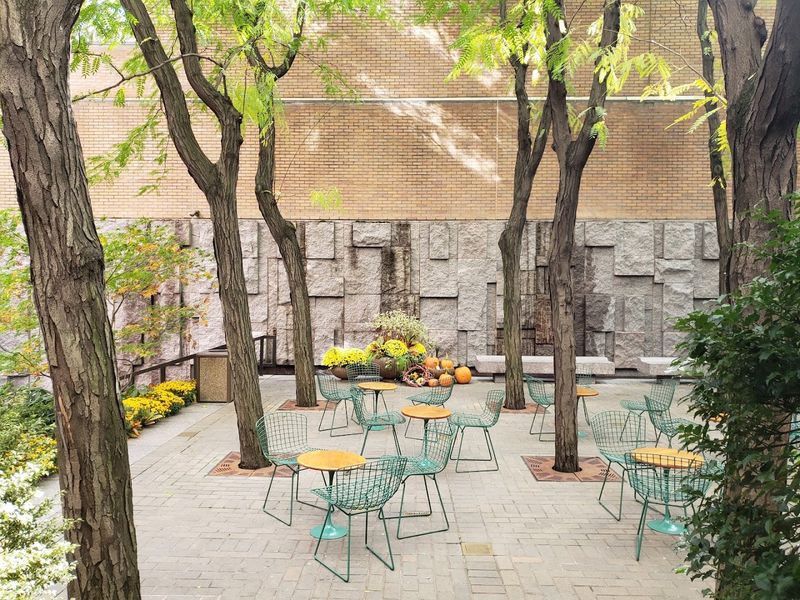
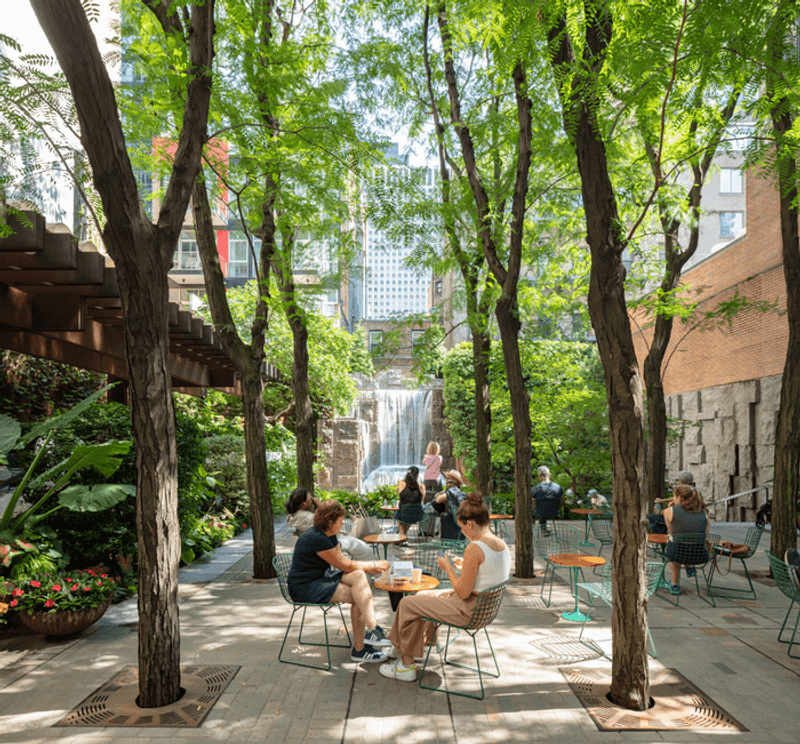
At the entrance level, there are open seating areas with moveable tables and chairs arranged on stone pavers. This flexibility is intentional.
People rearrange the furniture constantly to suit their needs, pulling chairs closer together for conversation or shifting them toward the waterfall for a better view.
Higher up, a covered terrace area provides shade and shelter from rain or direct sun. This upper level has a roof over part of the seating, making it a practical option on days when the weather is not fully cooperative.
The tiered design also means that visitors on the upper level get a slightly elevated perspective on the waterfall, which changes how the whole space reads from that vantage point.
The Greenery That Makes It Work
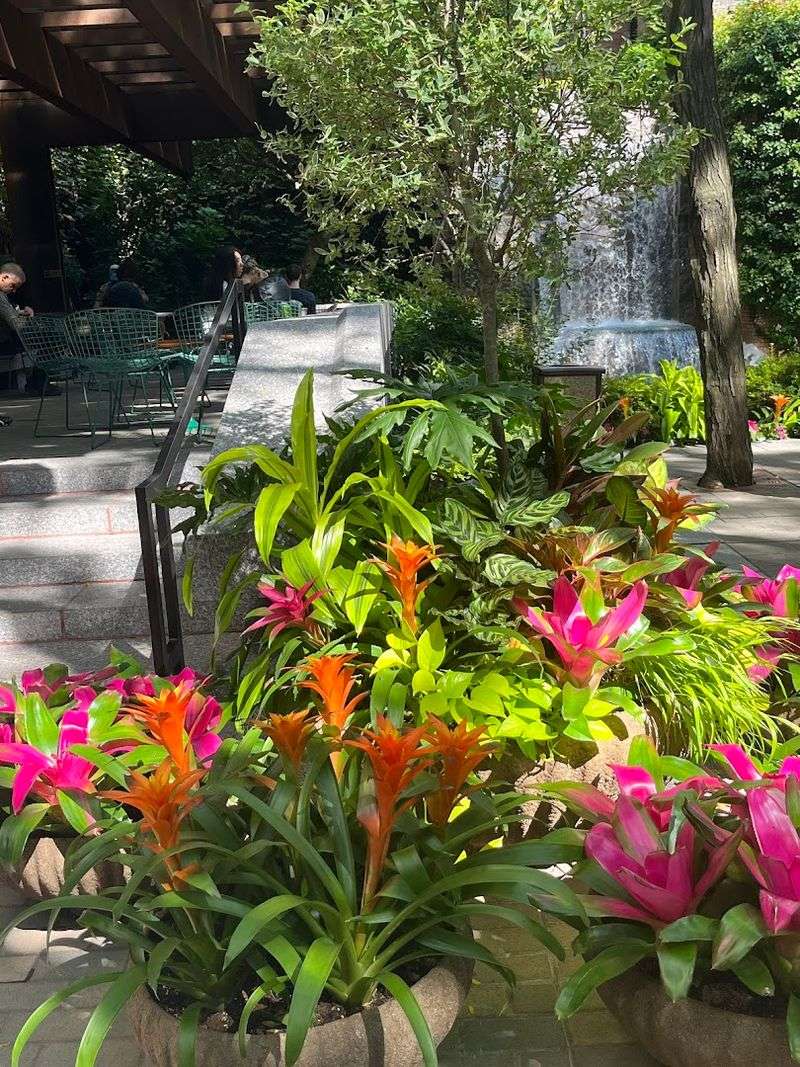
A waterfall alone would make Greenacre Park worth a visit, but the landscaping is what transforms it from a novelty into a genuinely restorative space. The park is densely planted, with mature trees providing real canopy coverage and a variety of plants filling every available surface.
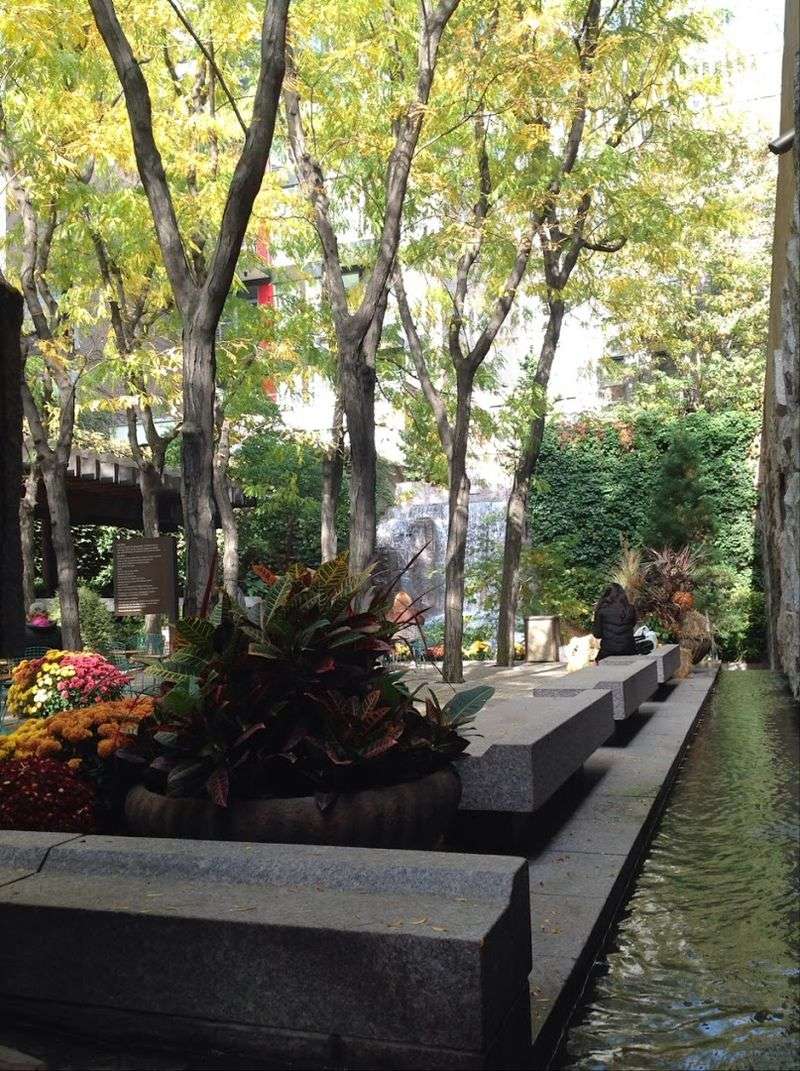
Hydrangeas are a standout feature, meticulously arranged throughout the park and maintained with obvious care. Seasonal plantings change throughout the year, so the park looks noticeably different depending on when a visit happens.
The staff reportedly changes out the seasonal displays regularly, which keeps the space looking fresh even for repeat visitors.
Stone tiles line the walls, and climbing plants add texture to the vertical surfaces. The overall effect is one of layered greenery that makes the surrounding buildings feel distant even though they are literally right there.
The plant selection and maintenance are handled by dedicated park staff, and the level of detail in the horticultural design reflects years of careful curation.
The Small Cafe Inside the Park
Near the entrance of Greenacre Park sits a small cafe called Carol’s Cafe, which operates during park hours and offers a simple menu of snacks and drinks. It is not a full restaurant or a trendy coffee shop.
Think of it more as a convenient window service that lets visitors pick up something without having to leave the park and lose their seat.
The cafe is a practical addition to the space. Grabbing a coffee or a snack and settling into one of the moveable chairs by the waterfall turns a quick stop into a proper break.
Many regulars in the area use it exactly this way, building a midday routine around the park and the cafe together.
It is worth noting that the cafe is not always open during every park hour, and hours can vary. Arriving earlier in the day tends to give the best chance of finding it operating.
Bringing your own snacks is also perfectly welcome.
Who Uses This Park and How
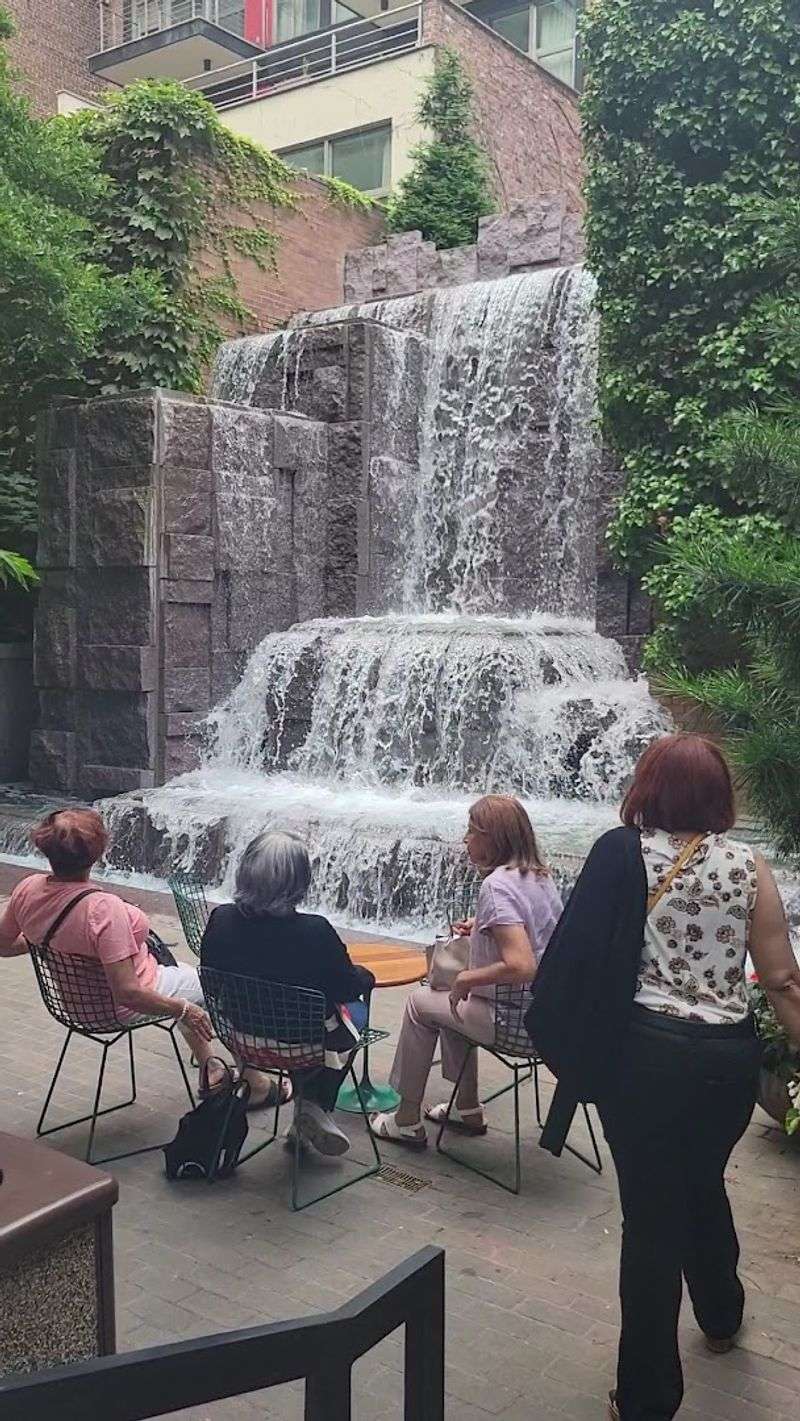
Greenacre Park draws a genuinely mixed crowd, which is part of what makes spending time there interesting. On any given weekday, the tables fill up with office workers on lunch breaks, tourists who tracked the park down after seeing it online, and local residents who treat it as a regular part of their weekly routine.
The park has developed a quiet following among people who use it as a working space. The consistent background noise from the waterfall makes it surprisingly effective for focused tasks like reading, writing, or studying.
There is no Wi-Fi available, so anyone needing internet access has to use a personal hotspot, which actually seems to suit the crowd that gravitates toward the space.
On weekends when the park is open, the dynamic shifts slightly toward a more leisurely pace. Couples, families, and solo visitors tend to linger longer, moving their chairs around and staying well past what they originally planned.
The park has a way of extending visits without trying.
What Makes It So Well Maintained
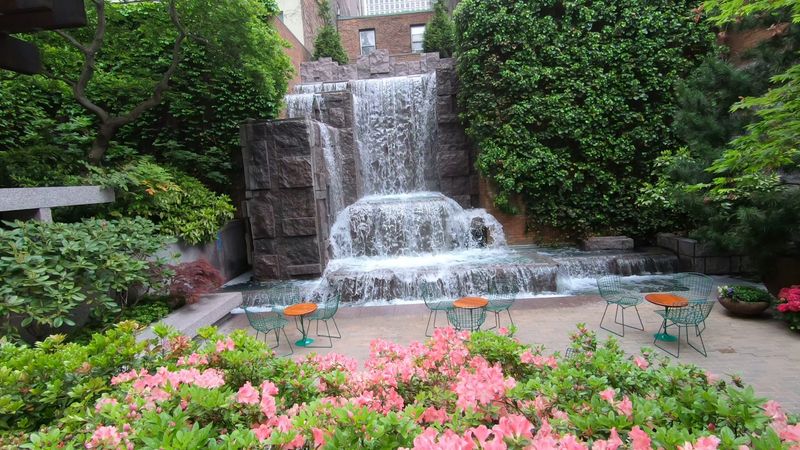
The cleanliness of Greenacre Park stands out immediately, especially given its location in the middle of one of the most heavily trafficked areas of New York City. The park does not look like it is fighting a losing battle against urban grime.
It looks genuinely cared for.
That level of upkeep is not accidental. The park staff begins maintenance early each morning, washing the stone pathways and tending to the plants before the park opens to the public.
Cleaning continues multiple times throughout the day, keeping the space in consistently good condition from opening to closing time.
The park rangers who oversee the space are a visible and approachable presence. They contribute to the overall atmosphere of the park by keeping things orderly without making it feel policed or unwelcoming.
Trash cans are placed throughout the space, and the combination of attentive staff and considerate visitors keeps the park in the kind of condition that makes people want to come back.
The Best Times to Visit
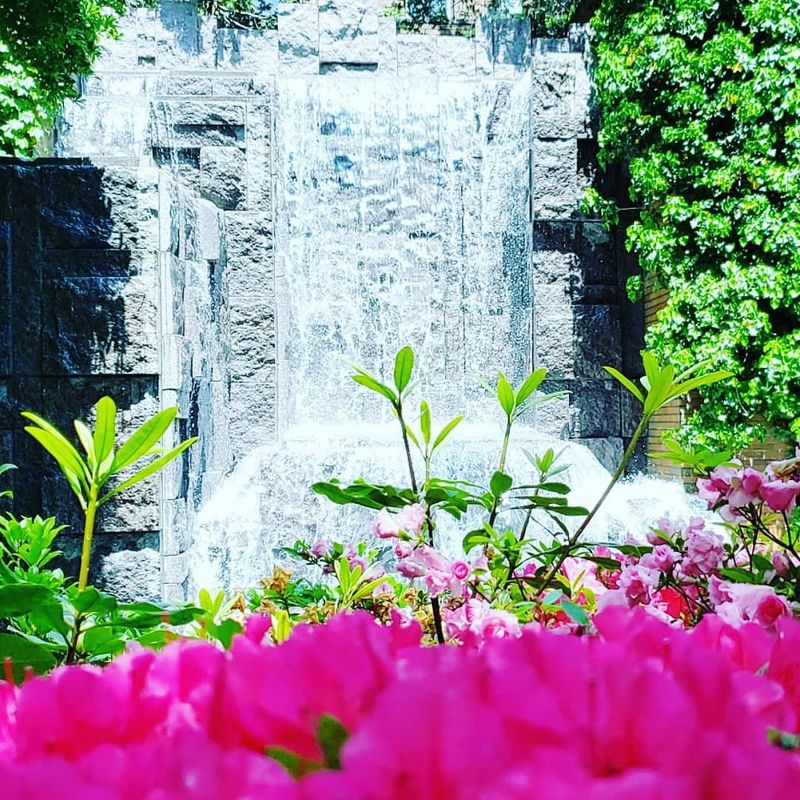
Timing a visit to Greenacre Park can make a significant difference in the experience. The park gets busy, particularly during the midday hours on weekdays when nearby office workers pour in for lunch.
Seats fill up fast, and the moveable chairs rarely sit empty for long during peak times.
Arriving early on a Tuesday, Wednesday, or Thursday tends to offer the most space and the most relaxed atmosphere. The park opens at 8 AM on those days, and the morning hours before the lunch rush are genuinely quiet.
Sunday mornings are also worth considering, with the park opening at 8 AM and the crowd staying lighter for much of the day.
Fall is a particularly good season to visit. The park changes its seasonal plant displays for autumn, and the combination of the waterfall, the changing foliage, and the cooler temperatures creates a noticeably different atmosphere than a summer visit.
The park stays open through mid-December on weekends in some years.
How to Find a Seat Without the Stress
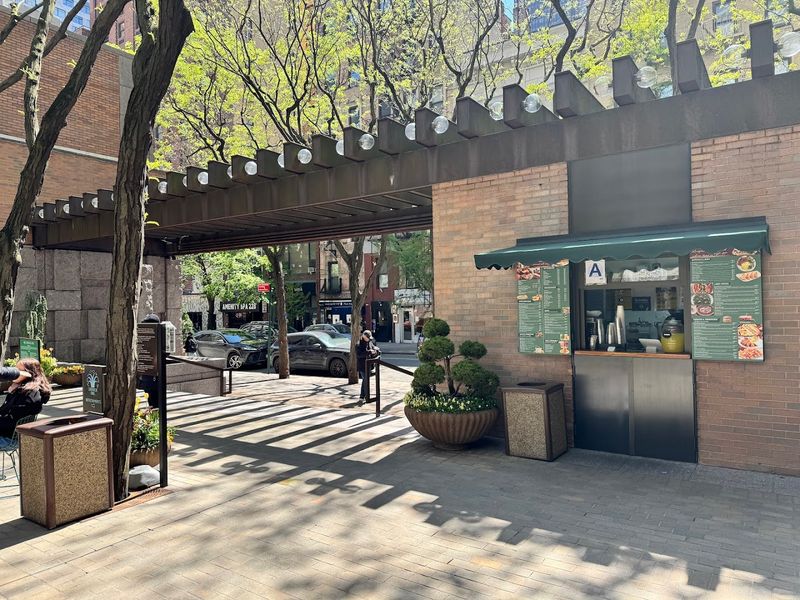
One of the most practical things to know about Greenacre Park before visiting is that seating is genuinely competitive during busy periods. The park is small, the chairs are popular, and the turnover at peak times can feel rapid.
Getting there early or arriving outside of the standard lunch window makes the whole experience considerably more relaxed.
The moveable furniture is a key feature. Unlike parks with fixed benches that lock visitors into a single position, Greenacre lets people arrange their seating however they like.
Pulling a chair directly in front of the waterfall, setting up near the cafe, or finding a quieter corner on the upper terrace are all real options depending on what the visit calls for.
Patience pays off if the park is packed on arrival. Seats do open up regularly as people cycle through on their lunch breaks.
Waiting near the entrance and watching for movement tends to work better than hovering over occupied tables.
A Spot That Shows Up on Social Media for Good Reason
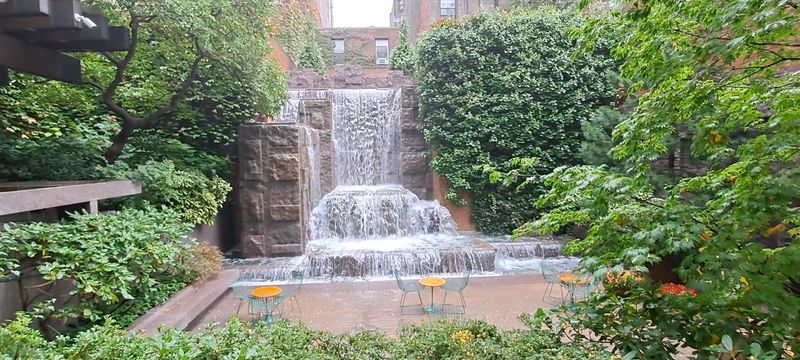
Greenacre Park has developed a steady presence on social media platforms, and the attention is easy to understand. The visual contrast between the full-scale waterfall and the surrounding Manhattan skyline makes for a compelling photograph that does not require any editing tricks to look interesting.
The park started appearing more frequently on platforms like TikTok and Instagram in recent years, which has introduced it to a new generation of visitors who might never have heard of it otherwise. Some visitors report tracking it down specifically after seeing it in a short video, then spending far more time there than they originally planned.
That social media visibility has not changed the character of the park in any obvious way. It remains quiet and unhurried even as more people discover it.
The waterfall is loud enough to discourage the kind of loud group gatherings that can take over smaller urban spaces, which helps preserve the overall atmosphere that draws people there in the first place.
Why This Park Stays Worth Returning To
A lot of New York City attractions are worth visiting once and then checking off the list. Greenacre Park operates differently.
The people who discover it tend to come back, often building it into a regular routine rather than treating it as a one-time curiosity.
Part of that return appeal comes from the seasonal changes. The planting displays shift throughout the year, the light changes with the seasons, and the crowd shifts depending on the time of day and week.
Each visit has a slightly different character, even though the core elements stay the same.
The other part is simpler. In a city that rarely slows down, having a specific place to go where the noise drops away and the pace changes is genuinely valuable.
Greenacre Park delivers that consistently, which is a harder thing to find than it sounds. For anyone spending time in Midtown Manhattan, this small park on East 51st Street is one of the better-kept secrets the neighborhood has to offer.
Where Exactly This Park Hides
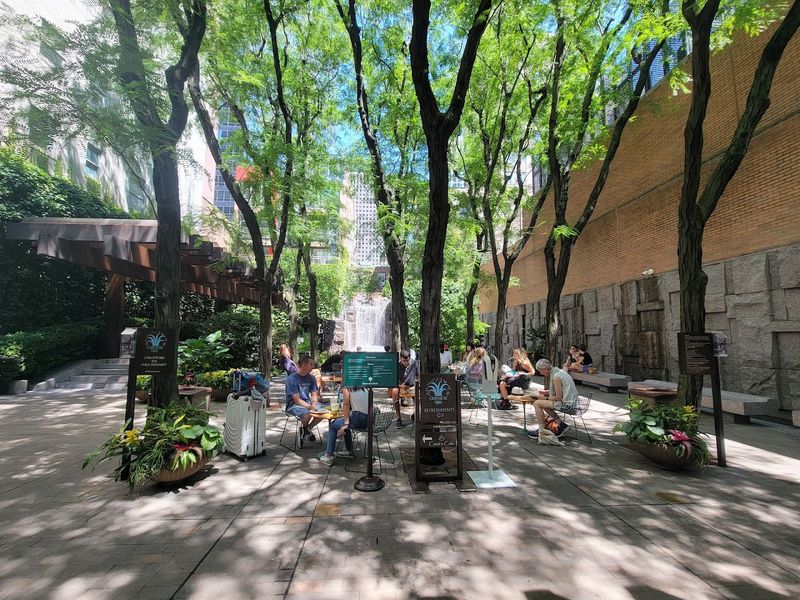
Finding Greenacre Park for the first time feels a little like cracking a code. The park sits at 217 E 51st St, New York, NY 10022, tucked between buildings in the Turtle Bay neighborhood of Midtown Manhattan.
From the street, the entrance is easy to miss. There is no grand gate or sweeping plaza announcing its presence.
A narrow opening between two buildings leads into a surprisingly deep and green space that most passersby walk right past without noticing.
The park is privately owned but open to the public, which means it operates on a set schedule rather than staying open around the clock. Tuesday through Thursday and Sunday, it opens at 8 AM and closes at 6 PM.
On Fridays, hours run from 12:30 PM to 6 PM. It stays closed on Mondays and Saturdays, so planning ahead before visiting is a smart move.
Share this story