North Carolina has no shortage of beautiful countryside, but there is one small corner of Alamance County that earns a second look every single blooming season. A lavender and wildflower farm tucked into the quiet town of Whitsett transforms into a sweep of purple and color that stops people mid-scroll when photos hit social media.
The farm is small by commercial standards, but that is exactly what makes it so special. There are no crowds fighting for the best angle, no long lines, and no rushing.
What there is, though, is a genuinely welcoming place run by owners who clearly love what they do, a tidy on-site shop stocked with locally made lavender products, and rows of healthy, buzzing plants that put on a show every year without fail. Keep reading to find out everything worth knowing before your first visit.
The Story Behind the Fields
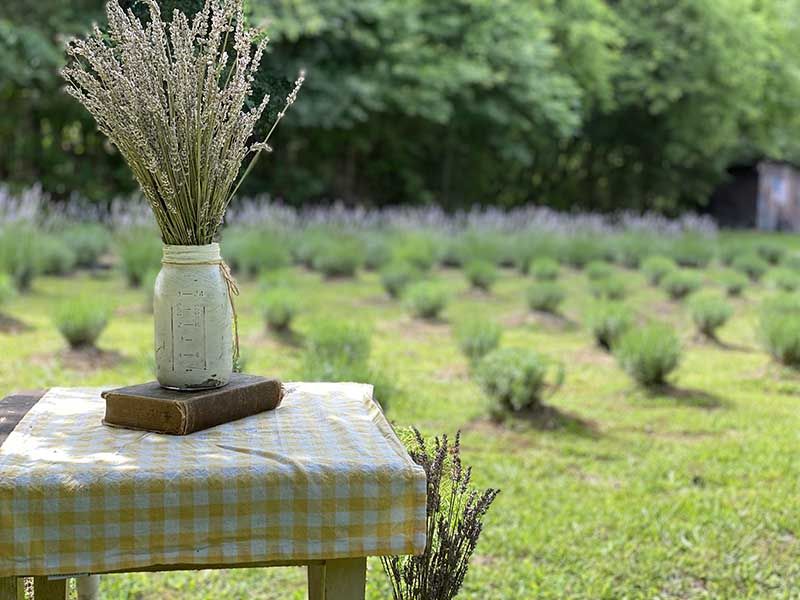
Not every farm starts with a grand plan. Gusenbury Fields grew from a passion for lavender and a genuine desire to share something beautiful with the local community in Whitsett.
The owners have built this place with care, and that effort shows in every detail, from the health of the plants to the quality of the products sold in the on-site shop.
Running a lavender farm in the North Carolina Piedmont takes real commitment. The climate can be unpredictable, and keeping lavender thriving through humid summers requires knowledge, patience, and consistent attention to the land.
What makes the backstory of this farm compelling is that it never lost its personal character as it grew. The owners are known for being warm, approachable, and genuinely happy to talk with guests about the farm and its plants.
That kind of human connection is rare in commercial agriculture, and it is a big part of what keeps people coming back season after season.
What Blooming Season Actually Looks Like
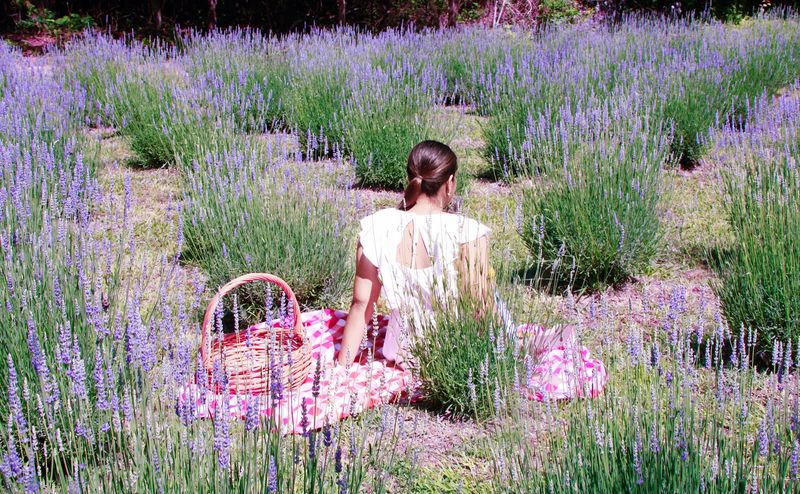
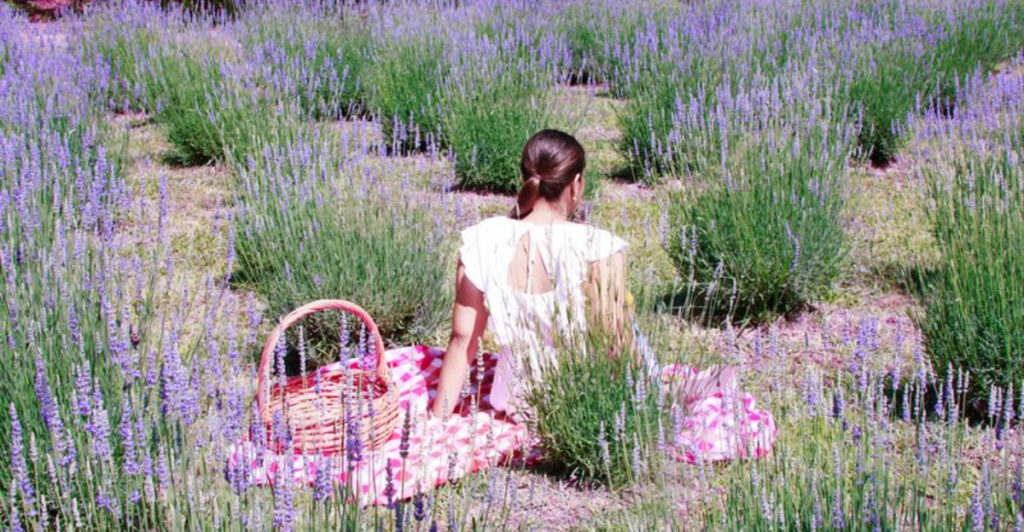
During peak bloom, the fields at Gusenbury Fields shift into a display of deep purple that photographs well from almost any angle.
Lavender in North Carolina typically reaches full bloom in late spring through early summer, roughly from May into June, though the exact timing shifts slightly each year depending on weather patterns.
The wildflower sections of the farm add additional color to the mix, creating a patchwork of purples, yellows, and whites that makes the whole property feel alive during the growing season.
The bees are a well-known part of the experience here. They are completely focused on the pollen and pay no attention to human visitors, which makes them more of a charming detail than anything to worry about.
Watching dozens of bees move busily from flower to flower while the fields stretch out in every direction is one of those simple, unhurried moments that makes a farm visit feel genuinely worth the trip.
The Wildflower Side of the Farm
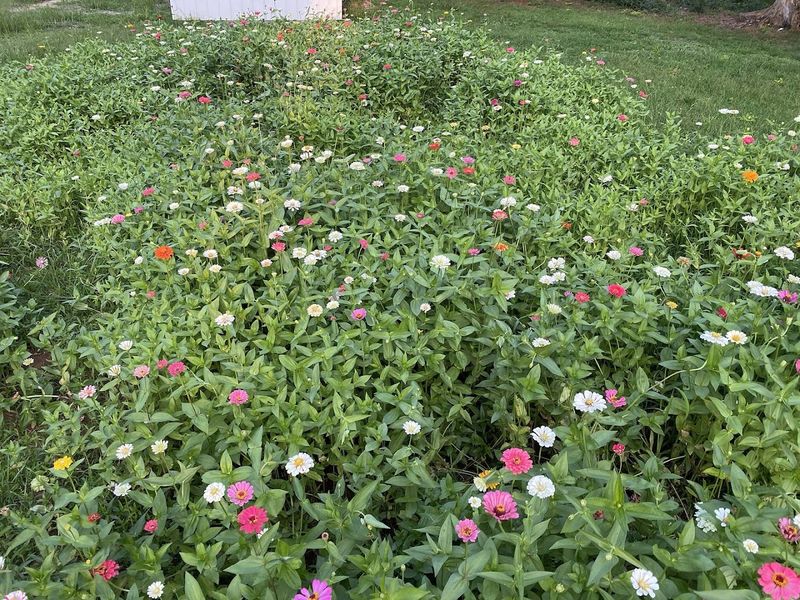
Lavender gets most of the attention, but the wildflower sections of this farm deserve their own spotlight.
Gusenbury Fields lives up to its full name by giving wildflowers real estate alongside the lavender rows, which means the property offers more visual variety than a single-crop farm would.
Wildflowers attract their own pollinators and create a slightly wilder, more natural look that balances the neat rows of lavender with something that feels untamed and organic.
For photographers, the contrast between the structured lavender rows and the looser wildflower patches creates interesting compositional options that make for more dynamic photos.
Families with younger children often find that the wildflower areas are especially popular with kids who want to explore and get up close to the plants without worrying too much about staying in a straight line.
The combination of lavender and wildflowers together is part of what makes this farm stand out from the more typical single-focus lavender operations found elsewhere in the region.
The On-Site Shop Worth Browsing
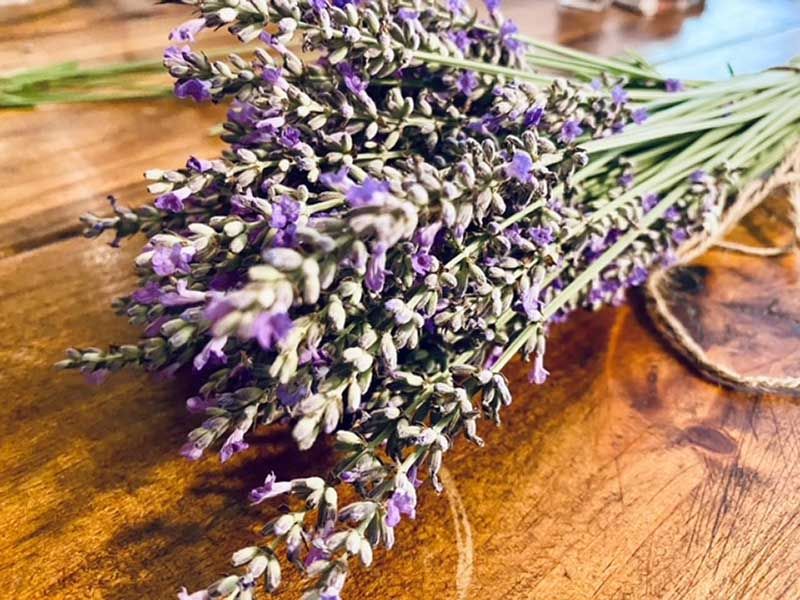
The shop at Gusenbury Fields is small but stocked with products that are genuinely made from the lavender grown right there on the property.
Lavender candles are among the most talked-about items, described consistently as high quality and well-suited as gifts for people who appreciate locally made goods.
The product range also includes other lavender-based items, and pricing is considered reasonable for handcrafted, farm-direct goods. Buying something from the shop is a way to bring a piece of the farm home without needing to fill a suitcase with fresh-cut stems.
The shop itself has a quaint, inviting character that matches the overall tone of the farm. Nothing about it feels corporate or mass-produced.
Supporting the shop directly supports the farm and the family behind it, which adds a layer of meaning to any purchase made there.
For anyone looking for a thoughtful, locally sourced gift, the shop at Gusenbury Fields is a reliable stop that delivers quality without the premium price tag.
A Farm Built for Family Visits
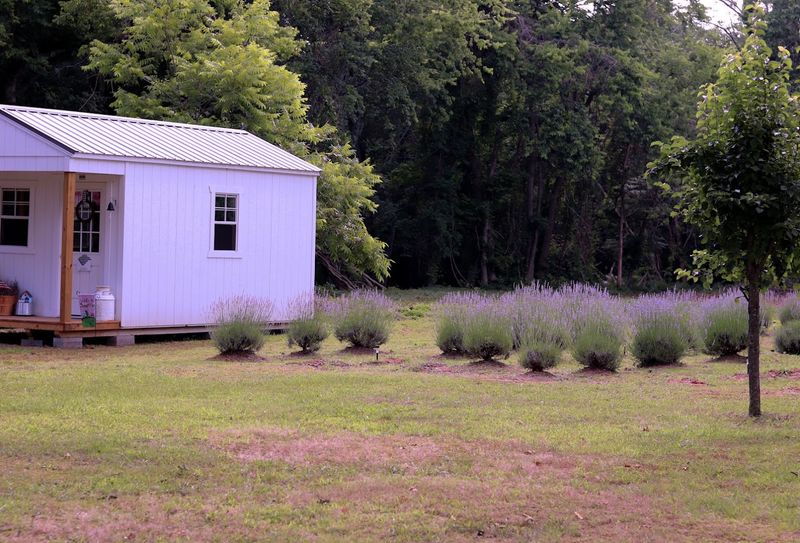
Gusenbury Fields has a setup that works well for families, largely because the space is manageable, clean, and easy to navigate without needing a map or a tour guide.
Children can move through the rows and explore without the anxiety that comes with larger, more crowded attractions. The farm’s smaller scale is actually one of its strongest features for family outings.
Parents report that the relaxed atmosphere makes it easy to take their time, get good photos, and let kids enjoy the novelty of being surrounded by flowers and bees without any pressure to keep moving.
The owners contribute to this family-friendly tone by making guests feel genuinely welcome rather than like ticketed entries on a conveyor belt.
There are no complicated rules or rigid schedules to follow during a visit, which gives families the flexibility to spend as much or as little time as they want exploring the property.
It is the kind of outing that kids remember and ask to repeat the following year.
Best Time to Plan Your Visit
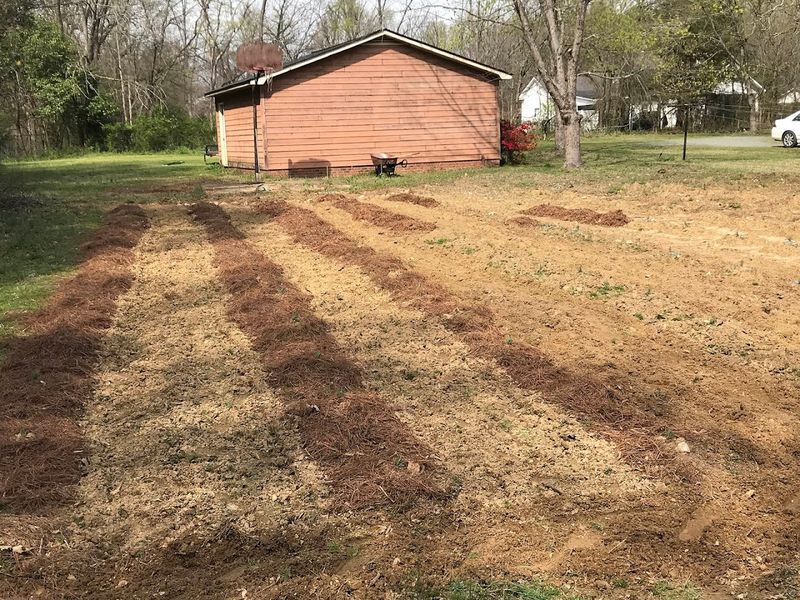
Timing a visit to Gusenbury Fields takes a little planning, since the bloom window is relatively short and the farm’s best display only lasts a few weeks each year.
Late spring through early summer, generally from May into June, is when lavender in the North Carolina Piedmont tends to peak. Checking the farm’s website at gusenburyfields.com before visiting is the most reliable way to confirm current bloom status and operating hours.
Weekday visits tend to be quieter than weekends, which is worth considering for anyone who prefers a more relaxed experience with fewer people around.
Morning hours are typically the best time to visit any flower farm, as the light is good for photos and the heat of the afternoon has not yet set in.
The farm’s hours and seasonal availability can shift from year to year, so reaching out in advance or checking the website ensures no wasted trips, especially for visitors traveling from a distance.
What Makes This Farm Different from Larger Operations
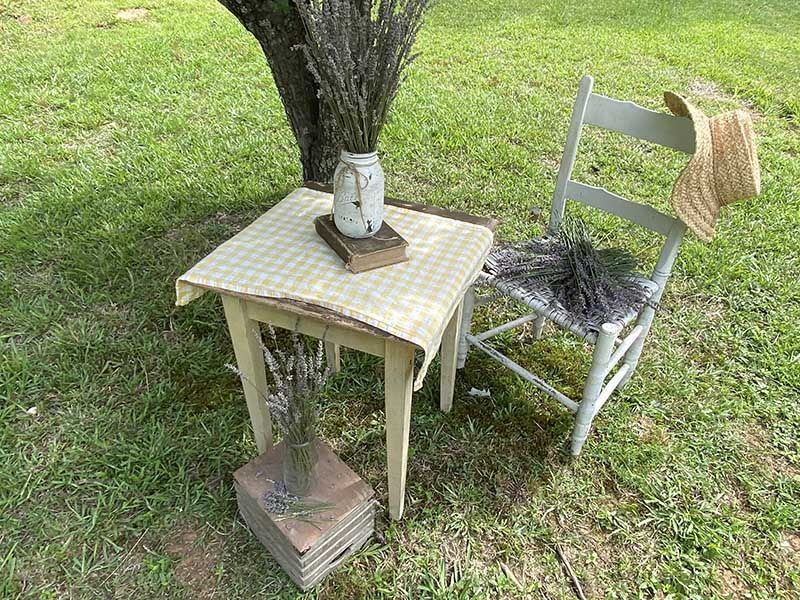
There is a real difference between visiting a large commercial lavender operation and a small family farm, and Gusenbury Fields falls firmly in the second category.
The intimacy of the property means that guests are not one of thousands passing through. The owners are often present, accessible, and genuinely interested in the people who come to visit.
That personal dimension changes the whole experience. Rather than following a designated path through a tourist attraction, a visit here feels more like spending time on someone’s land with their full permission and enthusiasm.
The farm’s cleanliness and organization also reflect the pride the owners take in the space. Nothing looks neglected or thrown together.
For people who have visited larger lavender farms and found them overwhelming or impersonal, Gusenbury Fields offers a refreshing alternative that prioritizes quality of experience over volume of foot traffic.
Small does not mean lesser here. It means more focused, more personal, and ultimately more satisfying for the right kind of visitor.
Lavender Products as Local Gifts
One of the most practical reasons to visit Gusenbury Fields is the shop, which offers locally made lavender products that work well as gifts for almost any occasion.
The lavender candles in particular have developed a strong following. They are described as high quality, long-lasting, and genuinely representative of the farm’s lavender rather than generic lavender-scented products sourced from elsewhere.
Buying gifts at the farm rather than a big-box store means the money goes directly to a small local business, and the recipient gets something with a real story behind it.
Dried lavender bundles, if available, are another popular take-home item that keeps the farm’s character alive long after a visit ends.
The pricing at the shop is considered fair for handcrafted, farm-direct goods, which removes the hesitation that sometimes comes with buying from boutique farm stores.
Whether the goal is a birthday present, a hostess gift, or just a personal treat, the shop delivers options that feel thoughtful rather than last-minute.
The Role of the Owners in the Experience
A farm is only as good as the people running it, and at Gusenbury Fields, the owners are a consistent highlight of the visit.
They are known for being warm, kind, and genuinely engaged with guests rather than simply managing a business transaction. That kind of hospitality is not something that can be faked or manufactured.
The owners have created a space that reflects their values, from the careful maintenance of the plants to the thoughtfully stocked shop and the clean, organized layout of the property.
Guests who have had conversations with the owners during their visits often come away with a deeper appreciation for the work that goes into running a small lavender farm and the passion required to keep it going year after year.
That connection between guest and grower is one of the things that makes agritourism so compelling as a travel category. Gusenbury Fields delivers on that promise in a way that feels completely genuine rather than scripted or performative.
Photography at the Farm
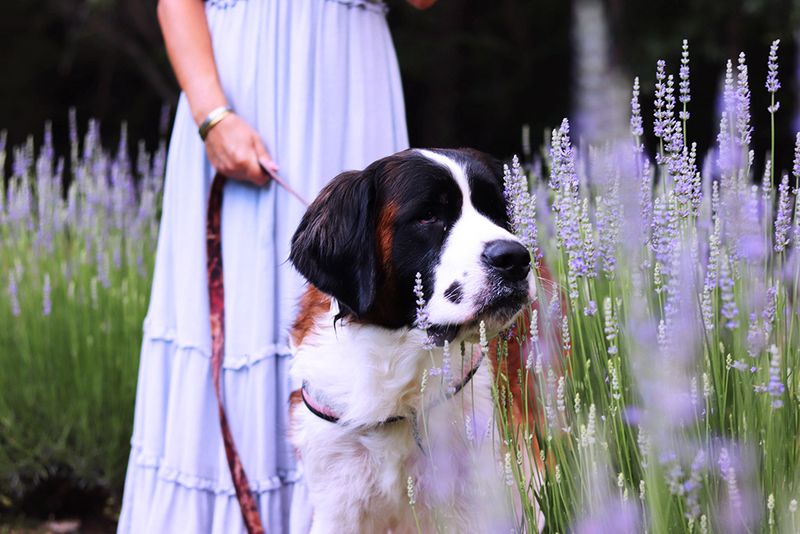
Gusenbury Fields has become a go-to spot for photography enthusiasts in the Piedmont Triad area, and it is easy to understand why once bloom season arrives.
The rows of lavender create natural leading lines that work beautifully in landscape-oriented shots, while close-up details of individual flowers and bees offer an entirely different set of creative opportunities.
The wildflower sections add color variety that makes the property more visually dynamic than a single-crop farm would be, giving photographers more subjects to work with in a single visit.
Natural light in the morning tends to produce the most flattering results, with softer tones and less harsh contrast than midday shooting conditions.
The farm’s manageable size means it is possible to cover the whole property in a single session without rushing, which is ideal for anyone who likes to take their time composing shots.
No special equipment is required. A smartphone with a decent camera is more than enough to capture the kind of images that perform well on social media and personal photo collections alike.
Getting There and What to Expect on Arrival
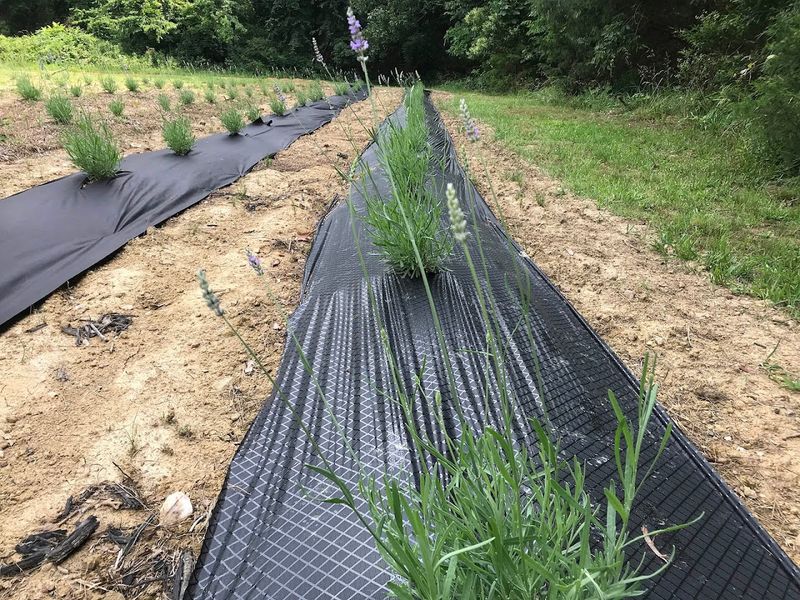
Reaching Gusenbury Fields is straightforward. The farm is located on NC-61 in Whitsett, which connects easily to the broader road network between Greensboro and Burlington in Alamance County.
GPS navigation works reliably for the address, and the rural stretch of highway leading to the farm makes the approach feel like a genuine escape from the usual suburban and commercial surroundings of the Piedmont Triad.
On arrival, the farm presents itself as a clean, well-organized property without any of the chaos that sometimes comes with popular agritourism destinations during peak season.
Parking is accessible, the entry is clear, and the overall layout makes it easy to orient quickly and start exploring.
There are no complicated ticketing systems or lengthy check-in processes to navigate. The experience is refreshingly simple from the moment of arrival.
For out-of-town visitors, Whitsett is also close enough to Greensboro and Burlington to allow a full day that combines the farm visit with other stops in the region without any major detours or long drives.
Why Small Farms Like This One Matter
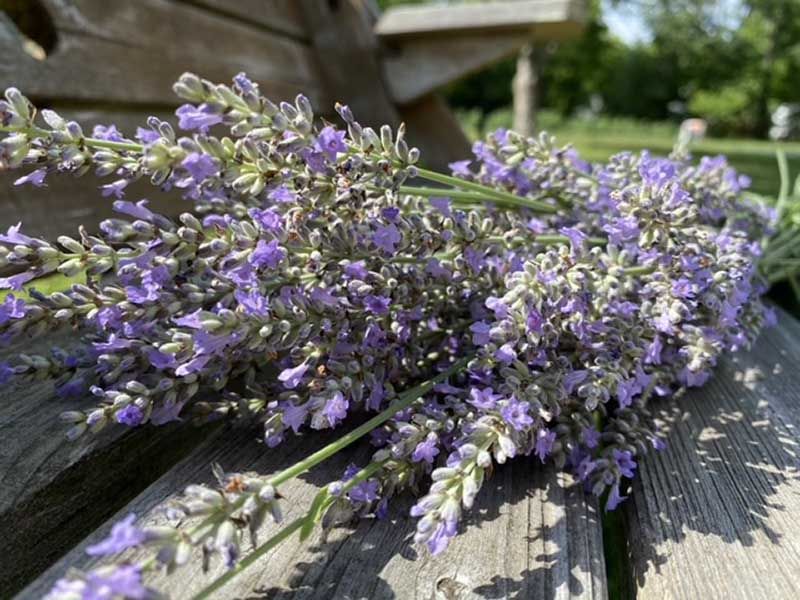
Gusenbury Fields represents something that goes beyond a pleasant day trip. Small specialty farms like this one play a real role in preserving agricultural land, supporting local economies, and maintaining biodiversity in regions that face increasing development pressure.
Lavender farms specifically support pollinator populations, which are critical to the broader agricultural ecosystem. The bee activity visible at Gusenbury Fields during bloom season is a direct reflection of that ecological contribution.
When visitors choose to spend time and money at a place like this rather than a large commercial operation, that choice has a tangible positive impact on a family, a community, and a piece of land.
The farm also serves as a form of living education, particularly for children and young people who may have little exposure to how plants are grown and how farming actually works.
Supporting small farms through visits and purchases is one of the most direct ways that ordinary people can contribute to the kind of local, sustainable agriculture that keeps communities healthier and more resilient over time.
Where the Farm Actually Is
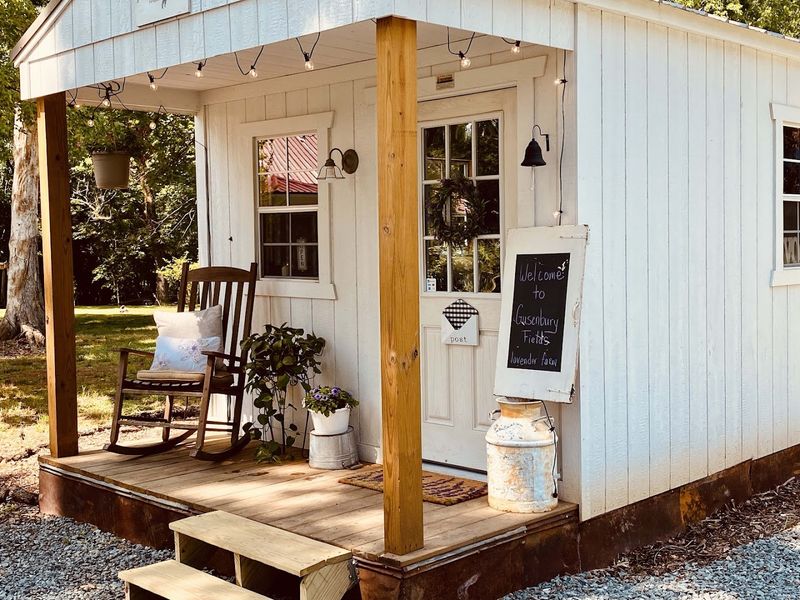
Gusenbury Fields Lavender and Wildflower Farm sits at 1008 NC-61 in Whitsett, North Carolina 27377, right along a quiet stretch of highway in Alamance County.
The address is easy to find with a standard GPS app, and the rural setting means the drive itself is a pleasant warm-up before arriving at the farm.
Whitsett is a small community located between Greensboro and Burlington, making it a convenient stop for anyone already exploring the Piedmont Triad region of the state.
The farm does not sit on a massive property, but the layout is clean, well-organized, and clearly thought through so that guests can move around comfortably without feeling cramped.
First-time visitors often note how easy the whole experience feels from the moment they pull up. There are no confusing entry points or unclear parking situations.
The farm keeps things straightforward, which sets a welcoming tone right from the start.
Share this story