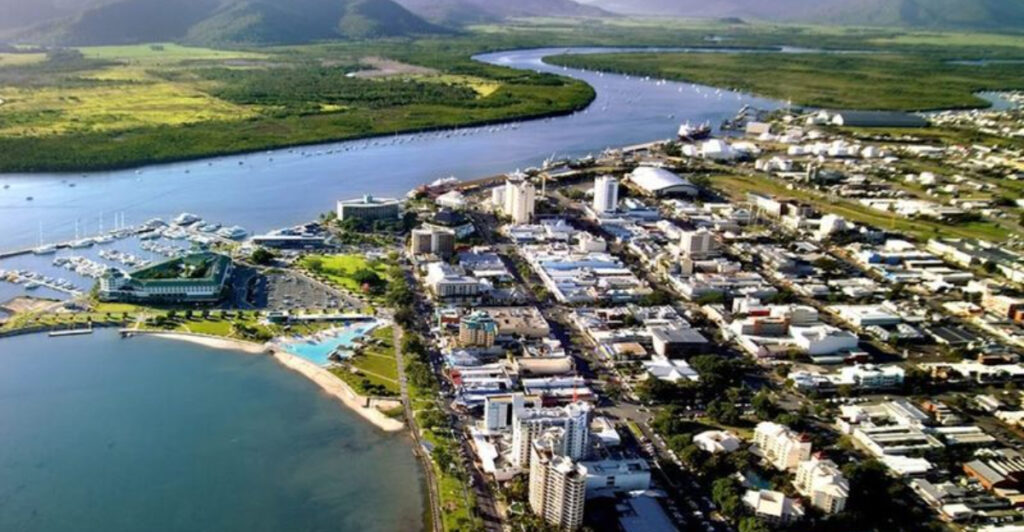
Across the globe, more people are choosing cars, ride-hailing apps, and motorcycles over their own two feet. Busy city layouts, extreme climates, and car-centered cultures have made walking feel less practical or even impossible in many places.
This shift is changing how people live, move, and stay healthy. Here are 15 countries where walking is quickly fading from everyday life.
1. Saudi Arabia
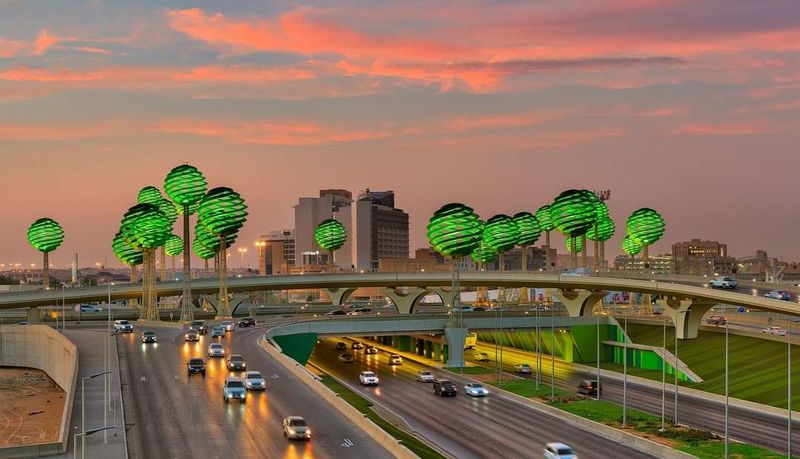
In Saudi Arabia, the car is not just transportation; it is a cultural statement. Cities like Riyadh and Jeddah were built around vehicles, with wide highways stretching for miles and very few sidewalks connecting neighborhoods.
Summer temperatures regularly climb above 110 degrees Fahrenheit, making outdoor walking physically dangerous for most of the year. Air conditioning is everywhere, but shade and pedestrian paths are not.
Even short trips to nearby stores are almost always made by car. A 2019 study found that Saudi Arabia ranks among the world’s least active countries, with adults averaging fewer than 4,000 steps per day.
Efforts to build walkable districts in new developments like NEOM show some awareness of the problem, but the car-first mindset remains deeply rooted in daily Saudi life.
2. Kuwait
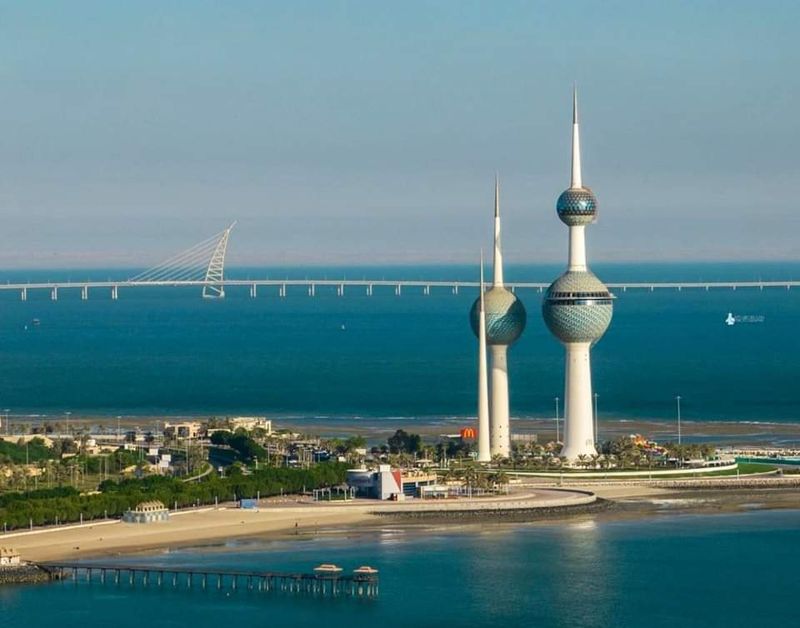
Kuwait is one of the hottest and most car-dependent countries on Earth. With summer temperatures that can reach 122 degrees Fahrenheit, stepping outside on foot is genuinely risky for several months each year.
The country’s urban planning has historically prioritized highways and parking lots over pedestrian-friendly streets. Most residential areas lack connected sidewalks, and public transportation is minimal at best.
Owning a car is seen as a basic necessity rather than a luxury.
Kuwait also has one of the highest rates of obesity in the world, a trend directly linked to low physical activity levels. Walking, even for short errands, is simply not part of everyday culture.
Some newer commercial areas have tried to introduce walkable spaces, but they remain exceptions in a landscape almost entirely designed around driving.
3. Qatar
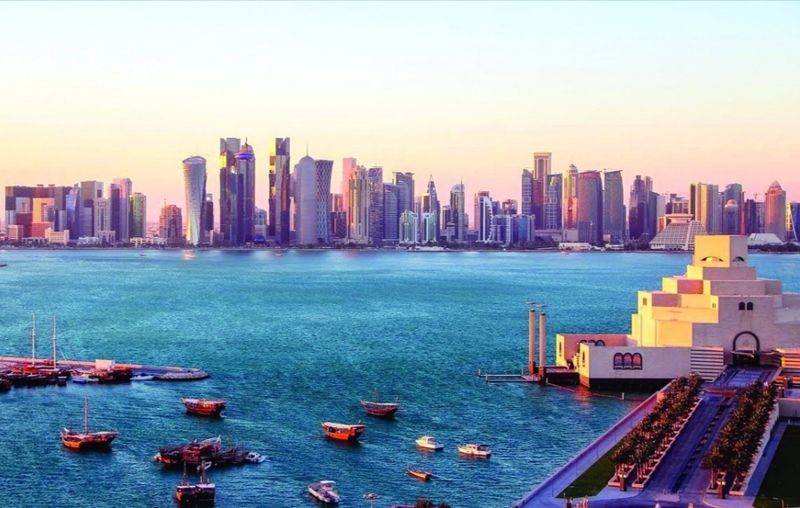
Qatar poured billions into preparing for the 2022 FIFA World Cup, and part of that investment went toward building a metro system and pedestrian-friendly zones around Doha. Even so, walking remains rare for most residents outside of those specific areas.
The country’s intense heat, which regularly exceeds 104 degrees Fahrenheit from May through September, discourages outdoor activity almost entirely. Malls and indoor spaces have become the primary social environments, replacing parks and streets.
Migrant workers, who make up the majority of Qatar’s population, often walk out of necessity rather than choice, frequently in unsafe conditions. For the wealthier population, cars and taxis dominate daily movement.
Qatar has one of the highest rates of vehicle ownership per capita in the world, reflecting a lifestyle built almost entirely around motorized transportation rather than foot travel.
4. United Arab Emirates
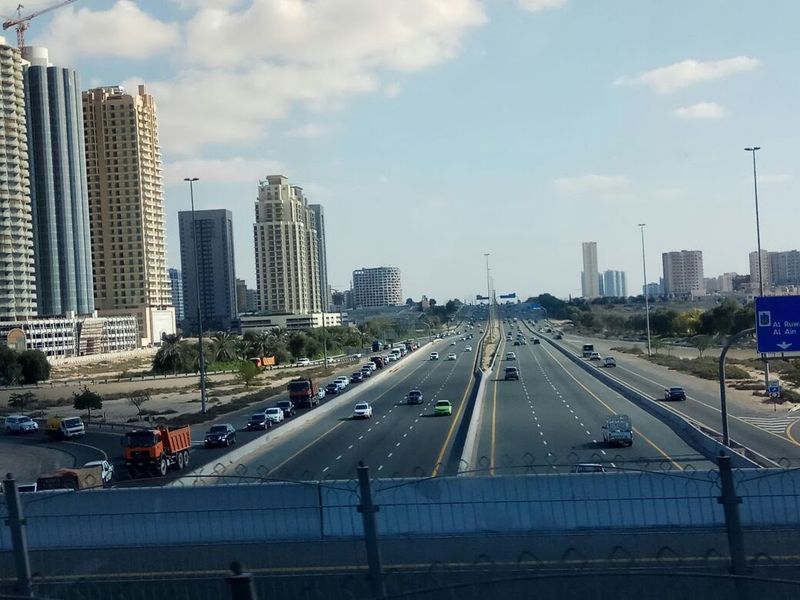
Dubai and Abu Dhabi are iconic for their ambition and innovation, but they are also notorious for being nearly impossible to navigate on foot. Roads are massive, distances between destinations are enormous, and the heat from June through September is brutal.
The UAE has invested in metro systems and cycling tracks, particularly in Dubai, but these improvements serve only a fraction of residents. Most people rely on cars, taxis, or ride-hailing services like Careem for nearly every trip they make.
Interestingly, malls have become the de facto walking spaces for many UAE residents. Places like the Dubai Mall attract millions of visitors who stroll inside in air-conditioned comfort.
It is a telling sign of how the environment shapes behavior: walking happens, but only when the climate is controlled. Outdoor pedestrian culture remains largely absent from UAE daily life.
5. United States
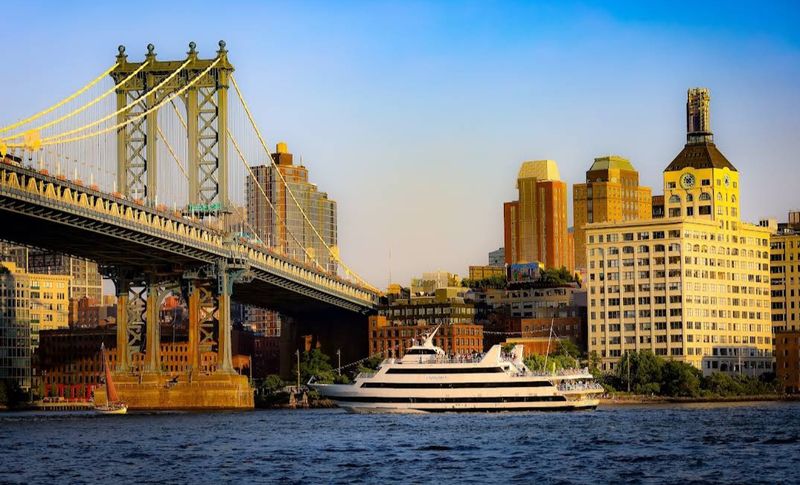
The United States built much of its modern infrastructure around the automobile, and the results are visible everywhere. Suburbs sprawl for miles with no sidewalks, stores sit behind massive parking lots, and many neighborhoods have no safe way to reach basic services on foot.
Americans average around 4,000 to 5,000 steps per day, well below the recommended 7,500 to 10,000. Car ownership is deeply embedded in the culture, and in many rural or suburban areas, not having a car makes daily life incredibly difficult.
Cities like New York, Boston, and San Francisco are notable exceptions with strong walking cultures. However, for the majority of the country, especially in states like Texas, Florida, and much of the Midwest, driving is the default for almost every trip.
The gap between walkable cities and car-dependent suburbs continues to widen each year.
6. Canada

Canada is the second-largest country in the world by area, and that sheer size shapes how people get around. Outside of dense urban cores like Toronto, Vancouver, and Montreal, most Canadian communities are spread out and heavily car-dependent.
Harsh winters lasting five to six months in many regions make walking uncomfortable or dangerous. Icy sidewalks, freezing temperatures, and heavy snowfall push most people into their cars from October through April.
Even in milder months, distances between destinations in suburban and rural areas make walking impractical.
Canadian cities have been working to improve walkability scores, and downtown areas in major cities score reasonably well. But the broader national picture tells a different story.
Most Canadians living outside urban centers rely on vehicles for virtually every errand, and public transportation outside major cities is often limited or unreliable, reinforcing car dependency across the country.
7. Australia
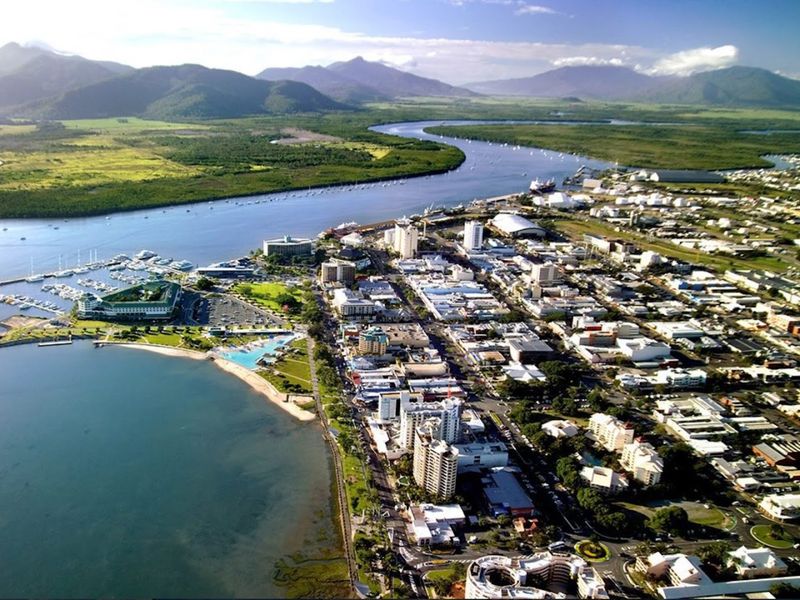
Australia is one of the most urbanized countries in the world, yet its cities are also among the most spread out. Cities like Perth, Brisbane, and Adelaide have grown outward rather than upward, creating vast suburban areas where walking between destinations is rarely practical.
Car ownership rates in Australia are among the highest globally, and public transportation outside Sydney and Melbourne is often limited. Many Australians drive even for short trips because the distances between housing, shops, and services are simply too large to cover comfortably on foot.
The Australian heat also plays a role. Summers in many parts of the country are intensely hot, discouraging outdoor activity during peak hours.
While beach walks and national park hikes remain popular recreational activities, everyday functional walking, getting to work or running errands on foot, is becoming increasingly rare in Australian suburban life.
8. Malaysia
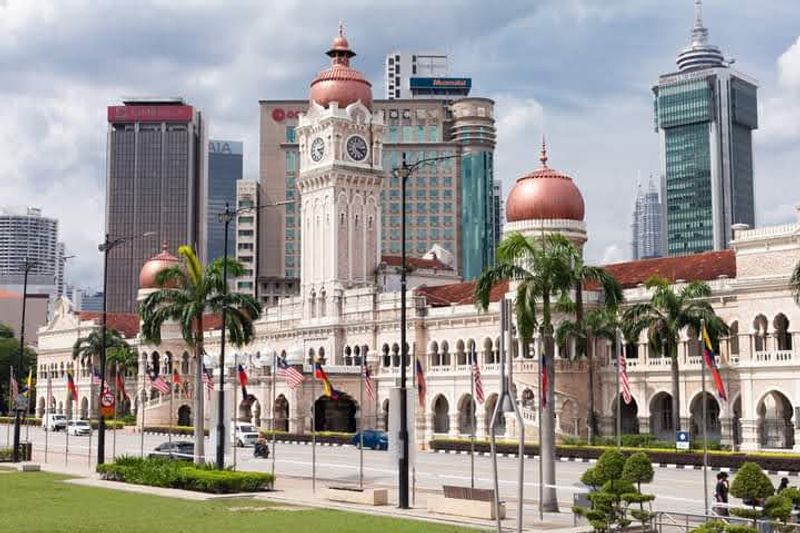
Kuala Lumpur might have a modern skyline and an impressive rail network, but step outside the city center and walking quickly becomes a frustrating or even dangerous experience. Sidewalks are often cracked, blocked by parked motorcycles, or simply absent in many neighborhoods.
Malaysia’s tropical heat and humidity make outdoor walking physically exhausting for much of the year. Temperatures hover around 90 degrees Fahrenheit with high humidity, and sudden heavy rainstorms are common.
Covered walkways exist in some areas, but they are inconsistent and poorly maintained.
Car and motorcycle ownership has surged over the past two decades, partly due to national policies that kept vehicle prices relatively low. Traffic congestion in Kuala Lumpur is severe, yet most residents still prefer driving or riding motorcycles to walking.
The cultural shift toward car ownership as a symbol of progress has made walking feel like a step backward for many Malaysians.
9. Indonesia
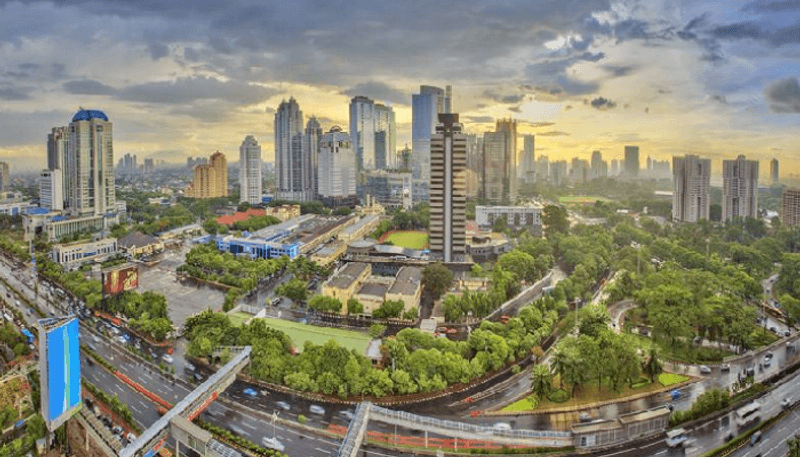
Jakarta is one of the most congested cities on Earth, yet ironically, walking there is extremely difficult. Sidewalks are frequently occupied by street vendors, parked motorcycles, or simply missing altogether.
Pedestrian crossings are rare, and drivers rarely yield to walkers.
Outside Jakarta, many Indonesian cities and towns have even less pedestrian infrastructure. Public transportation has improved significantly in Jakarta with the MRT and BRT systems, but the last-mile connection from transit stops to final destinations is often done by ojek, a motorcycle taxi service.
Indonesia’s tropical climate, with temperatures consistently around 88 to 95 degrees Fahrenheit and high humidity, makes extended outdoor walking physically demanding. The rise of app-based motorcycle taxis like Gojek has made it incredibly easy to avoid walking entirely, even for trips of just a few hundred meters.
This convenience is reshaping how millions of Indonesians think about movement.
10. Philippines
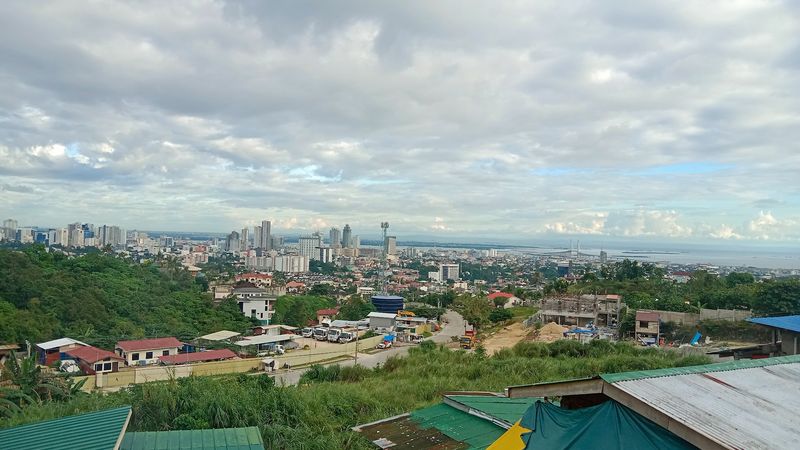
Manila is one of the most densely populated cities in the world, yet walking through it is a chaotic and often unsafe experience. Sidewalks are frequently narrow, broken, or taken over by informal vendors and parked vehicles.
Pedestrian infrastructure is an afterthought in most city planning.
The Philippine heat and humidity make walking uncomfortable for most of the day, especially from March through June when temperatures can reach 100 degrees Fahrenheit. Tricycles, jeepneys, and motorcycle taxis known as habal-habal fill every gap in transportation, making it easy to avoid walking even the shortest distances.
Outside Manila, smaller cities and municipalities often have even less pedestrian infrastructure. Flooding during typhoon season further discourages walking in many low-lying areas.
While Filipinos are known for their resilience and adaptability, the combination of climate, poor infrastructure, and affordable short-distance transport is steadily eroding the habit of walking in everyday life.
11. Bahrain
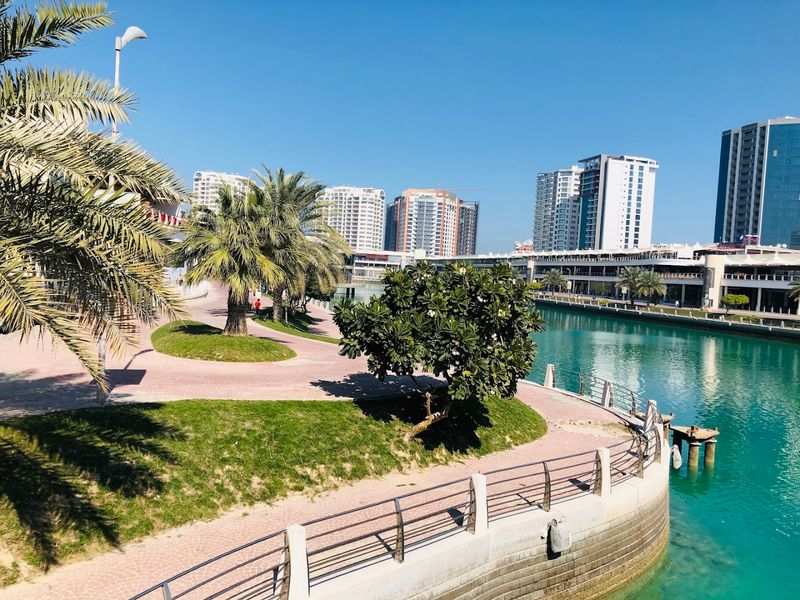
Bahrain is a small island nation, but do not let its size fool you into thinking it is walkable. Like its Gulf neighbors, Bahrain has built its urban environment almost entirely around cars.
Wide roads, shopping malls, and residential compounds dominate the landscape, with very few pedestrian-friendly connections between them.
The heat is a major factor. From May through September, outdoor temperatures regularly exceed 104 degrees Fahrenheit, and humidity near the coast makes it feel even hotter.
Most residents simply will not walk outdoors during these months, regardless of how close their destination is.
Bahrain has one of the highest car ownership rates in the world relative to its population. Even short trips of five minutes by car are rarely considered walkable by local standards.
Some newer developments have incorporated promenades along the waterfront, but these are recreational spaces, not practical pedestrian routes used for everyday transportation needs.
12. Oman
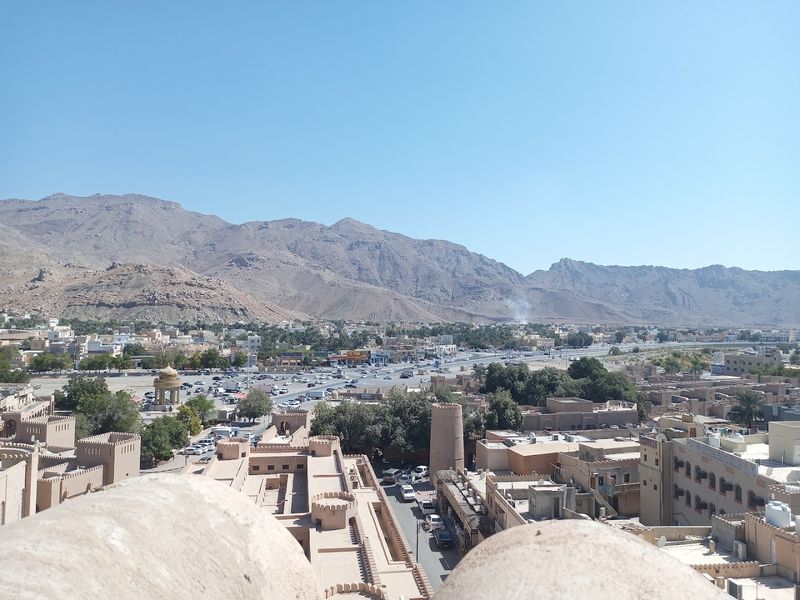
Muscat, Oman’s capital, sits between rugged mountains and a beautiful coastline, but getting around on foot is nearly impossible by design. Roads are wide, distances between neighborhoods are large, and sidewalks are sparse or nonexistent in many parts of the city.
Oman experiences extreme heat for much of the year, with summer temperatures regularly exceeding 104 degrees Fahrenheit. Humidity along the coast makes conditions even more oppressive.
Even Omanis who enjoy the outdoors typically reserve activity for early mornings or evenings, and recreational walking rarely translates into practical walking for errands or commuting.
Vehicle ownership is high, and taxis and ride-hailing services fill any transportation gaps. Oman’s government has invested in road infrastructure over the past two decades, but pedestrian networks have not received the same attention.
As a result, the country’s urban environment strongly favors drivers while making life difficult for anyone who prefers to travel by foot.
13. South Africa
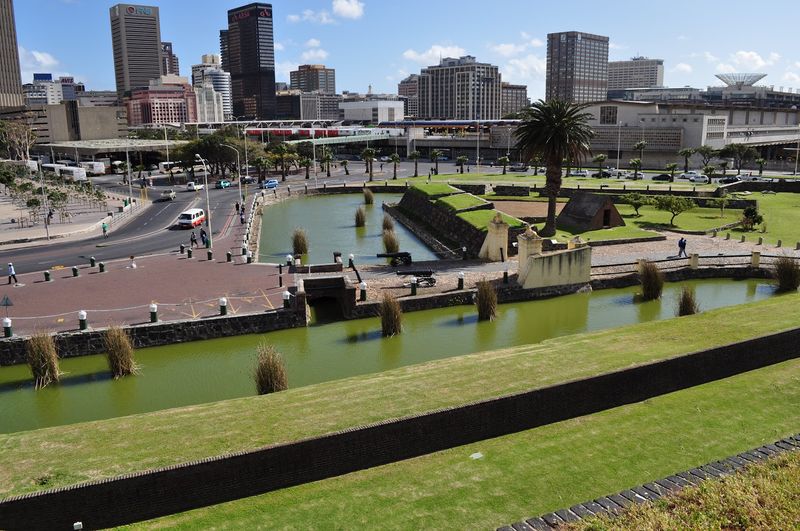
South Africa presents a unique and sobering reason why walking is declining: personal safety. In cities like Johannesburg and parts of Cape Town, walking in many neighborhoods carries real risks of crime, and residents have responded by driving wherever they go, even for very short distances.
Gated communities, high walls, and private security are standard features of South African suburban life. The physical environment reflects the security mindset, with streets often feeling unwelcoming or unsafe for pedestrians.
Public transportation is available but inconsistent, and for those who can afford cars, driving feels like the only reasonable choice.
Socioeconomic inequality adds complexity to this picture. Millions of South Africans walk out of necessity because they cannot afford cars or taxis.
For the middle and upper classes, however, walking is increasingly seen as impractical or unsafe. This sharp divide makes South Africa a particularly striking case in the global decline of everyday walking.
14. Mexico
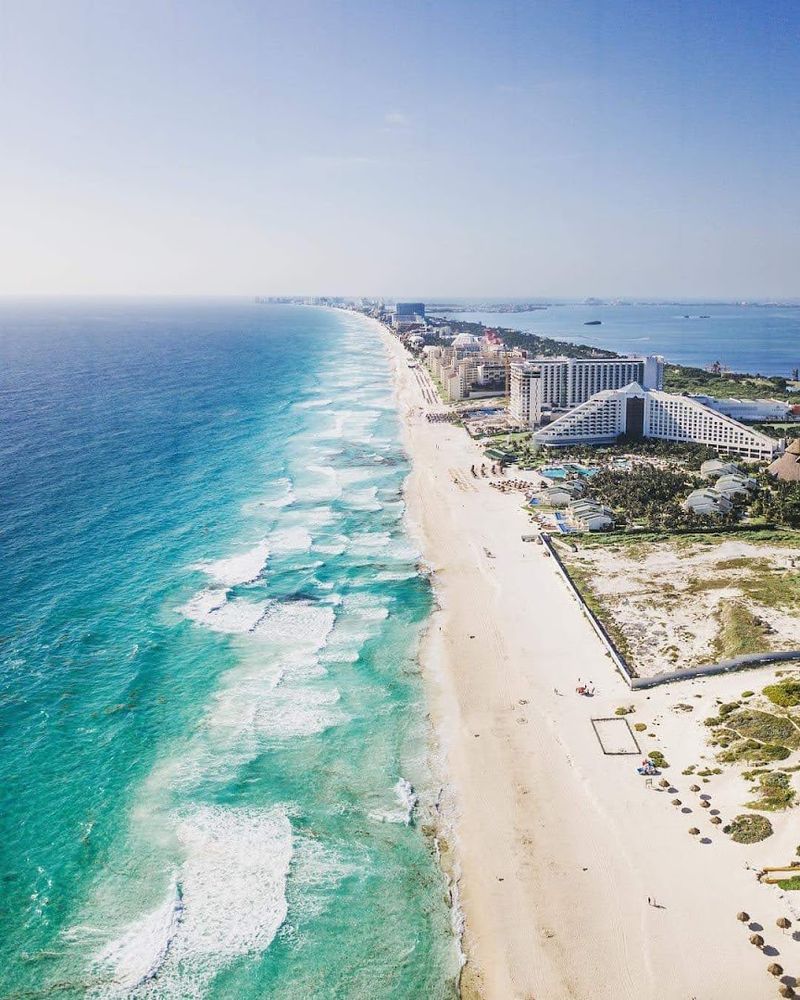
Mexico City is one of the largest urban areas in the world, and while its historic center is actually quite walkable, the vast majority of the metropolitan area is not. Sprawling suburbs, heavy traffic, and uneven sidewalks make walking difficult across most of the city.
Air pollution is a serious concern in Mexico City, and on high-pollution days, outdoor walking is genuinely unhealthy. The city’s notorious traffic jams, known locally as el trafico, push many residents into cars despite the gridlock, because public transit connections to outer neighborhoods remain incomplete.
Smaller Mexican cities and towns often lack safe pedestrian infrastructure altogether. While markets and town squares in traditional areas still attract foot traffic, modern commercial zones are built around car access.
Ride-hailing apps like Uber and InDriver have surged in popularity, making it easier than ever for Mexicans to skip walking entirely, even for very short urban trips.
15. Brazil
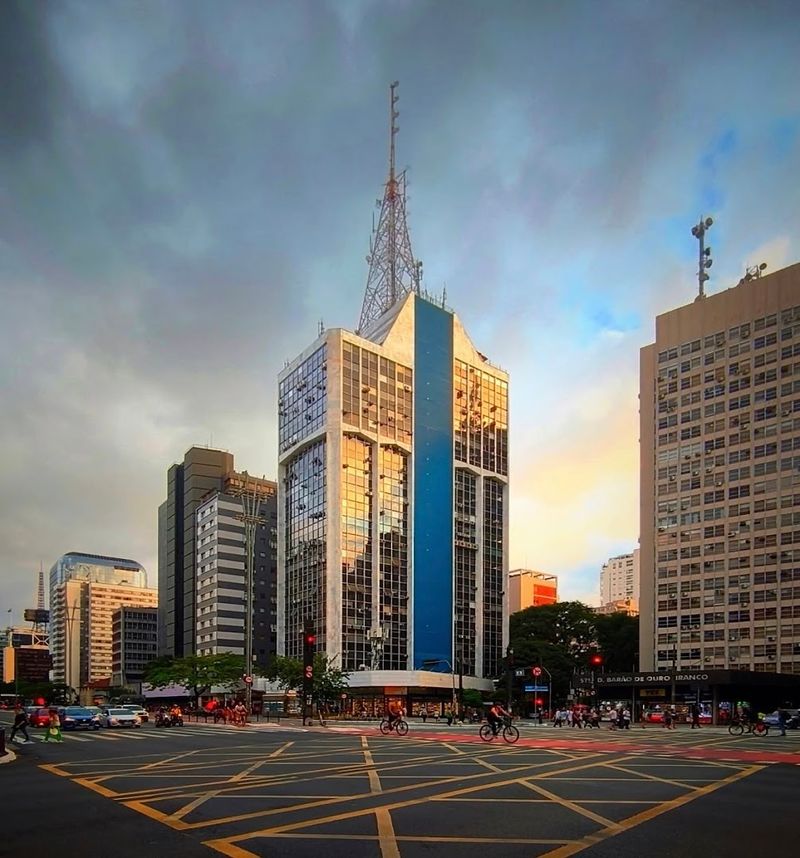
Sao Paulo is a city of extremes, and its relationship with walking reflects that. The city has over 12 million residents and one of the most complex urban landscapes in the world.
Some neighborhoods are reasonably walkable, but vast stretches of the city are built purely around car access.
Traffic in Sao Paulo is legendary. The city regularly records some of the worst traffic jams on the planet, yet residents still prefer driving because public transit and pedestrian options in many areas are simply inadequate.
Safety concerns in certain neighborhoods also push residents away from walking.
Brazil’s inequality shapes who walks and who drives. Wealthier Brazilians rely on cars or ride-hailing apps like 99 and Uber, while lower-income residents often walk out of financial necessity in areas with poor infrastructure.
Across the country, the trend among those with economic choice is clear: whenever possible, Brazilians are leaving walking behind.
Share this story