Throughout history, some of the most influential people in the world were born outside of marriage. Being called “illegitimate” once meant facing serious obstacles in society, yet many of these individuals rose above those challenges to leave a lasting mark on art, politics, science, and culture.
Their stories remind us that a person’s circumstances at birth have little to do with the greatness they can achieve. From Renaissance geniuses to rock legends, these 15 people prove that history does not always follow the rules.
1. Leonardo da Vinci
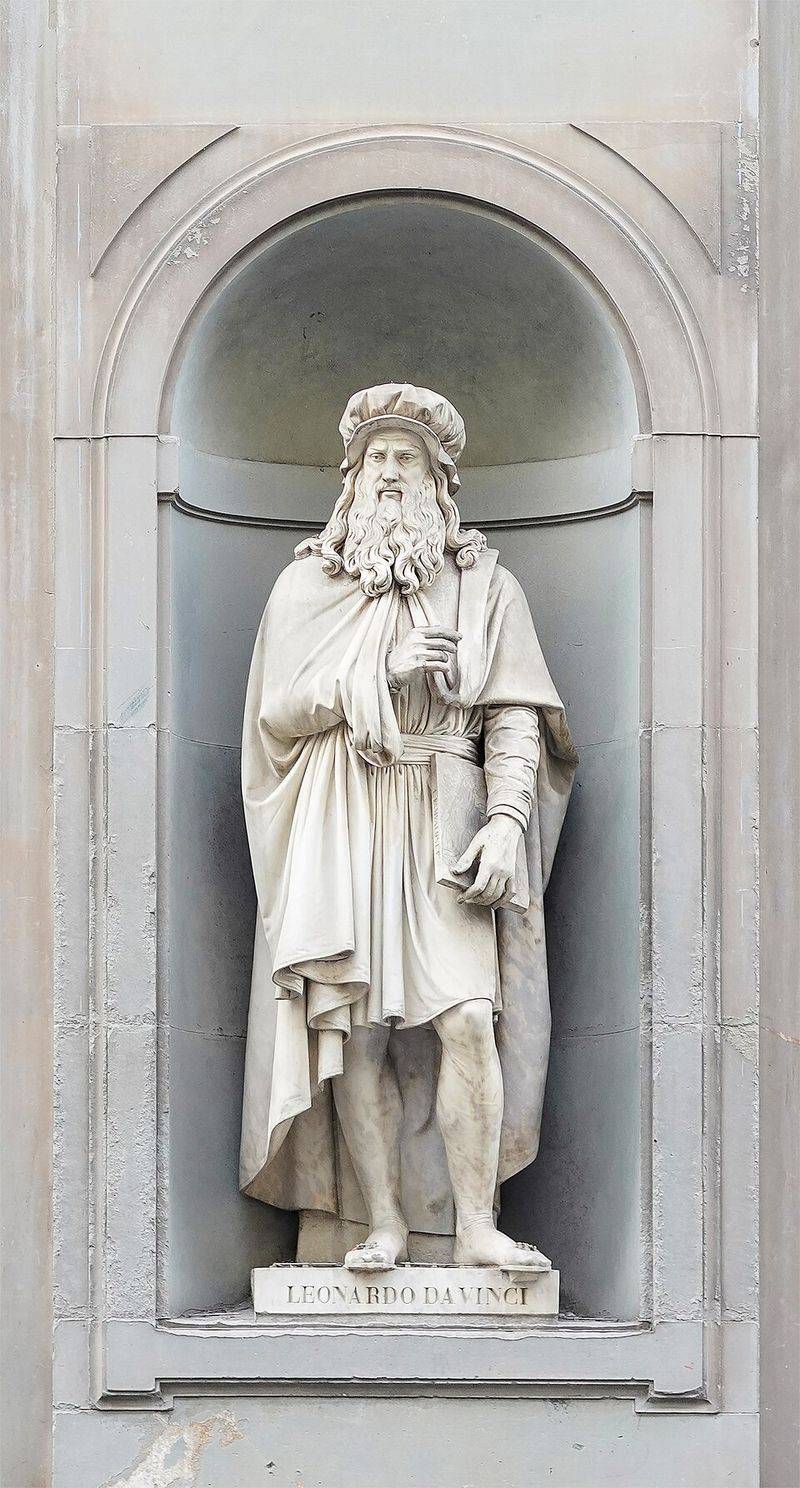
Born in 1452 in the small Tuscan town of Vinci, Leonardo da Vinci entered the world as the illegitimate son of a wealthy notary and a peasant woman. Because of his birth status, he was barred from many professional paths available to legitimate sons, including the legal and notarial trades his father practiced.
Rather than letting those closed doors define him, Leonardo channeled his energy into art, science, engineering, and anatomy. He went on to paint the Mona Lisa and The Last Supper, two of the most recognized artworks in human history.
He also filled thousands of notebook pages with inventions centuries ahead of his time.
His outsider status may have actually freed him to think differently. Without a fixed professional path, he explored everything with equal curiosity.
Leonardo da Vinci remains the ultimate example of brilliance rising above the limits others tried to place on it.
2. William the Conqueror
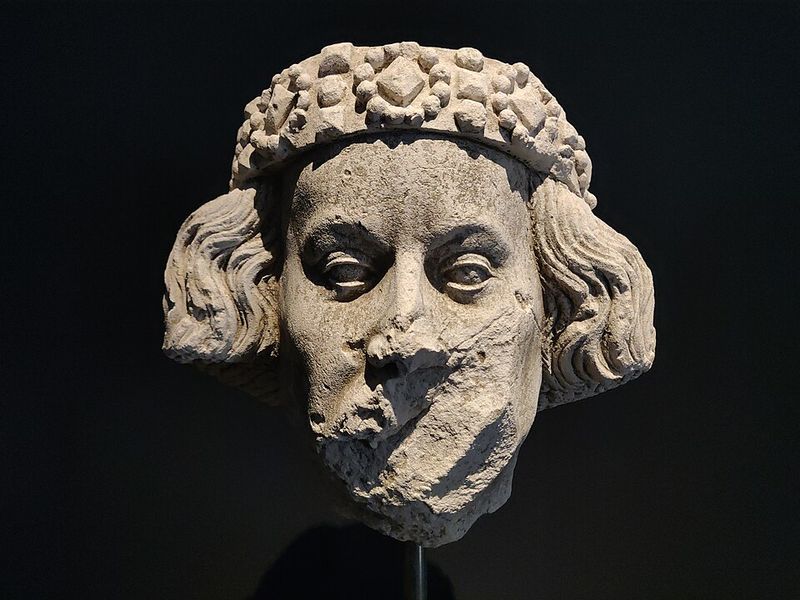
Known during his lifetime as “William the Bastard,” the future king of England was born around 1028 as the illegitimate son of Robert I, Duke of Normandy. His nickname was not just an insult but a legal reality that made his path to power extremely dangerous.
Rivals tried to assassinate him multiple times during his youth.
Despite that rocky start, William grew into one of the most formidable military leaders in medieval Europe. His victory at the Battle of Hastings in 1066 completely transformed England, introducing Norman culture, language, and a new ruling class that reshaped the country forever.
The English language itself carries his influence, with thousands of French-origin words entering everyday speech after the Norman Conquest. William turned a label meant to diminish him into a footnote in a story of extraordinary conquest.
Few rulers have left a deeper imprint on a nation’s identity.
3. Alexander Hamilton
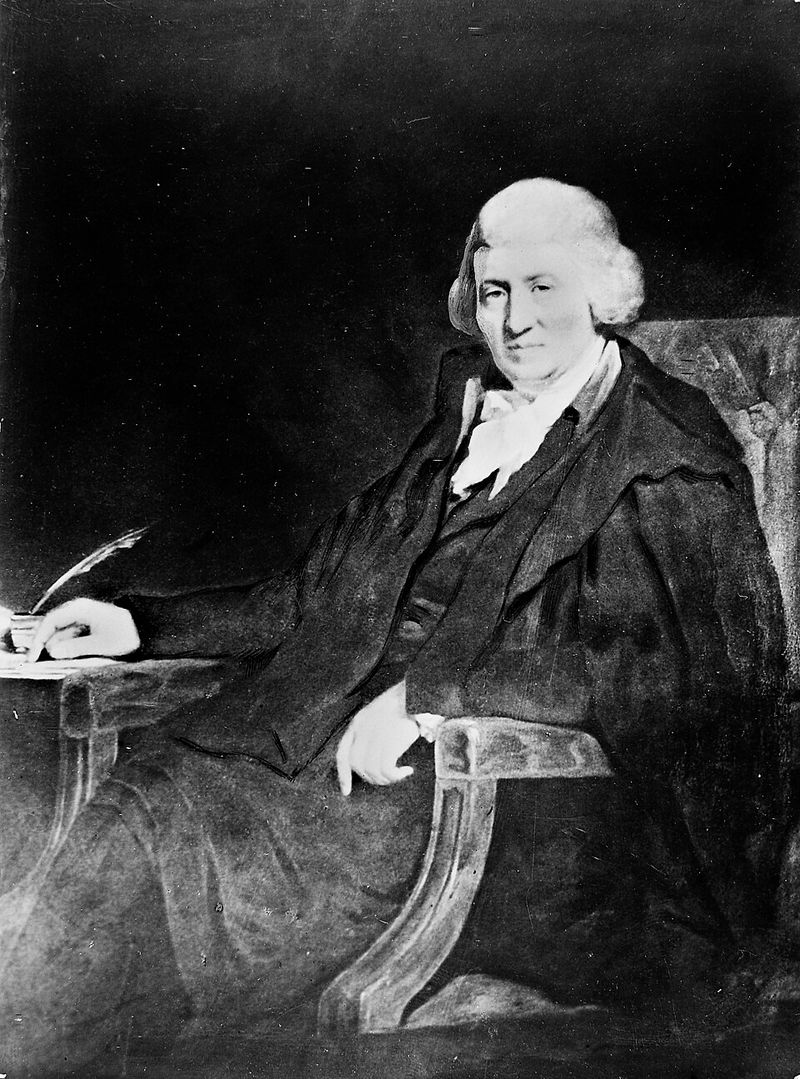
Alexander Hamilton was born on the Caribbean island of Nevis around 1755, the illegitimate son of a Scottish merchant and a woman who was still legally married to another man. His origins were so scandalous that political opponents later used them against him throughout his career.
Growing up in poverty after his father abandoned the family, Hamilton had every reason to give up.
Instead, he educated himself relentlessly, eventually earning a place at King’s College in New York. During the American Revolution, he became George Washington’s trusted aide-de-camp and one of the most brilliant strategic minds in the Continental Army.
After the war, Hamilton helped write the Federalist Papers, founded the U.S. financial system, and served as the first Secretary of the Treasury. His face now appears on the ten-dollar bill.
Hamilton’s story is proof that where you start does not have to determine where you finish.
4. Cesare Borgia
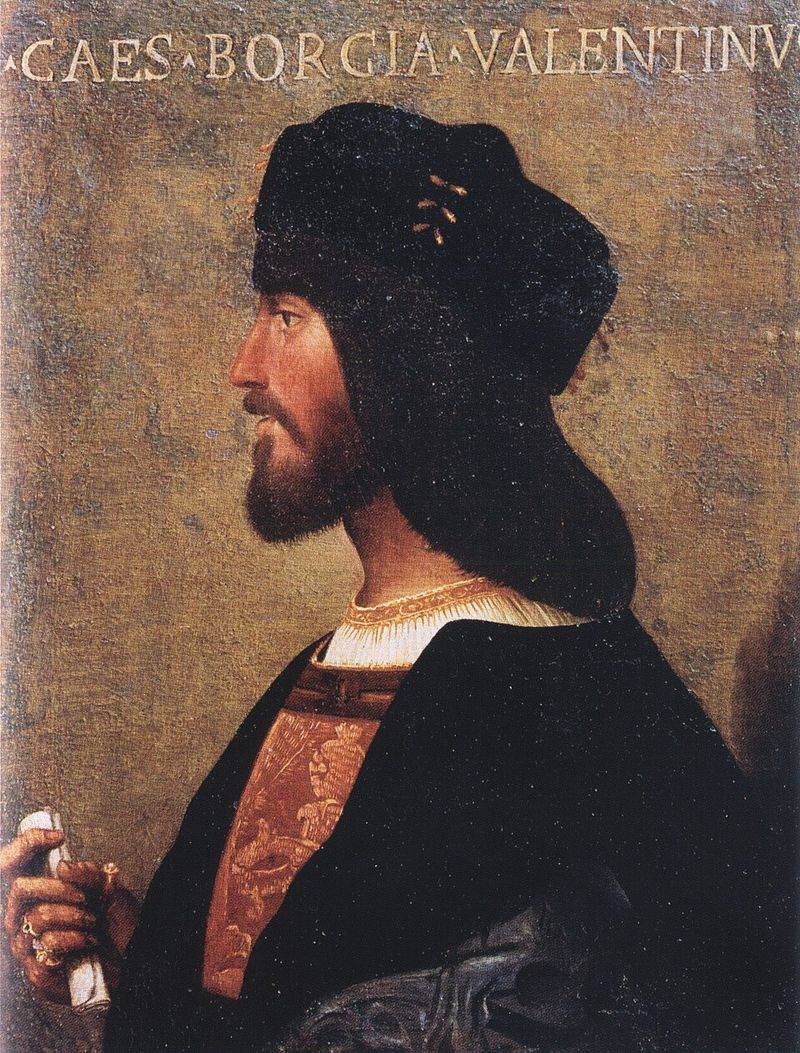
Cesare Borgia was born in 1475 as the illegitimate son of Cardinal Rodrigo Borgia, who would later become Pope Alexander VI. Growing up in one of Renaissance Italy’s most powerful and controversial families gave Cesare both enormous advantages and dangerous enemies from the very beginning.
His father’s rise to the papacy opened doors that would normally be closed to a man of his birth. Cesare became a cardinal at just 18, then abandoned the clergy to pursue military conquest across central Italy.
His brutal efficiency on the battlefield reportedly inspired Niccolo Machiavelli when writing “The Prince.”
Cesare’s campaigns reshaped the political map of Italy and demonstrated how raw ambition combined with ruthless strategy could overturn centuries of tradition. He proved that in the right circumstances, illegitimate birth could be overcome entirely by force of personality and political cunning.
His legacy remains one of history’s most fascinating studies in power.
5. Lucrezia Borgia
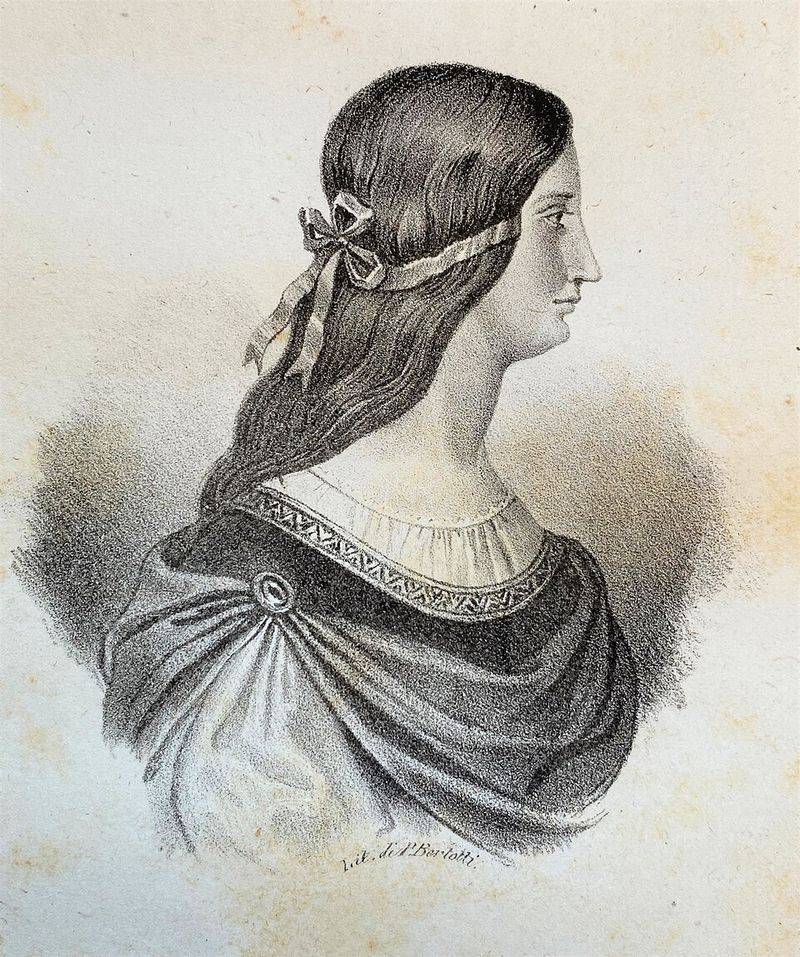
Lucrezia Borgia has long been painted as one of history’s great villains, accused of poisoning enemies and manipulating men from behind the scenes. Born in 1480 as the illegitimate daughter of Cardinal Rodrigo Borgia, she was used as a political chess piece by her father and brother Cesare, married off three times to serve their ambitions.
Modern historians have worked to separate the myths from the real woman. Later in life, as Duchess of Ferrara, Lucrezia became a celebrated patron of the arts who supported poets, painters, and scholars.
Her court was known as one of the most cultured in all of Italy.
She also managed estates efficiently and showed genuine concern for the welfare of the people under her care. Lucrezia’s life shows how women in history were often both victims of their circumstances and quietly powerful agents of cultural change at the same time.
6. Don Juan of Austria
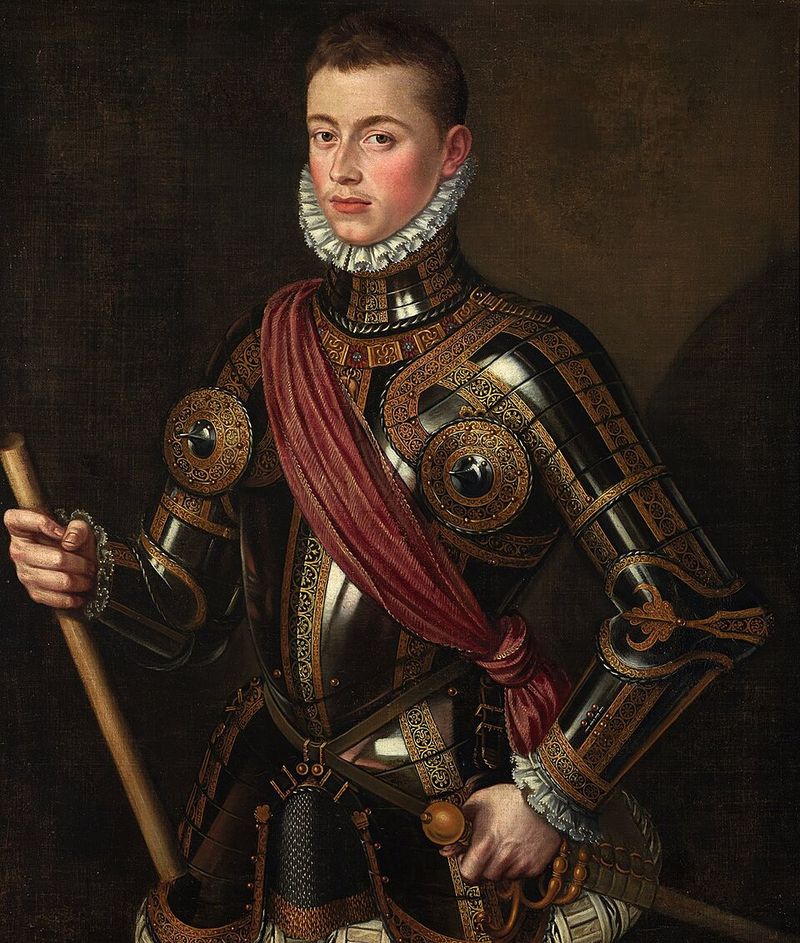
Don Juan of Austria was born in 1547 as the illegitimate son of Holy Roman Emperor Charles V and a German woman named Barbara Blomberg. His royal father kept his existence secret for years, and Don Juan grew up without knowing his true identity.
When the secret was finally revealed, he entered one of the most powerful courts in Europe virtually overnight.
Rather than stumbling under that pressure, Don Juan thrived. He was given command of the Holy League fleet and led Christian forces to a stunning victory over the Ottoman Empire at the Battle of Lepanto in 1571.
That battle is considered one of the most significant naval engagements in world history.
His triumph halted Ottoman expansion into the western Mediterranean and cemented his reputation as one of the great military heroes of his era. Don Juan showed that royal blood, even when unofficial, carried real weight when backed by genuine talent and courage.
7. Henry FitzRoy
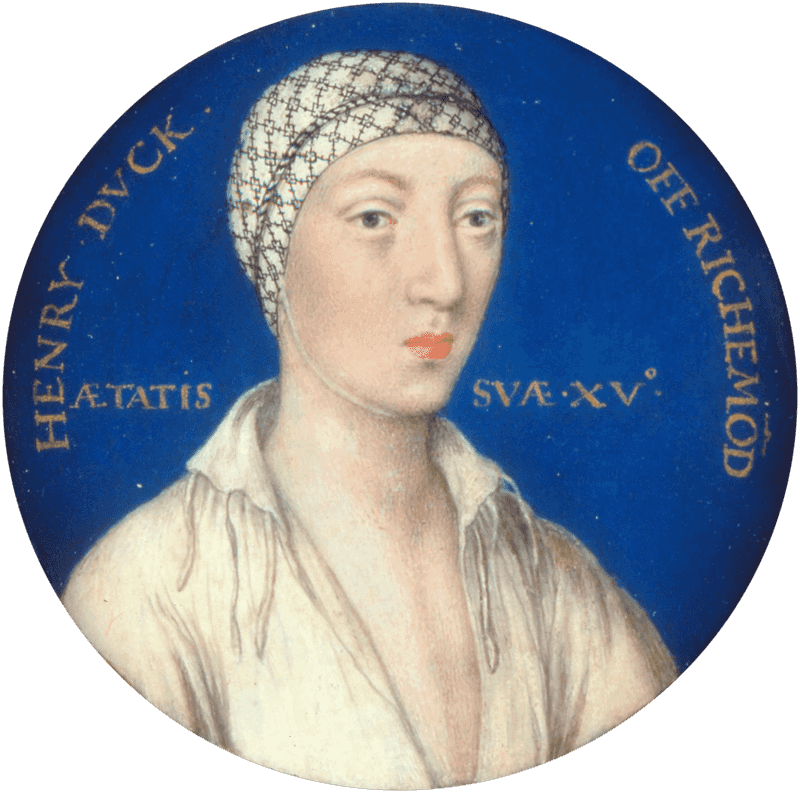
Henry FitzRoy holds a unique place in English history as the only illegitimate child that King Henry VIII ever officially acknowledged. Born in 1519 to the king and his mistress Elizabeth Blount, FitzRoy was elevated to the titles of Duke of Richmond and Somerset at just six years old.
That was an extraordinary honor that signaled Henry VIII’s intention to use him as a potential heir.
At the time, Henry VIII had no legitimate male heir, and his relationship with Catherine of Aragon was producing no surviving sons. FitzRoy’s elevation sparked intense debate about whether an illegitimate child could ever inherit the English throne, a question that touched the very foundations of Tudor succession law.
Sadly, FitzRoy died at just 17, likely from tuberculosis, before that question was ever tested. His brief life nevertheless influenced how Henry VIII pursued legitimate heirs and accelerated the dramatic chain of events that would reshape English religion and politics permanently.
8. James Scott, Duke of Monmouth
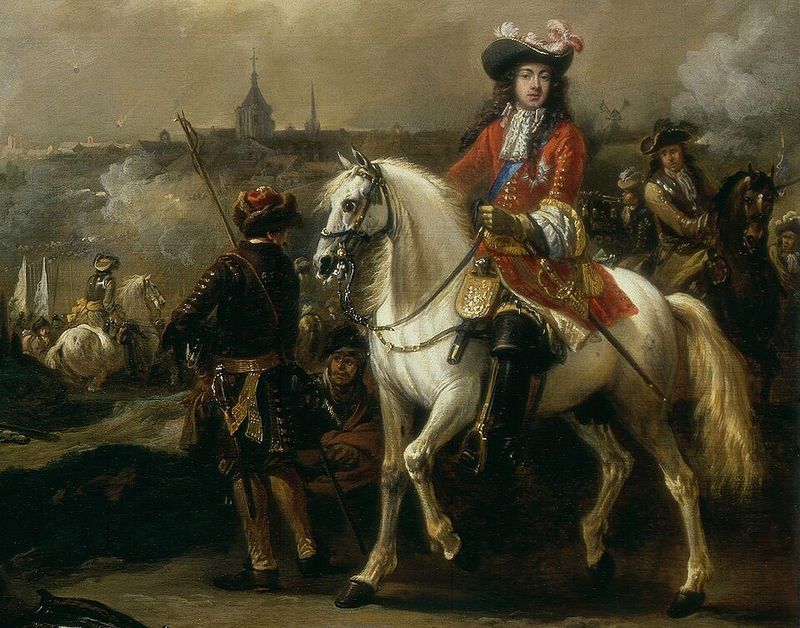
Charming, dashing, and dangerously ambitious, James Scott was born in 1649 as the illegitimate son of King Charles II of England and his Welsh mistress Lucy Walter. Though his father never legitimized him, Charles II showered him with titles and affection, making James one of the most prominent figures at the Restoration court.
When Charles II died in 1685 without a legitimate Protestant heir willing to accept the Catholic succession, James saw his moment. He led an armed rebellion against his uncle, the newly crowned Catholic King James II, in what became known as the Monmouth Rebellion.
Thousands of ordinary Protestants rallied to his banner.
The rebellion failed at the Battle of Sedgemoor, and James was captured and executed on Tower Hill. His story illustrates how the accident of illegitimate birth could haunt even the most privileged lives, placing someone tantalizingly close to a throne they could never quite legally claim.
9. Jean le Rond d’Alembert
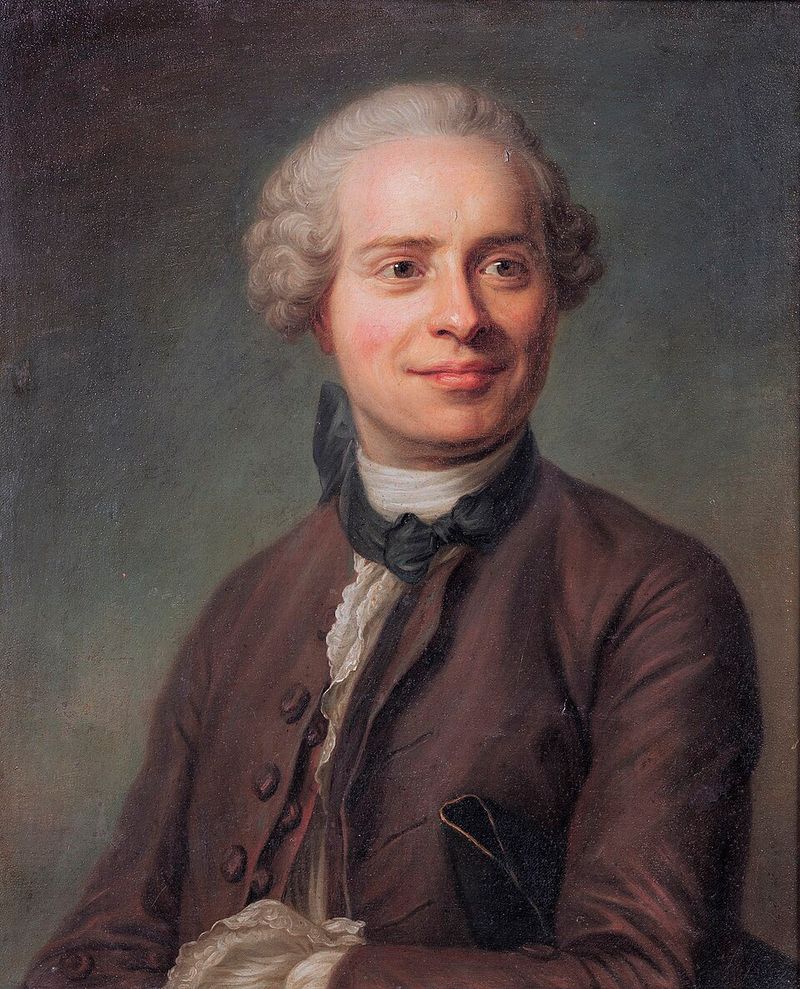
Abandoned on the steps of the Saint-Jean-le-Rond church in Paris on a freezing November night in 1717, Jean le Rond d’Alembert began life in the most precarious way imaginable. He was the illegitimate son of the writer Claudine Guerin de Tencin and a French artillery officer.
His mother left him to die; a glazier and his wife found and raised him with genuine love.
Despite that brutal start, d’Alembert became one of the greatest mathematicians and philosophers of the French Enlightenment. He made major contributions to physics and calculus, and alongside Denis Diderot, he co-edited the famous Encyclopedie, one of the defining intellectual achievements of the 18th century.
That encyclopedia helped spread Enlightenment ideas across Europe and planted seeds for the French Revolution. D’Alembert’s journey from abandoned infant to celebrated intellectual is one of history’s most remarkable stories of resilience transforming into lasting brilliance.
10. T. E. Lawrence (Lawrence of Arabia)
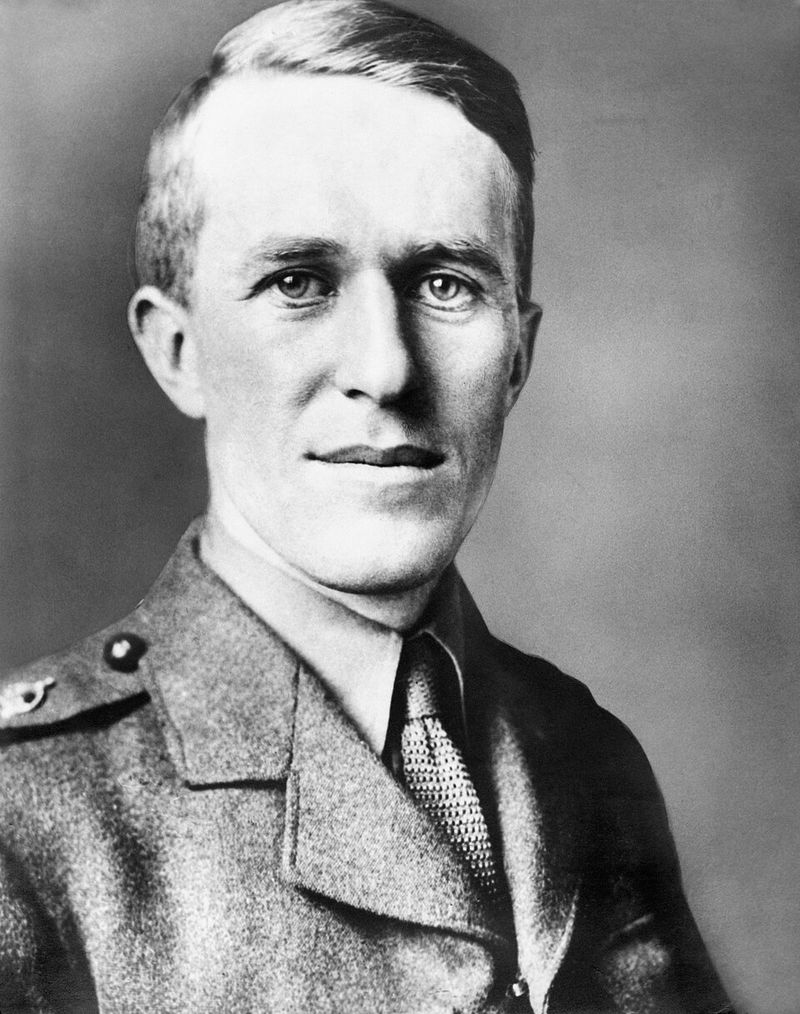
Thomas Edward Lawrence was born in 1888 in Tremadog, Wales, the illegitimate son of Sir Thomas Chapman, an Anglo-Irish baronet who had left his wife to live with the family governess. Lawrence grew up knowing his parents were not married, a secret that weighed on him privately even as he cultivated a very public persona of adventure and mystery.
During World War I, Lawrence worked with Arab tribes to launch a guerrilla campaign against the Ottoman Empire, helping to dismantle centuries of Ottoman control across the Middle East. His tactical brilliance and ability to earn the trust of Arab leaders made him a legend on multiple continents.
His memoir, “Seven Pillars of Wisdom,” remains one of the most vivid firsthand accounts of wartime ever written. Lawrence helped redraw the map of the modern Middle East, leaving a geopolitical legacy that continues to shape the region more than a century later.
11. Sarah Bernhardt
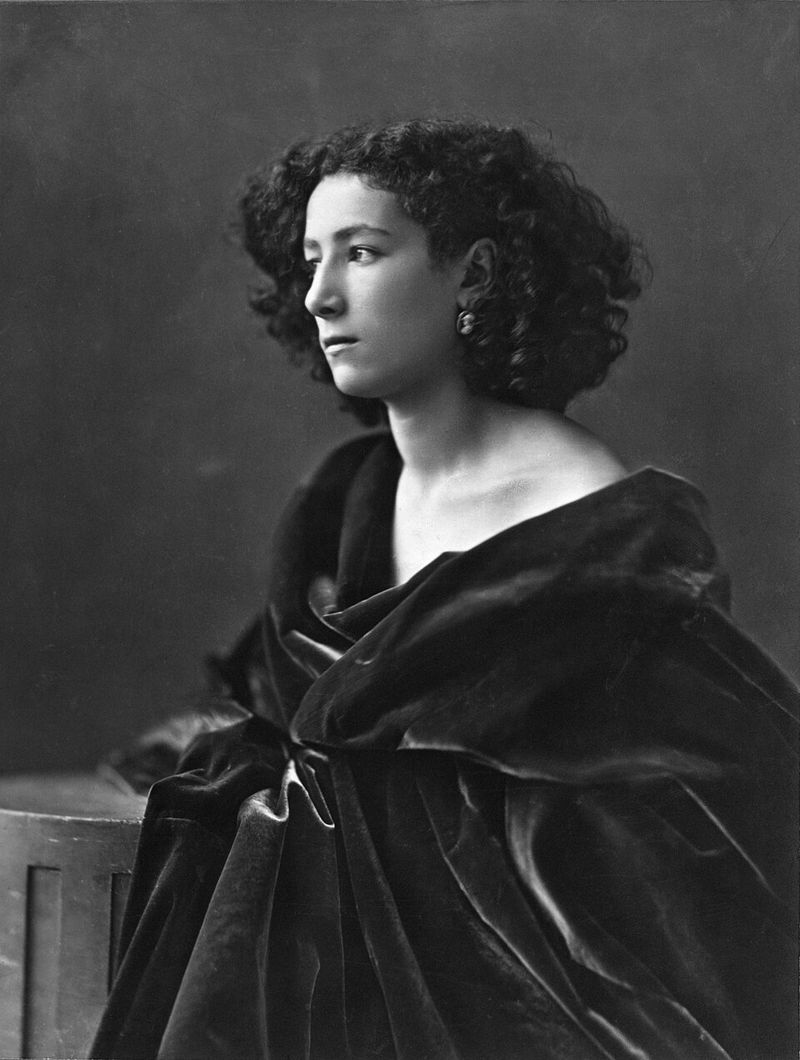
Called “The Divine Sarah” by audiences across Europe and America, Sarah Bernhardt was born in Paris in 1844 as the illegitimate daughter of a Dutch courtesan and an unknown father. Her uncertain origins did nothing to slow her extraordinary rise.
By her thirties, she was the most famous actress in the world.
Bernhardt broke rules constantly, both on and off the stage. She played male roles at a time when that was considered scandalous, traveled the world on her own terms, and managed her own theatrical company.
She also became one of the first major stars to embrace the new medium of film, appearing in movies while already in her fifties.
Her influence on modern acting technique, theatrical production, and celebrity culture is enormous. Sarah Bernhardt essentially invented the idea of the global superstar long before that concept had a name, proving that talent and determination could overcome any social stigma.
12. Ethel Waters
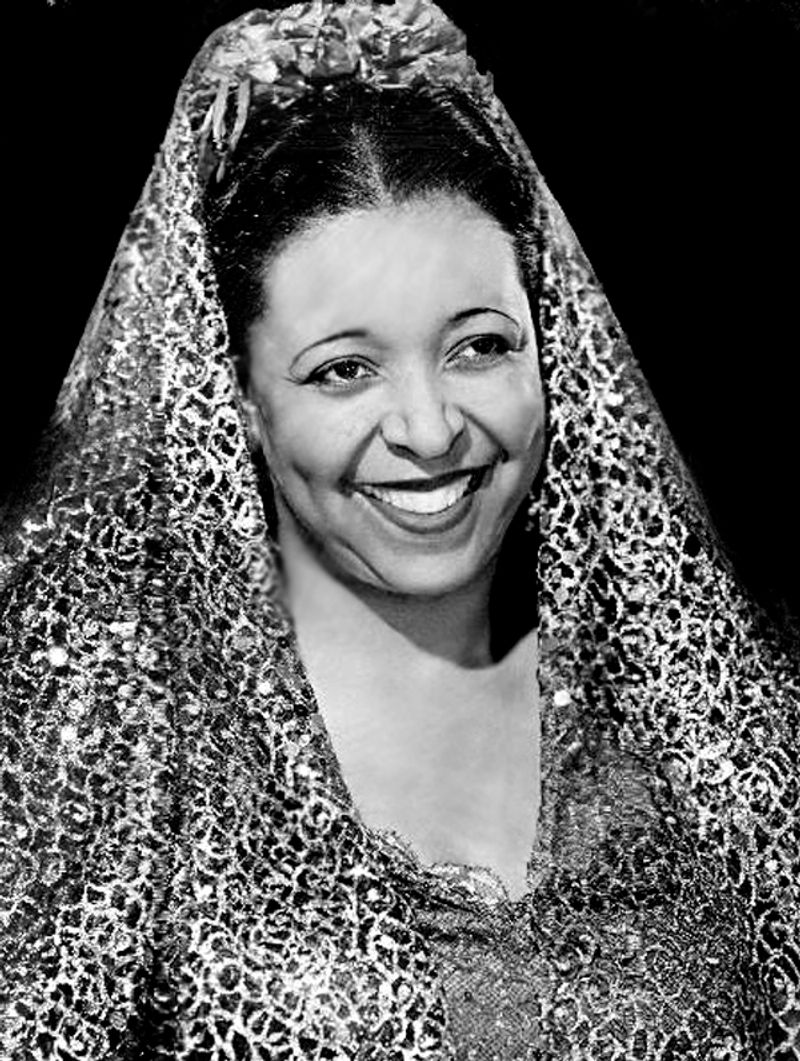
Ethel Waters was born in 1896 in Chester, Pennsylvania, the result of the rape of her 12-year-old mother by a young man who never took responsibility. Her childhood was marked by poverty, instability, and violence, moving constantly between relatives who had little capacity to care for her.
She was married for the first time at just 13 years old.
Music became her lifeline. Waters broke racial barriers in American entertainment during the 1920s and 1930s, becoming one of the first African American women to headline at major white-owned venues.
Her warm, expressive vocal style influenced nearly every female jazz and blues singer who came after her.
She also earned a Tony Award nomination and an Academy Award nomination for acting, making her one of the most versatile performers of the 20th century. Ethel Waters built a towering legacy out of circumstances that would have crushed almost anyone else.
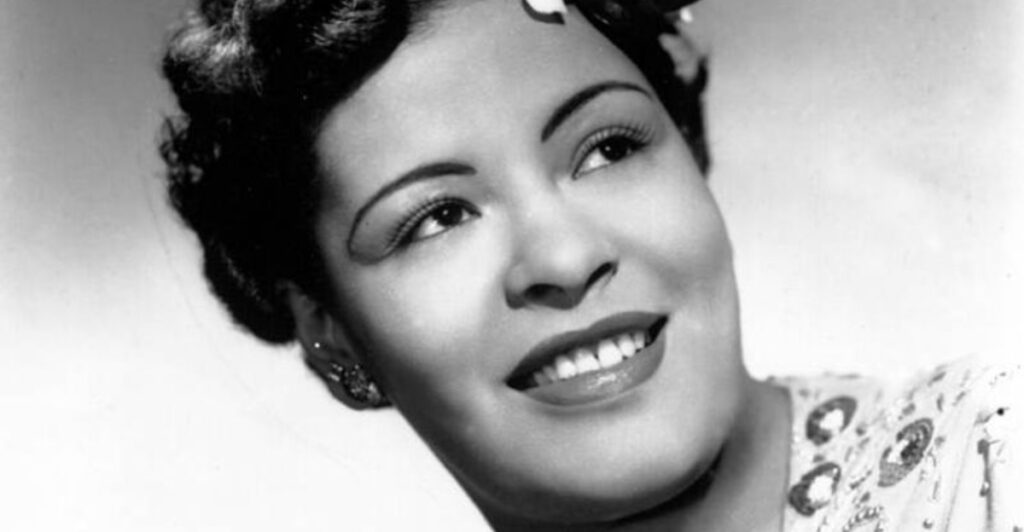
13. Billie Holiday
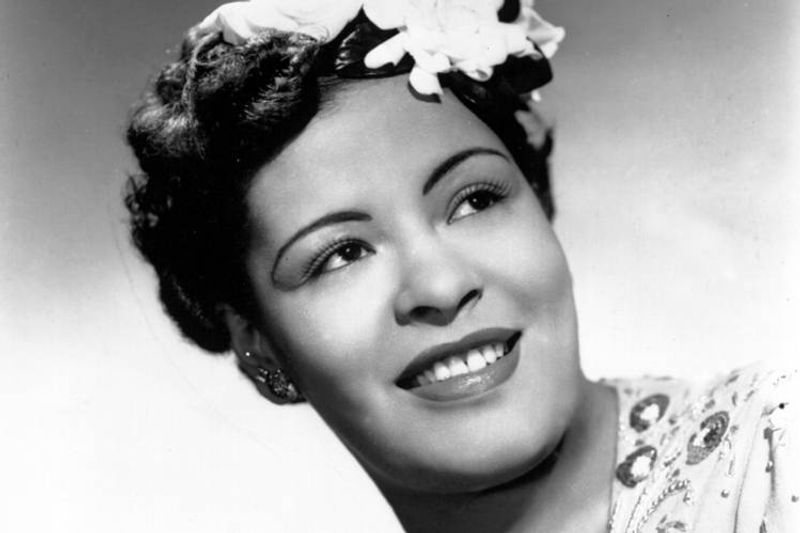
Born Eleanora Fagan in Philadelphia in 1915, Billie Holiday entered the world as the illegitimate daughter of teenage parents who were never married. Her father, jazz guitarist Clarence Holiday, largely abandoned her, and her early years were defined by poverty, abuse, and neglect.
She spent time in a reform school before she was even a teenager.
Despite all of that, Holiday developed one of the most emotionally powerful voices in the history of American music. Her phrasing was so unique that jazz musicians studied it for decades trying to understand how she bent time and melody so expressively.
Songs like “Strange Fruit” made her a voice for civil rights long before that movement had a name.
Holiday struggled with addiction and faced brutal racism throughout her career, yet she never stopped performing. Her influence on jazz, soul, and pop singing is immeasurable, and her story continues to resonate with listeners around the world today.
14. Eric Clapton

Eric Clapton was born in 1945 in Ripley, Surrey, England, the illegitimate son of a 16-year-old English girl and a Canadian soldier who had already returned home before Clapton was born. For years, he was raised believing his grandparents were his parents and that his mother was actually his older sister.
Discovering the truth as a child left a lasting emotional wound.
That sense of displacement and longing found its way into his guitar playing, giving his blues work an aching authenticity that set him apart from his contemporaries. He played with the Yardbirds, John Mayall, Cream, and Blind Faith before launching one of the most successful solo careers in rock history.
Nicknamed “Slowhand,” Clapton is widely considered one of the greatest guitarists who ever lived. His ability to translate raw emotion into music speaks directly to his complicated origins, turning personal pain into art that has moved millions of people across generations.
15. Jack Nicholson

For most of his adult life, Jack Nicholson believed he was the youngest child of John and Ethel May Nicholson. The truth was far more complicated.
In 1974, Time magazine reporters discovered that the woman he thought was his sister, June, was actually his mother, and that the woman he called his mother was actually his grandmother. Nicholson was 37 years old when he learned this.
Both women had passed away before he found out, meaning he never got the chance to ask them why. Rather than letting that revelation derail him, Nicholson channeled whatever complex emotions it stirred into his performances.
He went on to win three Academy Awards, one of only a handful of actors ever to achieve that.
His roles in films like “One Flew Over the Cuckoo’s Nest,” “As Good as It Gets,” and “The Shining” cemented his place as one of Hollywood’s all-time greats. His story adds a deeply human layer to an already legendary career.
Share this story