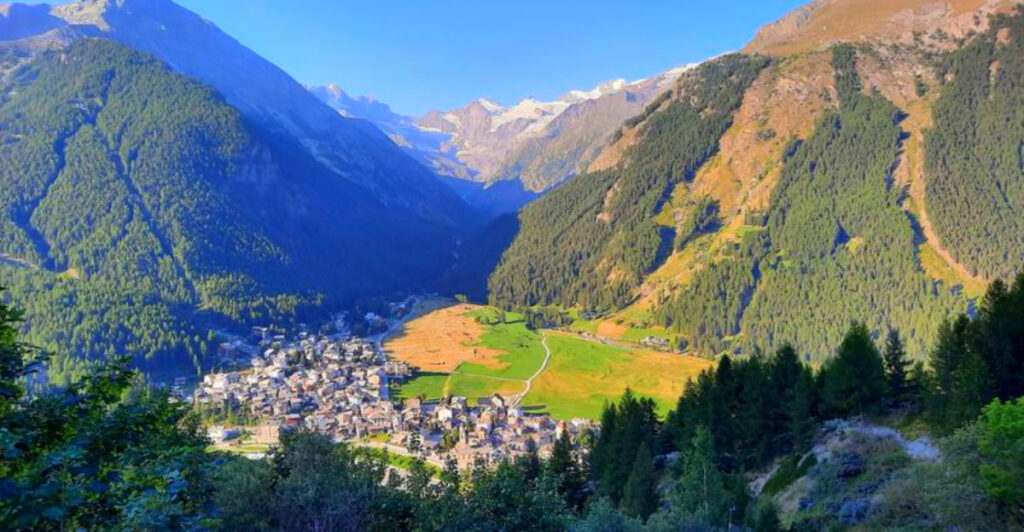
Europe’s alpine villages offer a side of the mountains that many travelers never see. Hidden beyond winding roads and steep passes are communities filled with flower-covered balconies, centuries-old churches, and cobblestone streets surrounded by breathtaking scenery.
These villages have preserved their character not by accident, but because reaching them takes a little extra effort. For travelers willing to make the journey, these 15 mountain destinations deliver unforgettable views, rich history, and the kind of charm no postcard can fully capture.
1. Hallstatt, Austria
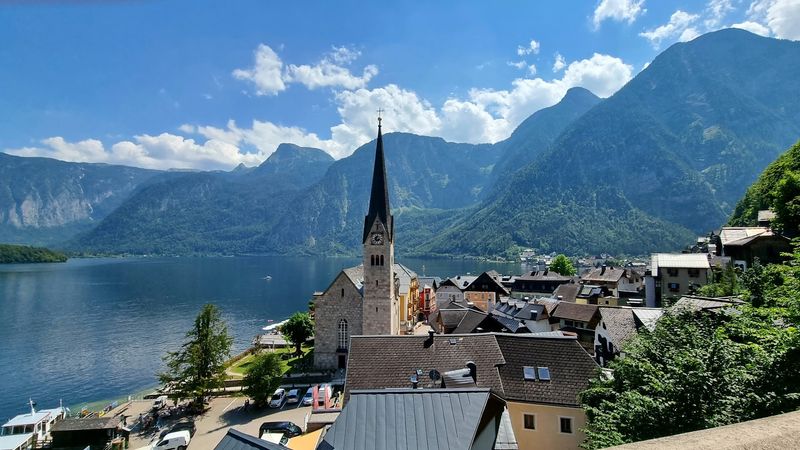
Salt made this village famous long before Instagram did. Hallstatt, perched on the narrow strip of land between Lake Hallstatt and the steep Dachstein Alps, has been continuously inhabited for over 7,000 years, making it one of the oldest settlements in the Alps.
Its pastel-painted wooden houses are stacked so tightly against the cliffside that some have no room to expand outward and instead grow upward. The village is so compact that it has its own bone house, the Beinhaus, where centuries of remains are stored due to the lack of cemetery space.
Hallstatt receives millions of visitors each year, yet it never quite loses its quiet character in the early morning hours. Arriving before the tour groups is the single best travel decision anyone can make here.
2. Grindelwald, Switzerland
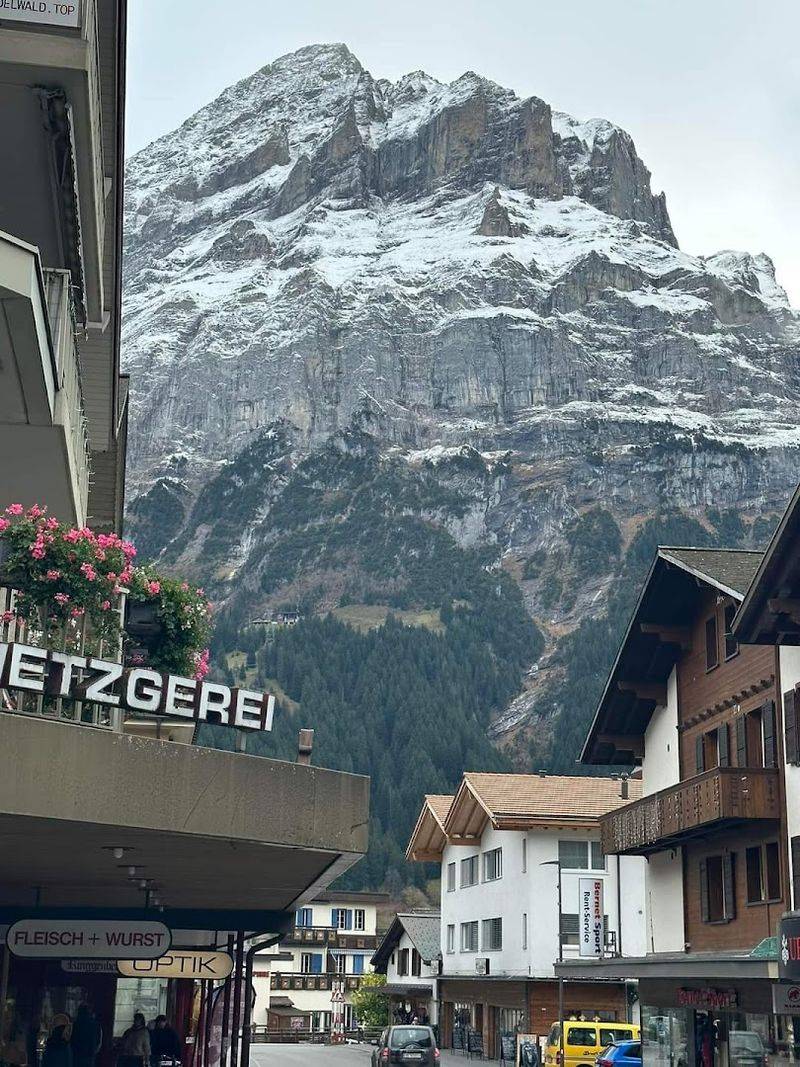
Few villages in Europe can claim the Eiger as a neighbor, but Grindelwald manages it with remarkable composure. This Swiss village sits at the base of the Bernese Oberland’s most dramatic wall of peaks, offering a front-row view of the north face that has challenged mountaineers for generations.
Traditional wooden chalets line the valley floor, their steep roofs designed to shed heavy snowfall rather than make a style statement. The village has a working, year-round character that sets it apart from purely seasonal mountain resorts.
Grindelwald connects to the Jungfraujoch railway, the highest train station in Europe, which departs from nearby Kleine Scheidegg. Hikers, climbers, and families all find their own version of the Alps here, which is exactly why the village has stayed relevant for well over a century.
3. Murren, Switzerland
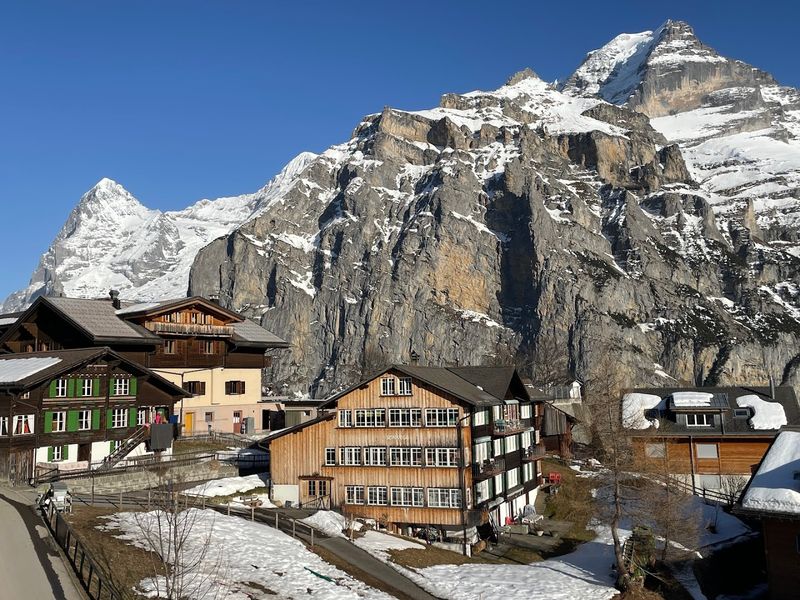
No roads lead to Murren. That single fact explains almost everything about what makes this Swiss village special.
Perched on a cliff ledge above the Lauterbrunnen Valley, it is reachable only by cable car from Stechelberg or by a combination of train and aerial gondola from Grutschalp.
The village sits at 1,638 meters and faces directly toward the Jungfrau, Monch, and Eiger, a trio of peaks that dominate the entire skyline. Wooden chalets line the car-free lanes, and the only motorized vehicles in sight are small agricultural carts used by local farmers.
Murren was also the birthplace of modern alpine skiing as a competitive sport, with early downhill races organized here in the 1920s. History buffs and outdoor enthusiasts both find plenty to appreciate, and the complete absence of traffic noise is a bonus nobody forgets.
4. Saint-Veran, France
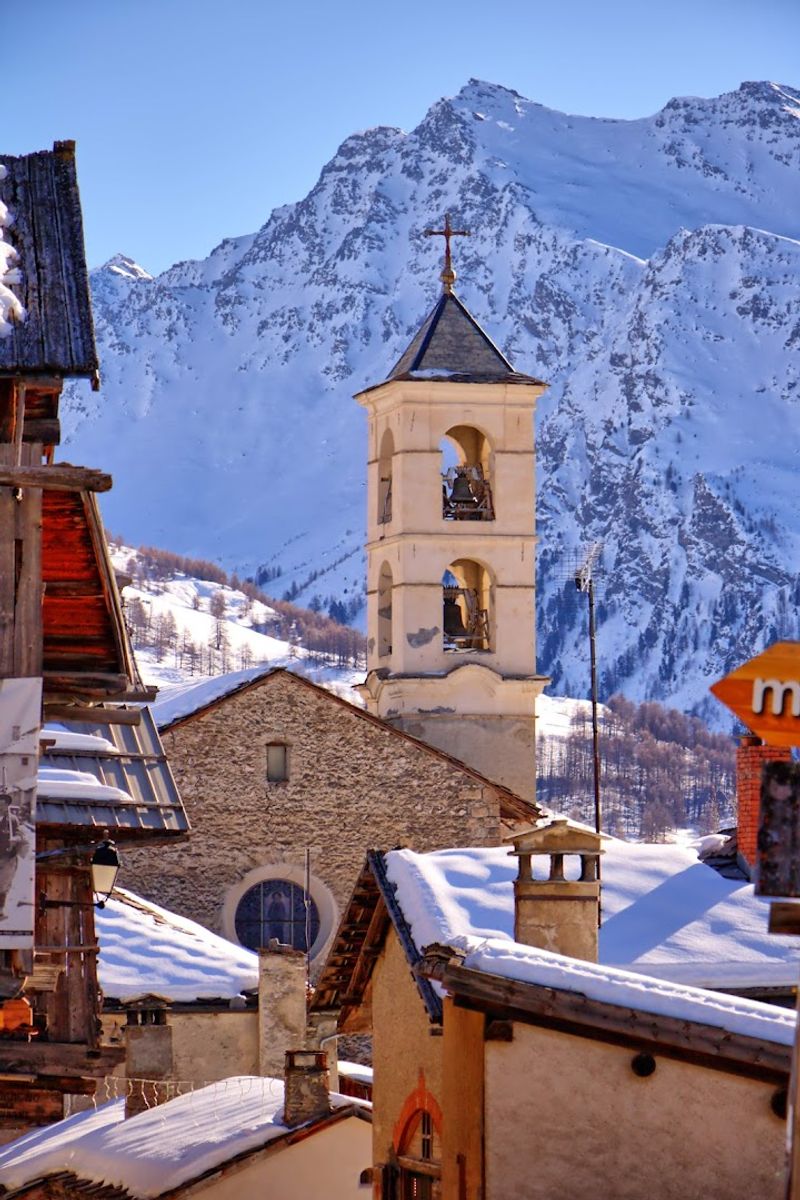
At over 2,000 meters above sea level, Saint-Veran holds the title of one of the highest permanently inhabited villages in Europe, and it wears that distinction with quiet pride. Located in the Queyras Regional Park in the French Alps, the village sits close to the Italian border in a valley that sees long winters and short, vivid summers.
Traditional houses here are built in two distinct sections: the lower stone half shelters animals and stores hay, while the upper timber section, made from local larch, serves as the family living space. This layout has been standard for centuries and reflects a practical alpine logic that modern architecture rarely matches.
The village has a small sundial museum and several well-preserved fountains, along with hiking trails that connect to the wider Queyras network. Saint-Veran rewards slow travelers who take time to notice the details.
5. Bled, Slovenia
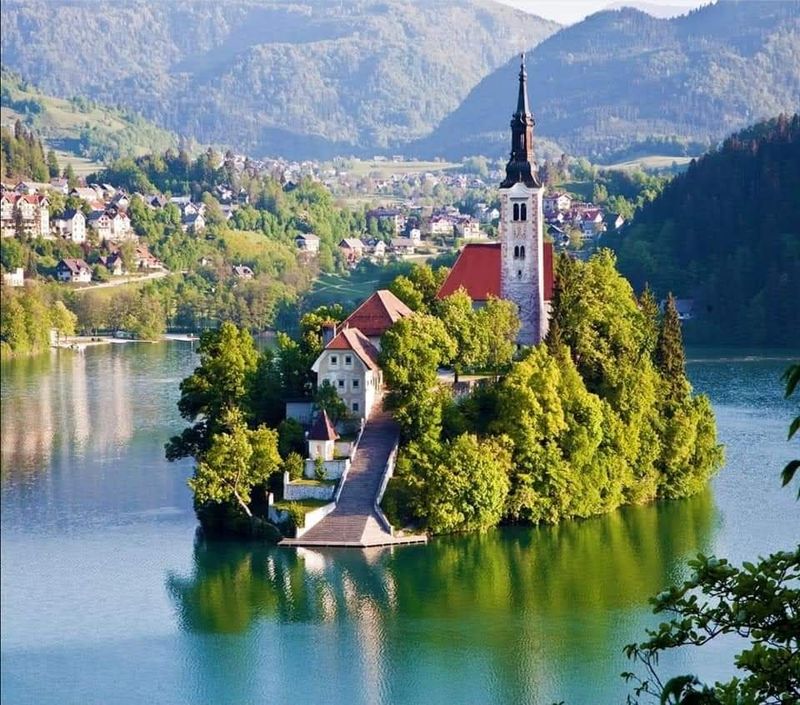
There is a small island in the middle of Bled’s glacial lake, and on that island stands a church with a wishing bell that visitors row out to ring. That single detail tells you quite a lot about the character of this Slovenian alpine town.
Bled sits at 475 meters in the Julian Alps, surrounded by forested hillsides and a medieval castle that overlooks everything from a rocky cliff. The town itself is compact and walkable, with a clear pedestrian focus along the lake’s northern shore.
What surprises many first-time visitors is how uncrowded the surrounding hiking trails remain, even when the lakefront is busy. The Vintgar Gorge, just a few kilometers away, offers a completely different landscape of narrow canyon walkways and rushing water.
Bled functions equally well as a base for exploration and as a destination in its own right.
6. Soglio, Switzerland
Giovanni Segantini painted here. Paul Klee visited.
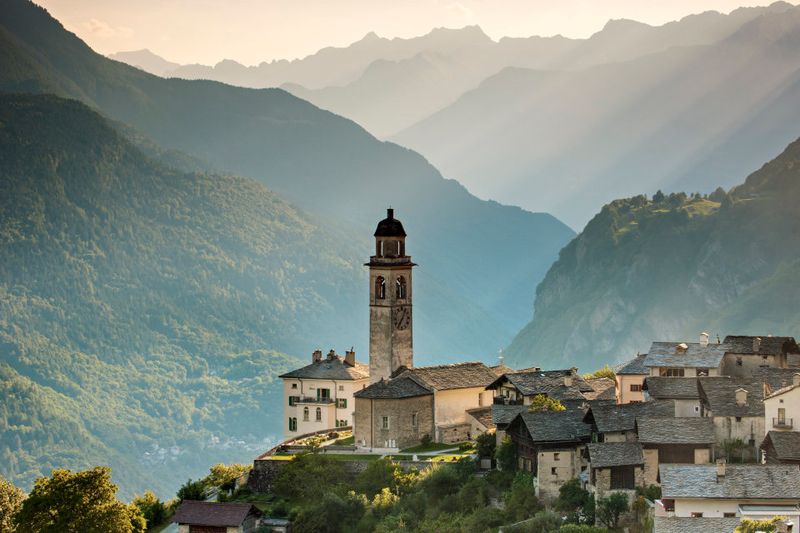
Rainer Maria Rilke called it paradise. Soglio, a tiny stone village perched above the Bregaglia Valley near the Italian border, has been quietly inspiring artists and writers for well over a century without making too much fuss about it.
The village sits at around 1,090 meters and is surrounded by ancient chestnut forests that turn the hillsides a deep rust color each autumn. Stone houses line the narrow cobbled paths, and the Palazzo Salis, a 17th-century manor house now operating as a hotel, anchors the village center with its formal garden.
Soglio is car-accessible from Maloja but feels entirely removed from modern convenience. The views across the valley toward the Italian peaks are unobstructed and genuinely striking.
Artists clearly knew what they were doing when they chose this spot.
7. Kranjska Gora, Slovenia
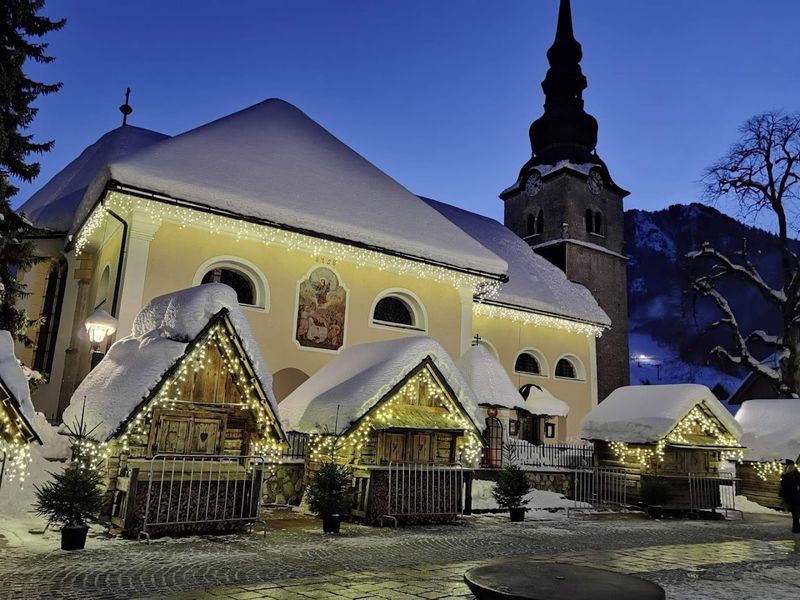
Tucked into the far northwestern corner of Slovenia, Kranjska Gora sits where the borders of Slovenia, Italy, and Austria nearly converge, which gives it an interesting cultural mix that shows up in its architecture, food, and general attitude toward visitors.
The village lies within reach of Triglav National Park and serves as the starting point for the Vrsic Pass, a mountain road with 50 hairpin turns that climbs to 1,611 meters before descending into the Soca Valley. That drive alone is reason enough to visit.
In the village itself, traditional wooden buildings line the main street, and several small museums document the history of alpine life in the Julian Alps. Jasna Lake, just outside the village, sits directly below the Prisank mountain face and reflects the peaks with the kind of clarity that makes photographers stop mid-stride.
8. Alpbach, Austria
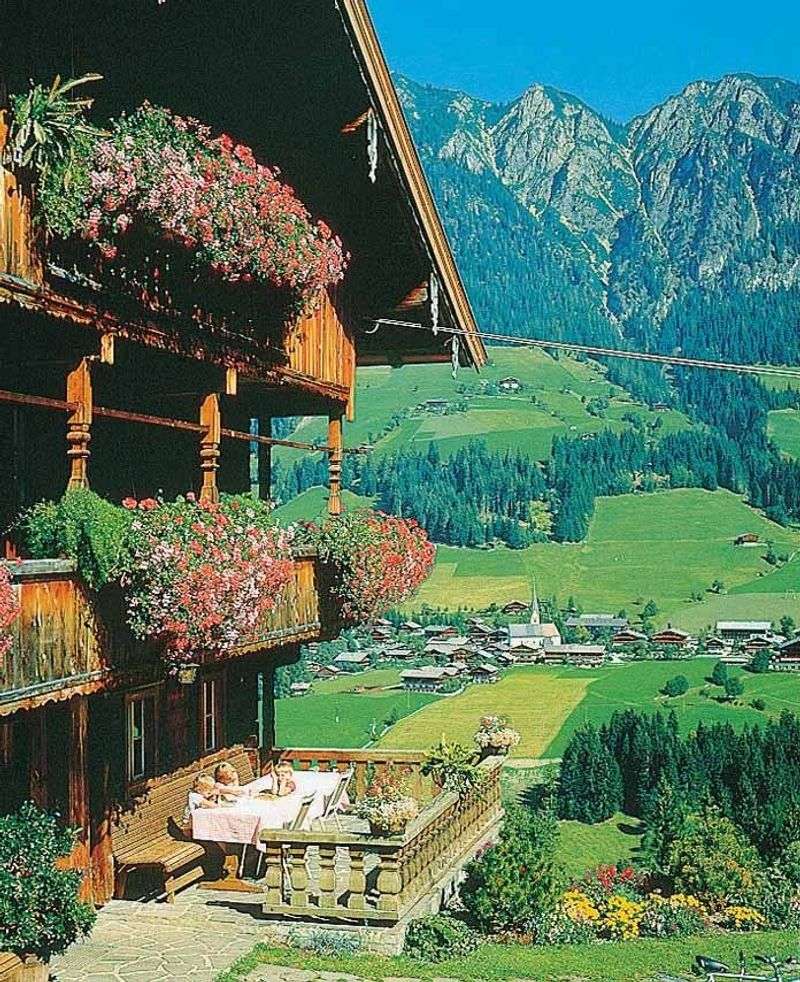
Alpbach has won Austria’s most beautiful village competition so many times that other villages have essentially stopped competing. Located in the Tyrol region east of Innsbruck, the village owes much of its appearance to strict building regulations that require all new construction to follow traditional Tyrolean design standards.
The result is a remarkably consistent streetscape of dark-wood farmhouses with wide overhanging roofs and flower-filled balconies that bloom from late spring through early autumn. No concrete blocks, no glass towers, no architectural experiments.
The rules are firm and the village looks better for it.
Alpbach also hosts the annual European Forum Alpbach, an international conference that has been held here since 1945, bringing together politicians, academics, and scientists from around the world. It is a curious combination: one of Europe’s most traditional-looking villages doubling as an intellectual gathering point every summer.
9. Guarda, Switzerland
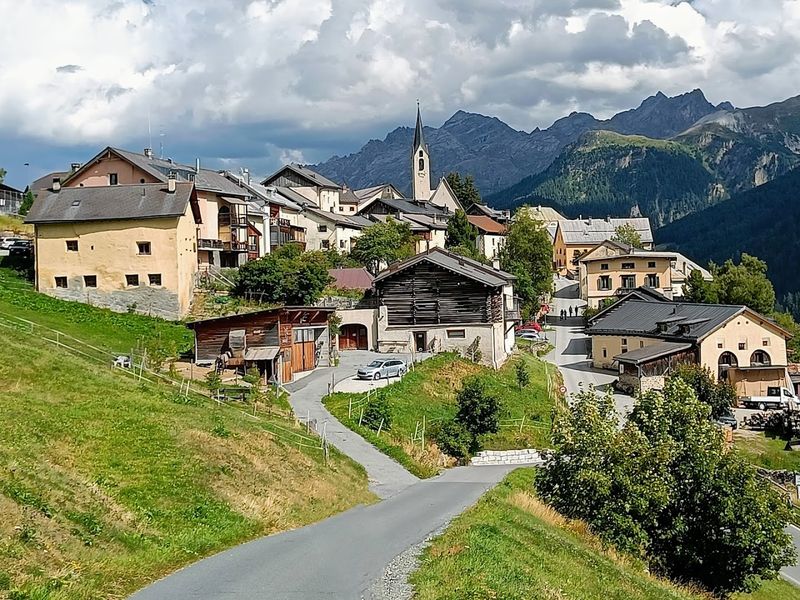
Guarda is the kind of village that makes you wonder if someone designed it specifically to be photographed. Located in the Lower Engadine valley in the canton of Graubunden, its houses are covered in sgraffito, a traditional decoration technique where patterns are scratched into two-tone plaster to create geometric and floral designs.
The village sits at 1,653 meters and has around 180 permanent residents, making it genuinely small by any measure. Its stone-paved lanes, carved doorways, and painted facades are protected under Swiss heritage law, which means what you see today looks almost identical to what travelers saw 200 years ago.
Guarda also appears in a beloved Swiss children’s book series, which has given it a devoted following among Swiss families. The surrounding Engadine landscape offers hiking in summer and cross-country skiing routes in winter, both largely free of crowds.
10. Obergurgl, Austria
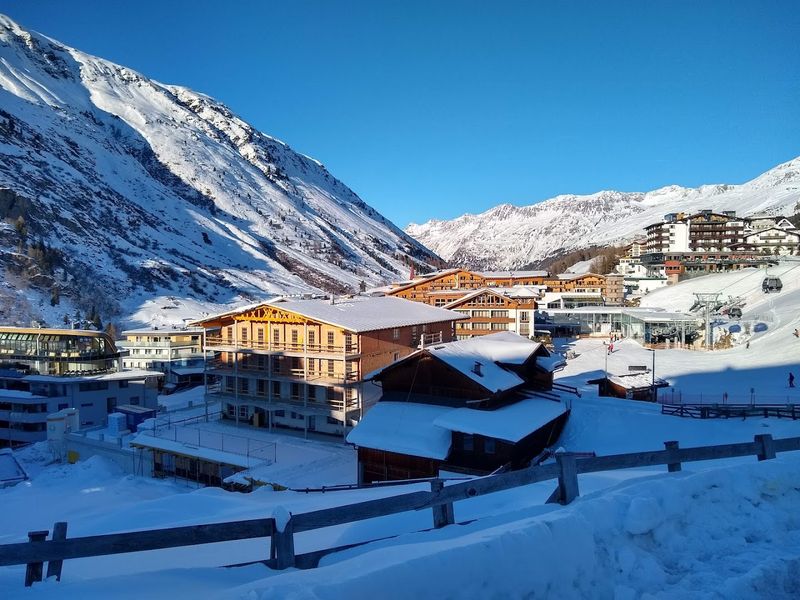
At 1,930 meters, Obergurgl holds the distinction of being the highest parish village in Austria, a fact that becomes very apparent when the first snowfall arrives in October and does not leave until May. Located at the end of the Otztal valley, the village has exactly one road in and out, which adds to its sense of genuine remoteness.
The village itself is small and tightly built, with traditional alpine lodges clustered around the central church. Unlike many Austrian ski resorts that have expanded aggressively, Obergurgl has maintained a controlled scale that feels deliberate rather than accidental.
In summer, the surrounding Otztal Alps offer some of the most demanding and rewarding high-altitude hiking in the country. The nearby Rotmoostal valley, with its glacier streams and rocky moraines, gives visitors a clear picture of what this landscape looked like long before tourism arrived.
11. Cogne, Italy
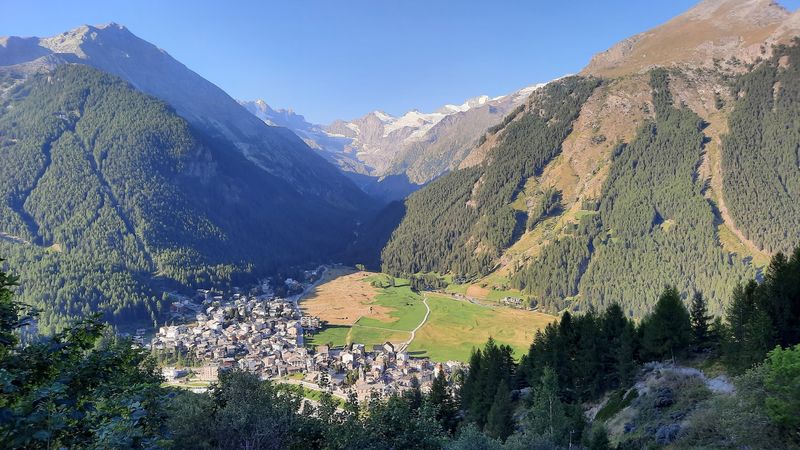
Gran Paradiso National Park surrounds Cogne on nearly every side, which means the village has one of the most spectacular natural backdrops of any settlement in the Italian Alps. Located in the Valle d’Aosta region, Cogne sits at 1,534 meters and was historically a mining community before the park’s establishment in 1922 changed its economic direction entirely.
The village center features traditional stone architecture typical of the Aosta Valley, with narrow lanes and a central square anchored by the parish church. Local craftspeople are known for producing intricate lacework, a tradition that dates back several centuries and is still practiced by a small number of artisans today.
Cogne serves as the main gateway into the park and offers reliable ibex sightings on the surrounding slopes. The Valnontey valley, a short walk from the village, is one of the most reliable spots in Europe for observing alpine wildlife at close range.
12. Zermatt, Switzerland
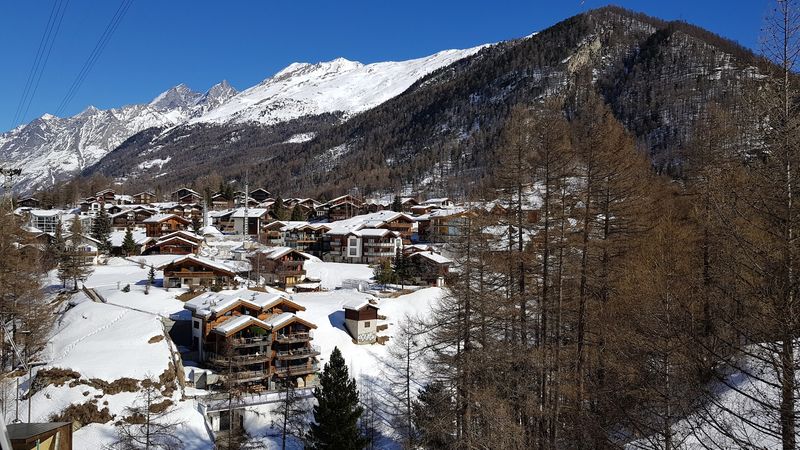
The Matterhorn looms over Zermatt like a crown nobody dared design. This car-free Swiss village sits at 1,620 meters in the Valais Alps, drawing hikers, skiers, and dreamers year-round.
Horse-drawn carriages and electric taxis replace regular vehicles on its cobblestone streets, giving the whole place a quiet, storybook calm.
Summer hiking trails wind through wildflower meadows with the iconic pyramid peak always watching from above. The village blends old wooden chalets with upscale boutiques and cozy fondue restaurants.
Zermatt proves that a mountain village can feel timeless and lively at exactly the same time.
13. Ortisei, Italy
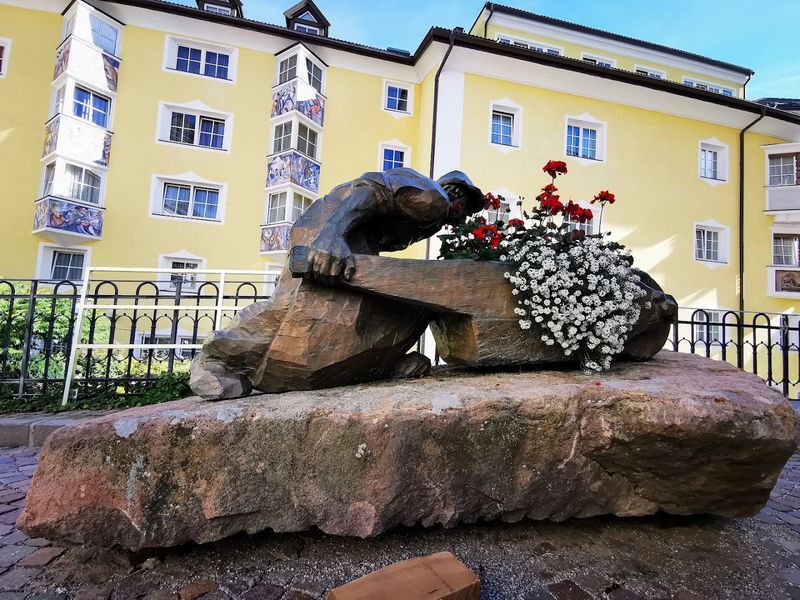
Nestled in the Val Gardena valley of South Tyrol, Ortisei carries two cultures in one small village. German and Italian traditions weave together naturally, visible in bilingual street signs, local architecture, and restaurant menus.
The Dolomites rise on all sides like a protective wall of jagged red rock.
Ortisei is famous for its centuries-old woodcarving tradition, with artisan workshops still producing hand-carved figures sold worldwide. In winter, it connects to the Sella Ronda ski circuit, one of Europe’s most celebrated routes.
Come spring, alpine meadows burst into color just minutes from the village center.
14. Annecy, France
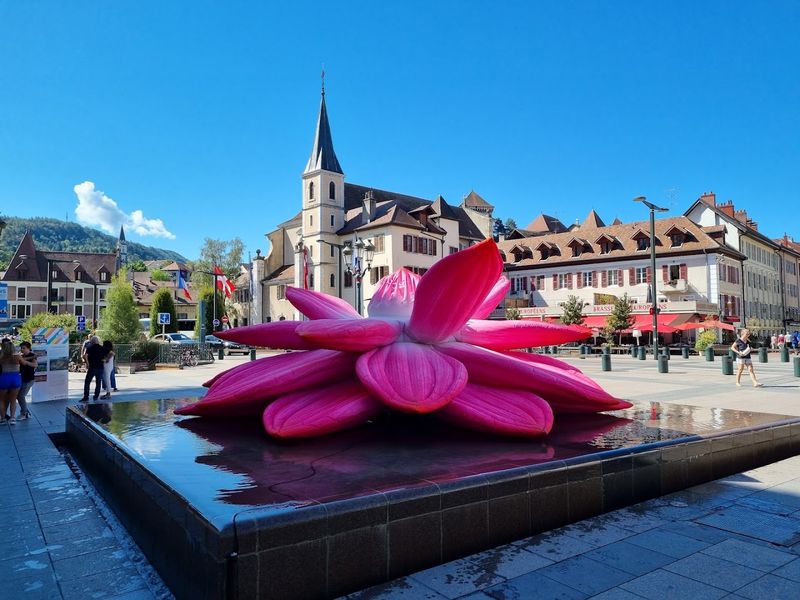
Few mountain towns wear their beauty as effortlessly as Annecy. Sitting at the northern tip of one of Europe’s clearest lakes, this French town blends pastel canal houses with a backdrop of sharp limestone peaks.
The flower-draped bridges and turquoise shimmer of Lac d’Annecy make it genuinely hard to believe you are not looking at a painting.
Beyond the scenery, Annecy stays lively with markets, cycling paths, and kayaking all summer. Winter brings snow-dusted rooftops and steaming mugs of vin chaud at outdoor stalls.
Every season arrives with something genuinely worth the journey.
15. Garmisch-Partenkirchen, Germany
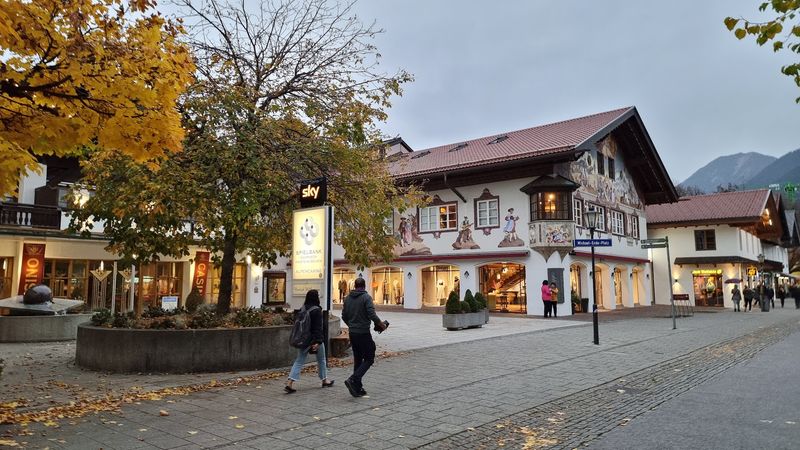
Two villages merged in 1935 now share one spectacular name and setting. Garmisch-Partenkirchen sits at the foot of the Zugspitze, Germany’s highest peak, and carries the quiet confidence of a town that hosted the 1936 Winter Olympics.
Painted Bavarian murals stretch across building facades along the main streets, giving everything a warm, storybook character.
Skiing, hiking, and cog railway rides to the summit fill every season here. Local restaurants serve hearty Bavarian meals that taste exactly right after a long day outdoors.
It is the kind of place that makes you forget to rush.
Share this story