Coastlines are where the land meets the sea, and some countries have so much of this boundary that it would take years to walk it all. The length of a country’s coastline shapes its culture, economy, fishing industry, and even its national identity.
Countries with long coastlines often have rich seafaring traditions, stunning beaches, and thriving port cities. Here is a look at the 15 countries with the longest coastlines on Earth, ranked by total coastal length.
1. Canada: About 202,080 km
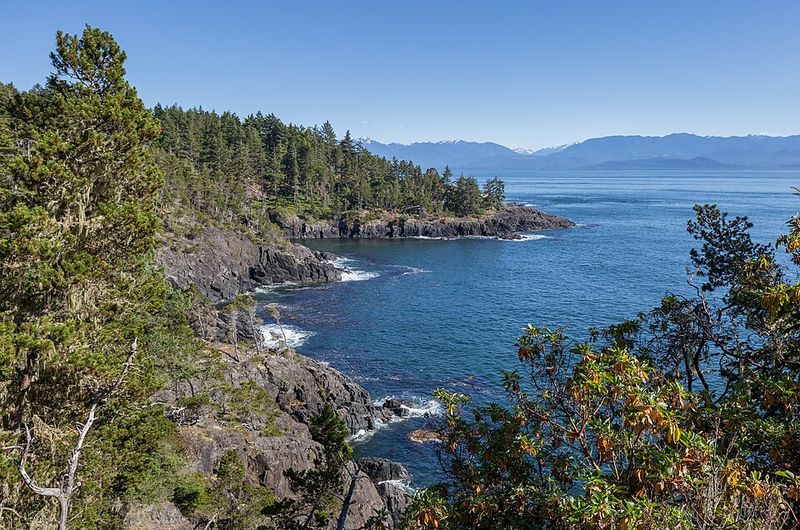
No country on Earth has more coastline than Canada. Stretching across three oceans, the Atlantic, Pacific, and Arctic, Canada’s shoreline is so vast it would wrap around the globe more than five times.
That staggering number of about 202,080 km includes mainland shores, islands, and inlets.
Much of Canada’s coast is remote and wild, home to polar bears, whales, and ancient Indigenous communities. The rugged fjords of British Columbia and the icy shores of Nunavut are breathtaking but hard to reach.
Coastal fishing towns in Nova Scotia and Newfoundland have depended on the sea for centuries.
Canada’s coastline is not just a geographic record-breaker. It is a living landscape that supports ecosystems, trade routes, and cultures found nowhere else.
For anyone who loves wild, untouched nature, Canada’s shores are truly one of the world’s greatest natural treasures.
2. Norway: About 58,133 km
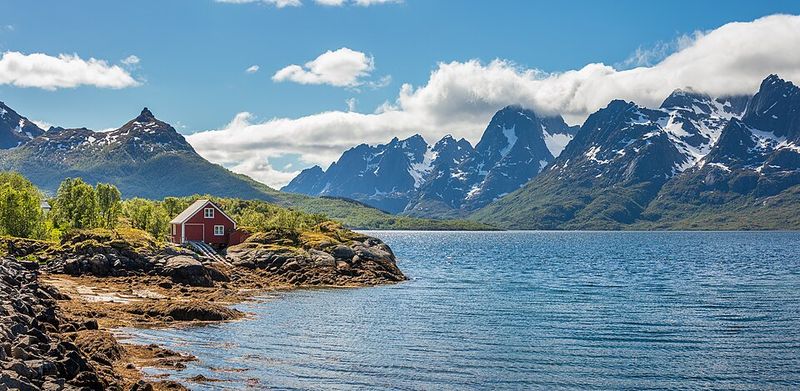
Norway’s coastline is one of the most dramatic on the planet. Carved by ancient glaciers, its famous fjords cut deep into the land, creating hundreds of narrow waterways lined with towering cliffs and crystal-clear water.
Those fjords alone add thousands of kilometers to Norway’s total coastal length of about 58,133 km.
Fishing has been central to Norwegian life for thousands of years. The coastal town of Bergen was once one of Europe’s most important trading hubs, and cod fishing still drives much of northern Norway’s economy today.
Coastal villages perched on rocky outcrops look like something out of a storybook.
Norway also has thousands of offshore islands, many of which are inhabited year-round. The Lofoten Islands, above the Arctic Circle, attract photographers and travelers from around the world.
Norway’s coast is a mix of raw natural power and deeply rooted human history.
3. Indonesia: About 54,716 km
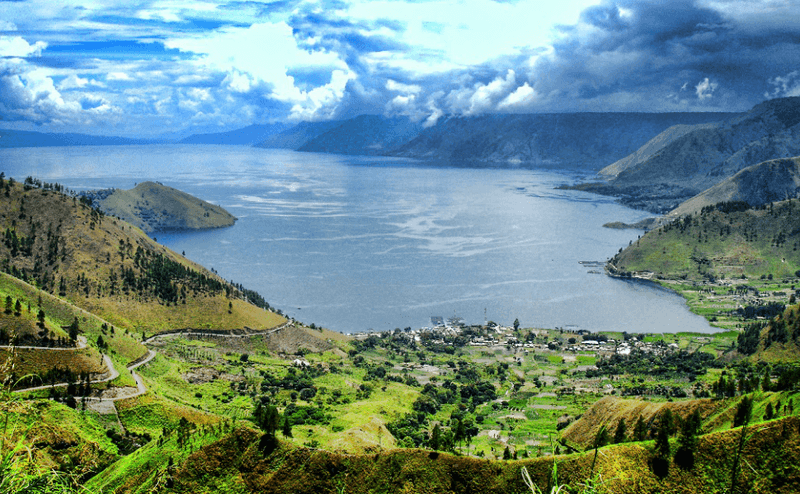
Spread across more than 17,000 islands, Indonesia has one of the longest and most diverse coastlines in the world at about 54,716 km. From the volcanic beaches of Java to the coral-fringed shores of Raja Ampat, no two stretches of Indonesian coast look quite the same.
The country straddles the equator, giving its coasts a warm, tropical character year-round.
Indonesia’s coastal communities are incredibly varied. Some rely on traditional fishing methods passed down through generations, while others have built thriving tourism industries around surfing, diving, and snorkeling.
Bali alone draws millions of visitors every year to its beaches and surf breaks.
The waters surrounding Indonesia are among the most biodiverse on Earth, hosting thousands of species of fish, coral, and marine mammals. Protecting this coastline from pollution and development is one of the country’s most pressing environmental challenges today.
4. Russia: About 37,653 km
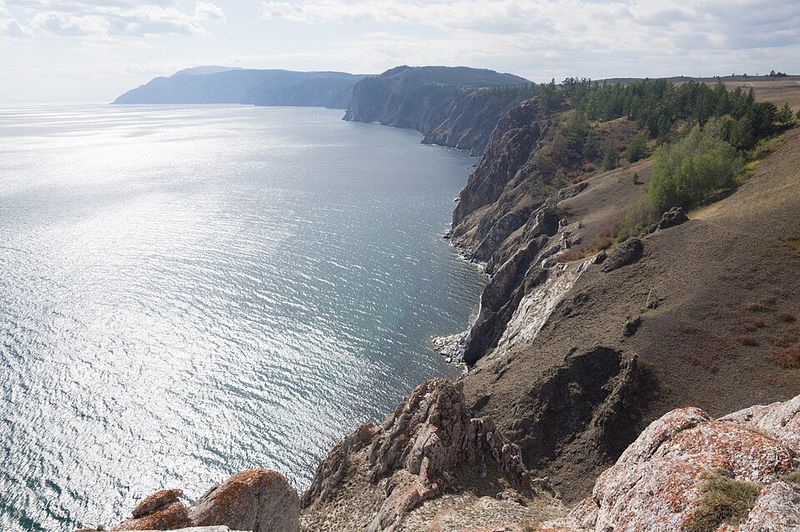
Russia is the largest country in the world by land area, so it makes sense that its coastline is massive too, stretching about 37,653 km. The country borders the Arctic Ocean, the Pacific Ocean, the Baltic Sea, the Black Sea, and several other major bodies of water.
That variety means Russia’s coastline ranges from frozen Arctic shores to temperate beaches near the Black Sea.
Much of Russia’s coast is extremely remote and largely untouched by development. The Siberian coastline, for example, sees very few visitors and remains one of the most isolated stretches of shoreline on Earth.
Polar bears, walruses, and Arctic foxes roam freely along these frozen edges.
Russia’s Pacific coast, near Vladivostok and the Kamchatka Peninsula, offers a completely different experience, with volcanic landscapes and rich marine life. The country’s vast coastal geography reflects the incredible diversity of its natural environment.
5. Philippines: About 36,289 km
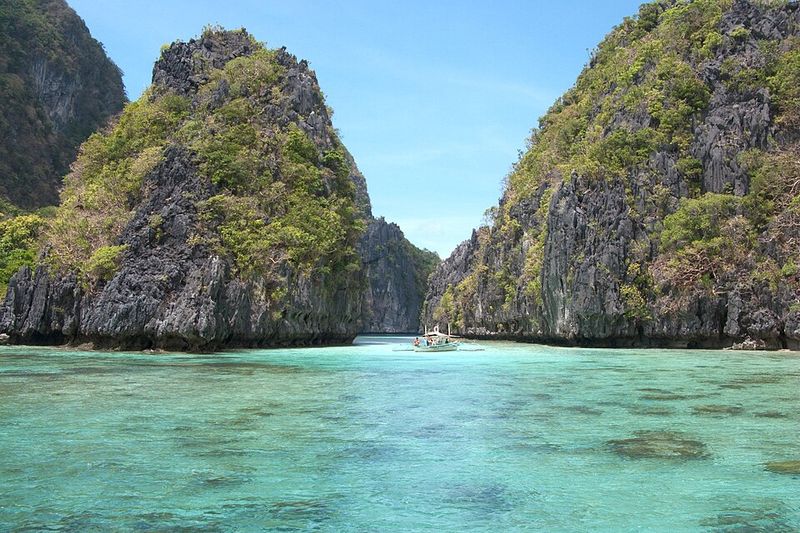
Made up of more than 7,600 islands, the Philippines boasts a coastline of about 36,289 km, making it one of the longest in the world. Every island adds its own stretch of shoreline, from powdery white sand beaches in Palawan to black volcanic shores near Bicol.
The country sits in the heart of the Coral Triangle, the most biodiverse marine region on Earth.
Coastal life is central to Filipino culture. Millions of Filipinos work as fishermen, sailors, or in tourism industries tied directly to the sea.
Bangka boats, the traditional outrigger vessels used by Filipino fishermen for centuries, are still a common sight along the coast today.
The Philippines also faces serious challenges related to its coastline, including typhoons, rising sea levels, and coral reef damage. Despite these pressures, the country’s shores remain among the most beautiful and ecologically important in all of Asia.
6. Japan: About 29,751 km
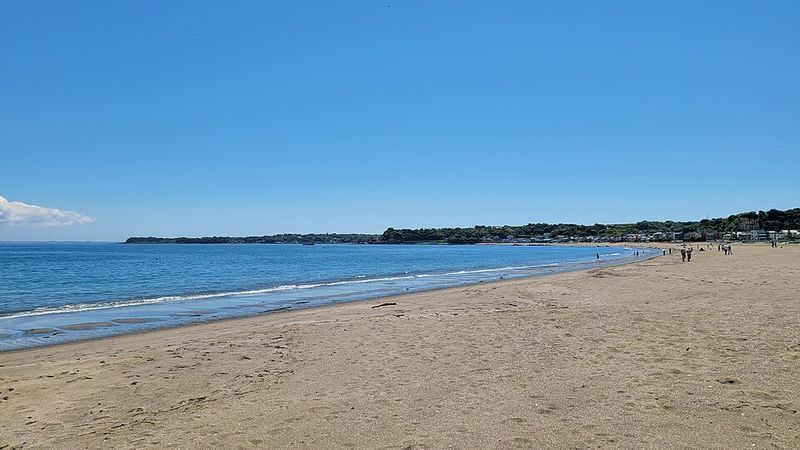
Japan is an island nation shaped entirely by its relationship with the sea. With a coastline of about 29,751 km spread across four main islands and thousands of smaller ones, the ocean has influenced Japanese food, culture, and industry for thousands of years.
Sushi, one of Japan’s most famous exports, exists because of this deep coastal heritage.
Japan’s coastline is remarkably varied. The rugged Sanriku Coast in the northeast features dramatic cliffs and deep inlets, while the Seto Inland Sea offers calm, island-dotted waters more like a lake than an ocean.
Fishing villages, busy port cities, and scenic national parks all line Japan’s shores.
The 2011 tsunami tragically reminded the world how vulnerable coastal communities can be. Japan has since invested heavily in coastal defenses and disaster preparedness.
The sea remains both a source of life and a force to be respected for the Japanese people.
7. Australia: About 25,760 km
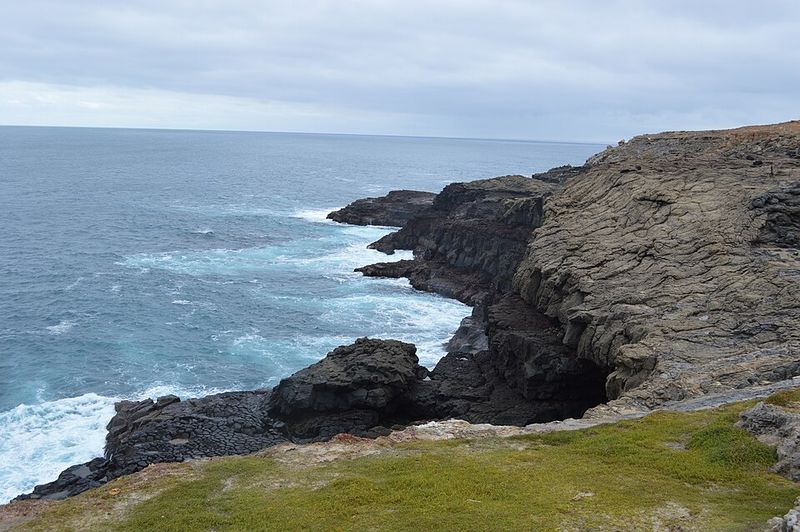
Australia is an entire continent surrounded by water, so a coastline of about 25,760 km is no surprise. What is surprising is just how different each section looks.
The Great Barrier Reef stretches along Queensland’s northeastern shore, the Nullarbor Plain drops straight into the Southern Ocean, and the beaches of Western Australia seem to go on forever without a single person in sight.
Australians have a deep love affair with their coastline. Surfing culture is woven into the national identity, and beach cricket on Christmas Day is practically a tradition.
More than 85 percent of Australians live within 50 km of the coast, making it central to everyday life.
The country’s marine environments are under pressure from climate change, including coral bleaching on the Great Barrier Reef. Australia continues to balance protecting its stunning coastline with the economic demands of tourism, fishing, and coastal development.
8. United States: About 19,924 km
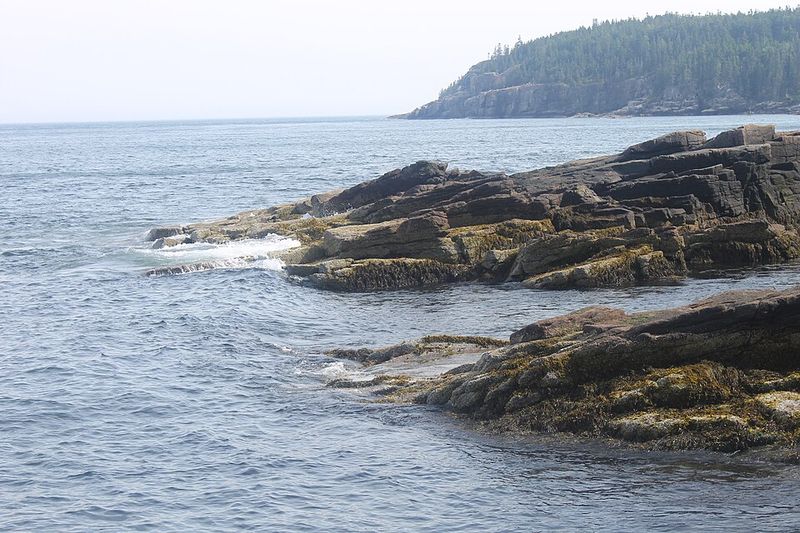
From the rocky shores of Maine to the sunny beaches of Hawaii, the United States has a coastline of about 19,924 km that covers an extraordinary range of landscapes. The country borders the Atlantic and Pacific Oceans, the Gulf of Mexico, and the Arctic Ocean in Alaska, giving it coastal diversity few nations can match.
America’s coastal cities, including New York, Los Angeles, Miami, and Seattle, are among the most economically powerful in the world. Ports along the Gulf Coast handle billions of dollars in trade every year.
Meanwhile, places like Cape Cod, Big Sur, and the Florida Keys attract millions of tourists seeking sun, scenery, and seafood.
Hurricanes, erosion, and rising sea levels pose growing threats to low-lying coastal areas, particularly in Florida and Louisiana. The U.S. government spends billions annually managing and protecting its coastline, recognizing how vital it is to the nation’s economy and quality of life.
9. New Zealand: About 15,134 km
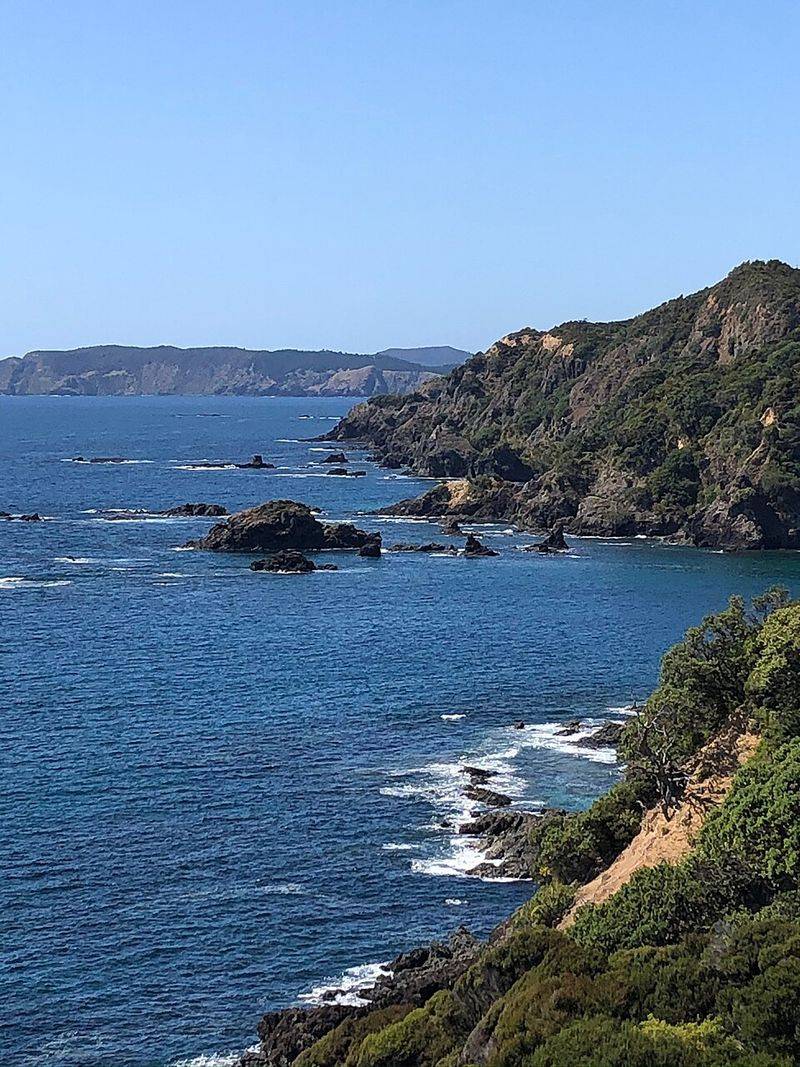
New Zealand may be a small country, but its coastline of about 15,134 km packs in an incredible amount of variety. Stretching from subtropical beaches in the north to wild, windswept shores in the south, the country’s two main islands offer scenery that has been described as some of the most beautiful on Earth.
The Maori people have lived along these shores for centuries, and their deep connection to the ocean is still very much alive today.
Surfing, sailing, and fishing are national pastimes in New Zealand. The Bay of Islands in the north is a favorite among sailors, while the Fiordland coast in the south features dramatic fjords and waterfalls plunging straight into the sea.
New Zealand’s marine environment is home to unique species like the Hector’s dolphin, the world’s smallest dolphin. Protecting coastal biodiversity is a major priority for the country’s conservation efforts.
10. China: About 14,500 km
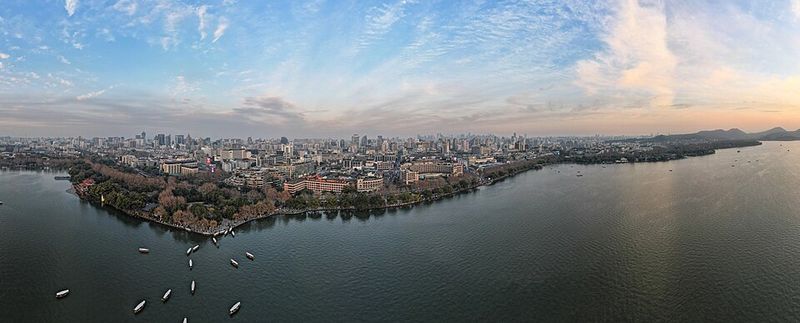
China’s coastline stretches about 14,500 km along the Yellow Sea, the East China Sea, and the South China Sea. As the world’s most populous country, China’s coast is home to some of the busiest ports on Earth.
Shanghai, Shenzhen, and Tianjin handle more shipping cargo than almost any other port cities in the world, making China’s coastline a major driver of the global economy.
Beyond the industrial ports, China’s coast includes beautiful natural areas. Hainan Island in the south is a popular tropical resort destination, often compared to Hawaii.
The dramatic Yellow Mountain and Zhangjiajie landscapes may get more attention, but China’s coastal scenery is equally stunning in places.
Rapid coastal development over recent decades has put pressure on China’s marine ecosystems. Wetlands and mangroves have been lost to urbanization, and the government has launched major programs to restore and protect what remains of its natural shoreline.
11. Greece: About 13,676 km
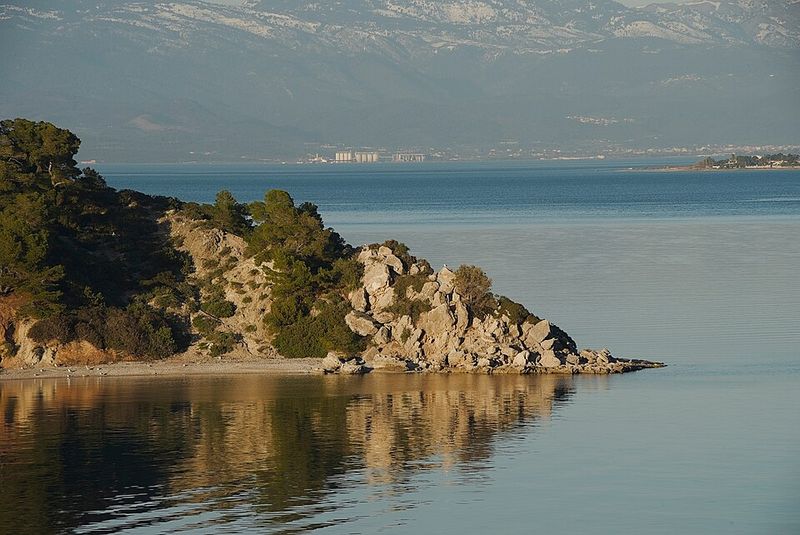
Few coastlines in the world carry as much history as Greece’s 13,676 km of shoreline. Ancient Greeks were master seafarers who built one of the greatest civilizations in human history, largely because of their access to the Mediterranean and Aegean Seas.
Thousands of islands, including Crete, Rhodes, and Santorini, contribute to the country’s enormous coastal length.
Today, Greece’s coastline is one of its greatest economic assets. Tourism is the backbone of the Greek economy, and millions of visitors flock to its beaches every summer.
The iconic blue-and-white villages perched on cliff edges above the Aegean have become some of the most photographed places on the planet.
Greek coastal waters are also rich in marine life and archaeological treasures. Sunken ancient ships and underwater ruins lie just below the surface in many areas.
The sea is not just Greece’s geography. It is its soul.
12. United Kingdom: About 12,429 km
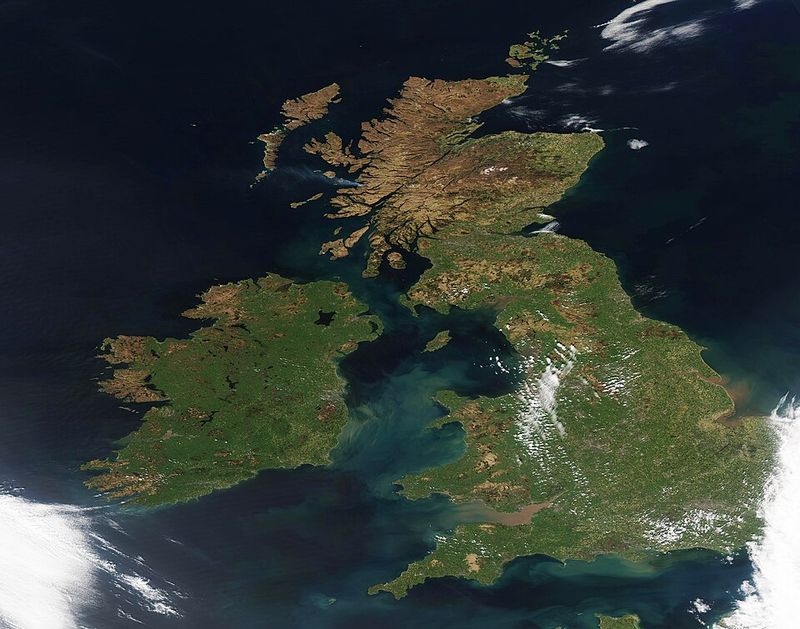
Britain’s relationship with the sea is legendary. With a coastline of about 12,429 km, the United Kingdom has been shaped by its ocean borders more than almost any other European nation.
The famous White Cliffs of Dover, the rugged Cornish coast, the wild Scottish Highlands meeting the North Sea, these are landscapes that have inspired poets, painters, and explorers for centuries.
The UK’s maritime history is extraordinary. The Royal Navy once ruled the waves, and British explorers mapped much of the world’s coastline.
Today, coastal towns like Brighton, Whitby, and St Ives remain beloved destinations for domestic tourists seeking fish and chips by the sea.
Coastal erosion is a growing concern in the UK, with some cliffs retreating by several meters each year due to storm activity and rising seas. The country continues to invest in coastal management strategies to protect communities and natural habitats along its historic shores.
13. Mexico: About 9,330 km
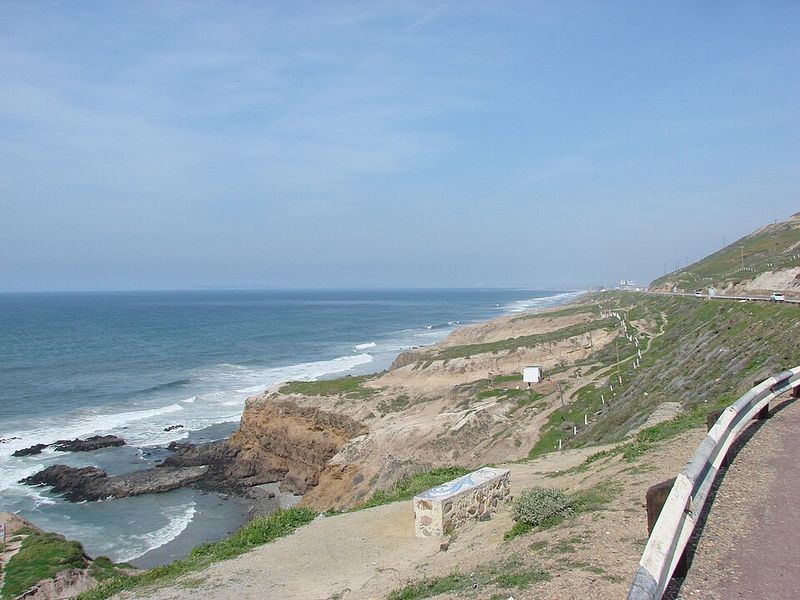
Mexico is one of the few countries in the world with coastlines on two separate oceans. Its roughly 9,330 km of shoreline borders the Pacific Ocean to the west and the Gulf of Mexico and Caribbean Sea to the east.
That dual-ocean geography gives Mexico an extraordinary range of coastal environments, from the whale-watching waters of Baja California to the turquoise Caribbean beaches of the Yucatan Peninsula.
Coastal tourism is one of Mexico’s biggest industries. Cancun, Los Cabos, Puerto Vallarta, and Tulum are world-famous beach destinations that draw tens of millions of visitors every year.
The coral reefs off the Caribbean coast are among the most visited marine parks in the world.
Mexico’s coastal communities also depend heavily on fishing. The Gulf of California, sometimes called the Sea of Cortez, is one of the most biologically productive bodies of water on Earth, supporting both large-scale fishing and rich wildlife.
14. India: About 7,516 km
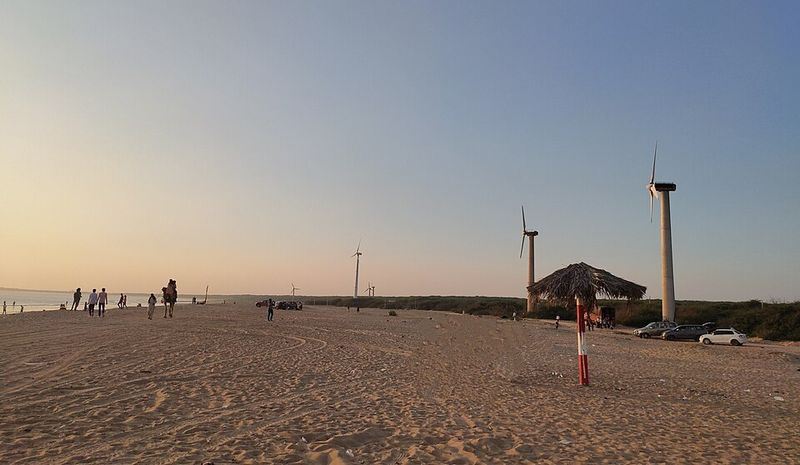
India’s coastline stretches about 7,516 km along the Arabian Sea, the Bay of Bengal, and the Indian Ocean, touching nine different states and four union territories. The country’s coastal geography has been central to its history as a major trading civilization for thousands of years.
Ancient Indian ports were once key stops on spice trade routes that connected Asia, Africa, and Europe.
Today, India’s coastal states are among its most economically active. Mumbai is the country’s financial capital and sits on the Arabian Sea.
Chennai and Kolkata are major port cities on the eastern coast. Kerala’s famous backwaters, a network of lagoons and canals near the coast, are one of India’s most popular tourist destinations.
India’s coastline also faces serious environmental pressures, including pollution, overfishing, and the effects of cyclones that form in the Bay of Bengal. Protecting coastal ecosystems like mangroves is increasingly recognized as vital for disaster resilience.
15. Brazil: About 7,491 km
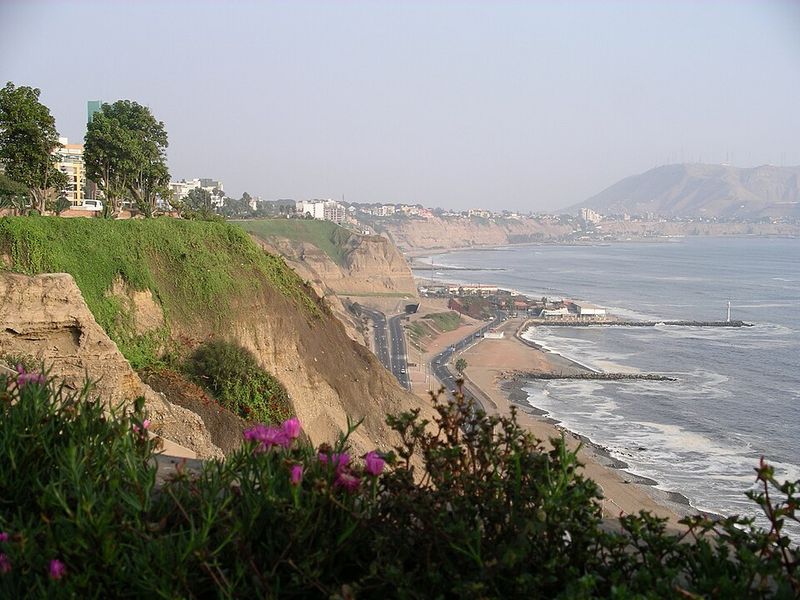
Brazil rounds out this list with a coastline of about 7,491 km along the Atlantic Ocean, making it the longest continuous Atlantic coastline of any country. Brazil’s shores stretch from the lush Amazon River delta in the north all the way to the subtropical beaches near the Uruguayan border in the south.
That range creates an astonishing variety of coastal ecosystems.
Brazilian beach culture is world-famous. Rio de Janeiro’s Copacabana and Ipanema beaches are iconic symbols of the country’s vibrant, sun-soaked lifestyle.
Further north, the Fernando de Noronha archipelago offers some of the clearest, most pristine waters in the entire Atlantic Ocean.
Brazil’s coastline is also one of the most ecologically sensitive in the world. Atlantic Forest fragments, coral reefs, sea turtle nesting beaches, and dolphin habitats all depend on careful protection.
Conservation efforts along Brazil’s coast are growing as awareness of its ecological importance continues to increase.
Share this story