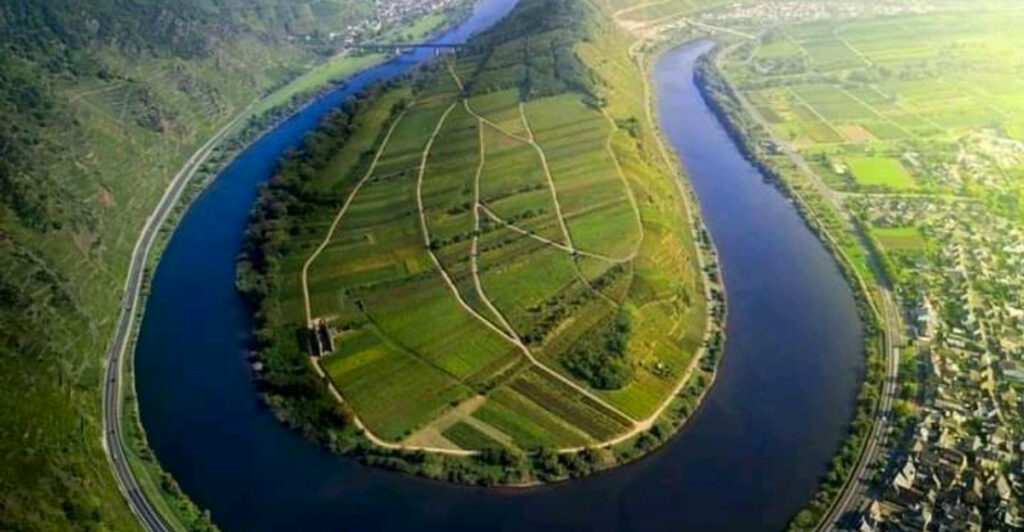
France has long ruled wine conversations, but the truth is that jaw-dropping wine regions exist on nearly every continent. From snow-capped mountains to volcanic slopes and sun-drenched valleys, the world is bursting with places that craft extraordinary bottles.
Whether you are a curious beginner or a seasoned wine lover, these 15 regions will completely change how you think about wine.
Napa Valley, California
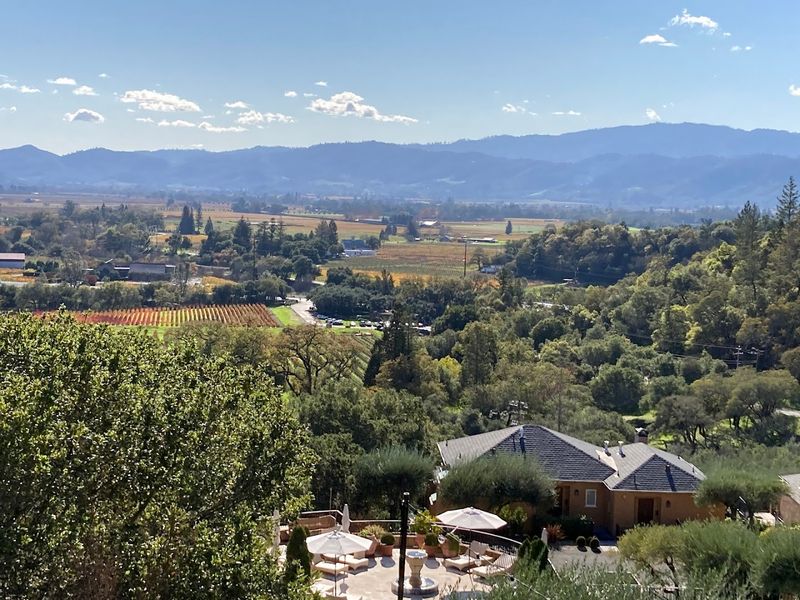
Back in 1976, California wine shocked the entire world. At the famous “Judgment of Paris” blind tasting, Napa Valley Cabernet Sauvignon beat top French wines, and nothing was ever the same again.
That single event put Napa on the global wine map in a way no marketing campaign ever could.
Today, Napa Valley is one of the most visited wine destinations on Earth. The valley stretches roughly 30 miles through Northern California, lined with over 400 wineries ranging from cozy family estates to grand luxury showrooms.
Cabernet Sauvignon is the superstar here, producing rich, full-bodied wines with dark fruit flavors that wine lovers obsess over.
Beyond the wine, Napa offers world-class restaurants, hot air balloon rides over the vineyards, and charming towns like Yountville and St. Helena. Harvest season in September and October is especially magical, when the valley fills with activity and the air smells of crushed grapes.
Visiting Napa feels more like a lifestyle experience than a simple wine trip, and that is exactly why people keep coming back year after year.
Mendoza, Argentina
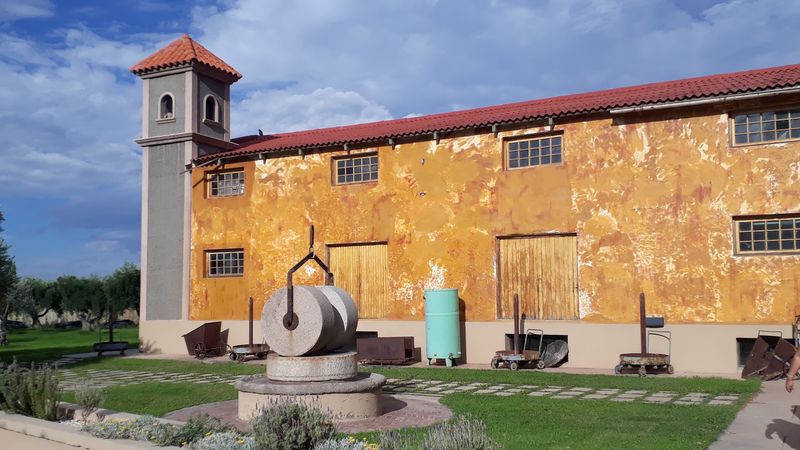
Sitting at elevations between 2,000 and 5,000 feet above sea level, Mendoza proves that altitude is a superpower in winemaking. The thin mountain air, intense sunshine, and cool nights create growing conditions that push grapes to develop extraordinary depth and flavor.
No wonder Argentina became one of the wine world’s biggest success stories.
Malbec is Mendoza’s crown jewel. Originally a minor grape in France, Malbec found its true home here, producing wines with velvety texture, dark plum flavors, and a richness that pairs brilliantly with Argentina’s legendary beef culture.
A glass of Malbec alongside an Argentine asado barbecue is one of life’s genuine pleasures.
The scenery alone is worth the flight. Rows of grapevines stretch toward the snowcapped Andes, creating a backdrop that photographers and travelers absolutely love.
Many wineries offer horseback riding tours through the vineyards, and the city of Mendoza itself has excellent restaurants, wide tree-lined streets, and a relaxed energy that makes it easy to linger. Spring and autumn visits offer the most comfortable weather and the most dramatic mountain views.
Barossa Valley, South Australia
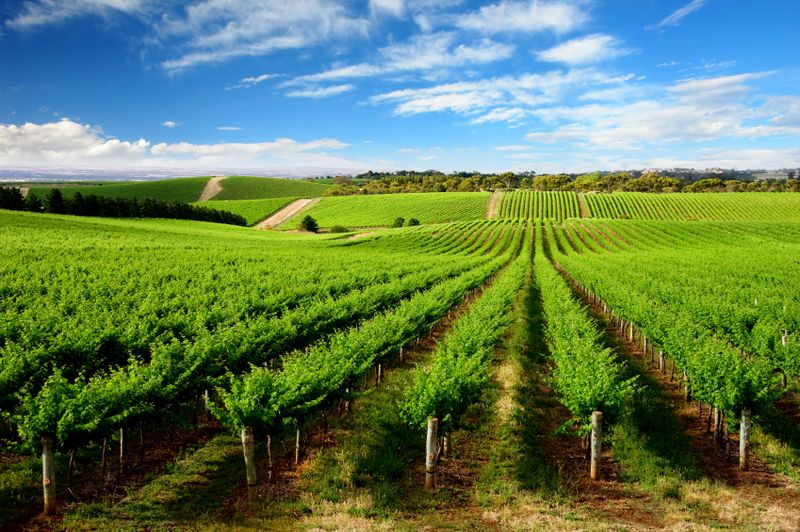
Some of the oldest commercially producing grapevines on Earth grow right here in the Barossa Valley, with certain Shiraz vines dating back over 150 years. Those ancient, gnarled vines produce tiny quantities of intensely concentrated fruit that winemakers treat like liquid gold.
When you taste an old-vine Barossa Shiraz, you are genuinely tasting history.
German Lutheran settlers founded many of the valley’s first wineries in the 1840s, and their heritage still shapes the region’s character today. You will find old stone churches, traditional smoked meats, and family wineries where the same families have been making wine for five or six generations.
That sense of deep roots gives the Barossa a warmth that feels genuinely different from newer wine regions.
The food culture here is exceptional and rivals the wine in quality. Artisan cheesemakers, butchers, and bakers operate alongside the wineries, making the Barossa a full sensory experience rather than just a tasting tour.
Bold Shiraz, Grenache, and Riesling are the regional standouts, and most cellar doors are friendly and relaxed enough that even first-time wine tasters feel completely at home from the moment they arrive.
Douro Valley, Portugal
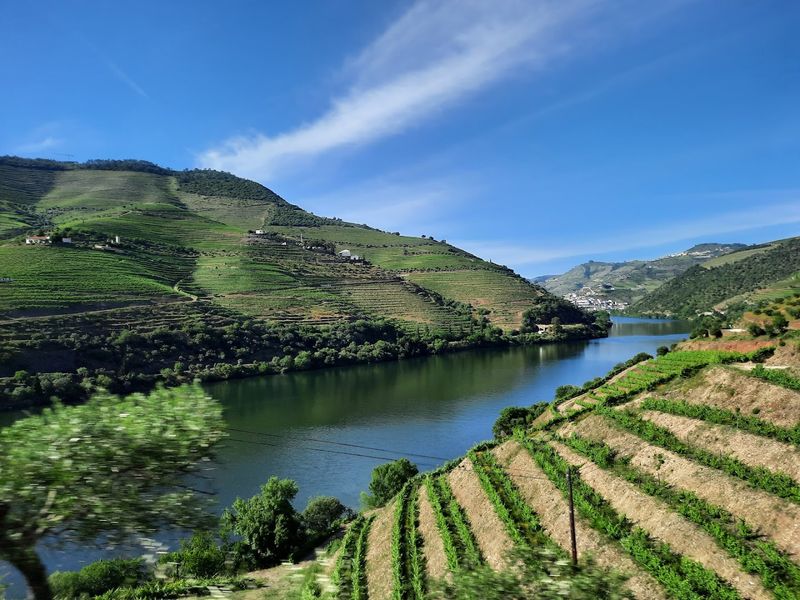
Carved into steep hillsides above a snaking river, the Douro Valley looks like something a landscape artist dreamed up on their best day. UNESCO recognized the region as a World Heritage Site, and honestly, one glance at those perfectly terraced vineyards explains exactly why.
The sheer physical effort required to farm these near-vertical slopes is remarkable.
Port wine made the Douro Valley famous, and this rich, fortified wine has been produced here for centuries. Sweet, warming, and complex, Port comes in styles ranging from ruby and tawny to the incredibly rare Vintage Port, which collectors chase worldwide.
Beyond Port, the valley now produces excellent dry red and white table wines that are earning serious international attention.
Traveling through the Douro by river cruise is one of Portugal’s greatest experiences. Boats glide past ancient quintas, or wine estates, perched dramatically on hillside terraces while the landscape shifts colors with the seasons.
Spring brings fresh green vines, summer turns everything golden, and harvest in September fills the valley with workers and celebration. Few wine regions on Earth combine this level of natural beauty, cultural history, and wine quality in one breathtaking package.
Stellenbosch, South Africa
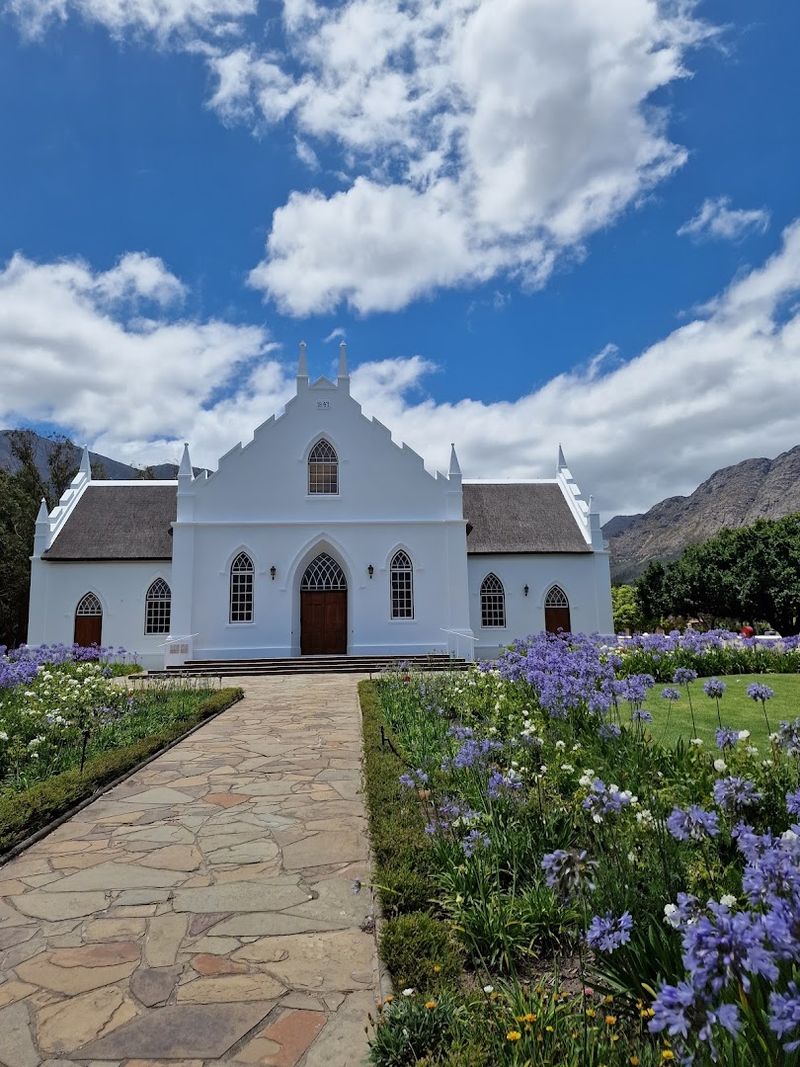
Fewer wine regions on the planet can match Stellenbosch for sheer visual drama. Towering granite mountains form a jagged backdrop behind rows of immaculate vines, and historic Cape Dutch architecture adds a storybook elegance that makes every winery visit feel like stepping onto a film set.
The scenery here is genuinely hard to believe until you see it yourself.
South African wine has transformed dramatically over the past 30 years. After the end of apartheid in 1994, the country opened up to global markets, and winemakers quickly began competing at the highest international levels.
Chenin Blanc, known locally as Steen, is a regional specialty, producing wines that range from crisp and dry to rich and honeyed. Pinotage, a uniquely South African grape variety, also deserves serious attention from any adventurous wine drinker.
Stellenbosch town itself is a charming university town packed with excellent restaurants, coffee shops, and art galleries that keep visitors happily occupied between tastings. The famous Cape Winelands region surrounding Stellenbosch includes neighboring Franschhoek and Paarl, meaning you could spend an entire week exploring without repeating a single winery.
Wine route cycling tours through the valley offer a fun, active way to cover more ground while staying refreshingly upright.
Marlborough, New Zealand
When the first commercial Marlborough Sauvignon Blanc launched in 1985, it hit the wine world like a thunderbolt. Crisp, intensely aromatic, and bursting with passion fruit and fresh-cut grass flavors, it tasted like nothing else available at the time.
Almost overnight, New Zealand went from wine obscurity to international superstar status.
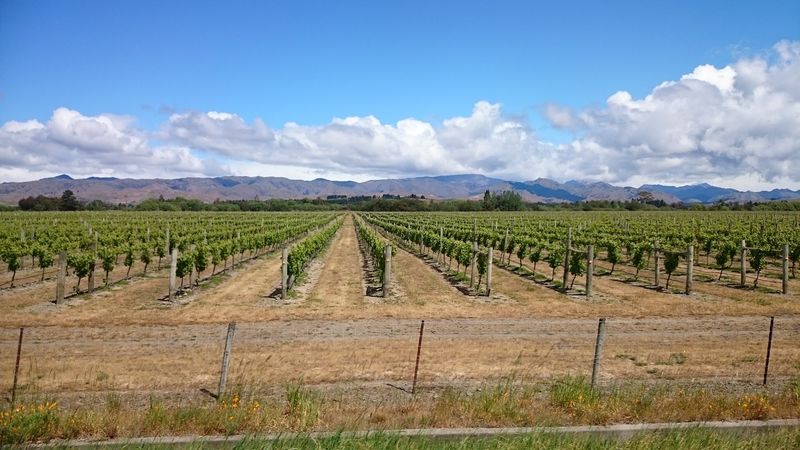
Located at the top of New Zealand’s South Island, Marlborough enjoys more sunshine hours per year than most of the country, combined with cool overnight temperatures that preserve the grapes’ natural acidity and aromatic intensity. The Wairau Valley, which is the heart of the region, is a flat, wide plain surrounded by mountain ranges that protect the vineyards from harsh weather systems rolling in off the ocean.
Visiting Marlborough feels genuinely laid-back and adventurous at the same time. Cyclists love pedaling through the vine rows on dedicated winery cycling trails, stopping for tastings at cellar doors along the route.
The nearby Marlborough Sounds offer dramatic coastal scenery, kayaking, and fresh seafood that pairs spectacularly well with a local Sauvignon Blanc. Pinot Noir and sparkling wines are also growing in reputation here, giving the region more depth than many casual wine drinkers initially expect.
Tuscany, Italy
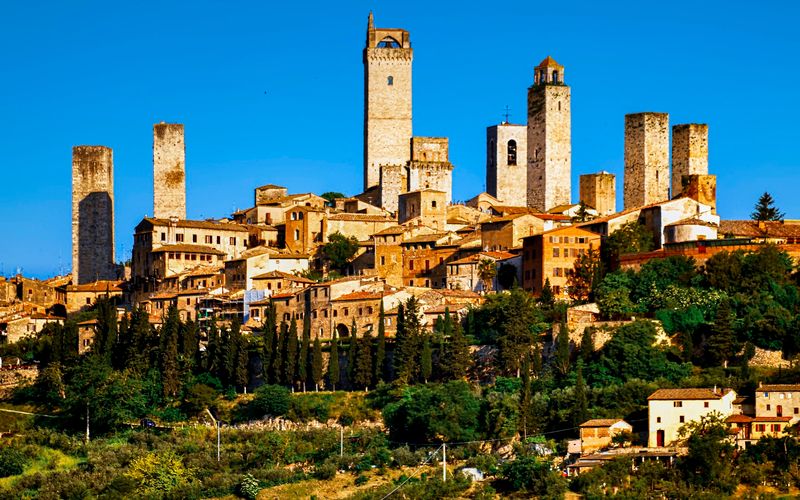
Tuscany does not just make wine; it builds an entire mood around it. Rolling hills covered in silvery olive trees and dark green cypress lines, medieval hilltop towns glowing amber at sunset, and long wooden tables set with Chianti and fresh pasta create a sensory experience that feels almost unfairly beautiful.
Tuscany is the reason wine tourism became a serious travel category.
The wines themselves have serious credentials. Brunello di Montalcino is one of Italy’s most prestigious and age-worthy reds, capable of improving in the bottle for decades.
Chianti Classico, made primarily from Sangiovese grapes, offers earthy complexity that pairs brilliantly with Tuscan cuisine. Then there are the Super Tuscans, rule-breaking blends that shook the Italian wine establishment in the 1970s and still command enormous respect worldwide.
Traveling between Tuscan wine towns is half the adventure. The Chianti Classico zone between Florence and Siena is dotted with historic estates offering tastings, farm stays, and cooking classes.
San Gimignano, Montepulciano, and Montalcino each have their own wine personalities and architectural charms worth exploring. Even a short road trip through the Tuscan countryside with a good playlist and a planned winery stop or two delivers memories that last considerably longer than the wine itself.
Willamette Valley, Oregon

Oregon winemakers have a quiet confidence about them that is entirely earned. While California shouts, Willamette Valley whispers, and the wine world has leaned in very closely to listen.
The region’s Pinot Noir is regularly compared to the finest examples from Burgundy, France, which is about the highest compliment the wine world can offer any red wine.
The valley stretches south from Portland through gentle, forested hills that trap cool Pacific air and create a long, slow growing season. That extra hang time on the vine allows Pinot Noir grapes to develop remarkable complexity without losing the bright acidity that makes the wines so food-friendly and elegant.
Chardonnay and Pinot Gris are also impressive here, offering clean, precise flavors that reflect the cool climate beautifully.
Wine culture in the Willamette feels refreshingly unpretentious. Many tasting rooms are small and personal, run by the actual winemakers who will happily talk your ear off about soil types and fermentation decisions.
The city of Portland is just an hour away, offering excellent food, craft beer, and accommodation options for those who want an urban base. Harvest season in October draws visitors who enjoy witnessing the energy and intensity of the crush firsthand.
Maipo Valley, Chile
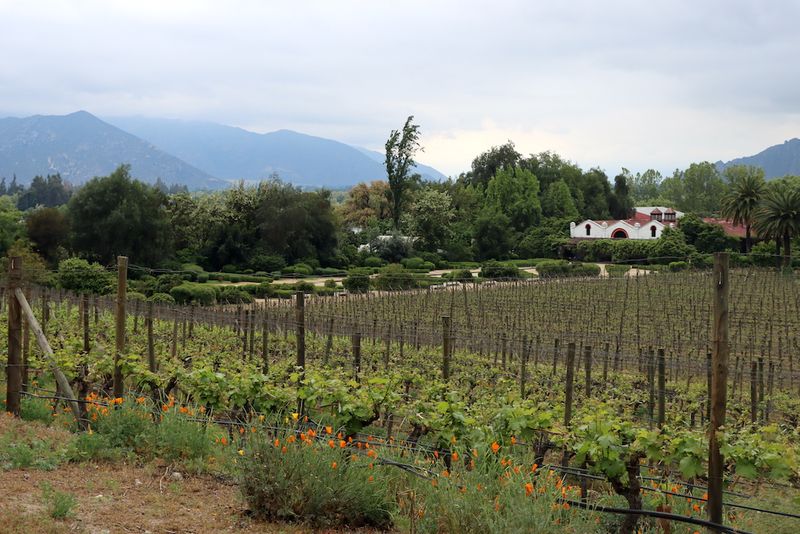
Just a short drive from Santiago, the Maipo Valley has been producing serious wine since the 1800s, making it one of South America’s oldest established wine regions. Spanish colonizers planted the first vines, and French winemakers later helped shape the region’s identity around Cabernet Sauvignon.
The result is a wine culture with real historical depth and a very distinct South American personality.
Cabernet Sauvignon rules the Maipo Valley in the best possible way. The combination of warm sunny days, cool Andean nights, and well-drained soils creates conditions that produce structured, age-worthy reds with blackcurrant intensity and firm but polished tannins.
Several of Chile’s most famous and respected wineries, including Concha y Toro and Santa Rita, call the Maipo Valley home.
The dramatic backdrop of snowcapped Andean peaks makes every vineyard photo look professionally staged. Winery visits here often include guided tours through historic cellars built in the Spanish colonial style, followed by tastings that showcase how Chilean Cabernet has evolved over recent decades.
The proximity to Santiago means city travelers can easily combine urban exploration with a half-day wine country escape, which makes the Maipo Valley one of the most accessible great wine regions anywhere in the world.
Tokaj, Hungary
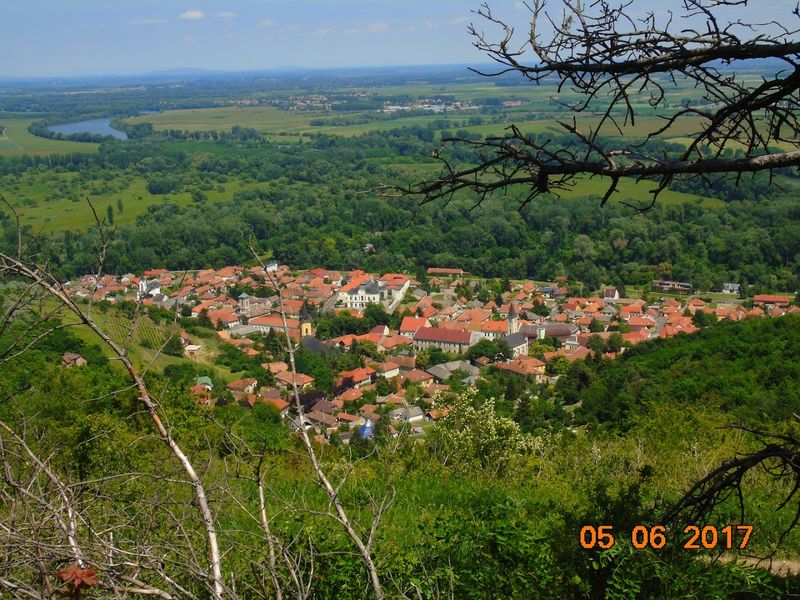
European royalty once called Tokaji wine the “King of Wines and Wine of Kings,” and that reputation was not built on marketing hype alone. Hungary’s Tokaj region has been producing extraordinary sweet wines since at least the 1600s, making it one of the oldest classified wine regions on Earth.
The wines are genuinely unlike anything else you will taste.
The magic of Tokaji comes from a beneficial mold called Botrytis cinerea, or noble rot, which shrivels grapes and concentrates their sugars and flavors to an almost supernatural degree. The resulting Aszú wines are golden, honeyed, and intensely complex, with notes of apricot, orange peel, and exotic spice that linger on the palate for an impressive amount of time.
The famous Puttonyos scale measures sweetness levels, with 6 Puttonyos being the richest and most prized.
The Tokaj wine region sits in northeastern Hungary where volcanic soils, misty autumn weather, and the confluence of two rivers create ideal conditions for noble rot to develop. The landscape is quietly beautiful rather than dramatic, with gentle vine-covered hills and small villages that feel completely unchanged by modern tourism.
Wine cellars carved deep into volcanic rock offer fascinating tours and tastings that connect visitors directly to centuries of unbroken winemaking tradition.
Finger Lakes, New York
Glaciers carved the Finger Lakes region into existence roughly 10,000 years ago, leaving behind a series of long, narrow lakes that act as giant thermal regulators for the surrounding vineyards. Without those lakes moderating temperatures, growing quality wine grapes this far north in New York State would be nearly impossible.
Geology, it turns out, can be a winemaker’s best friend.
Riesling is the undisputed champion of the Finger Lakes, producing wines that range from bone-dry and mineral-driven to lusciously sweet late-harvest styles. The cool climate preserves vibrant acidity that makes these Rieslings incredibly versatile with food and impressively age-worthy.
Wine critics who once dismissed American Riesling now regularly include Finger Lakes bottles in top international rankings.
The region has a refreshingly indie spirit compared to bigger American wine destinations. Many wineries are small, family-owned operations where tasting fees are modest and the owners genuinely love talking about their wines.
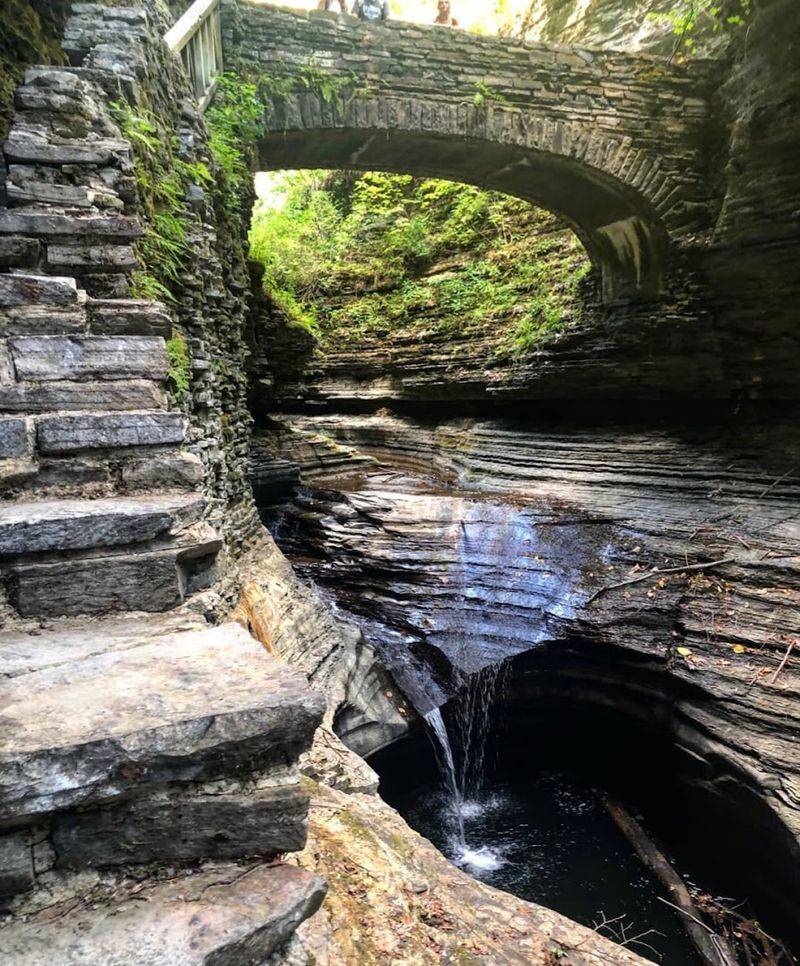
Watkins Glen State Park, with its dramatic waterfalls and gorges, sits right in the heart of the wine region, adding a natural spectacle that has nothing to do with grapes but everything to do with making the trip worthwhile. Fall visits combine peak foliage colors with harvest energy for a genuinely memorable experience.
Rioja, Spain
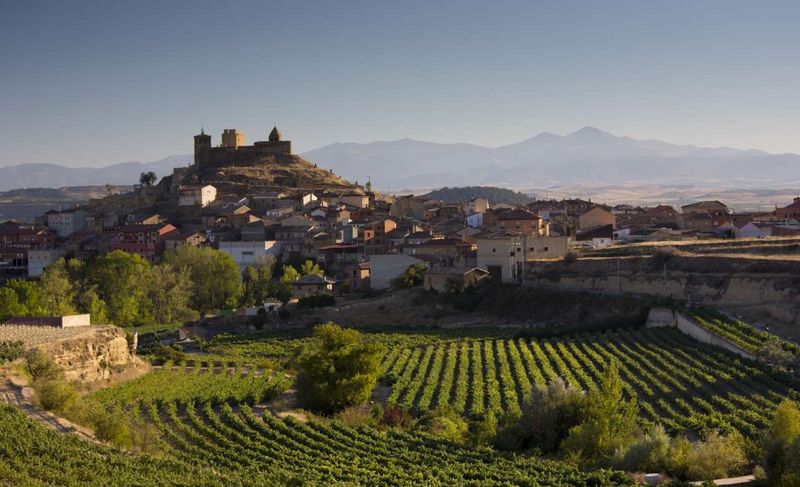
Spain’s most famous wine region has been perfecting Tempranillo for centuries, and the results speak for themselves in every glass. Rioja wines aged in American oak barrels develop a distinctive vanilla and coconut character layered over cherry and leather flavors that has made the style instantly recognizable to wine drinkers worldwide.
There is a reason Rioja remains one of the most dependable names on any wine list.
The region is divided into three sub-zones, Rioja Alta, Rioja Alavesa, and Rioja Oriental, each producing wines with slightly different characters based on soil type and elevation. Rioja Alta and Rioja Alavesa are generally considered the finest zones, producing wines with more elegance and aging potential than the warmer, more productive eastern section.
Understanding these differences makes tasting across the region genuinely interesting and educational.
One of Rioja’s most surprising modern attractions is its architecture. The town of Haro hosts several historic bodegas, but it is the area around Laguardia where famous architects including Frank Gehry and Santiago Calatrava have designed dramatically futuristic winery buildings that contrast spectacularly with the ancient landscape.
Rioja also hosts the famous Batalla del Vino, or Wine Battle festival, where participants enthusiastically drench each other in wine every June. Some traditions deserve full commitment.
Okanagan Valley, British Columbia
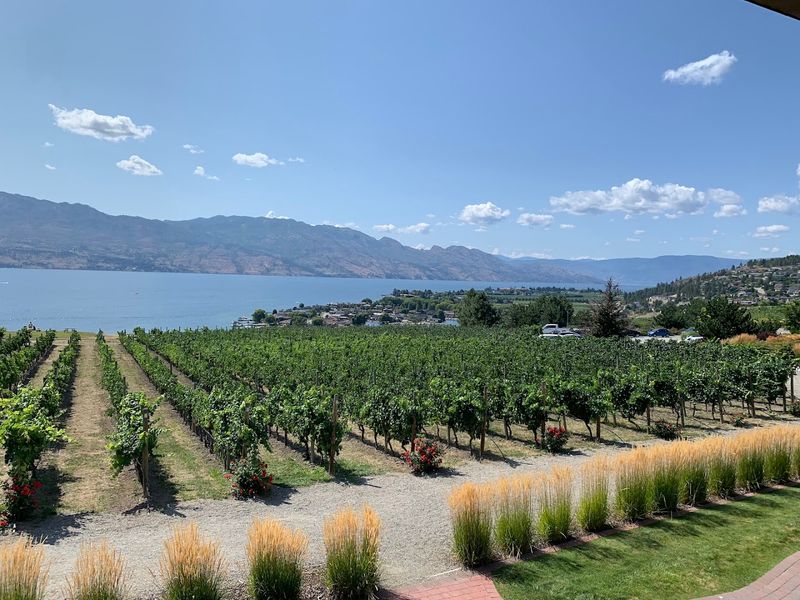
Canada making world-class wine surprises a lot of people, but the Okanagan Valley has been quietly building an impressive reputation for decades. The region sits in a semi-arid valley in the interior of British Columbia, where long summer days, dramatic temperature swings between day and night, and lake-moderated winters create genuinely excellent growing conditions.
The landscape looks more like the American Southwest than anything most people picture when they think of Canada.
Pinot Noir and Chardonnay thrive in the cooler northern sections of the valley, while the warmer south produces bold Bordeaux-style reds, Syrah, and the region’s most famous product, Icewine. Canadian Icewine, made from grapes naturally frozen on the vine in winter, is intensely sweet and richly concentrated, earning consistent international awards and a devoted global following among dessert wine enthusiasts.
The Okanagan also benefits from spectacular natural scenery that makes every winery visit feel like a bonus activity on an already stunning road trip. Okanagan Lake stretches through the valley floor, and many wineries are perched on hillside terraces with lake and mountain views that are genuinely breathtaking.
Summer brings beach activities, boat tours, and outdoor concerts alongside the wine tastings, creating a vacation energy that keeps the region buzzing with visitors from spring through harvest each year.
Etna Wine Region, Sicily
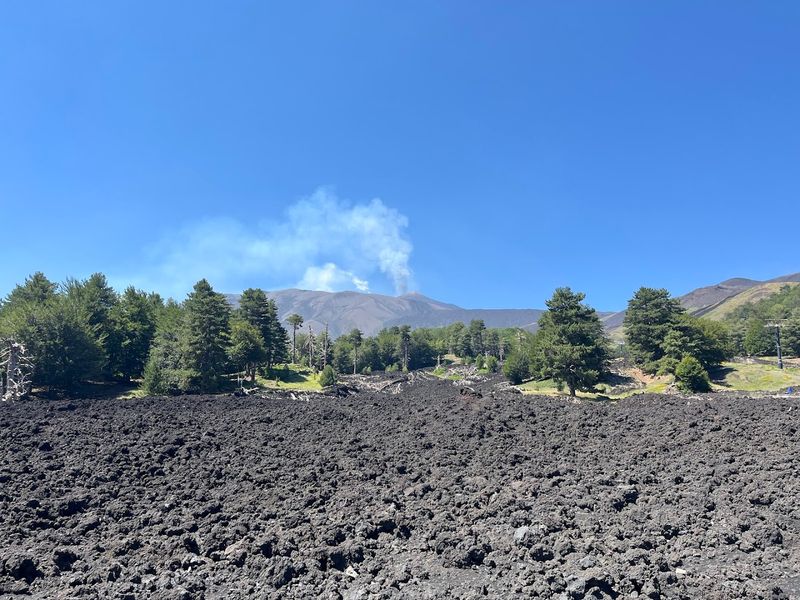
Growing grapes on an active volcano sounds either incredibly brave or slightly unhinged, but the winemakers of Mount Etna have turned geological drama into some of Italy’s most exciting wines. Etna is Europe’s largest and most active volcano, and its mineral-rich black lava soils impart a smoky, stony character to the wines that you simply cannot replicate on ordinary farmland.
Nature here is both the challenge and the secret ingredient.
Nerello Mascalese is the star red grape, producing wines with a pale ruby color, bright cherry flavors, and a savory mineral edge that reminds many tasters of fine Burgundy Pinot Noir. This comparison has sent wine collectors scrambling for Etna bottles over the past decade, dramatically raising the region’s profile and its prices.
Carricante, the main white grape, produces tense, mineral-driven whites that are equally compelling in their own quieter way.
Visiting the Etna wine region is an adventure that goes well beyond the glass. Winemakers often take visitors on hikes through ancient vineyards where pre-phylloxera vines over 100 years old still produce fruit from their own original roots.
The black volcanic landscape, punctuated by old stone terraces called palmenti, creates an atmosphere that feels genuinely otherworldly. On a clear day, the smoking summit looms above the vines as a constant, spectacular reminder of exactly where you are standing.
Mosel Valley, Germany
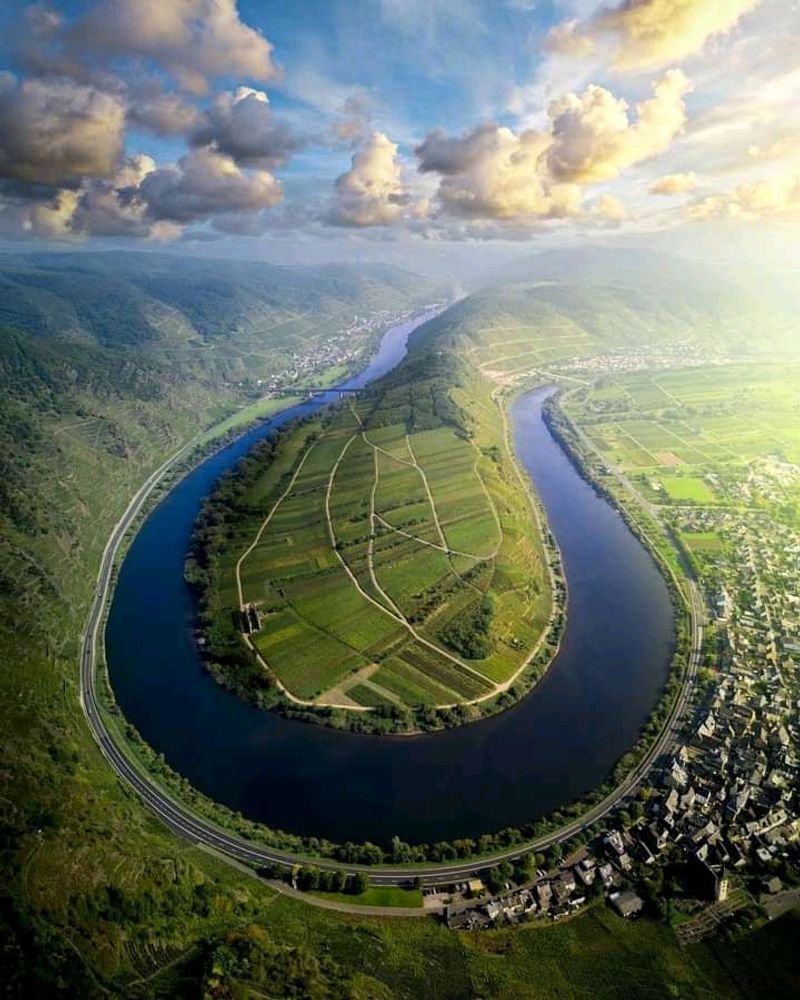
The vineyard workers of the Mosel Valley deserve their own appreciation society. Some of these slate hillside vineyards are so steep that workers use monorail systems and harnesses to tend the vines safely, making every bottle produced here a genuine physical achievement.
The extreme effort required to farm these slopes is one reason Mosel Riesling commands such deep respect among serious wine lovers.
Riesling from the Mosel is unlike Riesling from anywhere else in the world. The blue and red slate soils retain heat during the day and release it at night, helping grapes ripen slowly and evenly in this cool northern climate.
The resulting wines are delicate, precise, and hauntingly aromatic, with flavors of white peach, lime zest, and a distinctive mineral quality that wine lovers call petrichor, the scent of rain on stone.
The Mosel Valley is also one of Germany’s most photogenic landscapes, full of fairy-tale material at every bend in the river. Medieval castles perch on hilltops above the water, half-timbered wine villages cling to the riverbanks, and tourist boats drift past vineyards that have been cultivated since Roman times.
The famous wine towns of Bernkastel, Cochem, and Traben-Trarbach each offer charming accommodation, excellent restaurants, and enough cellar door tastings to keep any Riesling enthusiast thoroughly and happily occupied for days.
Share this story