Some cities seem to have cracked the code on how to grow rich, stay creative, and keep pushing the world forward. From towering financial districts to buzzing tech campuses and world-famous art scenes, these urban powerhouses shape how the rest of the planet lives, works, and thinks.
Whether you dream of starting a business, making art, or building the next big thing, these 15 cities are where ambition goes to thrive.
New York City, New York
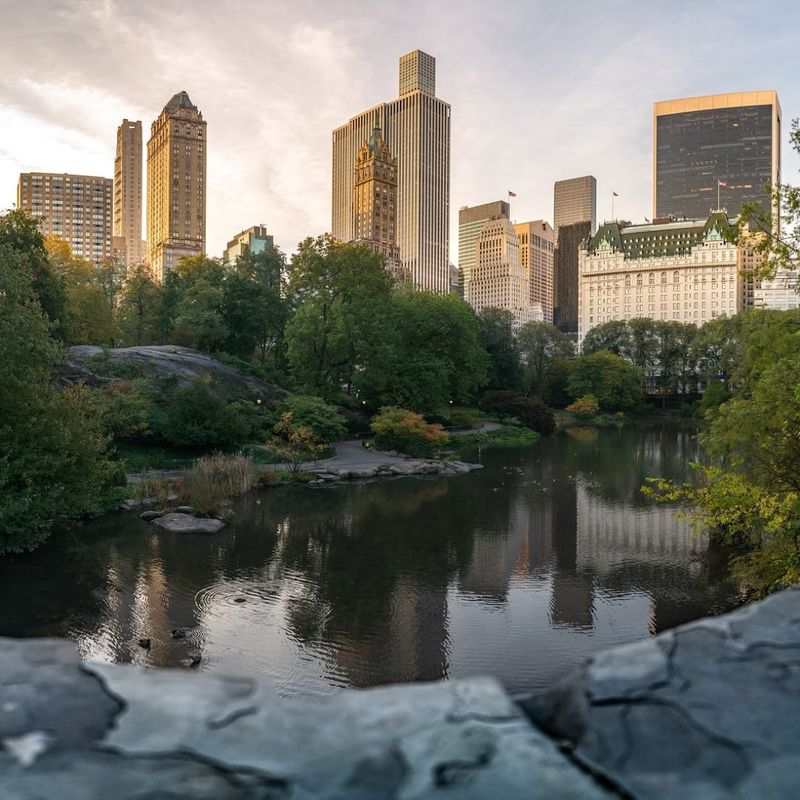
Few cities on Earth carry as much swagger as New York City. It is the financial backbone of the United States, home to Wall Street, the New York Stock Exchange, and hundreds of global banking headquarters.
Money moves through this city at a pace that never slows down.
Beyond finance, New York is a creative giant. The city hosts world-class museums like the Metropolitan Museum of Art and MoMA, a legendary theater district on Broadway, and one of the most influential fashion weeks on the planet.
Every industry, from media to music, has deep roots here.
Technology is also booming. Major tech firms have opened massive campuses in Manhattan and Brooklyn, making New York a serious rival to Silicon Valley.
The startup scene is fierce, well-funded, and wildly diverse. With over eight million residents speaking more than 800 languages, the city pulls talent from every corner of the globe.
New York does not just keep up with global trends. It creates them.
London, England
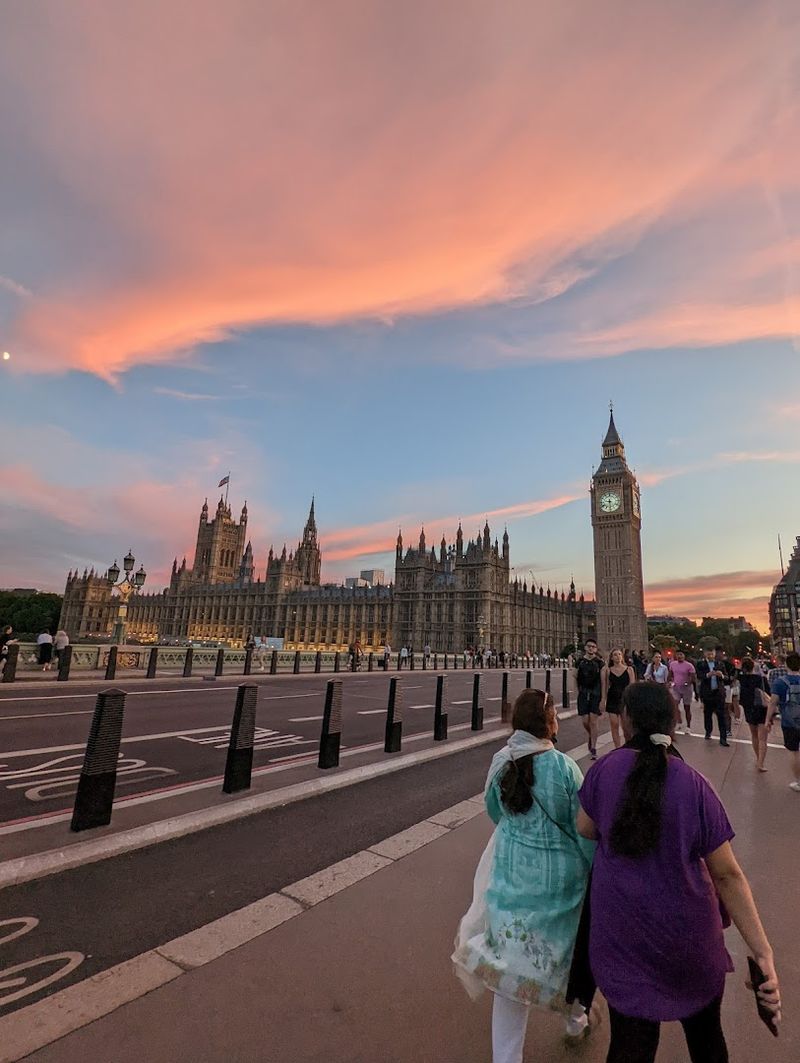
London has been running the show for centuries, and it shows no signs of slowing down. As one of the world’s top financial centers, the city is home to the London Stock Exchange, major global banks, and a thriving insurance market centered around the famous Lloyd’s of London.
Money and power have always called this city home.
What makes London truly special is its ability to blend old and new without missing a beat. Historic neighborhoods sit right next to cutting-edge tech hubs like Tech City in East London, where thousands of startups are changing industries from fintech to artificial intelligence.
The creative scene is equally impressive, with world-leading art galleries, fashion designers, and music acts constantly emerging from its streets.
Universities like Oxford, Cambridge, and Imperial College London feed a constant stream of brilliant minds into the city’s economy. London attracts international students, entrepreneurs, and investors from every continent.
Even as other cities rise to challenge its dominance, London remains a global magnet for ambition, ideas, and serious money. It is not just a city.
It is an institution.
Tokyo, Japan
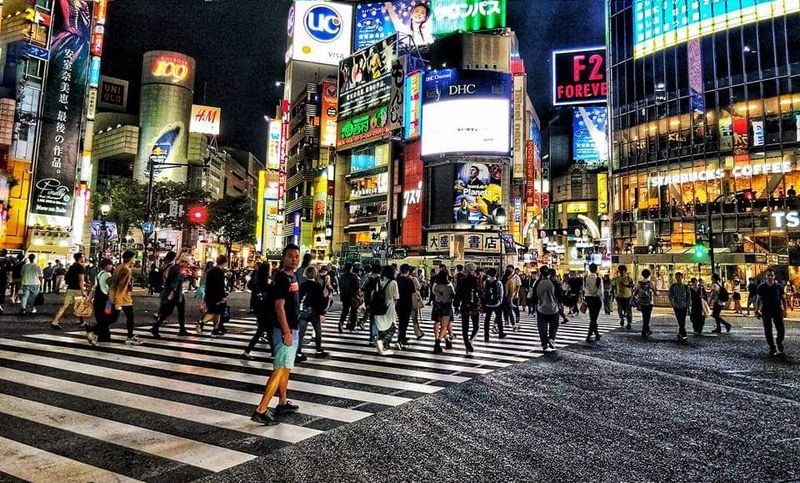
Stepping into Tokyo feels like landing in the future. Japan’s capital is the largest metropolitan economy on the planet, generating wealth through advanced manufacturing, robotics, electronics, and a deeply innovative corporate culture.
Companies like Sony, Toyota, and Mitsubishi were built here and still shape global industries today.
Tokyo’s creativity runs just as deep as its economic muscle. The city is a global trendsetter in architecture, streetwear fashion, video games, and anime.
Neighborhoods like Harajuku and Akihabara have become international pilgrimage sites for fans of design and pop culture. Tokyo’s restaurants hold more Michelin stars than any other city in the world, which says a lot about its obsession with excellence.
Infrastructure in Tokyo is almost unfairly good. Trains run on the second, buildings are engineered to survive earthquakes, and urban planning is decades ahead of most global rivals.
The city is also investing heavily in artificial intelligence, green energy, and smart city technology. Tokyo proves that a city can be massive, efficient, creative, and wildly innovative all at the same time.
No other city quite pulls that off with the same effortless precision.
Singapore, Singapore
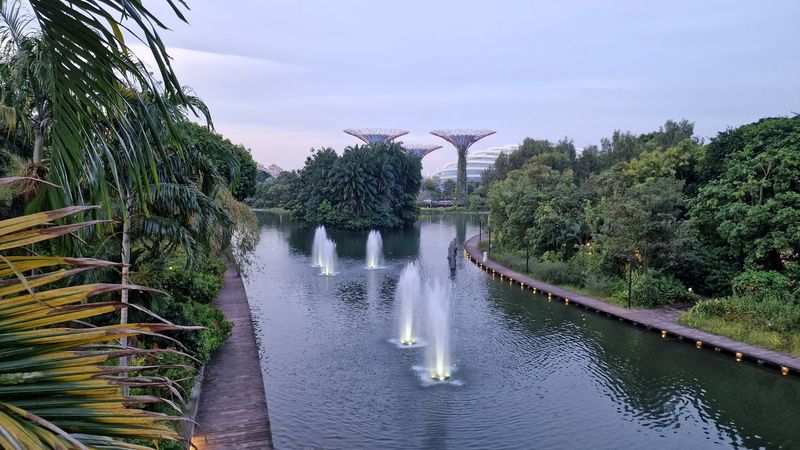
Singapore is arguably the most impressive urban success story in modern history. Just six decades ago, it was a small port city with limited resources and serious economic challenges.
Today, it ranks among the wealthiest cities per capita in the entire world. That kind of transformation does not happen by accident.
The secret is a combination of smart governance, aggressive investment in education and technology, and business policies that make companies genuinely excited to set up shop here. Singapore’s port is one of the busiest on the planet, and its financial sector rivals London and New York for sophistication.
Multinational corporations from Google to Goldman Sachs have made it their Asian headquarters.
Innovation is baked into Singapore’s culture. The government funds research heavily, and the city-state has become a hotspot for biotech, fintech, and artificial intelligence startups.
Urban planning here is legendary. Green spaces are woven into skyscrapers, public transport is spotless, and the city consistently ranks at the top of global livability indexes.
Singapore is small in size but absolutely enormous in ambition, execution, and global influence. It is a masterclass in what a city can become.
San Francisco, California
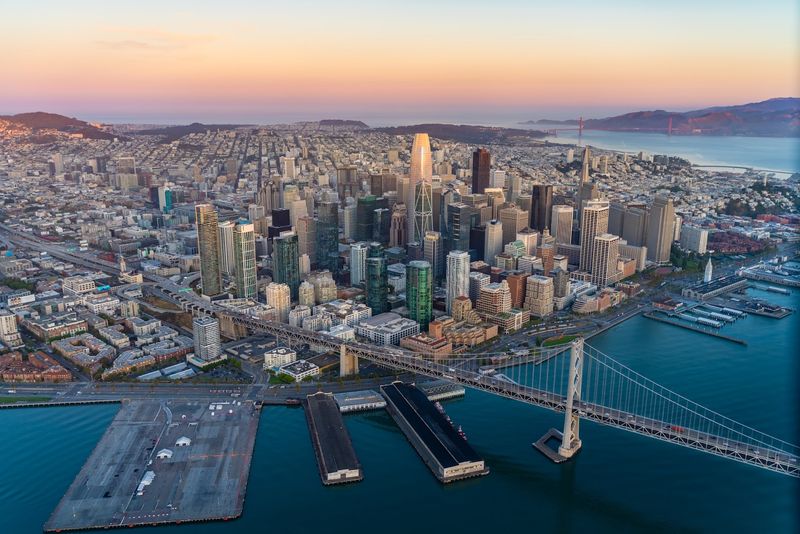
No city on Earth has disrupted more industries in a shorter amount of time than San Francisco and its neighbor, Silicon Valley. This stretch of Northern California gave the world Apple, Google, Meta, Netflix, Uber, Airbnb, OpenAI, and hundreds of other companies that completely rewired how humans live and communicate.
The concentration of tech power here is staggering.
Venture capital flows through San Francisco like water. Investors pour billions into startups every single year, betting on the next world-changing idea.
The city has a culture of risk-taking and reinvention that is genuinely unlike anywhere else. Failure is not embarrassing here.
It is practically a resume line.
Beyond tech, San Francisco has a rich creative and counterculture history. From the Beat Generation to the Summer of Love to the LGBTQ rights movement, the city has always been ahead of its time socially and culturally.
World-class universities like Stanford and UC Berkeley sit nearby, feeding a constant pipeline of brilliant graduates into the innovation economy. San Francisco is not just a place where technology is built.
It is a place where the future gets drafted, argued over, and eventually released to the world.
Paris, France
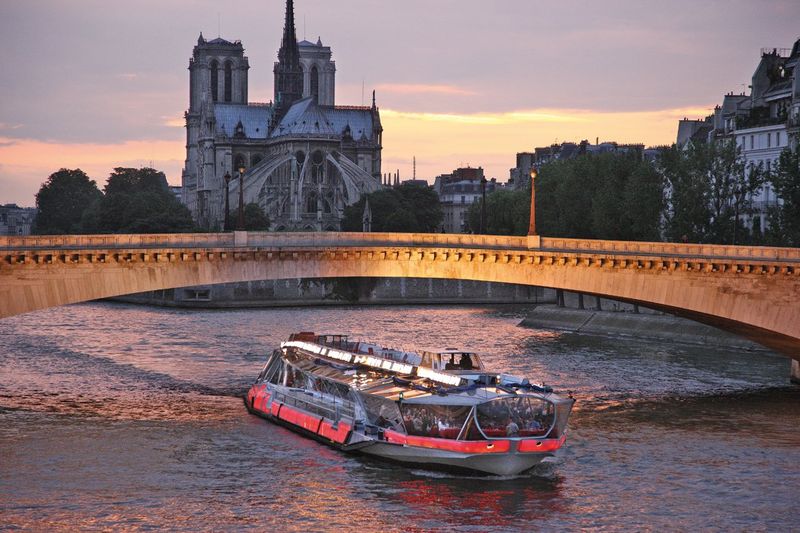
Paris has a reputation for romance and croissants, but underneath all that charm is one of the world’s most powerful and diversified creative economies. The city is the undisputed global capital of luxury, home to fashion houses like Chanel, Louis Vuitton, Dior, and Hermes.
The luxury goods industry alone generates enormous wealth for the French capital every single year.
Finance and business are equally serious here. The La Defense district is one of Europe’s largest and most modern business centers, packed with corporate headquarters and international firms.
Paris has also made a bold push into the tech world, with Station F, the world’s largest startup campus, hosting hundreds of innovative companies under one roof.
Art and culture give Paris an influence that money alone cannot buy. The Louvre, the Musee d’Orsay, and hundreds of smaller galleries make it one of the world’s great art cities.
Architecture here is treated as a civic religion. From the Gothic grandeur of Notre-Dame to the sleek modernity of the Centre Pompidou, Paris constantly proves that beauty and brains can absolutely coexist.
France’s capital is reinventing itself for the 21st century without losing an ounce of its legendary style.
Dubai, United Arab Emirates
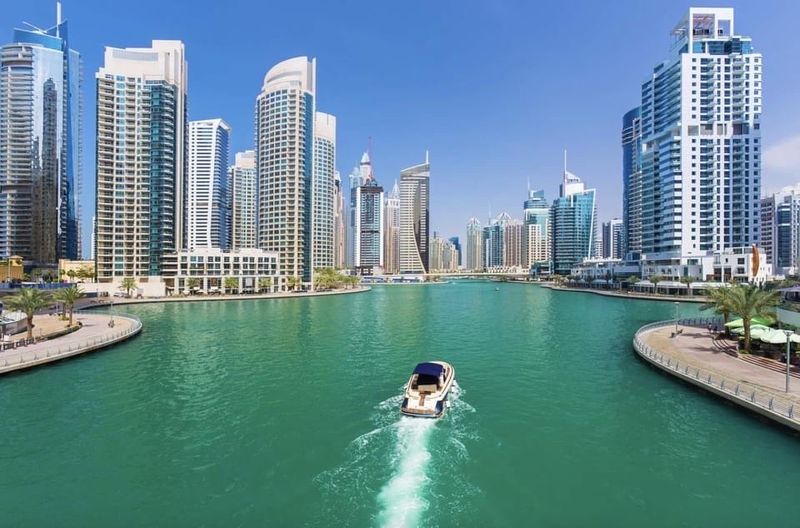
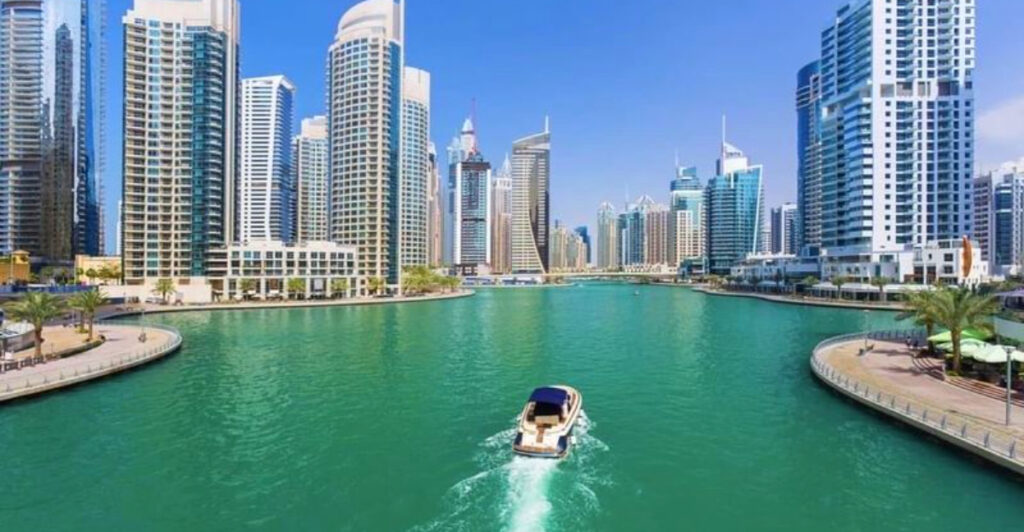
Fifty years ago, Dubai was mostly desert. Today, it has one of the most recognizable skylines on the planet, including the Burj Khalifa, the tallest building ever constructed by human hands.
The speed at which this city built itself into a global powerhouse is almost hard to believe.
Dubai’s economy runs on finance, tourism, real estate, and aviation. The city’s airport is one of the busiest in the world for international passengers, connecting East and West in a way no other hub quite manages.
Luxury retail, high-end hospitality, and massive real estate developments attract wealthy investors and tourists from across the globe year-round.
What is increasingly exciting about Dubai is its pivot toward technology and innovation. The government has launched major initiatives around artificial intelligence, blockchain, and smart city infrastructure.
Dubai aims to have 25 percent of all government transactions run on blockchain technology, which is an extraordinarily bold target. Free trade zones attract startups and entrepreneurs with low taxes and minimal red tape.
Dubai does not just want to be the richest city in the Middle East. It wants to be one of the most technologically advanced cities anywhere on the planet.
Shanghai, China
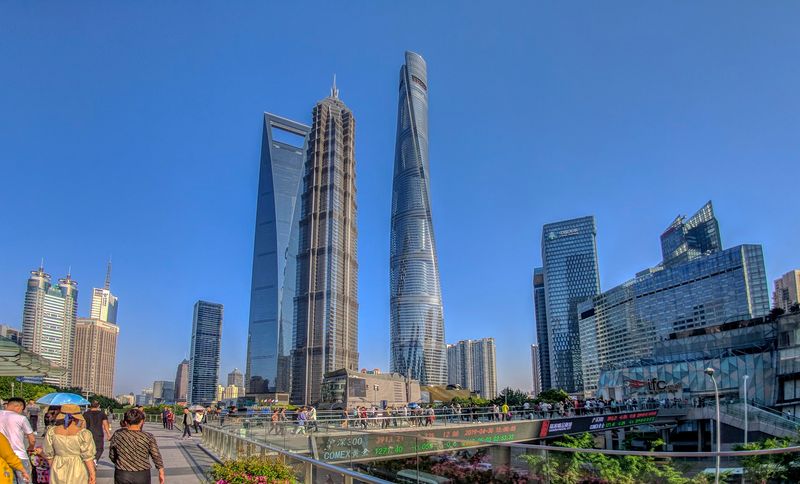
Shanghai’s skyline looks like it was designed by someone who wanted to prove a point. The Pudong financial district, which was essentially farmland in the early 1990s, is now packed with some of the tallest and most architecturally striking towers anywhere in the world.
China’s economic ambitions have a very visible address, and it is Shanghai.
The city is China’s financial heart, home to the Shanghai Stock Exchange, massive international banks, and a trading volume that moves global markets. Manufacturing and logistics are equally powerful here, with Shanghai’s port holding the title of the busiest container port on the planet.
The scale of economic activity is almost impossible to fully grasp from the outside.
Innovation is accelerating rapidly in Shanghai. The city has invested heavily in electric vehicles, artificial intelligence, biotechnology, and advanced manufacturing.
Companies like SAIC Motor and dozens of homegrown tech startups are competing directly with global giants. World-class universities and research institutions are producing talented graduates who stay and build here.
Shanghai is not trying to copy Silicon Valley. It is building something entirely its own, and the world is paying very close attention to every move it makes.
Seoul, South Korea
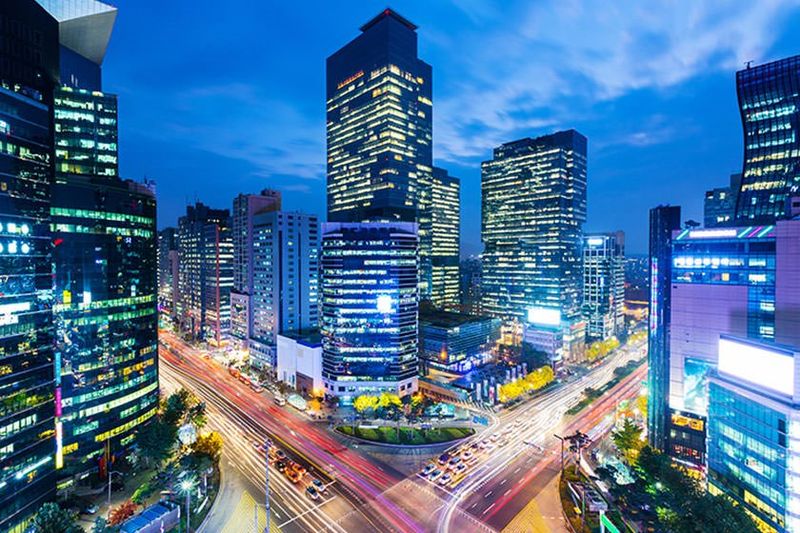
Seoul moves fast. Not just in terms of internet speed, though it does boast some of the fastest broadband connections anywhere on Earth, but in terms of cultural output, technological advancement, and economic ambition.
This city has an energy that is uniquely its own and completely impossible to ignore.
The technology sector here is dominated by giants like Samsung and LG, which have helped make South Korea a global leader in semiconductors, consumer electronics, and display technology. Hyundai and Kia put Seoul on the automotive map, and now both brands are racing to lead the electric vehicle revolution.
Seoul is not coasting on past success. It is constantly reinventing.
The cultural influence of Seoul has exploded in recent years. K-pop acts like BTS and BLACKPINK have built fanbases on every continent.
Korean cinema earned global recognition when Parasite won the Academy Award for Best Picture. Korean beauty products, fashion trends, and food culture are spreading worldwide faster than anyone predicted.
Seoul is simultaneously a technology powerhouse and a cultural export machine, doing both with an effortless confidence that has made the rest of the world take serious notice.
Berlin, Germany
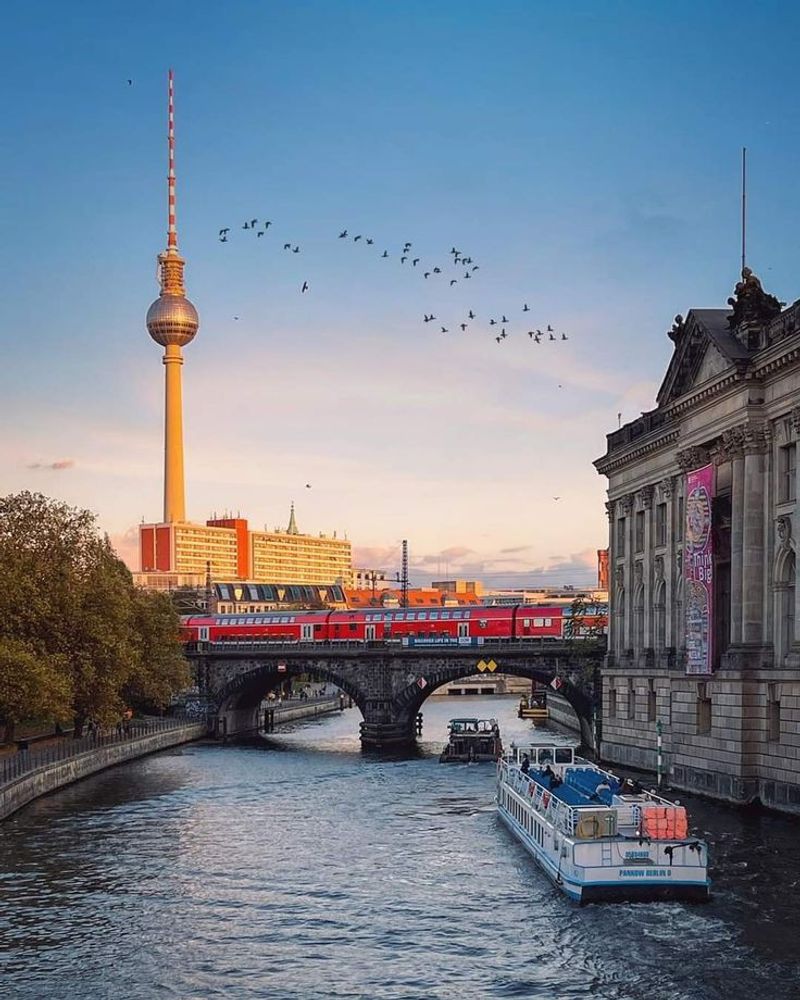
Berlin is the kind of city that makes ambitious people feel like anything is possible. After reunification in 1990, it rebuilt itself from the ground up, and in doing so accidentally created one of the most fertile startup ecosystems in Europe.
Low rents, abundant creative space, and a deeply international community made Berlin a magnet for entrepreneurs, artists, and tech talent from across the continent.
The startup scene here is genuinely impressive. Companies like Zalando, Delivery Hero, and N26 were born in Berlin and have grown into multi-billion-dollar businesses.
The city attracts more venture capital investment than almost any other European city outside of London. A culture of experimentation and risk-taking permeates the business community in a way that feels more Silicon Valley than old-school Germany.
Creativity is woven into Berlin’s identity. The city’s music scene, particularly in electronic music, is legendary worldwide.
Art galleries, independent theaters, and design studios fill neighborhoods that were bombed-out ruins less than a century ago. Berlin also leads Europe in sustainability thinking, with strong investment in green technology and urban environmental planning.
It is a city that has been knocked down repeatedly by history and keeps getting back up more interesting than before.
Hong Kong, China
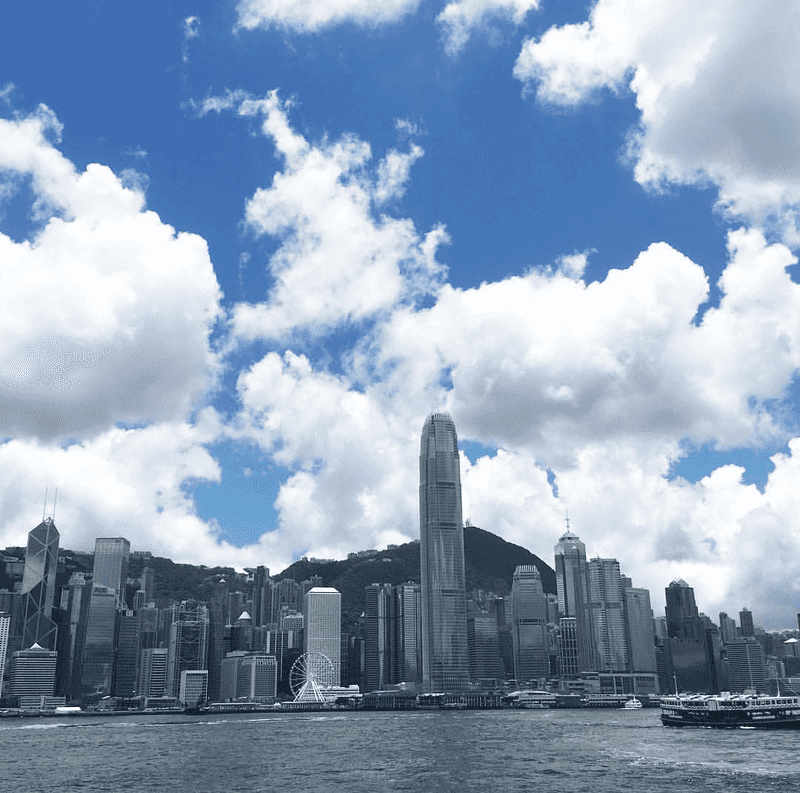
Packed into a relatively tiny piece of land, Hong Kong has built one of the most concentrated financial powerhouses on the planet. The city’s stock exchange is among the largest in the world by market capitalization, and its banking and investment sectors punch well above their geographic weight.
Hong Kong has always known how to make a small space do enormous things.
The trading culture here runs deep. Hong Kong sits at the crossroads of East and West, making it a natural hub for international commerce, shipping, and cross-border investment.
Many multinational companies use Hong Kong as their gateway into mainland China’s massive economy, giving the city a strategic importance that goes far beyond its borders.
Despite facing political and economic pressures in recent years, Hong Kong remains a city of remarkable energy and hustle. The entrepreneurial spirit here is fierce, and luxury retail, financial services, and professional industries continue generating significant wealth.
The city’s skyline, arguably the most dramatic in the world when viewed from Victoria Peak, is a physical symbol of just how much has been built here. Hong Kong is complicated, resilient, and absolutely fascinating to watch as it navigates its future.
Los Angeles, California
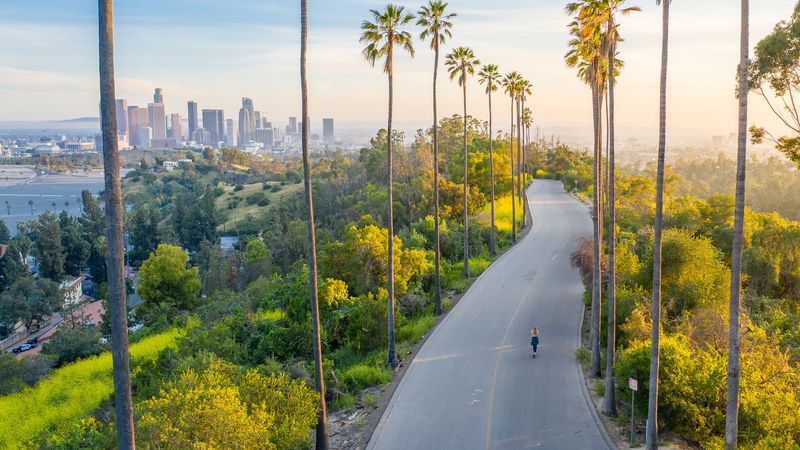
Los Angeles runs the world’s imagination. Through Hollywood studios, streaming giants like Netflix and Disney+, and a music industry that exports hits to every country on the planet, LA shapes what billions of people watch, listen to, and dream about.
That kind of cultural power translates directly into serious economic muscle.
The entertainment industry is the obvious headline, but Los Angeles has quietly become a major technology and startup hub as well. Silicon Beach, centered around Santa Monica and Venice, is home to Snap, TikTok’s US operations, and hundreds of tech companies that blend creative and digital industries in ways no other city quite replicates.
Aerospace and defense are also massive here, with companies like SpaceX and Boeing maintaining major operations in the region.
Fashion, art, and design scenes in Los Angeles have grown into globally influential forces. The city’s street style, sneaker culture, and independent art galleries attract attention from every major fashion capital.
A warm climate, diverse population, and relentless optimism create a culture where creative risk-taking is practically the local religion. Los Angeles is not just an entertainment town anymore.
It is a full-spectrum innovation economy wearing very stylish shoes.
Zurich, Switzerland
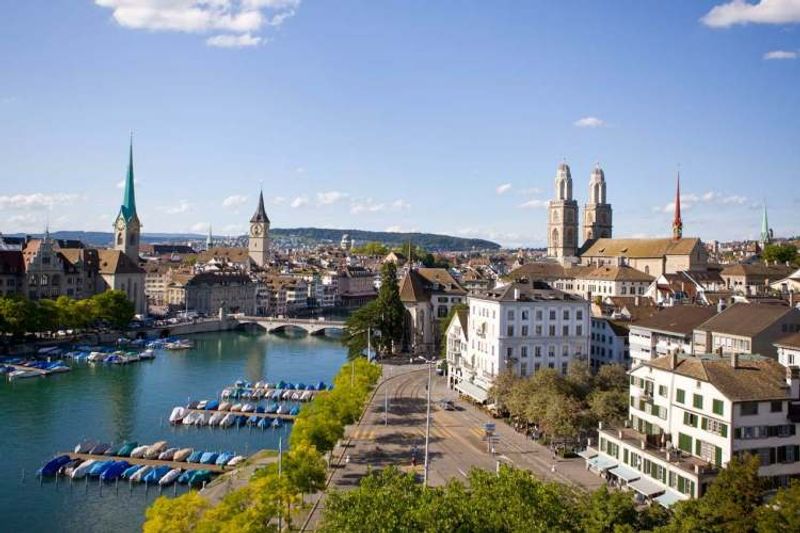
Zurich is not the loudest city on this list, but it might be the sharpest. Switzerland’s largest city consistently ranks as one of the wealthiest urban centers on the planet, and it has earned that position through an almost obsessive commitment to precision, quality, and financial expertise.
Swiss banking did not become legendary by accident.
The financial sector here is globally dominant. UBS and Credit Suisse grew into international banking giants from Zurich’s streets, and the city remains a major center for wealth management, insurance, and international finance.
The Swiss franc is one of the world’s most stable currencies, and Zurich benefits enormously from Switzerland’s reputation for financial reliability and discretion.
Research and innovation are equally powerful drivers. ETH Zurich, the city’s flagship technical university, consistently ranks among the top engineering and science schools in the world and has produced an extraordinary number of Nobel Prize winners.
Pharmaceutical and biotech companies cluster nearby, benefiting from that research pipeline. Quality of life in Zurich is routinely ranked the best of any city globally, which helps attract and retain the kind of specialized talent that keeps its economy operating at such a remarkably high level.
Shenzhen, China
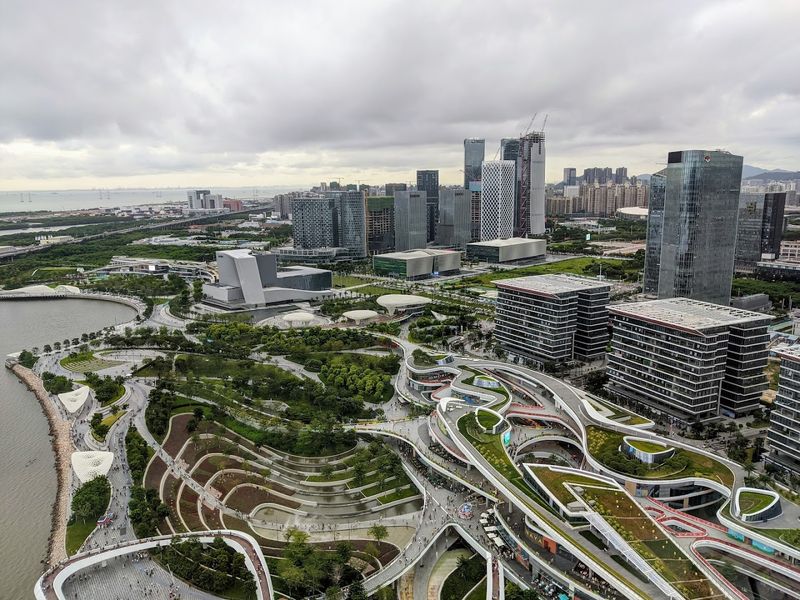
The story of Shenzhen is one of the most jaw-dropping urban transformations in recorded history. In 1980, it was a small fishing village with a population of around 30,000 people.
Today, it is a megacity of over 17 million and the hardware capital of the world. That kind of growth in four decades is genuinely unprecedented.
Shenzhen is where the world’s electronics get built. Companies like Huawei, DJI, and Tencent were all founded here, and the city’s manufacturing ecosystem is so sophisticated that a product idea can go from concept to finished prototype in just a few days.
The famous Huaqiangbei electronics market is a physical monument to the city’s production power, selling every component imaginable across multiple city blocks.
Innovation in Shenzhen has moved well beyond manufacturing. The city is now a serious player in artificial intelligence, electric vehicles, robotics, and biotechnology.
Startups flock here because the supply chain expertise, engineering talent, and investor appetite are unmatched anywhere else in the world. Shenzhen has a young, energetic population with an almost competitive obsession with building things.
It went from fishing nets to facial recognition software in less time than most cities take to repave their roads.
Amsterdam, Netherlands
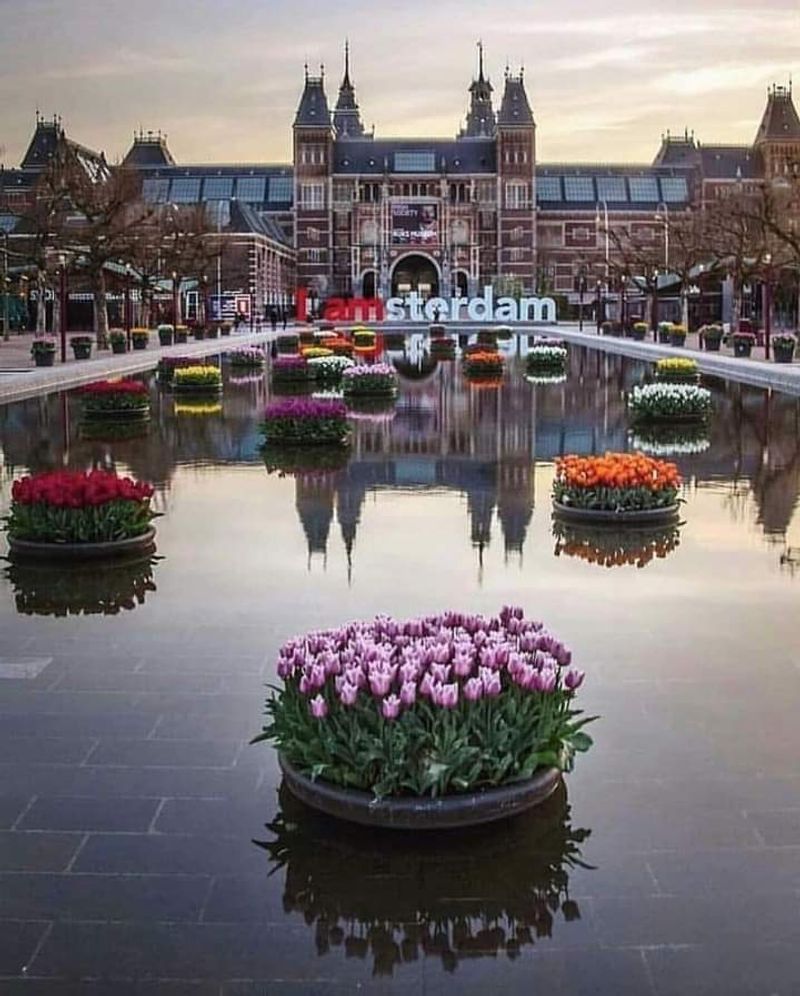
Amsterdam proves that a city does not need to be enormous to punch at the very top of the global innovation league. With a population of just under one million in the city proper, Amsterdam consistently competes with cities ten times its size in terms of startup activity, international business presence, and creative output.
Efficiency is practically a Dutch superpower.
The city is one of Europe’s most important tech and startup hubs. Companies like Booking.com, TomTom, and Adyen were born here, and Amsterdam’s Zuidas financial district attracts major international corporations seeking a European base.
After Brexit, many firms relocated their European headquarters from London to Amsterdam, giving the city a significant boost in financial and professional services.
Sustainability is where Amsterdam truly leads the conversation. The city has made bold commitments to becoming fully circular in its economy by 2050, meaning nothing goes to waste and everything gets reused or recycled.
Urban cycling infrastructure is the envy of city planners worldwide. The creative industries, including design, digital media, and architecture, are thriving and internationally respected.
Amsterdam combines progressive thinking with genuine economic results, making it one of the most forward-looking cities anywhere in Europe and a genuinely exciting place to watch grow.
Share this story