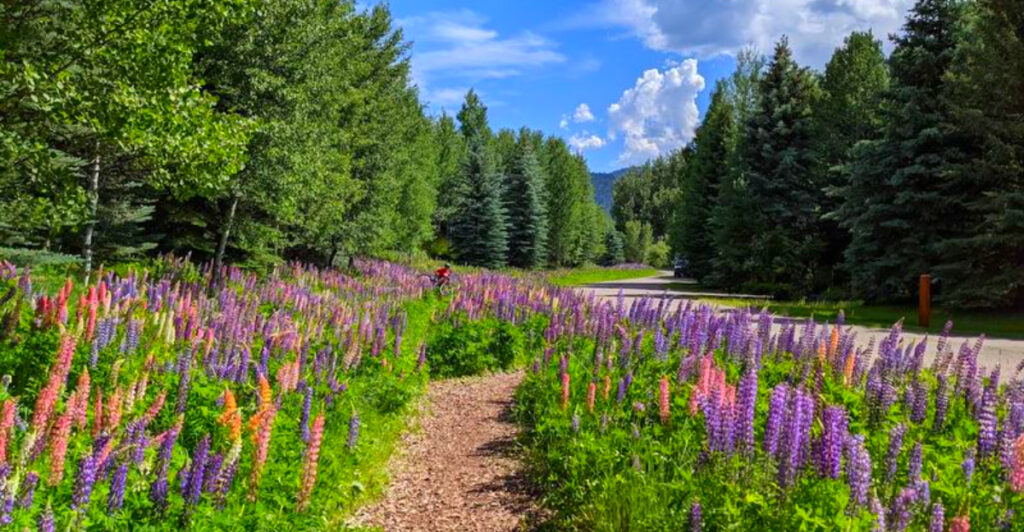
Spring is when Idaho feels fully awake again. Snowmelt fills the rivers, waterfalls surge back to life, and trails that spent months buried under winter snow reopen across the state.
From mountain lakes in the north to desert canyons in the south, the range of landscapes packed into Idaho becomes especially impressive this time of year.
This list highlights 13 Idaho destinations that are at their best during spring, including roaring waterfalls, scenic hiking areas, lakeside towns, and dramatic rock formations. Whether you are planning a road trip or just looking for an excuse to spend more time outside, these spots show why spring may be Idaho’s most underrated season.
1. Coeur d’Alene, Idaho
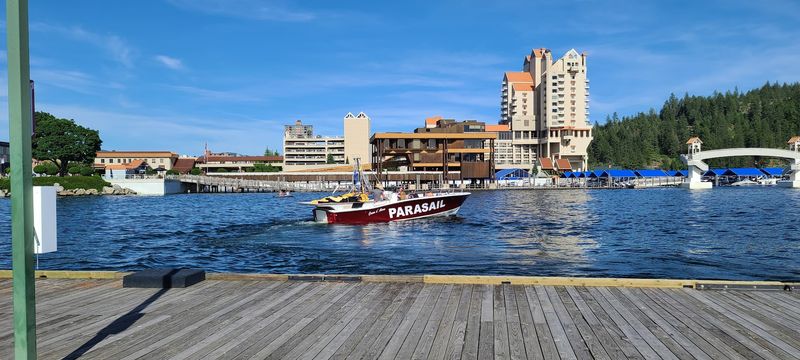
Few lake towns in the Pacific Northwest clean up quite as nicely in spring as Coeur d’Alene does. The waterfront comes back to life as blooming trees line the paths and the lake regains its vivid blue color after winter.
The city sits along the northern shore of Lake Coeur d’Alene, which stretches about 25 miles and is surrounded by forested hills that turn bright green by April. Tubbs Hill, a 120-acre natural area right at the edge of downtown, offers easy hiking loops with lake views that require zero driving once you are parked.
Spring foot traffic on the Centennial Trail is noticeably lighter than summer, which means you get the scenery without the crowds. The downtown area also has a solid lineup of local restaurants and coffee shops that stay busy year-round, making this an easy full-day or weekend trip.
2. Sun Valley, Idaho
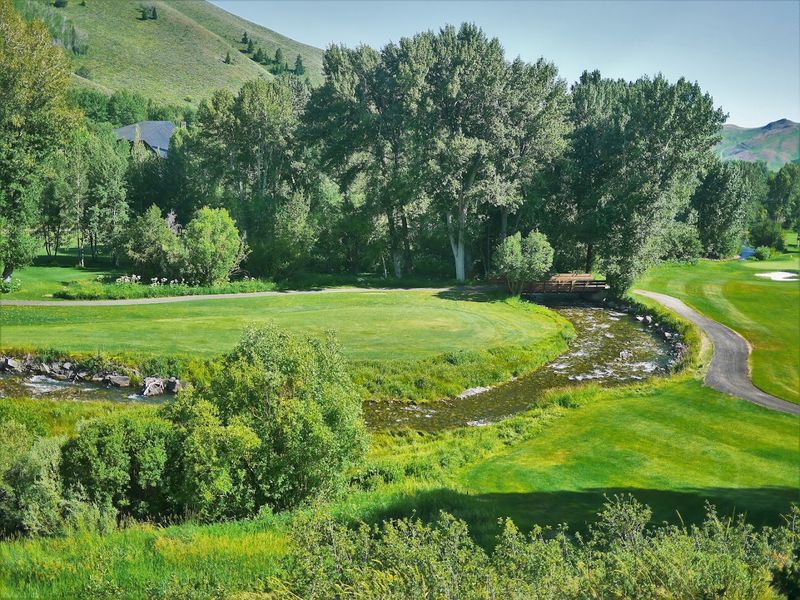
By the time spring arrives, Sun Valley has quietly become one of Idaho’s best-kept seasonal secrets. The ski lifts go quiet, the resort town exhales, and suddenly the trails that were buried under snow all winter are open and nearly empty.
Bald Mountain, the area’s iconic ski peak, transitions into a hiking and mountain biking destination by early summer, but the surrounding valleys start greening up well before that. Croy Canyon and Taylor Canyon are two nearby spots known for spring wildflower displays, with lupine and arrowleaf balsamroot covering the hillsides in color.
The town of Ketchum, right next to Sun Valley, has a compact and walkable downtown with good food options and independent shops. Spring temperatures here are mild and very manageable for outdoor activity.
It is the kind of place that rewards visitors who show up before the summer rush figures it out.
3. Boise River Greenbelt, Idaho
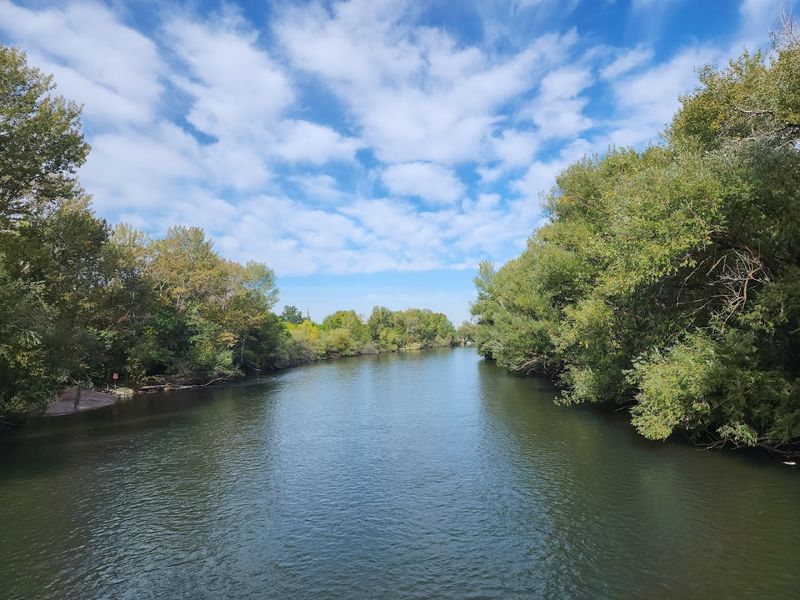
Right in the heart of Idaho’s capital city, there is a 25-mile paved path that runs alongside the Boise River and connects parks, neighborhoods, and natural areas in one continuous stretch. Spring is arguably the best time to use it.
Cottonwood trees along the riverbank leaf out quickly in April, and the river itself runs fast and full thanks to mountain snowmelt upstream. The Greenbelt passes through Julia Davis Park, Ann Morrison Park, and several quieter sections where the path narrows and the city feels surprisingly far away.
Cyclists, joggers, dog walkers, and families with strollers all share the route, and the mix of people gives it a lively community energy that is hard to replicate in more remote settings. It is free, accessible, and open year-round, but spring is when the whole corridor turns noticeably more colorful and worth exploring at a slower pace.
4. Shoshone Falls, Idaho
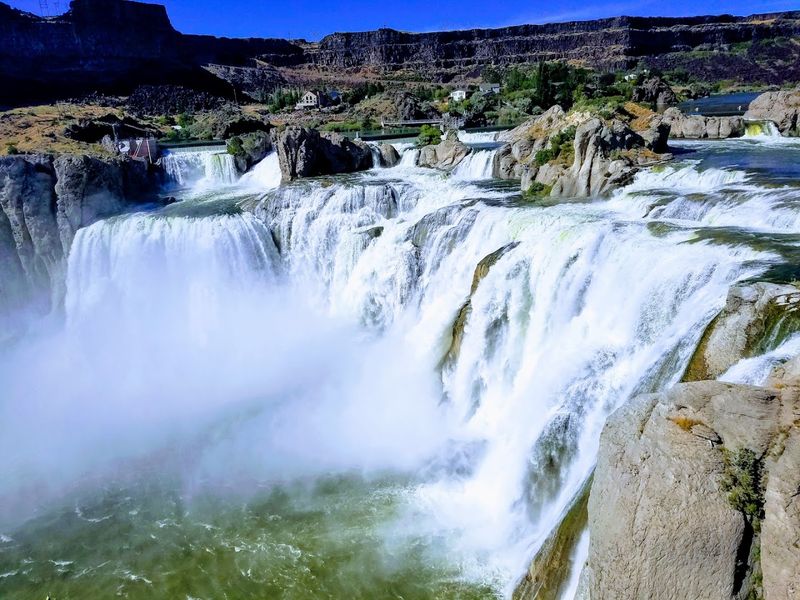
Taller than Niagara Falls by about 36 feet, Shoshone Falls earns its nickname the Niagara of the West most convincingly during spring. That is when snowmelt from the mountains sends the Snake River surging, and the falls reach their peak volume before irrigation diversions reduce the flow later in summer.
The falls drop 212 feet over a basalt cliff nearly 1,000 feet wide, and during a strong spring season, the volume can be genuinely jaw-dropping. A park with picnic areas and walking paths sits directly above and beside the falls, giving visitors multiple viewing angles.
The site is managed by the city of Twin Falls and charges a small vehicle fee to enter. Spring visits are smart because the falls can look dramatically different by July depending on water allocation for agriculture.
Arriving in April or May gives you the highest chance of seeing the falls at full force.
5. McCall, Idaho
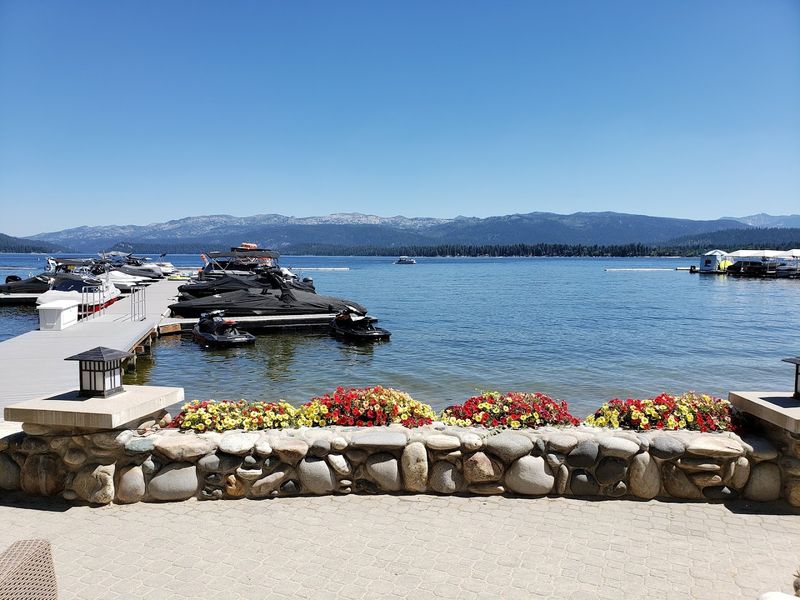
McCall spends most of winter as a ski and snowmobile town, but the moment the ice on Payette Lake starts to break up, the whole atmosphere shifts. Spring brings a quieter, more relaxed version of the town that regular visitors tend to prefer.
Payette Lake sits at roughly 5,000 feet in elevation, surrounded by the Payette National Forest. As the snow retreats up the mountainsides, lower trails become accessible for hiking and mountain biking while the lake slowly warms toward swimming temperature.
Ponderosa State Park, located on a peninsula that juts into the lake, has some of the best spring trail access in the area.
The town itself is small but has a good range of local restaurants and outdoor gear shops. McCall also hosts a winter carnival that draws big crowds, which means spring visitors often find the same charming town in a noticeably more peaceful state.
6. Sawtooth National Recreation Area, Idaho
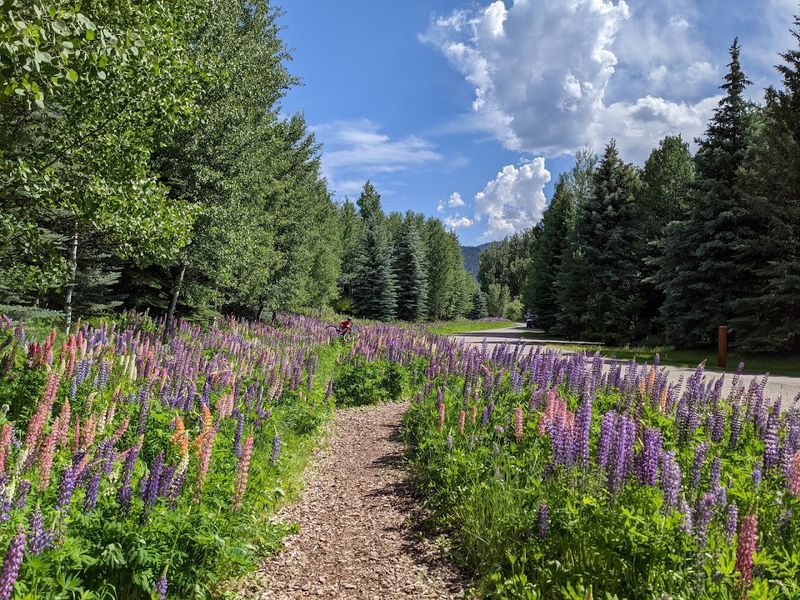
The Sawtooth Range looks dramatic in every season, but spring adds something extra to the picture. Rivers run fast, snowfields still cap the highest peaks, and the valleys below start filling in with green and early wildflowers in a combination that photographers chase every year.
The recreation area covers more than 750,000 acres and includes dozens of lakes, hundreds of miles of trails, and the headwaters of four major Idaho rivers. Redfish Lake, located near the town of Stanley, is one of the most photographed spots in the state, with the jagged Sawtooth peaks reflecting in the water on calm mornings.
Stanley itself sits at about 6,250 feet in elevation, which means true spring arrives a bit later here than in lower parts of Idaho. May and June tend to be the sweet spot for visiting, when lower trails are clear but the mountain scenery still has plenty of snow in the upper elevations.
7. Sandpoint, Idaho
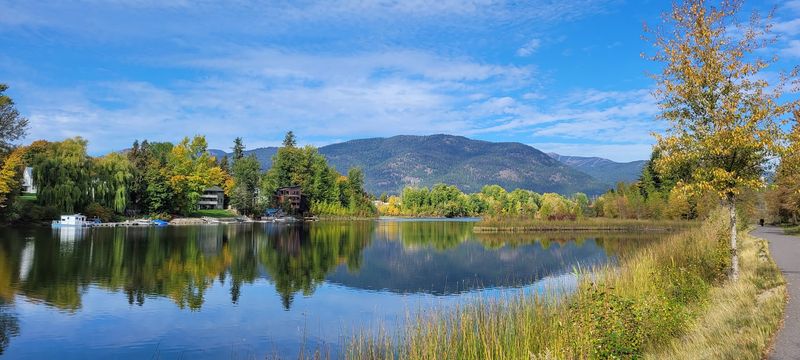
Sandpoint has one of the more dramatic natural settings of any small city in Idaho, positioned on a narrow strip of land between Lake Pend Oreille and the Selkirk Mountains. In spring, the whole area gets a fresh coat of green that makes the scenery noticeably more striking.
Lake Pend Oreille is the fifth deepest lake in the United States, stretching over 40 miles long. The long bridge crossing the lake on Highway 95 gives drivers a panoramic view that has surprised more than a few first-time visitors who were not expecting it.
Waterfront parks in town open up in spring, and the nearby Schweitzer Mountain Resort transitions from skiing to hiking.
The downtown area is compact and walkable, with independent bookshops, local cafes, and a small arts community. Spring weekends here are far quieter than summer, and the surrounding forests and lakeside paths are genuinely worth exploring at a relaxed pace.
8. Hells Canyon Scenic Byway, Idaho
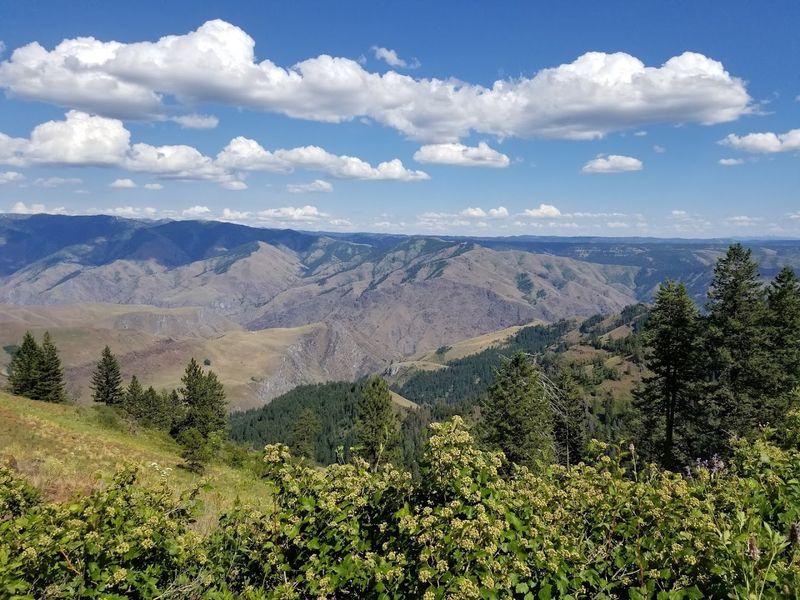
North America’s deepest river gorge is impressive in any season, but driving the Hells Canyon Scenic Byway in spring is a completely different experience from the sun-baked summer version. Green covers the canyon walls, wildflowers push through the rocky slopes, and the temperatures stay manageable enough to actually enjoy the viewpoints.
The byway follows Highway 71 and connects to the Hells Canyon National Recreation Area, where the Snake River carved a gorge deeper than the Grand Canyon. Bighorn sheep, deer, and bald eagles are regularly spotted along the route, and spring brings active wildlife behavior that makes the drive more eventful.
Jet boat tours operate from Hells Canyon Dam and offer a river-level perspective that the road simply cannot match. The canyon walls tower over 7,900 feet at their highest point, and seeing that scale from a boat on the river is a genuinely different kind of experience.
Spring bookings for tours tend to fill up, so planning ahead is smart.
9. Twin Falls, Idaho
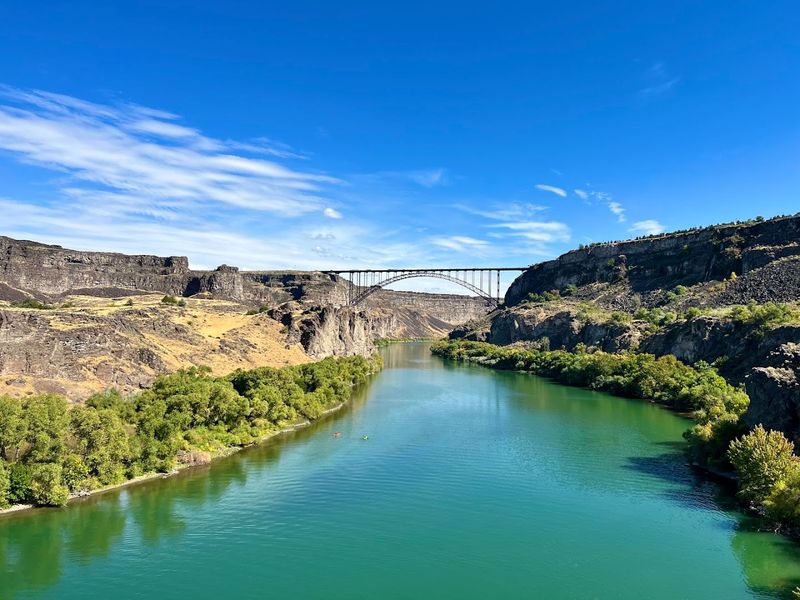
Twin Falls punches well above its weight when it comes to spring scenery, largely because it sits right on the edge of a dramatic canyon carved by the Snake River. The canyon walls, which can reach 500 feet deep in places, start showing patches of green in spring that make the whole landscape look completely different from its dry summer version.
Perrine Bridge, one of the few bridges in the world where BASE jumping is legal year-round, spans the canyon at 486 feet above the river. Even for visitors with no interest in jumping off anything, the bridge offers one of the best free viewpoints in southern Idaho.
The city also sits close to Shoshone Falls and a network of canyon trails that are best explored before summer heat arrives. Local restaurants and outdoor patios start reopening in spring, and the overall energy of the town shifts noticeably as the weather improves.
It is a solid base camp for a southern Idaho spring trip.
10. Bruneau Dunes State Park, Idaho
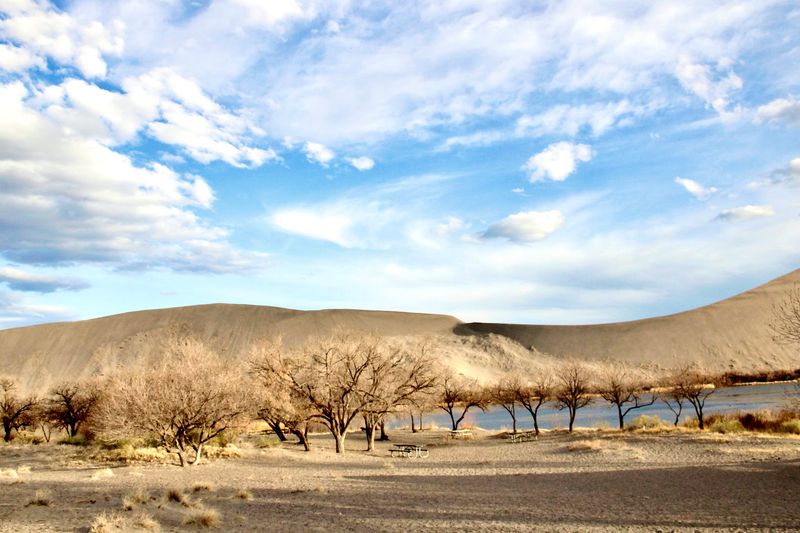
Idaho is not a state most people associate with sand dunes, which is exactly what makes Bruneau Dunes State Park such a memorable surprise. The park contains the tallest single-structured sand dune in North America, rising about 470 feet above the surrounding desert floor.
Spring is widely considered the best season to visit. Cooler temperatures make the climb to the top of the dunes far more comfortable than the scorching summer months, and wildflowers bloom around the base of the dunes in April and May, adding unexpected color to the landscape.
The park also has two small lakes at the base of the main dunes, where fishing is permitted. An observatory on site offers public stargazing programs on weekend evenings, which makes an overnight trip especially worthwhile.
Sandboarding down the dunes is a popular activity for younger visitors, and rentals are available at the park office. Entry fees are modest and the park rarely feels overcrowded in spring.
11. City of Rocks National Reserve, Idaho
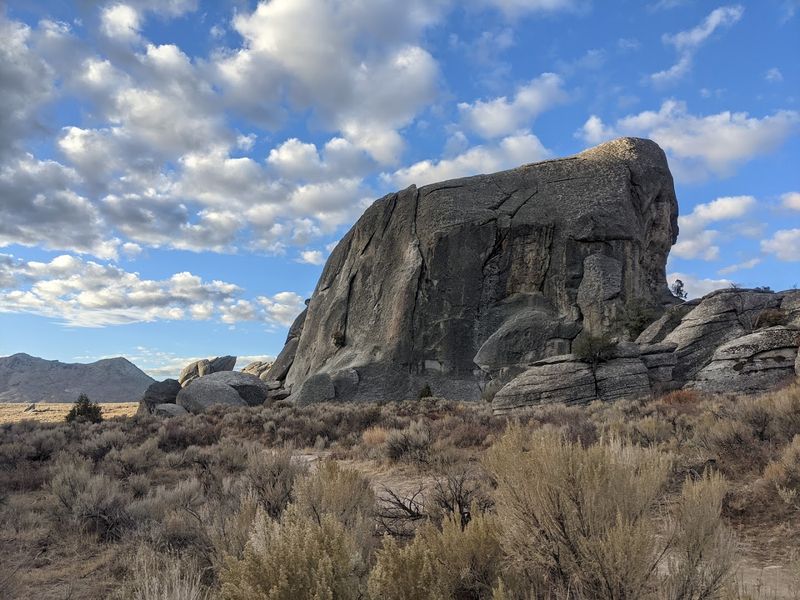
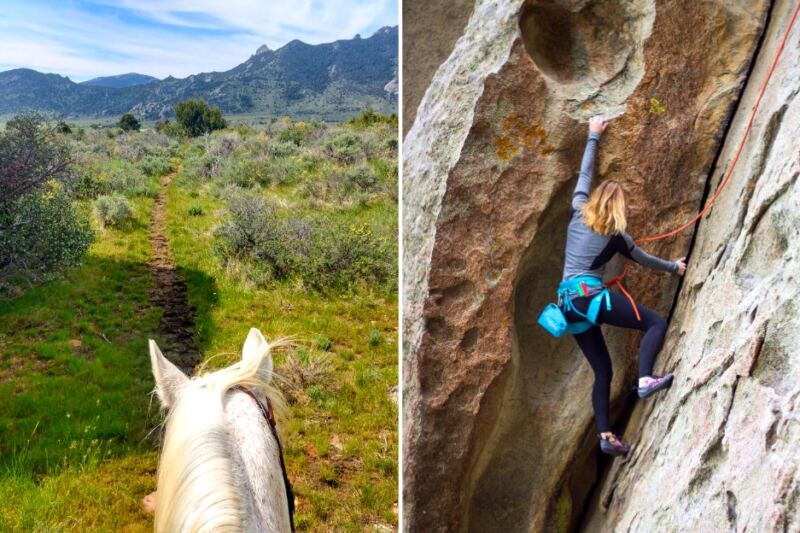
Granite spires rising up to 60 stories tall, scattered across a high-desert valley in southern Idaho, make City of Rocks one of the more visually unexpected places in the entire state. The reserve looks like something a geologist and an architect designed together after a very long conversation.
The formations were created over 2.5 billion years ago, making them among the oldest exposed rocks in North America. Pioneers on the California Trail passed through here in the 1800s and carved their names into the rock faces, some of which are still visible today.
Spring brings mild temperatures ideal for rock climbing, which is the primary draw for many visitors. The reserve has over 600 established climbing routes at various difficulty levels.
Hiking and tent camping are also popular, and the high desert wildflower display in late April and May adds color between the granite towers. The reserve is remote, so arriving with supplies and a full tank of fuel is a practical necessity.
12. Lewiston, Idaho
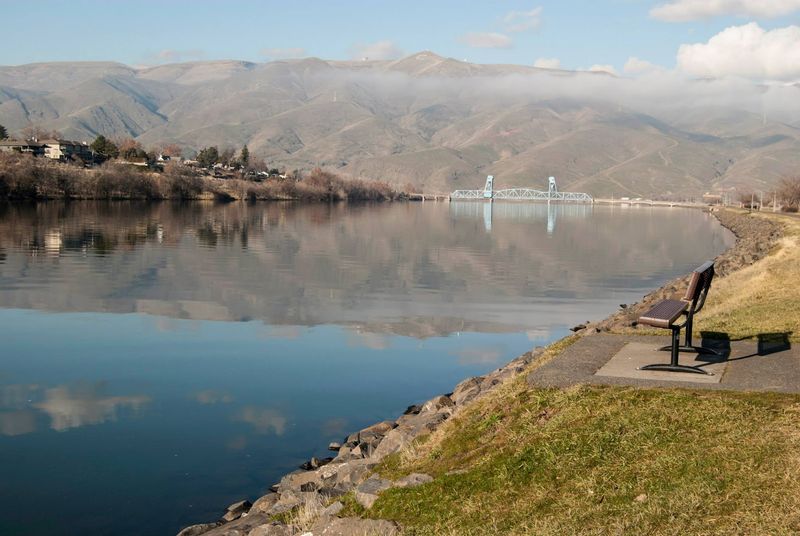
Geography gives Lewiston an unusual advantage over most of Idaho when it comes to spring: it sits at only about 738 feet in elevation, making it the lowest point in the state and one of the warmest cities in the region during early spring. While much of Idaho is still thawing out, Lewiston is already in full bloom.
The city sits at the confluence of the Snake and Clearwater Rivers, a location that has made it an important trading and transportation hub since the Lewis and Clark Expedition passed through in 1805. Today, it is the most inland seaport on the West Coast, connected to the Pacific Ocean by a series of locks and dams along the Snake and Columbia Rivers.
Lewiston’s Clearwater River Trail follows the riverbank for miles and is a favorite among local cyclists and walkers in spring. The Lewiston Orchards area, up on the bench above town, is known for cherry and apple blossoms that typically peak in late March and early April, drawing visitors specifically for that short seasonal window.
13. Moscow, Idaho
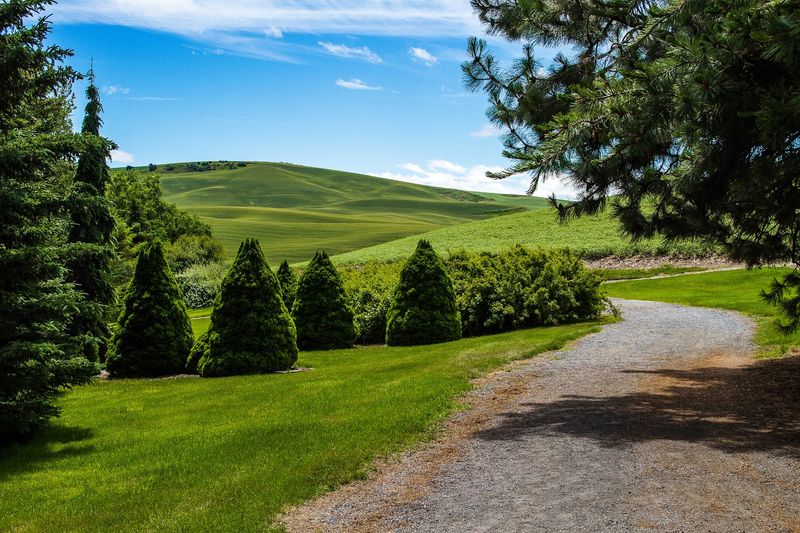
The rolling hills of the Palouse region start turning a deep, almost electric green in spring, and Moscow sits right at the edge of that transformation. It is one of those towns where the surrounding landscape and the community feel genuinely connected rather than just existing near each other.
Moscow is home to the University of Idaho, which gives the town a consistent energy and a calendar full of events even outside of the academic year. The campus itself has well-maintained gardens and tree-lined walkways that are worth strolling through when the spring blooms arrive.
The Moscow Farmers Market, one of the most established in the state, opens for the season in spring and draws a loyal crowd of locals every Saturday morning. It is a good place to get a sense of the community and pick up local produce and handmade goods.
The surrounding Palouse hills, best viewed from the Kamiak Butte County Park trails, offer panoramic views of farmland and sky that are genuinely hard to forget.
Share this story