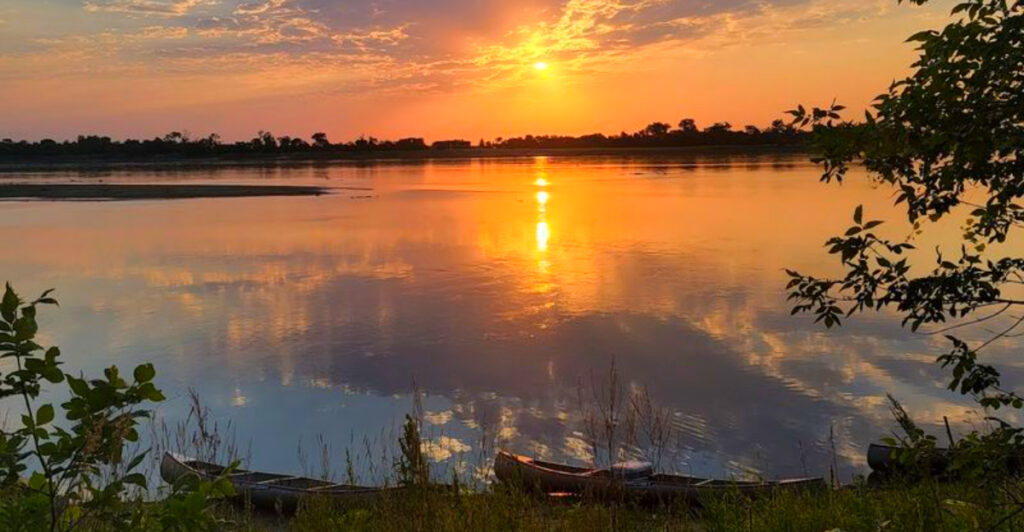
Nebraska is not exactly the first place that comes to mind when you picture a weekend by the water, but that is exactly what makes it such a pleasant surprise. The state is home to dozens of lakes and reservoirs that offer sandy beaches, open skies, and quiet spots where the biggest decision you will face is whether to fish from the shore or from a boat.
Some of these lakes stretch so wide you can barely see the other side, while others stay tucked away in the hills, drawing only those who know where to look. Whether you are after a family-friendly camping trip, a solo fishing adventure, or simply a place to sit and do absolutely nothing for two days, Nebraska has a lake that fits the plan.
This list covers nine of the best spots across the state, from the massive western reservoir that locals have nicknamed after a fast food burger to the urban lake hiding in plain sight near a major city.
1. Lake McConaughy
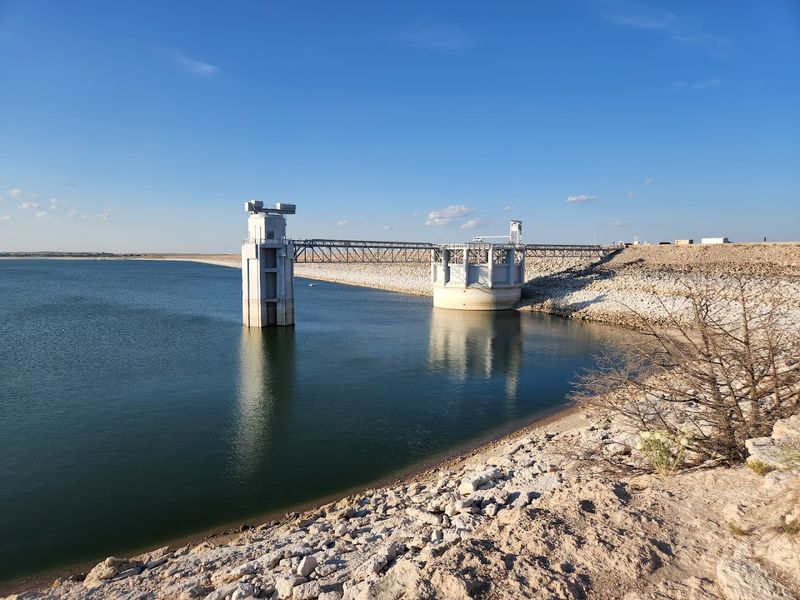
Nebraska’s largest lake goes by a nickname that is hard to forget: Big Mac. Lake McConaughy covers roughly 30,000 surface acres and sits near Ogallala in the western part of the state, making it a genuine destination rather than a quick detour.
The shoreline stretches over 100 miles and features natural white sandy beaches that genuinely look out of place in the middle of the Great Plains. Depths reach around 142 feet near Kingsley Dam, which gives the water that clear, blue quality that surprises first-time visitors.
Swimming, boating, water skiing, and fishing are all popular here. The lake is well stocked with walleye, white bass, and striped bass, and serious anglers come from several states away to test their luck.
Camping options range from primitive beachside spots to modern pads with hookups. Sunsets over the water tend to draw small crowds of their own, with people stopping whatever they are doing just to watch the sky change color above the western horizon.
2. Lewis and Clark Lake
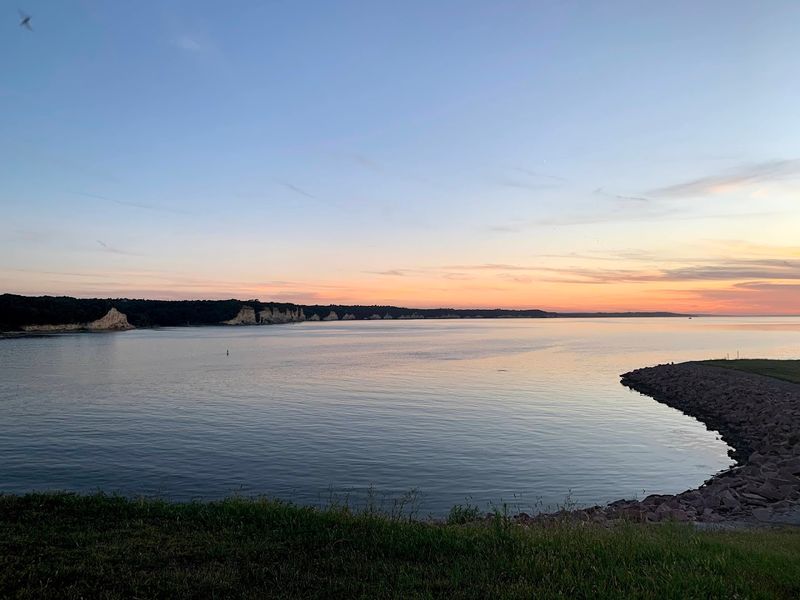
Sitting right on the Nebraska and South Dakota border, Lewis and Clark Lake carries a name that comes with a serious historical pedigree. The famous Corps of Discovery passed through this region in 1804, and today the lake sits within the Lewis and Clark State Recreation Area, which adds a layer of backstory that most weekend getaways simply cannot match.
The lake is formed by Gavins Point Dam on the Missouri River, where the Niobrara River also flows in. That combination of river systems creates a broad, calm reservoir that is excellent for boating, fishing, and swimming.
Nearby Niobrara State Park adds even more to the trip, offering cabins, horseback riding trails, hiking paths, and wildlife watching opportunities. The wooded campsites around the lake give the whole area a sheltered, secluded feel even during busy summer weekends.
Catfish, walleye, and sauger are common catches here. The area is accessible from the town of Crofton on the Nebraska side, which has basic amenities and easy lake access for anyone arriving by boat trailer.
3. Calamus Reservoir
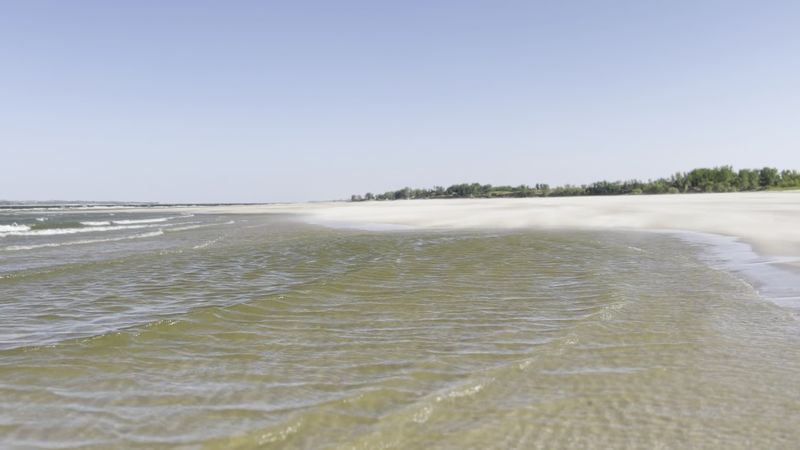
Finding a beach in the middle of the Nebraska Sandhills is the kind of discovery that makes you double-check the map. Calamus Reservoir is exactly that, a surprisingly well-developed lake tucked into the rolling grass-covered hills of Loup County, offering a genuine sandy beach and far more recreation than the remote location might suggest.
The reservoir is split into two functional zones. The upper section is reserved for slow boats and non-motorized watercraft, which keeps things peaceful for kayakers and paddlers.
The lower section opens up for water skiing and windsurfing, giving speed enthusiasts their own dedicated space.
Fishing is a serious draw here. The lake is stocked with bass, catfish, walleye, and northern pike, and the relatively light fishing pressure compared to bigger lakes means the catches tend to be solid.
Stargazing at Calamus is genuinely spectacular. The Sandhills have almost no light pollution, and on a clear night the sky fills up in a way that city dwellers rarely get to experience.
Tubing on the Calamus River nearby rounds out the weekend options nicely.
4. Harlan County Lake
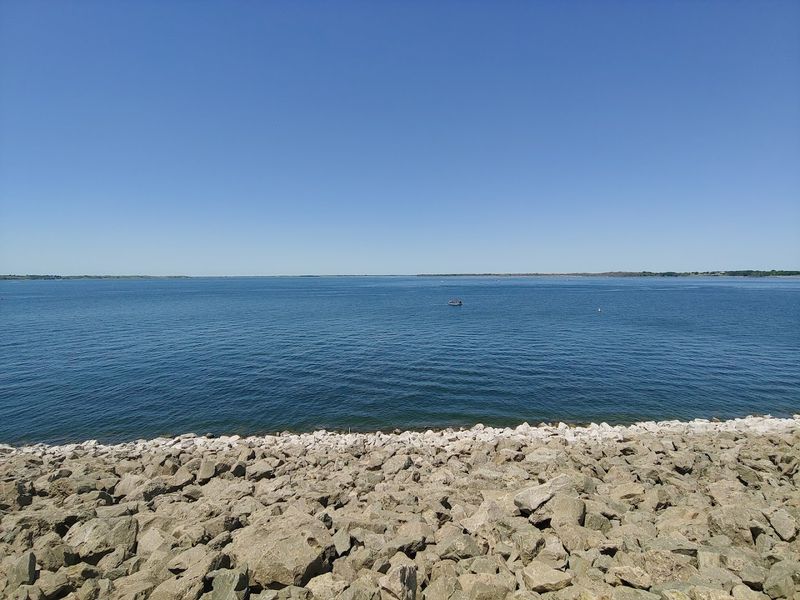
The second-largest lake in Nebraska covers 13,250 acres and stretches across 75 miles of shoreline in the rolling prairie of south-central Nebraska. Harlan County Lake sits near the town of Republican City, and it draws a steady crowd of anglers, campers, and families who appreciate the combination of space and affordability.
Fishing is the main event at Harlan County. Walleye, white bass, catfish, and crappie are all present in good numbers, and the lake’s size means there is always room to find a quiet cove without competing for space.
Cabin rentals are available in the area, making it a practical option for groups who want a roof over their heads without the hassle of setting up tents. The surrounding prairie scenery is wide and open, which gives the whole place a calm, unhurried atmosphere that is hard to manufacture elsewhere.
The lake was created by Harlan County Dam on the Republican River, completed in 1952. It has been a regional recreational anchor ever since, and its infrastructure is solid enough to handle a comfortable weekend without any roughing-it surprises.
5. Branched Oak Lake
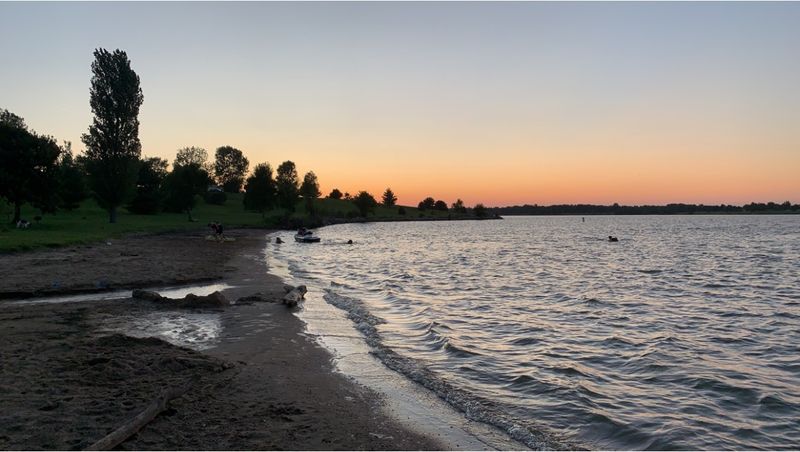
At 5,595 acres, Branched Oak Lake is the largest lake in eastern Nebraska, and its location just north of Lincoln makes it one of the most frequently visited recreation areas in the state. The proximity to a major city has not taken away from the natural appeal, though, and the lake still manages to feel like a proper outdoor retreat.
About 1,800 acres of the lake are dedicated to active water use, supporting everything from sailboats and motorboats to kayaks and paddleboards. Two designated swimming beaches provide safe spots for families with kids, and the campground offers both tent sites and RV hookups with restrooms and showers.
Fishing at Branched Oak is consistently productive. Walleye and bass are the headline species, and the lake is large enough that different zones produce different results depending on the season and the method.
Hiking trails wind through the surrounding recreation area, and an equestrian campground adds an unusual option for visitors who want to bring horses along for the weekend. Picnic areas are scattered throughout, making it easy to spend a full day without needing to leave the park at all.
6. Merritt Reservoir
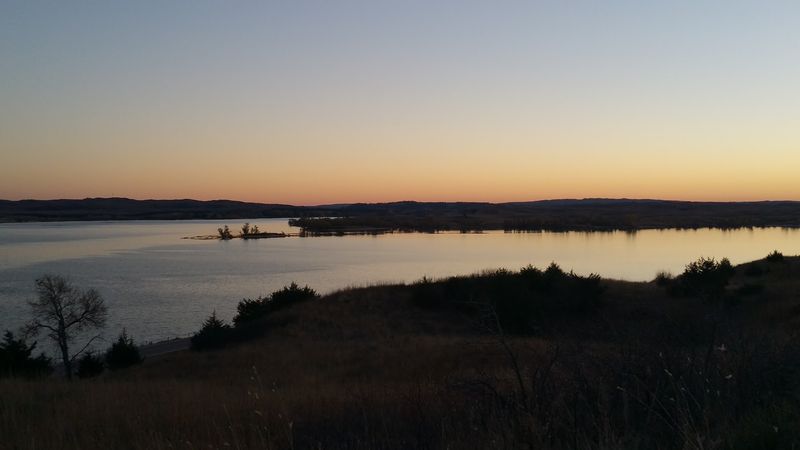
Getting to Merritt Reservoir requires some commitment. The lake sits deep in the Nebraska Sandhills near Valentine, and the drive in involves long stretches of two-lane road through open grassland that feels genuinely remote.
That remoteness is the entire point, and visitors who make the trip tend to return year after year.
The reservoir covers around 2,900 acres and offers solid boating and fishing opportunities. Walleye, bass, and northern pike are the main targets, and the light fishing pressure keeps the population healthy.
Boat ramps and camping facilities are available on site.
Stargazing here is among the best in the entire Midwest. The Sandhills region has some of the lowest light pollution in the country, and Merritt Reservoir specifically has been recognized as a quality dark-sky location.
Bring a blanket and a star chart, because the night sky puts on a real show.
Wildlife viewing is an added bonus. Deer, wild turkey, and various bird species are commonly spotted around the lake and in the surrounding hills.
The overall atmosphere is quiet, self-sufficient, and rewarding for anyone willing to unplug for a couple of days.
7. Ponca State Park & Dixon County Lake
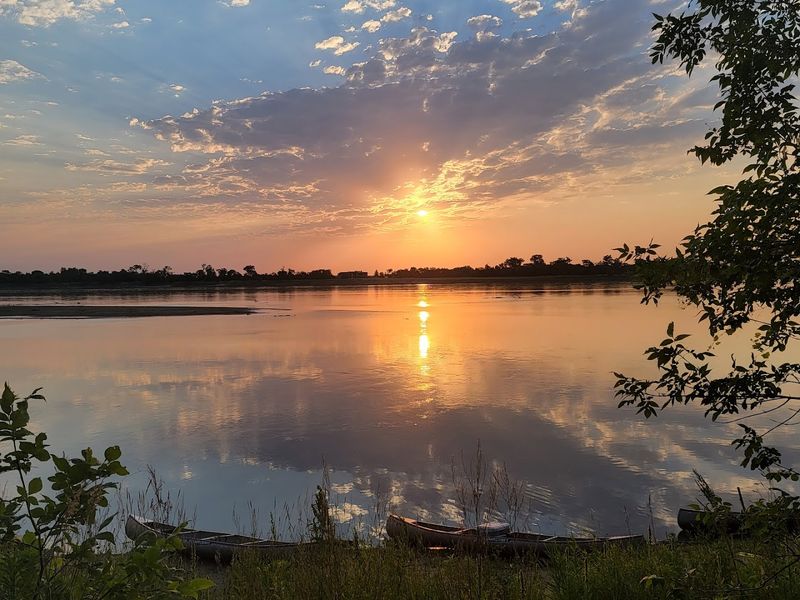
Northeastern Nebraska has a different personality from the rest of the state, and Ponca State Park captures that character well. The park sits above the Missouri River in Dixon County and features rugged, wooded hills that feel more like the Ozarks than the typical Nebraska landscape most people picture.
Dixon County Lake sits within the park and provides a calm, shaded spot for fishing and non-motorized boating. The wooded setting around the water gives the lake a tucked-away quality that is genuinely refreshing compared to the open, windswept reservoirs found elsewhere in the state.
Cabin rentals are available through the park system, ranging from basic shelters to more comfortable accommodations with beds and electricity. Reserving one in advance is recommended during summer months, as they book up quickly among families and couples looking for a slower-paced nature weekend.
Hiking trails cover several miles of varied terrain through the forested hills, and horseback riding is also available within the park. Wildlife is abundant here, with white-tailed deer frequently visible from the trails and bald eagles occasionally spotted near the river bluffs during cooler months.
8. Johnson Lake
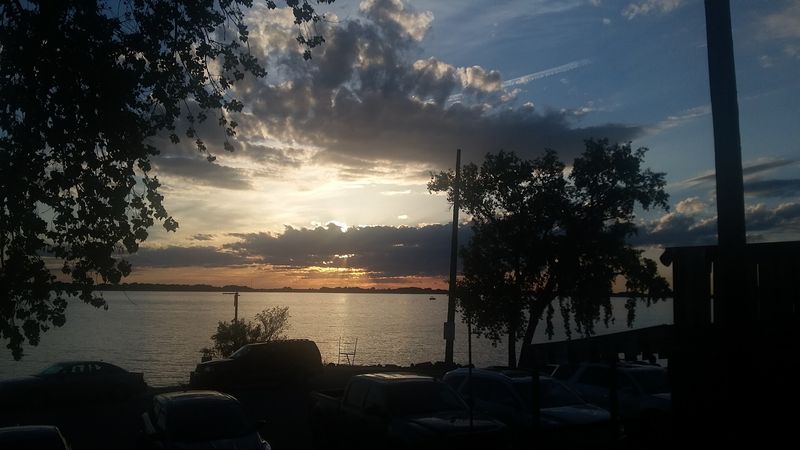
Johnson Lake has the energy of a place that has been a family vacation tradition for generations, and that reputation is well earned. The lake sits near Lexington in south-central Nebraska and has developed into a full-fledged recreational community, with vacation homes lining much of the shoreline and a lively atmosphere during summer weekends.
The water is calm and warm enough for swimming well into August, and the sandy beach areas give families a comfortable place to set up for the day without a lot of gear or planning. Boating is popular, and the lake sees a steady mix of fishing boats, pontoons, and personal watercraft throughout the season.
Fishing holds up well despite the recreational traffic. Walleye, bass, and bluegill are all present, and early morning trips before the boat traffic picks up tend to yield the best results.
Camping and cabin options are available nearby, and the town of Lexington is close enough to handle any supply runs without much hassle. Johnson Lake has the feel of a place where people genuinely enjoy being, which is a quality that is harder to find than it sounds.
9. Carter Lake
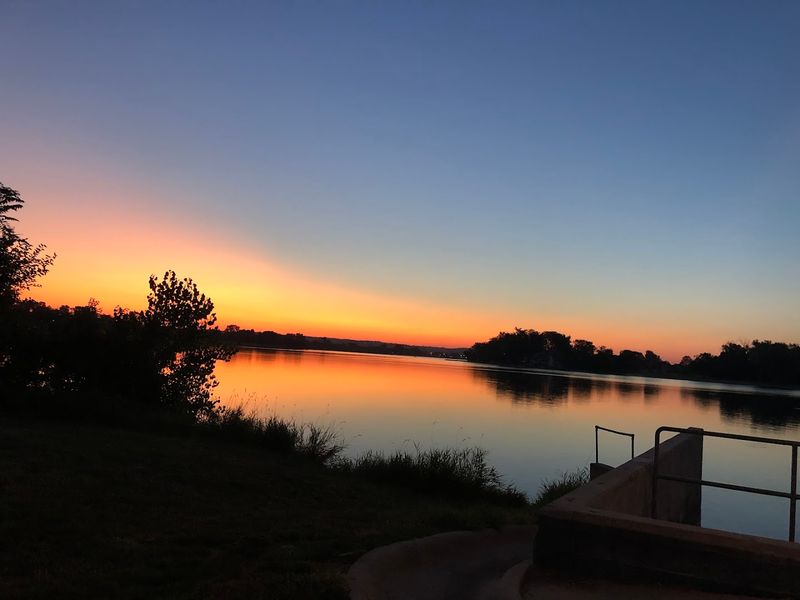
Carter Lake holds a geographic distinction that surprises a lot of people: it is technically an Iowa city, but it sits on the Nebraska side of the Missouri River due to a historic river channel shift. That quirky jurisdictional situation aside, the lake itself is a straightforward and convenient outdoor destination for anyone based in or passing through the Omaha metro area.
The lake covers around 200 acres and is open to fishing, kayaking, and non-motorized boating. Largemouth bass, catfish, crappie, and bluegill are the primary species, and the urban location means the water is regularly stocked and managed for public recreation.
A paved trail runs around the lake, making it a practical option for cyclists and joggers who want to combine a workout with a waterfront setting. Picnic areas and open green space fill out the park, giving families a comfortable place to spend a few hours without driving far from the city.
For Omaha residents who want a taste of the outdoors without committing to a long road trip, Carter Lake delivers a reliable and accessible option that punches well above its modest size.
Share this story