Pizza in Italy is not just food. It is a deeply held conviction, a regional identity, and sometimes a full-blown argument waiting to happen at the dinner table.
Every Italian has an opinion about which pizzeria does it right, and those opinions are rarely quiet. The good news is that some places have earned near-universal respect from even the most critical Italian pizza fans.
This list covers 15 pizzerias that Italians genuinely rave about, from century-old Naples institutions to bold modern spots rewriting the rules. Some of these require a train ride through the countryside.
Others are tucked into narrow city streets that tourists rarely find. All of them share one thing: Italians do not just like these places.
They defend them passionately, return to them loyally, and recommend them to anyone willing to listen.
1. L’Antica Pizzeria da Michele, Naples, Italy
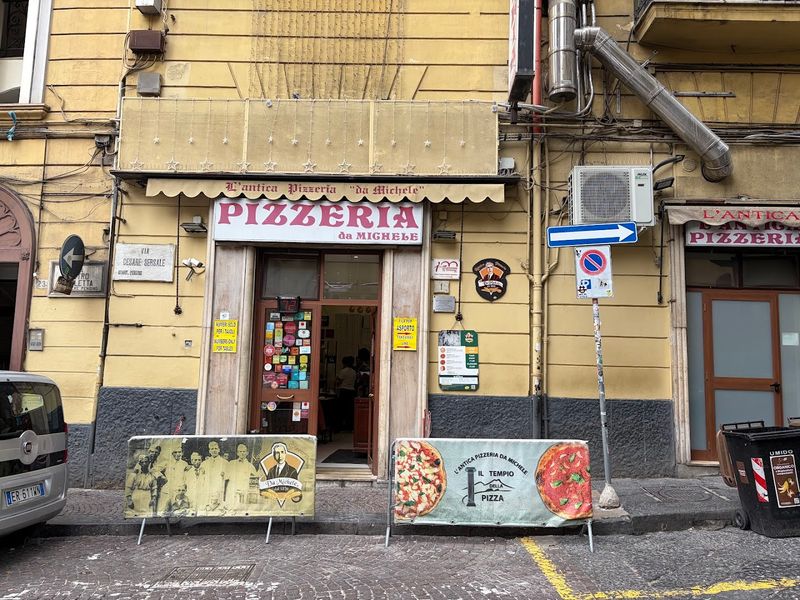
Since 1870, this legendary Naples address has served exactly two pizzas: Marinara and Margherita. That is the entire menu, and nobody complains.
Da Michele built its reputation not on variety but on near-obsessive consistency. The dough follows a recipe refined over more than 150 years, and the ingredients are chosen with the kind of seriousness usually reserved for fine dining.
International fame arrived after the pizzeria appeared in the film “Eat, Pray, Love,” but Neapolitans had already been treating it as a benchmark for generations. The line outside on any given afternoon tells you everything about its standing among locals who have countless other options and still choose to wait here.
2. 50 Kalò, Naples, Italy
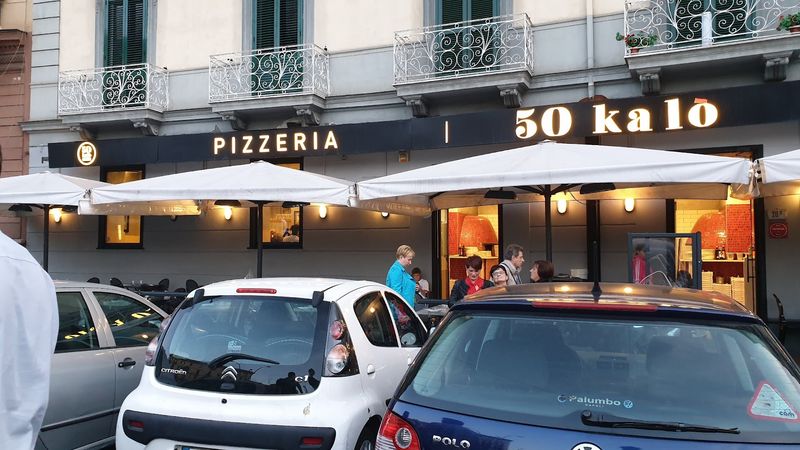
Ciro Salvo spent years studying dough hydration the way a scientist studies formulas, and the result is one of the most talked-about crusts in all of Italy.
50 Kalò, which opened in 2013 near the Piazza Sannazaro, earned a Michelin Guide mention and a New York Times recommendation without changing what it does or chasing trends. The menu stays close to Neapolitan tradition, but the dough is noticeably lighter than most competitors, which is exactly the point.
Italian food critics consistently rank it among the top pizzerias in the country. Locals who care deeply about the science behind their pizza treat a visit here less like a meal and more like a reference experience worth repeating regularly.
3. Pizzeria Gino e Toto Sorbillo, Naples, Italy
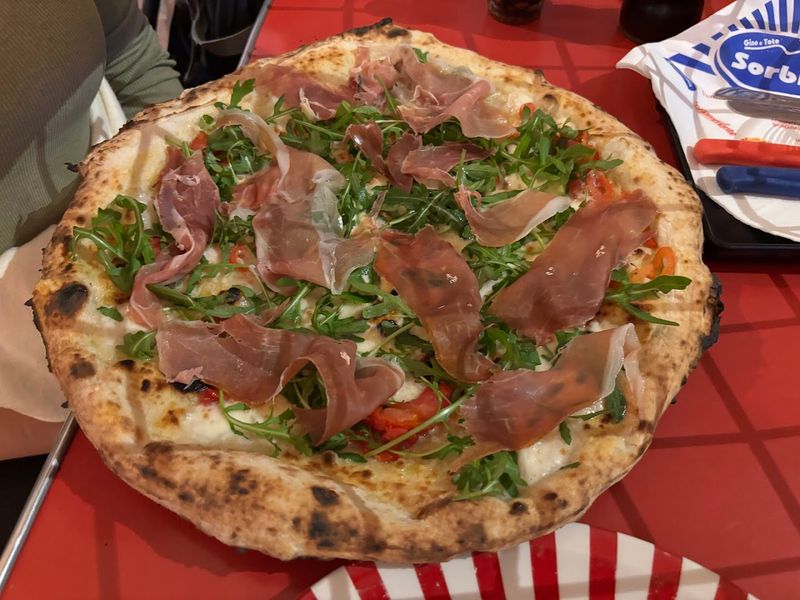
Few names carry more weight on the streets of Naples than Sorbillo. The family has been making pizza since the early twentieth century, and the current generation runs one of the city’s most celebrated addresses.
What draws serious Italian pizza fans here is the dough. It is airy, light, and produced through a slow fermentation process that gives each pie a distinct depth of flavor without heaviness.
Toppings are traditional and sourced from trusted local producers.
Gino Sorbillo himself has become something of an ambassador for Neapolitan pizza culture, opening locations in other cities while keeping the Naples original as the true reference point. Regulars will tell you that the original location on Via dei Tribunali is the one that matters most.
4. Bonci Pizzarium, Rome, Italy
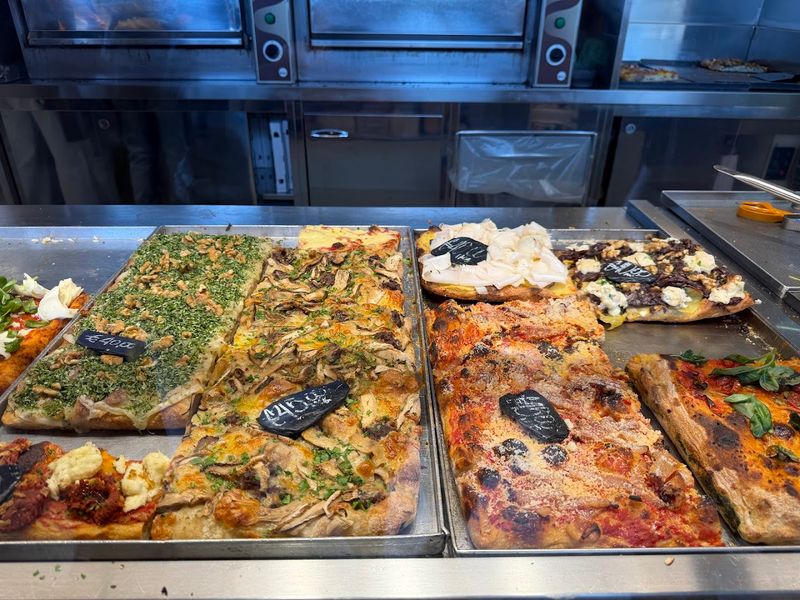
Gabriele Bonci did not invent pizza al taglio, but he absolutely rewrote the rulebook for it. His shop near the Vatican became a reference point for Roman-style pizza by the slice when it opened in 2003, and it has not lost its reputation since.
The dough uses organic flour and goes through a long cold fermentation, resulting in a base that is crisp on the bottom and open in texture throughout. Toppings rotate based on season and availability, which means the menu is never quite the same twice.
Food journalists from across Europe have written about Pizzarium, but the most convincing endorsement comes from the Romans who stop in regularly on their lunch break without making a fuss about it.
5. Pizzeria Attilio’s, Naples, Italy
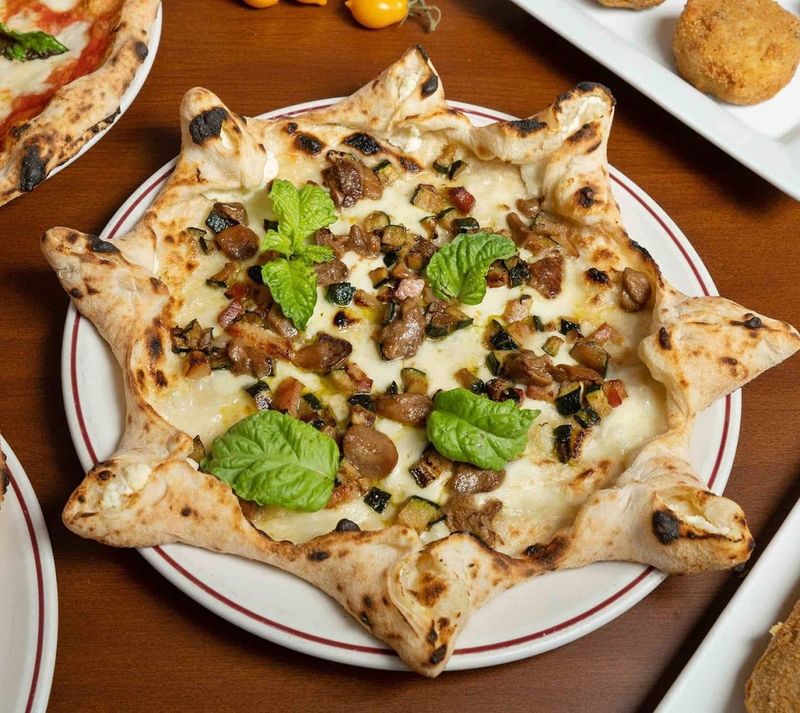
The star-shaped pizza is not something you find at every Naples pizzeria, but at Attilio’s it has been a signature for decades. The distinctive shape is made by folding the crust into points around the edge, with fillings tucked inside each one.
This family-run spot in the Quartieri Spagnoli has been operating since 1938 and remains deeply traditional in its methods. The wood-fired oven produces pies with the charred, uneven crust that Neapolitan pizza purists consider the mark of proper technique.
Regulars here tend to be locals who grew up eating at Attilio’s and now bring their own families. The menu is not trying to impress anyone with novelty.
It earns its reputation through consistency and a clear commitment to doing things the old way.
6. I Masanielli, Caserta, Italy
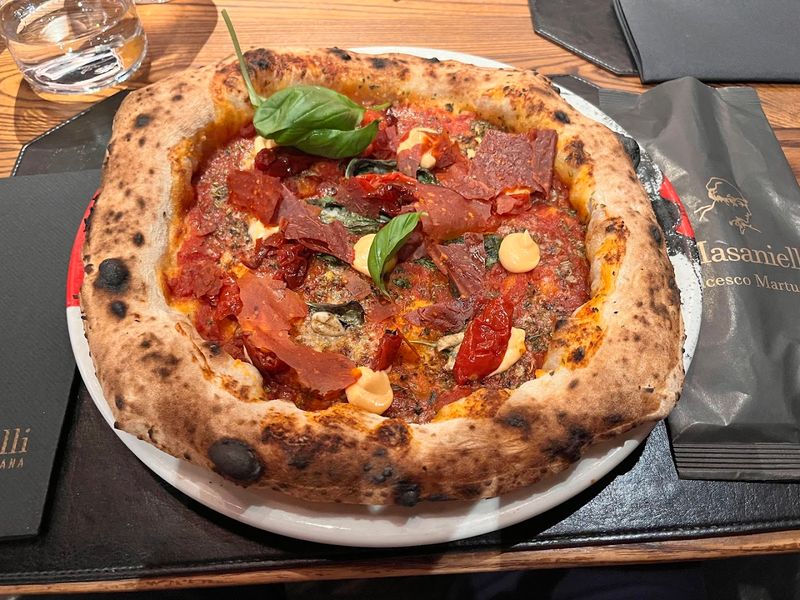
Francesco Martucci runs what many Italian pizza rankings have called the best pizzeria in the country, and his address in Caserta, just north of Naples, has become a genuine destination for serious pizza travelers.
His most talked-about creation is the “pizza a tre temperature,” which involves ingredients served at three different temperatures on the same pie. It sounds like a gimmick until you understand that Martucci spent years developing the concept to highlight how temperature affects flavor perception.
I Masanielli has topped the 50 Top Pizza Italy ranking, which is taken seriously by Italian food professionals and enthusiasts alike. The pizzeria does not rest on that recognition.
The menu continues to evolve, and return visitors consistently report that the quality holds up on every visit.
7. Antico Forno Roscioli, Rome, Italy
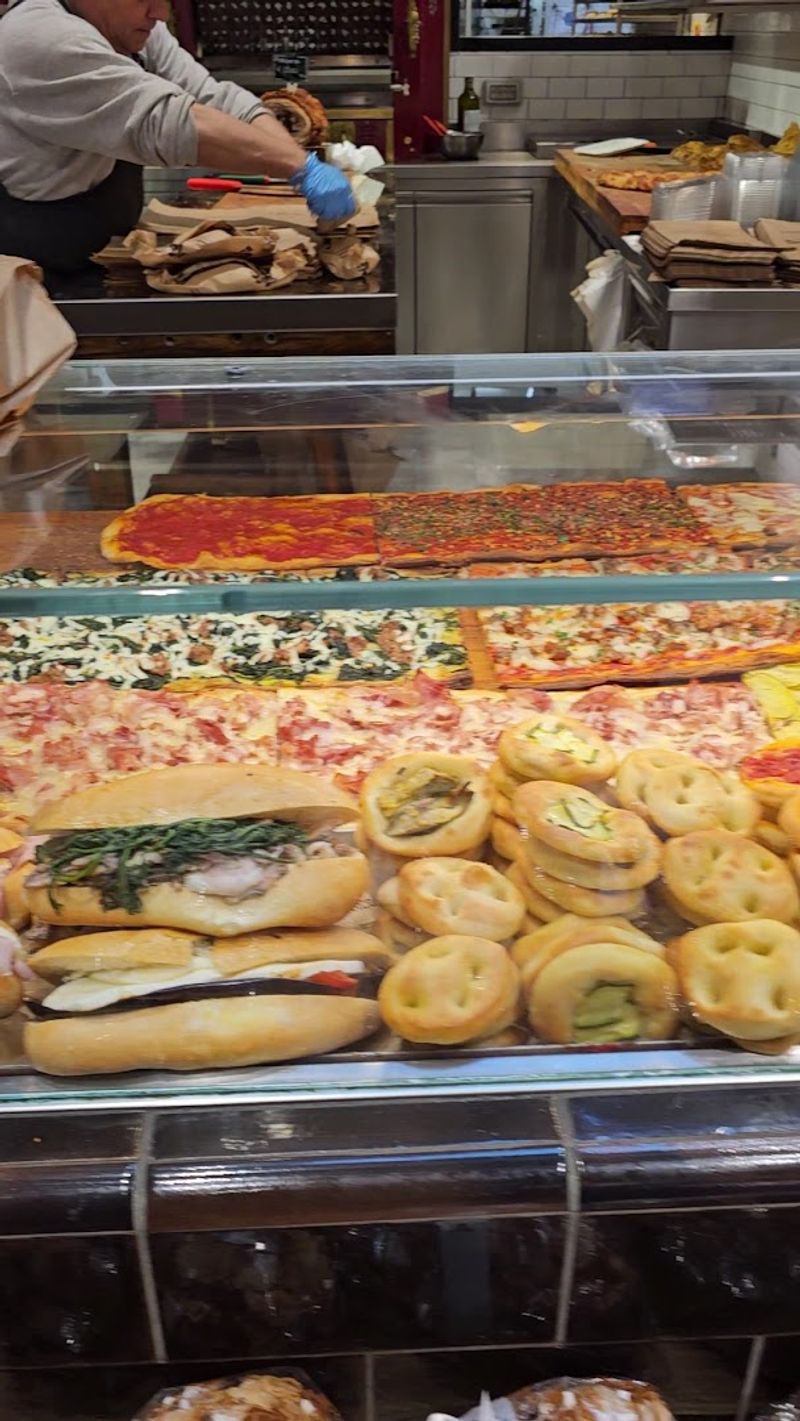
Roscioli is one of those Rome institutions that manages to be excellent at multiple things simultaneously, which usually means it does none of them perfectly. Somehow, this place defies that pattern entirely.
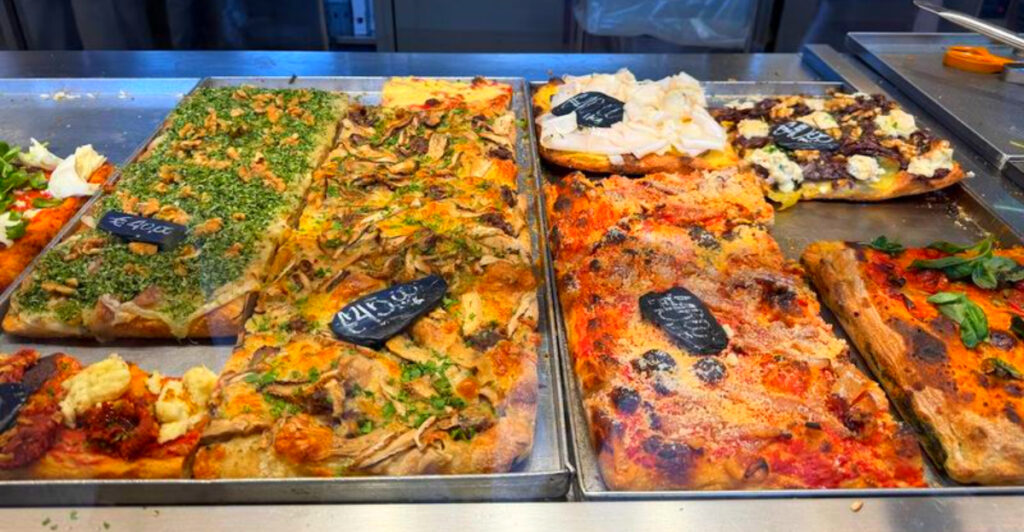
The pizza al taglio here is sold by weight from long rectangular trays displayed at the counter. Topping options include combinations like potato and rosemary, classic tomato and mozzarella, and more inventive seasonal preparations.
The crust is thin, properly crisp, and made from quality flour.
The bakery side of the operation has been running since the late nineteenth century, and that bread-making background shows in the pizza dough. Romans who live in the neighborhood treat Roscioli as a reliable daily stop rather than a special occasion, which is perhaps the most honest form of praise.
8. Pizzeria La Notizia, Naples, Italy
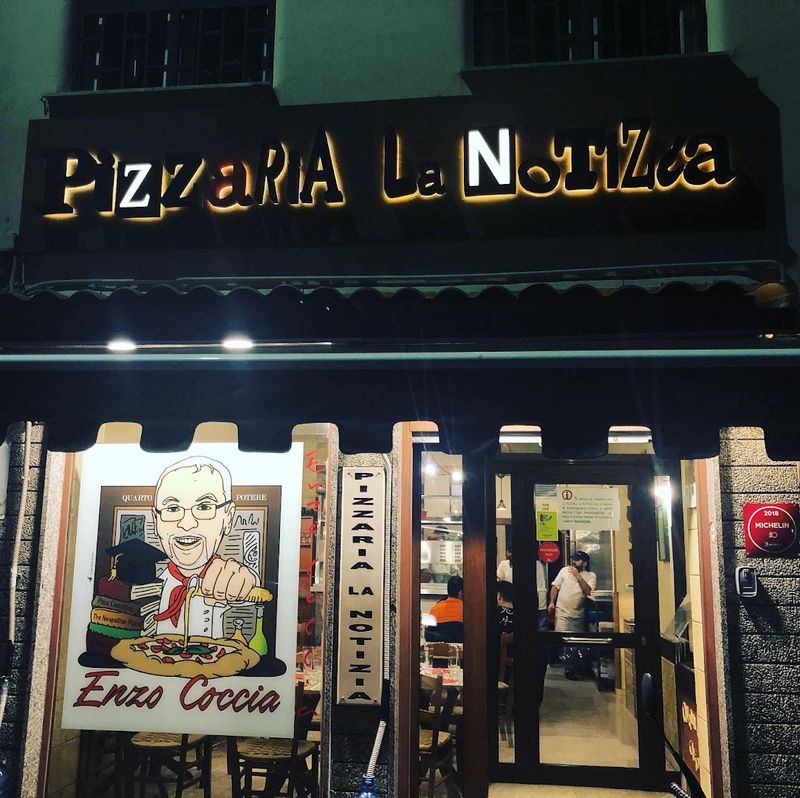
Enzo Coccia is the kind of pizza maker who gives lectures at culinary schools and writes seriously about dough science, which tells you a lot about what to expect from his restaurant in the Vomero neighborhood of Naples.
La Notizia opened in 1994 and has consistently earned praise from Italian food critics for balancing technical precision with genuine respect for Neapolitan tradition. Coccia helped push the conversation around pizza quality forward in Italy by treating the craft as something worth studying rigorously.
The menu features classic Neapolitan styles made with carefully selected ingredients, many sourced directly from small regional producers. Italian pizza purists who are skeptical of modernist approaches tend to trust La Notizia precisely because it never sacrifices tradition for the sake of appearing innovative.
9. Pizzeria Starita, Naples, Italy
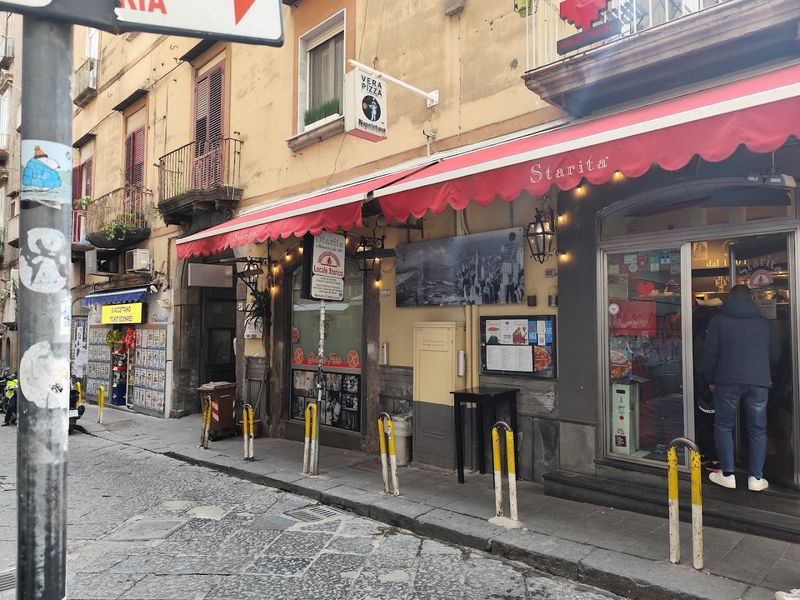
Starita opened as a tavern in 1901, converted to a pizzeria in 1948, and has been earning loyal customers in the Materdei neighborhood of Naples ever since. That is over a century of pizza, which is not something most restaurants anywhere in the world can claim.
The fried pizza here is the main attraction for many visitors. The montanara, a fried dough base topped with tomato and cheese, has roots going back to when frying was more practical than baking for street vendors.
Starita kept the tradition alive when others moved on.
Classic Neapolitan baked pizzas are also excellent here, with properly charred crusts and straightforward toppings that reflect the original Naples style. Italian food historians sometimes reference Starita as a living record of how Neapolitan pizza evolved through the twentieth century.
10. Pepe in Grani, Caiazzo, Italy
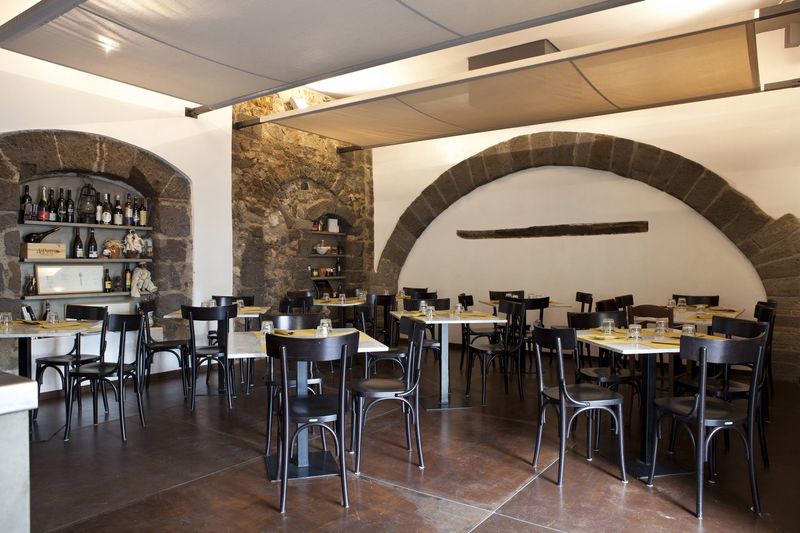
Franco Pepe chose to open his pizzeria in Caiazzo, a hilltop town of around four thousand people about an hour from Naples, and somehow turned that remote location into one of Italy’s most visited food destinations.
The building itself is a restored historic structure in the town center, and the overall experience is designed around the idea that great pizza deserves a great setting. Pepe sources ingredients from local Campania producers with a seriousness that reflects his broader philosophy about quality.
International food media has called Pepe in Grani one of the world’s best pizzerias, and the line of visitors on weekends confirms that the reputation has spread far beyond Italy. What keeps Italian pizza lovers returning is the consistency and the sense that Pepe is genuinely invested in every pie that leaves his kitchen.
11. Berberè, Bologna, Italy
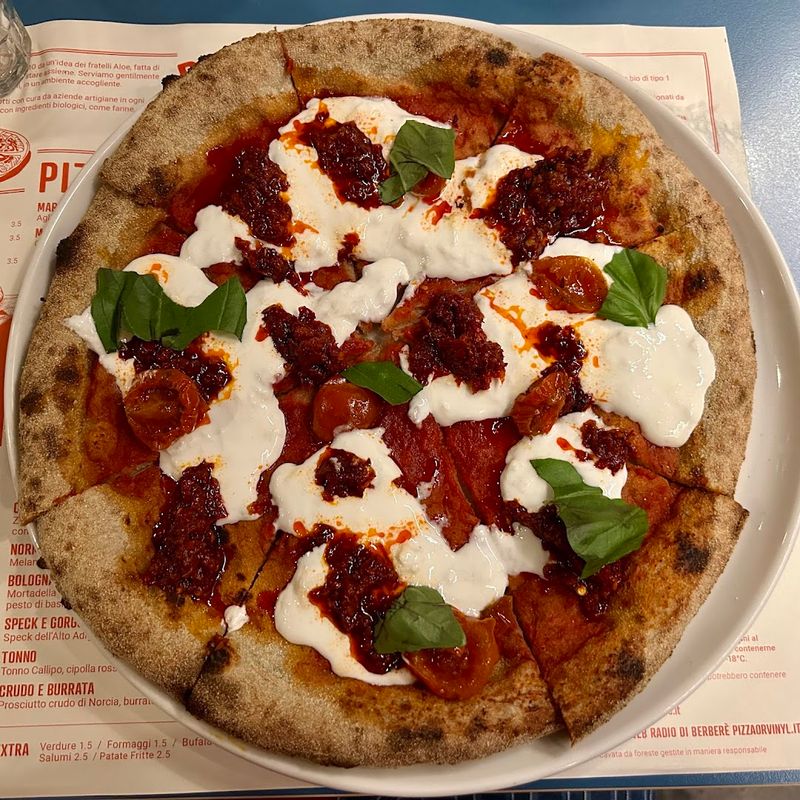
Northern Italy is not the first place most people think of when ranking serious pizza, but Berberè has been challenging that assumption since the Aloe brothers opened the first location in Castel Maggiore in 2010.
The chain now operates across several Italian cities, which could easily mean a drop in quality, but consistent reviews from Italian food critics suggest that standards have held. The key is the dough, which uses slow fermentation and organic flour to produce a crust with a distinct, slightly complex flavor.
Toppings are chosen with the same attention to sourcing, and seasonal menus keep the offering fresh without chasing trends. Italian food writers who cover contemporary pizza culture regularly include Berberè as proof that quality pizza is no longer exclusively a southern Italian story.
12. Pizzeria Bianco, Phoenix, Arizona
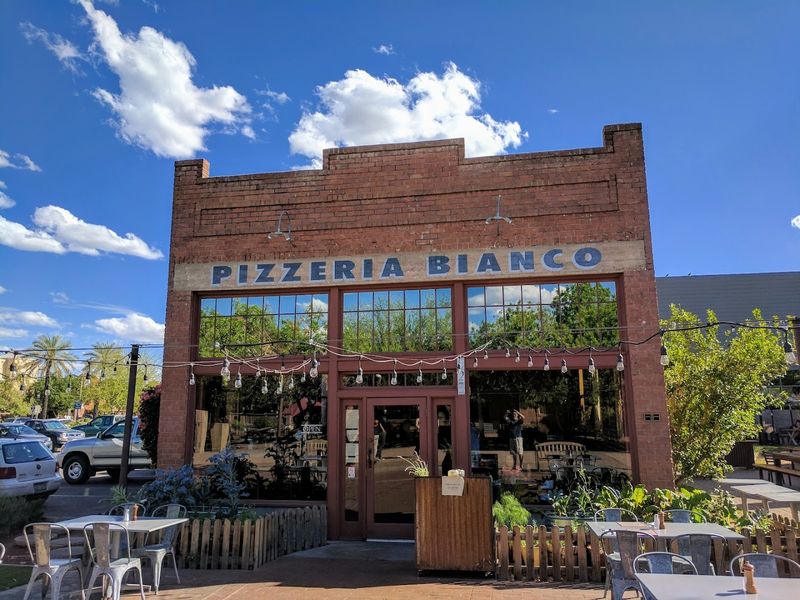
Getting praised by Italians for your pizza when you are based in Phoenix, Arizona, is the kind of achievement that requires more than good ingredients. Chris Bianco built his reputation over decades through a commitment to sourcing and wood-fired technique that Italian visitors have repeatedly described as genuinely impressive.
The menu is deliberately short, featuring a small number of pies with names that have become well known among American food enthusiasts. The Rosa, topped with red onion, Parmigiano Reggiano, and rosemary, is often cited as the signature example of Bianco’s approach.
Italian-American food critics who are usually protective of their homeland’s pizza tradition have written favorably about Pizzeria Bianco. That kind of cross-cultural respect is rare and speaks to the consistent quality that Bianco has maintained since opening in 1988.
13. Confine, Milan, Italy

Most pizzerias in Italy are comfortable, casual places where formality would feel out of place. Confine in Milan takes a different position, presenting pizza within a dining framework that Italian food critics have described as genuinely fine-dining adjacent.
The dough is made with the same seriousness you would expect from a high-end bread program, and the toppings are sourced with the kind of attention to provenance that restaurants with Michelin ambitions typically apply to their main courses.
Traditional Italian pizza lovers, who often resist anything that feels pretentious, have given Confine credit because the quality of the pizza itself justifies the elevated approach. The accolades are not built on atmosphere alone.
The dough and ingredients deliver at the level the setting suggests, which is ultimately what matters most to serious Italian diners.
14. Santarpia, Florence, Italy
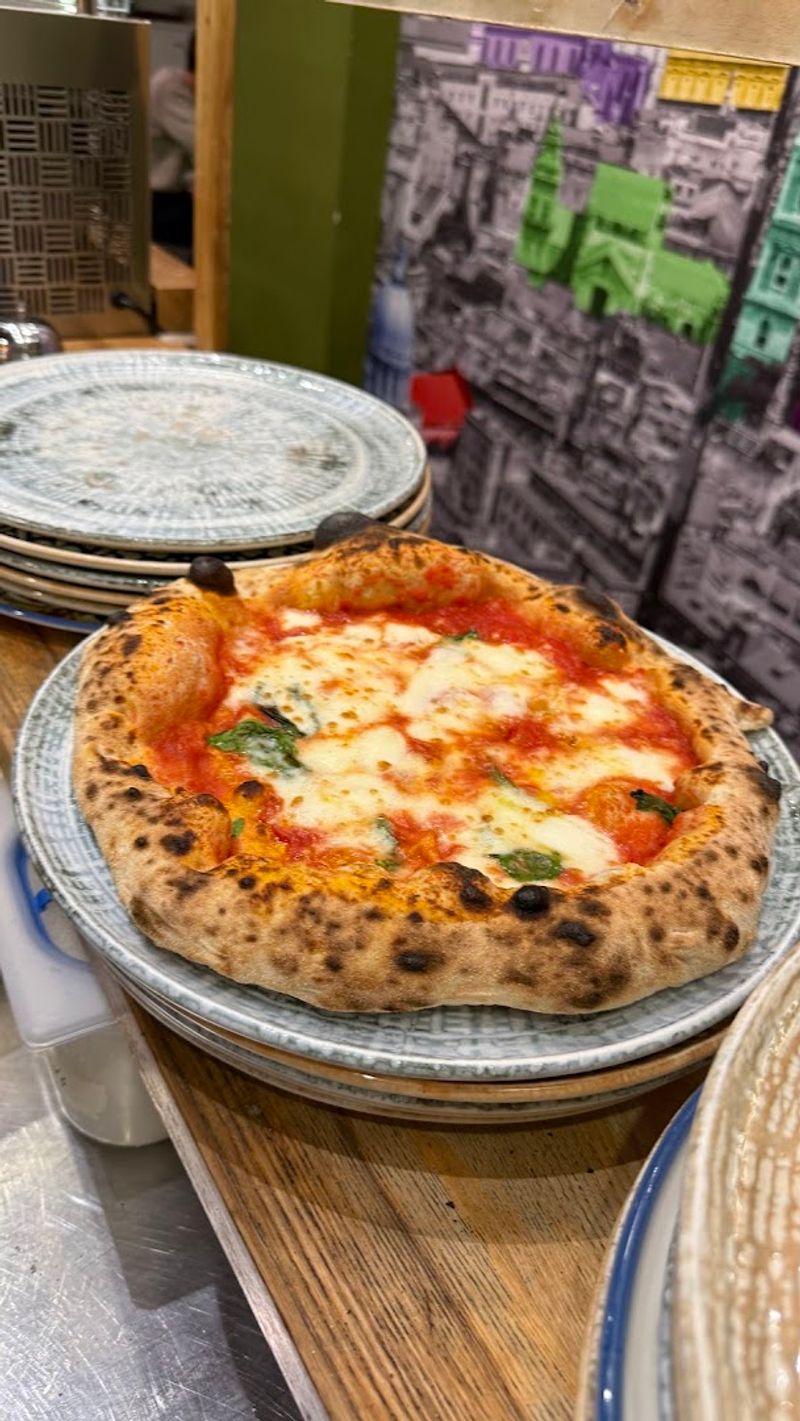
Florence is world-famous for bistecca, ribollita, and Renaissance art, but pizza has historically not been part of the city’s culinary identity. Santarpia changed that conversation when it opened behind the Sant’Ambrogio market.
The pizzeria imports its approach directly from Naples, using Neapolitan technique and carefully sourced ingredients to produce pies that Italian visitors from the south have described as legitimately impressive. The blistered crust, the quality of the mozzarella, and the balance of toppings all reflect serious attention to the original tradition.
Florentines who were initially skeptical have become regulars, and visiting Italians from pizza-serious regions now add Santarpia to their Florence itinerary without irony. Earning that kind of cross-regional respect in a country where regional pride is fierce is a genuine accomplishment for any pizzeria operating outside the traditional pizza belt.
15. Francesco & Salvatore Salvo, Naples, Italy
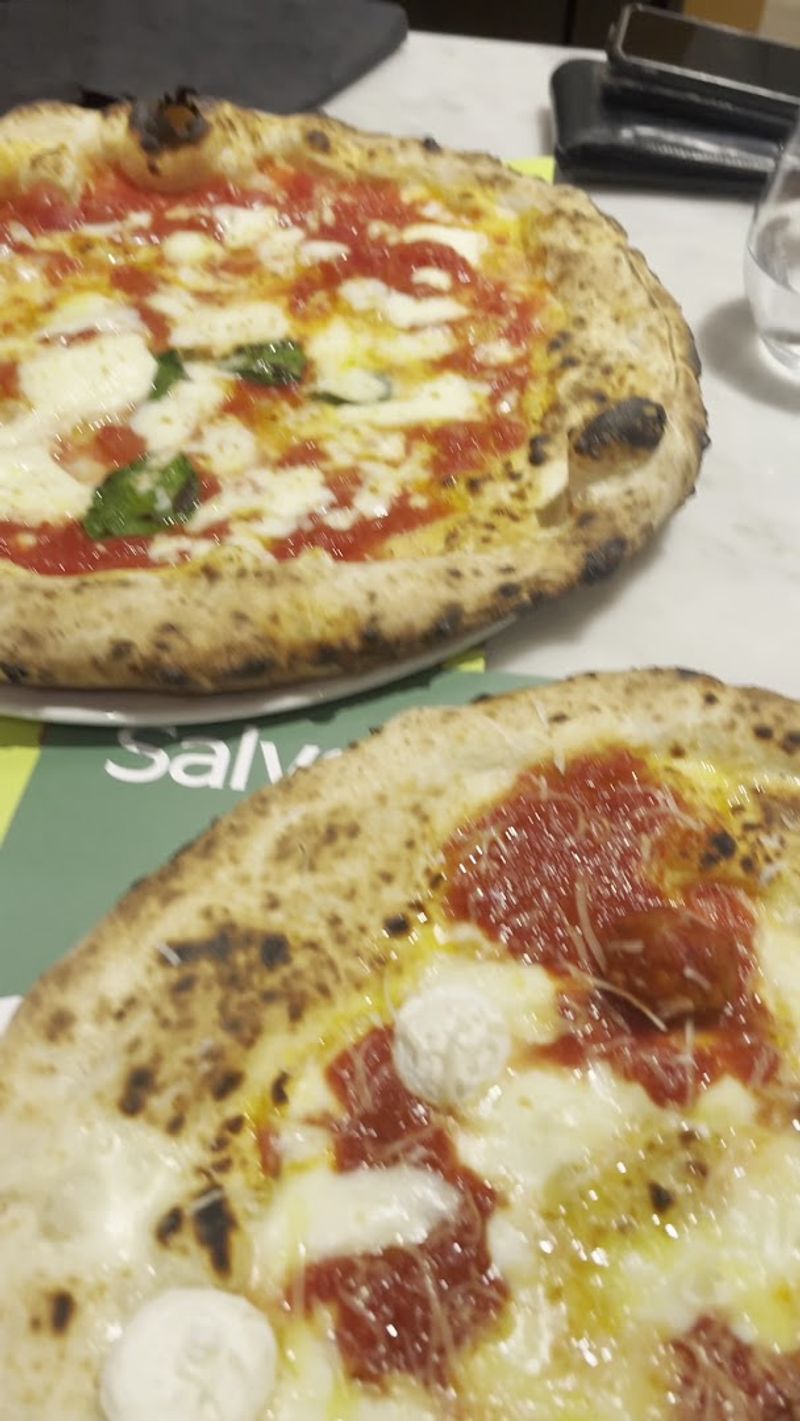
The Salvo brothers come from a pizza-making family with roots going back generations in the Naples area, and their pizzeria in the San Giorgio a Cremano neighborhood carries that heritage with visible confidence.
Francesco and Salvatore have each developed reputations as serious practitioners of Neapolitan pizza craft. The dough they produce is consistently cited by Italian food critics as among the best in the city, which is a high bar given that Naples takes this subject more seriously than almost anywhere on earth.
The menu covers traditional Neapolitan styles with a precision that reflects years of focused practice rather than experimentation for its own sake. Italian pizza enthusiasts who have worked through the famous Naples addresses often land at Salvo and describe it as the place where everything they had learned about great dough finally made complete sense.
Share this story