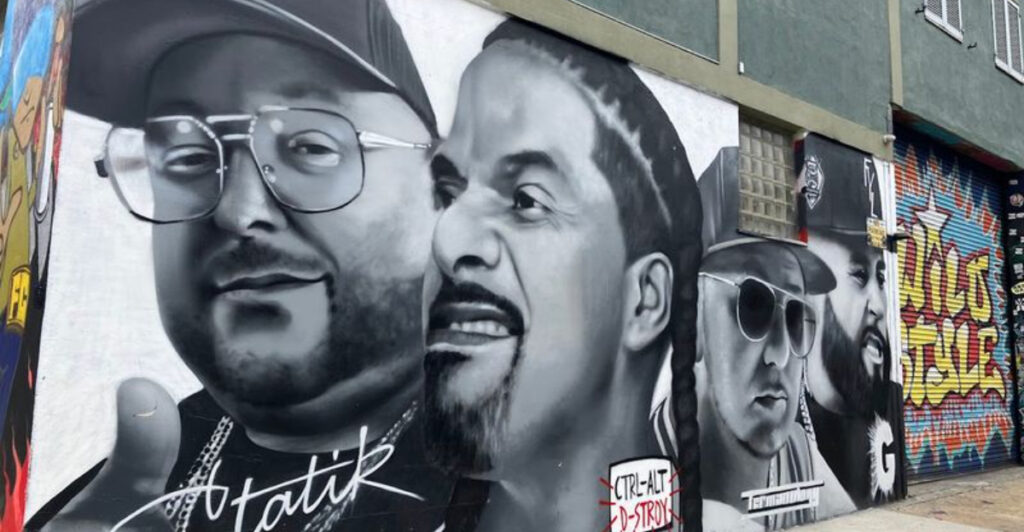
Brooklyn has no shortage of things to do, but one neighborhood has quietly built something that art lovers across the country keep talking about. Spread across several city blocks in Bushwick, an open-air collection of murals has turned ordinary building walls into a rotating gallery that never charges admission.
The scale alone is hard to wrap your head around until you are actually standing in front of it. This is not a weekend pop-up or a single painted alley.
It is one of the largest outdoor mural collections in the entire United States, and it has been growing steadily for over a decade. Every wall tells a different story, every turn reveals a new style, and the whole neighborhood feels like a place where creativity has taken permanent root.
Keep reading to find out what makes this Brooklyn destination unlike anything else in New York.
The Scale Is Hard to Believe Until You See It
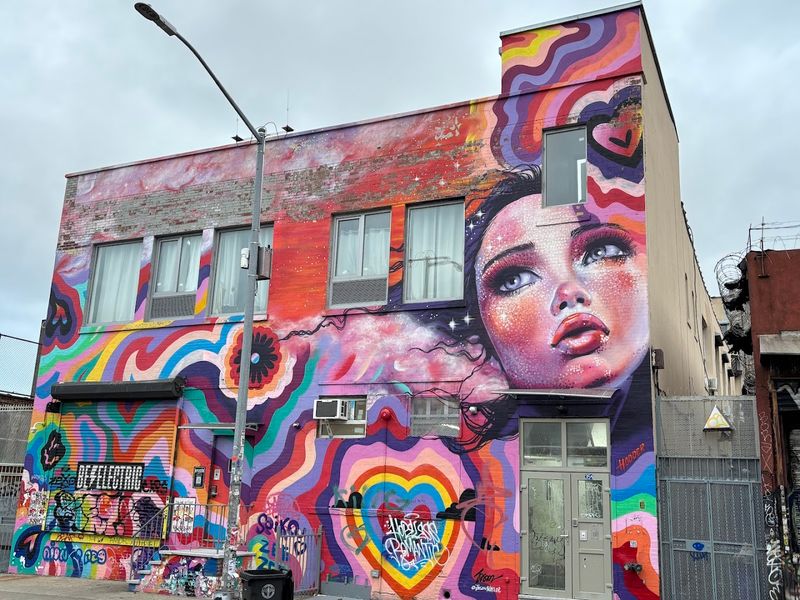
Most outdoor art installations occupy a wall or two. The Bushwick Collective covers block after block of Bushwick streets, with murals stacked from ground level up to rooftops on buildings that span entire city lots.
The collection includes hundreds of individual works, and the number keeps climbing. Some pieces stretch four or five stories high, while others are tucked into narrow passages or painted across loading dock doors.
The variety of scale is part of what makes wandering through the area so engaging.
Artists from more than a dozen countries have contributed to the walls here, which means the styles shift dramatically from one building to the next. You might pass a hyper-realistic portrait, then turn a corner to find a large-scale abstract composition in bold geometric shapes.
The sheer physical size of the collection is what consistently surprises first-time visitors, no matter how many photos they have seen beforehand.
A Range of Styles That Covers Almost Every Artistic Movement
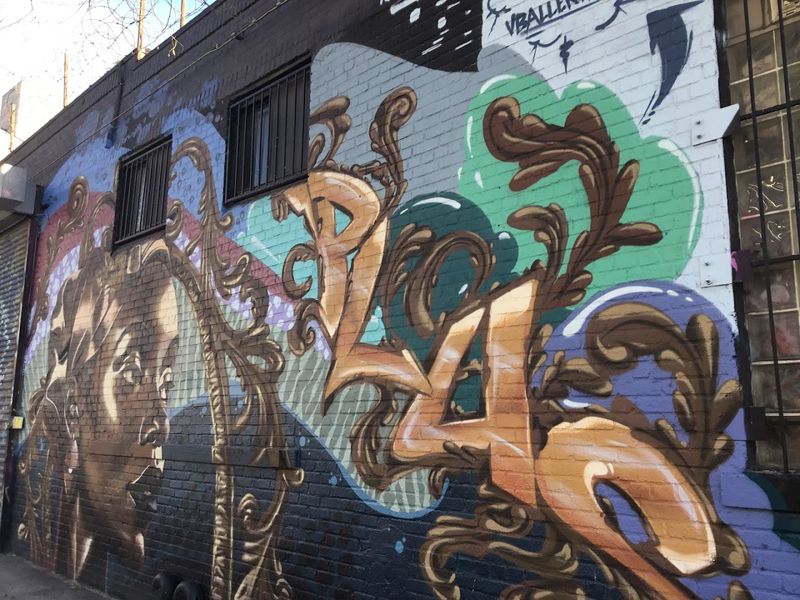
One of the things that sets this collection apart from similar projects is the sheer range of artistic styles on display. Classic graffiti lettering sits next to photorealistic portraits.
Abstract color-field compositions share walls with surrealist imagery and politically charged illustrations.
That variety is intentional. The Bushwick Collective has always welcomed artists with different backgrounds and influences, which means the collection reads like a survey of contemporary street art rather than a showcase for a single aesthetic.
A person who loves traditional graffiti culture will find plenty to appreciate, and so will someone whose taste runs toward fine art or illustration.
Some of the most detailed pieces require a slow, close-up look to fully appreciate the technical skill involved. Tiny figures, hidden symbols, and layered textures reward the patient observer.
The collection functions as both a public art destination and an informal education in just how broad and expressive street art has become as a medium.
It Is Completely Free and Open Every Day
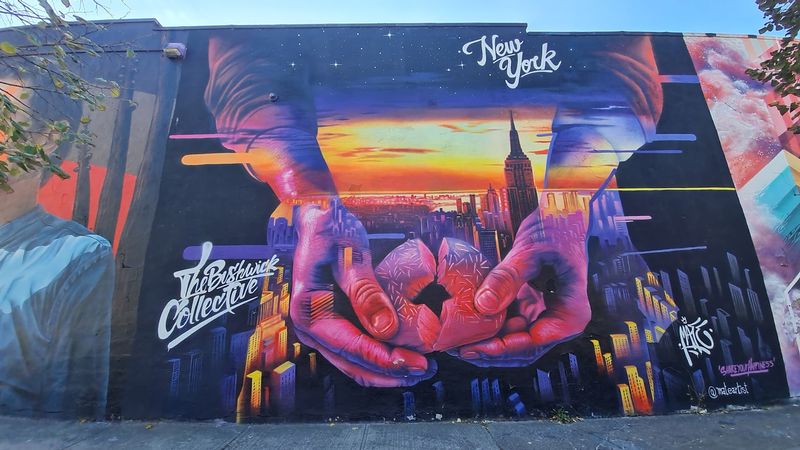
There are no tickets, no timed entry windows, no membership fees, and no roped-off sections. The Bushwick Collective is entirely free to explore, and the streets are accessible any time of day or night, any day of the year.
That open-access model is a big part of why the collective has built such a broad and loyal following. Families, photography enthusiasts, tourists, and longtime Brooklyn residents all share the same sidewalks and alleys without any barrier between them and the art.
The only thing required is a willingness to walk.
Free street parking is available in the surrounding blocks, and the area is also reachable by subway, making it an accessible outing regardless of how you get around the city. For travelers on a tight budget or locals looking for something to do on a Sunday afternoon, few destinations in New York offer this much visual content for absolutely no cost.
That alone makes it worth the trip.
The Annual Block Party That Brings the Neighborhood Together
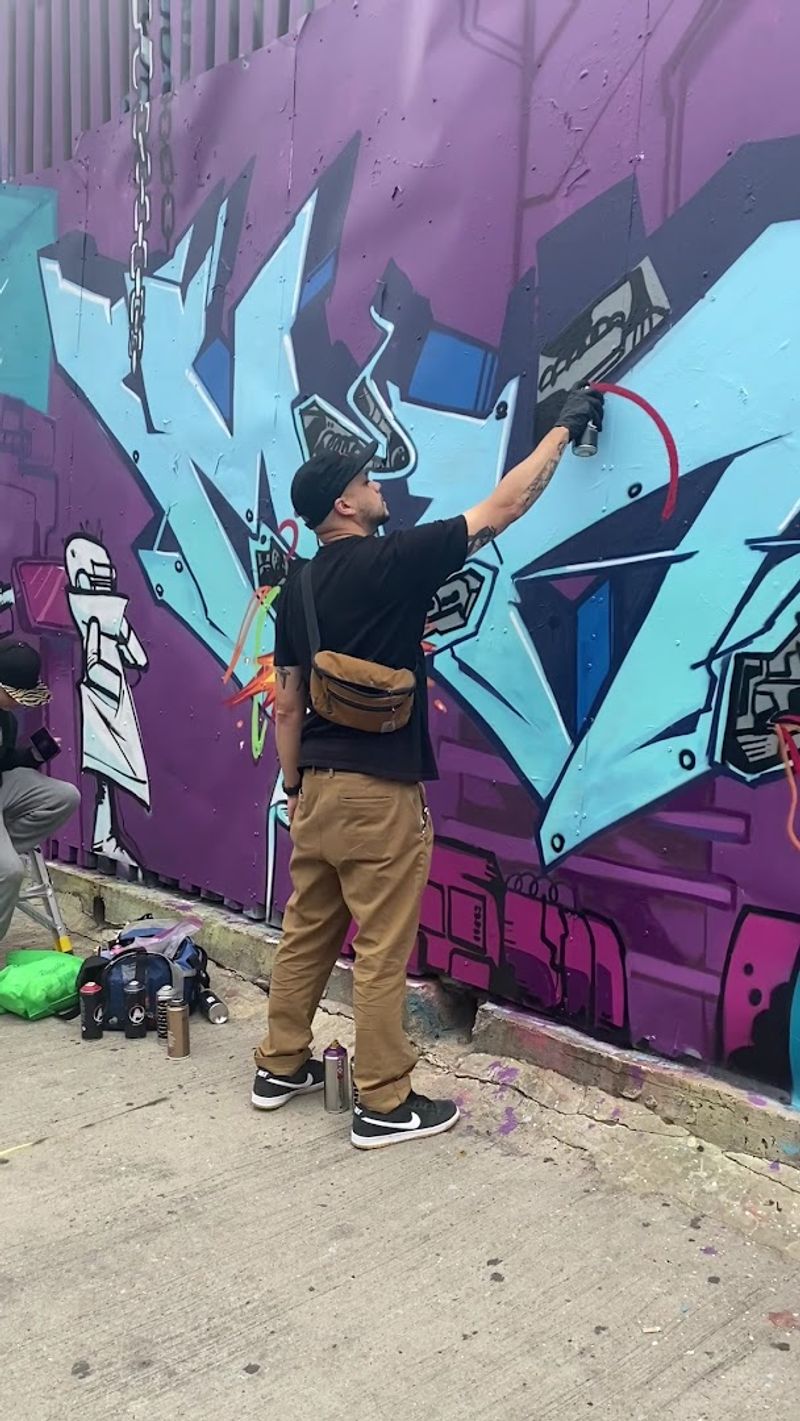
Every spring, the Bushwick Collective hosts its annual block party, which has become one of the most anticipated community events in Brooklyn. The event draws thousands of people to the streets around Troutman Street for a full day of live music, local vendors, and new mural unveilings.
Artists are often on-site during the block party, working on fresh pieces in real time while the crowd moves around them. Watching a large-scale mural come together over the course of a few hours gives the event an energy that goes beyond a typical street fair.
Food vendors, craft sellers, and local businesses set up along the blocked-off streets, and the whole neighborhood takes on a festival atmosphere. The block party is also when many new artists are introduced to the collection, meaning long-time followers of the collective often come specifically to see what has changed and who has been added to the roster of contributors.
Guided Tours Add a Whole New Layer to the Experience
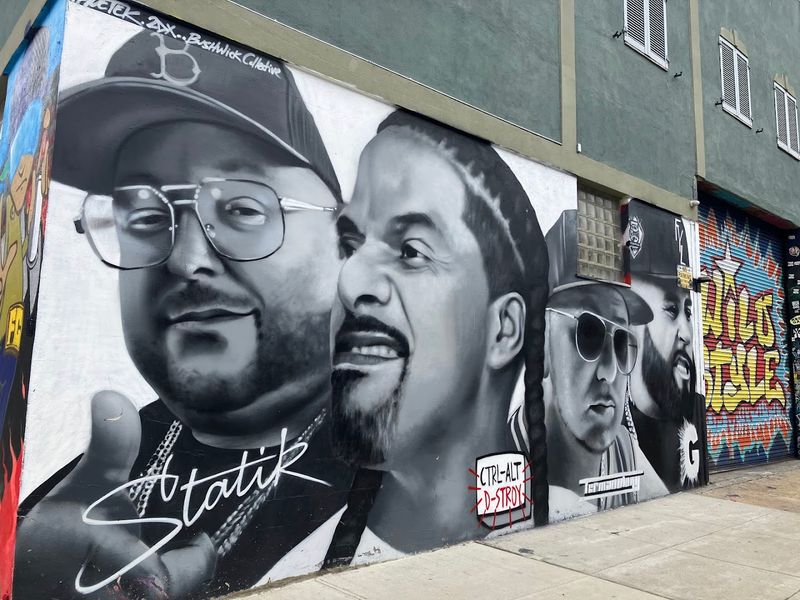
Walking the streets on your own is a perfectly valid way to experience the Bushwick Collective, but a guided tour unlocks context that is easy to miss when exploring solo. Several tour operators offer walking tours of the area, typically running around an hour and covering the most significant works in the collection.
A good guide will explain the background of individual artists, the stories behind specific murals, and how certain pieces connect to the history of the Bushwick neighborhood. Some of the smaller, more intricate works are tucked into spots that most self-guided visitors walk right past, and a tour helps ensure those details do not go unnoticed.
Tours are available on weekends and can be booked in advance through various local tour companies. Groups of all sizes tend to find the format useful, especially those visiting from outside New York who want to leave with a fuller understanding of what they are looking at and why it matters.
The Neighborhood Itself Is Part of the Story
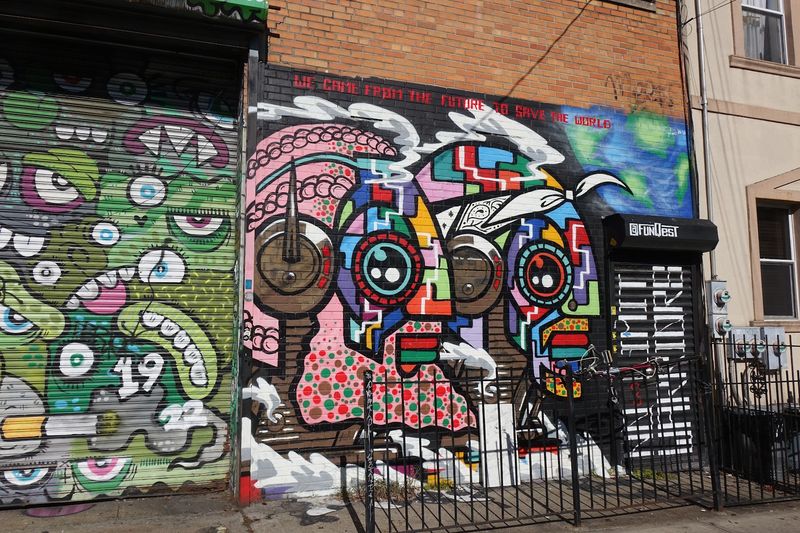
Bushwick has a layered history that feeds directly into the character of the collective. The neighborhood was once heavily industrial, home to factories and warehouses that employed large numbers of working-class residents.
When those industries declined, many buildings sat empty or underused, leaving wide expanses of blank wall space that eventually became the canvas for the collective.
Today, Bushwick is in the middle of a significant transformation. New cafes, studios, and small businesses have moved in alongside long-established community institutions.
The murals reflect that tension and that energy, with many pieces directly addressing themes of identity, displacement, community, and resilience.
Walking through the neighborhood means encountering that full picture, not just the art but the context surrounding it. The streets feel lived-in and real in a way that a curated gallery space never quite achieves.
That authenticity is something that keeps people coming back and keeps the collective relevant long after the initial buzz of discovery has faded.
Photography at the Collective: A Destination in Its Own Right
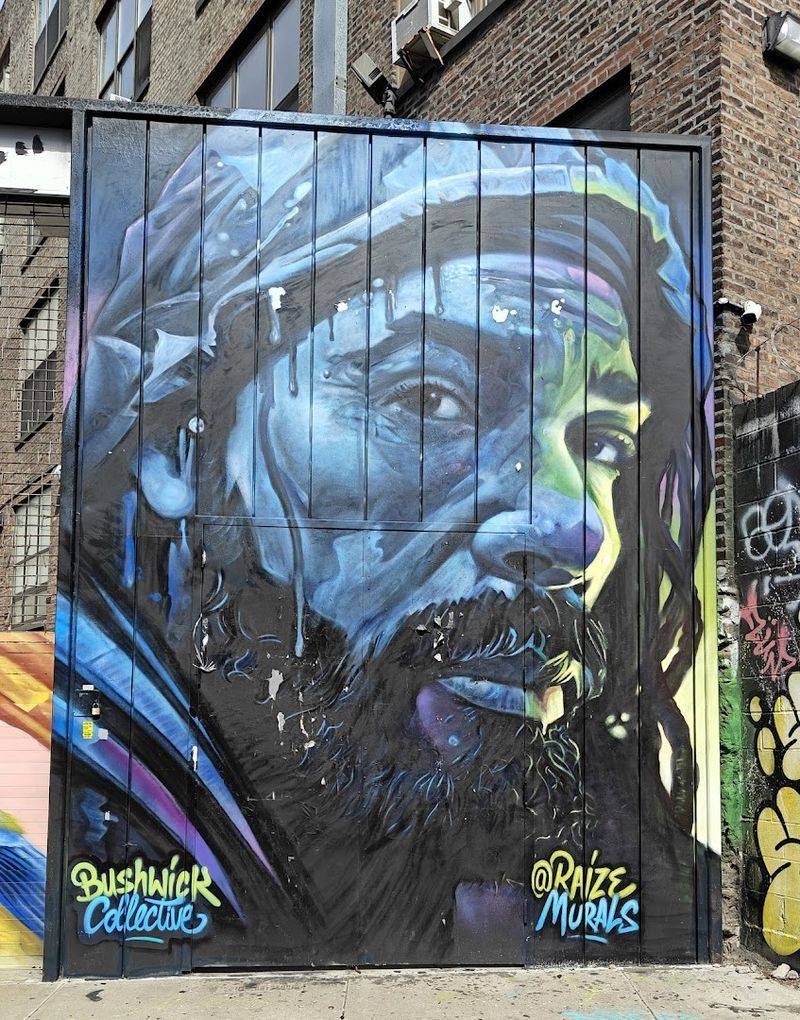
The Bushwick Collective has earned a strong reputation among photographers, and it is easy to understand why. The combination of large-scale works, varied lighting conditions throughout the day, and the urban backdrop of Bushwick creates an environment that produces compelling images almost regardless of where you point a camera.
Early morning offers clean light and relatively empty streets, which suits architectural and detail-focused shots. Later in the day, the afternoon sun hits certain walls at angles that bring out texture and color in ways that midday light does not.
Many photographers make multiple visits at different times to capture the same murals under different conditions.
Portrait photographers frequently use the walls as backdrops for shoots, and the collective has become a popular location for everything from professional editorial work to casual personal photography. Bringing a camera, whether a dedicated device or a phone, is something that nearly every person who visits the collective does, and for good reason.
The walls genuinely reward that kind of attention.
How the Collection Keeps Evolving Over Time
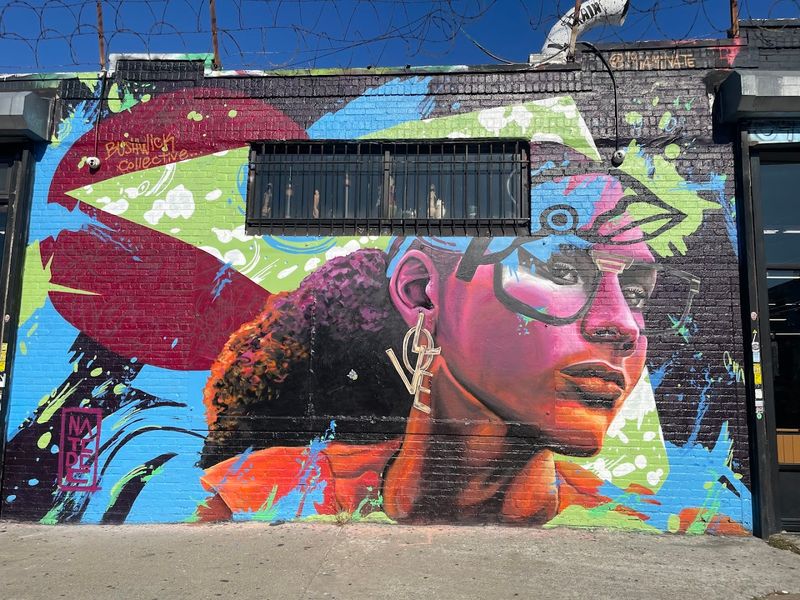
One of the most interesting things about the Bushwick Collective is that it is never truly finished. New murals are added regularly, and older works are sometimes painted over to make room for fresh contributions.
That constant rotation means the collection looks different depending on when you visit.
The practice of painting over existing murals is a point of ongoing conversation within the street art community. Some see it as a loss, while others view it as consistent with the temporary nature of street art as a form.
The collective has generally embraced the idea that change is part of the project’s identity rather than a flaw in its design.
Regular visitors often track which pieces have appeared or disappeared since their last trip, turning each visit into a kind of scavenger hunt. Artists who contributed early works sometimes return to add new pieces, creating a layered timeline across the walls that reflects how both the artists and the neighborhood have changed over the years.
What to Expect When You Visit for the First Time
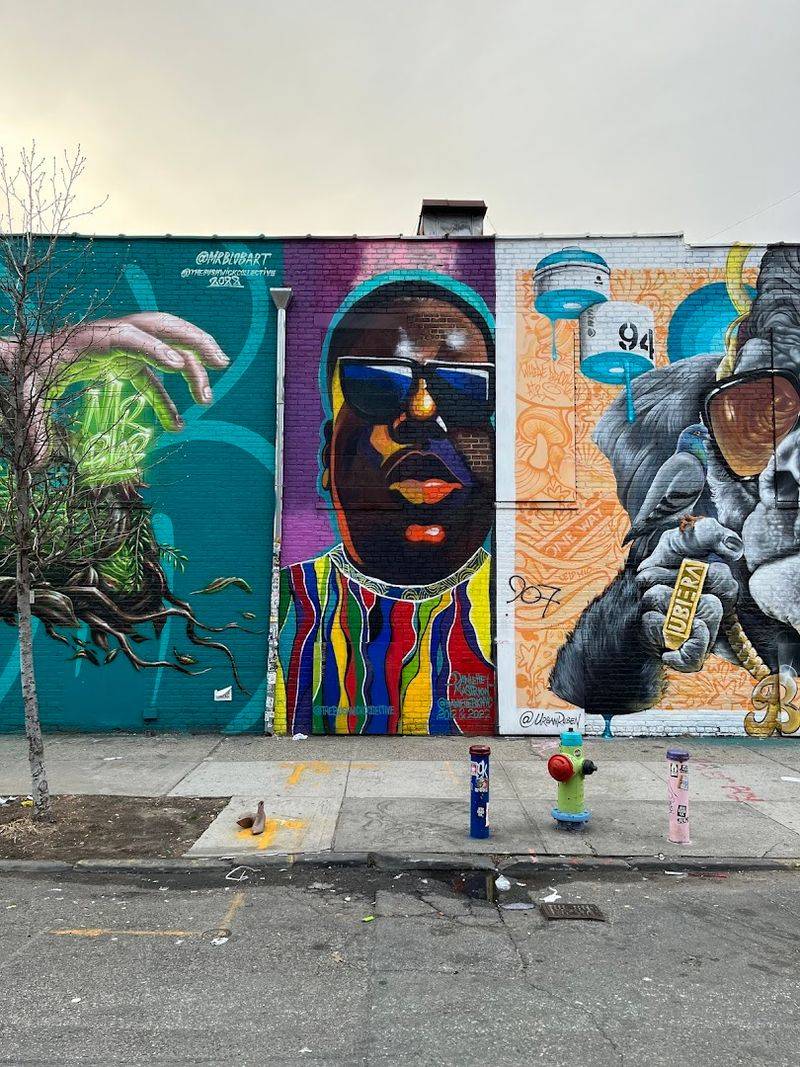
A first visit to the Bushwick Collective works best with comfortable shoes and a loose schedule. The streets are uneven in places, and the most rewarding way to explore is to wander without a fixed route rather than following a strict path from point to point.
The area around Troutman Street is the densest concentration of murals, but the art extends outward into the surrounding blocks, so it is worth exploring beyond the main drag. Some of the most striking pieces are on side streets and alleyways that are easy to overlook if you stick only to the obvious route.
Weekends tend to bring more activity to the neighborhood, with pop-up vendors and larger crowds. Weekday mornings are quieter and allow for a more focused look at individual works.
Either way, most people find that they spend longer than they planned, which tends to be the sign of a destination that delivers more than it promises on paper.
The Artists Behind the Walls: Local and International Talent
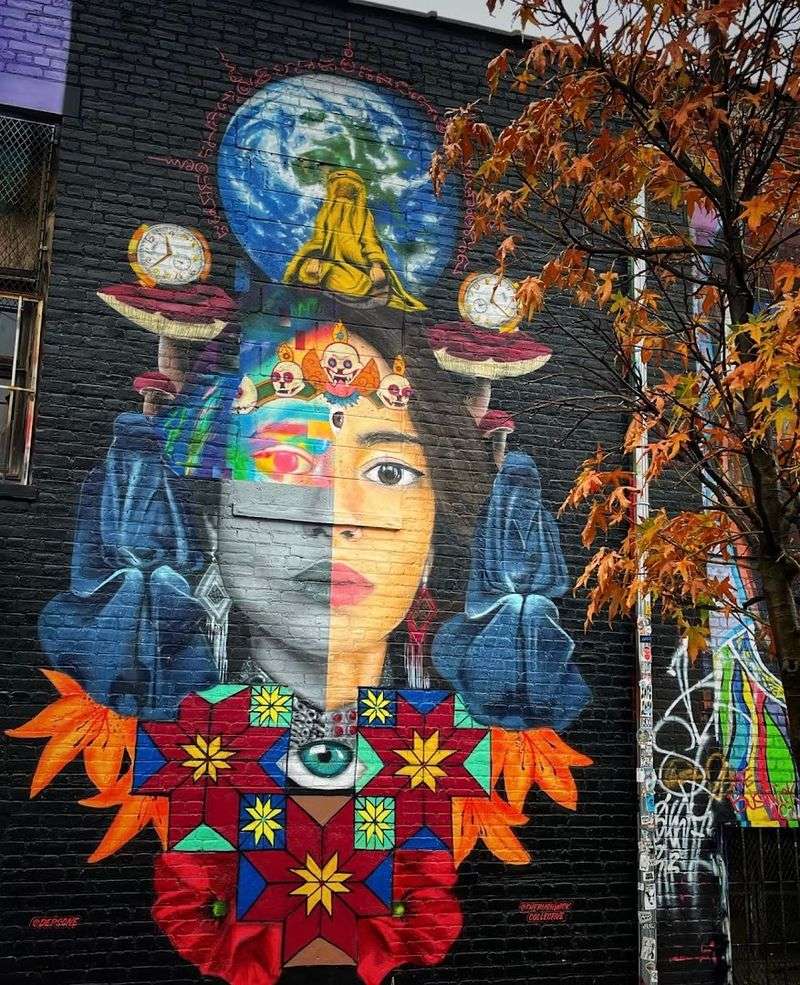
The roster of artists who have contributed to the Bushwick Collective reads like a who’s-who of the global street art scene. Names that appear in major galleries and on walls in cities across Europe, South America, and Asia have all left their mark on the buildings of Bushwick.
At the same time, the collective has consistently made space for local artists and emerging voices who might not yet have the same international profile. That balance between established names and newer contributors gives the collection a dynamic quality that purely prestige-driven projects often lack.
Many of the artists who painted early works at the collective have gone on to significant careers, and the Bushwick walls are sometimes cited as an early platform that helped build their visibility. For art lovers who follow the street art world closely, the collective functions as a living archive of where the medium has been and a preview of where it might be heading next.
Why This Brooklyn Block Has Become a National Reference Point
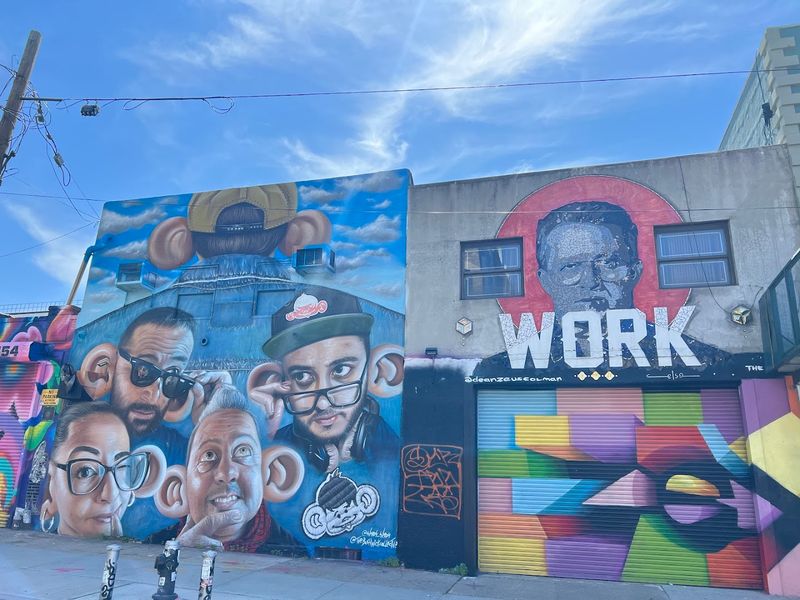
The Bushwick Collective is regularly cited alongside destinations like the Wynwood Walls in Miami when people discuss the most significant outdoor mural collections in the United States. That comparison reflects just how much ground the project has covered since its founding in 2012.
What separates Bushwick from some of its counterparts is the degree to which it remains embedded in a functioning, lived-in neighborhood rather than a heavily commercialized arts district. The murals exist alongside corner stores, laundromats, and small family businesses, which gives the collection a grounded quality that more polished destinations sometimes lose.
For anyone trying to understand the current state of public art in America, a visit to the Bushwick Collective offers a genuinely useful reference point. The project has demonstrated that community-driven outdoor art can achieve both artistic ambition and lasting neighborhood relevance, which is a combination that turns out to be harder to pull off than it sounds, and rarer than it should be.
Where It All Began: The Address and the Origin Story
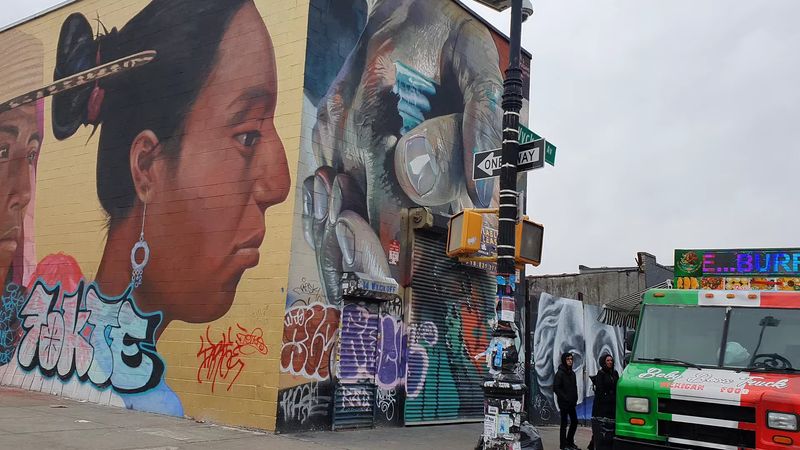
The Bushwick Collective is centered around 427 Troutman St, Brooklyn, NY 11237, in the Bushwick neighborhood of Brooklyn, New York. The project was founded by Joe Ficalora, a Bushwick native who wanted to honor his father and revitalize the neighborhood through public art.
What started as a small effort to paint a few walls in 2012 has grown into one of the most recognized outdoor mural destinations in the United States. Ficalora reached out to local and international artists, giving them full creative freedom to transform the industrial buildings and warehouse walls of Bushwick into a sprawling open-air gallery.
The result was something no one could have fully predicted. Within a few years, the collective had attracted globally known street artists alongside emerging local talent.
The neighborhood itself became the canvas, and the project became a model for community-driven public art that other cities have since tried to replicate.
Share this story