Portugal is famous for its coastlines and historic cities, but its islands are something truly special. Scattered across the Atlantic Ocean, these islands offer volcanic landscapes, crystal-clear waters, and a peaceful way of life that feels worlds away from busy tourist crowds.
Whether you are looking for dramatic mountain scenery, colorful coral reefs, or quiet beaches with barely a footprint in the sand, Portugal’s islands deliver something unforgettable. From the well-known Azores to the remote Savage Islands, each destination has its own personality and charm worth exploring.
1. Sao Miguel Island, Azores
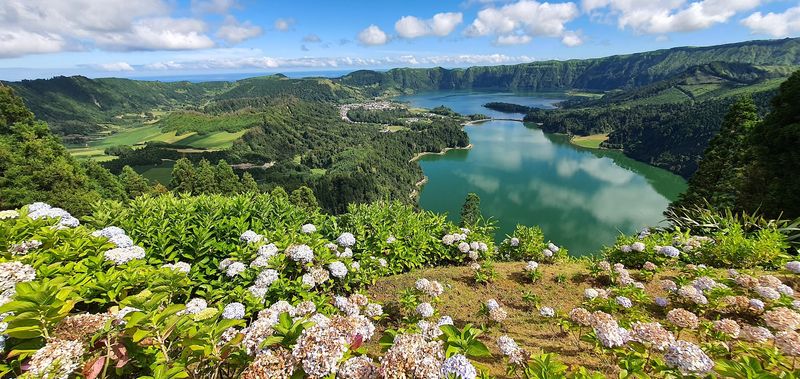
Known as the “Green Island,” Sao Miguel is the largest island in the Azores and one of the most visually stunning places in all of Portugal. Twin volcanic lakes at Sete Cidades sit inside a massive crater, one lake appearing blue and the other green depending on the light and season.
Watching this view from a hilltop lookout is one of those experiences that stays with you long after you leave.
Beyond the lakes, Sao Miguel offers natural hot springs at Furnas, where the ground literally bubbles with geothermal heat. You can even eat food slow-cooked underground in volcanic soil.
The island’s capital, Ponta Delgada, blends old cobblestone streets with lively cafes and fresh seafood restaurants. Sao Miguel is easy to reach by flight from Lisbon and works well as a base for exploring the wider Azores archipelago.
2. Pico Island, Azores
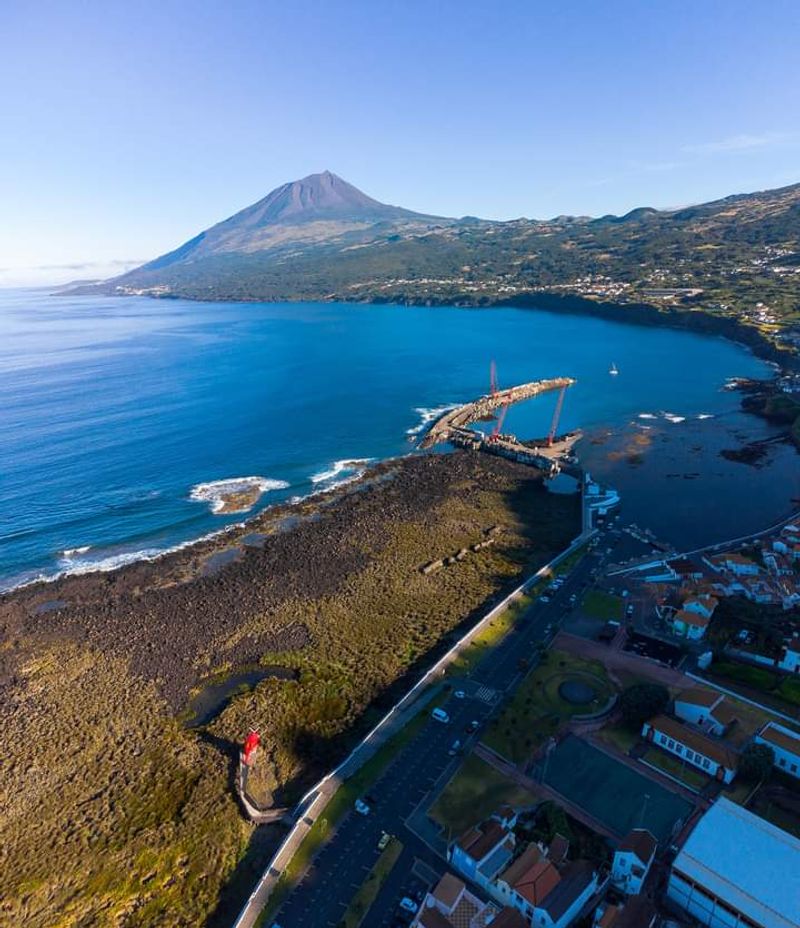
Pico Island is home to Portugal’s highest mountain, Mount Pico, a dormant volcano that rises over 2,350 meters above the Atlantic Ocean. On a clear day, you can see the summit from neighboring islands, and hikers travel from around the world for the chance to reach the top.
The climb is challenging but deeply rewarding, offering panoramic views that stretch across the entire Azores archipelago.
What makes Pico especially memorable is the contrast between its raw, dramatic landscape and its quietly productive culture. The island’s unique vineyard landscape, built on black lava rock, is a UNESCO World Heritage Site.
Local winemakers have cultivated grapes here for centuries using traditional stone walls called currais to shield vines from ocean winds. Whale watching tours depart regularly from Pico’s ports, since these waters were once a major hub for the whaling industry.
3. Terceira Island, Azores
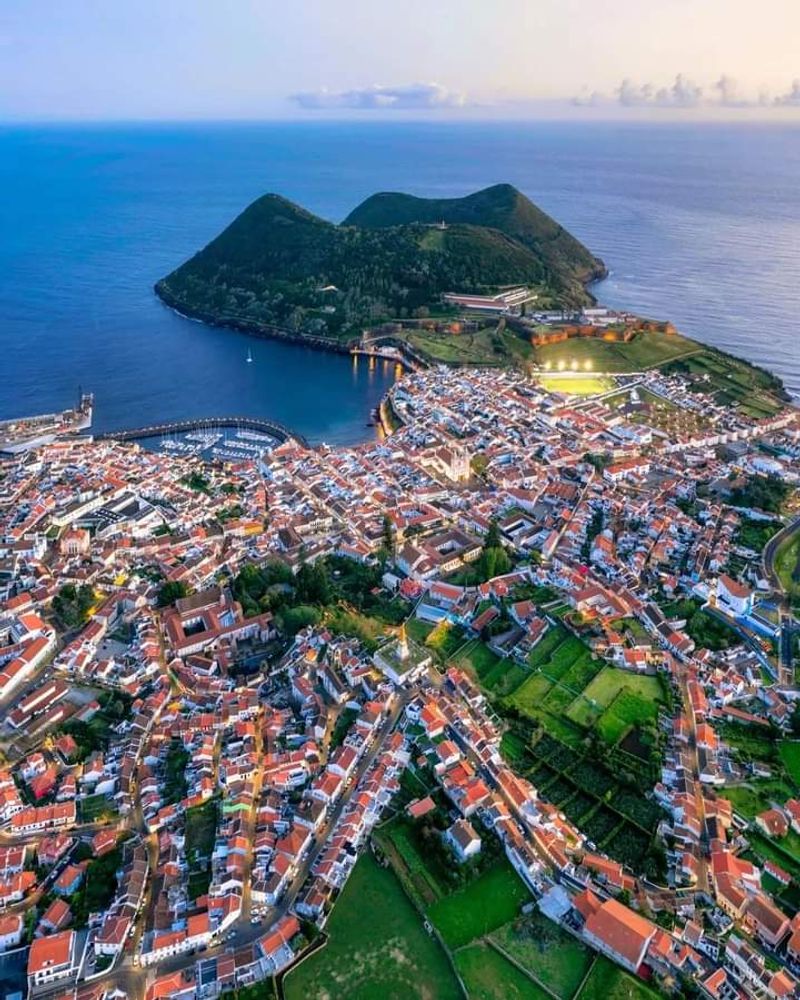
Terceira Island carries centuries of history within its streets, and the city of Angra do Heroismo is the crown jewel. Designated a UNESCO World Heritage Site, this beautifully preserved city was once a vital stopover for ships traveling between Europe and the Americas.
Walking its cobblestone streets feels like stepping into a living museum, where painted facades and baroque churches greet you around every corner.
Beyond the historic city, Terceira surprises visitors with underground lava tubes, colorful festivals, and a unique tradition of bullfighting where the bull is held by rope rather than harmed. The Algar do Carvao lava cave is particularly impressive, allowing visitors to walk inside a volcanic chimney millions of years old.
The island also has excellent seafood, especially the famous Alcatra beef stew slow-cooked with wine and spices. Terceira balances culture, nature, and local flavor in a way few islands manage.
4. Faial Island, Azores
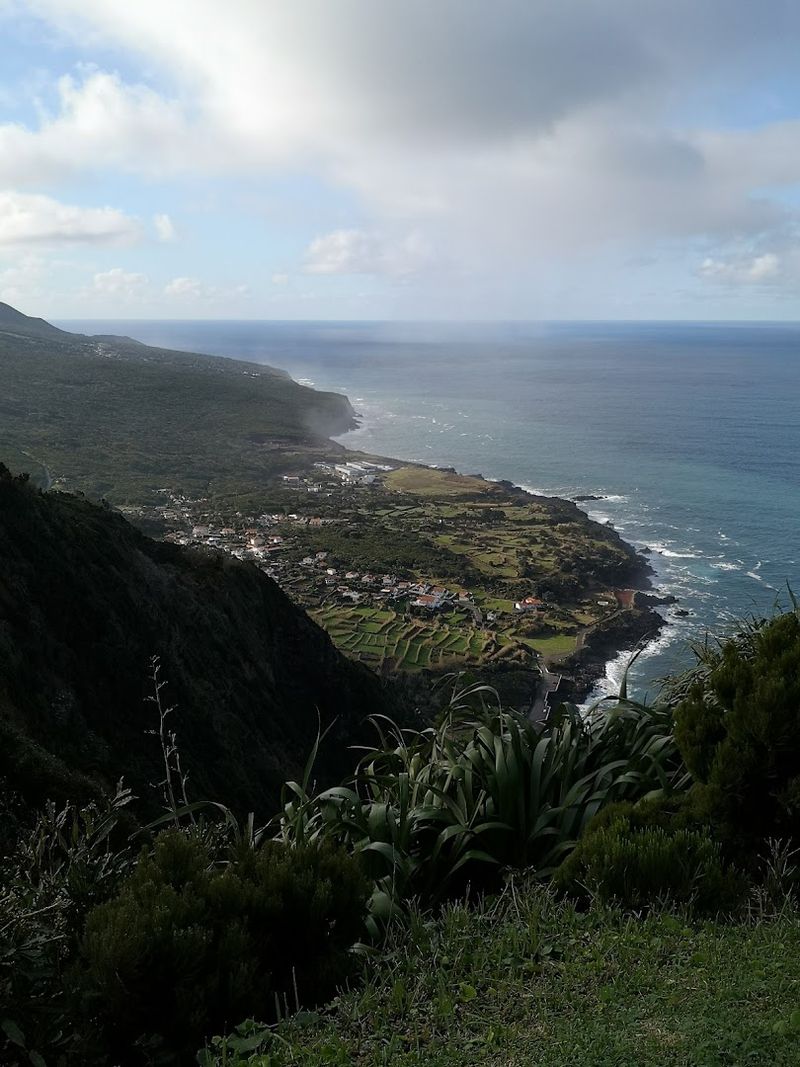
Faial Island earned the nickname “Blue Island” because of the hydrangeas that bloom in vivid blue across its roadsides every summer. But it is the Capelinhos volcano that truly defines this island’s identity.
In 1957, an undersea eruption added an entirely new peninsula to Faial’s western tip, burying a lighthouse in ash and reshaping the coastline dramatically. Today, an excellent museum on-site tells the full story of that eruption and the families who were displaced.
Faial’s main town of Horta is a legendary stop for transatlantic sailors. The marina walls are covered in thousands of painted boat crests left by crews who stopped here on their ocean crossings, creating a colorful outdoor gallery unlike anything else in the world.
Peter’s Cafe Sport, a famous sailors’ bar in Horta, has been serving drinks and stories since 1918. Faial feels like a place where adventure and history sit side by side.
5. Flores Island, Azores
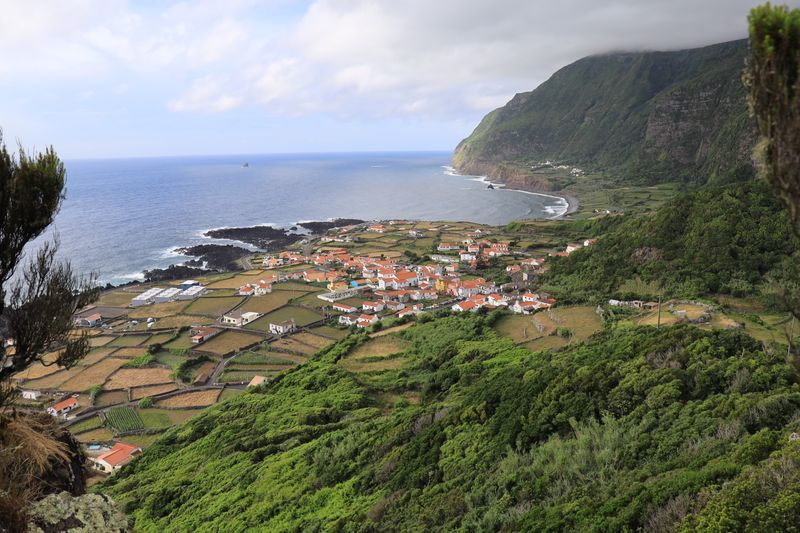
Flores Island sits at the far western edge of the Azores and is often described as one of the most beautiful islands in the entire Atlantic. Waterfalls tumble down green cliffs into crater lakes, and hydrangea hedges line nearly every road in shades of purple, pink, and blue.
Because it is harder to reach than other Azorean islands, Flores sees fewer visitors, which keeps its landscapes feeling genuinely untouched.
The island’s name means “flowers” in Portuguese, and it absolutely lives up to that promise. Seven natural lagoons dot the interior, each one reflecting the sky in brilliant color.
The village of Faja Grande on the western coast is one of the most photographed spots in the Azores, where a black sand beach meets towering basalt cliffs and cascading water. Snorkeling and diving around Flores reveal colorful marine life thriving in warm, clear Atlantic waters.
6. Madeira Island, Portugal
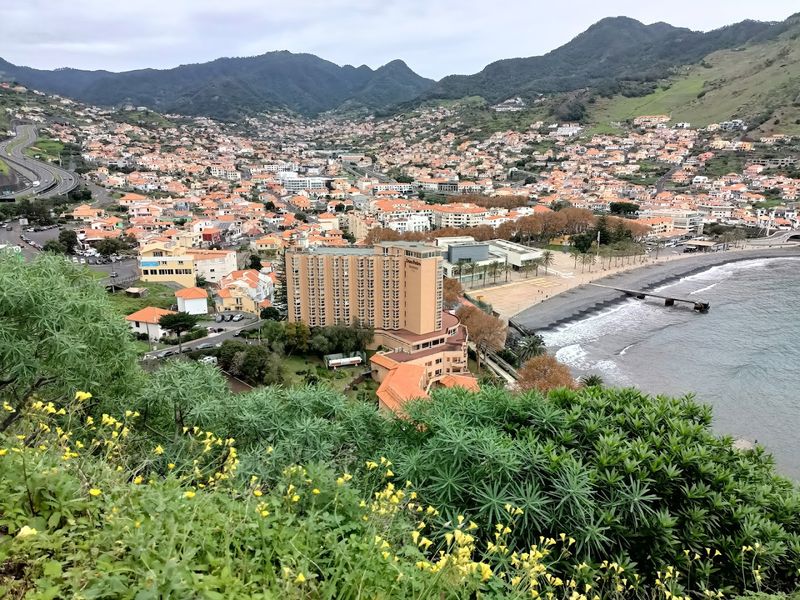
Madeira is often called the “Island of Eternal Spring” because its climate stays mild and pleasant all year long. Located in the Atlantic off the coast of Morocco, this Portuguese island is famous for its dramatic landscape of deep ravines, towering sea cliffs, and terraced hillsides covered in banana plants, sugarcane, and exotic flowers.
The capital city of Funchal is vibrant and walkable, with a famous flower market, a historic cable car, and some of the best restaurants in Portugal.
Hiking the levadas, which are ancient irrigation channels that crisscross the island, is one of the top activities here. These narrow paths wind through laurel forests, past waterfalls, and along cliff edges with staggering ocean views.
Madeira is also known for its fortified wine, its embroidery crafts, and the thrilling tradition of riding wicker toboggans downhill from Monte village. It is an island that rewards curious travelers generously.
7. Porto Santo Island, Madeira
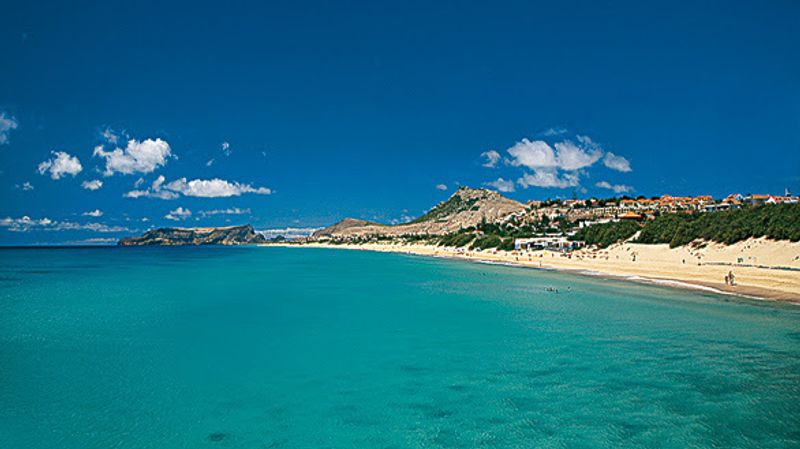
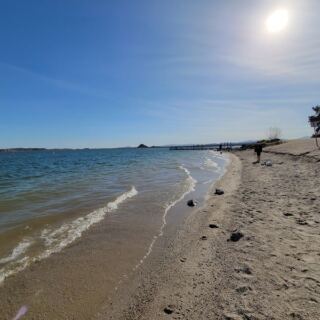
Porto Santo is Madeira’s quieter neighbor and one of the few places in Portugal where you will find a long, sandy beach stretching for nine kilometers along a calm, warm sea. While Madeira is known for its rugged cliffs and dramatic scenery, Porto Santo offers something different: a relaxed, sun-soaked escape with golden sand that locals claim has therapeutic properties.
The sand here is rich in minerals, and people have been visiting for centuries to walk barefoot and soak in its natural benefits.
The island is small enough to explore in a day or two, but laid-back enough that most visitors end up staying longer than planned. Christopher Columbus once lived on Porto Santo, and his former house has been turned into a small museum.
The island has a dry, desert-like landscape compared to lush Madeira, giving it a distinctly different character that feels like a Mediterranean escape in the middle of the Atlantic.
8. Corvo Island, Azores
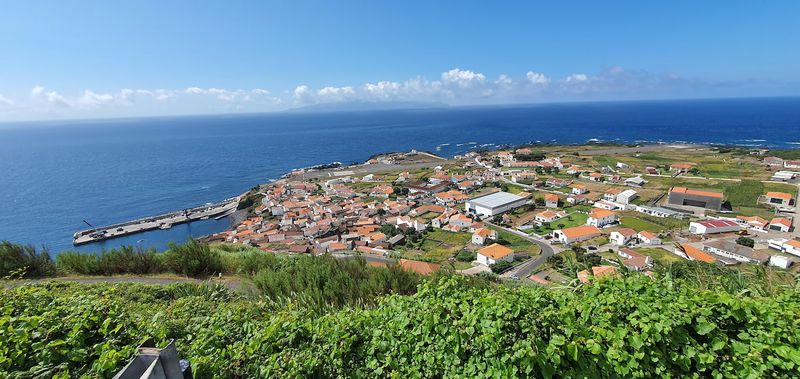
Corvo is the smallest and most remote island in the Azores, home to fewer than 500 permanent residents and just one small village called Vila do Corvo. Everything about this island feels intimate and wonderfully unhurried.
There are no traffic lights, no chain hotels, and no tourist crowds. Life here moves at a pace that most of the modern world has long forgotten, and visitors often describe arriving on Corvo as stepping into a dream.
The island’s most extraordinary feature is the Caldeirao, a massive volcanic crater at its center that has been transformed into a lush green bowl filled with small lakes and farmland. A winding path leads down into the crater, where cows graze peacefully beside the water.
Birdwatchers love Corvo because its remote location makes it a natural resting point for rare migratory birds crossing the Atlantic. Corvo is truly a place for those seeking genuine solitude.
9. Santa Maria Island, Azores
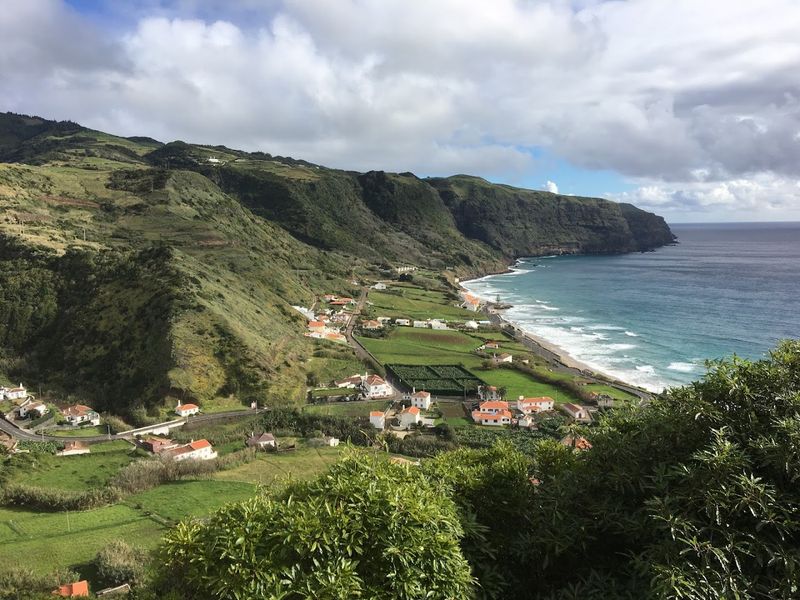
Santa Maria is the oldest island in the Azores, both geologically and in terms of human settlement. It was the first island in the archipelago to be discovered and colonized by Portuguese explorers in the 15th century.
Unlike the greener, wetter islands to the north, Santa Maria has a sunnier and drier climate that gives it a Mediterranean feel quite different from its neighbors. Its golden sandy beaches are among the most beautiful in the Azores.
The village of Vila do Porto is charming and compact, with whitewashed buildings trimmed in blue and yellow that reflect centuries of island tradition. Praia Formosa is the most popular beach and one of the few natural sandy beaches in the Azores.
Santa Maria also hosts the largest music festival in the archipelago, the Santa Maria Sailing Week, which draws sailors and music fans from across Europe every summer. It is an island full of warmth in every sense.
10. Sao Jorge Island, Azores
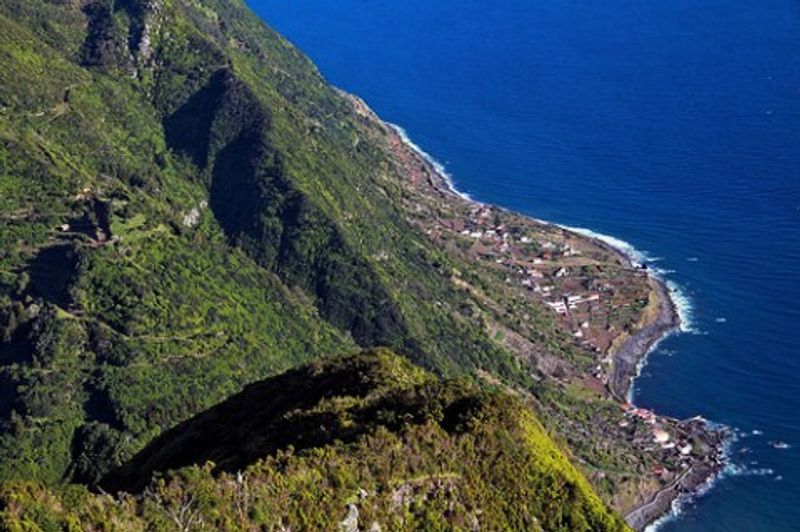
Sao Jorge is one of the most dramatic islands in the Azores, shaped like a long, narrow ridge of volcanic rock rising sharply from the sea. Its most distinctive feature is the fajas, flat strips of land formed by ancient lava flows and landslides that sit at the base of towering cliffs.
These unusual coastal terraces are home to small farming communities, vineyards, and some of the most scenic walking trails in all of Portugal.
The island produces a famous aged cheese called Queijo Sao Jorge, which has been made here for over five centuries using traditional methods passed down through generations. Hiking the faja trails offers breathtaking views of the surrounding ocean and neighboring islands on clear days.
The waters around Sao Jorge are excellent for diving and snorkeling, with rich marine ecosystems thriving in the warm current. Sao Jorge rewards adventurous travelers who appreciate rugged beauty over polished tourist infrastructure.
11. Graciosa Island, Azores
Graciosa translates to “graceful” in Portuguese, and the island earns that name with its gentle, rolling landscape and unhurried pace of life. Unlike the dramatic volcanic scenery found on other Azorean islands, Graciosa has a softer personality, with low hills, white windmills, and neat villages that give it a quiet, almost fairy-tale quality.
It is the second smallest inhabited island in the Azores and one of the least visited, which makes it feel genuinely off the beaten path.
The island’s standout attraction is the Furna do Enxofre, a massive lava cave containing a subterranean lake and a sulfurous hot spring deep underground. Descending into this cave feels like entering another world entirely.
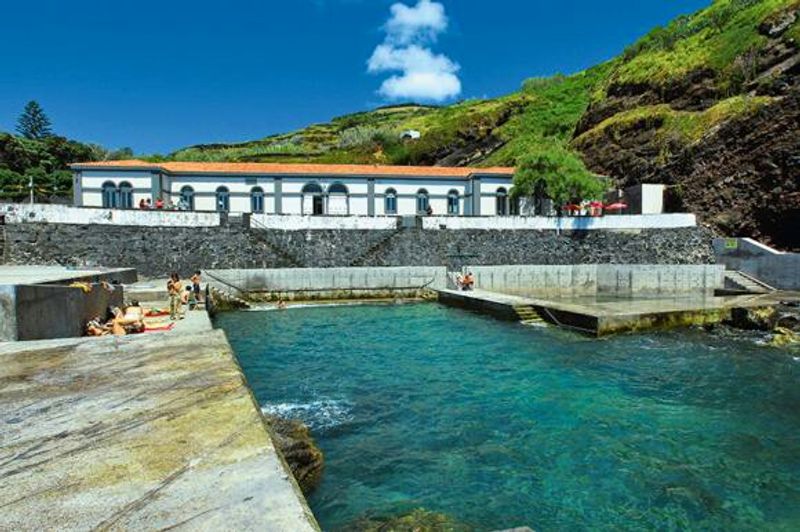
Graciosa also has natural thermal pools at Carapacho where visitors can soak in warm mineral-rich water beside the ocean. The island’s relaxed atmosphere and lack of crowds make it a perfect destination for travelers seeking quiet restoration and authentic island life.
12. Ilha Deserta Grande, Madeira Archipelago
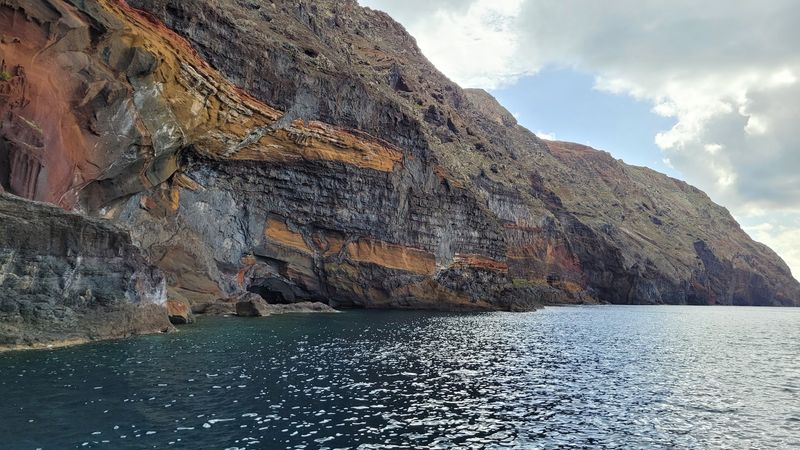
Ilha Deserta Grande, also known simply as Deserta Grande, is the largest of the Desertas Islands, a small uninhabited chain southeast of Madeira. True to its name, this island is almost completely deserted, protected as a strict nature reserve managed by the Madeira Natural Park.
Access is limited and requires a permit, which keeps the ecosystem pristine and the experience genuinely wild. Very few tourists ever set foot here, making it one of Portugal’s most exclusive natural spaces.
The island is a critical nesting ground for the Mediterranean monk seal, one of the rarest marine mammals on Earth. Seabirds nest here in large numbers, and the surrounding waters are rich with marine life.
Day trips by boat depart from Funchal and allow visitors to sail around the island’s dramatic cliffs and anchor in sheltered bays for snorkeling. Visiting Deserta Grande feels less like tourism and more like a rare privilege granted by nature itself.
13. Selvagem Grande, Savage Islands Portugal
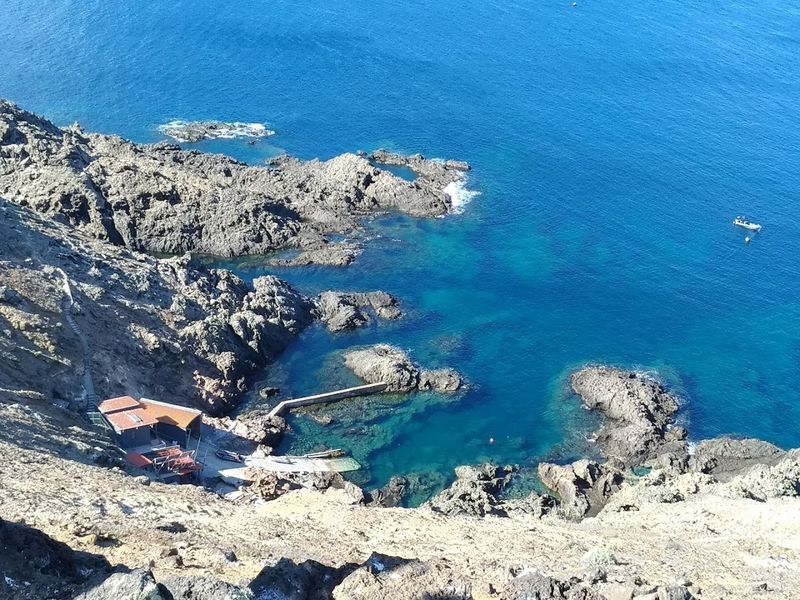
Selvagem Grande is one of the most remote pieces of Portuguese territory in existence, sitting roughly halfway between Madeira and the Canary Islands in the middle of the Atlantic Ocean. The Savage Islands are a strictly protected nature reserve with no permanent human population, and visiting requires special authorization from Portuguese authorities.
Scientists, conservationists, and a small team of wardens are among the very few people who spend time here each year.
The islands support enormous colonies of Cory’s shearwaters, one of the largest seabird colonies in the world, along with loggerhead sea turtles and rare plant species found nowhere else on Earth. The surrounding ocean is part of a marine protected area where fishing is tightly controlled.
From a conservation standpoint, Selvagem Grande is considered one of the most important natural sites in the entire Atlantic region. For nature enthusiasts, even knowing this place exists feels like discovering a secret the ocean has been keeping for centuries.
14. Ilheu de Monchique, Azores
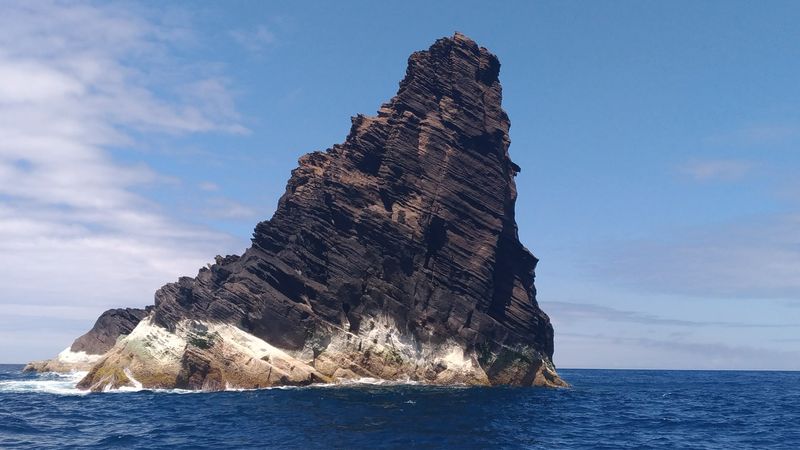
Ilheu de Monchique holds a special distinction that most people have never heard of: it is considered the westernmost point of Europe. This tiny, uninhabited rocky islet sits just west of Flores Island in the Azores, jutting out of the Atlantic in dramatic fashion.
There are no buildings, no beaches, and no facilities, just raw volcanic rock battered by ocean waves. It is not a place you visit for comfort, but for the sheer wonder of standing at the edge of a continent.
Boat excursions departing from Flores Island occasionally pass near Ilheu de Monchique, giving passengers a chance to see this geological curiosity up close. The surrounding waters are incredibly deep and teeming with pelagic marine life, including dolphins, sperm whales, and blue sharks.
For geography enthusiasts and adventure travelers, reaching this remote islet represents something deeply satisfying. It is a reminder that Europe’s borders extend far out into the open Atlantic, shaped by ancient volcanic forces beneath the sea.
15. Vila Franca Islet, Azores
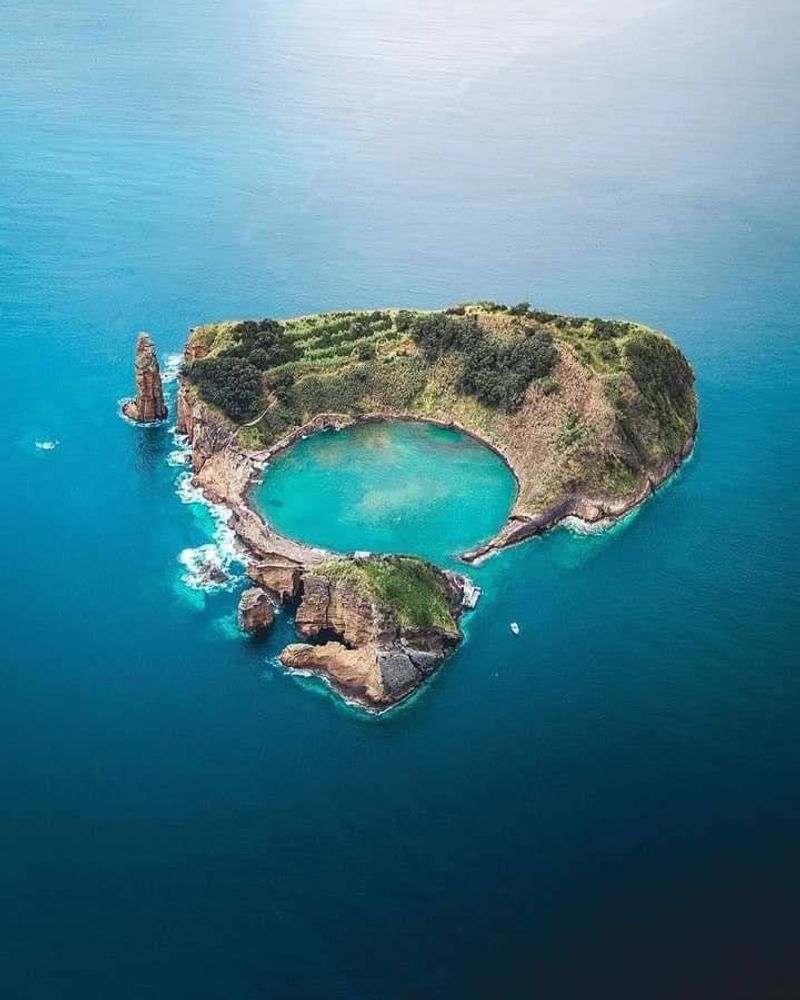
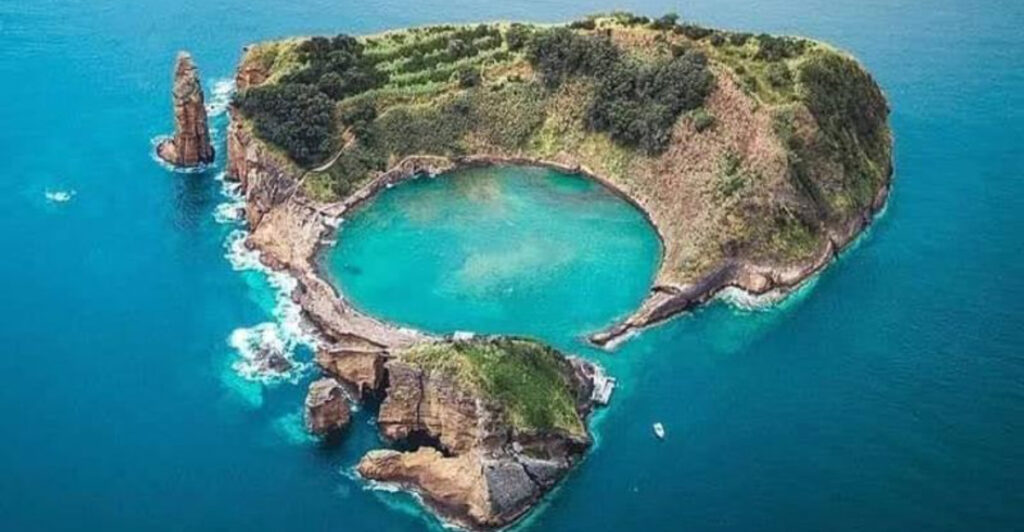
Vila Franca Islet is one of the most photogenic natural formations in the entire Azores. Located just off the southern coast of Sao Miguel Island, this small islet is actually the rim of an ancient submerged volcano.
The crater has formed a perfectly circular natural lagoon, enclosed by rocky walls and open to the sky, creating a sheltered pool of calm turquoise water that feels like a secret swimming spot designed by nature itself.
Access to the islet is strictly regulated, with a daily visitor limit to protect the fragile ecosystem. Boats depart from the town of Vila Franca do Campo, and the short ride across the water builds anticipation quickly.
Inside the lagoon, snorkeling reveals colorful fish darting around volcanic rock formations. The islet is also a protected marine reserve, and dolphins are frequently spotted in the surrounding waters.
Vila Franca Islet is small in size but enormous in natural beauty and unforgettable atmosphere.
Share this story