Tucked along a winding river in the heart of Virginia, there is a place where history is not just remembered but genuinely lived. A small community has held onto its land, language, and traditions for over four centuries, surviving pressures that erased countless other Native American nations.
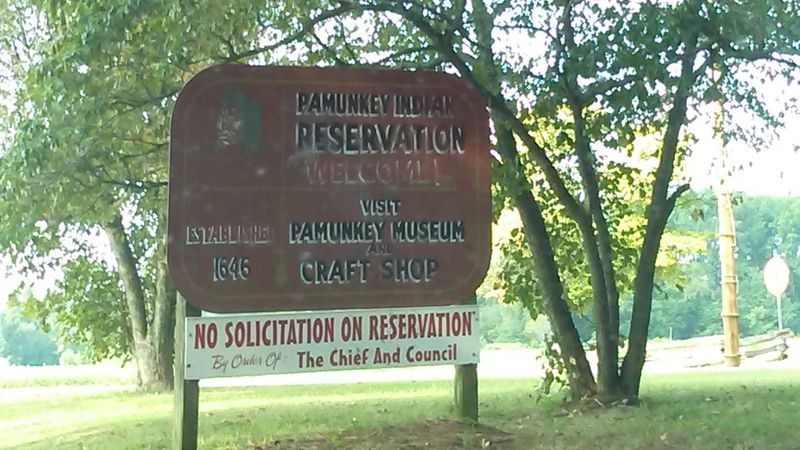
The Pamunkey Indian Tribe is one of the oldest continuously inhabited Native American communities in the entire United States, and their reservation in King William County is a place unlike anywhere else in Virginia. This article takes you through the stories, landmarks, culture, and experiences that make the Pamunkey Indian Reservation a fascinating destination worth knowing about and, if you ever get the chance, worth visiting in person.
Where the Reservation Sits and How to Find It
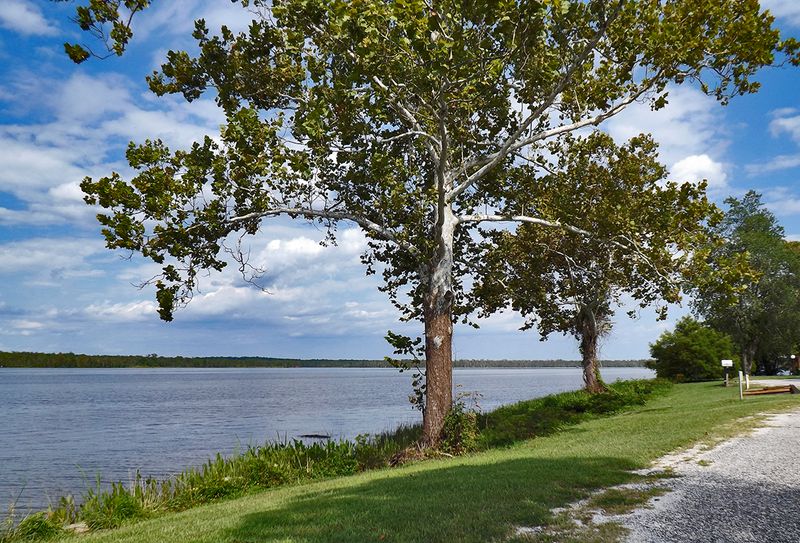
Nestled in King William County, Virginia, the Pamunkey Indian Reservation sits along the banks of the Pamunkey River on the Middle Peninsula. The official address is Virginia 23086, and the reservation lies at roughly 37.5694 degrees north latitude, placing it in a rural, wooded stretch of the state.
Getting there requires a bit of a drive through country roads lined with tall trees and open farmland, which honestly adds to the feeling that you are traveling somewhere genuinely off the beaten path.
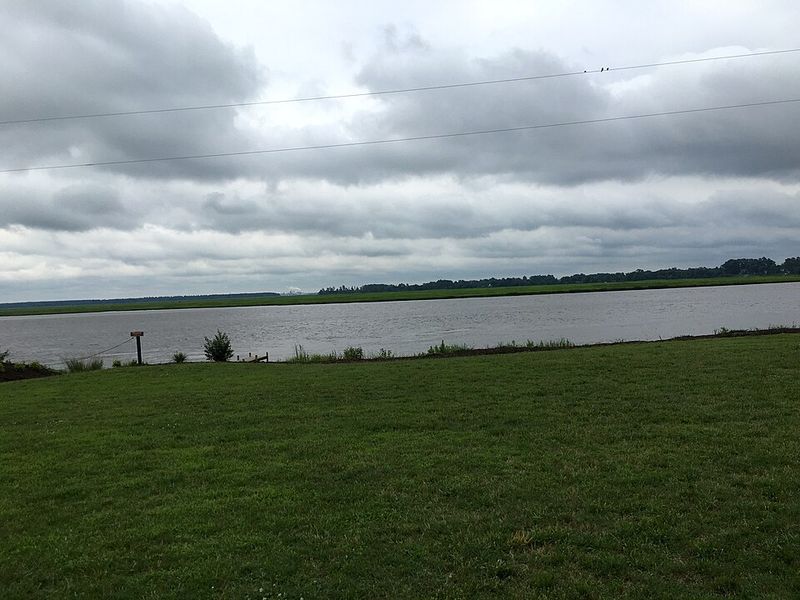
The Pamunkey River curves gracefully around much of the reservation, creating a natural boundary that has helped define this community for generations. The landscape is green, quiet, and deeply peaceful, offering a strong contrast to the busy highways of nearby Richmond, which sits just over an hour away by car.
A Tribe That Refused to Disappear
Few stories in American history are as quietly remarkable as the Pamunkey Tribe’s survival. The Pamunkey people were once part of the powerful Powhatan Confederacy, a network of Algonquian-speaking tribes that controlled much of the Chesapeake Bay region when English settlers arrived in the early 1600s.
Rather than fading into history after contact with European settlers, the Pamunkey negotiated, adapted, and held on. They signed a treaty with the Virginia colonial government in 1677, which formally recognized their reservation land, making it one of the oldest reserved Native American territories in the country.
That treaty has never been fully broken, which is extraordinary when you consider how many Native American agreements were ignored or dismantled over the following centuries. The Pamunkey’s ability to hold their ground, literally and politically, is a story of endurance that deserves far more attention than it typically receives.
Federal Recognition: A Long Time Coming
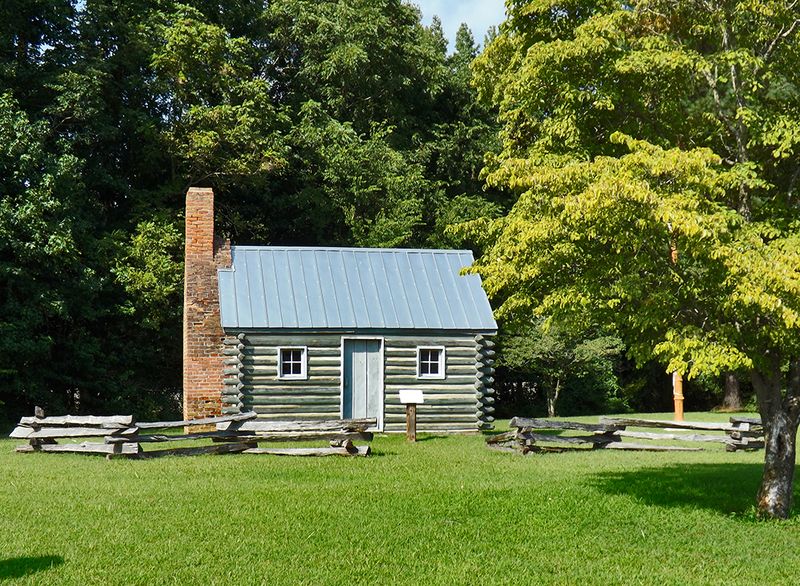
For most of American history, the Pamunkey Tribe existed in a kind of legal gray zone. Virginia recognized them as a tribe, but the federal government did not, which meant the tribe lacked access to many resources and protections available to federally recognized nations.
That changed in 2015, when the United States government officially granted the Pamunkey Indian Tribe federal recognition. It was a historic moment, making them the first tribe in Virginia to receive that status in over eight decades.
Federal recognition opened doors for the tribe in terms of funding, legal standing, and the ability to pursue economic development projects on a larger scale. The recognition was not handed over easily.
The Pamunkey spent years, and in some ways decades, building the legal and historical case that proved their continuous existence as a distinct tribal community. That persistence paid off in a way that changed everything.
The Pamunkey River: More Than a Backdrop
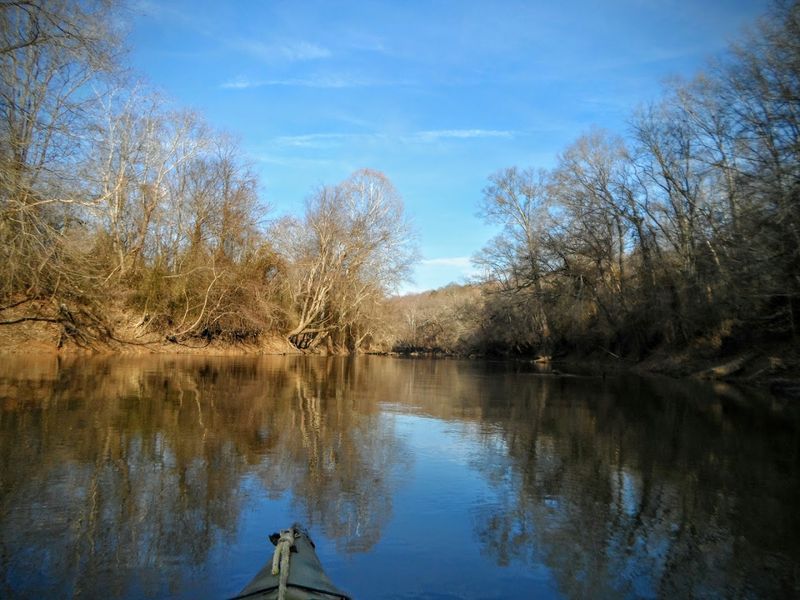
The Pamunkey River is not just a pretty feature of the landscape. It has been the lifeblood of this community for as long as the tribe has existed, providing fish, fresh water, transportation, and a spiritual connection to the land that is still very much present today.
Shad fishing on the Pamunkey River has been a tribal tradition for centuries, and the tribe has worked to maintain healthy fish populations through conservation efforts and a fish hatchery program that restocks the river each year.
The river itself is calm and picturesque, winding through forested wetlands that feel almost untouched. Watching the morning light hit the water near the reservation is the kind of quiet, grounding experience that reminds you why natural places matter so much.
The river and the tribe share a relationship that goes deeper than geography, it is a bond built across countless generations.
The Pamunkey Indian Museum: History You Can Touch
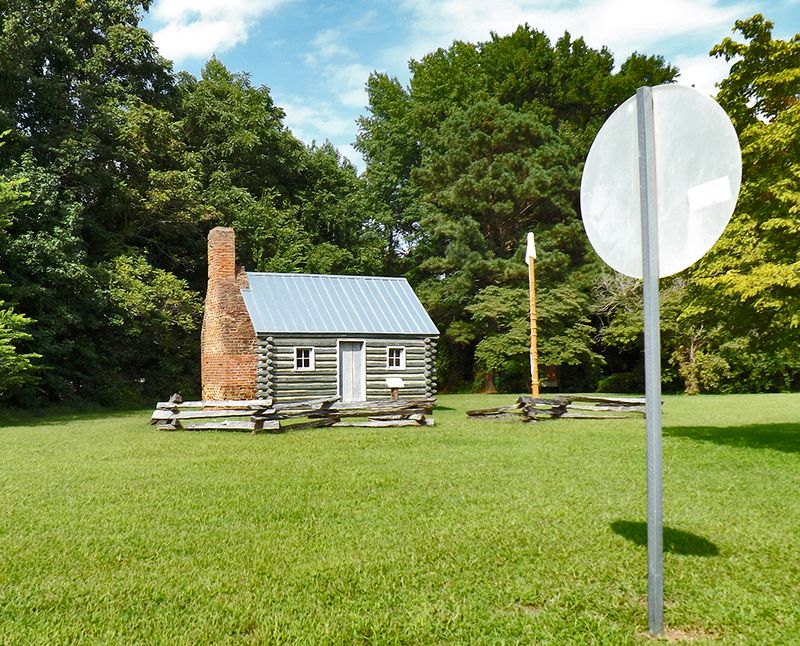
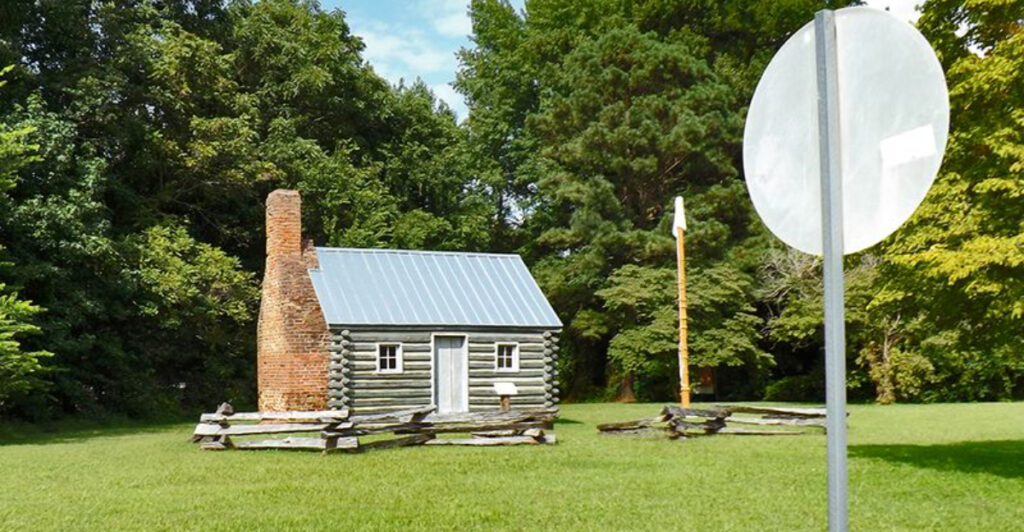
One of the most rewarding stops on the reservation is the Pamunkey Indian Museum, a small but thoughtfully curated space that tells the story of the tribe through artifacts, photographs, and hands-on exhibits.
The museum holds a collection of traditional pottery, tools, clothing, and other objects that offer a tangible connection to Pamunkey life across different eras. Unlike large national museums where Native American objects can feel detached from their origins, here everything is presented within the living context of the community that created it.
Pottery holds a special place in the museum’s collection. The Pamunkey have a long tradition of clay pottery-making, and visitors can see examples of this craft that span both historical and contemporary periods.
The museum is modest in size but generous in meaning, and spending time there gives you a much richer understanding of everything else you see on the reservation.
Pottery as Living Tradition
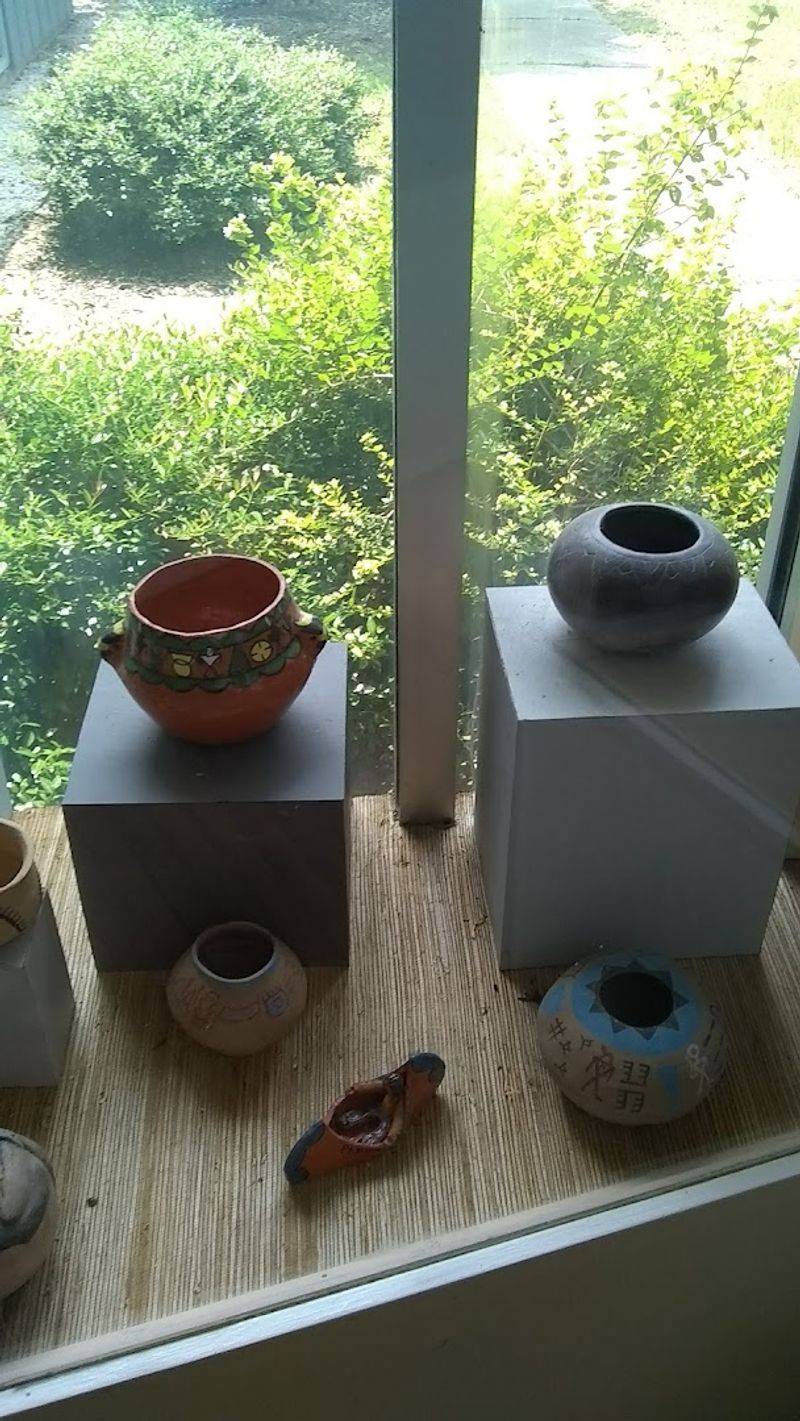
Ask most people what they know about Pamunkey culture and pottery is likely to come up. The tribe has been crafting clay pottery for thousands of years, using techniques and designs that have been passed down through generations of tribal members.
What makes Pamunkey pottery especially meaningful is that it is not simply a historical craft being preserved for tourism. Tribal members still actively make pottery today, often using clay sourced directly from the banks of the Pamunkey River, which gives the finished pieces a literal connection to the land itself.
The pottery often features smooth, burnished surfaces and geometric patterns that reflect traditional Pamunkey aesthetics. Visitors who come to the reservation sometimes have the opportunity to see pottery being made or to purchase pieces directly from tribal artisans.
Owning a piece of Pamunkey pottery means carrying home something genuinely rooted in one of America’s oldest continuing cultural traditions.
The Fish Hatchery: Conservation in Action
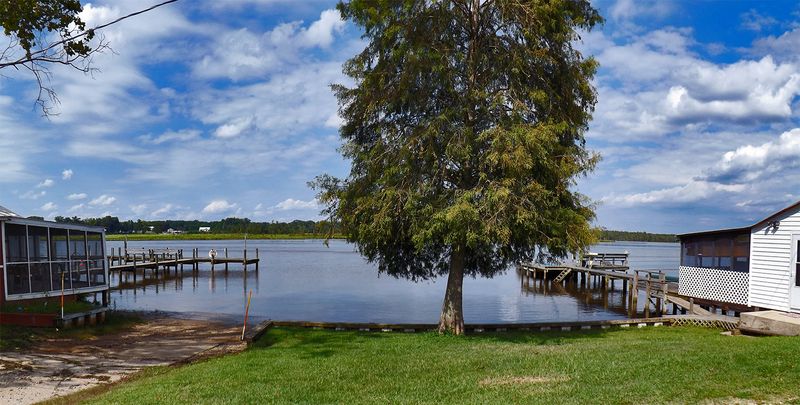
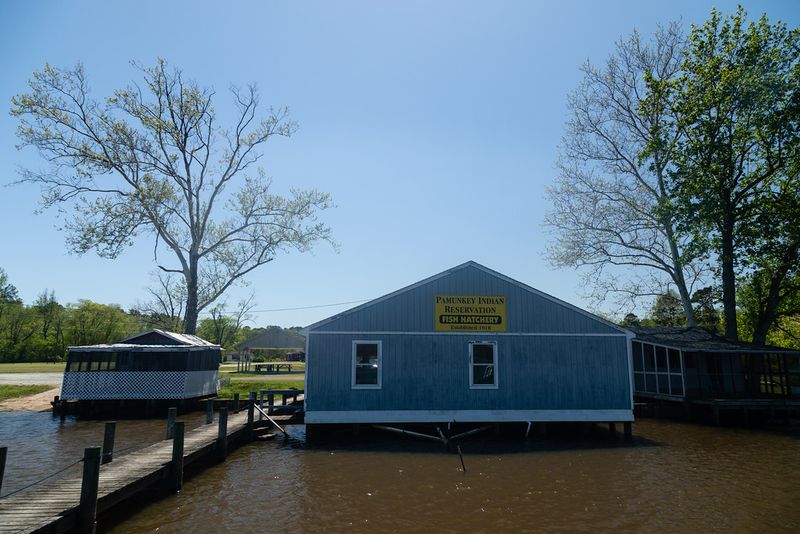
Conservation has been part of the Pamunkey way of life long before the word became a popular cause. The tribe operates a fish hatchery on the reservation that has been restocking the Pamunkey River with shad and other native fish species for well over a century, making it one of the oldest continuously operating fish hatcheries in the United States.
The hatchery program began in the late 1800s and reflects the tribe’s deep commitment to maintaining the health of the river ecosystem that has sustained them for generations. Each year, millions of fish eggs are hatched and juvenile fish are released into the river, helping to keep populations strong.
This kind of long-view environmental stewardship is something the broader conservation community has increasingly come to respect and study. The Pamunkey were practicing sustainable resource management long before it became a policy discussion, and their hatchery stands as quiet, ongoing proof of that commitment.
The Treaty of 1677 and What It Means Today
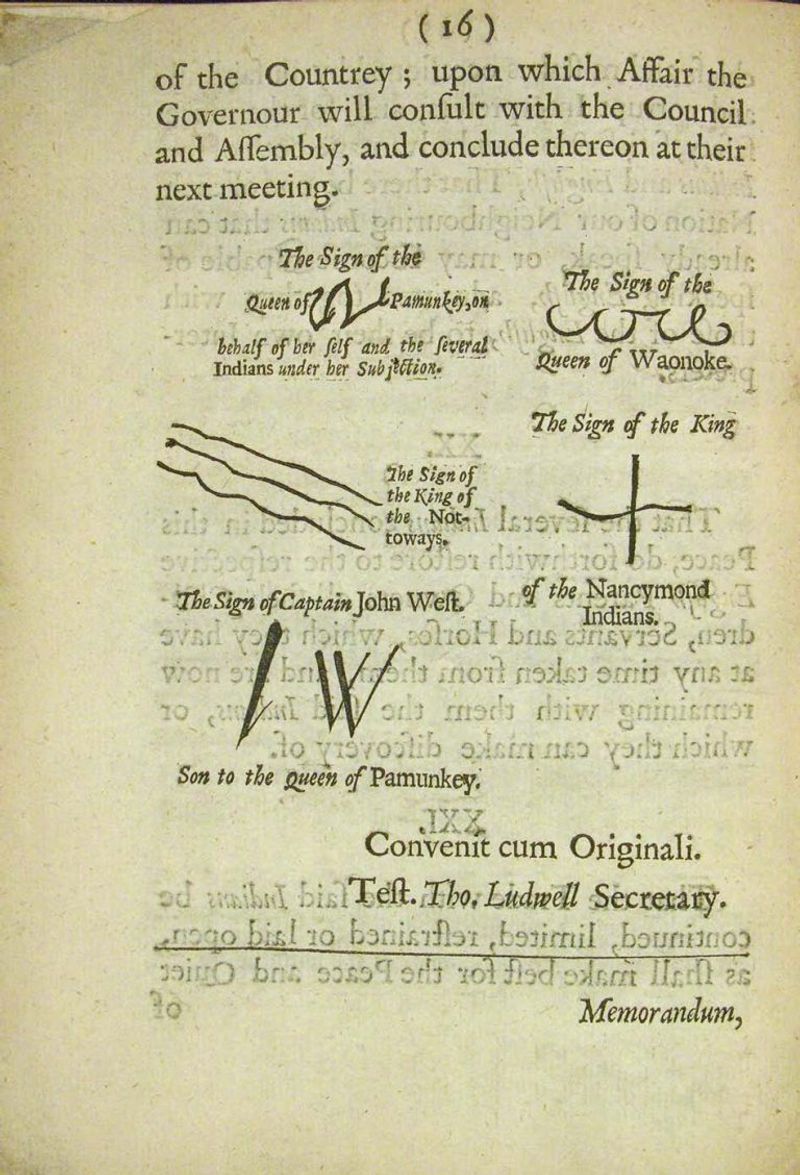
The Treaty of Middle Plantation, signed in 1677, is one of the most important documents in Pamunkey history. It formally ended a period of conflict between the tribe and Virginia colonists, and it established the Pamunkey’s right to their reservation land in a legally binding agreement.
What is remarkable is that this treaty has never been fully nullified. The Pamunkey have used it as a foundational piece of evidence in legal and political arguments about their rights and their land for over three hundred years.
Not many communities can point to a seventeenth-century document and say, with accuracy, that it still applies to their situation today.
The treaty also required the tribe to pay an annual tribute to the Virginia governor, a tradition that was maintained symbolically for many years. Understanding this document helps explain how the Pamunkey managed to hold onto their reservation when so many other tribes across the country lost everything.
Life on the Reservation Today
The Pamunkey Indian Reservation today is home to a small but close-knit community of tribal members who balance the demands of modern life with the responsibility of maintaining their cultural identity. The reservation covers roughly 1,200 acres, making it a compact but meaningful piece of land.
Tribal members live in homes on the reservation and participate in the broader economy of King William County and surrounding areas, while also engaging in tribal governance, cultural activities, and community events that reinforce their shared identity.
The tribe has a tribal council that manages reservation affairs, and community gatherings and cultural events are held throughout the year. Life here is quiet by most measures, but it is also layered with purpose.
Every decision about land use, cultural programming, or economic development is made with an awareness of the tribe’s history and a responsibility to future generations who will inherit this place.
Pocahontas and the Pamunkey Connection
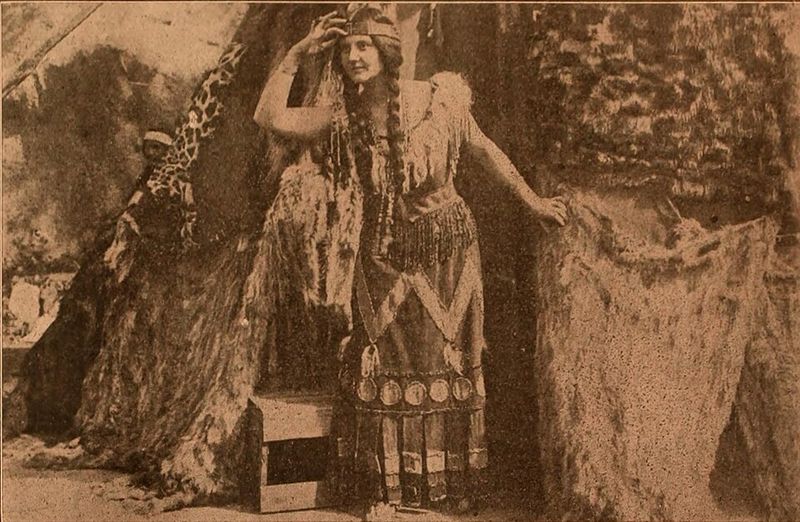
No conversation about the Pamunkey Tribe is complete without mentioning Pocahontas, perhaps the most famous figure associated with the Powhatan Confederacy to which the Pamunkey belonged. Her story has been told and retold so many times that it has become more myth than history for most people.
Pocahontas was the daughter of Chief Powhatan, who led the confederacy that included the Pamunkey. Her real name was Amonute, and she played a complex and historically significant role in the early relationship between the Powhatan people and English settlers at Jamestown.
The Pamunkey are among her direct cultural descendants, and the tribe’s history is deeply intertwined with the broader Powhatan story she represents. Visiting the reservation gives you a chance to understand the real, layered history behind a figure who is often reduced to a cartoon or a romantic legend in popular culture.
Visiting the Reservation: What to Know Before You Go
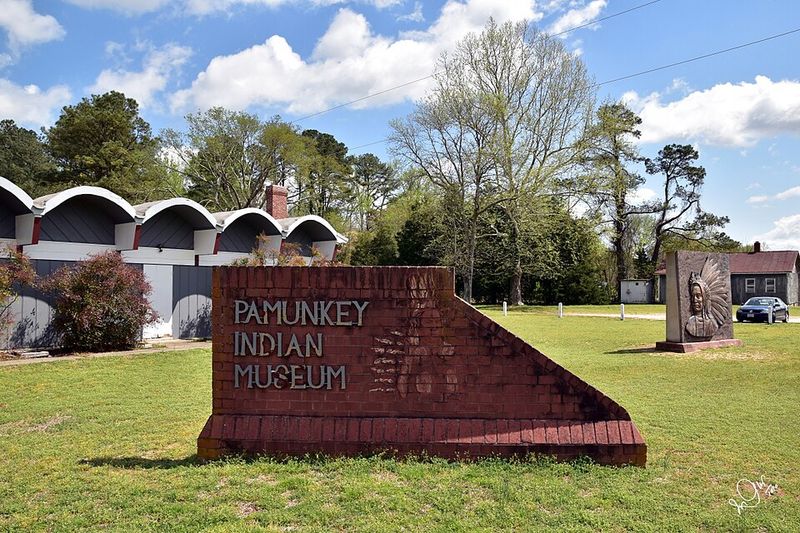
Planning a visit to the Pamunkey Indian Reservation requires a little more preparation than a typical tourist stop. The reservation is not a theme park or a commercial attraction, and visitors should approach it with genuine respect and curiosity rather than a checklist mentality.
The Pamunkey Indian Museum is the primary public-facing destination on the reservation, and it is worth calling ahead to confirm hours and availability before making the drive. The roads leading to the reservation are rural and can be easy to miss if you are relying solely on a GPS app.
Treat the reservation as the living community it is, which means being mindful of where you walk, what you photograph, and how you engage with tribal members. The experience is quieter and more personal than a typical museum visit, and that intimacy is exactly what makes it worth the effort of getting there.
Why This Place Deserves a Spot on Your Virginia Itinerary
Virginia is full of historical sites, but most of them tell the story of European settlers and the nation they built. The Pamunkey Indian Reservation offers something genuinely different: a window into a history that predates all of that by thousands of years, told by the people who actually lived it.
A visit here connects you to the real, complicated, and ultimately hopeful story of a community that has survived against long odds. You come away with a deeper understanding of Virginia’s landscape, its people, and the layers of history that exist beneath the surface of familiar narratives.
Whether you are a history enthusiast, a curious traveler, or someone looking for a meaningful experience that goes beyond the ordinary tourist trail, the Pamunkey Indian Reservation delivers something rare. It is a place where the past is not behind glass, it is alive, tended to, and deeply worth your time and attention.
Share this story