South Carolina has a founding story that most people never get to walk through in person, but one Charleston site makes that possible in a way that genuinely surprises you. There is a place where English settlers first set foot in 1670 and built what would grow into an entire colony, and today that ground is open to anyone curious enough to explore it.
The trails wind along the Ashley River, a replica ship sits docked where trading vessels once anchored, and native wildlife roams through forested enclosures nearby. History here is not behind glass or roped off; it is all around you, and the more you read on, the more you will want to plan your visit.
The Birthplace of the Carolina Colony
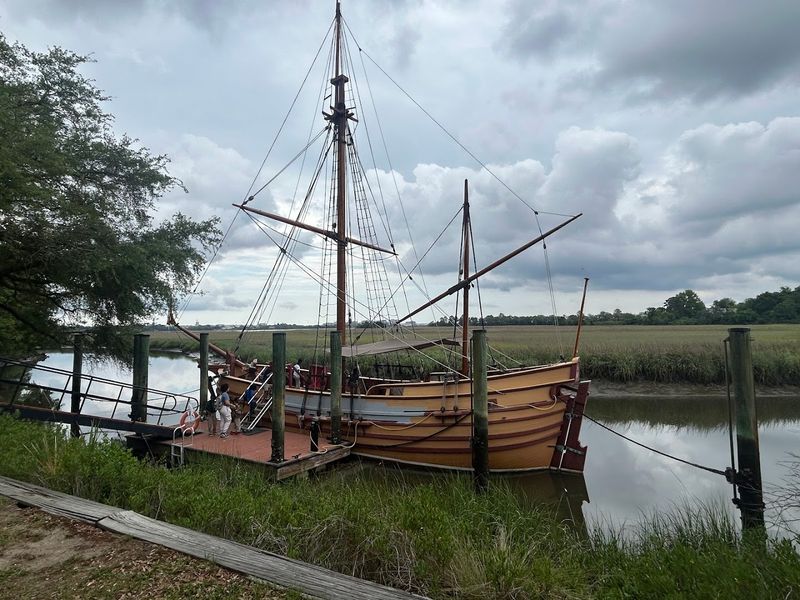
Few places in the American South carry the kind of historical weight packed into the grounds at 1500 Old Towne Rd, Charleston. Charles Towne Landing State Historic Site marks the exact spot where English settlers established the first permanent European settlement in the Carolinas back in 1670.
That is over 350 years of history rooted in one stretch of land along the Ashley River. The site is managed as a state park, which means it is well-funded, well-maintained, and genuinely educational without feeling like a textbook.
The park is open daily from 9 AM to 4 PM, and admission runs about $12 per adult, which is a solid value for everything included. Whether you are a local or just passing through Charleston, this is the kind of place that reframes how you think about the city’s origins entirely.
A Visitor Center Worth Your First Hour
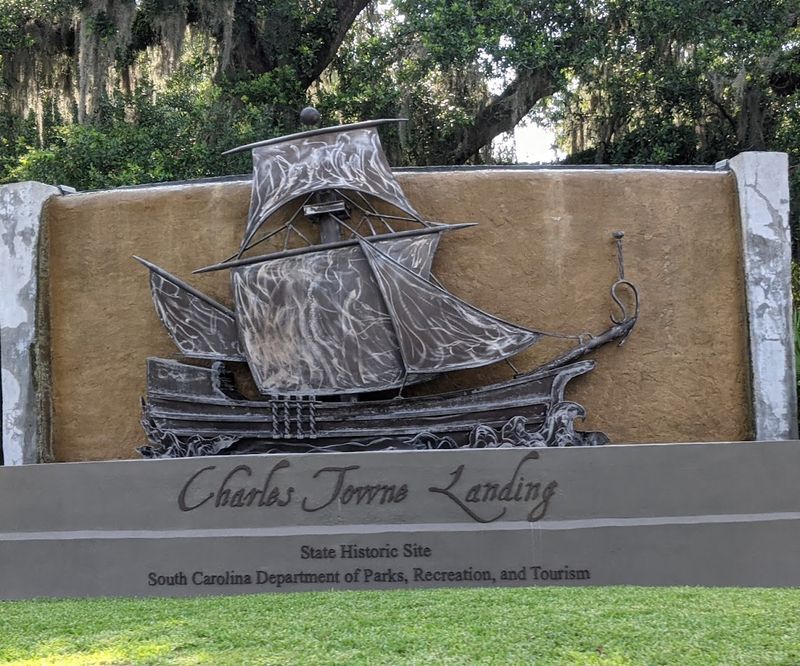
Before heading out onto the trails, the visitor center deserves a proper look. The museum inside is genuinely well-crafted, with exhibits that walk you through the founding of the Carolina colony in a way that is easy to follow and surprisingly engaging.
Display panels, artifacts, and interactive features cover everything from the political motivations behind the settlement to the daily lives of the colonists who actually did the hard work of building a new world. There is a self-guided audio tour available too, which adds a layer of depth to the experience without requiring you to follow a group.
The building itself is clean, air-conditioned, and a great place to get your bearings before tackling the outdoor loop. Kids tend to gravitate toward the hands-on elements, while adults usually end up lingering longer than expected at the more detailed historical panels.
Plan at least 45 minutes here.
The Ashley River Views Along the Trail
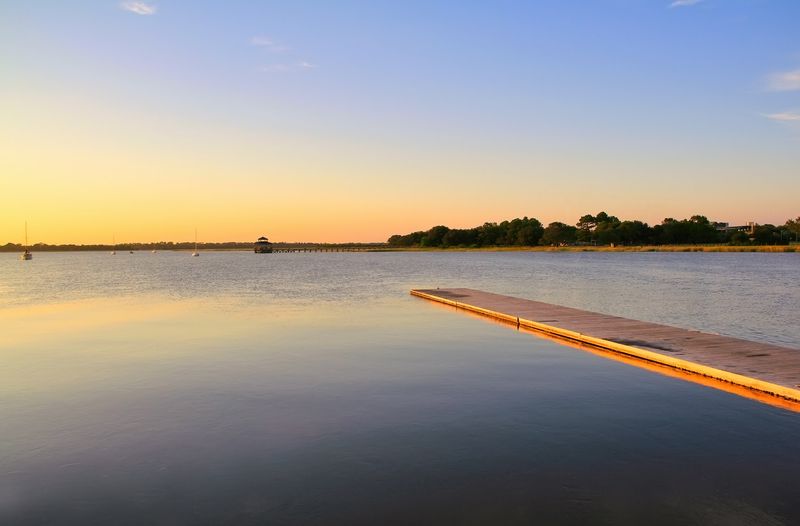
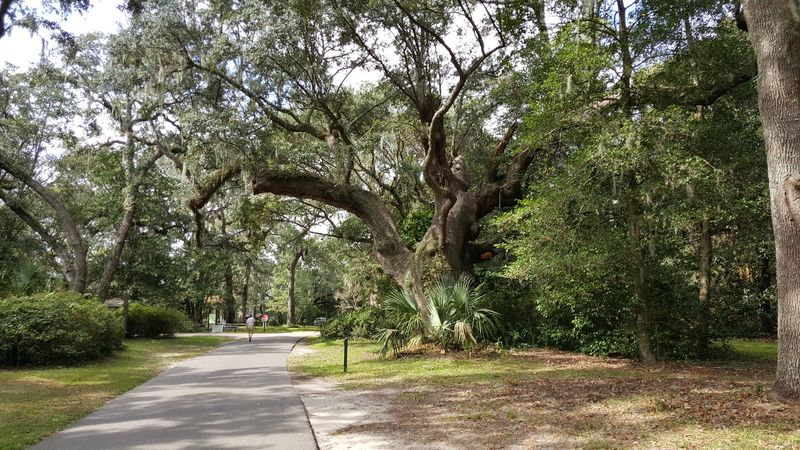
The main loop trail at Charles Towne Landing runs about a mile and a half, and for much of that stretch, the Ashley River is your constant companion. The water appears through breaks in the tree line, calm and wide, reflecting the sky in a way that makes the whole walk feel unhurried.
This is the same river that greeted the original settlers when they arrived by ship in 1670, and standing on the bank with that knowledge gives the scenery a different kind of texture. It is not just pretty; it is historically loaded.
The trail is well-maintained and mostly flat, making it manageable for most visitors. On weekdays especially, the path is quiet enough that you can hear birds calling from the canopy above.
The combination of natural beauty and historical context along this route is genuinely hard to match anywhere else in the Charleston area.
The Adventure, the Replica Ship
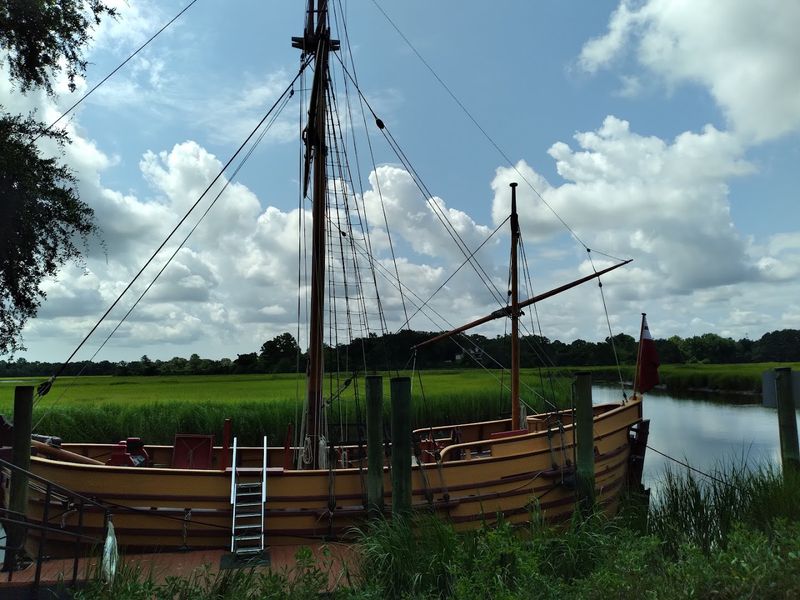
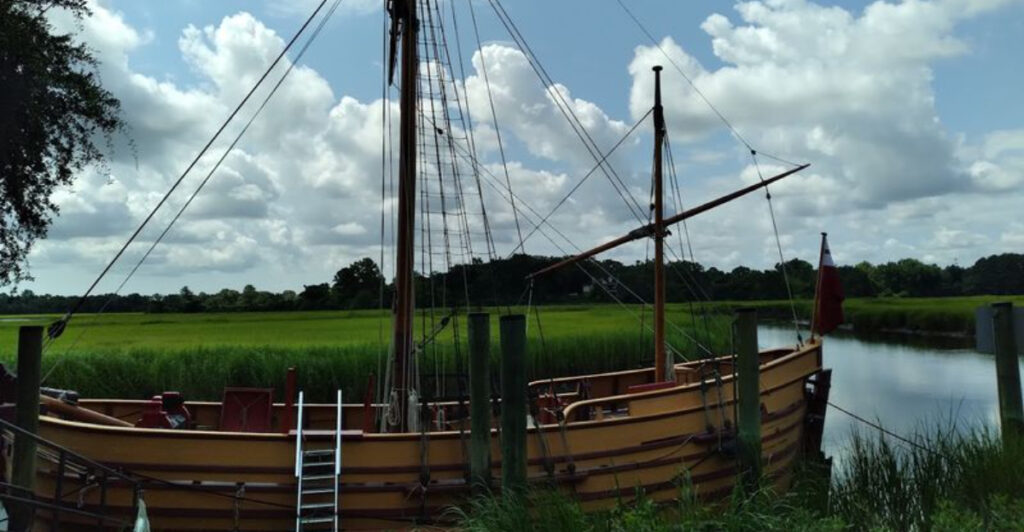
Anchored along the riverbank about midway through the trail, the Adventure is one of the most memorable stops in the entire park. This is a full-scale replica of a 17th-century trading vessel, the kind of ship that would have carried goods and passengers between the Carolina colony and England in the early days of settlement.
Visitors can actually board the ship and walk its decks, which puts you at eye level with the rigging, the hull planks, and the river beyond in a way that no exhibit panel can replicate. Kids absolutely love climbing around on it, and honestly, so do most adults once they get past the gangplank.
The construction is detailed and authentic-feeling, with period-appropriate design throughout. Boarding is included with your admission, so there is no extra cost.
The ship alone makes the trip worthwhile, especially if maritime history or colonial-era trade is something that genuinely interests you.
The Animal Forest and Its Wild Residents
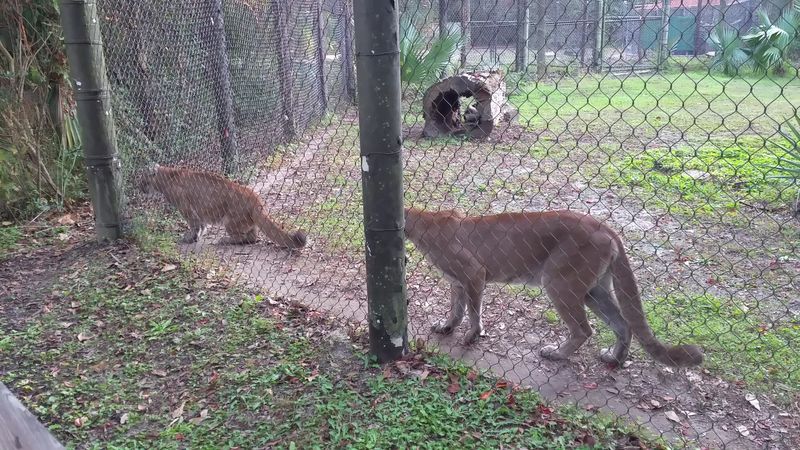
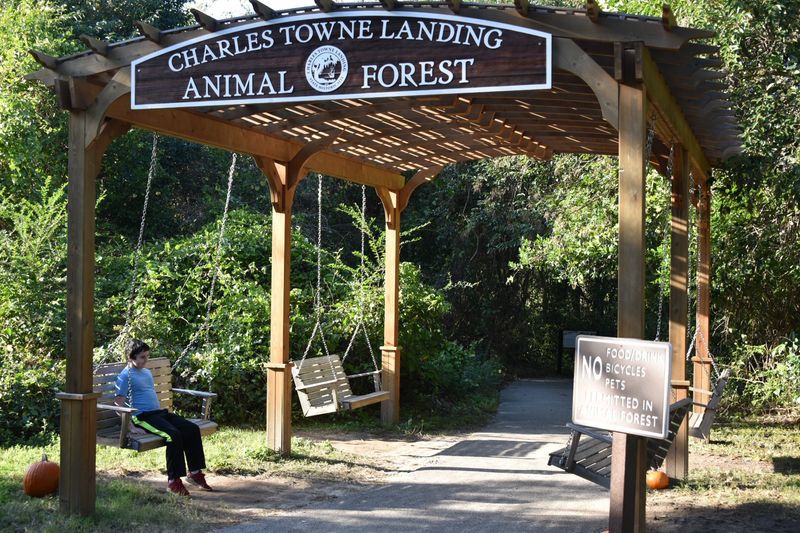
One section of the park that consistently catches visitors off guard is the Animal Forest, a wildlife area featuring species that would have been native to the Carolina lowcountry at the time of the original settlement. The enclosures are deliberately kept naturalistic and somewhat overgrown, which means the animals have space that actually resembles their natural habitat.
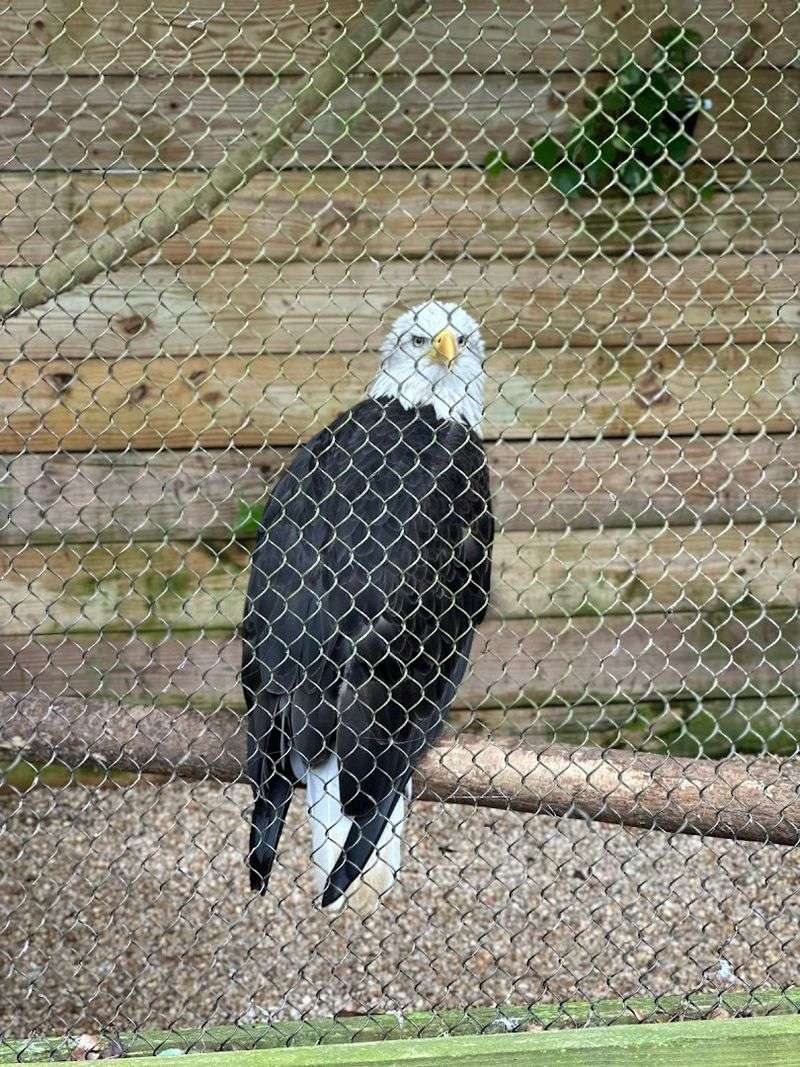
Red wolves, black bears, a puma, river otters, and a bald eagle are among the residents you might encounter. The key word is “might,” because some animals, particularly the puma and the bear, tend to stay toward the back of their enclosures.
The otters, on the other hand, are reliably entertaining and usually active near the viewing area.
The bald eagle on site is a non-releasable bird that was injured and cannot survive in the wild. Seeing these animals in a setting tied directly to their historical range adds a layer of meaning that a typical zoo visit rarely offers.
The Colonial-Era Settlement Exhibits
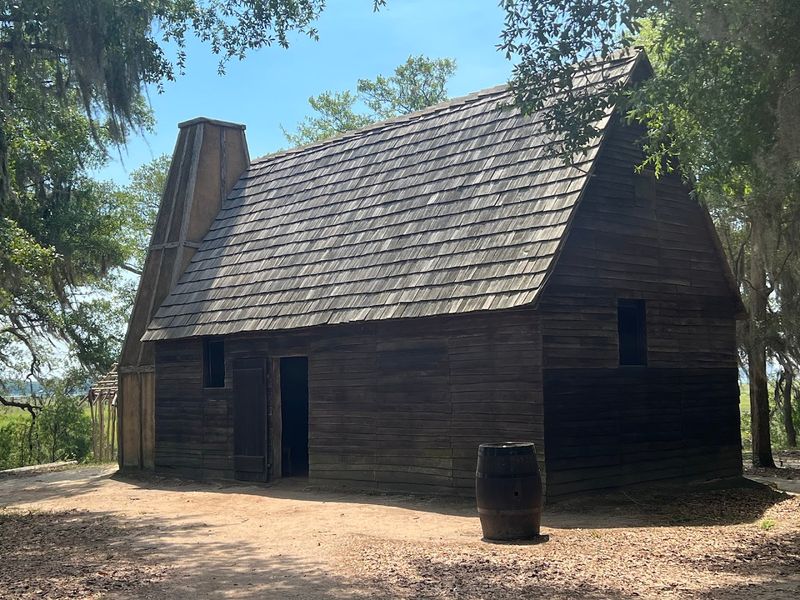
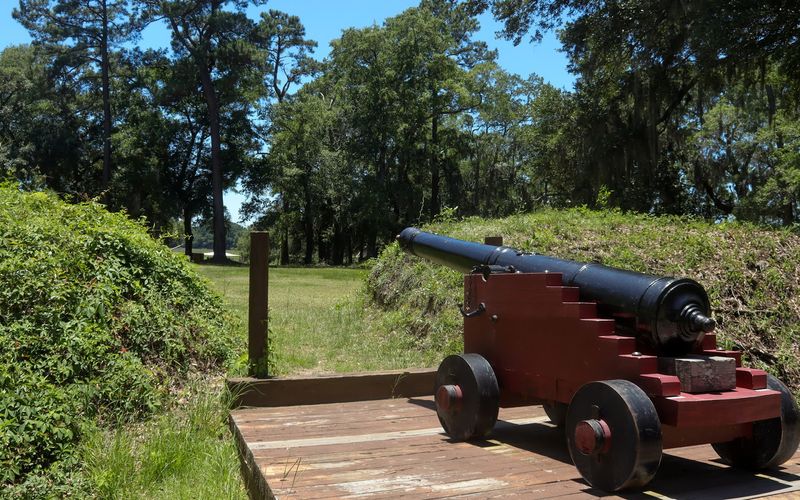
Scattered along the trail are outdoor exhibits that reconstruct life as it looked during the earliest years of the Carolina colony. Log structures, earthworks, and interpretive signage bring the 1670s settlement into focus in a hands-on way that works well for all ages.
The exhibits do not shy away from the full complexity of that history. The site acknowledges the roles of Indigenous peoples, enslaved Africans, and English colonists in shaping what became South Carolina, and the information boards reflect that broader perspective with care and accuracy.
There is also an African American Cemetery on the grounds, which is marked and honored as part of the site’s commitment to telling a complete story rather than a selective one. Walking through these outdoor exhibits feels less like a museum visit and more like a slow, thoughtful conversation with the past.
The attention to historical detail throughout is genuinely impressive for a state park setting.
Gardens That Bloom Through the Seasons
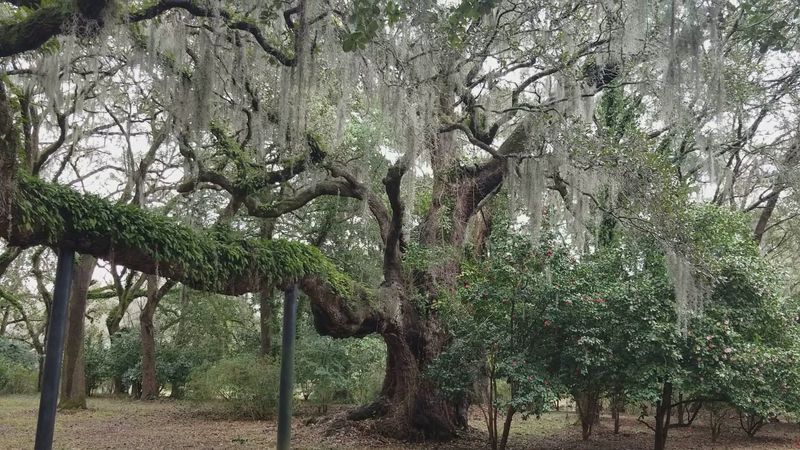
Tucked within the park grounds, the garden areas add a quieter, more reflective dimension to the visit. The camellia garden is particularly striking, with mature flowering shrubs that bloom in rich pinks and reds depending on the season.
A willow garden nearby offers the kind of shaded, peaceful atmosphere that makes you want to slow down completely.
These spaces were not an afterthought in the park’s design. They reflect the horticultural traditions of the colonial South while also giving visitors a place to rest their feet and take in something genuinely beautiful between the more information-heavy stops along the trail.
Birders will find the garden areas especially rewarding, as the plantings attract a wide variety of species throughout the year. The combination of cultivated garden space and surrounding lowcountry forest means the bird diversity here is notable even by Charleston standards.
Bring binoculars if that is your thing.
A Dog-Friendly Destination Worth Knowing About
Not every historic site rolls out the welcome mat for four-legged visitors, but Charles Towne Landing does. Dogs are allowed on the trails, which makes this one of the more pet-inclusive state parks in the Charleston area and a great option for anyone who would rather not leave their dog in the car during a sightseeing day.
The shaded trail is comfortable for dogs even on warmer days, though it is worth planning your visit for the cooler morning hours if you are bringing a pet. The path is wide enough that passing other visitors with a dog in tow never feels awkward or crowded.
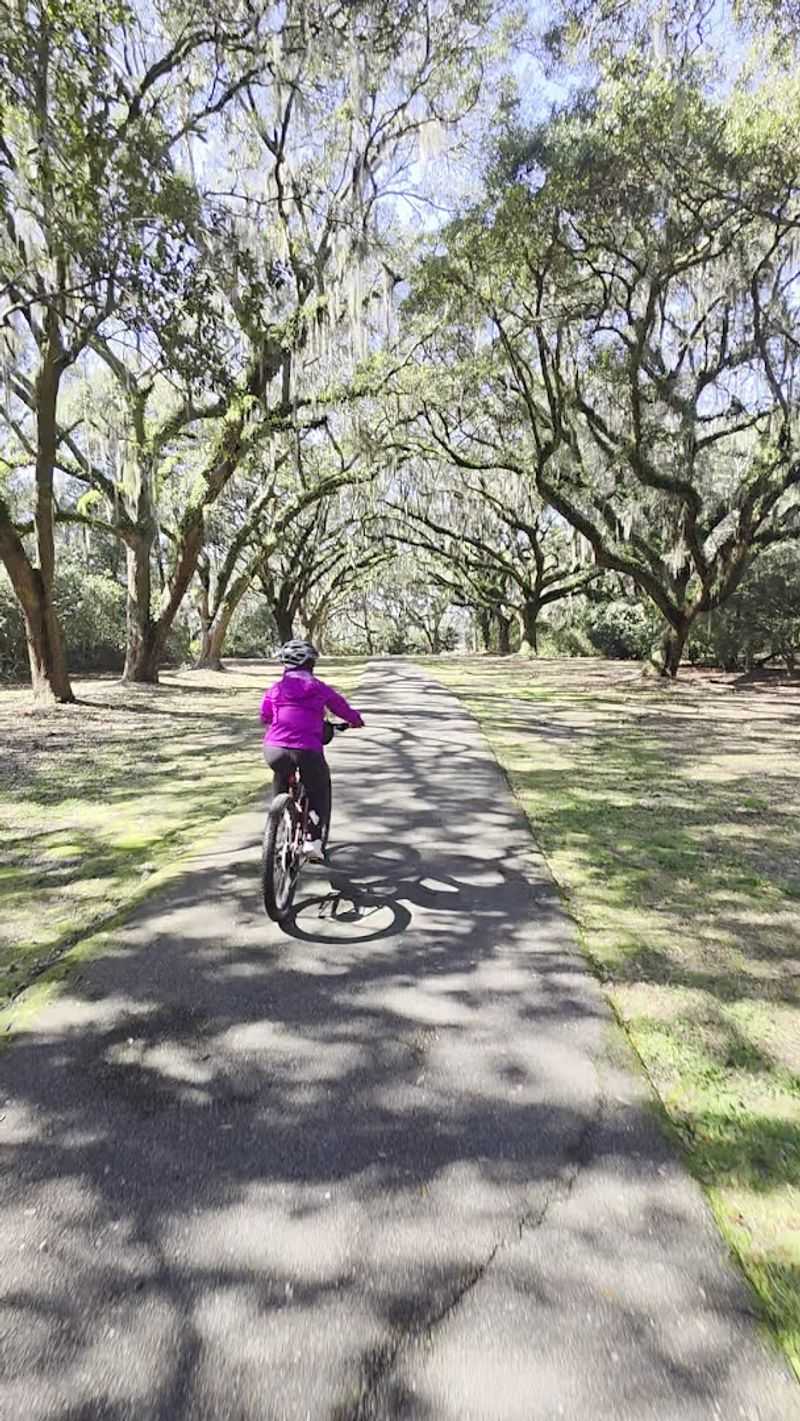
Bikes are also permitted on the trail, and the visitor center reportedly keeps a few available for use, though it is worth asking about that when you arrive. The overall vibe of the park is relaxed and welcoming, which extends to how visitors with dogs or bikes are treated throughout the grounds.
The Tram Service for Those Who Need a Lift
The main loop trail covers about a mile and a half, which is a pleasant walk for most visitors but can feel like a stretch on a warm South Carolina afternoon. For those who need an easier option, the park offers a tram service that runs on a regular schedule throughout the day, passing by the major stops approximately every 20 minutes.
The tram is a thoughtful addition that makes the site genuinely accessible for older visitors, young children, or anyone who simply prefers a guided ride over a self-paced walk. It does not replace the experience of walking the trail, but it ensures that mobility limitations never have to mean missing out on the full site.
The combination of walkable trails and tram service means the park works well for mixed groups where different people have different energy levels or physical needs. That kind of practical accessibility is easy to overlook but genuinely matters when planning a family outing.
Picnic Areas and Open-Air Relaxation
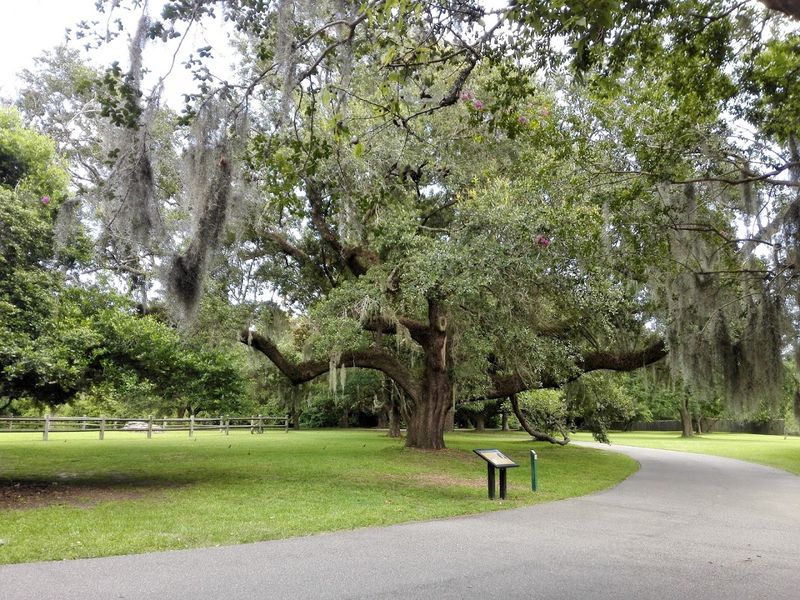
After working your way through the trail, the exhibits, the ship, and the Animal Forest, a proper sit-down moment becomes very appealing. Charles Towne Landing has picnic tables and sheltered areas scattered through the grounds, making it easy to pack a lunch and turn the visit into a full afternoon rather than a quick stop.
The setting around the picnic areas is genuinely pleasant, with mature trees providing shade and the general quiet of the park creating a relaxed atmosphere. There is no on-site restaurant, so coming prepared with food is the smart move.
The park does have restrooms at multiple points along the trail, all reported to be clean and well-maintained.
Families with young children tend to find the picnic spots especially useful as a mid-visit reset. The open green spaces nearby give kids room to run between structured stops, which keeps the energy up and the complaints down for the second half of the day.
What the $12 Admission Actually Gets You
At $12 per adult, Charles Towne Landing offers one of the better value propositions in the Charleston area for a half-day or full-day outing. That single admission price covers the visitor center museum, the full trail loop, access to the colonial settlement exhibits, the Animal Forest, the replica ship, and the garden areas.
There are no hidden upsells or separate tickets for different sections of the park. Everything is included, which makes budgeting for a family visit straightforward.
Children’s admission is lower, and the overall cost compares favorably to many of the paid attractions in downtown Charleston.
A small gift shop near the visitor center carries books, souvenirs, and educational materials related to the site’s history, which is worth a browse before you leave. The shop is modest but well-curated, with items that actually connect to the history of the site rather than generic tourist merchandise.
It is a nice final stop before heading out.
Best Times to Visit and What to Expect
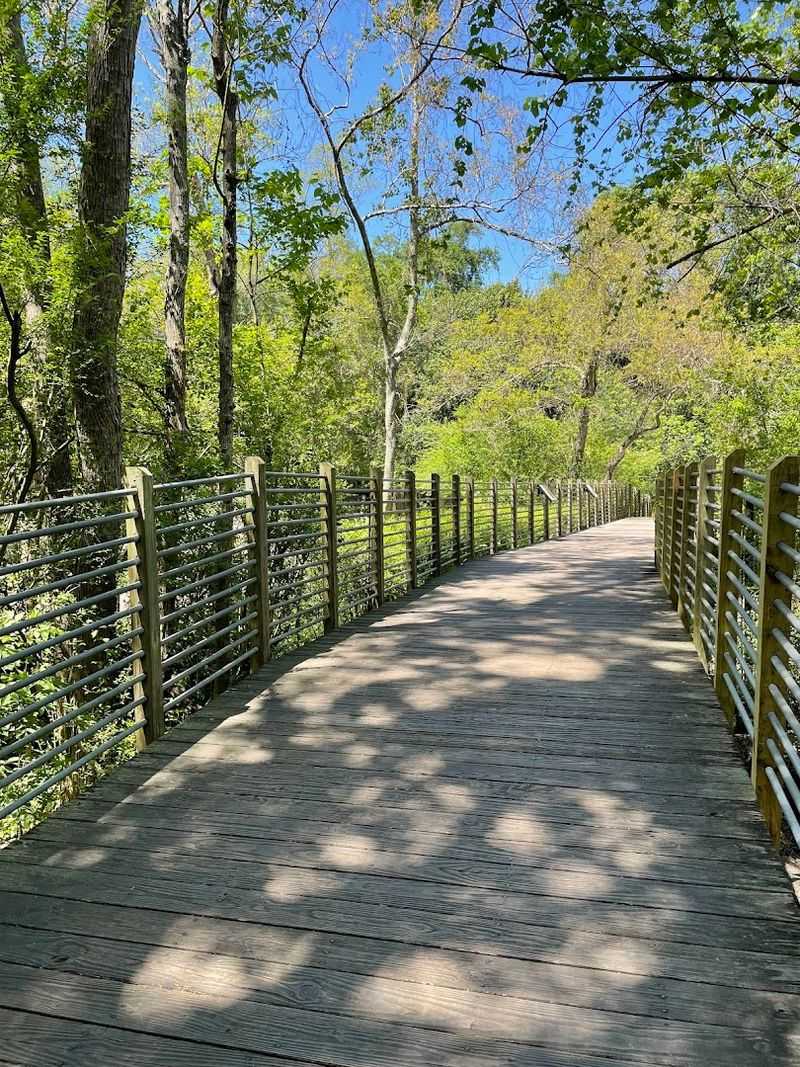
The park is open every day of the week from 9 AM to 4 PM, which gives you a solid window for a morning or early afternoon visit. Weekdays tend to be noticeably quieter than weekends, and a Tuesday or Wednesday morning visit can feel almost private, with just a handful of other groups on the trail at any given time.
Spring and fall are the most comfortable seasons for the walk, with cooler temperatures and active wildlife making those months particularly rewarding. Summer visits are entirely doable but require some planning; starting at 9 AM before the heat builds is the obvious strategy, and bringing water is non-negotiable.
Winter visits have their own appeal, especially for birding and photography, when the lower foliage allows better sightlines through the forest. The camellia garden also tends to peak in late winter, which gives cold-weather visits a floral bonus that most people do not expect.
The Historical Significance of the 1670 Settlement
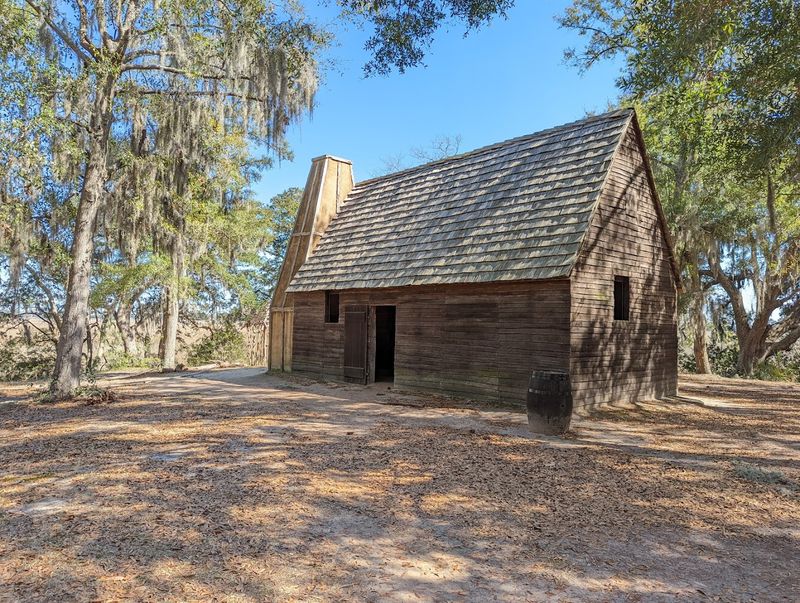
The year 1670 is not just a number on a plaque here. It represents the moment when English settlers, arriving under the sponsorship of the Lords Proprietors, established the first permanent European settlement in what would become South Carolina.
That founding moment set the trajectory for an entire colony, and eventually a state, that played a central role in American history.
The site interprets this founding with nuance, acknowledging that the story of 1670 is not only about English ambition. The Kiawah people already lived on this land, and enslaved Africans arrived alongside the colonists, shaping the colony’s economy and culture from its earliest days.
Understanding that layered history is what makes a visit here feel substantive rather than superficial. The exhibits do not gloss over difficult truths, which is exactly what good historical interpretation should do.
Charles Towne Landing earns its place as a serious educational destination, not just a scenic one.
Wildlife Spotting Beyond the Animal Forest
The Animal Forest gets most of the attention when it comes to wildlife at Charles Towne Landing, but the broader park grounds are equally rewarding for anyone who enjoys spotting animals in truly wild settings. The lowcountry forest that lines the trail is home to a variety of bird species, and the river edge attracts wading birds and waterfowl throughout the year.
Wild turkeys have been spotted wandering the grounds, and the dense tree canopy shelters songbirds, woodpeckers, and raptors depending on the season. The naturalistic quality of the park, with its relatively undisturbed forest floor and riverside habitat, creates conditions that support genuine biodiversity.
For families with kids who are new to wildlife observation, the combination of the managed Animal Forest and the wild species throughout the park makes for a genuinely varied and educational experience. You never quite know what might appear around the next bend in the trail, and that unpredictability is part of the charm.
Why This Site Deserves More Attention Than It Gets
For a site that marks the literal birthplace of South Carolina, Charles Towne Landing operates with a surprisingly low profile compared to the more commercially prominent attractions in downtown Charleston. The park does not advertise aggressively, and it does not need to, because the experience speaks for itself once you arrive.
The combination of serious history, natural beauty, accessible trails, native wildlife, a replica ship, and well-designed exhibits creates a visit that genuinely delivers on multiple levels simultaneously. Very few destinations in the Charleston area manage to be this educational and this enjoyable at the same time.
If you are planning a trip to Charleston and trying to decide where to spend a half day, this is the answer. The history here is foundational in the most literal sense, and the park does an excellent job of making that history feel alive, relevant, and worth your full attention.
South Carolina’s story started here, and walking these grounds makes that feel real.
Share this story