There is a hot dog stand in Worcester, Massachusetts that has been slinging chili dogs since 1918, and the line out front on a Friday morning tells you everything you need to know about its reputation. The booths are carved up with decades of initials, the jukebox is real, and the chili sauce recipe has barely changed in over a century.
This is not a trendy food hall concept or a viral pop-up. George’s Coney Island is a living, breathing piece of American food history tucked into a Southbridge Street storefront, and once you walk through the door, you understand exactly why people keep coming back generation after generation.
A Worcester Institution With Deep Roots
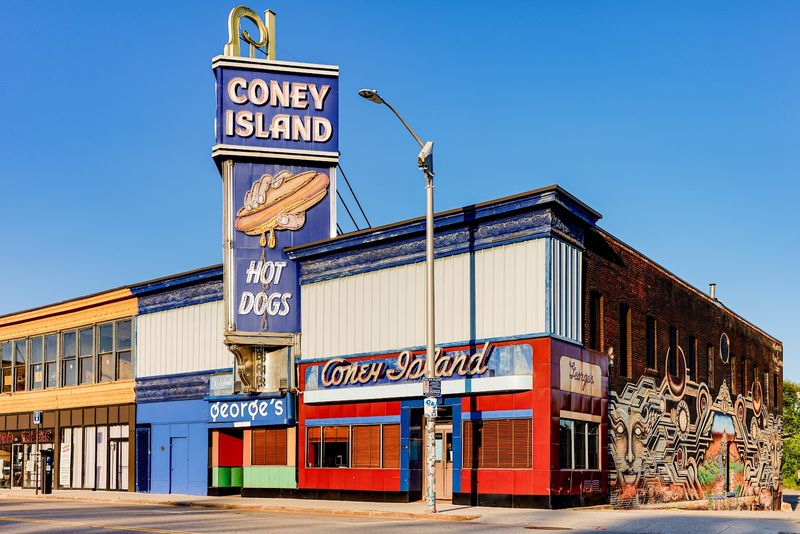
The address is 158 Southbridge St, Worcester, MA 01608, and the building looks like it has barely changed since the early twentieth century, which is precisely the point.
George’s Coney Island opened in 1918, making it one of the oldest continuously operating hot dog restaurants in the entire country. That is not a small claim.
While countless diners and lunch counters across America have closed their doors over the decades, this Worcester spot has kept its griddle hot through two World Wars, the Great Depression, and every food trend that came and went in between.
Worcester itself is a city with serious working-class pride, and George’s Coney Island fits that identity perfectly. It has never tried to be fancy, and that honesty is a big part of why locals defend it so fiercely.
The restaurant sits in the heart of downtown Worcester, making it easy to combine a visit with a walk around the city. You can reach the team at (508) 753-4362 or browse the menu at coneyislandlunch.com before you go.
The Chili Sauce That Started It All
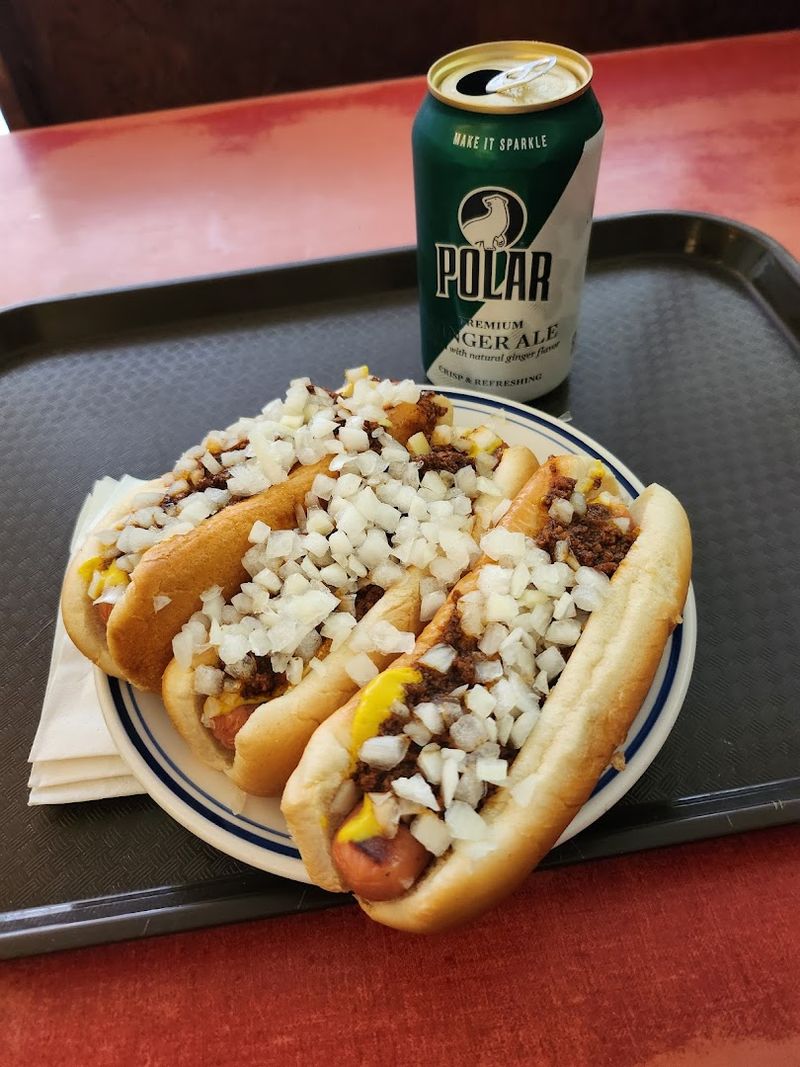
Every legendary food spot has one thing that makes people drive across town, and at George’s Coney Island, that thing is the chili sauce.
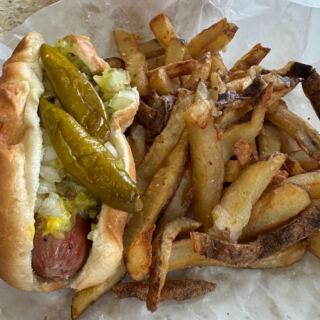
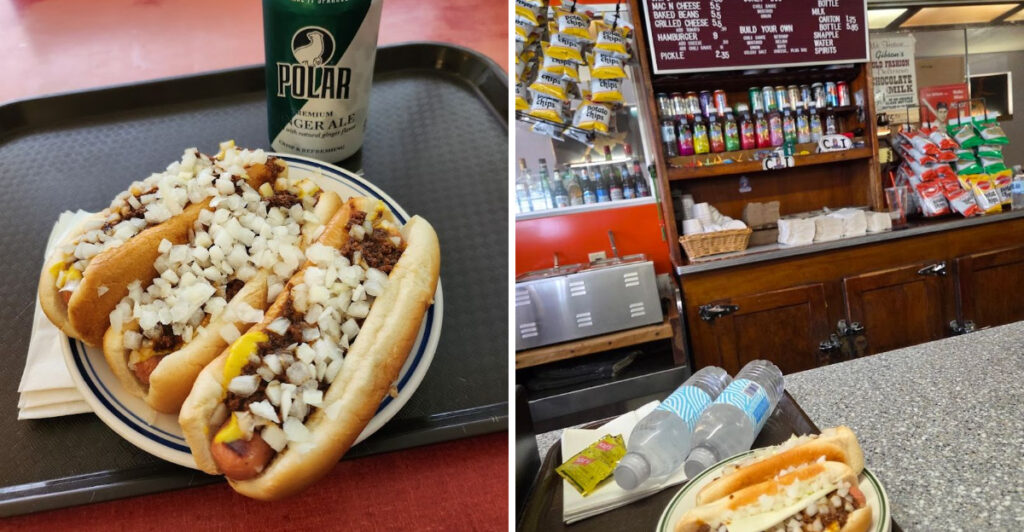
The recipe has been in use since the restaurant first opened, and it is the kind of sauce that sits somewhere between a meat sauce and a thick stew, with a savory depth that is hard to pin down but impossible to forget. It coats the hot dog without overwhelming it, and when you add yellow mustard and raw onion on top, you have what regulars call an order “up” or “with everything.”
The chili here contains no beans, which is traditional for a Coney-style dog. That distinction matters to the regulars, who will happily explain the difference between a Coney dog and a chili dog if you give them half a chance.
Pair the dog with a Polar Ginger Ale and a bag of Wachusett chips, and you have the full Worcester experience on a paper tray. The combination is so reliable that many customers order a box of twenty to bring home after their visit.
The Retro Atmosphere That Feels Completely Genuine
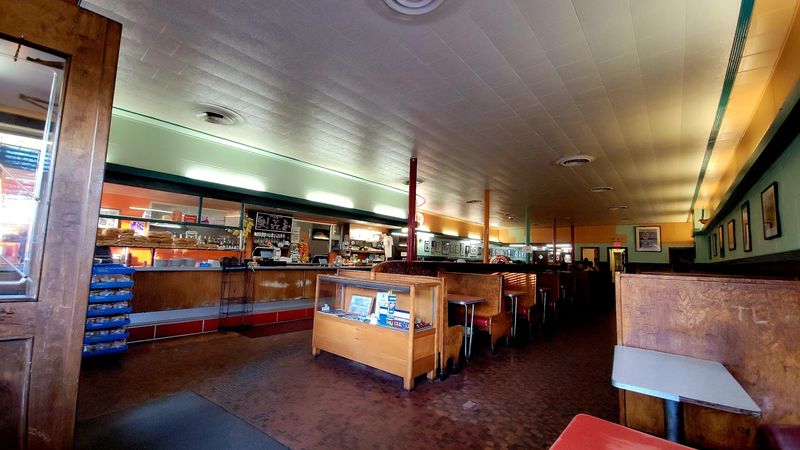
Some restaurants try to manufacture a retro look with distressed wood and Edison bulbs bought from a design catalog. George’s Coney Island did not manufacture anything.
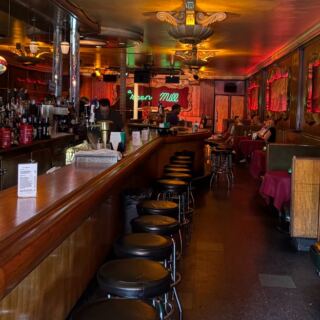
The worn floors, the carved booth surfaces, and the faded signage are all real, accumulated over more than a hundred years of daily business. The booths carry the initials of customers who sat there decades ago, and finding old dates scratched into the wood has become a small ritual for first-time visitors.
There is a real jukebox on the premises, and it actually works. Popping in a selection while you wait for your order is one of those small pleasures that modern fast-casual restaurants simply cannot replicate.
The atmosphere is not theatrical. It is the natural result of a family-owned business that has prioritized consistency over renovation.
The walls and booths hold the kind of quiet history that no interior designer can fake, and that authenticity is exactly what draws visitors who are tired of places trying too hard to look like something they are not.
Counter Service That Moves at an Impressive Speed
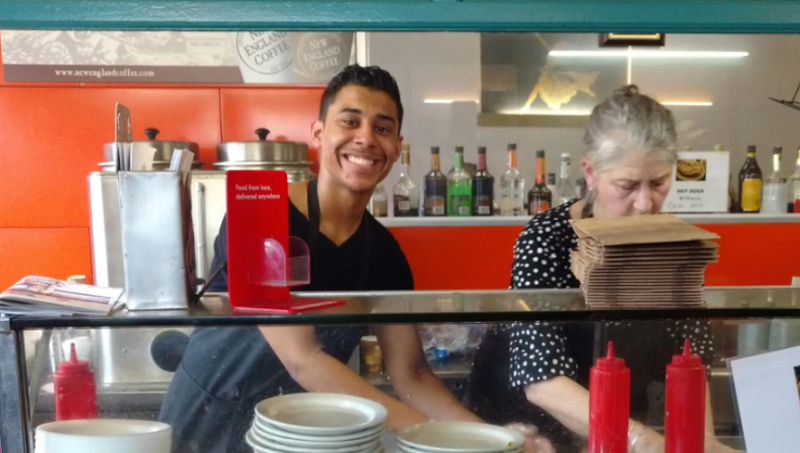
Fast food has trained people to expect a certain pace, but George’s Coney Island operates on a different level entirely.
The counter service here is almost theatrical in its efficiency. You walk up, you state your order clearly, and by the time you finish speaking, the team behind the counter is already assembling your dogs.
There is no confusion, no fumbling, and no waiting around while someone figures out the register.
This speed comes from decades of practice and a menu that is intentionally focused. When a kitchen only does a handful of things, it can do those things extraordinarily well and extraordinarily fast.
The staff has the rhythm of a well-rehearsed crew, and watching them work during a busy lunch rush is genuinely impressive.
The counter setup also creates an energy that table-service restaurants rarely achieve. You feel like you are part of something lively rather than just waiting for food to arrive.
That electric, communal buzz is part of what keeps people coming back on their lunch breaks, before WooSox games, and on weekend mornings when the craving for a proper chili dog simply cannot be ignored.
Over a Century of Family Ownership
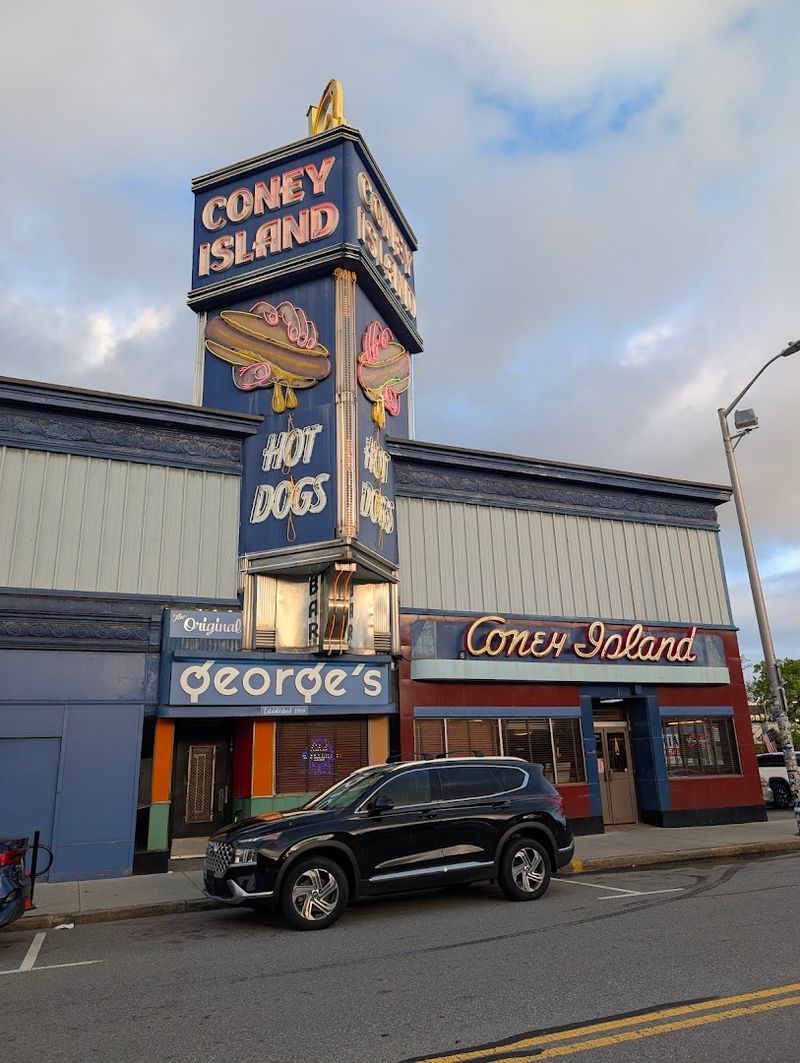
A business surviving one hundred years under family ownership is genuinely rare in the American restaurant industry, where the average lifespan of a new eatery is measured in months rather than decades.
George’s Coney Island has been passed down through generations, and that continuity shows in every detail of the operation. The recipes have stayed consistent, the decor has not been aggressively updated, and the values of quick service and honest food have remained central to how the place is run.
Family-owned spots like this one carry a different kind of accountability. The owner is not an anonymous corporate entity but a person whose name and legacy are tied directly to the quality of every hot dog that leaves the counter.
That personal investment translates into a dining experience where the small details matter. The chili sauce tastes the way it always has because someone cares deeply about maintaining that standard.
Places like George’s Coney Island remind us that longevity in the food business is not an accident but the result of consistent effort and genuine pride in the craft, generation after generation.
The Menu: Simple, Focused, and Totally Satisfying
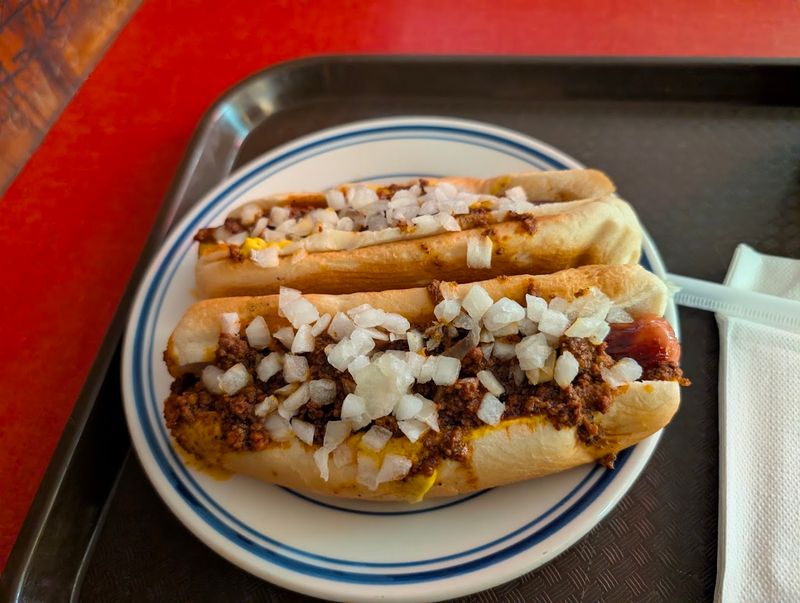
A menu that tries to do everything usually ends up doing nothing particularly well. George’s Coney Island made the opposite bet, and it paid off spectacularly.
The star of the show is the hot dog, available plain or dressed with various combinations of chili sauce, mustard, and onion. The chili dog in particular has earned its reputation as the main reason most people make the trip.
Burgers are also on the menu, cooked to order, and they hold their own as a solid secondary option for anyone not feeling a dog that day.
Boston baked beans appear as a side and have their own devoted following. The chocolate milk from Gibson’s Dairy is a surprisingly beloved addition that regulars treat as a non-negotiable part of the meal.
Table Talk snack pies round out the dessert options, keeping everything local and true to the Worcester identity. The focused menu means the kitchen can execute every item at a high level without distraction.
There is something deeply satisfying about a restaurant that knows exactly what it is and commits to that vision completely, without apology or hesitation.
Why the Prices Still Make Sense
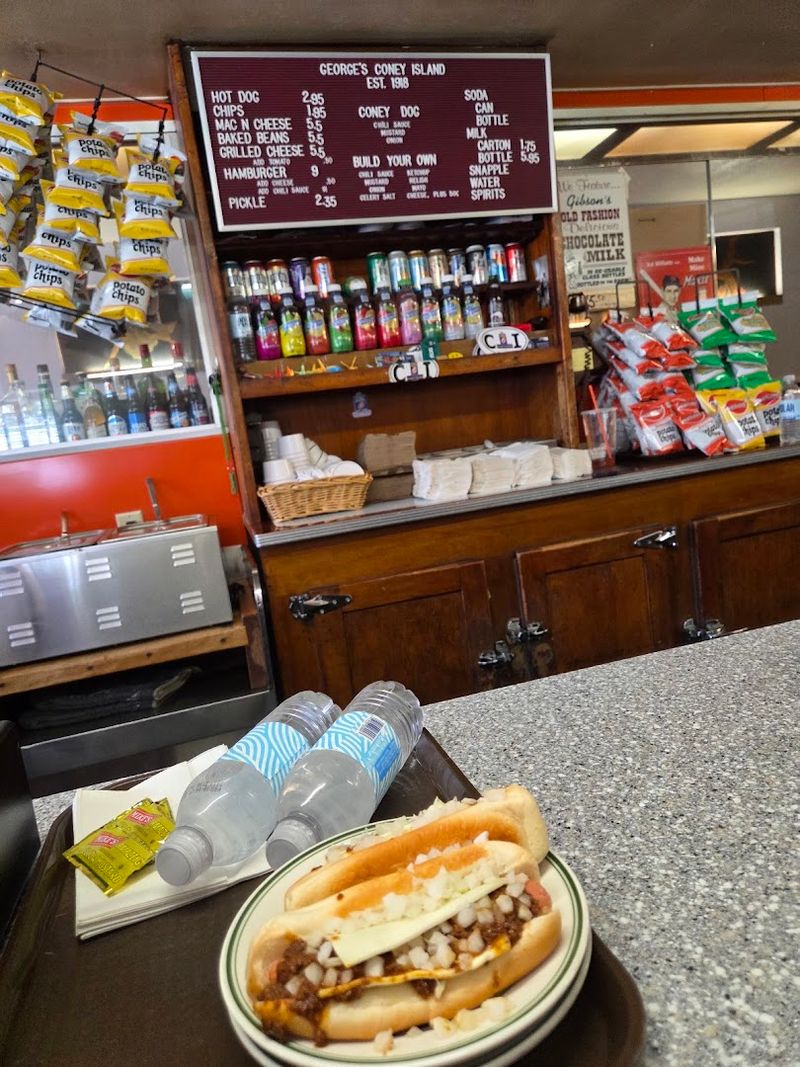
In a food landscape where a single taco can cost eight dollars and a basic burger regularly tops fifteen, the pricing at George’s Coney Island feels almost radical.
A standard hot dog runs around two dollars and fifty-seven cents, and even with toppings added, the total stays well within reach for most budgets. That affordability is not a gimmick or a loss leader.
It reflects a genuine commitment to serving the Worcester community without pricing out the working-class customers who have kept the restaurant alive for over a century.
Some visitors feel the portion size is modest for the price, and that is a fair point worth knowing before you go. A single Coney dog is a few bites, so most people order two or three to make a proper meal of it.
The overall value, when you factor in the atmosphere, the speed, and the quality of the chili sauce, is hard to argue with. Ordering a box of twenty dogs to take home, which many regulars do, brings the per-dog cost down even further and makes the whole experience feel like a genuine local treat rather than a tourist splurge.
The Historical Significance Beyond the Hot Dog
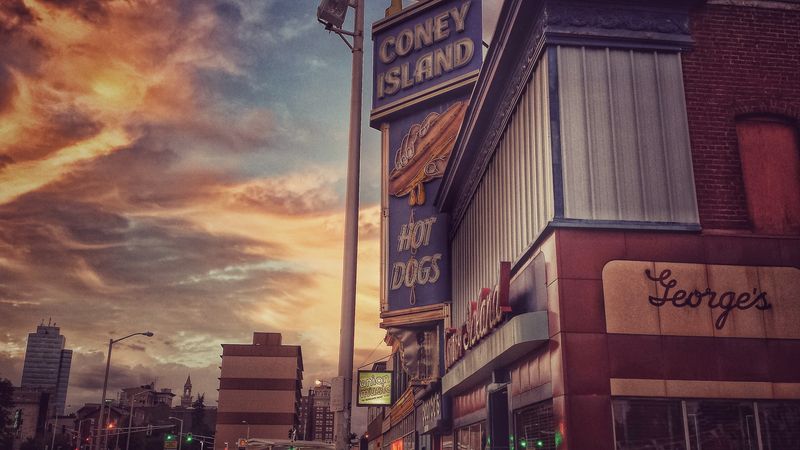
George’s Coney Island opened in 1918, which means it has been operating through almost every major chapter of modern American history.
Customers have sat in those booths during the Roaring Twenties, the Great Depression, World War II, the postwar boom, the social upheavals of the 1960s, and every economic cycle since. The restaurant did not just survive those eras.
It served the people living through them, providing an affordable, reliable meal when times were hard and a familiar comfort when things were good.
That kind of continuity gives the place a cultural weight that goes well beyond its menu. It is a document of working-class American life, preserved in worn wood and chili sauce recipes rather than in a museum display case.
Food historians and travel writers have recognized spots like George’s Coney Island as genuine landmarks of American culinary heritage. The connection to the broader Coney Island tradition, which spread from New York through the Midwest and influenced diners from Michigan to Oklahoma, adds another layer of national significance to what looks, at first glance, like a modest hot dog counter on a Worcester side street.
The Carved Booths and the Stories They Hold

There is a tradition at George’s Coney Island that you will not find spelled out on any menu board: carving your name into a booth.
Generations of customers have left their mark on the wooden surfaces, and hunting through the carvings for the oldest dates you can find has become a quiet game for regulars and first-timers alike. Some of the initials go back decades, representing people who may have been teenagers when they sat in that same spot and are now grandparents telling their own grandchildren about the place.
The bar side of the restaurant has different rules. Carving on the bar booths is discouraged, so if you want to leave your mark, stick to the main dining area.
This tradition gives the booths a texture that no decorator can replicate. Every scratch and carving is a small piece of personal history, a reminder that the restaurant is not just a building but a gathering place that has woven itself into the lives of Worcester families across multiple generations.
Sitting in one of those booths connects you to everyone who sat there before you, which is a surprisingly moving feeling for a hot dog lunch.
The Coney Island Tradition Across America
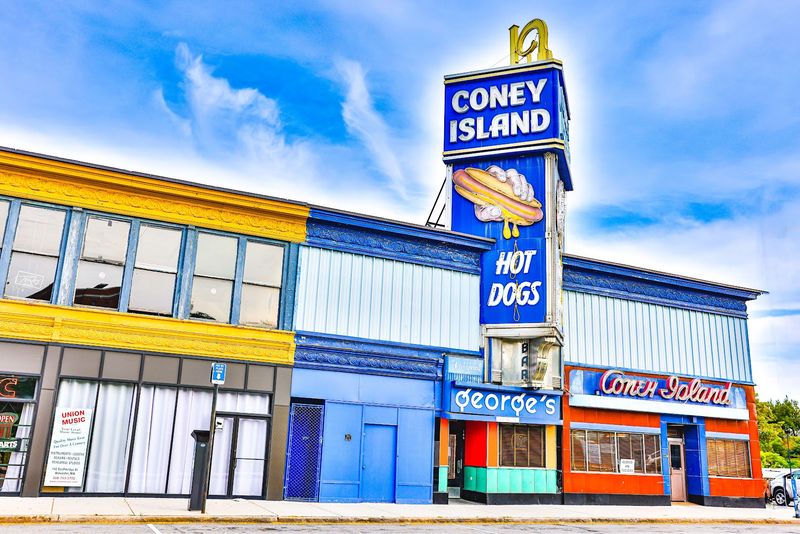
The name “Coney Island” on a restaurant sign does not always mean the same thing depending on where you are in the country, and that is part of what makes George’s Coney Island so interesting to food historians.
The Coney Island hot dog tradition spread from New York through Greek immigrant communities in the early twentieth century, eventually taking root in cities like Detroit, Michigan, and spreading influence as far as Oklahoma and beyond. Each regional version developed its own personality while keeping the core concept intact: a natural-casing hot dog topped with a meat-based chili sauce.
The Worcester version shares the Detroit style more closely than most people expect. An order “up” or “with everything” means chili without beans, yellow mustard, and raw onion, which is exactly the combination you would find at a classic Detroit coney counter.
The differences are in the local touches. Polar Ginger Ale replaces the Vernors you might find in Michigan.
Wachusett chips stand in for regional brands from other states. From Oklahoma to Massachusetts, the Coney tradition keeps adapting to its surroundings while holding onto the essential character that made it a beloved American institution in the first place.
Practical Tips for Your Visit
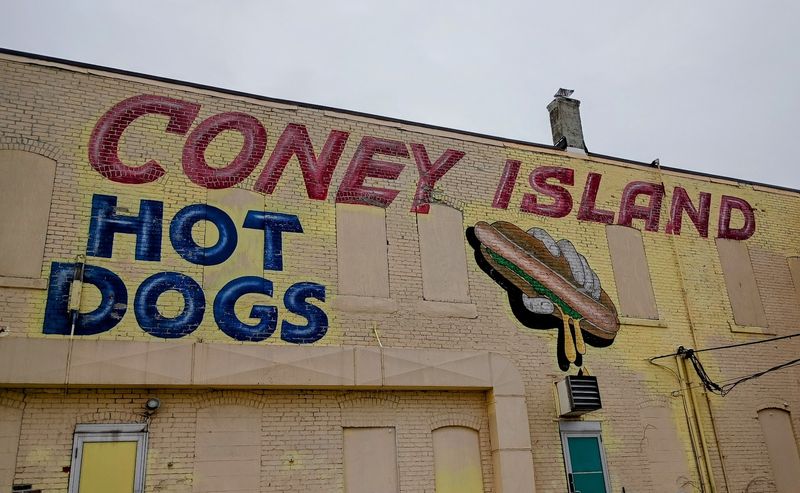
A few practical things worth knowing before you make the trip to George’s Coney Island will save you from showing up at the wrong time or missing out on the full experience.
The restaurant is closed on Tuesdays, which catches a surprising number of first-time visitors off guard. On all other days, hours run from 10 AM to 8 PM, with Monday being a shorter day that wraps up at 4 PM.
Arriving early is a good strategy, especially on weekends, since a line tends to form right when the doors open at 10 AM.
Parking on Southbridge Street is generally manageable, though it can get tight during peak lunch hours on weekdays. The location is also walkable from the WooSox ballpark, making it a natural stop before or after a game.
Know your order before you reach the counter. The staff moves fast and appreciates customers who are ready to speak clearly when it is their turn.
If you want the full experience, order a dog “up,” grab a Polar Ginger Ale and a bag of Wachusett chips, and do not skip the chocolate milk from Gibson’s Dairy.
Why This Place Matters in 2025 and Beyond
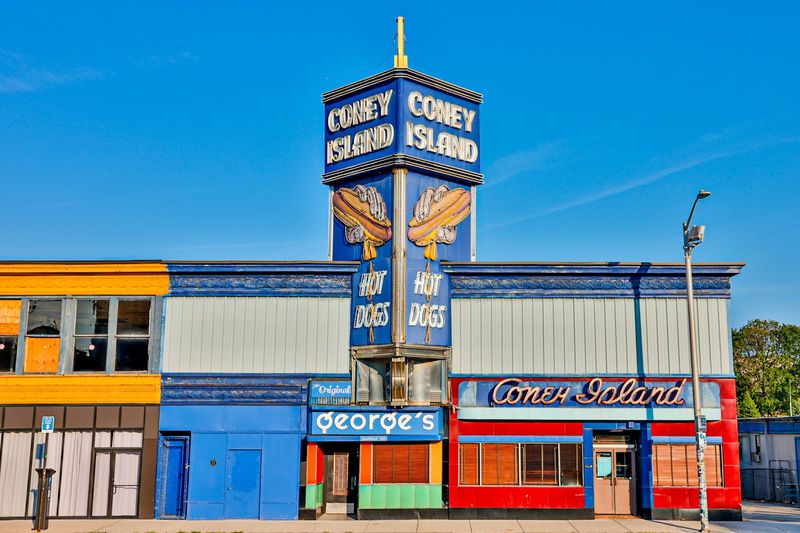
There is something quietly defiant about a restaurant that has refused to modernize beyond what is strictly necessary, and in 2025, that defiance feels more meaningful than ever.
George’s Coney Island operates in an era when restaurant concepts are often built around social media aesthetics rather than food quality. The booths are not photogenic in a curated way.
The menu is not designed to generate viral content. And yet the place consistently draws crowds and earns five-star reviews from people who describe it as one of the most satisfying meals they have had in Worcester.
The restaurant also carries a generational weight that is becoming increasingly rare. Customers who came as children with their parents are now bringing their own children and in-laws.
That cycle of loyalty is the most honest endorsement any restaurant can receive.
Food spots like this one serve as anchors for community identity, just as similar century-old diners have done in cities from Oklahoma to New England. George’s Coney Island is not just a place to eat.
It is proof that doing one thing exceptionally well, with consistency and pride, is a formula that never goes out of style no matter how many decades pass.
Share this story