A West Virginia state park on the Ohio River offers the kind of experience that feels almost impossible to find today. Visitors reach the island by boarding a working sternwheeler ferry, leaving behind highways and modern noise for a place filled with historic mansions, carriage rides, and landscapes that still feel tied to the 19th century.
What makes the island especially fascinating is its history. The estate’s story includes wealthy Irish owners, political controversy, and a devastating fire that destroyed the original mansion before it was later reconstructed.
Today, costumed interpreters, massive old-growth trees, and carefully preserved grounds make the entire park feel less like a tourist stop and more like stepping directly into another era.
Where the Adventure Begins: The Sternwheeler Departure Point
Your journey to the island does not start on the island at all. It starts at 137 Juliana St, Parkersburg, WV 26101, which is the address for the Blennerhassett Museum of Regional History, the official gateway to the entire experience.
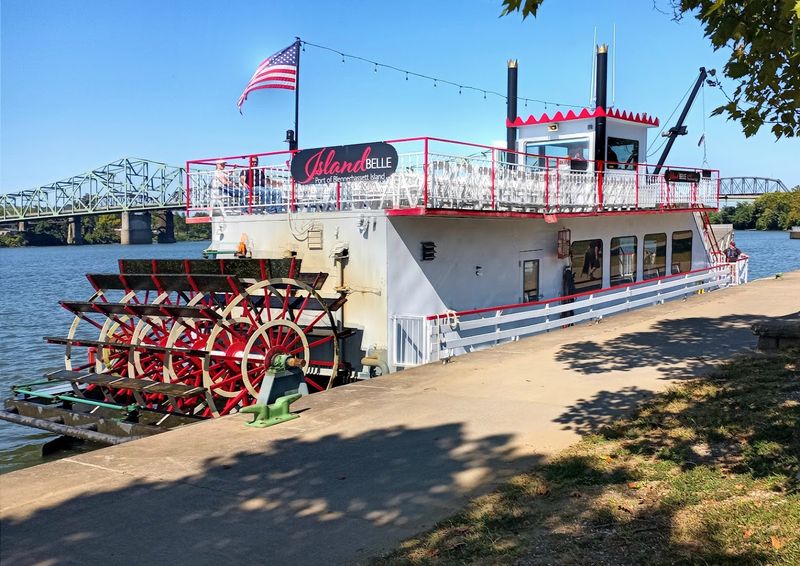
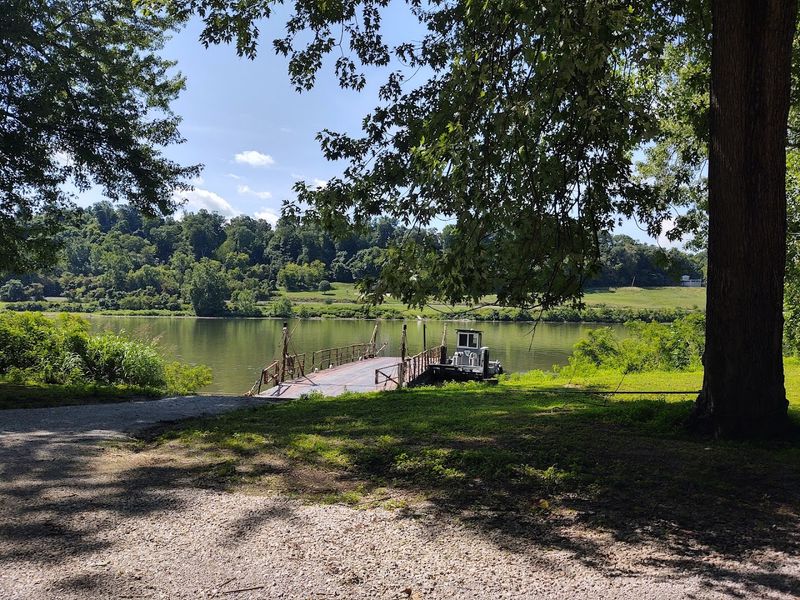
From there, you walk down to Point Park, where the Island Belle Sternwheeler waits at the dock. This is not a small rowboat or a basic ferry.
It is a genuine paddlewheel boat with an upper and lower deck, and the 20-minute ride across the Ohio River already feels like an event in itself.
The boat crew shares fun facts about the river and the island during the crossing, so you arrive informed and genuinely curious. The park operates Tuesday through Sunday from 10 AM to 4:30 PM, from May through the last weekend of October.
Tickets can be purchased at the museum before you board. Call ahead at 304-420-4800 if you have questions.
The Irish Aristocrats Who Built a Mansion in the Wilderness
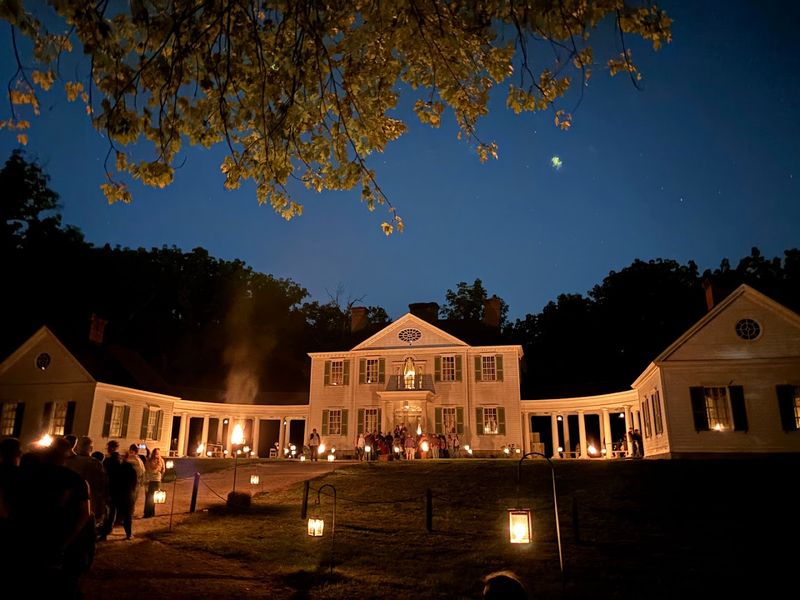
Most people do not expect to find a story about wealthy Irish nobility tucked inside a West Virginia state park, but that is exactly what this island delivers. Harman and Margaret Blennerhassett were Irish aristocrats who left behind their privileged life in Europe and settled on this Ohio River island in 1798.
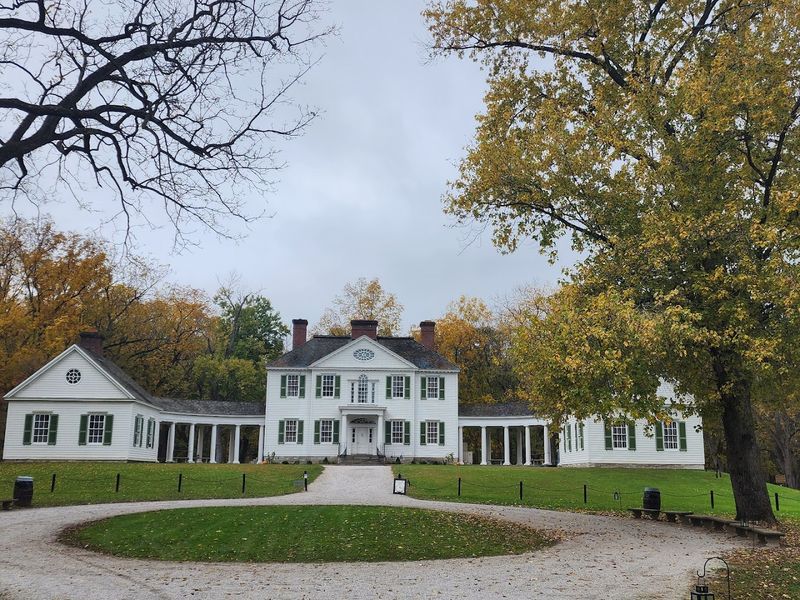
They chose the location deliberately, wanting to build an elegant estate far from the complications of their social world back home. What they constructed was a Palladian-style mansion that stunned everyone who saw it, complete with refined furnishings and cultivated grounds that felt completely out of place on the American frontier.
Their story is equal parts romantic and cautionary. Within just a few years of building their dream home, a fateful connection to a powerful and controversial American figure would unravel everything they had worked to create.
That backstory alone makes the mansion tour feel far more dramatic than a typical house visit.
Aaron Burr, a Mysterious Expedition, and a Scandal That Shook the Nation
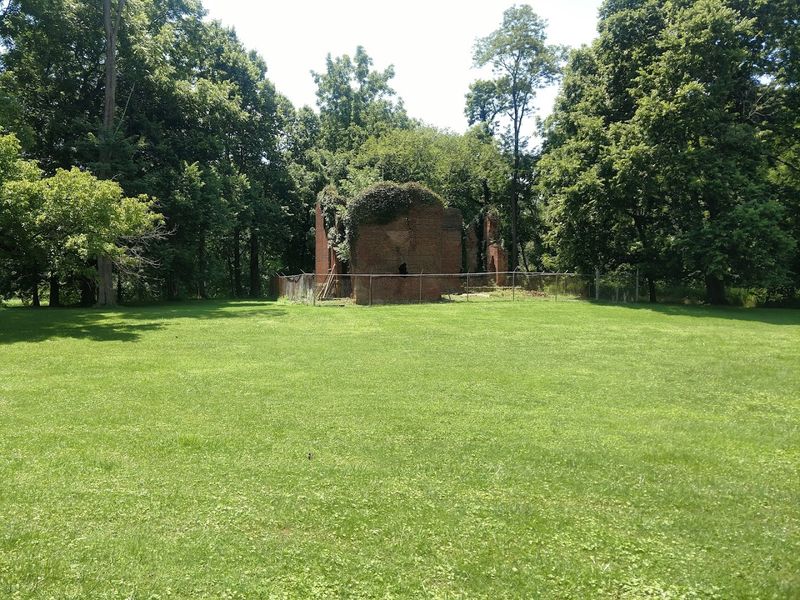
Few chapters in American history are as murky and fascinating as the Aaron Burr conspiracy, and Blennerhassett Island sits right at the center of it. In 1805, Aaron Burr visited the island and reportedly recruited Harman Blennerhassett into a military expedition with unclear and highly suspicious goals.
Theories about what Burr actually planned have filled history books for over two centuries. Some believed he intended to carve out his own empire in the western territories.
Others argued he had designs on invading Spanish-controlled Mexico. Whatever the truth was, the federal government took the threat seriously enough to send troops.
The Blennerhassetts fled the island in December 1806 as militia forces arrived to investigate. The couple never truly recovered from the scandal financially or personally.
Their connection to Burr transformed a quiet island estate into a nationally known symbol of political intrigue, and that reputation has never fully faded from the history books.
The Mansion That Rose from the Ashes Twice
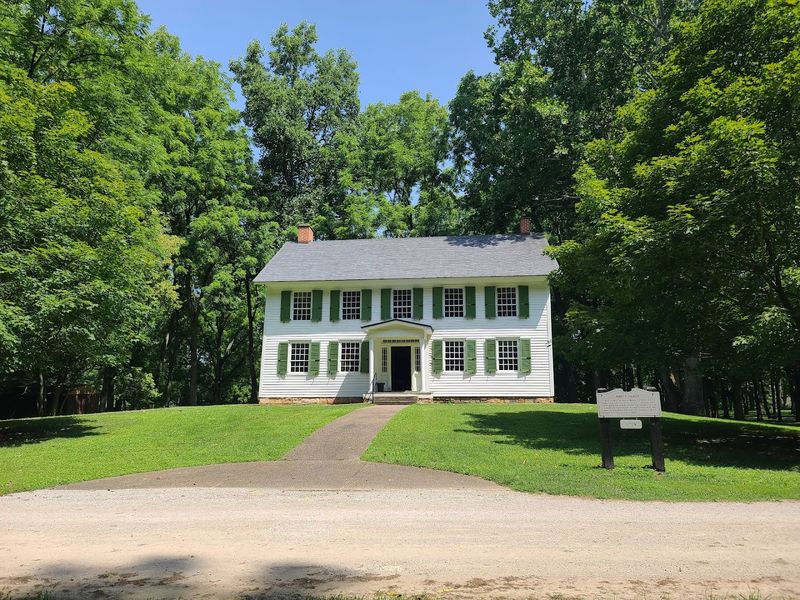
The original Blennerhassett mansion burned to the ground in 1811, just a few years after the family fled. For over 170 years, the island had no mansion at all, just the memory of one preserved in historical records and local legend.
Then, in the 1980s, the state of West Virginia funded a detailed reconstruction built directly on the original foundation. Architects and historians worked from written descriptions, drawings, and archaeological evidence to recreate the Federal-style structure with Palladian attributes as accurately as possible.
The result is genuinely impressive.
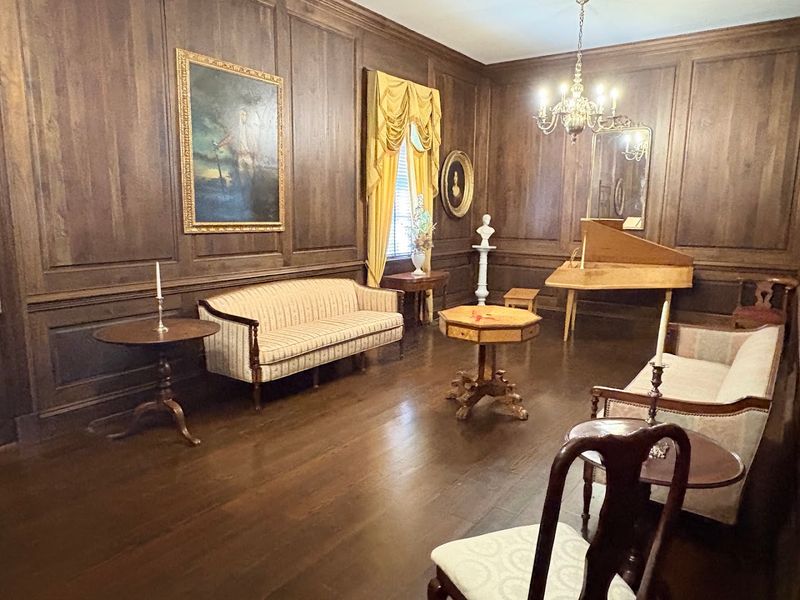
Some furnishings inside are actual period pieces that belonged to the Blennerhassett family, which gives the interior a weight and authenticity that a purely decorative replica would lack. The house has two floors open for touring, and photography without flash is allowed throughout.
Standing inside a room furnished with objects that the original owners actually touched adds a layer of realness that is hard to describe but very easy to feel.
Costumed Guides Who Make History Feel Personal
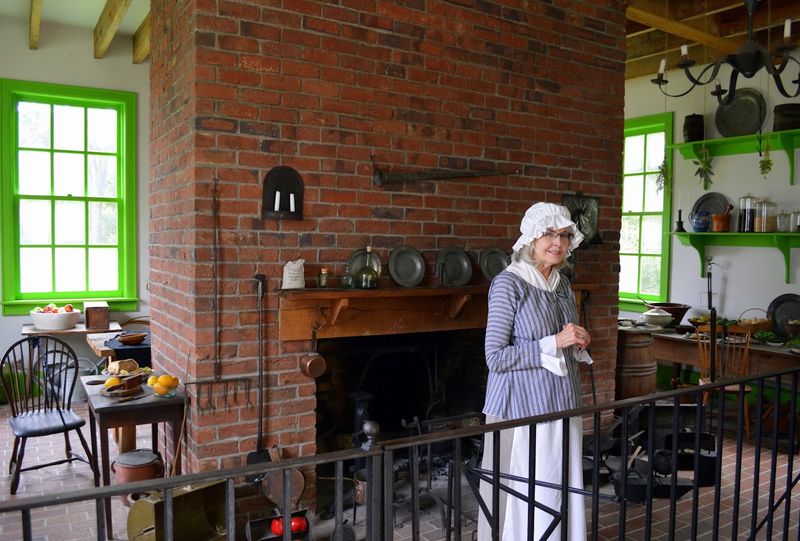
A reconstructed mansion is one thing. A reconstructed mansion explained by a knowledgeable guide in period costume is something else entirely.
The costumed volunteers who lead tours through the Blennerhassett mansion are one of the most talked-about parts of the entire experience.
They do not just recite dates and names. They tell stories, answer questions with real depth, and occasionally bring the atmosphere to life with small demonstrations, including one guide who played a dulcimer during a tour, which visitors remembered long after leaving the island.
The guides are careful to use historically accurate and respectful language, including proper terminology when discussing the enslaved people who lived and worked on the property. That kind of thoughtfulness makes the tour feel current and honest rather than frozen in a romanticized version of the past.
Plan for the mansion tour to take roughly 45 minutes, and do not rush it because the details inside are worth your full attention.
Horse-Drawn Carriage Rides Around the Plantation Grounds
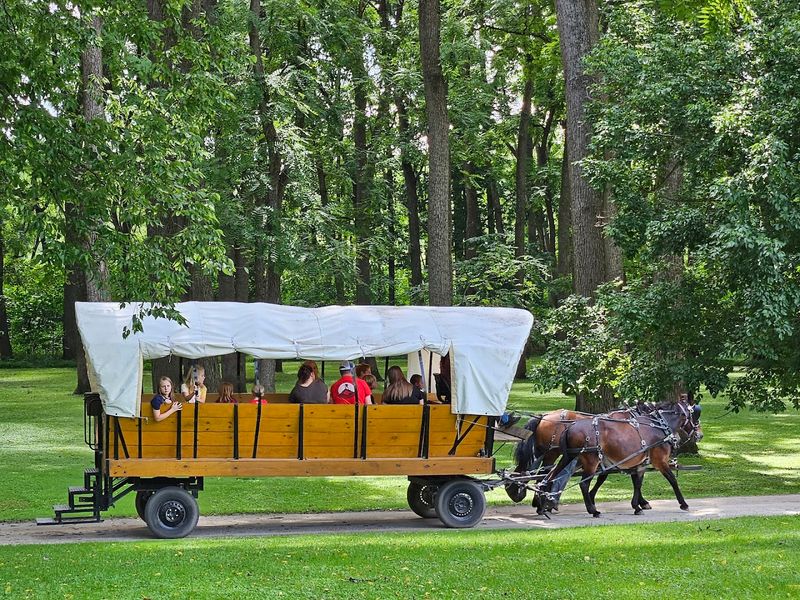
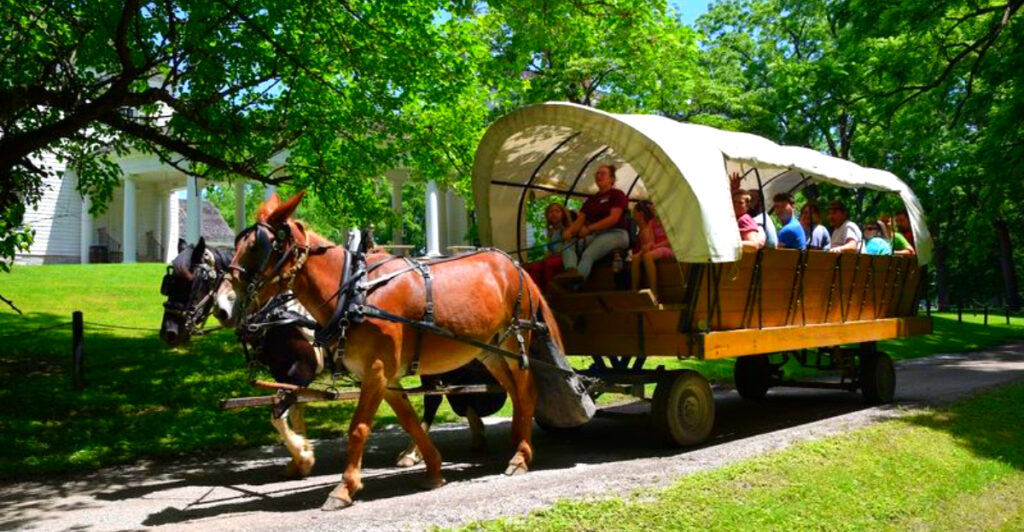
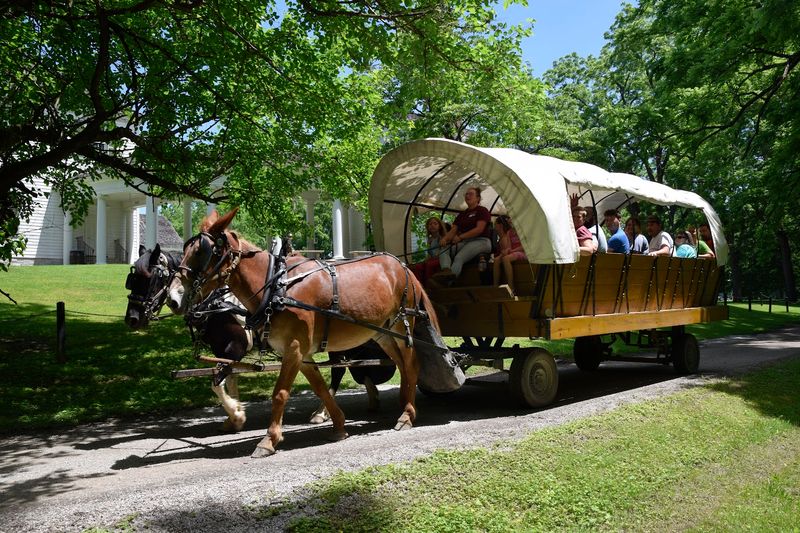
Before you tour the mansion, the horse-drawn carriage ride around the island is the perfect way to get your bearings. The wagon loops through the grounds, passing historical markers, old orchards, and towering trees, while a knowledgeable guide narrates what you are seeing.
Many visitors say the wagon ride is actually their favorite part of the whole trip. The horses are well-kept and beautiful, the pace is relaxed, and the shade from the massive sycamore and walnut trees keeps the route comfortable even on warm days.
There is something genuinely calming about moving through a historical landscape at horse speed instead of car speed.
One practical tip from experienced visitors: do the carriage ride first before exploring on foot. The narration gives you a solid overview of the island’s layout and history, so when you walk the same paths afterward, every sign and structure makes more sense.
It turns a pleasant stroll into a much richer experience.
Ancient Trees and the Quiet Power of the Island Landscape
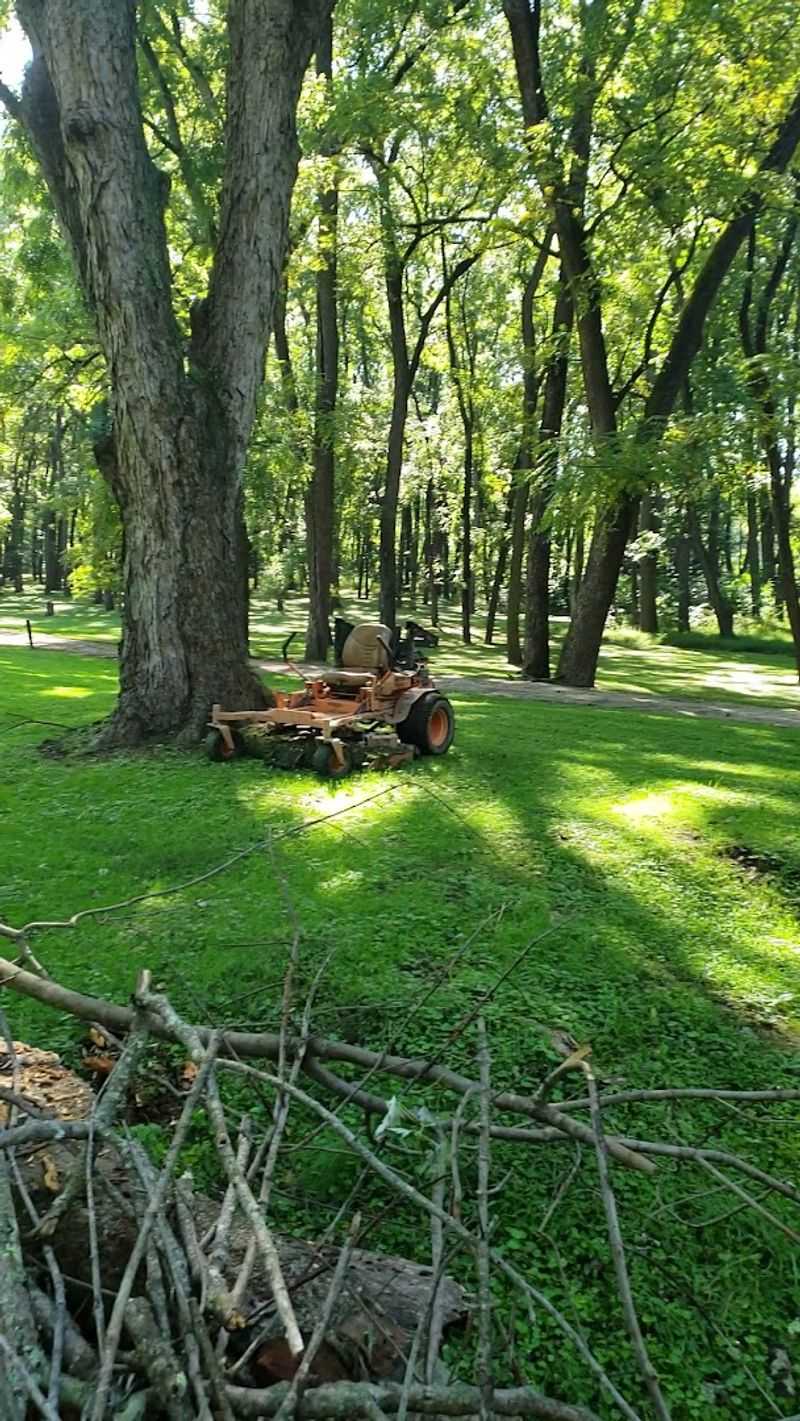
One of the most quietly stunning things about this island is the trees. There is a tree on the property that is over 400 years old, still standing, still alive, and completely indifferent to the centuries of human drama that have unfolded beneath its branches.
The sycamore trees are especially remarkable. Their trunks are enormous, their bark is pale and mottled, and their canopies stretch wide enough to shade entire picnic areas on their own.
Walking among them feels like visiting a living monument to time itself.
There is also a walnut tree grove on the island, a reminder that the Blennerhassetts used the land for agriculture as well as elegant living. The whole landscape has a park-like quality that makes it easy to slow down and simply look around.
Even visitors who are not particularly interested in history tend to find the island beautiful in a way that stays with them well after the boat ride home.
The Putnam-Houser House and the Hidden Details Worth Finding
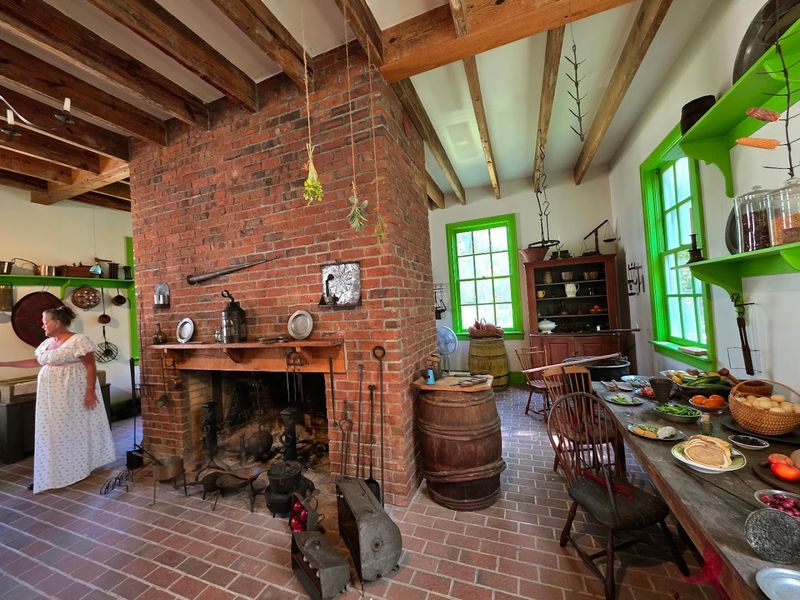
The main mansion gets most of the attention, but the restored 1802 Putnam-Houser House is a quieter discovery that rewards curious visitors who take the time to seek it out. This smaller structure gives a very different picture of life on the island during the same era.
One of the most memorable details is the names scratched into the original window glass panes. These are not modern carvings.
They are old inscriptions left by people who lived on or visited the island long ago, and they create an unexpectedly personal connection to the past.
The house is not furnished the way the mansion is, so it reads more as an architectural artifact than a fully staged interior. But the historical context provided on site helps fill in the gaps.
Finding small, specific details like those window inscriptions is the kind of reward that comes from slowing down and looking carefully rather than rushing from one highlight to the next.
Bikes, Trails, and Exploring the Island at Your Own Pace
Not every moment on the island needs to be scheduled or guided. Bicycle rentals are available on the island, and the flat terrain makes riding genuinely easy for visitors of all fitness levels.
Some visitors even bring their own bikes on the sternwheeler.
The walking trails wind through shaded sections of the island, passing picnic shelters, historical markers, and stretches of riverbank where the Ohio River is visible through the trees. The whole island is stroller-friendly and wheelchair-accessible, with most paths being flat and manageable without much effort.
Picnic tables are scattered along the main road, so packing a lunch and eating it under a 400-year-old tree is a completely reasonable plan. There is also a concession stand near the water’s edge for those who prefer not to pack food.
The combination of self-guided exploration and structured tours means you can customize the visit to fit exactly how much time and energy you have available that day.
The Blennerhassett Museum of Regional History on the Mainland
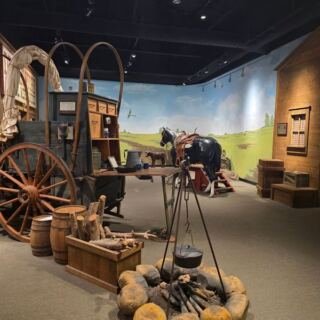
The island gets the headlines, but the Blennerhassett Museum of Regional History in downtown Parkersburg deserves serious credit in its own right. This is where you purchase your sternwheeler tickets, and it is also where the story of the island and the surrounding region gets its fullest treatment.
The museum holds artifacts related to the Blennerhassett family alongside prehistoric Native American tools and objects that stretch the timeline back thousands of years before the mansion was ever built. The range of the collection is genuinely surprising for a regional museum of this size.
Experienced visitors recommend doing the museum before boarding the boat rather than after, because the context it provides makes everything on the island more meaningful. The exhibits draw connections between the Blennerhassetts, the broader history of the Ohio Valley, and the cultures that shaped this part of West Virginia long before European settlers arrived.
Plan at least an hour for the museum alone if you want to do it justice.
Practical Tips for Getting the Most Out of Your Visit
A few practical details can make a real difference between a good visit and a great one. The park is open Tuesday through Sunday from 10 AM to 4:30 PM, May through the last weekend of October, and it is closed on Mondays.
Arriving early gives you the best chance of moving through activities at a comfortable pace without feeling rushed.
Summer visits mean heat and humidity, so packing water, sunscreen, and light clothing is genuinely important. The gift shop is air-conditioned and serves as a welcome cool-down spot on hot days.
Fall visits tend to offer more comfortable temperatures and the added bonus of autumn color on those already-spectacular trees.
Budget at least three to four hours for the full experience, including the boat ride, carriage tour, mansion tour, and some time to walk the grounds. The four-ticket package covering the museum, ferry, wagon ride, and mansion tour is widely considered the best value.
Accessibility is strong throughout, with golf cart assistance available for those who need it upon arrival.
Why This Island Stays With You Long After the Boat Ride Home
There are historical sites that feel like obligations and historical sites that feel like discoveries. This island firmly belongs in the second category.
The combination of the river crossing, the living landscape, the costumed guides, and the genuinely dramatic backstory creates something that is hard to replicate at a typical museum or monument.
The fact that you cannot drive there matters more than it might seem. The boat ride creates a real separation between everyday life and the experience waiting on the other side, and that sense of arrival changes how you receive everything that follows.
The island earns its atmosphere honestly.
With a 4.7-star rating across hundreds of reviews and visitors ranging from solo history lovers to multi-generational families, the appeal is clearly broad. Whether you come for the Aaron Burr intrigue, the ancient trees, or simply a genuinely unusual afternoon in West Virginia, the island has a way of exceeding expectations quietly and completely.
Share this story