Pennsylvania’s seafood scene surprises a lot of people. Across the state, restaurants are serving fresh oysters, standout crab cakes, lobster rolls, and coastal-style dishes that rival spots much closer to the ocean.
From longtime oyster bars in Philadelphia to hidden gems in smaller towns, these 14 restaurants prove you do not need an ocean view to get excellent seafood.
Vernick Fish (Philadelphia)
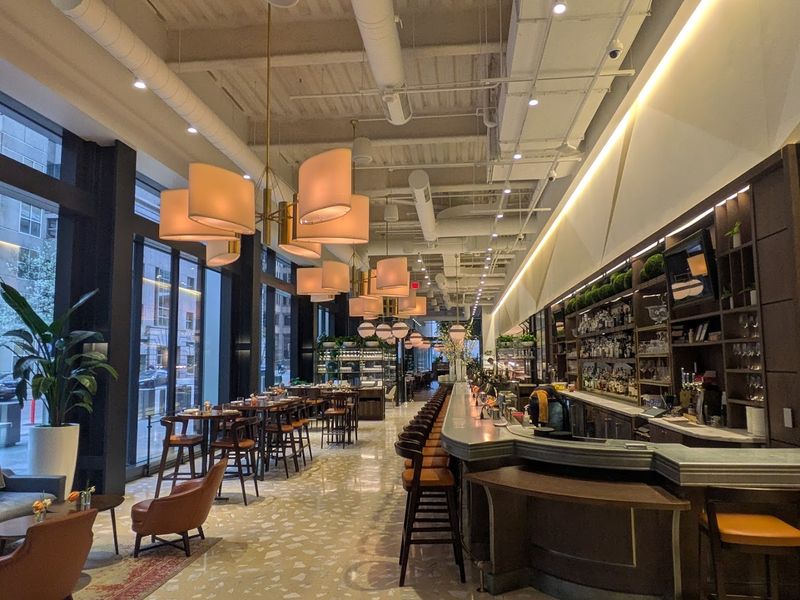
Chef Greg Vernick already had a James Beard Award for Best Chef: Mid-Atlantic under his belt when he opened this elevated seafood concept inside the Four Seasons Hotel Philadelphia, and the results speak for themselves.
The menu leans heavily on raw preparations and globally inspired dishes, with oysters taking center stage alongside creative small plates that rotate based on what is freshest.
Vernick Fish is not trying to copy any one coastal tradition. It draws from multiple seafood cultures and presents them in a refined, polished setting that feels entirely at home in Center City.
Reservations are strongly recommended, especially on weekends. First-time visitors often start with the raw bar and work their way through the menu, and many end up booking a return visit before they even finish their meal.
Oyster House (Philadelphia)
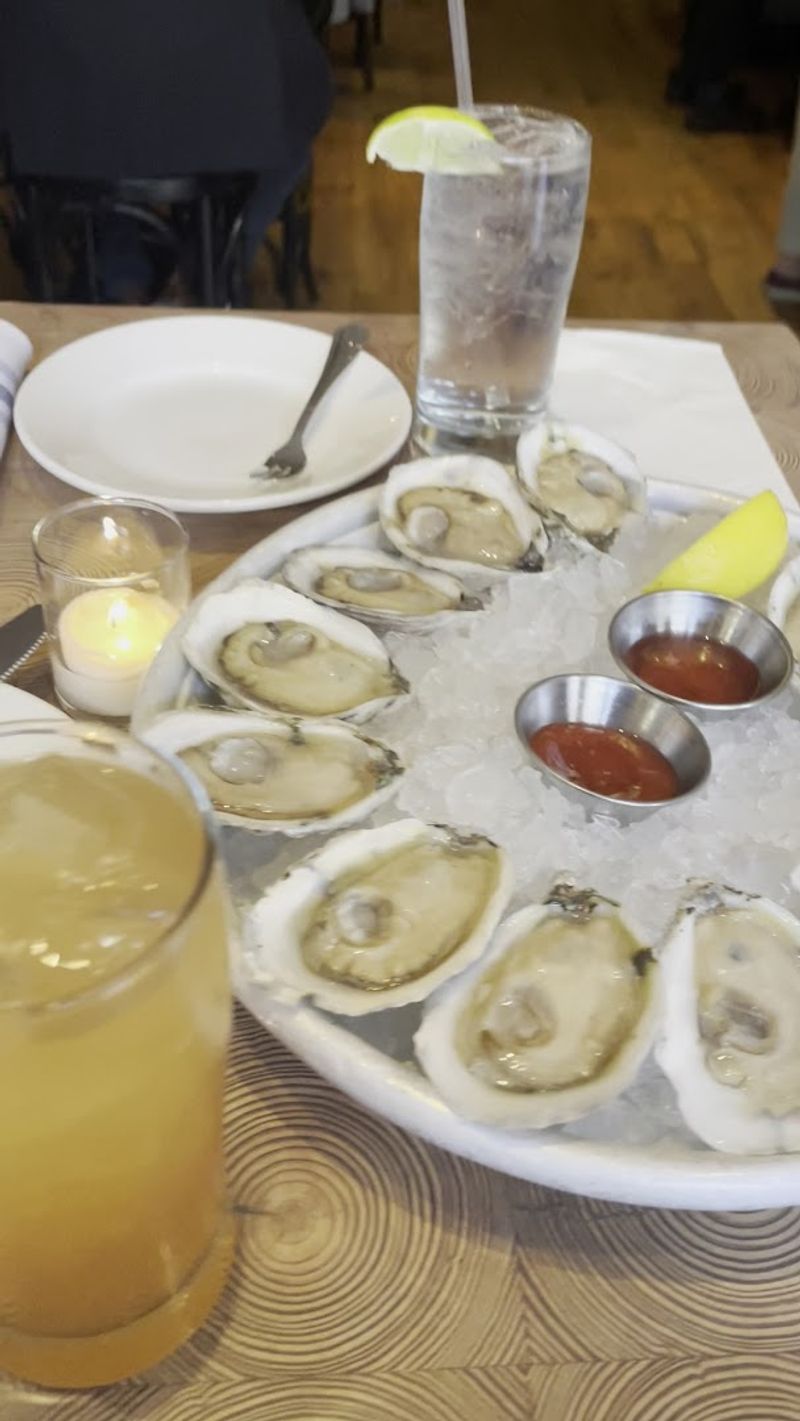
Philadelphia’s oldest seafood institution has been shucking bivalves since 1976, and it has earned every bit of its legendary status in the city’s dining culture.
Finance Buzz once named it the best seafood restaurant in the entire state, which is a bold claim that regulars here would not argue with. The New England clam chowder and snapper soup are menu staples that have built loyal followings over the decades.
The raw bar is the main attraction, and the staff behind the counter know their product exceptionally well. Oyster House keeps its focus squarely on classic preparations done correctly, without overcomplicating things with unnecessary flourishes.
For visitors who want a genuine slice of Philadelphia seafood history alongside a carefully sourced plate of bivalves, this is the obvious first stop. Few places in the state carry this kind of earned credibility.
Pearl & Mary Oyster Bar (Philadelphia)
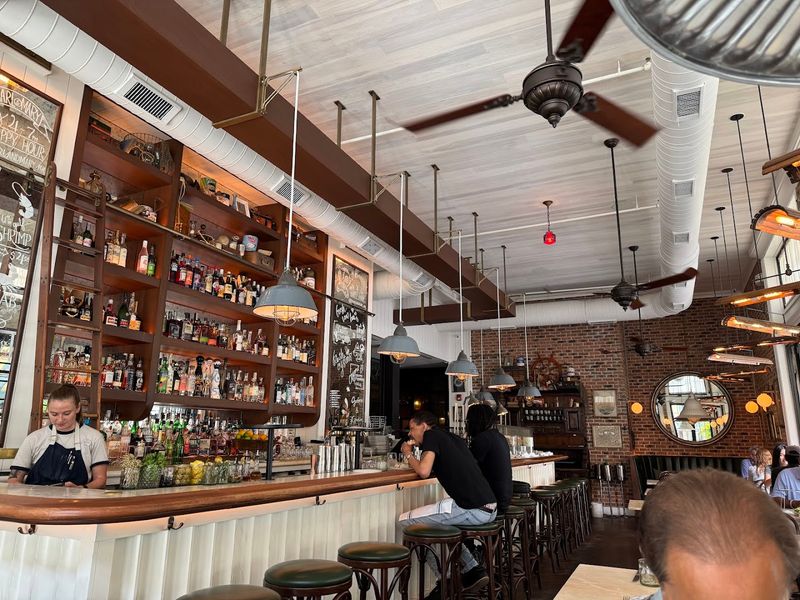
Pearl-colored tiles line the walls of this Midtown Village bar, giving the space a polished, nautical character that sets it apart from the more traditional oyster houses in the city.
Happy hour here has developed a strong following, largely because of the dollar oyster specials that draw crowds early in the evening. The format is casual and social, making it a natural spot for groups who want a lively atmosphere without sacrificing quality.
Beyond the raw bar, the menu includes soft-shell crab sandwiches, fish and chips, and seafood towers that are genuinely impressive in scale. The kitchen keeps its execution consistent, which is harder to do in a bar-style setting than most people realize.
Pearl and Mary proves that serious oyster programs do not require white tablecloths. It is one of the more approachable spots on this list, and one of the most fun.
Estia (Philadelphia)
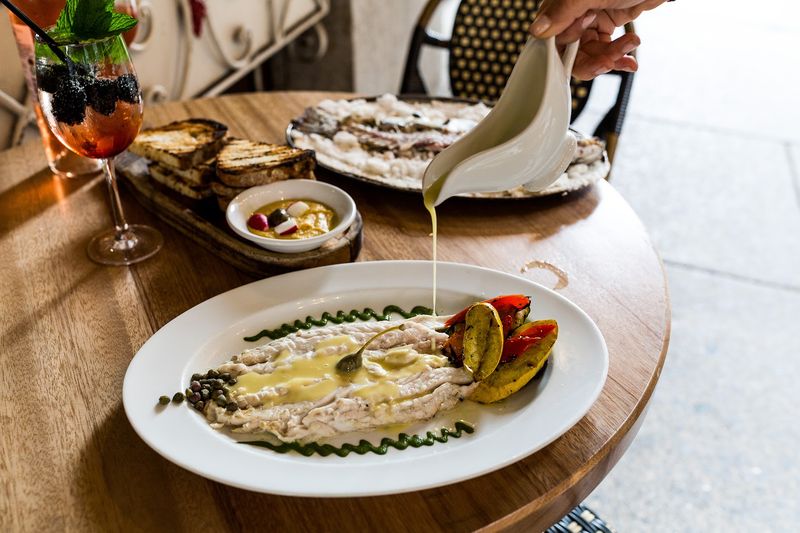
Whole fish displayed on ice near the entrance is not a common sight in Philadelphia restaurants, but Estia has made it part of the experience since the restaurant opened its doors in the city.
The concept pulls directly from Greek island taverna traditions, with white-washed walls and a menu built around Mediterranean preparations. Their signature lavraki, a Mediterranean sea bass flown in daily, is grilled simply with olive oil, lemon, and oregano, and it remains one of the most talked-about dishes in the city.
Estia gives diners the rare chance to select their fish directly from the display, which adds a market-style interaction that most Philadelphia restaurants do not offer. The kitchen respects the ingredient enough to keep the preparation straightforward.
For anyone curious about how Greek coastal cooking translates to a Pennsylvania dining room, Estia delivers a convincing and well-executed answer.
Little Fish (Philadelphia)
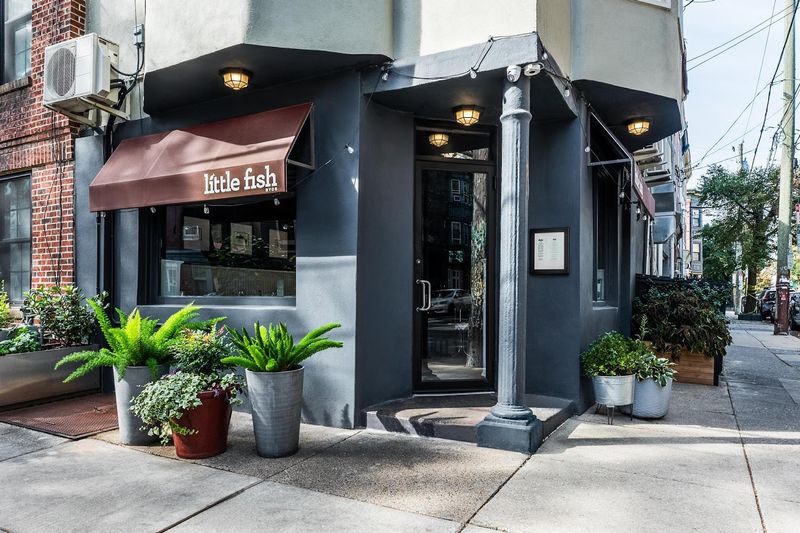
Every morning, the kitchen at Little Fish writes the menu by hand, which tells you everything you need to know about how seriously this tiny neighborhood spot takes its ingredients.
Described consistently as a brilliant neighborhood BYO, the restaurant operates on a small-menu philosophy that prioritizes depth over variety. The scallop toast has become something of a signature dish, earning repeat mentions from diners who keep coming back specifically for it.
The intimate format means reservations fill up quickly, and walk-ins are a gamble. Regulars plan ahead and treat the experience more like a reservation at a fine-dining destination than a casual neighborhood drop-in.
What makes Little Fish stand out on this list is its commitment to doing very few things at an exceptionally high level. No sprawling menu, no theatrical presentations, just carefully sourced seafood prepared with real skill and served in a room that feels genuinely personal.
Monterey Bay Fish Grotto (Pittsburgh)
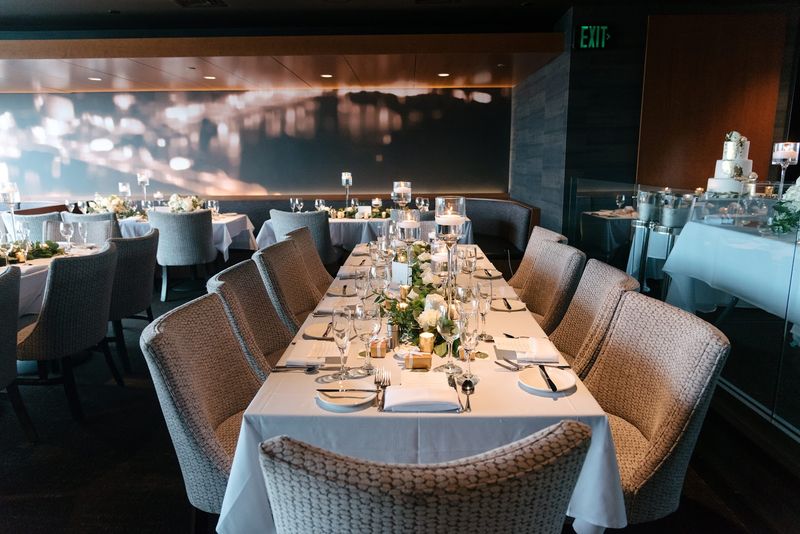
Perched on Mount Washington inside the former P&LE Railroad Station, this Pittsburgh institution combines architectural drama with a seafood menu that has kept the city’s diners loyal for years.
Stained glass, marble columns, and an ornate ceiling give the dining room a grandeur that is hard to find in most seafood restaurants anywhere in the country. The Sunday brunch is a particular highlight, featuring endless seafood stations that draw regulars from across the region.
The seafood jambalaya has become a menu landmark, and the kitchen’s consistent execution across a broad menu is genuinely impressive given the volume the restaurant handles.
Monterey Bay Fish Grotto earns its place on this list not just for the food but for the full package. The building alone is worth the trip, and the seafood program gives visitors a real reason to stay at the table long after the plates are cleared.
Penn Avenue Fish Company (Pittsburgh)
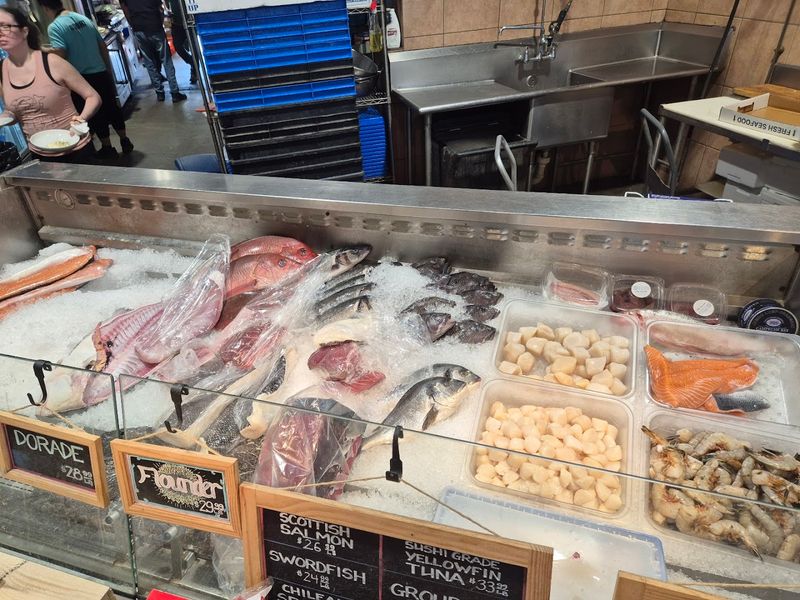
Part fish market, part restaurant, Penn Avenue Fish Company in Pittsburgh’s Strip District operates on a simple principle: the seafood you order for dinner was on display for sale just hours earlier.
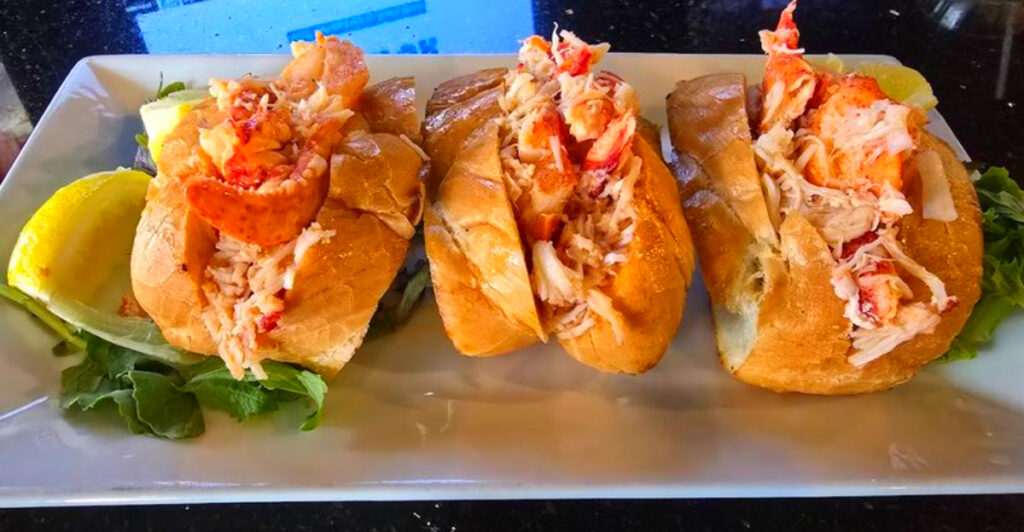
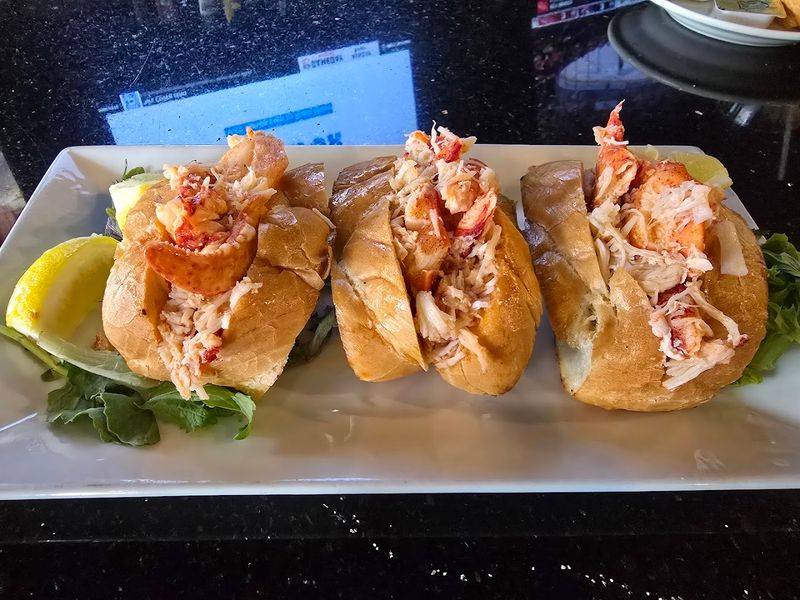
The raw bar stocks oysters from both East and West Coasts, giving diners a genuine variety that rivals what you would find at dedicated oyster bars in much larger cities. The lobster rolls are generously stuffed, which has made them a point of pride for regulars who take these things seriously.
Fish tacos round out the casual side of the menu and have developed their own following among lunch regulars in the neighborhood. The market-to-table model keeps the kitchen honest about sourcing in a way that menus alone cannot always convey.
For Pittsburgh residents who want fresh seafood without pretense, this is the kind of place that earns a spot in the weekly rotation rather than just the special-occasion calendar.
Roland’s Seafood Grill (Pittsburgh)
Roland’s has been a Pittsburgh landmark since 1957, which means it was serving serious crab cakes long before the city’s current restaurant scene existed in anything like its present form.
The nautical interior has the kind of worn-in character that only decades of consistent operation can produce. Crab cakes here are made with minimal filler, a detail that separates them from the padded-out versions that appear on too many menus across the state.
The weekend Bloody Mary bar has become a tradition for brunch regulars, adding a social ritual to what might otherwise be a straightforward seafood lunch. It is the sort of quirky fixture that only a long-established restaurant can pull off without it feeling forced.
Roland’s is the kind of place that Pittsburgh residents recommend to out-of-town visitors without hesitation. Its longevity is not accidental; it is the product of a kitchen that has never stopped caring about getting the basics right.
Henry’s Salt of the Sea (Allentown)
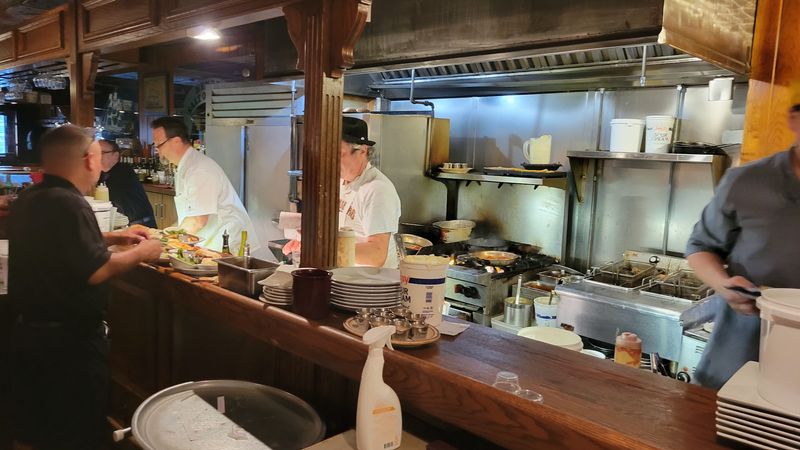
Allentown is not the first city most people think of when they picture upscale seafood dining, which makes Henry’s Salt of the Sea one of the more pleasant surprises on this entire list.
The menu centers on dishes like Chilean sea bass glazed with a citrus reduction and a seafood tower that regulars describe as genuinely impressive. Soft-shell crab and lobster tail are cooked to order, which keeps the kitchen’s attention focused on individual plates rather than batch production.
The atmosphere is refined and intimate, with reservations often required, especially on weekends. The restaurant has built a reputation in the Lehigh Valley as the go-to destination for a proper seafood dinner that does not require a drive to Philadelphia.
Henry’s proves that inland Pennsylvania can support a serious, high-quality seafood program when the kitchen has both the skill and the sourcing relationships to back it up.
Youell’s Oyster House (Allentown)
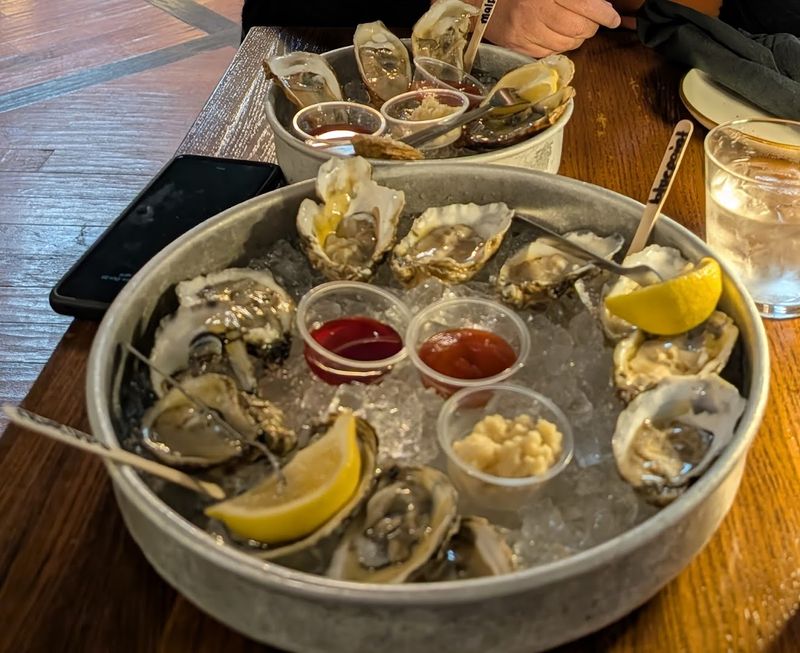
Operating since the 1890s, Youell’s Oyster House in the Lehigh Valley carries one of the longest seafood traditions of any restaurant on this list, and possibly in the entire state.
The focus here is firmly on classic preparations rather than modern reinventions, which reflects a kitchen philosophy that trusts the ingredient over the technique. The sea-to-table tradition at Youell’s predates the phrase itself by about a century, which is a historical detail worth pausing on.
The decor is not designed to impress; the seafood is expected to do that work instead. Regulars appreciate the no-frills approach, which keeps the attention exactly where it belongs.
For a restaurant to survive from the 1890s into the present day, it has to be doing something consistently right. Youell’s answer to that challenge has always been straightforward: source good product, prepare it carefully, and let the quality speak without decoration or distraction.
Cooper’s Seafood House (Scranton)
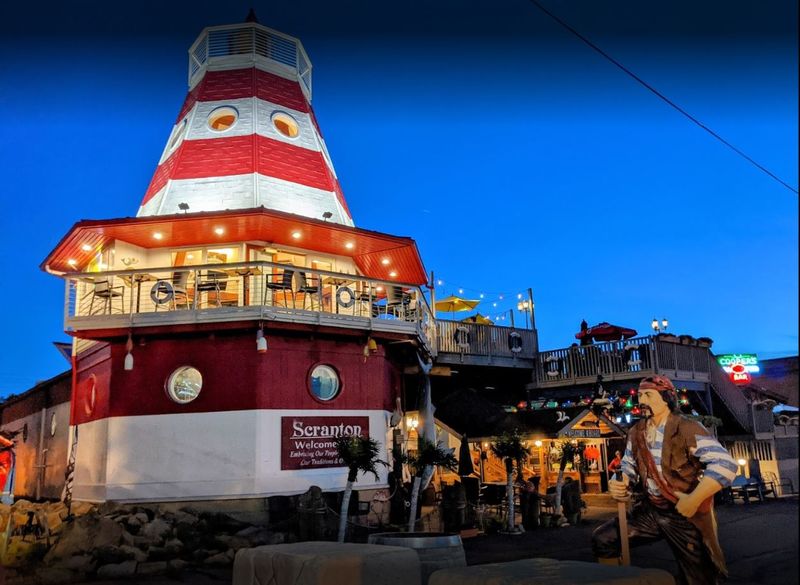
Since 1948, Cooper’s Seafood House in Scranton has been serving the kind of hearty, no-apologies seafood that turns first-time visitors into regulars before they finish their first plate.
The lighthouse decor gives the building an unmistakable exterior that locals have used as a landmark for generations. Inside, the menu covers coastal favorites including buttery crab legs, fresh-shucked clams, creamy lobster bisque, and fish and chips that hold up to comparison with anything served closer to the shore.
Cooper’s operates as a family tradition for many Scranton households, with multiple generations returning to the same booths for the same dishes year after year. That kind of loyalty is not built through marketing; it is built through consistency.
The restaurant’s longevity in a mid-sized Pennsylvania city is a strong argument that coastal seafood culture can take root and thrive far from the nearest ocean, given the right kitchen behind it.
Coastal Grille (Wyomissing)
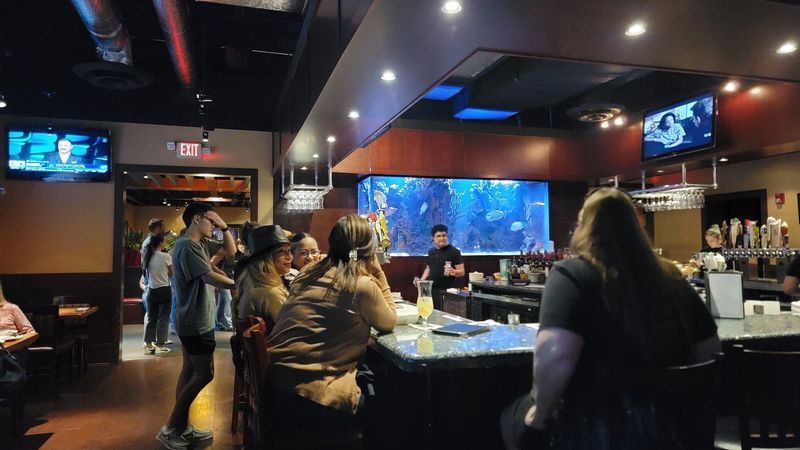
Berks County is not a place most people associate with beach culture, but Coastal Grille in Wyomissing has been successfully importing that vibe to the suburbs of Reading for years.
The menu specialties include lobster mac and cheese and seared scallops, both of which appear consistently in positive reviews from diners who were not expecting to find this level of seafood in a suburban Pennsylvania setting. Happy hour specials draw a regular crowd, and key lime pie closes out many meals as a reliable dessert option.
The atmosphere is casual-upscale, which means it works equally well for a relaxed weeknight dinner or a slightly more formal occasion. The nautical decor reinforces the coastal theme without veering into kitsch territory.
Coastal Grille is the kind of neighborhood restaurant that earns its reputation through reliable execution rather than hype, which is exactly the sort of place that keeps showing up on local best-of lists year after year.
Blue Point Grill (Newtown)
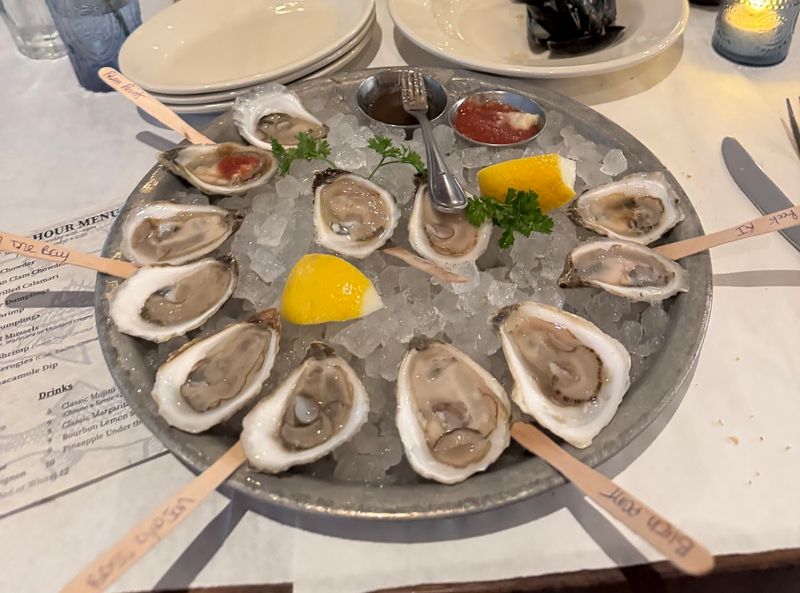
A menu that changes daily based on what is freshest is not a gimmick at Blue Point Grill in Newtown; it is a structural commitment that shapes how the entire kitchen operates every single day.
The oyster program is one of the most serious in the state, rotating between 10 and 15 varieties from both East and West Coasts at any given time. That range gives knowledgeable diners a genuine tasting experience rather than a single default option.
New England Clam Chowder and Jumbo Lump Crab Cakes anchor the menu as reliable classics alongside the rotating daily selections. The restaurant’s connection to Nassau Street Seafood and Produce Company supports its sustainable sourcing practices in a concrete, verifiable way.
Blue Point Grill has positioned itself as a destination restaurant for serious seafood enthusiasts in the greater Philadelphia suburbs, and the daily menu format ensures that repeat visits never feel like the same meal twice.
The Clam Tavern (Clifton Heights)
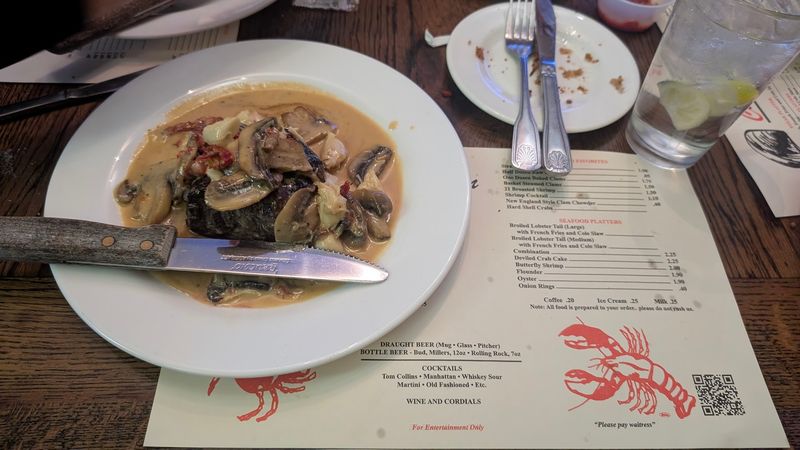
The Clam Tavern in Clifton Heights operates without any of the theatrical presentation or upscale trappings found elsewhere on this list, and that is precisely the point.
The fried clams here are consistently described as crispy and well-executed, which is a harder standard to meet than it sounds when you are dealing with a product that punishes even minor inconsistency. The raw bar stocks fresh oysters and clams that regulars trust enough to order without asking many questions.
Manhattan clam chowder has earned particular praise from diners who argue it belongs in conversations about the best versions of the dish in the entire region. Generous seafood combo platters give value-focused visitors a reason to return regularly rather than treating it as a one-time visit.
The Clam Tavern is proof that a no-frills format and serious seafood quality are not mutually exclusive, and that sometimes the least decorated room serves the most honest plate.
Share this story