Summer is the perfect time to pack a bag, book a flight, and explore one of the world’s most exciting cities. Whether you love ancient history, modern skyscrapers, street food, or sandy beaches, there is a city break out there built exactly for you.
From Europe’s charming cobblestone capitals to Asia’s buzzing megacities, the options are endless and genuinely thrilling. Get ready to start planning your next unforgettable urban adventure.
Paris, France
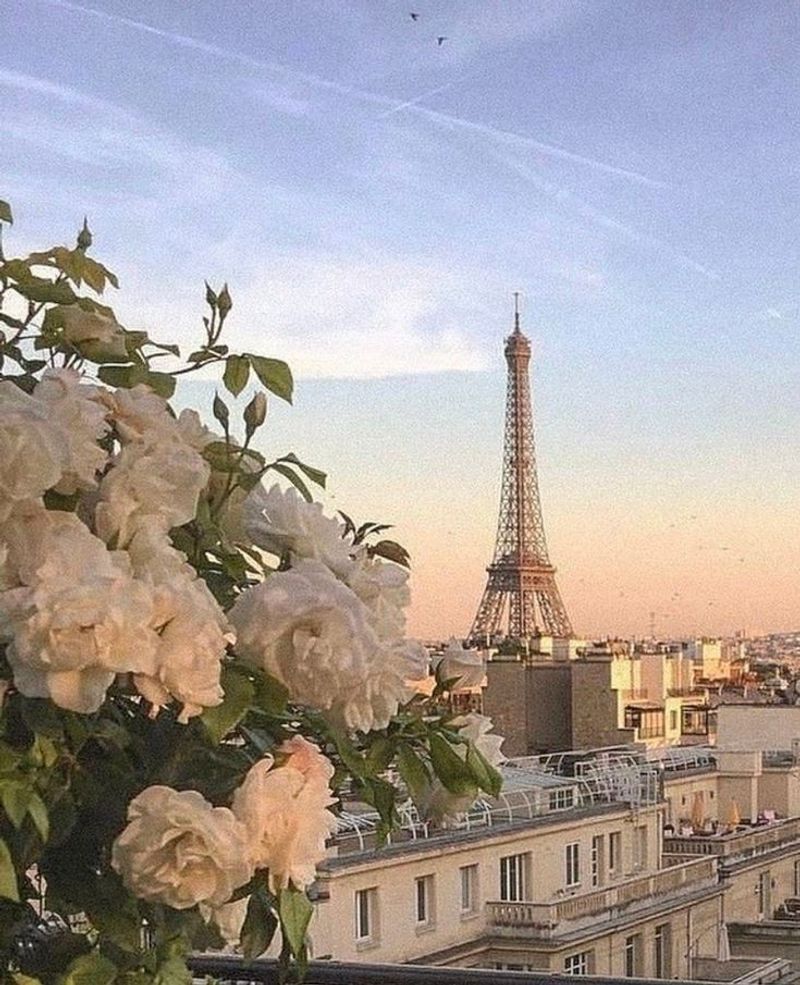
Few cities on Earth have the nerve to be this consistently beautiful. Paris in summer means long golden evenings, café chairs spilling onto pavements, and the Eiffel Tower glowing against a warm sky.
There is a reason millions of travelers return here year after year.
The Louvre, Musée d’Orsay, and Notre-Dame Cathedral give culture lovers plenty to explore. Beyond the famous landmarks, wandering through neighborhoods like Montmartre or Le Marais reveals a relaxed, local side of the city that guidebooks often miss.
Street markets and patisserie windows make every corner worth stopping at.
Paris has also invested heavily in pedestrian-friendly spaces along the Seine, making summer strolls genuinely enjoyable. Outdoor festivals, rooftop bars, and pop-up cinemas add extra buzz during warmer months.
Budget travelers can enjoy free museum days, picnics in the Tuileries Garden, and plenty of people-watching without spending a fortune. Booking accommodation early is strongly advised since summer demand pushes prices up fast.
Rome, Italy
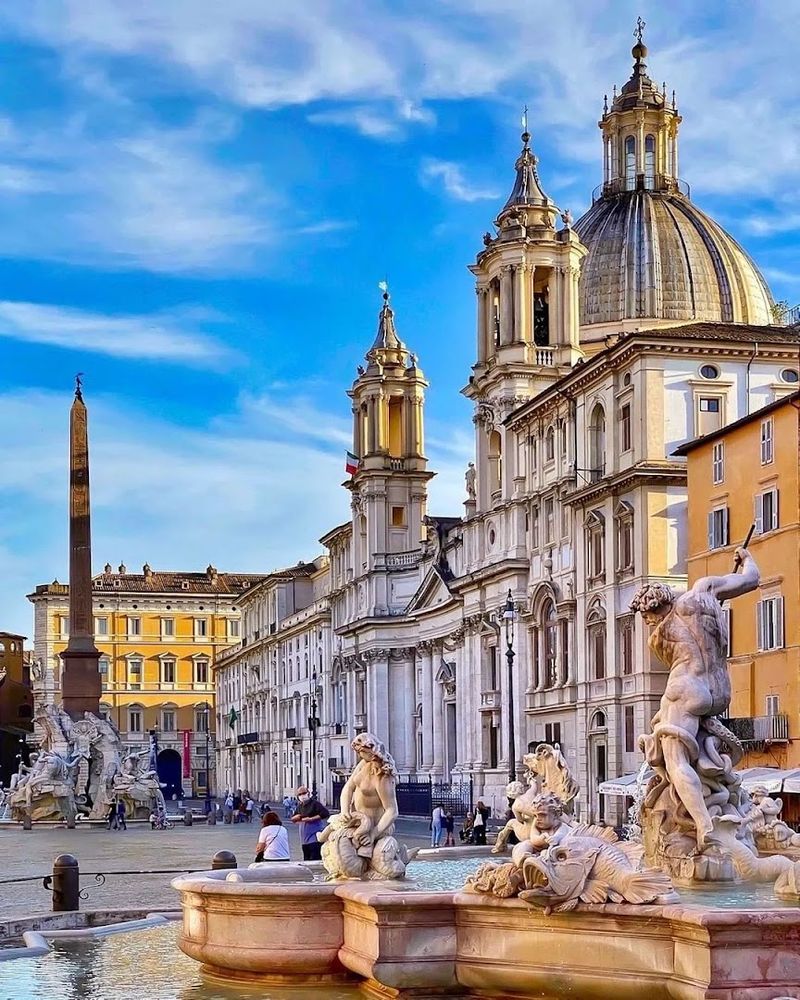
Walking into the Colosseum for the first time genuinely stops people mid-sentence. Rome carries a weight of history that no other city quite matches, and summer brings it all to life with crowds, gelato, and long afternoons that feel almost cinematic.
The city has been pulling travelers in for centuries, and it shows no signs of stopping.
Beyond the Colosseum, Vatican City offers the Sistine Chapel and St. Peter’s Basilica, both absolute must-visits. The Trevi Fountain, Spanish Steps, and Pantheon fill days effortlessly.
Rome’s neighborhoods, especially Trastevere and Pigneto, offer authentic dining experiences far from the tourist-heavy zones.
Summers here run hot, so arriving early at major sites helps beat both the heat and the queues. Pre-booking timed entry tickets for the Vatican and Colosseum saves enormous amounts of time.
Roman cuisine deserves serious attention too. Cacio e pepe, supplì, and tiramisu eaten at a neighborhood trattoria will absolutely ruin you for lesser Italian food forever.
Comfortable walking shoes are non-negotiable on those ancient cobblestones.
Barcelona, Spain
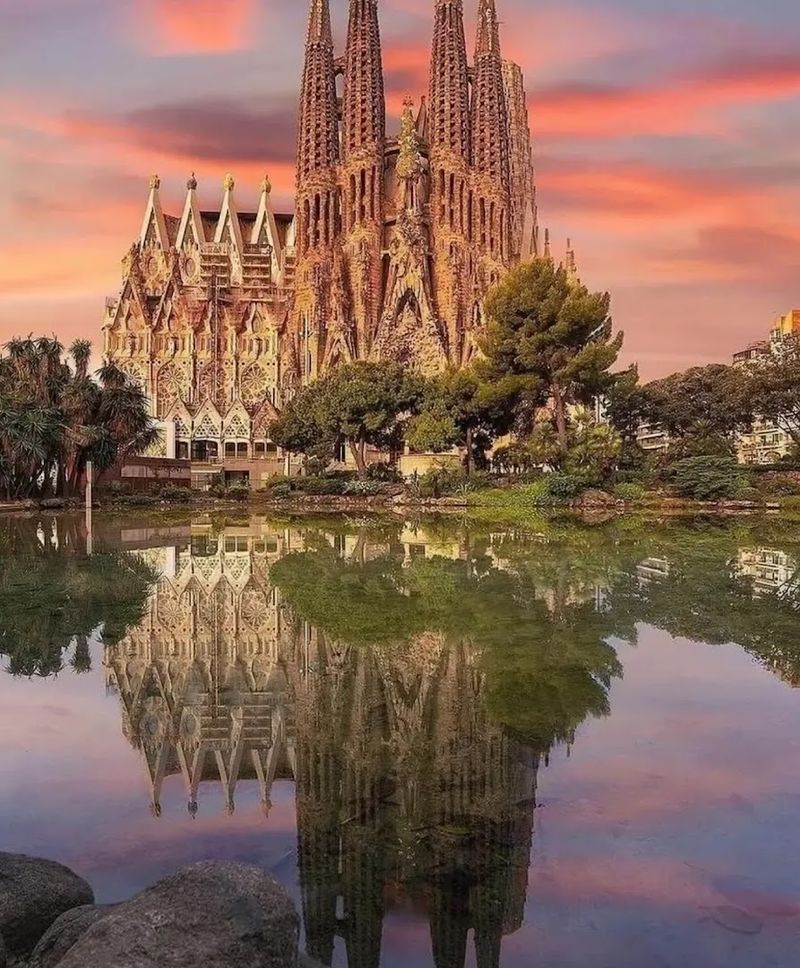
Barcelona might be the only city where you can eat breakfast on the beach, visit a surrealist cathedral by lunch, and dance until sunrise without anyone raising an eyebrow. It operates on its own gloriously chaotic schedule, and visitors love every minute of it.
The city’s personality is bold, colorful, and completely addictive.
Antoni Gaudí’s architecture is the obvious draw, with the Sagrada Família, Park Güell, and Casa Batlló all delivering genuine wow moments. But Barcelona’s appeal goes well beyond Gaudí.
The Gothic Quarter’s narrow medieval lanes, La Boqueria market, and the buzzing Barceloneta beach all compete for your attention.
Nightlife here starts late and runs very late, which suits night owls perfectly but may challenge early risers. Tapas culture means eating is a social, unhurried experience spread across multiple small dishes and hours of conversation.
Summer festivals like Primavera Sound and Grec Festival add extra cultural depth to the visit. Pickpocketing is a known issue in busy tourist areas, so keeping bags secure and staying alert in crowded spots is genuinely important advice worth following.
London, England
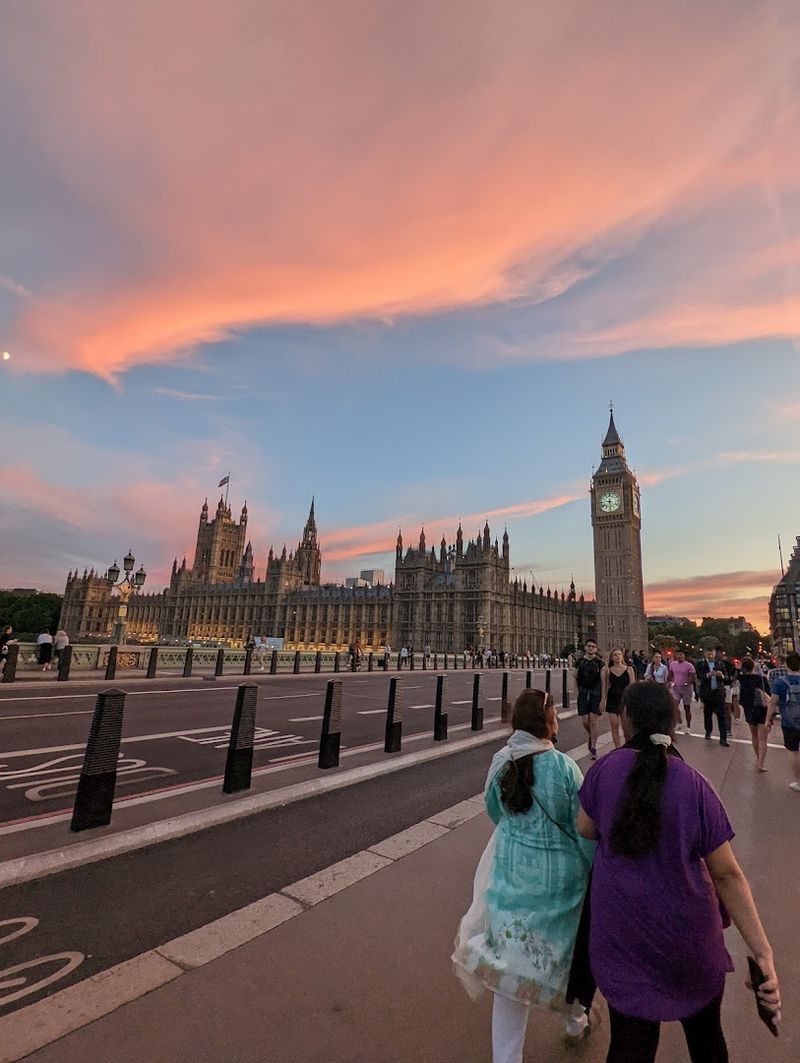
London has a spectacular talent for reinventing itself while somehow keeping everything that made it great in the first place. Summer transforms the British capital into something genuinely special, with parks overflowing, rooftop bars packed, and daylight stretching until nearly 10pm.
There is an electric feeling to London in June and July that is hard to replicate anywhere else.
The British Museum, National Gallery, and Tate Modern are all free, which is extraordinary given their world-class collections. Hyde Park, Hampstead Heath, and Regent’s Park become outdoor living rooms for locals and visitors alike.
Notting Hill, Shoreditch, and South Bank each offer completely different flavors of the city.
Theater lovers are genuinely spoiled here. The West End runs world-class productions year-round, and summer outdoor Shakespeare performances add a magical bonus.
Borough Market is a food lover’s paradise that deserves at least a full morning of exploration. London’s Oyster card system makes public transport easy and affordable, which is lucky because the city is enormous.
Temperatures rarely get dangerously hot, making summer exploration on foot genuinely comfortable compared to many rival European capitals.
Tokyo, Japan
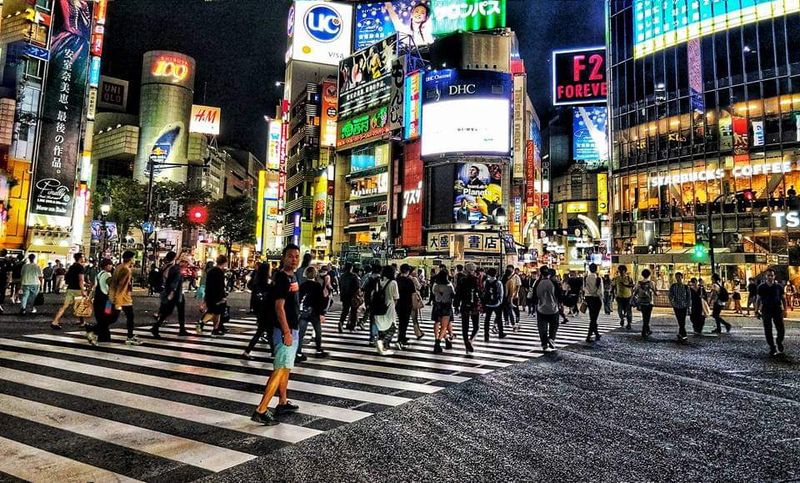
Nowhere on Earth buzzes quite like Tokyo on a summer evening. The city hums with an almost electric energy, from the chaos of Shibuya Crossing to the serene lantern-lit alleys of Yanaka.
Tokyo somehow manages to be overwhelming and perfectly organized at exactly the same time, which is a genuinely impressive trick.
Summer in Tokyo brings vibrant matsuri festivals, rooftop beer gardens, and fireworks displays over the Sumida River. Neighborhoods like Harajuku, Akihabara, and Shimokitazawa each feel like entirely separate cities worth a full day each.
The food scene is simply unbeatable, covering everything from Michelin-starred omakase counters to incredible ramen shops tucked into basement corridors.
Humidity levels in July and August can feel intense, so lightweight clothing and regular hydration are practical priorities. The Tokyo Metro system is one of the world’s most efficient, making navigation surprisingly straightforward despite the city’s enormous scale.
Learning a few basic Japanese phrases earns immediate warmth from locals. Convenience stores called konbini offer genuinely good food at rock-bottom prices, which sounds unlikely but is completely true.
Tokyo rewards curious, adventurous travelers more than almost any other city on the planet.
Lisbon, Portugal
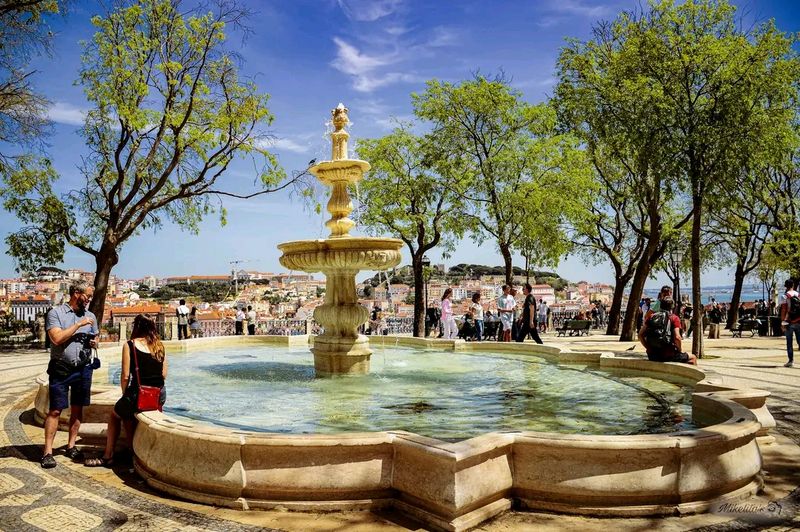
Lisbon is the kind of city that sneaks up on you. You arrive expecting a pleasant European capital and leave completely obsessed, plotting your return before the plane has even landed.
The city’s hilly streets, faded azulejo tiles, and melancholic fado music create an atmosphere unlike anywhere else in Europe.
Viewpoints called miradouros scattered across Lisbon’s seven hills offer some of the continent’s most rewarding city panoramas. The historic Alfama district, Bairro Alto’s nightlife, and the elegant Belém waterfront each deserve dedicated exploration.
Pastéis de nata, the city’s famous custard tarts, should be eaten warm and frequently throughout the day.
One of Lisbon’s strongest appeals compared to Paris, London, or Amsterdam is its relative affordability. Excellent meals, wine, and accommodation cost noticeably less here without any sacrifice in quality.
Atlantic breezes keep summer temperatures more manageable than in southern Spain, which is a genuine comfort bonus. Day trips to Sintra’s fairy-tale palaces or the surf beaches of Cascais are easily done by train.
Lisbon consistently ranks among Europe’s friendliest cities, and spending even a short time there makes that reputation feel completely deserved.
New York City, USA
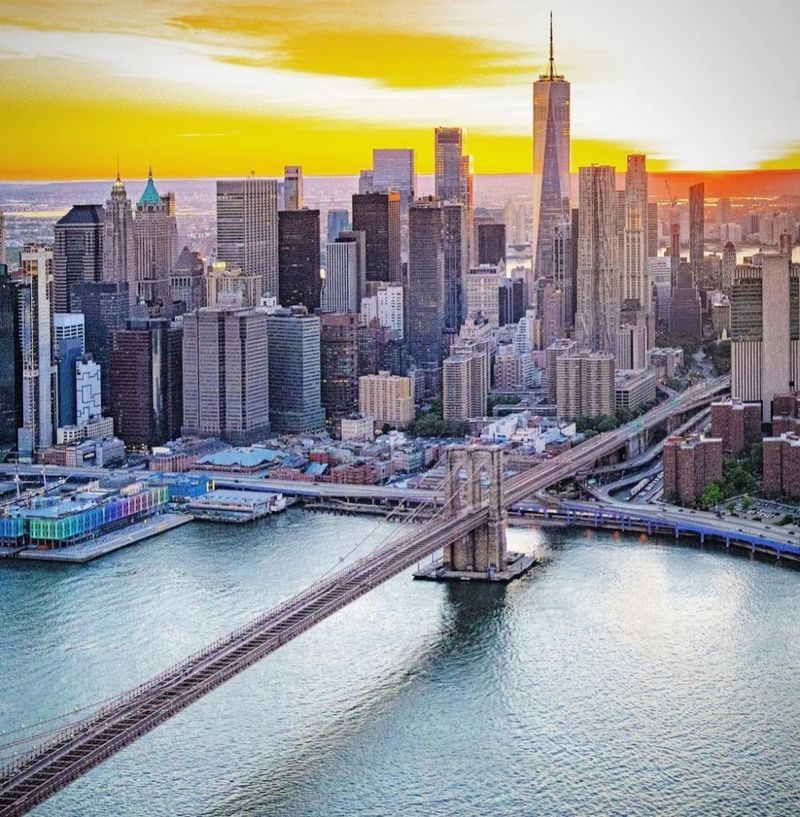
New York City does not do subtle. Everything here is louder, taller, faster, and more intense than anywhere else, and that is precisely why millions of travelers keep coming back every single summer.
The city’s energy is genuinely contagious within about twenty minutes of arriving.
Central Park transforms into a giant outdoor living room during summer, hosting free concerts, Shakespeare in the Park performances, and countless picnics. The High Line, Brooklyn Bridge, and One World Observatory all deliver memorable experiences.
Neighborhoods like Greenwich Village, Williamsburg, and Harlem each carry their own distinct cultural identity worth exploring slowly.
Broadway shows are a non-negotiable highlight, and booking tickets in advance secures better seats at better prices. New York’s food scene spans every cuisine imaginable at every price point, from dollar pizza slices to world-famous tasting menus.
Rooftop bars with Manhattan skyline views have multiplied impressively in recent years. Summer heat and humidity can get intense in July, so early morning sightseeing followed by afternoon museum visits is a smart daily rhythm.
The subway, despite its quirks, remains the fastest and cheapest way to move around the five boroughs efficiently.
Amsterdam, Netherlands
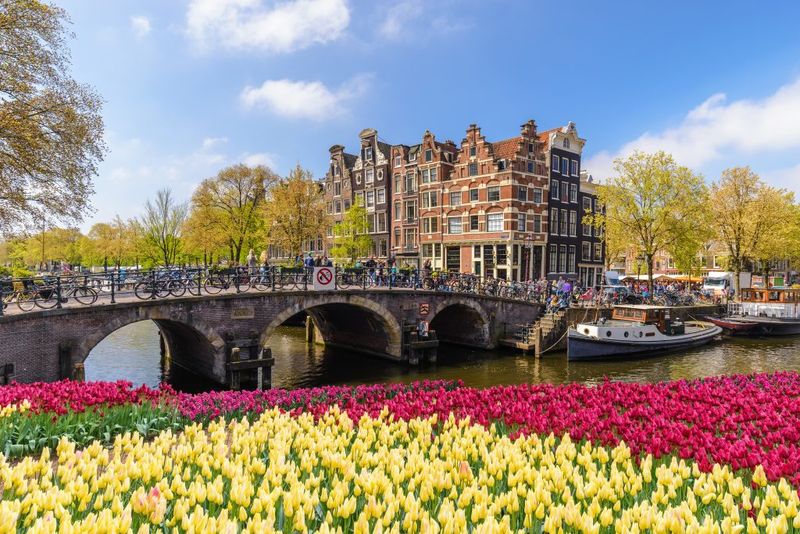
Amsterdam in summer looks almost suspiciously like a postcard come to life. Canals glitter in the sunshine, café terraces overflow with happy people, and bicycles outnumber cars by a ratio that feels almost revolutionary.
The city has a relaxed, welcoming charm that makes even first-time visitors feel immediately at home.
The Rijksmuseum and Van Gogh Museum are cultural highlights that genuinely justify their entrance fees. The Anne Frank House is a more sobering but deeply important visit that should not be skipped.
Beyond the museums, simply wandering the Jordaan neighborhood’s narrow canal streets and browsing its independent boutiques is one of Amsterdam’s greatest pleasures.
Renting a bicycle is absolutely the smartest transport decision you will make here. The city is compact, flat, and equipped with excellent cycling infrastructure that makes getting around both easy and fun.
Vondelpark becomes a massive outdoor social hub during warm weather, with live music, families, and street performers creating a genuinely festive atmosphere. Amsterdam’s food scene has improved dramatically in recent years, with excellent Indonesian, Surinamese, and Dutch cuisine available throughout the city.
Book accommodation well ahead since summer fills popular hotels quickly and prices reflect that demand sharply.
Istanbul, Türkiye
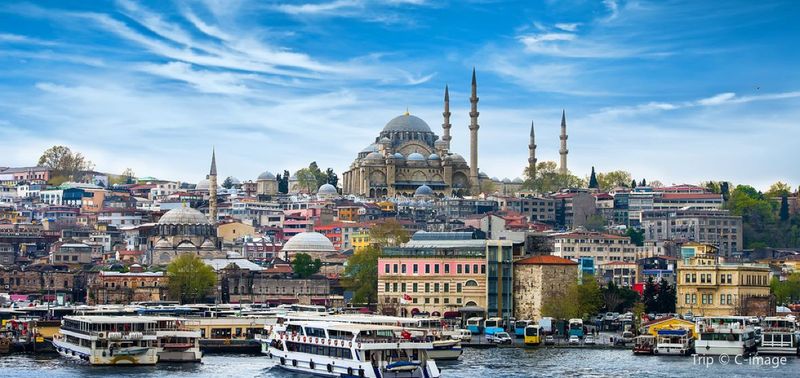
Standing on the Galata Bridge with the Blue Mosque on one side and a steaming fish sandwich in hand is one of those travel moments that sticks with you for years. Istanbul operates at the crossroads of two continents and two completely different worlds, and that collision of cultures is exactly what makes it so endlessly fascinating to explore.
The Hagia Sophia, Topkapi Palace, and Grand Bazaar are the headline attractions, but Istanbul rewards those who wander beyond the obvious. The Karaköy waterfront, Kadiköy’s food market on the Asian side, and the street art of Balat all add unexpected depth to the experience.
Turkish street food deserves serious celebration. Simit bread rings, grilled corn, roasted chestnuts, and baklava from neighborhood shops cost almost nothing and taste extraordinary.
Bosphorus boat tours offer a genuinely different perspective on the city’s dramatic geography. Summer temperatures run warm but rarely unbearable, especially with sea breezes off the water.
Istanbul’s Grand Bazaar can feel overwhelming at first, but engaging with shopkeepers in a friendly, unhurried way transforms it from chaotic market to genuinely enjoyable cultural experience. Bargaining is expected and completely normal here.
Prague, Czech Republic
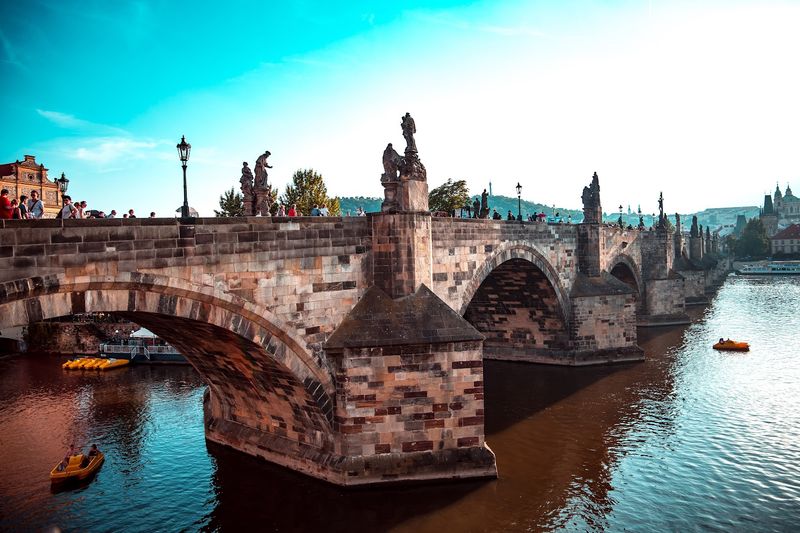
Prague looks like someone built an entire city specifically to appear in fantasy films. The medieval spires, cobblestone squares, and Gothic towers are so perfectly preserved that first-time visitors often spend their first hour simply standing still with their mouths open.
It is genuinely one of Europe’s most beautiful capitals.
Old Town Square, the Astronomical Clock, and Charles Bridge are the obvious starting points. Prague Castle complex, towering above the city, offers sweeping views and hours of exploration across its palaces, galleries, and cathedral.
Crossing the Vltava River into Malá Strana reveals quieter, romantically atmospheric streets well worth the extra walk.
Czech beer culture is legendary for good reason. Traditional pivnice pubs serve fresh, affordable Pilsner Urquell and Kozel lager alongside hearty goulash and svíčková dishes that fuel long sightseeing days perfectly.
Prague’s summer nightlife is energetic and spread across multiple neighborhoods, catering to every style from jazz clubs to outdoor riverside bars. Prices remain noticeably lower here than in Vienna or Amsterdam, making Prague especially attractive for budget-conscious travelers.
Summer crowds are heavy though, so booking popular tours and restaurant tables in advance is genuinely worthwhile advice.
Dubai, United Arab Emirates
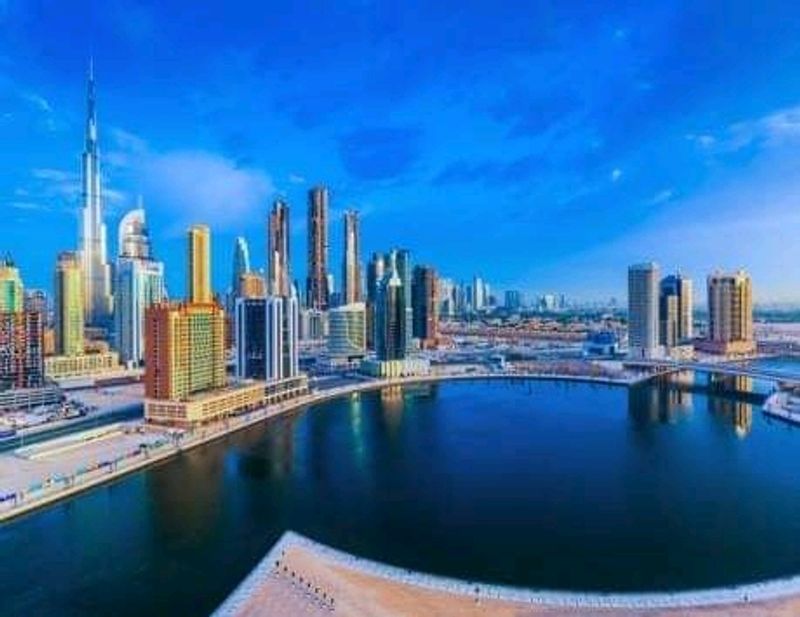
Dubai is essentially what happens when ambition has an unlimited budget and absolutely no interest in doing anything halfway. The world’s tallest building, indoor ski slopes inside shopping malls, and man-made islands shaped like palm trees are all real things that exist here.
It is simultaneously ridiculous and genuinely impressive in equal measure.
Summer temperatures in Dubai regularly exceed 40 degrees Celsius outdoors, which sounds alarming but is managed brilliantly through air-conditioned everything. Malls, museums, aquariums, and entertainment venues keep visitors cool and occupied throughout the hottest months.
Hotels also dramatically slash prices during summer, making luxury accommodation surprisingly accessible for budget-aware travelers.
The Burj Khalifa observation deck, Dubai Frame, and Dubai Museum offer very different but equally worthwhile perspectives on the city. Old Dubai’s Gold Souk and Spice Souk provide a fascinating contrast to the ultra-modern Marina district.
Dubai’s food scene spans dozens of international cuisines at quality levels that consistently impress even well-traveled visitors. The Dubai Metro connects major attractions efficiently and cheaply.
Summer hotel deals combined with world-class indoor entertainment genuinely make Dubai a smarter summer destination than many travelers initially assume when scanning the temperature forecasts.
Bangkok, Thailand
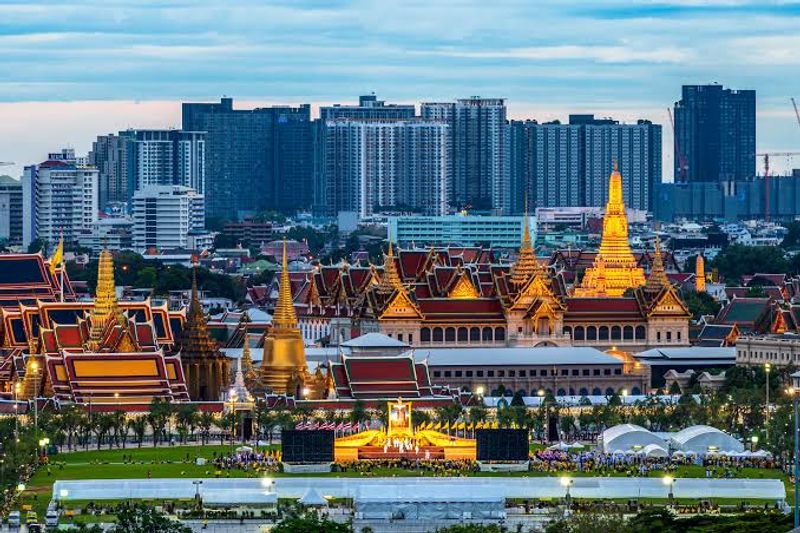
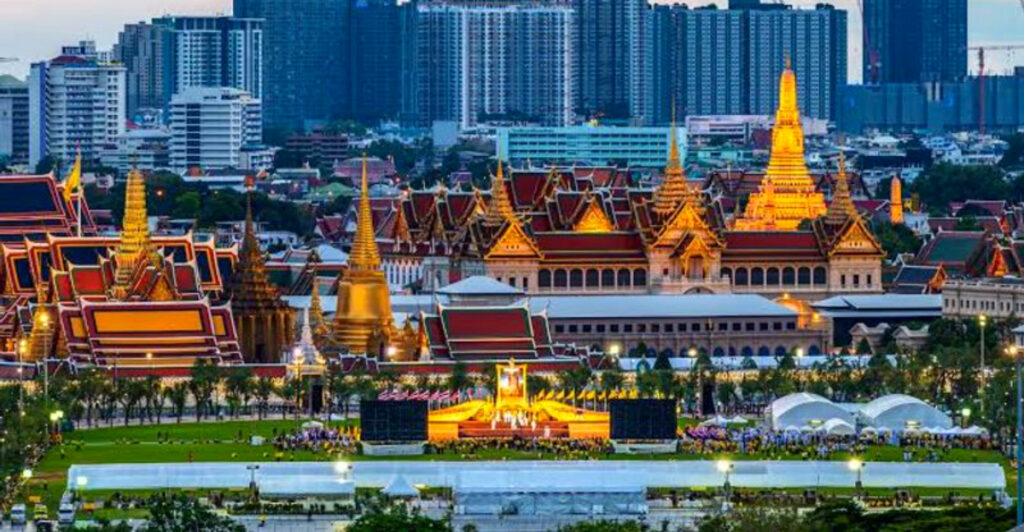
Bangkok assaults every single sense the moment you step outside the airport, and somehow that is a compliment. The smells of lemongrass and chili from street carts, the noise of tuk-tuks weaving through traffic, and the sheer visual density of the city create an experience that feels nothing like anywhere else on Earth.
It is chaotic, brilliant, and completely unforgettable.
Wat Pho, the Grand Palace, and Wat Arun are genuinely spectacular religious and architectural sites that reward unhurried visits. The Chatuchak Weekend Market, covering 35 acres and thousands of stalls, is a shopping experience that requires strategic planning and comfortable shoes.
Neighborhoods like Chinatown, Silom, and Ari each offer completely different personalities worth exploring separately.
Bangkok’s street food scene is among the world’s finest without exaggeration. Pad thai, mango sticky rice, boat noodles, and som tam eaten at plastic tables on busy sidewalks are experiences that expensive restaurants rarely match.
The BTS Skytrain and MRT metro systems make navigating the city surprisingly manageable. Summer brings monsoon rains, typically in short afternoon bursts rather than all-day downpours, so mornings are perfect for sightseeing.
Accommodation in Bangkok offers exceptional value compared to most other major Asian cities.
Vienna, Austria
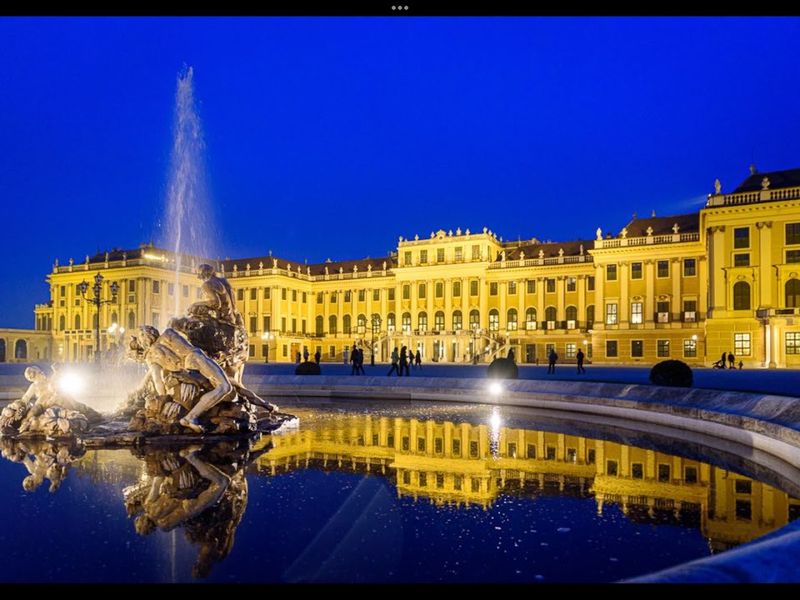
Vienna carries itself with the quiet confidence of a city that knows exactly how good it is. Imperial palaces, world-class concert halls, coffee houses that have barely changed since the 1800s, and some of the finest art collections anywhere on Earth sit comfortably side by side here.
It is a city that rewards slow, attentive exploration rather than rushed landmark-ticking.
Schönbrunn Palace, the Belvedere, and the Kunsthistorisches Museum are the headline cultural attractions, each deserving several hours of genuinely unhurried attention. The Vienna State Opera runs a summer program that brings classical music to outdoor screens for free, which is a spectacular bonus for visitors.
St. Stephen’s Cathedral and the Hofburg Palace add further historic grandeur to the city center.
Viennese coffee house culture is a UNESCO-recognized tradition, and sitting in a grand café nursing a melange coffee and a slice of Sachertorte for an extended afternoon feels like exactly the right way to spend time here. The Naschmarkt open-air market offers excellent food shopping and people-watching.
Vienna’s public transport is excellent and covers the entire city efficiently. Summer outdoor concerts in palace gardens add a genuinely magical dimension to evenings in the Austrian capital.
Budapest, Hungary
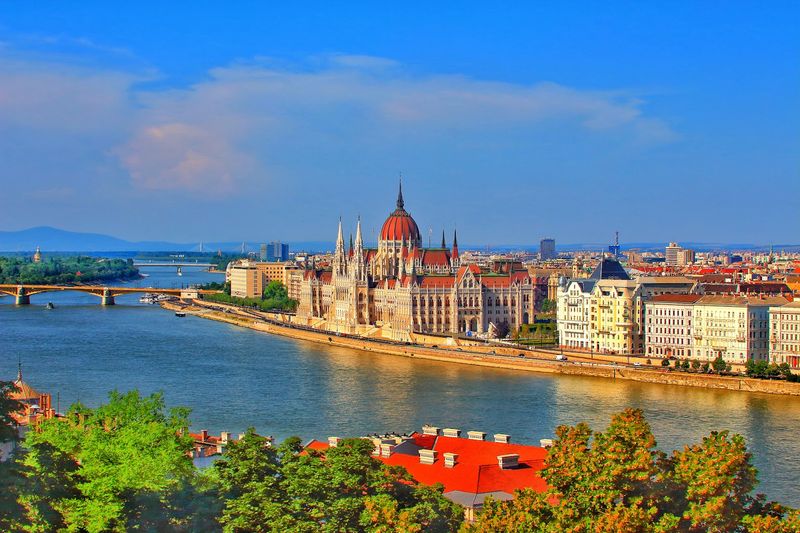
Budapest has been quietly stealing the spotlight from more famous European capitals for years now, and honestly it deserves every bit of the attention. The Hungarian Parliament Building glowing gold at night above the Danube is one of Europe’s genuinely jaw-dropping urban views.
The city combines grandeur, affordability, and a thriving social scene in a way that is very hard to beat.
The famous thermal baths, including Széchenyi and Gellért, are must-visit experiences that blend historic architecture with genuine relaxation. Buda Castle, Fisherman’s Bastion, and the Great Synagogue all deliver memorable sightseeing.
The ruin bar scene in the Jewish Quarter, centered on the legendary Szimpla Kert, is unlike anything found anywhere else in Europe.
Budapest sits among Europe’s most affordable major cities, meaning excellent meals, wines, and cocktails cost a fraction of what they would in London or Paris. The Danube cruise at sunset is a tourist activity that fully earns its popularity.
Summer evenings on rooftop bars overlooking the illuminated bridges and parliament create memories that photographs cannot quite capture adequately. Street food festivals and outdoor cultural events fill Budapest’s summer calendar generously.
First-time visitors consistently leave wishing they had booked a longer stay than originally planned.
Singapore
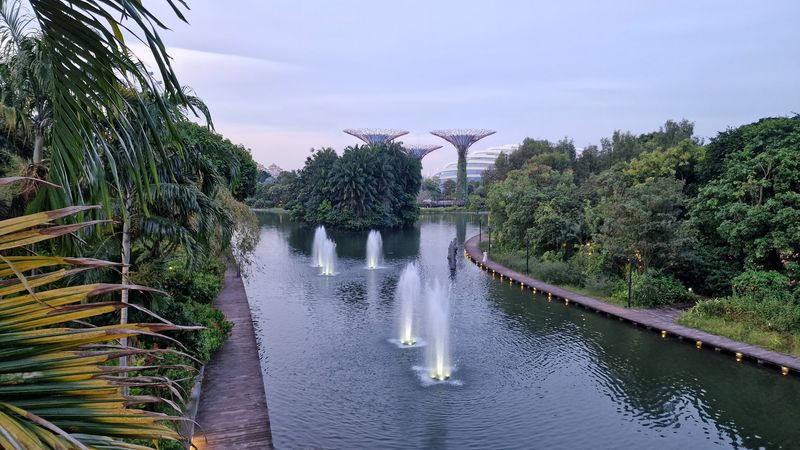
Singapore operates like the future has already arrived and is running on an extremely tight schedule. Everything works perfectly, the streets are immaculate, the food is extraordinary, and somehow the city manages to feel both cutting-edge modern and deeply culturally rich at the same time.
It is genuinely one of the most impressive urban achievements on the planet.
Gardens by the Bay with its iconic Supertree Grove is a must-see attraction that looks unreal in photographs and even more unreal in person. Marina Bay Sands, Sentosa Island, and the Singapore Zoo all deliver high-quality experiences worth the entrance fees.
Chinatown, Little India, and Kampong Glam each offer fascinating cultural contrasts within walking distance of each other.
Singapore’s hawker centres are the city’s greatest food secret hiding in plain sight. Maxwell Food Centre, Lau Pa Sat, and Chinatown Complex serve extraordinary dishes at prices that seem impossible given the overall cost of the city.
Chilli crab, chicken rice, and laksa are non-negotiable culinary experiences. The MRT metro system is one of the world’s cleanest and most efficient, making navigation effortless.
Singapore’s year-round tropical warmth means packing is simple, though a light rain jacket handles the occasional afternoon shower effectively.
Copenhagen, Denmark
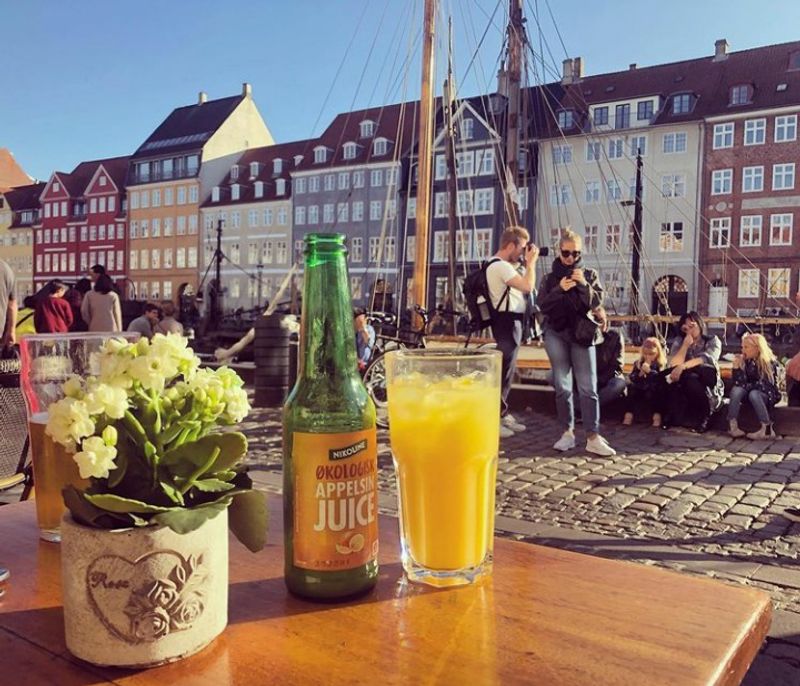
Copenhagen has somehow managed to become simultaneously the world’s most sustainable city and one of its most enjoyable places to spend a summer week. The Danes call their quality of life concept hygge, and whatever it means exactly, you feel it immediately walking along the Nyhavn canal on a warm June evening.
The city has a warmth and ease to it that is genuinely infectious.
Nyhavn’s colorful 17th-century townhouses are the city’s most photographed scene, and they look even better in person. Tivoli Gardens, one of the world’s oldest amusement parks, is a delightful mix of rides, gardens, and live performances that charms visitors of every age.
The National Museum, Louisiana Museum of Modern Art, and Designmuseum Danmark keep culture lovers happily occupied.
Copenhagen’s food scene extends well beyond its famous Noma restaurant. The city has dozens of excellent mid-range restaurants serving New Nordic cuisine alongside strong Vietnamese, Middle Eastern, and traditional Danish options.
Cycling is the dominant mode of transport here, and renting a bike immediately unlocks the city in a way that walking cannot. Scandinavia’s long summer daylight hours mean evenings stretch luxuriously, giving visitors extra time to explore without rushing.
Prices are high but the quality of experience consistently justifies the spend.
Madrid, Spain
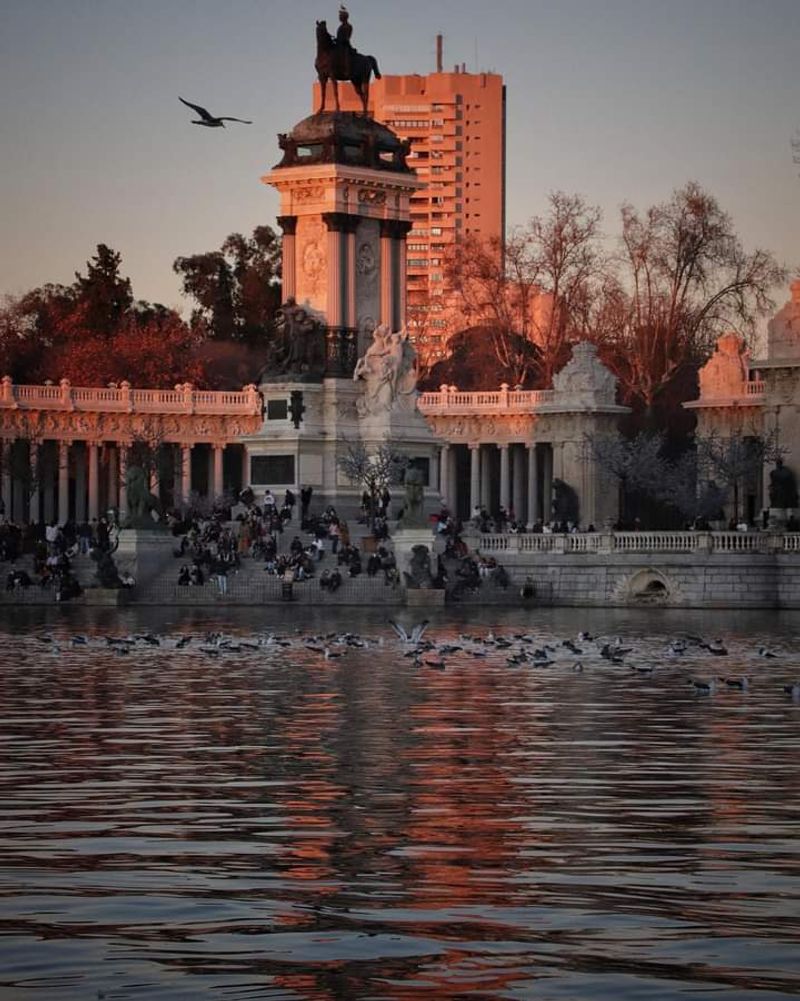
Madrid runs on a completely different clock from the rest of Europe, and once you adjust to it, you never want to go back. Lunch happens at 2pm, dinner at 10pm, and the streets are somehow still buzzing at 2am on a Tuesday.
The Spanish capital’s appetite for life, food, and conversation is nothing short of extraordinary.
The Prado Museum, Reina Sofía, and Thyssen-Bornemisza form one of the world’s great art triangles, all within comfortable walking distance of each other. Retiro Park offers a beautiful green escape from the city heat, complete with a boating lake and weekend street performances.
The Royal Palace and surrounding gardens add imperial grandeur to the sightseeing mix.
Madrid’s tapas and pintxos culture means eating is a social marathon spread across multiple bars and neighborhoods. La Latina, Chueca, and Malasaña are the neighborhoods that best capture the city’s vibrant after-dark personality.
Churros with thick hot chocolate at Chocolatería San Ginés after a long night out is a Madrid institution that needs no further justification. Summer temperatures can climb very high, so adopting the local habit of an afternoon siesta is both culturally authentic and genuinely sensible.
Madrid was recently recognized as one of Europe’s top destinations for 2026.
Seoul, South Korea
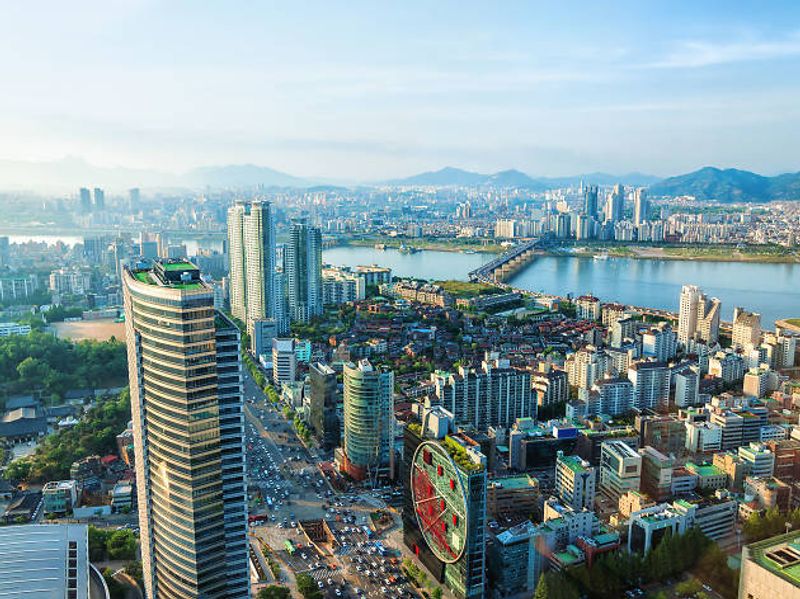
Seoul moves faster than almost any other city on Earth, yet somehow still finds time to maintain 600-year-old palaces, neighborhood street food alleys, and a café culture so obsessive it has produced entire streets dedicated to single themes. It is a city of glorious, wonderful contradictions that rewards curious travelers enormously.
The energy here is genuinely addictive.
Gyeongbokgung Palace, Bukchon Hanok Village, and Namsan Tower offer beautiful connections to Korea’s deep history and culture. The Han River parks are where Seoul locals go to relax, cycle, and eat convenience store fried chicken at sunset, which turns out to be a genuinely excellent activity.
Myeongdong, Hongdae, and Insadong each offer distinct shopping, food, and cultural experiences worth exploring separately.
K-pop culture has transformed Seoul into a pilgrimage destination for fans worldwide, with entertainment districts, idol cafés, and concert venues scattered throughout the city. Korean barbecue eaten at a table with a built-in grill, surrounded by dozens of small side dishes, is one of the world’s great communal dining experiences.
The Seoul Metro is extensive, cheap, and air-conditioned, which matters greatly during humid summer months. Summer brings the monsoon season with heavy rain periods, so packing a compact umbrella makes daily life significantly more comfortable throughout the trip.
Athens, Greece
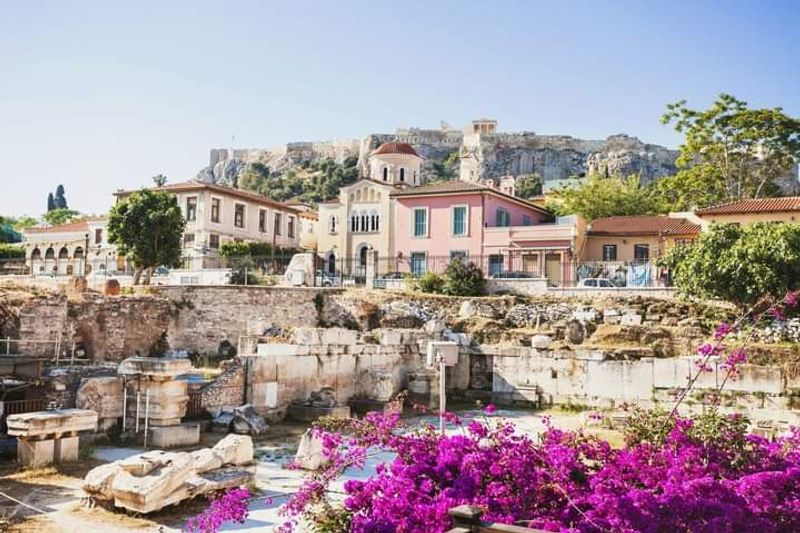
The Acropolis at sunrise, with the city of Athens spread below and the Aegean glinting in the distance, is one of those sights that puts everything else in perspective. Athens carries the weight of Western civilization on its ancient shoulders and somehow manages to do so with casual, sun-drenched style.
It is a city that feels genuinely alive with history at every turn.
The Parthenon, Acropolis Museum, and Ancient Agora are the essential historical sites that justify the trip entirely on their own. But modern Athens, particularly the Monastiraki flea market, Psiri neighborhood, and Exarcheia district, offers a grittier, more contemporary urban experience that balances the ancient sightseeing beautifully.
Rooftop bars with direct Acropolis views have multiplied across Athens in recent years, and watching the ancient monument illuminate at night over a glass of Greek wine is an experience that stays with you. Greek cuisine here is far more varied and interesting than the international clichés suggest.
Seafood, mezze spreads, fresh pita, and loukoumades honey doughnuts eaten near Monastiraki Square are highlights worth planning around. Athens also works brilliantly as a base for island hopping to Aegina, Hydra, or the Saronic Gulf islands, all reachable by ferry within an hour from Piraeus port.
Berlin, Germany
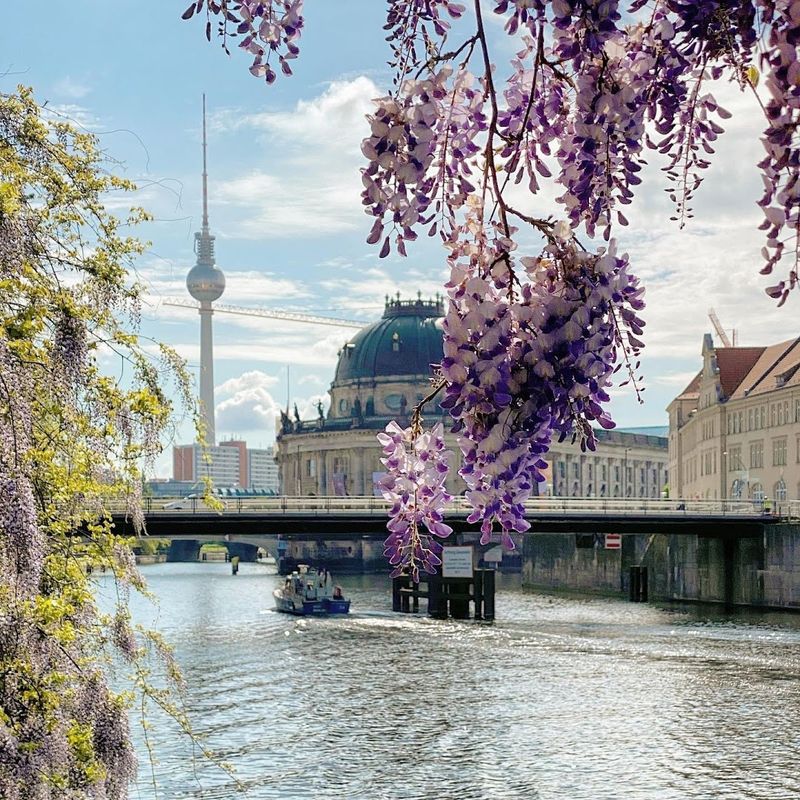
Berlin has an almost supernatural ability to reinvent itself while keeping everything that made it fascinating in the first place. The city that once stood divided by a wall now hosts some of the world’s best music festivals, street art scenes, and creative communities, all fueled by a spirit of freedom and experimentation that feels genuinely unique in Europe.
The East Side Gallery, Brandenburg Gate, and Holocaust Memorial are powerful historical landmarks that carry emotional weight far beyond their visual impact. Museum Island packs five world-class museums onto a single river island, which is either brilliant urban planning or showing off, possibly both.
Charlottenburg Palace and the Berlin Cathedral add classical grandeur to a city more often associated with raw creative energy.
Summer transforms Berlin’s parks and waterways into social playgrounds. Tiergarten, Tempelhof Field, and the Wannsee lake beaches fill with locals and visitors creating a relaxed, inclusive outdoor culture that feels distinctly Berliner.
The city’s open-air club scene along the Spree riverbanks is legendary and genuinely unlike anything found elsewhere. Street food markets, particularly Markthalle Neun and Street Food Thursday events, showcase Berlin’s diverse culinary landscape brilliantly.
Accommodation remains more affordable here than in comparable European capitals, which gives visitors more budget to spend on experiences rather than beds.
Share this story