Sometimes a movie transforms an ordinary location into a global landmark almost overnight. Famous scenes, unforgettable characters, and cinematic storytelling have turned staircases, beaches, castles, and tiny towns into major tourist attractions visited by millions of film fans every year.
These places existed long before the cameras rolled, but Hollywood gave them a whole new identity. Pack your bags, because this list is about to send your travel wishlist completely off the charts.
Rocky Steps — Philadelphia, Pennsylvania
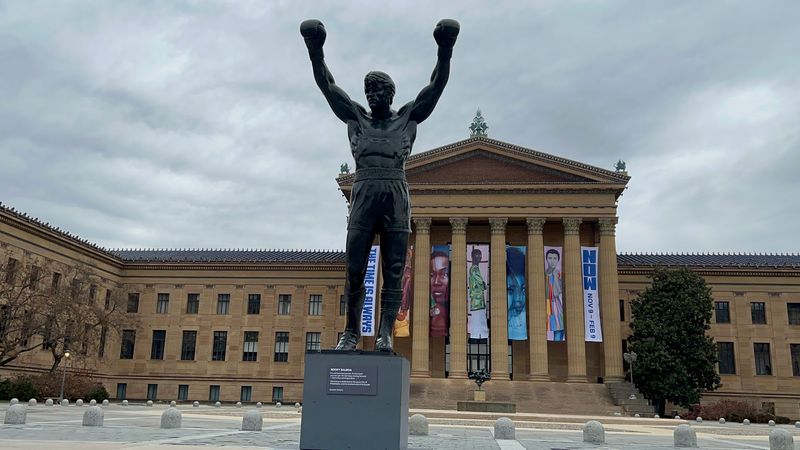
Every single day, tourists sprint up 72 stone steps with their arms raised like they just won a heavyweight championship. That is the power of Rocky.
When Sylvester Stallone filmed his iconic training montage at the Philadelphia Museum of Art in 1976, he accidentally created one of cinema’s most beloved traditions.
The steps themselves were already part of a gorgeous Beaux-Arts museum built in 1928, but the movie gave them a whole new personality. A bronze statue of Rocky Balboa was installed nearby after appearing in Rocky III, and it has become one of Philadelphia’s most photographed landmarks.
The city originally resisted the statue, but eventually embraced it completely.
Visitors come from every corner of the world to recreate that triumphant run. Some arrive in full training gear.
Others show up in business suits. A few have even proposed marriage at the top.
The Philadelphia Museum of Art happily welcomes the movie fans, since Rocky tourism adds millions of dollars to the local economy each year. Philadelphia and Rocky are inseparable now.
Hallstatt — Austria
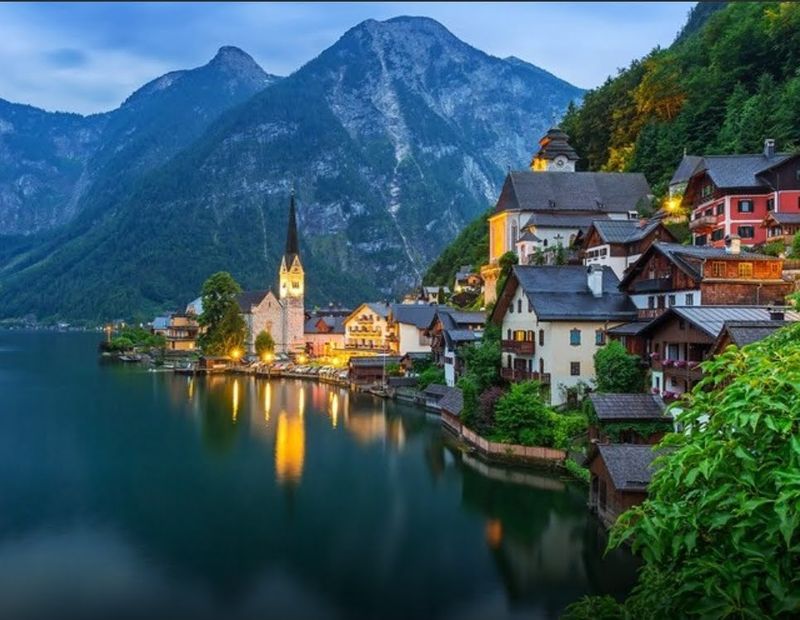
Tucked between a glassy alpine lake and towering mountain cliffs, Hallstatt looks like a painting that somehow became real. This tiny Austrian village, home to fewer than 800 residents, went from beloved European hidden gem to full-blown international sensation practically overnight.
Hallstatt’s fairytale scenery inspired the fictional kingdom of Arendelle in Disney’s Frozen, and its visual similarity to various fantasy film settings sparked enormous curiosity worldwide. When Chinese tourists began recognizing it from animated films and travel blogs, visitor numbers exploded dramatically.
A Chinese developer even built a full-scale replica of the village in Guangdong Province.
Today, Hallstatt welcomes over a million visitors annually, which is quite overwhelming for such a small community. Locals have actually had to implement crowd control measures during peak seasons because the narrow lakeside paths simply cannot handle everyone at once.
Despite the tourism pressure, the village remains stunningly beautiful. Walking along the waterfront at golden hour, surrounded by mountains and centuries-old architecture, feels genuinely magical.
Hallstatt proves that sometimes the most cinematic places in the world are the ones nature built entirely on its own.
Katz’s Delicatessen — New York City, New York
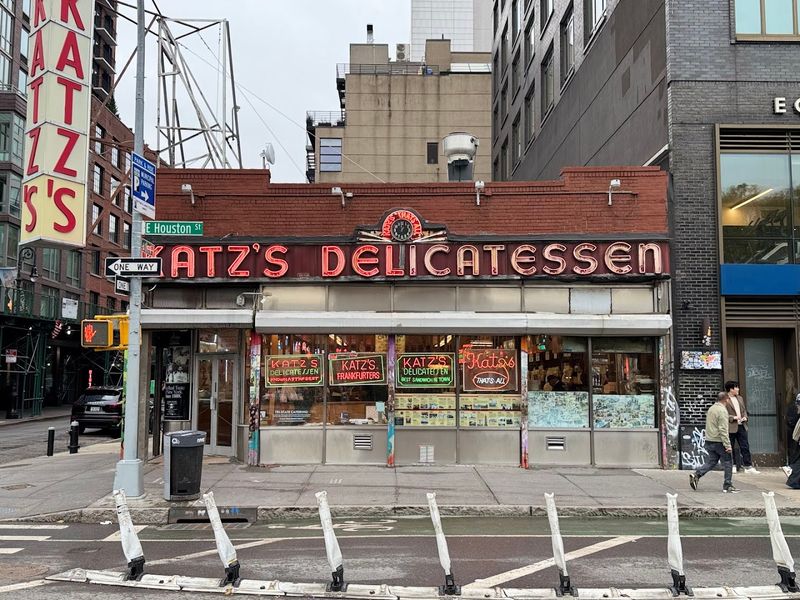
A single line of dialogue changed this deli’s destiny forever. When Meg Ryan delivered her unforgettable performance in When Harry Met Sally at a corner booth inside Katz’s Delicatessen in 1989, the restaurant transformed from a beloved local institution into a cinematic landmark recognized around the world.
Katz’s actually opened back in 1888 on the Lower East Side of Manhattan, making it one of New York’s oldest delis. For over a century it served enormous pastrami sandwiches to neighborhood regulars, famous musicians, and politicians alike.
But nothing boosted its fame quite like that one hilarious scene. A sign now hangs above the exact booth marking the spot where it happened.
The menu has barely changed in decades, which is honestly part of the charm. Hand-carved pastrami piled high on rye bread remains the signature order, and first-time visitors are usually amazed by the portion sizes.
Lines stretch out the door on weekends, filled with tourists clutching phones hoping to recreate their own movie moment. Whether you come for the history, the sandwiches, or the nostalgia, Katz’s delivers every single time.
Hobbiton — Matamata, New Zealand
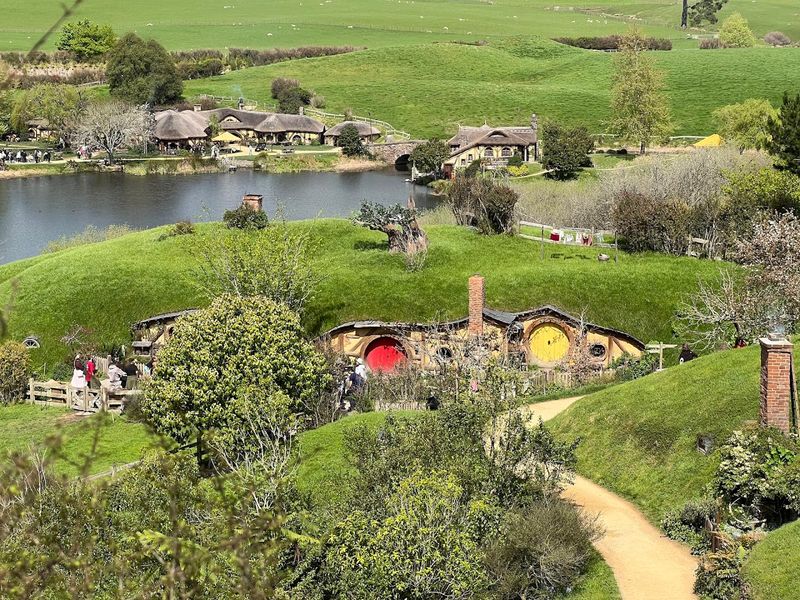
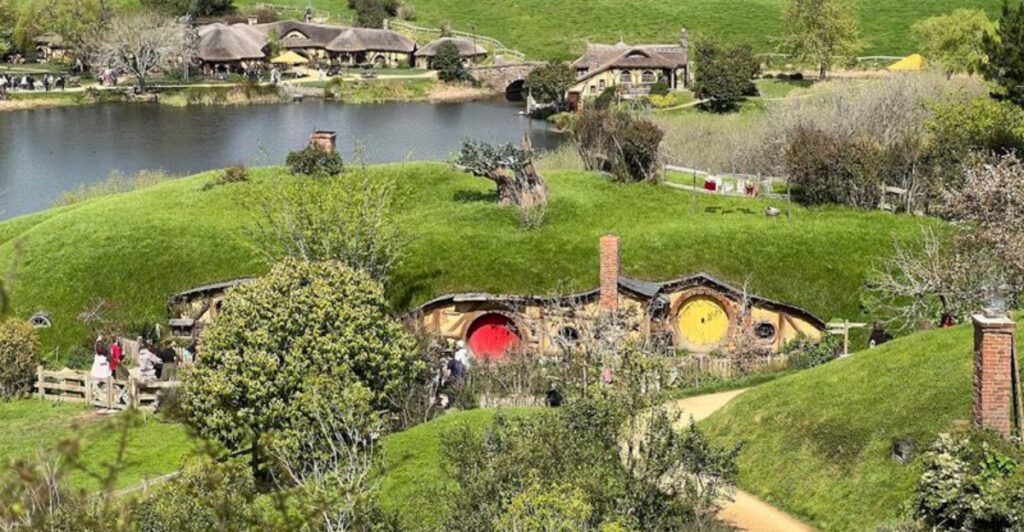
Believe it or not, a sheep farm in rural New Zealand became one of the most visited movie sets on the entire planet. When director Peter Jackson chose the rolling green hills near Matamata to build Hobbiton for The Lord of the Rings trilogy, nobody predicted it would stick around forever.
Lucky for fans, it did.
After filming wrapped, the set was rebuilt in permanent materials so visitors could experience it fully. Today, guided tours take guests through 44 hobbit holes, colorful gardens bursting with flowers, and the famous Green Dragon Inn where you can actually grab a drink.
The attention to detail is genuinely jaw-dropping.
Over 500,000 people visit Hobbiton every year, making it one of New Zealand’s top tourist attractions. Local farmers Alexander and Henrietta Anderton, who originally owned the land, never imagined their quiet property would one day host fans from over 100 countries.
It remains the ultimate destination for anyone who grew up dreaming of the Shire.
Neuschwanstein Castle — Bavaria, Germany
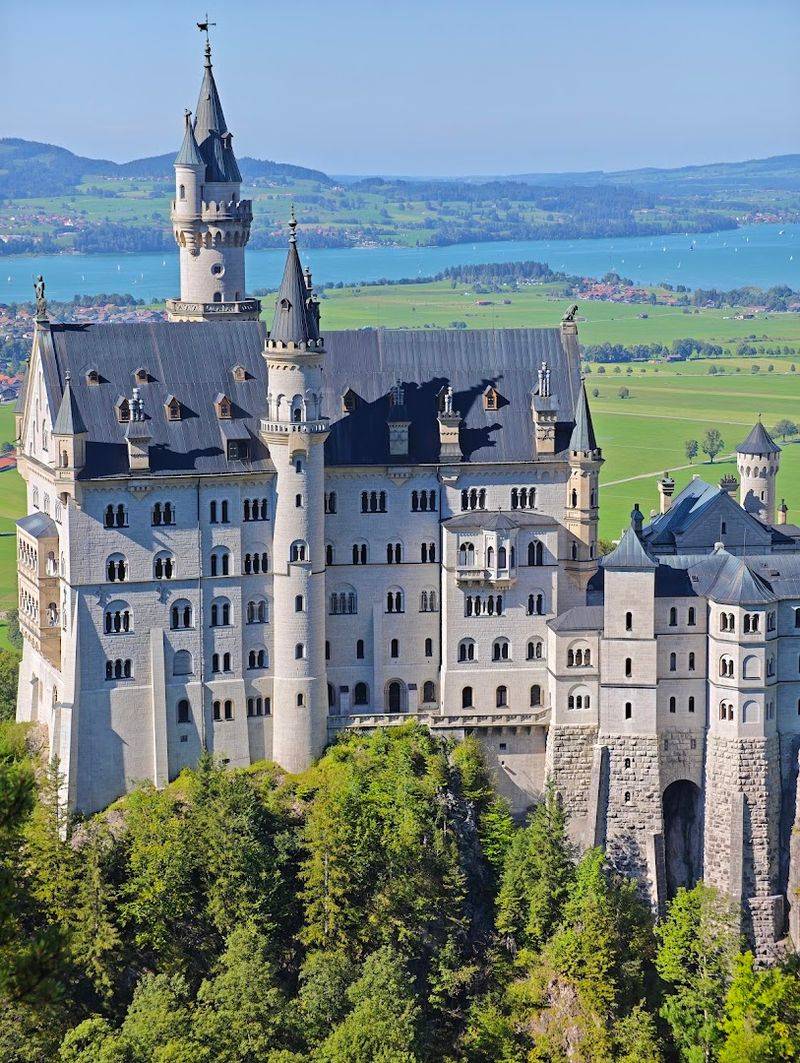
Perched dramatically on a rugged hilltop in the Bavarian Alps, Neuschwanstein Castle looks less like a real building and more like something a child drew after reading too many fairy tales. That is exactly why Walt Disney used it as the primary inspiration for Sleeping Beauty’s castle, and later for the iconic Cinderella Castle seen in Disney parks worldwide.
King Ludwig II of Bavaria commissioned the castle in 1869, intending it as a personal retreat inspired by the operas of Richard Wagner. Sadly, Ludwig died before it was completed, and the castle was opened to the public almost immediately after his mysterious death in 1886.
It has been drawing visitors ever since.
Today, over 1.4 million tourists visit Neuschwanstein each year, making it one of Germany’s most visited attractions. During peak summer months, timed tickets sell out weeks in advance.
The interior is equally impressive, featuring elaborately painted rooms, swan motifs everywhere, and a throne room dripping in gold. Standing at the Marienbrucke bridge for the full panoramic view of the castle against mountain scenery is one of Europe’s truly unforgettable experiences.
Monument Valley — Arizona and Utah
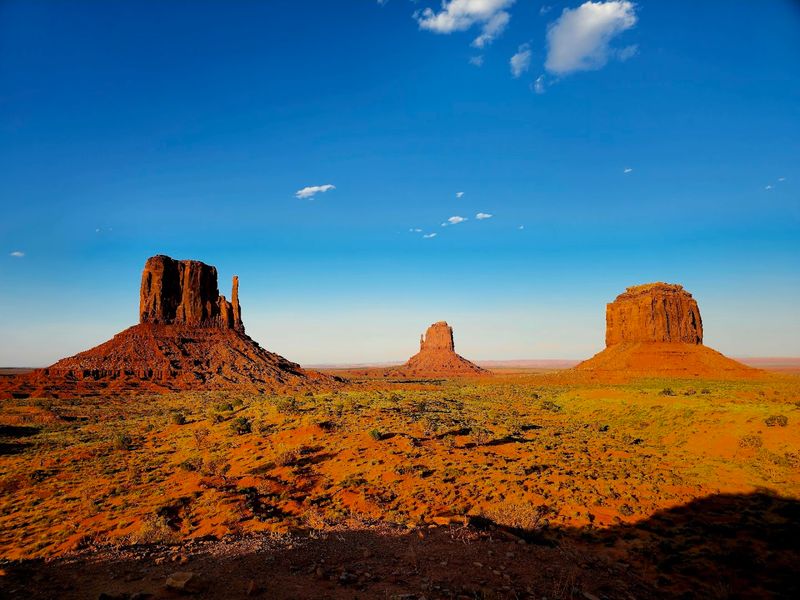
Those giant red rock formations jutting out of the desert floor have appeared in so many movies that they practically have their own filmography. Monument Valley, straddling the Arizona-Utah border on Navajo Nation land, became the visual shorthand for the American West almost entirely because of one director’s obsession with it.
John Ford filmed seven westerns here between 1939 and 1964, starting with Stagecoach and continuing through classics like The Searchers and Fort Apache. Ford loved how the towering sandstone buttes, some rising over 1,000 feet, created natural drama without any set design required.
The valley essentially became his outdoor studio.
After decades of Hollywood exposure, Monument Valley became one of the most photographed landscapes in North America. Forrest Gump famously ended his cross-country run here, and the valley appeared in 2001: A Space Odyssey and Back to the Future Part III.
Navajo-guided tours take visitors through the valley floor, offering cultural context that goes far beyond the movies. The landscape belongs to the Navajo people and carries deep spiritual significance that Hollywood never fully captured but always felt.
Salzburg — Austria
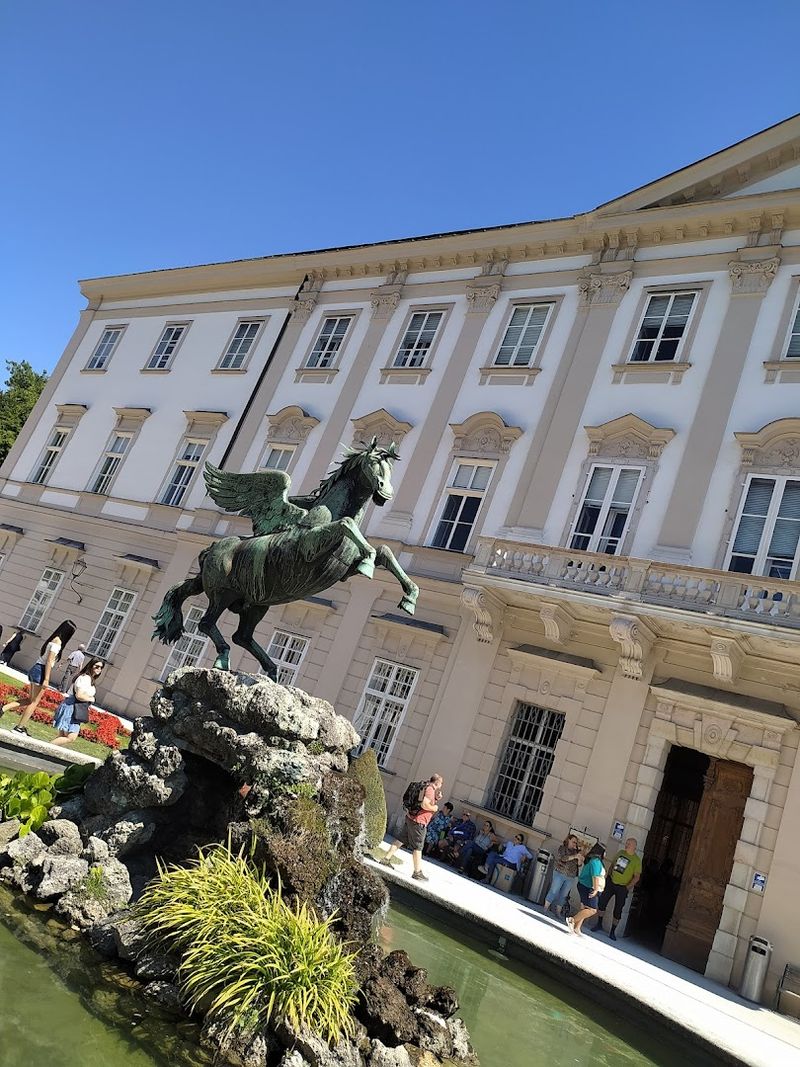
The hills are alive, and so are the tour buses. Salzburg has been welcoming Sound of Music fans since 1965, and the devotion of those fans shows absolutely no sign of slowing down.
The beloved musical, based on the true story of the Von Trapp family, turned this gorgeous Austrian city into one of Europe’s most enduring movie tourism destinations.
Mirabell Gardens, where Julie Andrews twirled with the children singing Do-Re-Mi, remains the most visited filming location in the city. Leopoldskron Palace, used as the exterior of the Von Trapp family home, is now a hotel where guests can stay in the exact building seen on screen.
Dedicated Sound of Music tour buses run daily, covering all the major filming spots.
Here is a fun fact: Salzburg locals were initially not huge fans of the film. The movie was not widely released in Austria for years because distributors worried audiences would find the story too sentimental.
Meanwhile, international tourists were already pouring in by the thousands. Today the city fully embraces its cinematic legacy, and Sound of Music tours consistently rank among the most popular activities visitors book.
The movie basically gave Salzburg a second identity.
Maya Bay — Koh Phi Phi Leh, Thailand
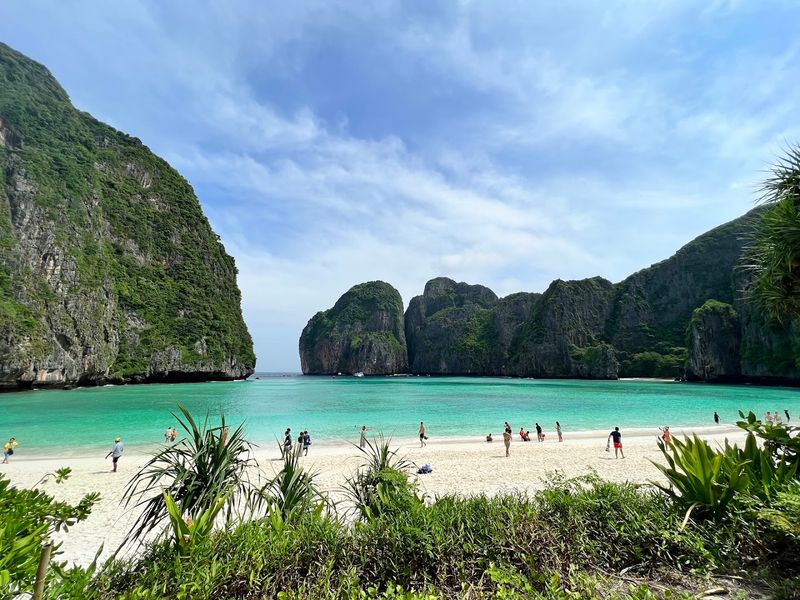
Before Leonardo DiCaprio waded ashore here in the year 2000, Maya Bay was known mainly to a handful of adventurous backpackers and Thai fishermen. The Beach changed everything.
Within a few years of the film’s release, this secluded cove on Koh Phi Phi Leh had become one of the most crowded beaches in Southeast Asia.
The movie depicted Maya Bay as a secret paradise, which is deeply ironic considering what happened next. Tour boats began arriving by the hundreds daily, carrying thousands of visitors hoping to experience that same pristine isolation.
The environmental damage became severe, with coral reefs bleaching and the beach ecosystem struggling under constant pressure.
Thai authorities took dramatic action in 2018, closing Maya Bay completely to allow ecological recovery. The closure lasted over three years, and the results were genuinely remarkable.
Coral coverage increased, blacktip reef sharks returned to the bay, and the sand restored itself naturally. Maya Bay reopened in 2022 with strict visitor limits and boat-free zones protecting the reef.
The story of this beach became an unexpected lesson in how movie fame can both destroy and, with the right intervention, ultimately save a natural wonder.
Hook & Ladder Company 8 — New York City, New York
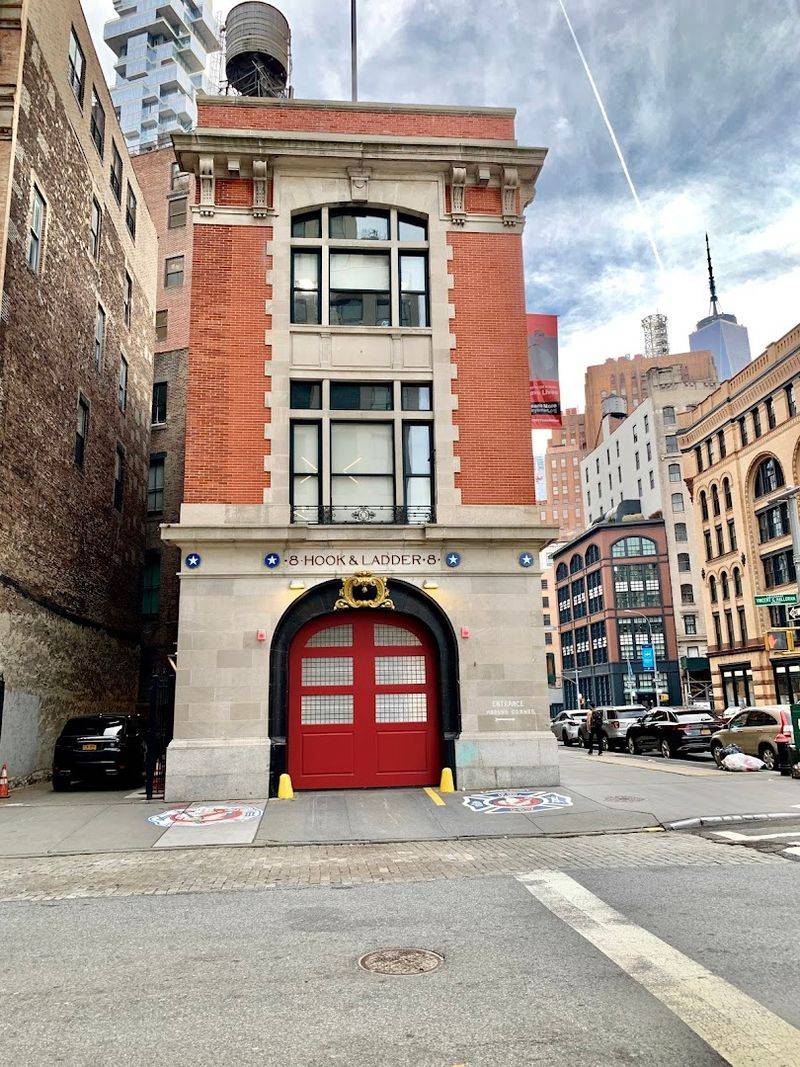
Who you gonna call? Apparently, millions of tourists every year call their travel agents and book a trip to this perfectly preserved Tribeca firehouse.
Hook and Ladder Company 8 has been an active New York City fire station since 1865, but its real claim to fame arrived in 1984 when it starred as the Ghostbusters headquarters in one of the most beloved comedy films ever made.
The firehouse sits on North Moore Street in lower Manhattan and looks almost exactly the same as it did during filming. The iconic overhead fire pole, the red brick exterior, and the large garage doors are all still there.
A Ghostbusters logo was painted on the building’s side, and it has become one of the most photographed facades in the entire city.
Real firefighters still work here every day, which means this is one of the rare movie locations that serves a genuine daily purpose beyond tourism. The crew reportedly enjoys meeting fans, though they do occasionally need visitors to clear the driveway when emergency calls come in.
During Halloween, the line of fans dressed as Ghostbusters stretches around the block. No slime required, but enthusiasm is absolutely mandatory.
The Joker Stairs — Bronx, New York
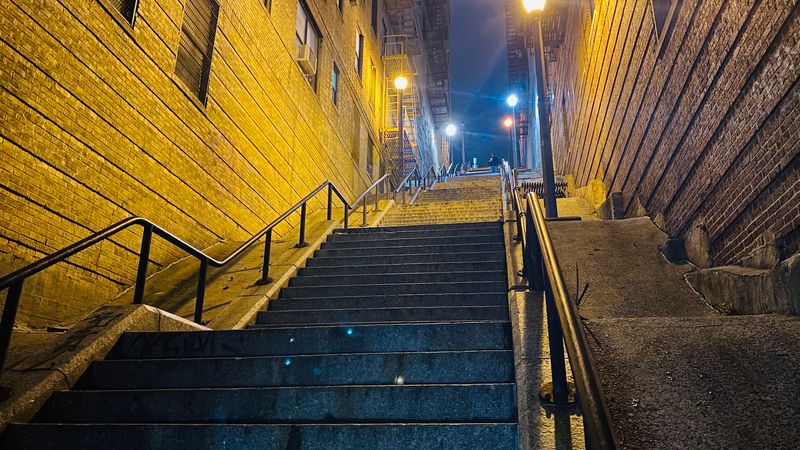
Nobody paid much attention to this steep concrete staircase connecting Shakespeare and Anderson Avenues in the Bronx before October 2019. Then Joker arrived in theaters, and Joaquin Phoenix danced his way down those steps in full clown makeup, and suddenly the entire world wanted a selfie on some very ordinary municipal stairs.
The scene itself is genuinely memorable. Phoenix’s Arthur Fleck, finally embracing his chaotic alter ego, performs a slow, mesmerizing dance while descending the steps as a triumphant original score plays.
Director Todd Phillips chose the location for its gritty urban authenticity, and the Bronx neighborhood delivered exactly the right atmosphere.
Within weeks of the film’s release, the stairs became a genuine tourist attraction despite being located in a working-class residential neighborhood where locals were not exactly thrilled about the sudden foot traffic. The community expressed frustration about crowds blocking sidewalks and disrupting daily life.
Regardless, the Joker Stairs now appear on virtually every New York City movie location tour. Phoenix won the Academy Award for Best Actor for this role, which only amplified interest further.
The stairs even got their own Wikipedia page, which feels like the true marker of internet fame.
Dubrovnik — Croatia
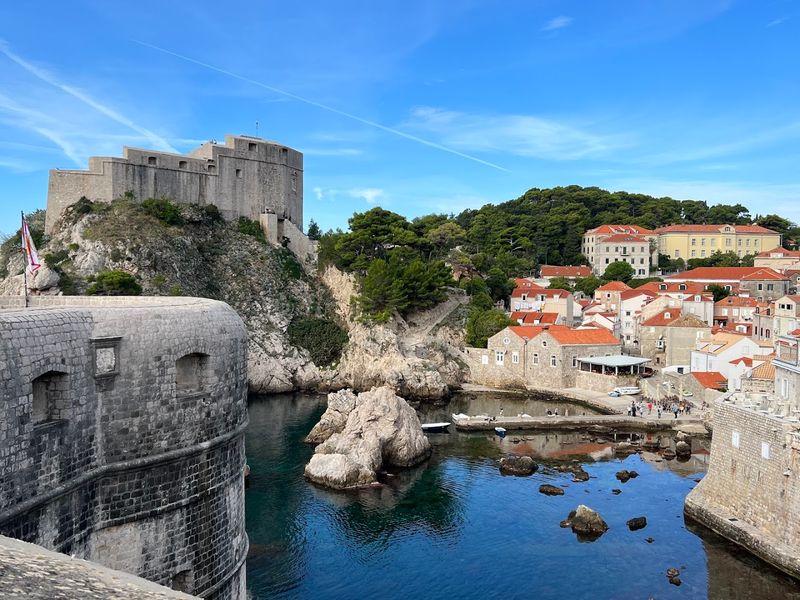
Game of Thrones turned Dubrovnik into King’s Landing, and King’s Landing turned Dubrovnik into one of Europe’s most overwhelmed tourist destinations. The Croatian coastal city was already a UNESCO World Heritage Site before HBO cameras arrived, but the show gave it a level of global recognition that even decades of travel magazine coverage never quite achieved.
Filming took place extensively throughout the old city between 2011 and 2019. The city walls, Fort Lovrijenac, the Rector’s Palace, and the famous Jesuit Staircase all appeared as recognizable Game of Thrones locations.
Dedicated walking tours guide fans through each scene location, complete with screenshots for comparison. The tours sell out constantly during summer months.
The tourism boom brought serious challenges alongside the economic benefits. At peak season, up to 10,000 cruise ship passengers arrive daily in a city whose old town can comfortably accommodate far fewer.
Local residents began leaving the historic center as apartment prices surged and daily life became difficult. City officials introduced visitor caps and cruise ship limits to protect the character of the place.
Dubrovnik’s story is a fascinating case study in how cinematic fame can reshape an entire city’s identity, economy, and daily reality all at once.
Petra — Jordan
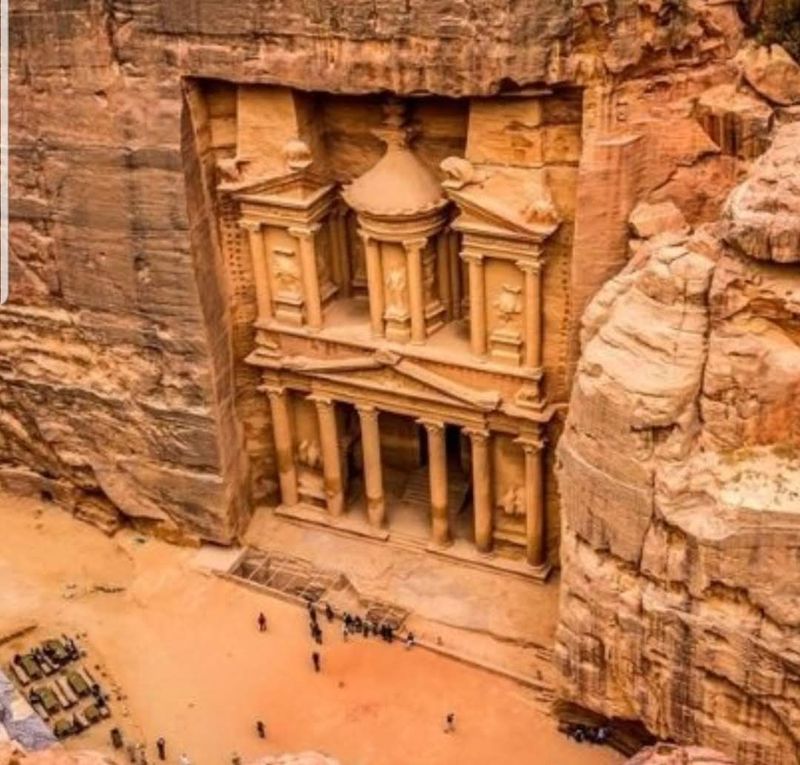
Harrison Ford rode a horse through a narrow sandstone canyon and emerged in front of one of the most spectacular structures ever carved by human hands. The Treasury at Petra, featured in Indiana Jones and the Last Crusade in 1989, introduced millions of moviegoers to an ancient wonder they might never have otherwise encountered.
Petra was built by the Nabataean people around the 4th century BC and served as a thriving trade city for centuries before being largely forgotten by the outside world. Swiss explorer Johann Ludwig Burckhardt rediscovered it in 1812, but it was the Indiana Jones film that truly put it on the global tourism map for modern audiences.
Today, Petra is Jordan’s most visited attraction and accounts for a significant portion of the country’s entire tourism revenue. The site covers over 264 square kilometers, meaning the famous Treasury is just the dramatic opening act of a much larger archaeological complex.
Visitors can explore tombs, temples, a Roman amphitheater, and a monastery requiring 800 steps to reach. Night tours by candlelight are particularly popular.
The Nabataeans would probably be astonished to learn that a Hollywood adventure film is partly responsible for their ancient city’s modern fame.
The Outsiders House — Tulsa, Oklahoma

S.E. Hinton wrote The Outsiders when she was just 15 years old, setting her story in her own Tulsa neighborhood.
When Francis Ford Coppola adapted it into a film in 1983, he used actual Tulsa locations including a real house on North St. Louis Avenue that became the Curtis brothers home in the movie.
For years the house sat quietly in a Tulsa neighborhood, recognized mainly by devoted fans who made the pilgrimage specifically to see it. Then in 2019, Danny Boy O’Connor, a member of the hip-hop group House of Pain and a lifelong Outsiders superfan, purchased and restored the property.
He transformed it into a fully dedicated museum celebrating both the book and the film.
The museum is packed with original props, costumes worn by the cast, and memorabilia collected over decades. A 1966 Mustang similar to the one featured in the film sits outside.
Cast members including C. Thomas Howell and Rob Lowe have visited and contributed items to the collection.
Tulsa has fully embraced the connection, even establishing an Outsiders-themed tourism trail around the city. The story of how a teenager’s novel became a movie that turned a regular Tulsa house into a museum is genuinely wonderful.
Times Square — New York City, New York
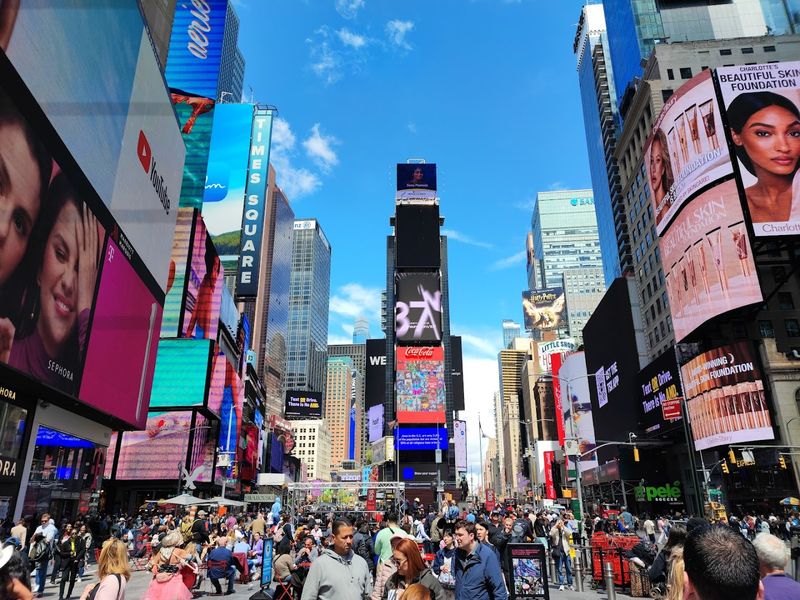
Vanilla Sky gave us Tom Cruise running through a completely empty Times Square at dawn, which required shutting down one of the busiest intersections on Earth for a single morning in 2001. That scene cost an enormous amount to film and took months of planning.
It also perfectly captured why filmmakers keep returning to this particular corner of Manhattan again and again.
Times Square has appeared in hundreds of films across every genre imaginable. Taxi Driver used it as a symbol of urban decay in 1976.
Ghostbusters blew it up in 1984. Spider-Man swung through it repeatedly.
Enchanted sent a cartoon princess wandering through it in 2007. Each film adds another layer to Times Square’s already overwhelming cinematic mythology.
What makes Times Square special as a filming location is that it changes constantly. The billboards shift, the crowds evolve, the energy transforms across different decades, yet the location remains immediately recognizable in every era.
Approximately 50 million people visit Times Square annually, making it one of the most visited tourist attractions on the planet. Many of those visitors arrive with specific movie scenes in mind, hoping to stand exactly where their favorite characters once stood.
Times Square does not disappoint.
Skellig Michael — County Kerry, Ireland
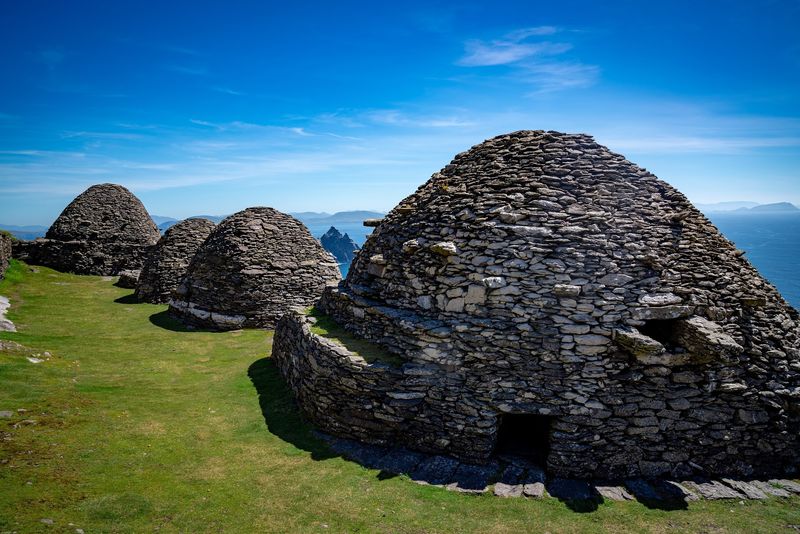
Getting to Skellig Michael requires a boat ride across notoriously rough Atlantic waters, a steep climb up over 600 ancient stone steps, and a serious tolerance for wind. Most people would describe that as a challenging day trip.
Star Wars fans describe it as a pilgrimage.
The island appeared as Luke Skywalker’s remote hideout, Ahch-To, in The Force Awakens and The Last Jedi. Director J.J.
Abrams reportedly discovered Skellig Michael through aerial photography and immediately recognized its otherworldly quality. The ancient beehive-shaped stone huts built by Christian monks around the 6th century provided a setting so dramatic that almost no CGI enhancement was needed.
Skellig Michael was already a UNESCO World Heritage Site before Star Wars arrived, recognized for its extraordinary monastic architecture and seabird colonies. The island hosts hundreds of thousands of puffins during breeding season, which delighted the film crew.
Tourism interest surged after the movies released, but visitor numbers remain naturally limited because the island can only be reached by licensed boats during calm weather windows. That natural restriction actually protects the site beautifully.
Skellig Michael remains genuinely wild, remote, and awe-inspiring, exactly the qualities that made it perfect for the galaxy’s most famous hermit in the first place.
Share this story