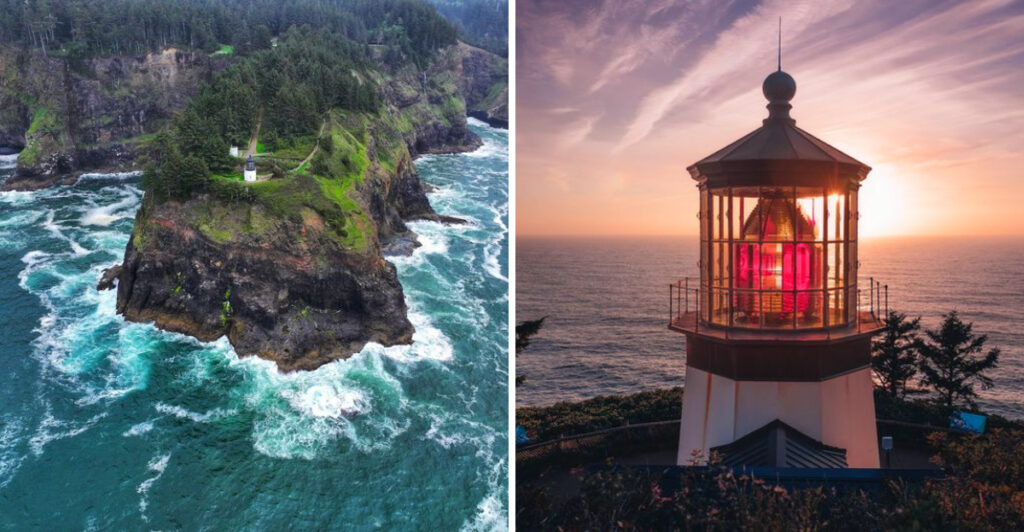
There is a lighthouse on the Oregon coast that has been standing since 1890, and it still uses the same lens it was built with. That alone is enough to make any history lover stop in their tracks.
Perched on a dramatic cliff above the Pacific Ocean, this little tower punches way above its weight in charm, history, and jaw-dropping views. The trail down is easy, the scenery is stunning, and the story behind this place is the kind you will want to tell people about long after you have driven home.
Keep reading, because this one is absolutely worth your time.
Where Exactly You Will Find This Historic Gem
The address is 3500 Cape Meares Loop, Tillamook, OR 97141, and getting there is half the fun. The drive winds through dense coastal forest, past the bank of the Wilson River, and eventually opens up to sweeping ocean views that make you feel like you have left the rest of the world behind.
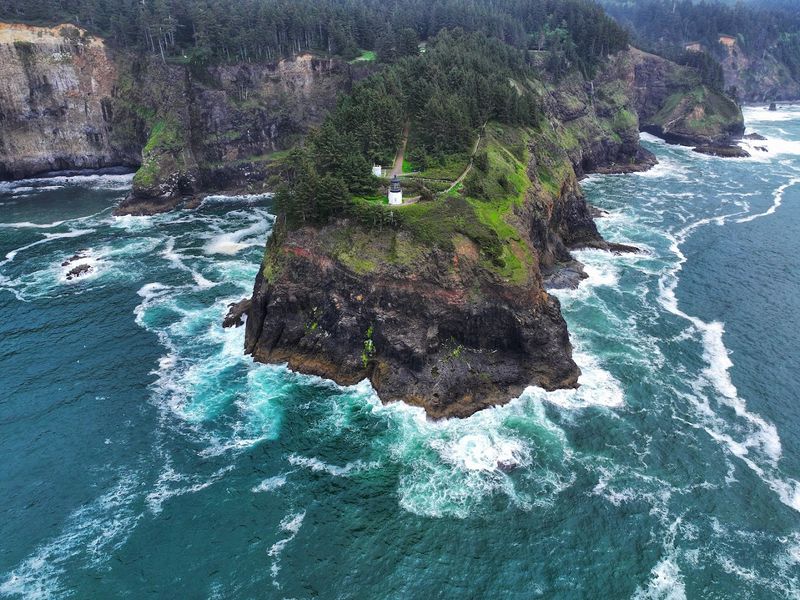
Cape Meares sits on the northern end of the Three Capes Scenic Route, one of the most beautiful coastal drives in all of Oregon. The park is managed by Oregon State Parks, and the setting is genuinely dramatic, with the lighthouse balanced right on the edge of a rocky headland.
From Tillamook, the drive takes roughly 15 to 20 minutes, making it an easy half-day trip. Visitors coming from Portland can enjoy a scenic road journey through forest and farmland before reaching the coast.
The park has a large parking lot, overflow parking nearby, and clean restroom facilities, so logistics are simple from the moment you arrive.
A Lighthouse Built in 1890 with a Story Worth Knowing
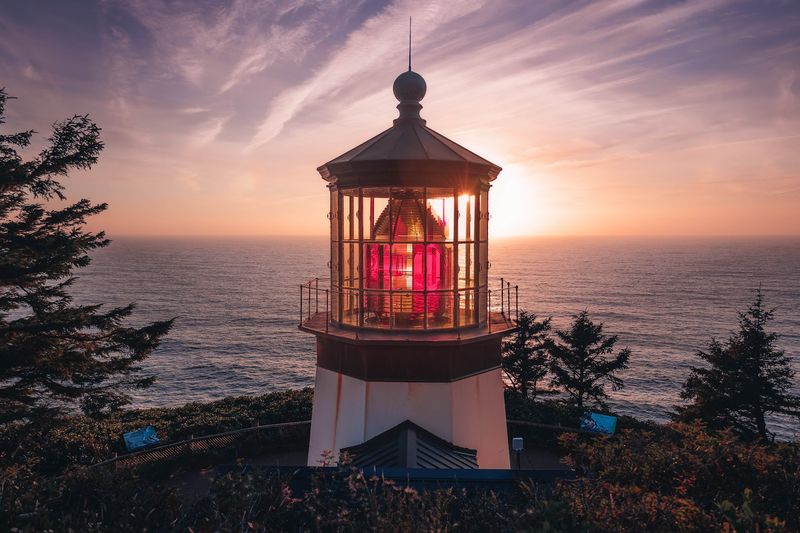
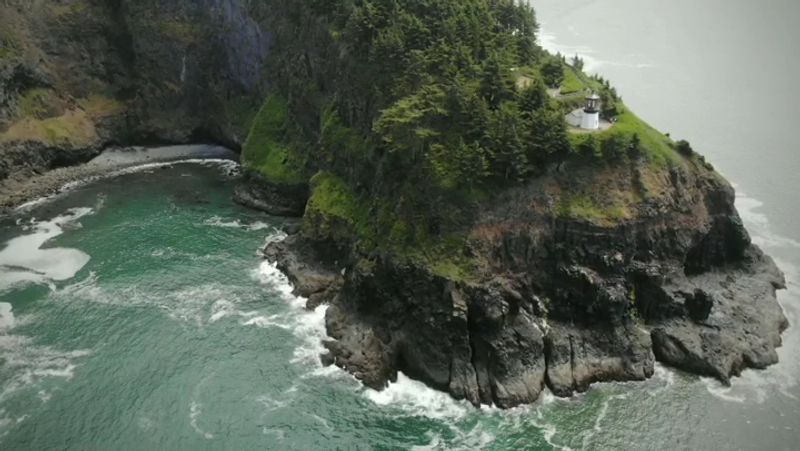
Cape Meares Lighthouse first lit up the Oregon coast on January 1, 1890, and the fact that it is still standing and still functional is a small miracle of preservation. At just 38 feet tall, it is one of the shortest lighthouses on the West Coast, but its position on a 200-foot cliff means the light reaches far out over the Pacific.
Here is a quirky bit of history worth knowing: the lighthouse was originally built at the wrong location. A surveying error placed it at Cape Meares instead of the intended Cape Lookout, but by the time anyone figured it out, the construction was already done.
The name stuck, and so did the lighthouse.
The tower was decommissioned in 1963 when an automated light took over its duties, but thanks to the dedicated efforts of local volunteers and Oregon State Parks, it was restored and reopened to the public. Today it stands as one of the best-preserved examples of 19th-century lighthouse construction on the entire Pacific Coast.
The Original Fresnel Lens That Still Does Its Job
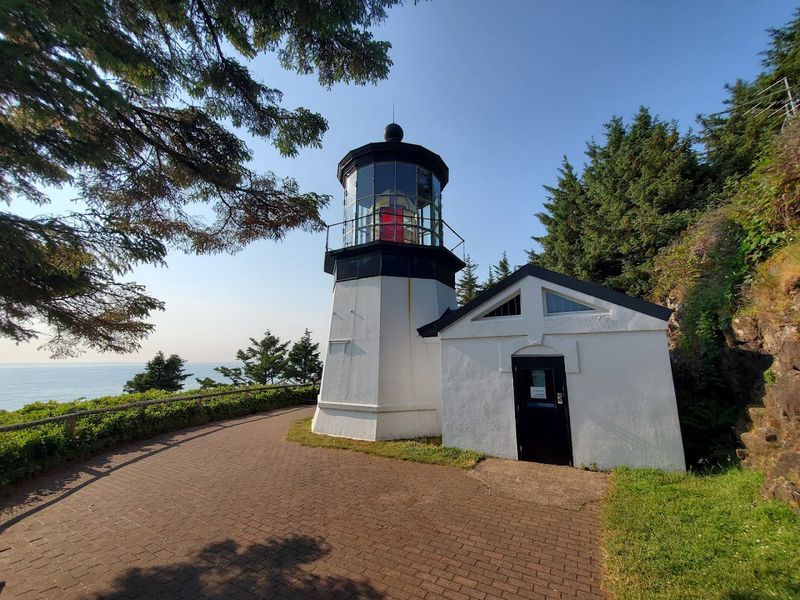
Most lighthouses that have been around for 150 years have had their original equipment replaced, upgraded, or sent to a museum. Cape Meares kept its lens, and that decision makes this place genuinely special.
The lighthouse houses a first-order Fresnel lens, which is the largest classification of Fresnel lens and one of the most impressive optical instruments ever built for maritime use.
The lens was manufactured in Paris and shipped to Oregon in the 1880s. It is made up of hundreds of precisely cut glass prisms arranged in a beehive shape, and when light passes through it, the beam can be seen from roughly 21 miles out at sea.
The engineering behind it is elegant in a way that modern technology rarely matches.
Visitors who take the tour inside the lighthouse get to see this lens up close, and the volunteers stationed there are knowledgeable and enthusiastic about explaining how it works. Seeing something that was built before the invention of the automobile and is still doing exactly what it was designed to do gives you a real appreciation for craftsmanship that was built to last.
Climbing to the Top and What You Will See
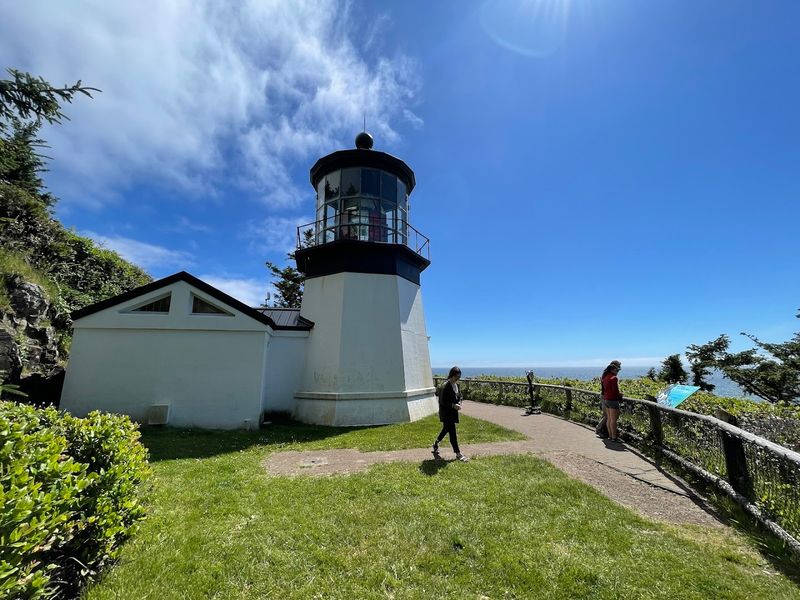
Getting to the top of Cape Meares Lighthouse requires climbing a tight spiral staircase inside the tower, and the effort is absolutely worth it. The interior is compact and a little cozy, which adds to the charm rather than taking away from it.
Volunteers are on hand during operating hours to guide visitors and share stories about the lighthouse’s past.
It is worth noting that the upper exterior walkway around the lantern room has been closed for repairs following earthquake damage, so visitors currently experience the lens room from inside rather than stepping outside at the top. A five-year restoration plan is underway to bring the full experience back.
Even from inside, the views through the lens room windows are remarkable. The Pacific stretches out in every direction, the rocky coastline curves dramatically below, and on clear days you can see for miles.
The combination of standing inside a working 19th-century optical instrument while looking out over that kind of scenery is the sort of moment that stays with you long after the drive home.
The Trail Down and What to Expect on the Walk
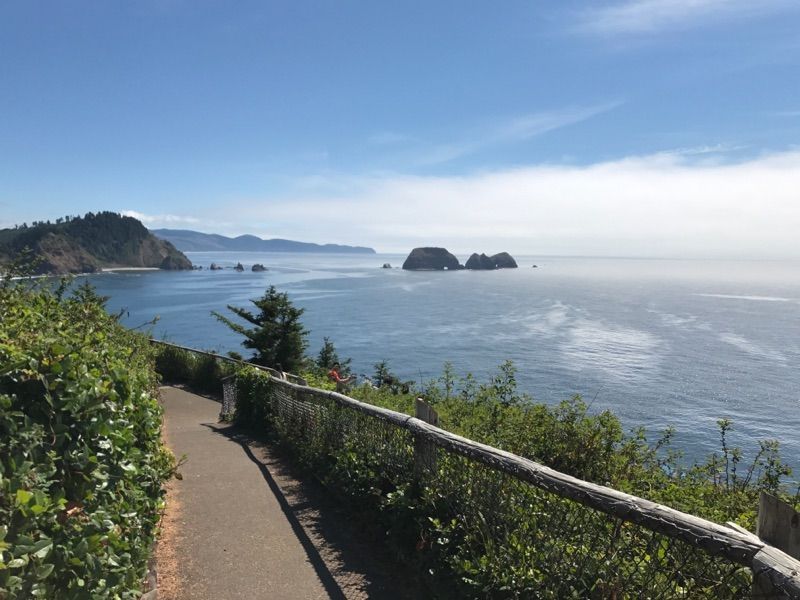
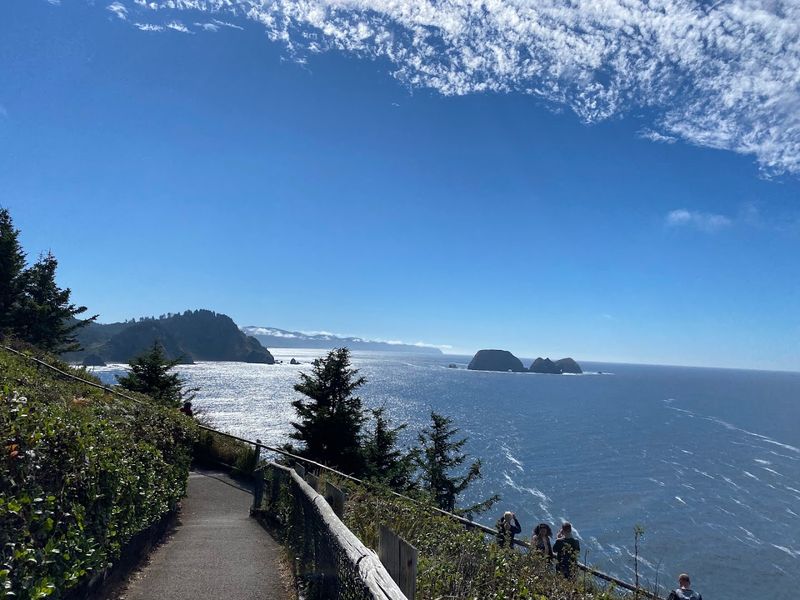
The trail from the parking lot down to the lighthouse is short, well-maintained, and genuinely enjoyable. The paved path descends gently through a canopy of coastal trees, and the sound of the ocean grows louder with every step.
Most visitors find the walk takes about five to ten minutes one way, making it accessible for a wide range of fitness levels.
The return trip back up the hill is a bit more of a workout, but nothing that will leave you winded for long. Dogs are welcome on the trail, and the path is wide enough for both pets and people to pass comfortably.
The surface is paved for most of the route, though some sections transition to unpaved ground, which can make things tricky for wheelchairs or mobility devices.
There are actually two trail options, and walking the loop so that you take one path down and the other back up gives you two completely different perspectives on the headland. The ocean-side route offers the most dramatic coastal views, so that one is worth saving for the return leg when you have a little more energy to stop and take it all in.
Ocean Views That Make Every Photo Worth Framing
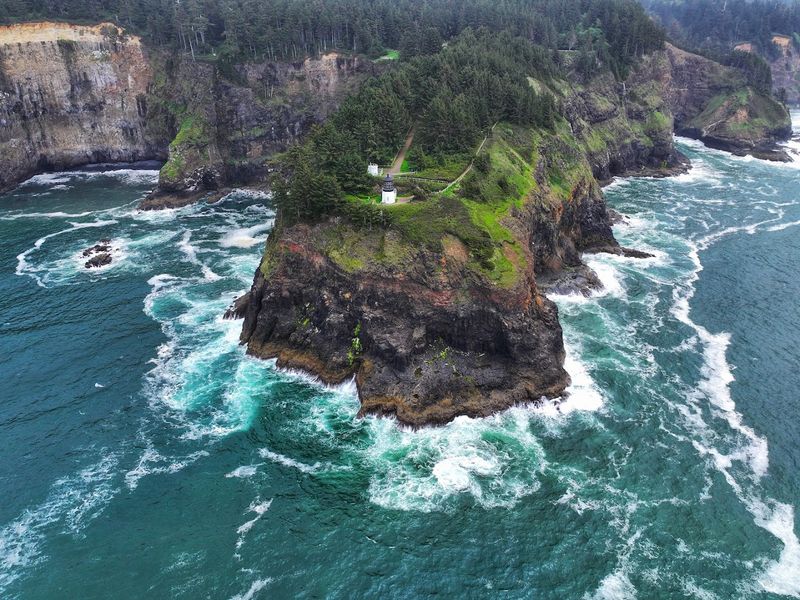
Few viewpoints on the Oregon coast deliver the kind of scenery that Cape Meares offers, and the photographs practically take themselves. The headland juts out into the Pacific at a height that puts you above the wave spray but close enough to feel the salt air on your face.
Rocky sea stacks rise out of the water below, and the coastline curves away in both directions in a way that makes the whole scene look almost too beautiful to be real.
Whale migration is a popular draw here, particularly in the spring and fall when gray whales pass close to shore. Birding is also excellent, with seabirds nesting on the offshore rocks and raptors riding the coastal thermals overhead.
On overcast days, the moody atmosphere adds its own kind of drama to the views, and the fog rolling in off the ocean has a way of making the lighthouse look even more cinematic.
Multiple viewing platforms are scattered around the headland, and picnic tables are positioned to take full advantage of the scenery. Spending an afternoon here with simple food and a hot drink while watching the waves is one of those low-key experiences that ends up being the highlight of a coastal trip.
The Octopus Tree That Steals the Show
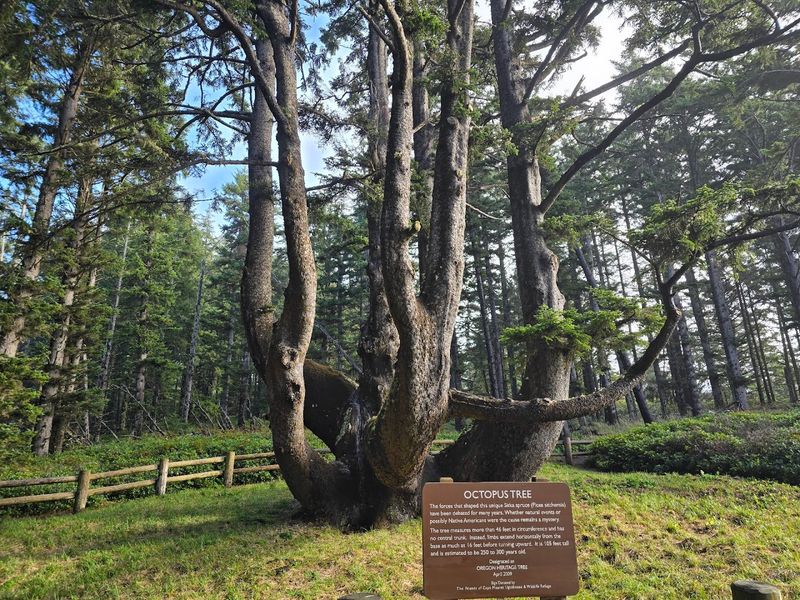
Just a short walk from the lighthouse, there is a Sitka spruce tree that looks like it belongs in a fantasy novel. The Octopus Tree, as it is known, has multiple massive branches that splay out horizontally from the base of the trunk instead of growing upward, giving the whole thing a tentacled, otherworldly appearance.
It is one of the most photographed natural features on the Oregon coast, and seeing it in person explains why.
The tree is estimated to be several hundred years old and stands about 105 feet tall. The unusual growth pattern is thought to have been deliberately shaped by Indigenous peoples of the region, who may have used the canoe-shaped branches for ceremonial purposes.
That layer of cultural history makes the tree even more compelling than its appearance alone.
The path to the Octopus Tree from the lighthouse is quick and easy, and the two attractions together make for a satisfying loop. Most visitors find that the lighthouse, the viewpoints, and the Octopus Tree can all be visited in under a mile of walking total, which makes the whole experience feel refreshingly manageable without sacrificing any of the wow factor.
When to Visit and What the Hours Look Like
The lighthouse is open to visitors every day of the week from 11 AM to 4 PM, which makes planning a visit straightforward. The gift shop inside the lighthouse base is a nice bonus during the summer months, offering small souvenirs and a chance to support the volunteers who keep the place running.
The shop closes during winter, so check ahead if that is part of your plan.
Spring and early summer tend to offer the best combination of weather, wildlife activity, and trail conditions. The whale migration peaks in March and April, and the coastal wildflowers are at their best around the same time.
Summer brings more visitors and the occasional parking crunch, so arriving earlier in the day gives you a better chance of finding a spot without circling the lot.
Fall visits have their own appeal, with quieter trails and dramatic storm light that photographers love. Winter storms can be spectacular to watch from the viewpoints, though the wind and rain do take the edge off the experience.
Whatever season brings you here, the lighthouse itself remains a constant, standing at the edge of the continent with the same quiet reliability it has shown for more than 130 years.
Practical Tips for Making the Most of Your Visit
A few practical details can make the difference between a good visit and a great one. The parking lot at Cape Meares is large, and overflow parking is available nearby, so arrival stress is minimal.
Restrooms are on site and are kept in decent condition, which is always a relief after a long coastal drive from somewhere like Portland or Tillamook.
The park is dog-friendly, and the trails are wide enough to handle both leashed pets and fellow hikers without anyone feeling crowded. Bringing a light jacket is always a smart call on the Oregon coast, even in summer, since the headland is exposed and the wind can pick up quickly.
Layers are your friend here in a way they rarely are inland.
Volunteers are stationed at the lighthouse during operating hours and are genuinely enthusiastic about answering questions. The tour inside is free, and the information shared about the lens, the history, and the restoration efforts is worth your full attention.
Combining a stop here with a visit to Tillamook Creamery on the way back makes for a nearly perfect Oregon coast day, and that combination comes highly recommended by just about everyone who has done it.
Why This Oregon Coast Lighthouse Keeps Drawing People Back
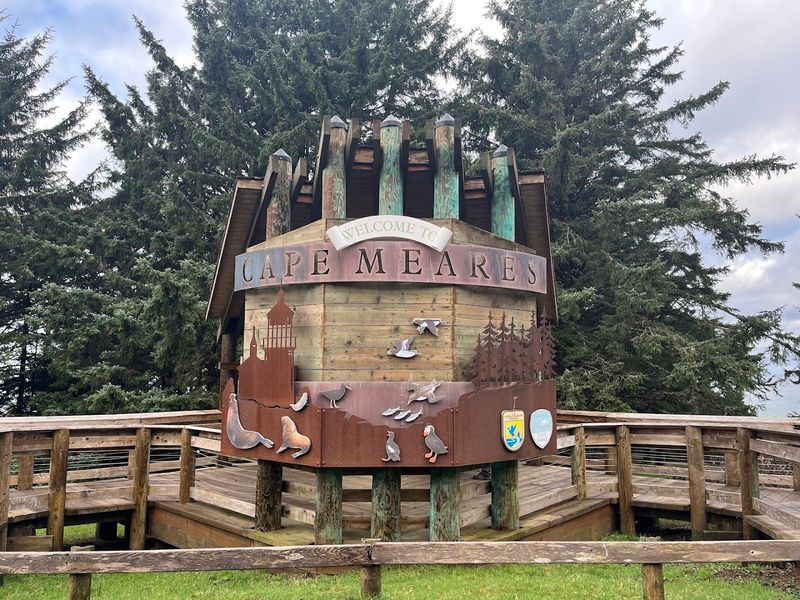
There is something about Cape Meares that earns repeat visits in a way that not every coastal attraction can claim. The scenery changes with the seasons, the light shifts dramatically depending on weather, and the combination of history, nature, and accessibility makes it work for a wide range of visitors.
Families with young children, solo hikers, photographers, and history enthusiasts all find something here that clicks for them.
The lighthouse earned a 4.8-star rating from over 1,400 reviews, which is a strong signal that the experience consistently delivers. The volunteer-run tours, the Fresnel lens, the Octopus Tree, and the coastal views form a package that feels genuinely curated even though it all came together naturally over more than a century.
Oregon has no shortage of beautiful coastline, but this particular headland has a way of feeling like more than just a scenic stop. The lighthouse has been here since 1890, outlasting the people who built it, the technology that replaced it, and the storms that have tested it every winter since.
That kind of staying power is its own kind of recommendation, and it is the reason visitors keep finding their way back to this quiet corner of the Oregon coast year after year.
Share this story