There is a small museum in north-central Oklahoma that holds more history, mystery, and old-fashioned charm than most people expect from a town of 5,000. The stories inside its walls range from frontier schoolrooms and land run legends to a historic home that more than one visitor has quietly described as haunted.
The outdoor grounds alone could keep a curious family busy for hours. Whether you are a history buff, a paranormal enthusiast, or just someone who loves a good road trip story, this place will not disappoint.
Where History and Mystery Share the Same Address
The Cherokee Strip Museum sits at 2617 Fir St in Perry, Oklahoma, right off Interstate 35, making it one of the most accessible hidden treasures in the state. The building itself is modest from the outside, but that understated exterior hides something surprisingly rich on the inside.
Perry is a small town in Noble County, and the museum serves as its unofficial keeper of memories. From the moment you pull into the parking lot, you notice the outdoor grounds stretching behind the main building, dotted with historic structures that seem to belong to a different century entirely.
The museum earns a solid 4.6-star rating from visitors, and that number reflects genuine affection rather than tourist hype. Staff members are known for being knowledgeable, warm, and willing to walk alongside you as you explore.
This is not the kind of place where you wander alone with a laminated map. It is the kind of place where history feels personal.
The Land Run Story That Started It All
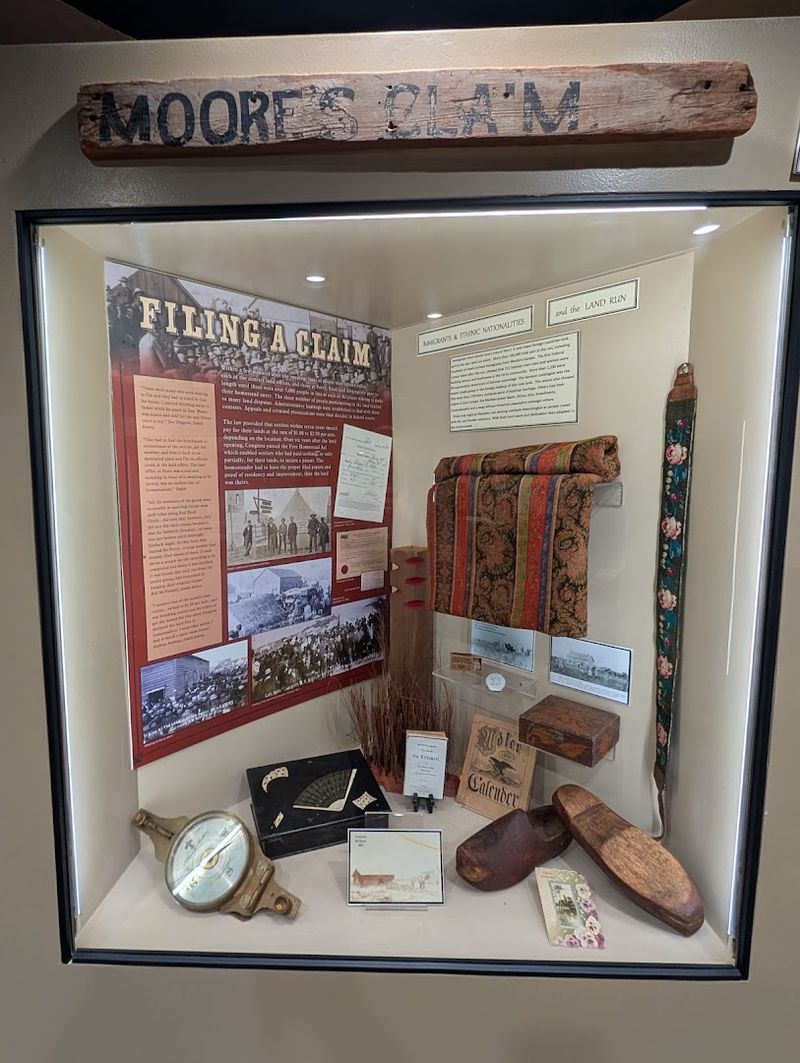
On September 16, 1893, more than 100,000 people lined up along the border of a six-million-acre strip of land in Oklahoma Territory, waiting for a single gunshot to signal the start of one of the most chaotic land rushes in American history. That event is the heartbeat of this museum.
The Cherokee Strip Land Run was not just a footnote in Oklahoma history. It was the moment that transformed open prairie into communities, farms, and towns like Perry itself.
The museum dedicates significant space to telling this story through artifacts, photographs, and a short film that brings the drama of that day to life.
Visitors who watch the film often come out looking a little stunned, as if they had not fully grasped the scale of what happened here. Seeing the maps, the personal belongings of early settlers, and the tools they carried with them gives the event a human weight that textbooks rarely capture.
The land run is not ancient mythology here. It is local family history for many who visit.
The Haunted House on the Grounds
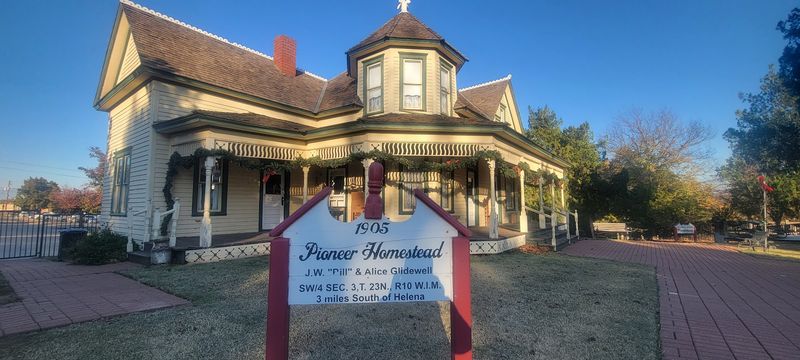
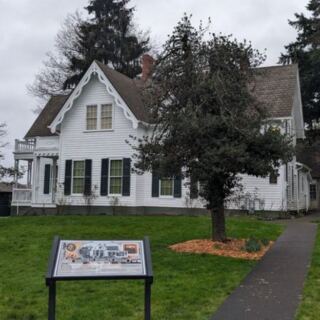
Among the outdoor structures on the museum property, one particular historic home has earned a reputation that goes beyond its architectural age. More than one visitor has walked through its rooms and come back out with a feeling they could not quite explain, describing the atmosphere as unsettling in a way that feels oddly deliberate.
The house is original to the land run era, which means it has absorbed well over a century of human stories. The floorboards creak in specific patterns.
The light inside shifts in ways that feel slightly off. Nobody on staff claims the place is officially haunted, but nobody dismisses the idea either.
For paranormal enthusiasts, this structure alone is worth the trip. For skeptics, it is still a fascinating piece of frontier architecture that tells the story of what early Oklahoma homestead life actually looked like.
The cramped rooms, the low ceilings, and the sparse furnishings remind you that the people who first settled this land were working with almost nothing. Whether or not something lingers there, the house carries a weight that is hard to shake after you leave.
Rose Hill Schoolhouse and Its Living History Lessons
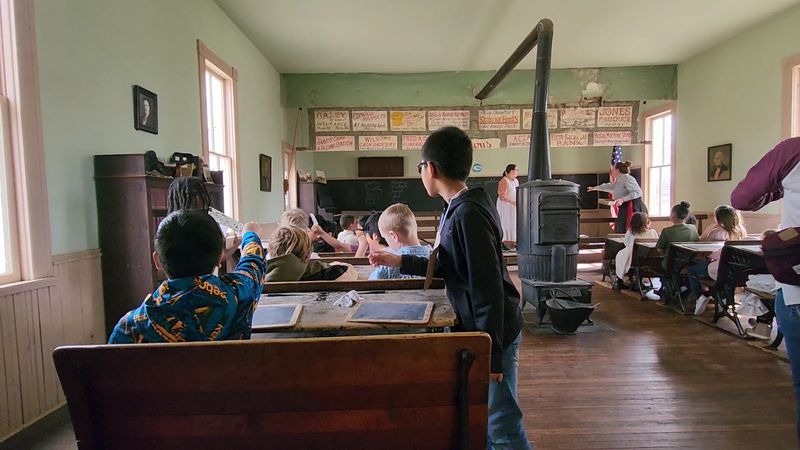
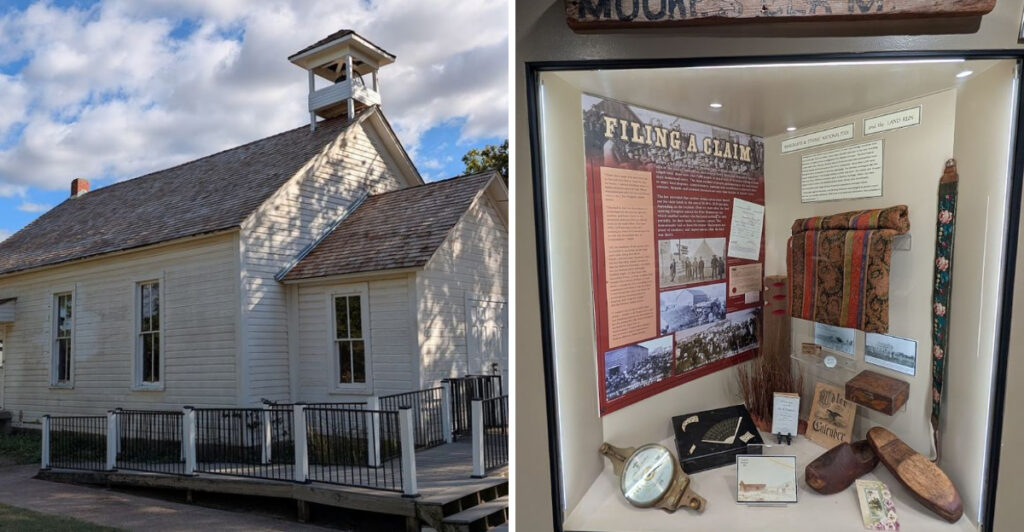
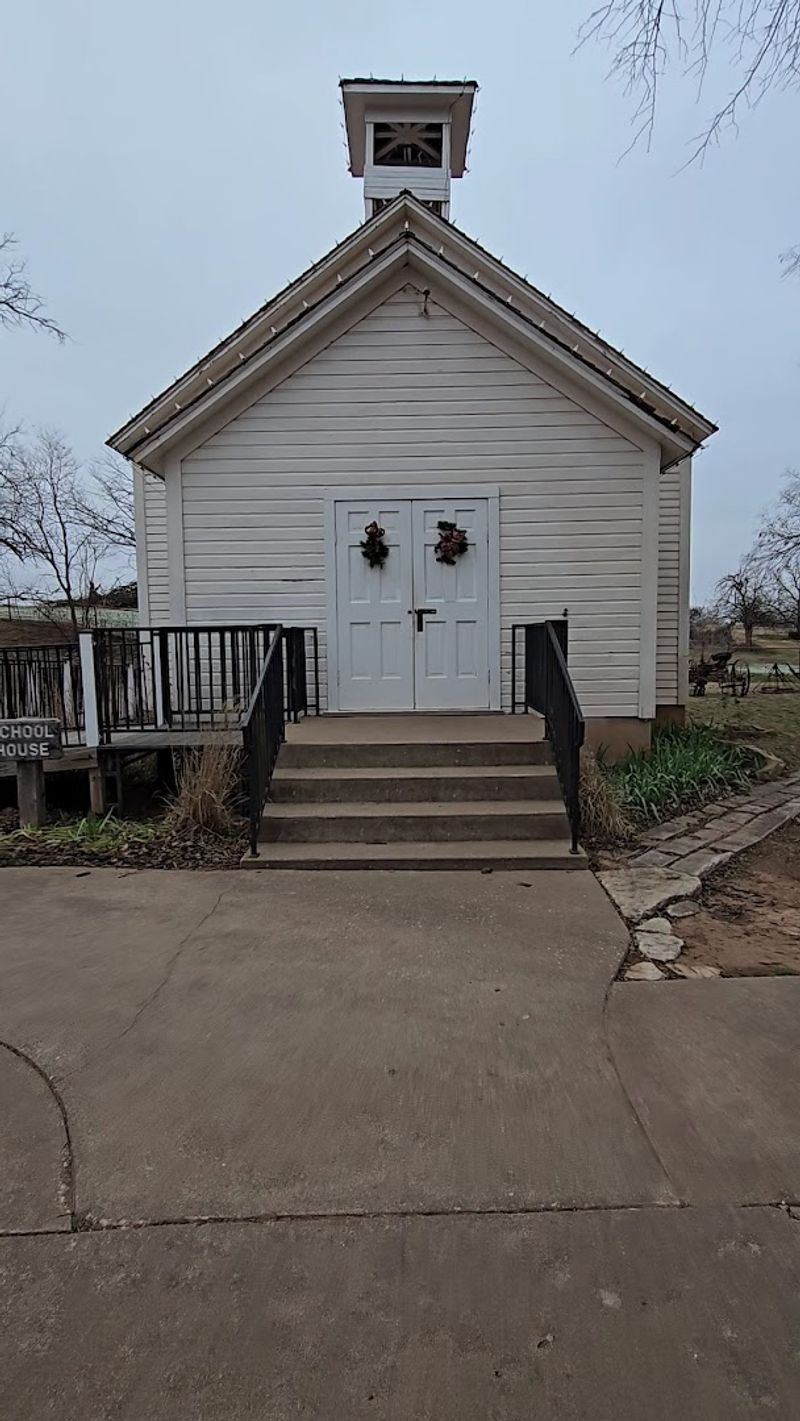
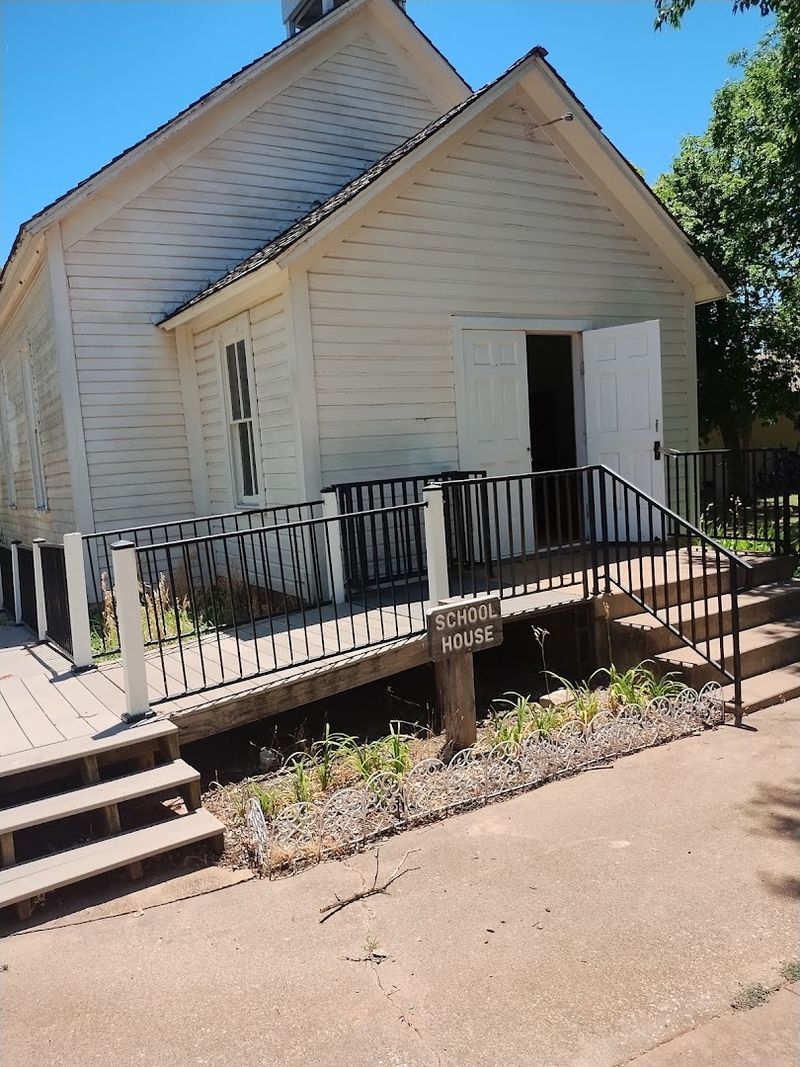
Few experiences at the museum match the Rose Hill Schoolhouse for sheer time-travel effect. This one-room schoolhouse on the museum grounds is not just a static display.
It is an active living history site where a costumed teacher leads students through a mock school day that mirrors what education looked like in the late 1800s.
Homeschool groups, public school classes, and family visitors have all taken part in the program, and the feedback is consistently enthusiastic. Children aged 8 to 13 tend to respond especially well, partly because the experience asks them to follow strict 19th-century classroom rules, which turns out to be both hilarious and genuinely eye-opening.
The teacher who runs the program is deeply knowledgeable about the era and keeps the session engaging without ever losing the historical thread. Kids come away understanding that frontier education was not gentle or forgiving, and that the privilege of learning was something earlier generations had to fight for.
The old playground equipment outside the schoolhouse, including a classic merry-go-round, adds a playful bonus that even teenagers seem to enjoy more than they expect.
Objects With Unusual Energy
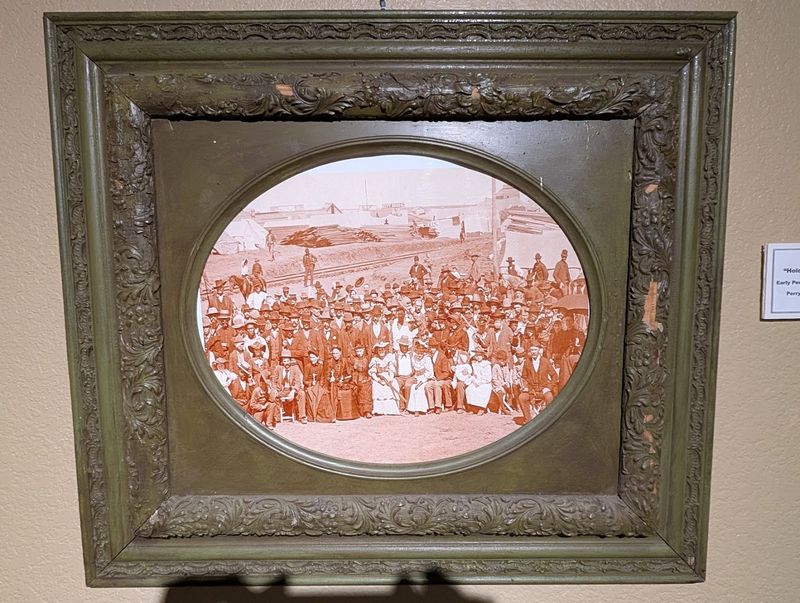
Every old museum has objects that carry a certain weight, but some of the items inside the Cherokee Strip Museum seem to carry something extra. Visitors have described specific display cases with a quiet unease, the kind that makes you step back without fully knowing why.
Old photographs are particularly powerful in this space. The faces staring out from sepia-toned portraits belonged to real people who lived through extraordinary hardship, and the museum does not sanitize that reality.
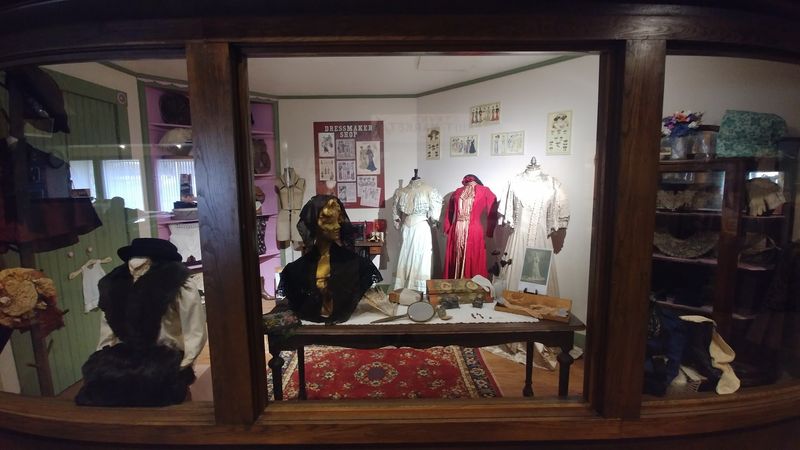
Personal items, clothing, tools, and letters from the land run era are displayed with care and context, but also with an honesty that can feel startling.
Whether or not you believe in residual energy or haunted objects, there is something undeniably affecting about holding your gaze on a child’s shoe from 1893 or a handwritten note from a settler who never made it through their first Oklahoma winter. The museum treats these objects with respect rather than spectacle, which somehow makes their presence even more powerful.
You leave thinking about specific things you saw rather than the collection as a whole.
The Sonic Exhibit and Other Surprising Local Legacies
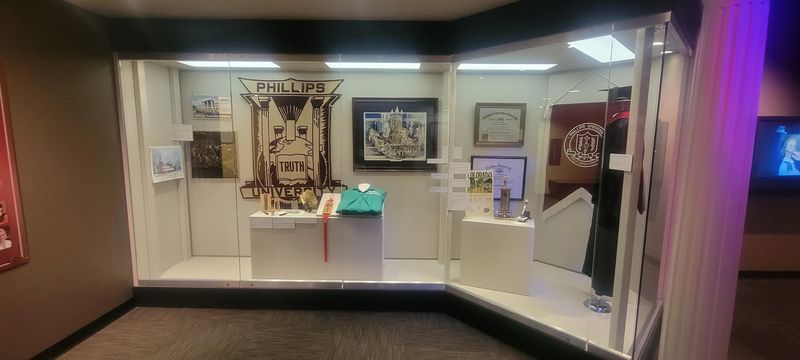
Not everything at the Cherokee Strip Museum deals in frontier hardship and eerie atmospheres. One of the more delightful surprises waiting inside is a dedicated exhibit about Sonic Drive-In, the beloved fast food chain that traces its roots directly to Oklahoma.
Young visitors, including kids as young as six and eight, have lit up at this display, recognizing the brand they know from their own lives while suddenly understanding it as something with a real local origin story. That connection between the familiar and the historical is one of the museum’s quiet strengths throughout.
The museum does an excellent job of weaving together multiple layers of Oklahoma identity, from the dramatic and the tragic to the quirky and the commercial. The Sonic exhibit sits comfortably alongside exhibits about early farming, local industry, and frontier-era economics without feeling out of place.
It is a reminder that regional history is not just about wars and land disputes. It is also about the small businesses, inventions, and everyday innovations that shaped how people actually lived and ate and gathered.
This exhibit earns genuine smiles every single time.
Farming Equipment, Blacksmithing, and Outdoor Exhibits
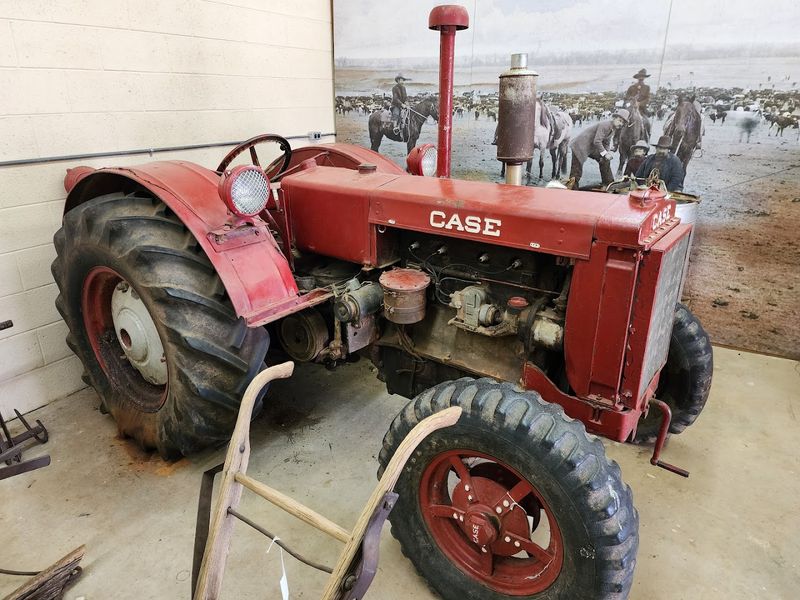
The outdoor section of the Cherokee Strip Museum grounds is where the experience really opens up, both physically and historically. Spread across a generous green space behind the main building, you will find vintage farming equipment, agricultural tools, and structures that give a tangible sense of the labor required to turn raw Oklahoma land into functioning homesteads.
A working blacksmith exhibition is also part of the property, though you will want to call ahead or check the museum’s social media to confirm when the blacksmith is actively demonstrating. Watching a skilled craftsperson work iron at a forge is one of those experiences that connects you to the past in a way no exhibit panel ever quite manages.
The open area between the main museum building and the schoolhouse is shaded by mature trees and makes a genuinely pleasant spot for a picnic. Families regularly spread out blankets here, letting younger kids run around the old playground equipment while adults take in the surroundings at a slower pace.
The whole outdoor section has a relaxed, unhurried energy that feels like a genuine breath of fresh air compared to the more contained indoor exhibits.
A Church, a Schoolhouse, and a Frontier Neighborhood
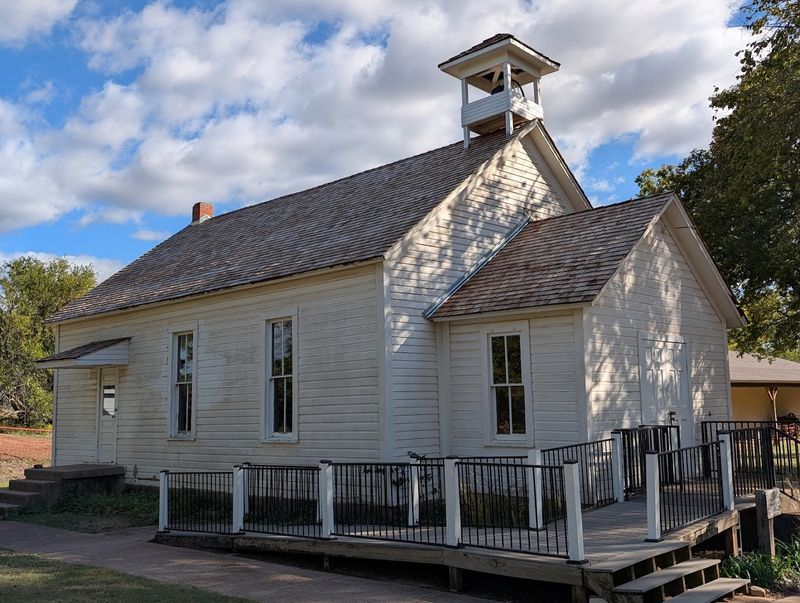
Beyond the haunted house and the Rose Hill Schoolhouse, the museum grounds include a historic church that completes the picture of what an early Oklahoma frontier community actually looked like. These three structures together form something close to a miniature 19th-century neighborhood, and walking among them gives you a spatial understanding of community life that no indoor exhibit can replicate.
The church is small and spare, with plain wooden benches and simple windows that let in soft, even light. There is nothing ornate about it, which is precisely the point.
Faith in early frontier Oklahoma was not about grandeur. It was about gathering in whatever space you had and holding your community together through seasons that were frequently brutal.
Standing in this cluster of historic buildings, you start to understand the emotional texture of life in this region during the late 1800s. The distances between neighbors, the reliance on shared institutions, and the vulnerability of everyone who staked a claim here all become more real.
The museum has preserved these structures not as curiosities but as evidence, and that distinction matters more than most visitors initially realize when they first arrive on the grounds.
Practical Tips for Your Visit
The Cherokee Strip Museum is open Tuesday through Friday from 9 AM to 5 PM, and on Saturdays from 10 AM to 4 PM. The museum is closed on Sundays and Mondays, so plan your visit accordingly.
A few reviews mention arriving and finding the doors unexpectedly closed, so calling ahead at (580) 336-2405 is genuinely worth doing, especially if you are traveling a significant distance.
Veterans receive free admission, which is a meaningful gesture that the museum has maintained as a point of pride. Admission is reasonably priced for everyone else, and the gift shop follows the same philosophy, offering items at prices that feel fair rather than inflated.
Groups, especially school and homeschool groups, should book in advance to secure a spot in the Rose Hill Schoolhouse program. The experience is structured and time-specific, and walk-ins may miss out if slots are already filled.
The museum sits right off Interstate 35 and is directly across from a Braum’s, making it easy to build into a road trip without major detours. Parking is free, the grounds are open even when the building is not, and the staff consistently goes above and beyond to make every visit feel worthwhile.
Why This Museum Deserves a Spot on Your Oklahoma Road Trip
Small museums in small towns sometimes feel like they are trying too hard to justify their existence. The Cherokee Strip Museum in Perry, Oklahoma never gives that impression.
Every exhibit, every outdoor structure, and every staff interaction feels rooted in genuine local pride rather than performance.
The combination of serious history, living educational programs, mysterious old buildings, and unexpected exhibits like the Sonic display makes this place genuinely hard to categorize. It is a history museum, yes, but it is also a community memory project, a paranormal curiosity, and a surprisingly fun family outing all rolled into one compact property.
Oklahoma has no shortage of history worth preserving, and this museum takes its responsibility seriously without becoming dry or inaccessible. The stories here, from the thundering chaos of the 1893 land run to the quiet creaks of a century-old homestead, deserve to be heard by more people than currently make the trip.
If your route ever takes you through north-central Oklahoma, the exit for Perry is one you will not regret taking. The museum may be small, but the impression it leaves is anything but.
Share this story