In 1963, folk music became more than background entertainment. It became a soundtrack for a country wrestling with civil rights, political tension, and rapid cultural change.
Across coffeehouses, college campuses, and protest marches, folk singers were writing songs that reflected what millions of Americans were feeling but struggling to put into words.
Some of these songs challenged injustice directly, while others focused on heartbreak, uncertainty, and the quiet anxieties of everyday life. Together, they captured a pivotal moment in American history with an honesty that still resonates decades later.
This collection looks back at the folk songs that helped define 1963 and the artists who turned simple acoustic music into something far more powerful.
1. A Hard Rain’s A-Gonna Fall by Bob Dylan
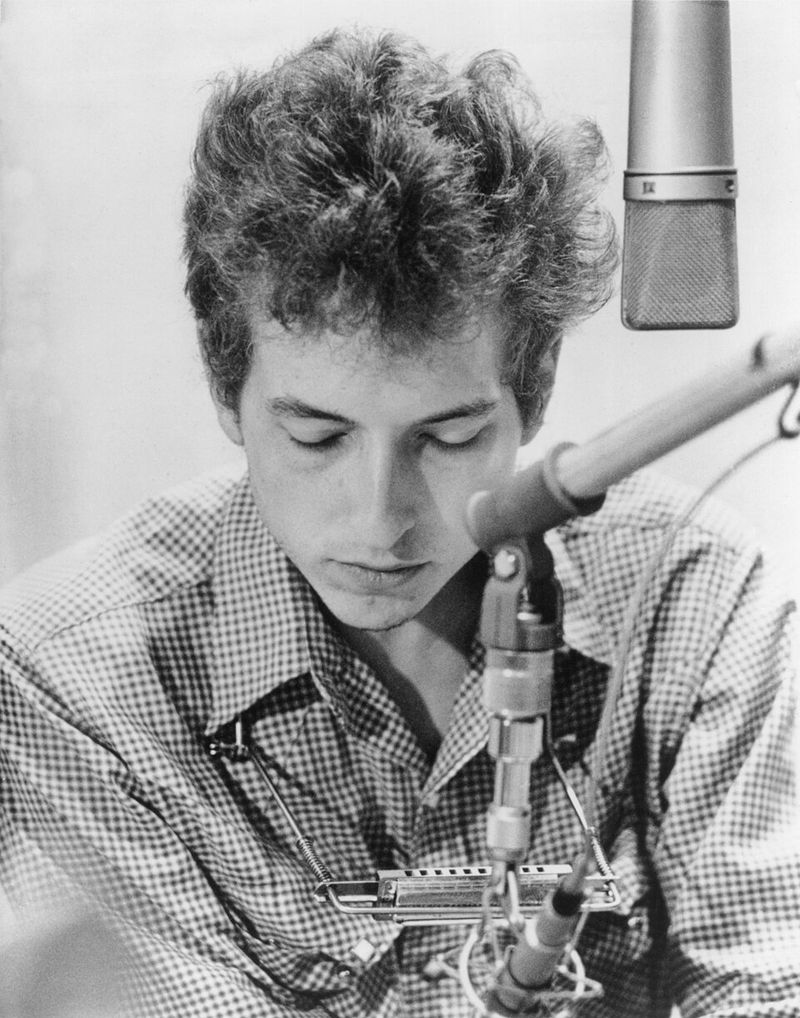
Written in the shadow of the Cuban Missile Crisis and released on The Freewheelin’ Bob Dylan in 1963, this song stood apart from nearly everything else in the folk catalogue at the time. Its structure borrowed from old Scottish and English ballads, but the imagery was rooted firmly in mid-century American anxiety.
Dylan reportedly wrote it quickly in 1962, drawing on the traditional question-and-answer format of older folk songs while filling it with surreal, layered imagery that critics and scholars have debated ever since. The song clocked in at over six minutes, which was unusual for any genre at the time, let alone folk music.
Its ambition signaled that Dylan was not interested in writing simple topical songs. He was building something more literary and lasting, and listeners in 1963 recognized that almost immediately.
The song became one of his most critically celebrated early works.
2. Don’t Think Twice, It’s All Right by Bob Dylan
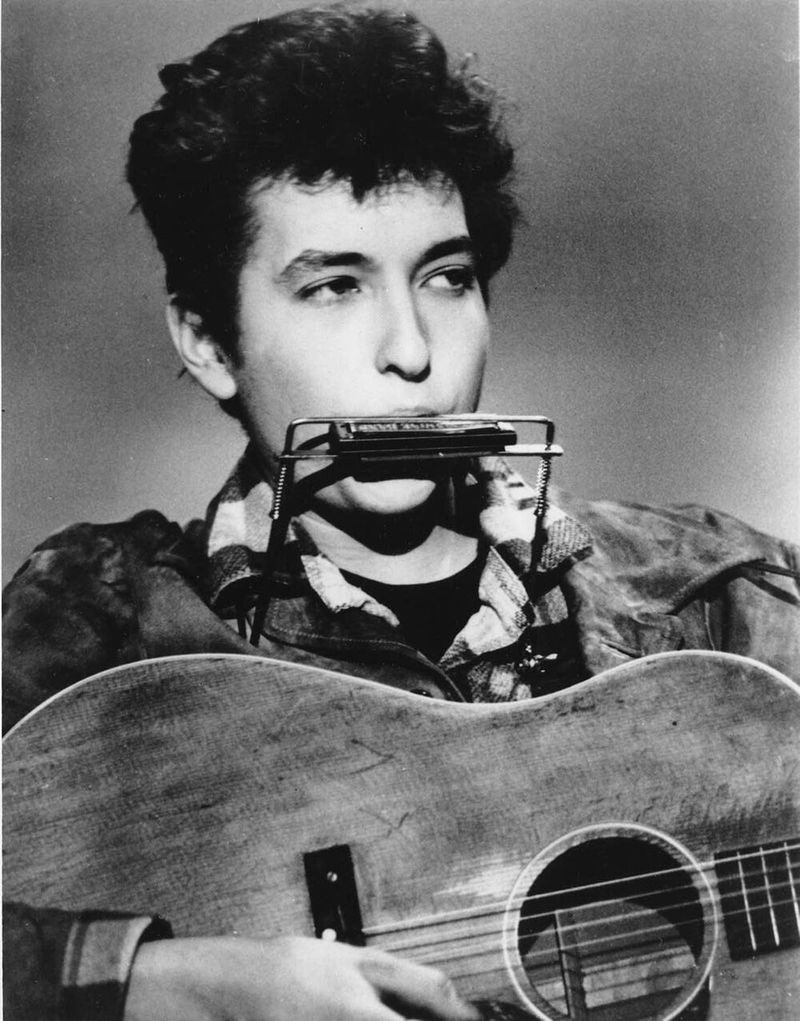
By the time this song reached coffeehouses and college dorm rooms in 1963, it had already earned a reputation as one of the sharpest breakup songs ever written in the folk tradition. Dylan released it on The Freewheelin’ Bob Dylan, and Joan Baez covered it on her album In Concert, Part 2 the same year.
Baez’s version featured only her voice and acoustic guitar, stripping the song down to its emotional core. Music critics noted how her rendition bridged the older folk tradition with the newer, more personal songwriting style that Dylan was developing.
The song’s conversational tone felt unlike anything that had come before in mainstream folk music. It was not a protest song or a traditional ballad; it was something closer to a frank, unsentimental letter.
That honesty made it a staple of the 1963 folk scene and a benchmark for personal songwriting for years afterward.
3. Green, Green by The New Christy Minstrels
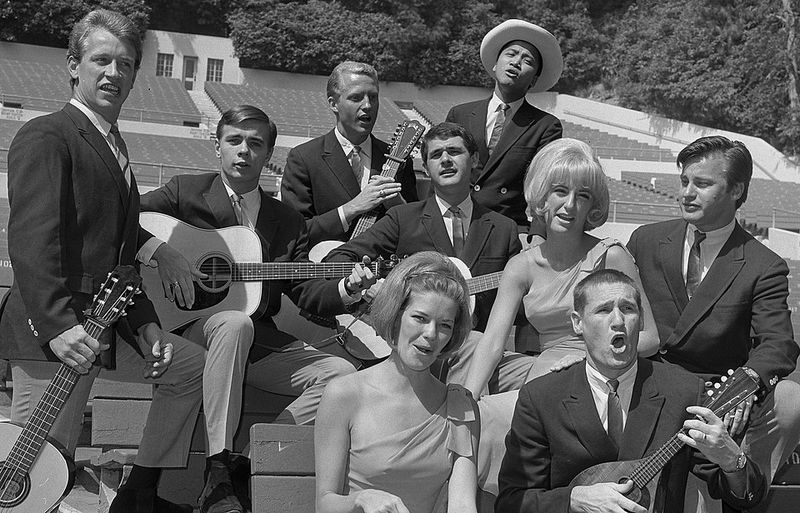
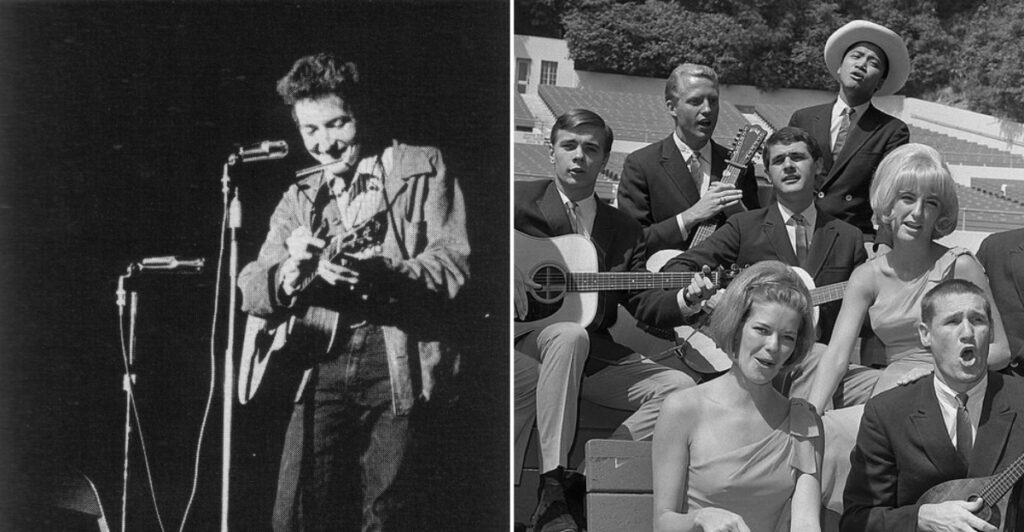
Released in 1963, this song gave the folk revival one of its most upbeat and radio-friendly moments of the entire decade. The New Christy Minstrels were a large ensemble group, sometimes featuring up to ten members, and their polished harmonies gave folk music a commercial sheen that appealed to mainstream audiences.
The song celebrated freedom of movement and youthful restlessness, themes that resonated strongly with young Americans in 1963 who were questioning the expectations of suburban life. It climbed the pop charts and helped establish the group as one of the most commercially successful folk acts of the era.
The New Christy Minstrels operated differently from the more politically engaged folk artists of the time. Their approach was deliberately accessible, favoring optimism over protest.
That strategy worked remarkably well in 1963, when audiences wanted both the authenticity of folk music and the comfort of an upbeat melody they could easily sing along with.
4. Blowin’ in the Wind by Bob Dylan
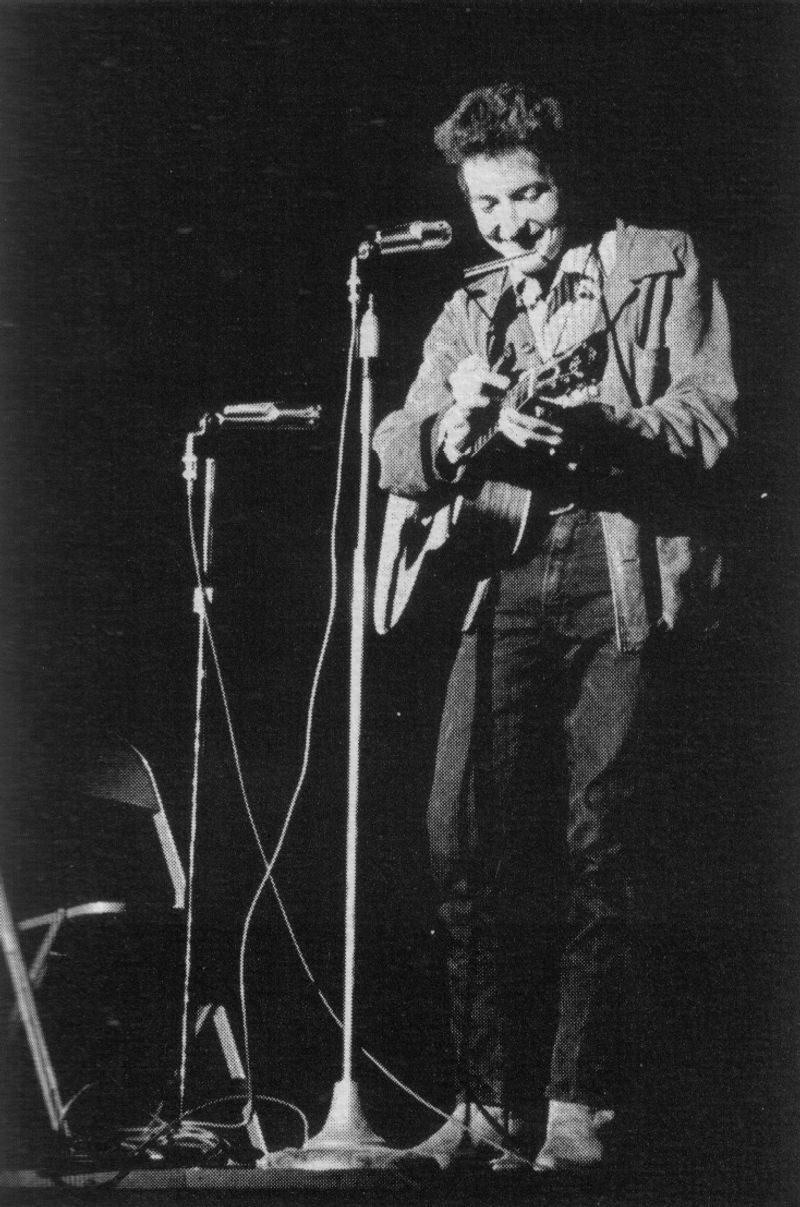
Few songs in American history have packed so many unanswered questions into such a short amount of time. Released on The Freewheelin’ Bob Dylan in May 1963, the song immediately became a centerpiece of the folk revival and a rallying point for the civil rights movement.
Peter, Paul and Mary recorded a cover version that same year, and their rendition climbed the pop charts, introducing Dylan’s writing to millions of listeners who had never set foot in a Greenwich Village coffeehouse. The trio performed it live at the March on Washington in August 1963, in front of roughly 300,000 people.
Dylan wrote the song in just ten minutes, reportedly inspired by a conversation with another folk musician. Its plainspoken structure made it feel less like a protest anthem and more like a genuine, open-ended conversation about justice and human dignity that anyone could join.
5. 500 Miles by Peter, Paul and Mary
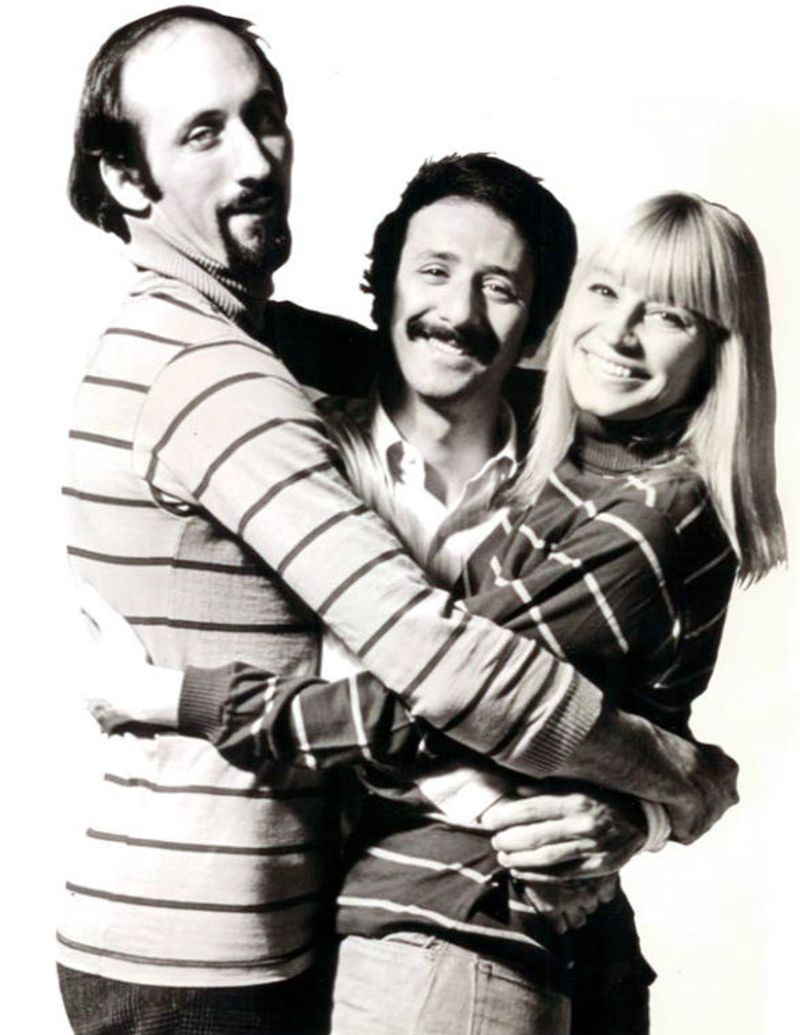
Originally written and recorded by Hedy West, this song found its widest audience through Peter, Paul and Mary’s warm, carefully arranged version, which appeared during their hugely productive period in the early 1960s. The song’s subject is simple but emotionally direct: a person stranded far from home without the means to return.
That theme of distance and displacement connected immediately with a generation of young Americans who had moved away from their hometowns for college, work, or military service. The song did not demand anything politically; it simply described a feeling that many people recognized from their own lives.
Peter, Paul and Mary were skilled at selecting songs that felt both personal and universal, and this one demonstrated that talent clearly. Their vocal blend gave the melody a steadiness that made the loneliness in the lyrics feel bearable rather than overwhelming.
It remains one of the most recognized folk songs of the entire decade.
6. Tell It on the Mountain by Peter, Paul and Mary
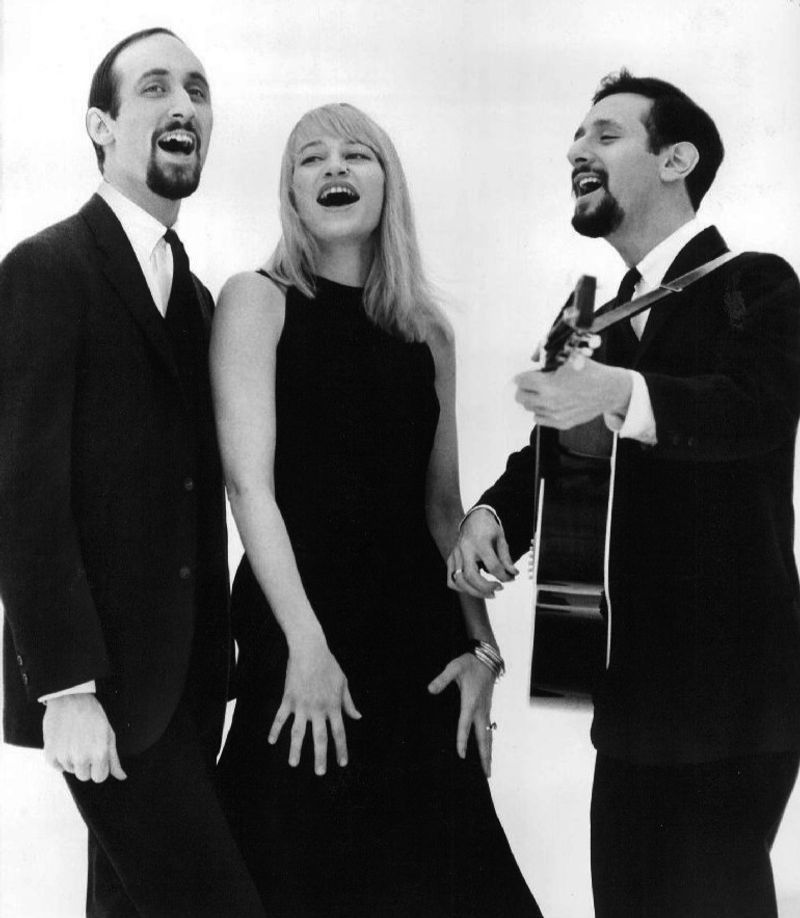
Peter, Paul and Mary released their version of this traditional gospel song during one of the most culturally significant years in American musical history. The trio’s interpretation brought the energy of older African American gospel traditions into the mainstream folk revival, introducing younger white audiences to a sound they may not have encountered before.
The original spiritual dates back generations, and by 1963 it had been recorded in many forms. Peter, Paul and Mary’s version leaned into the song’s celebratory spirit while keeping the arrangement acoustic and folk-rooted.
It appeared on their debut album, which had already become one of the best-selling folk records of the early 1960s.
Their willingness to draw on gospel, blues, and traditional American song forms gave their catalogue unusual range. At a time when folk music was often associated exclusively with protest, songs like this one reminded audiences that the tradition was actually much broader and more joyful than headlines suggested.
7. We Shall Overcome by Pete Seeger
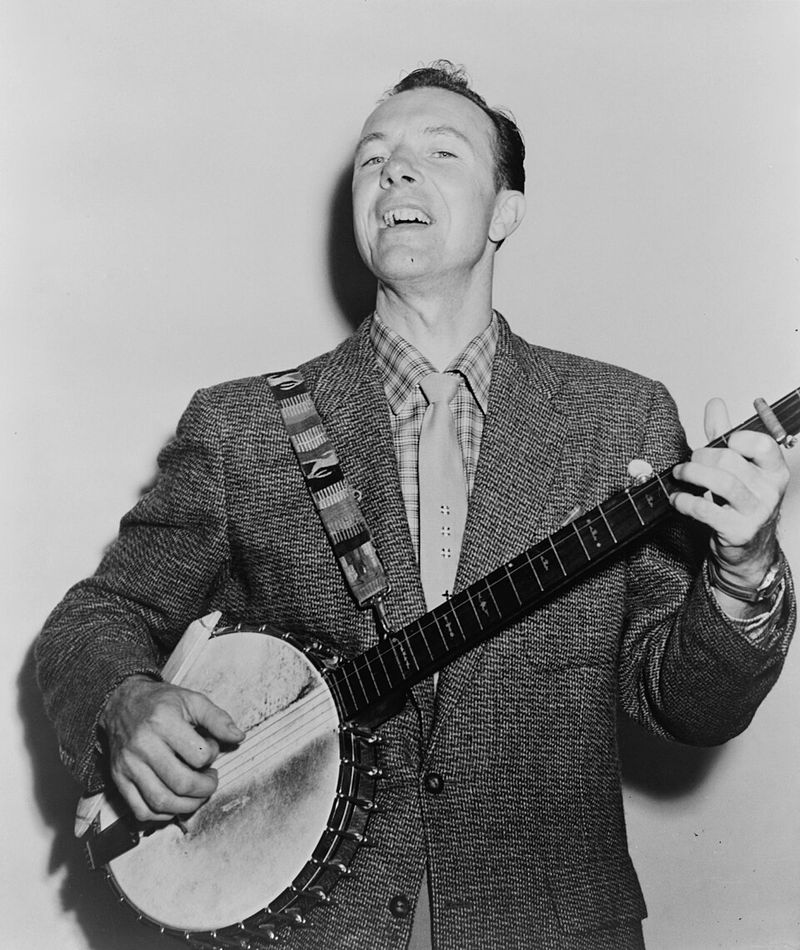
Pete Seeger had been performing this song for years before 1963, but that year it reached a new level of national significance. Rooted in older gospel and labor union traditions, the song became the defining anthem of the American civil rights movement, performed at marches, rallies, and church meetings across the country.
At the 1963 Newport Folk Festival, Seeger led a performance alongside Joan Baez, Bob Dylan, and The Freedom Singers that brought the entire audience to its feet. The song was also performed at the March on Washington that same summer, where Joan Baez led a crowd of roughly 300,000 in singing it together.
Seeger’s version, recorded for his 1963 album of the same name, documented the song’s role in one of the most consequential social movements in American history. Its slow, steady rhythm and simple, declarative lyrics made it accessible to anyone, regardless of musical background or political experience.
8. Blue by Joan Baez
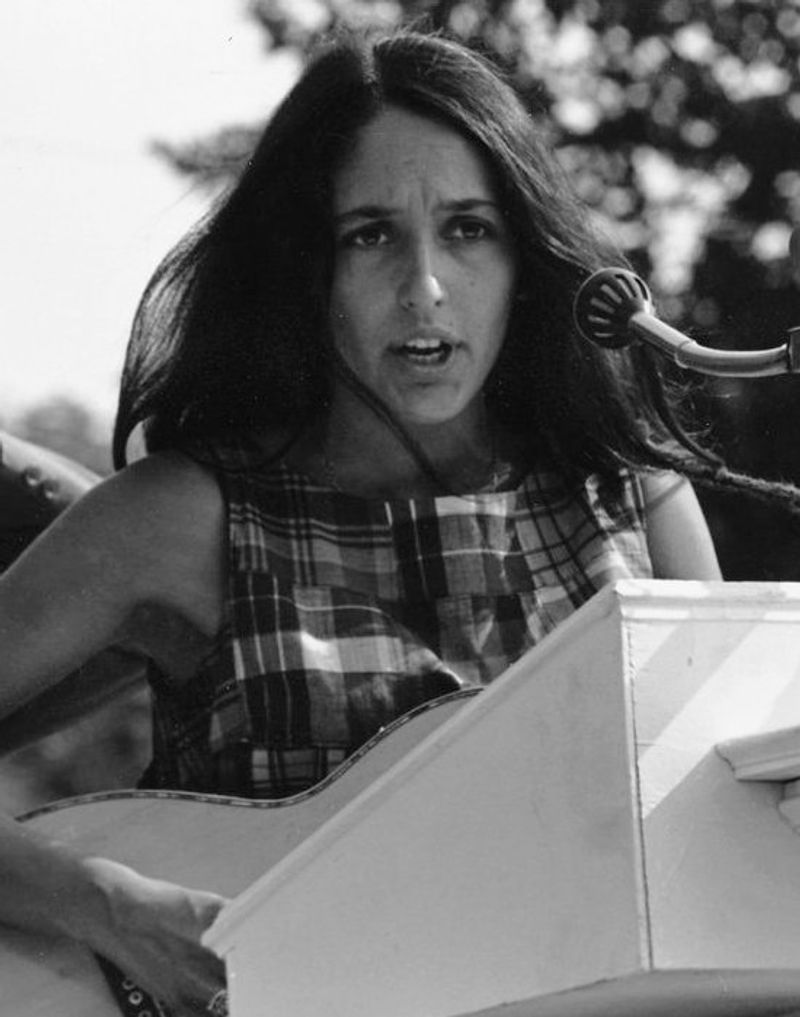
Joan Baez built her reputation on a combination of technical vocal precision and emotional directness, and this song showcased both qualities at their peak. Her performances in 1963 were drawing large crowds at colleges and concert halls, and her albums were among the best-selling folk records of the period.
Baez’s approach to folk music differed from Dylan’s in one significant way: where Dylan was rewriting the rules of songwriting, Baez was perfecting the art of interpretation. She could take a quiet, reflective song and give it a clarity that made every word land with unusual force.
Songs like this one reflected the introspective side of the 1963 folk scene, a counterbalance to the louder protest anthems that dominated headlines. Not every folk song of the year was marching toward something; some were simply sitting still with a feeling and letting it breathe, which was its own form of honesty.
9. Donna Donna by Joan Baez

Originally a Yiddish theater song written in the 1940s, this piece found a new audience in the early 1960s through Baez’s widely admired acoustic version. Her recording brought the song into the mainstream American folk scene, where its themes of confinement and the longing for freedom felt surprisingly relevant to 1963 audiences.
Baez’s popularity during this period was significant enough that any song she chose to record immediately gained cultural visibility. Her decision to include older, non-English material in her repertoire reflected a broader curiosity within the folk revival about music from outside the American mainstream.
The song’s gentle melody contrasted with its more serious philosophical underpinning, a tension that folk audiences of the era appreciated. By 1963, folk listeners had grown comfortable with music that operated on more than one level at once, and this song delivered exactly that kind of layered listening experience without requiring any prior knowledge of its origins.
10. Ramblin’ Boy by Tom Paxton
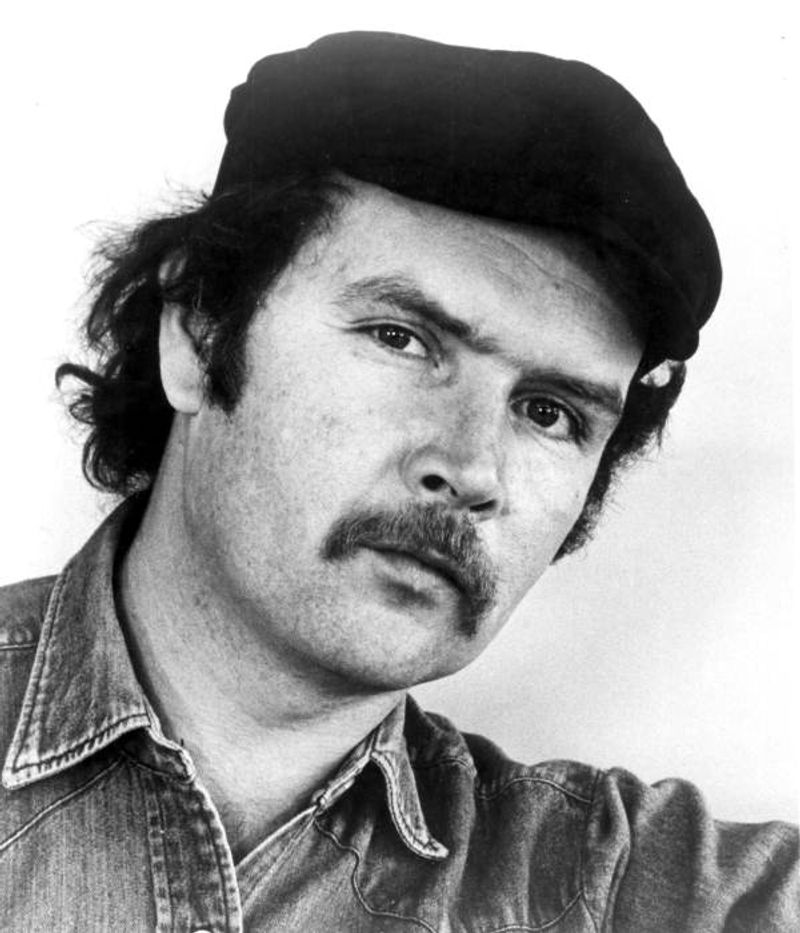
Tom Paxton was one of the most respected young songwriters to emerge from the Greenwich Village folk scene in the early 1960s, and this song helped establish his reputation as a serious voice in the movement. Released in 1963, it told the story of a wandering friendship with a warmth and specificity that set it apart from more abstract folk compositions.
Paxton’s writing style was grounded in narrative detail rather than rhetorical argument, which gave his songs a different texture than the more overtly political work of his contemporaries. He was interested in people and their particular circumstances, not just the broad social forces shaping them.
The song connected strongly with younger audiences who were themselves navigating new freedoms and uncertain futures. Its celebration of movement and companionship felt authentic rather than idealized, and Paxton’s straightforward delivery reinforced that quality.
He would go on to become one of the most enduring figures in American folk music over the following decades.
11. Pack Up Your Sorrows by Judy Collins
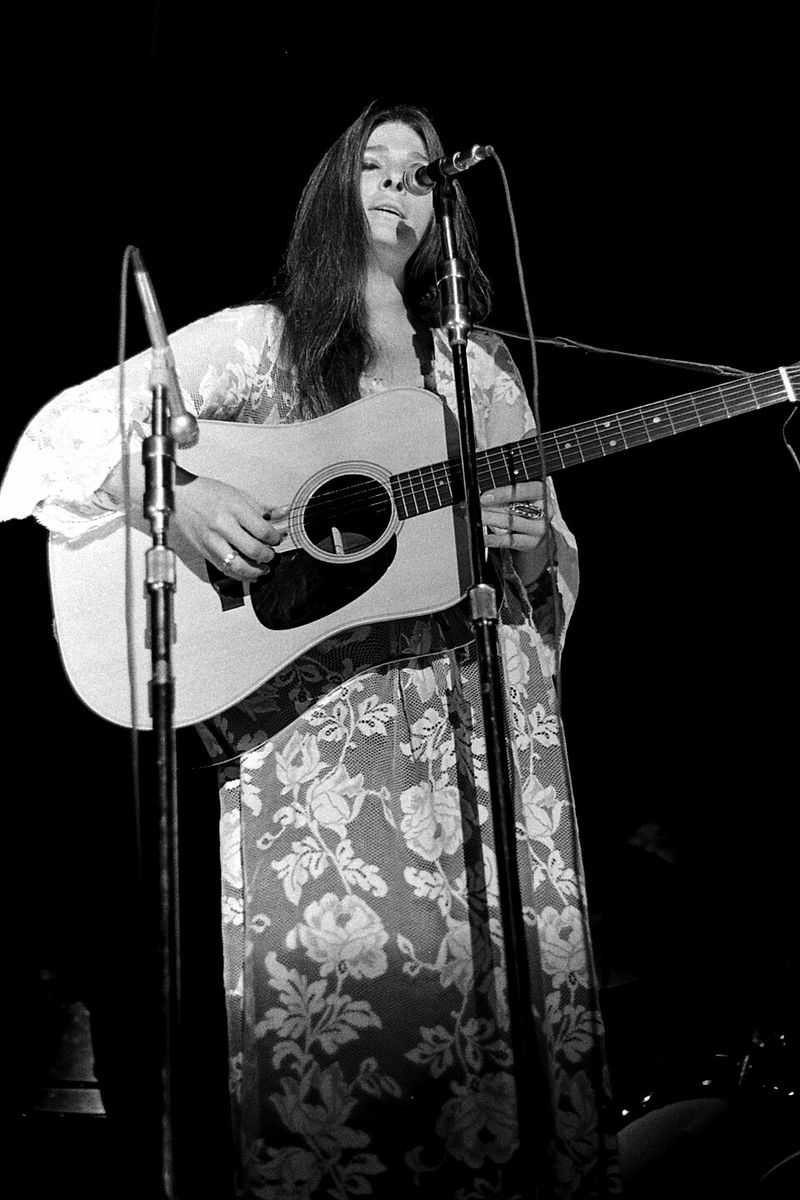
Judy Collins had a vocal quality that was immediately recognizable, precise and clear without ever feeling cold, and this song gave her one of her most memorable early showcases. Released in 1963, it offered listeners a kind of quiet reassurance that felt genuinely comforting rather than forced or sentimental.
Collins was developing a reputation for choosing material with unusual care, selecting songs that balanced emotional depth with melodic accessibility. Her 1963 recordings demonstrated a maturity that was notable for an artist still early in her career.
The folk scene of 1963 had many voices, but Collins occupied a distinct space within it. She was not primarily a protest singer or a topical songwriter; she was a performer who understood that folk music’s power often came from its ability to speak directly to private feelings.
Songs like this one proved that the genre had room for both the political rally and the quiet personal moment.
12. Detroit City by Bobby Bare
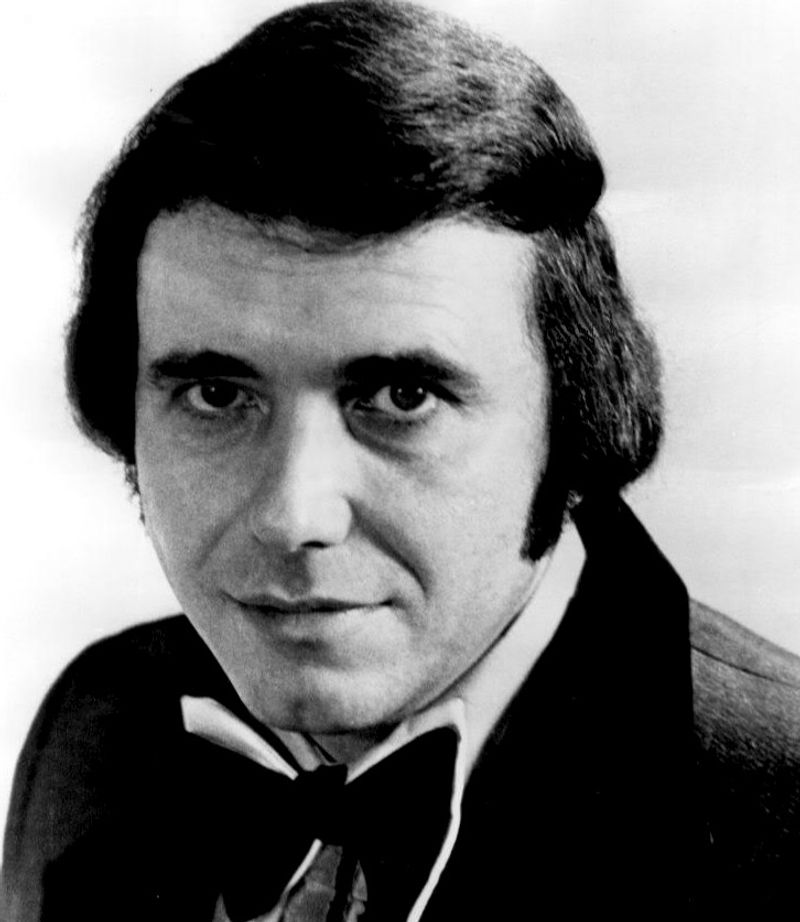
Bobby Bare recorded this song in 1963, and it immediately resonated with a specific slice of American experience that mainstream folk music rarely addressed directly. The song followed a young man who had left rural life behind for factory work in Detroit, only to find himself deeply homesick and disconnected from the city around him.
This story was not fictional for millions of Americans. The postwar decades had seen enormous migration from Southern and Appalachian communities toward industrial cities in the Midwest and Northeast.
Detroit, in particular, had drawn hundreds of thousands of workers to its automobile plants, and many of them felt exactly the kind of dislocation the song described.
The song won the Grammy Award for Best Country and Western Recording in 1964, but its themes placed it comfortably within the broader folk tradition of storytelling grounded in working-class reality. It demonstrated that the folk revival was happening across genre lines, not just in New York coffeehouses.
13. Long Black Veil by Johnny Cash
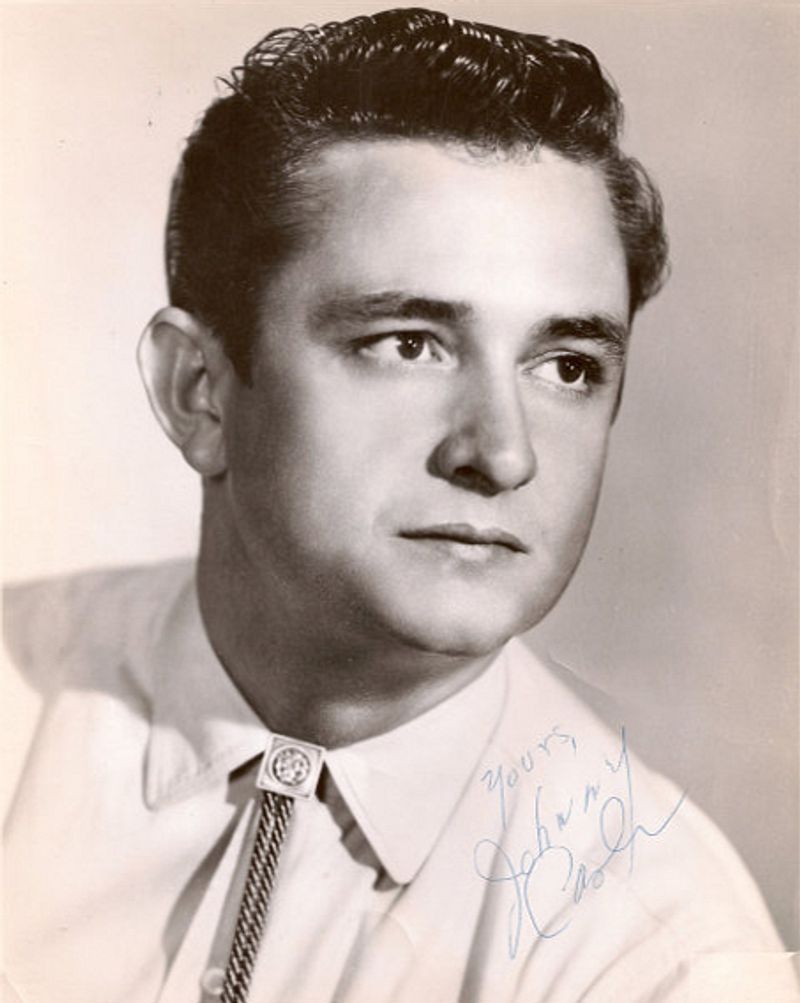
Johnny Cash recorded this folk-country ballad in 1963, adding his authoritative baritone to a song that had already proven its staying power since its original recording by Lefty Frizzell in 1959. The song’s plot centers on a man who refuses to provide an alibi that would save his life, because doing so would expose a secret he has chosen to protect.
Cash’s version leaned into the song’s moral weight without overdoing it. His delivery was measured and direct, letting the story carry itself rather than pushing for dramatic effect.
That restraint made the recording one of the most effective of his early career.
By 1963, Cash was already a major figure in American popular music, and his willingness to engage with folk material connected him to the broader revival happening across the country. The song’s themes of loyalty, secrecy, and consequence fit naturally into a year when Americans were grappling with serious questions about right and wrong on a national scale.
Share this story