Imagine spending your entire life on the ocean, sleeping on a wooden boat, fishing at dawn, and never having a place on land to call home. The Bajau people have done exactly this for hundreds of years, living across the waters of Southeast Asia in a way that most of us can barely imagine.
Known as the “Sea Nomads,” the Bajau are one of the most fascinating groups of people on Earth. Their story is one of survival, identity, and a deep connection to the sea that modern life has yet to fully erase.
Who Are the Bajau People?
Few cultures on Earth are as closely tied to the ocean as the Bajau. Originally from the southern Philippines, these sea nomads spread across maritime Southeast Asia, settling in parts of Malaysia, Indonesia, and the Philippines over many centuries.
They are sometimes called “Sea Gypsies” because of their nomadic lifestyle on the water.
The Bajau do not belong to a single nation. They traditionally had no land-based homeland, which made them stateless in the eyes of many governments.
This created challenges around citizenship, education, and healthcare that still affect many Bajau communities today.
Their population is estimated at around one million people spread across a wide stretch of ocean. Despite outside pressures, many Bajau still follow traditions passed down through generations, making them one of the most enduring sea-based cultures in the world.
Life Aboard Boats and Stilt Villages
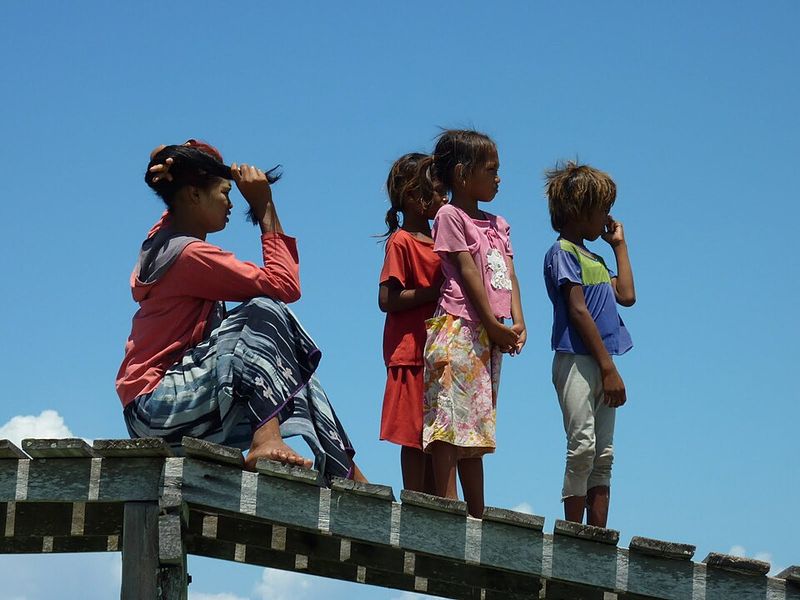
Picture waking up every morning to the sound of gentle waves beneath your floor. For many Bajau, that is everyday life.
Traditionally, families lived entirely on small wooden boats called lepa-lepa, which served as kitchen, bedroom, and living room all in one.
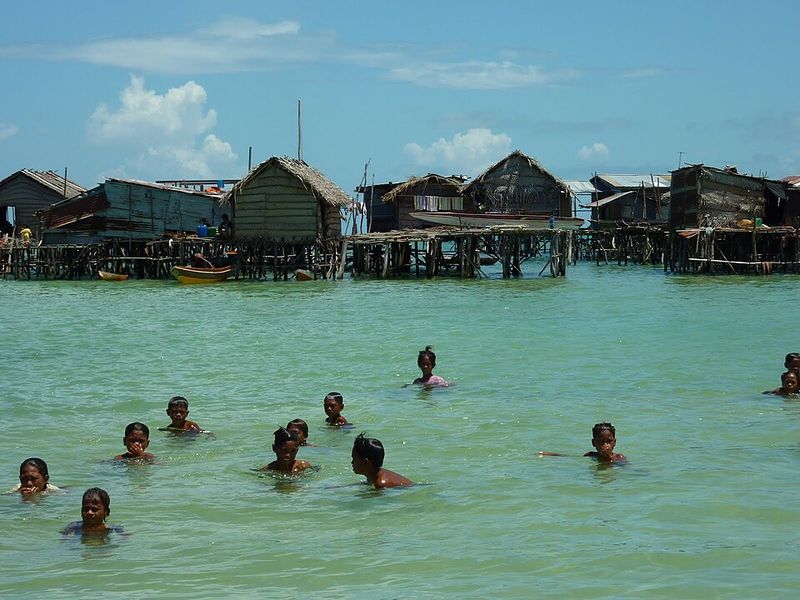
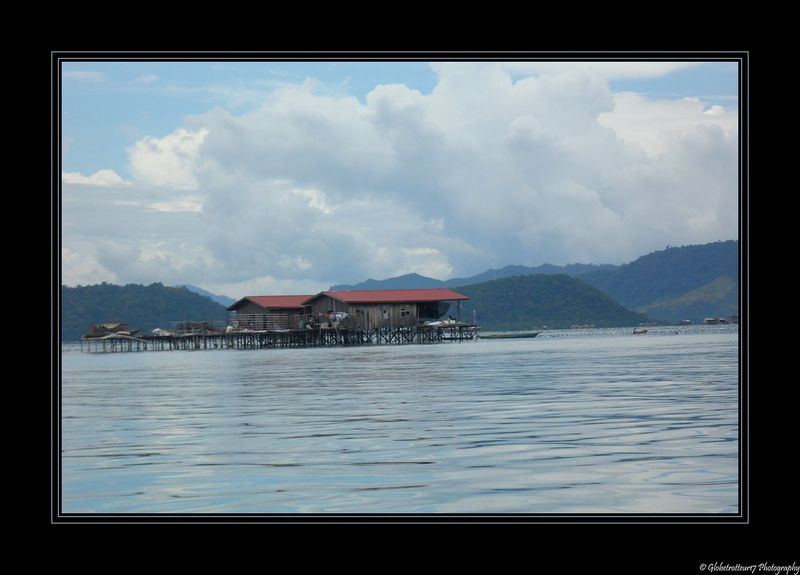
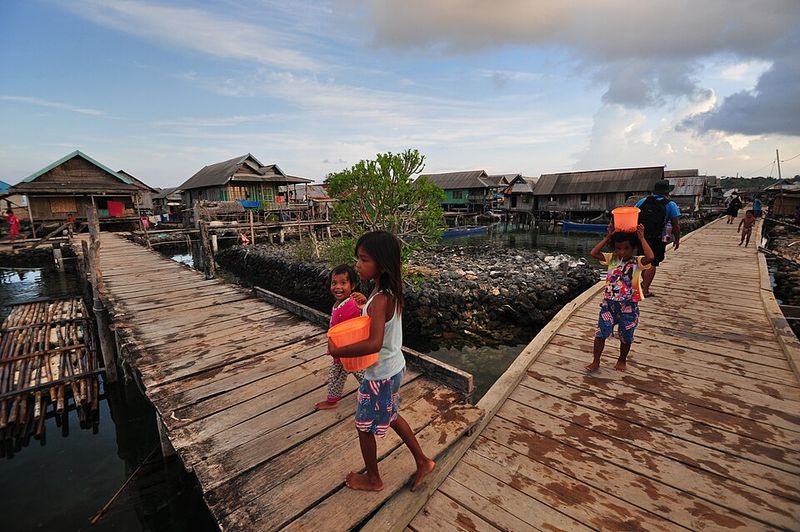
Over time, some Bajau communities built stilt houses directly over shallow coastal waters. These elevated wooden structures sit just above the sea surface and are connected by narrow wooden walkways.
Children grow up swimming before they can walk properly on land.
Life in these villages is highly communal. Families share resources, help each other repair boats, and celebrate together during fishing seasons.
The ocean is not just where they live; it is the center of their entire social world. Stilt villages like those found near Semporna, Malaysia, have become iconic images representing Bajau culture around the globe.
Superhuman Diving Abilities
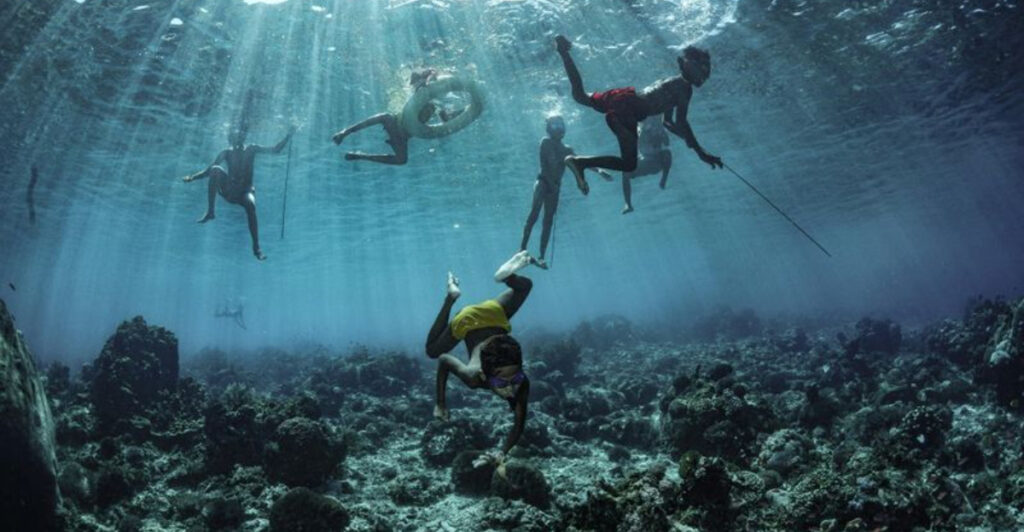
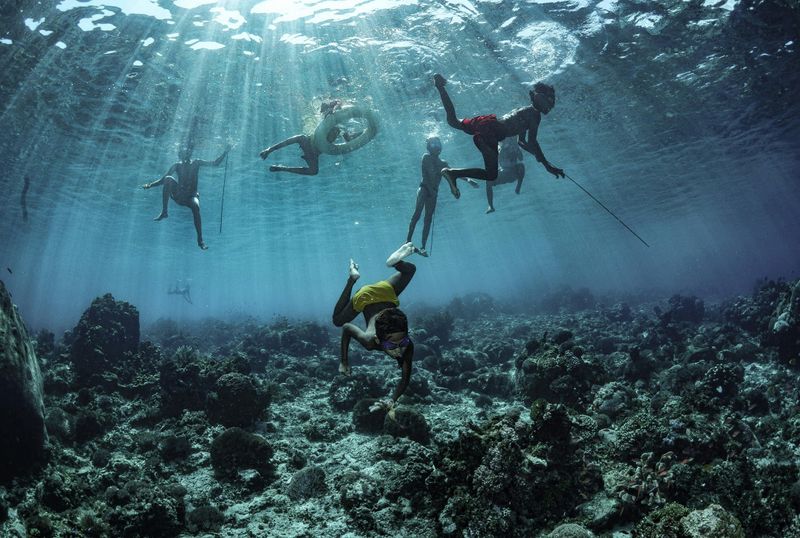
Here is something that sounds almost like a superpower: Bajau divers can hold their breath for up to 13 minutes and reach depths of around 60 meters on a single breath. Scientists who studied this ability were genuinely astonished by the results.
A 2018 study published in the journal Cell found that the Bajau have spleens significantly larger than those of neighboring land-based groups. The spleen stores oxygenated red blood cells, and a larger spleen means more oxygen available during a dive.
This appears to be a genetic adaptation developed over thousands of years of underwater hunting.
Bajau divers use wooden goggles and simple spears to hunt fish, octopus, and sea cucumbers. Some begin freediving as young children.
Their bodies have literally evolved alongside the sea, making them one of the most remarkable examples of human adaptation to a specific environment.
A Diet Built Entirely from the Sea
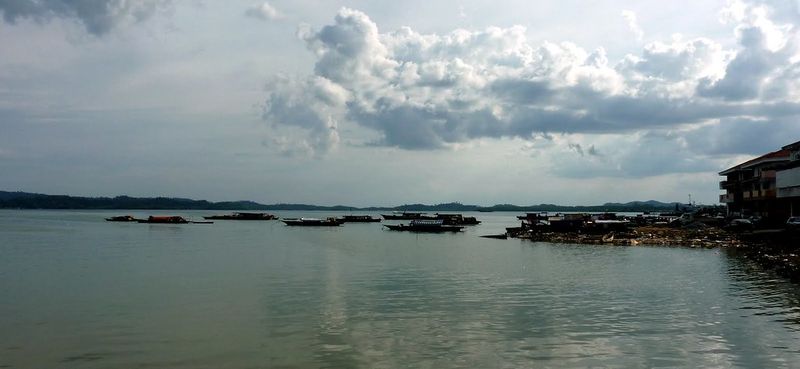
The Bajau diet is almost entirely seafood-based, which makes sense when your home is the ocean. Fish, sea cucumbers, octopus, shellfish, and various reef creatures make up the bulk of their meals.
They are expert fishers who understand ocean currents, tidal patterns, and fish behavior with impressive precision.
Traditional fishing methods include spearfishing, net fishing, and the use of fish traps made from woven bamboo. Some communities also practice a technique called blast fishing, though this is increasingly discouraged due to its damage to coral reefs.
Interestingly, some studies suggest the Bajau consume very little fresh water compared to land-based populations, relying more on the moisture found in raw fish. Their nutritional knowledge of marine life is remarkable.
Elders pass down information about which sea creatures are safe to eat, which are seasonal, and how to prepare them properly for the whole community.
Spiritual Beliefs and Connection to the Ocean
The Bajau have a deeply spiritual relationship with the sea. Many traditional communities believe that ocean spirits, called Omboh, govern the waters and must be respected through rituals and offerings.
Angering these spirits is believed to bring storms, illness, or poor fishing seasons.
Healing ceremonies called magpai baha’u are performed by shamans known as djinn. These ceremonies blend animist beliefs with influences from Islam, which spread through the region centuries ago.
Most Bajau today identify as Muslim, but traditional spiritual practices often coexist alongside Islamic faith in everyday life.
One of the most symbolic Bajau traditions is the belief that cutting ties with the sea brings bad luck. Some communities hold ceremonies when a new boat is built or when a child is born at sea.
The ocean is not just a place to live; it is treated as a living, spiritual presence that shapes every part of Bajau identity.
Statelessness and the Fight for Recognition
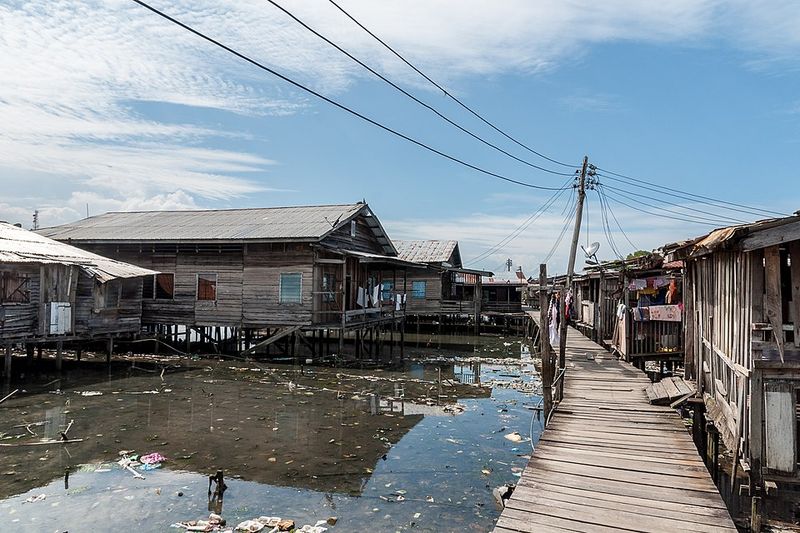
One of the hardest realities facing the Bajau is that many of them have no official citizenship. Because they traditionally moved across international waters between the Philippines, Malaysia, and Indonesia, they were never formally registered as citizens of any country.
This left entire generations without birth certificates, passports, or legal identity.
Without official documents, accessing schools, hospitals, and government services becomes extremely difficult. Children born on boats often have no legal proof of existence.
Human rights organizations have raised concerns about the Bajau being among the most marginalized communities in Southeast Asia.
Some governments have made efforts to register Bajau communities and offer basic services, but progress has been slow and uneven. Many Bajau feel caught between two worlds: the modern state system that excludes them and a traditional ocean lifestyle that is becoming harder to maintain.
Their struggle for recognition is a quiet but urgent human rights issue.
A Culture Under Threat in the Modern World
Climate change, overfishing, and coastal development are putting enormous pressure on Bajau communities. Rising sea levels threaten the shallow-water areas where their stilt villages are built.
Coral reef destruction reduces the fish populations they depend on for survival, making traditional fishing harder with each passing year.
Younger generations face a difficult choice. Many are moving to land-based cities in search of education and work, leaving behind the ocean lifestyle their ancestors lived for centuries.
As they integrate into modern society, traditional knowledge about the sea, boat-building, and freediving risks being lost forever.
Organizations and researchers are working to document Bajau culture before more of it disappears. Some communities are finding ways to blend tradition with modernity, such as eco-tourism ventures that share their ocean lifestyle with visitors.
The future of the Bajau depends on whether the world chooses to protect both their rights and the ocean they call home.
Share this story