History is full of powerful royal families who once ruled vast empires, only to fall apart in sudden and dramatic ways. From ancient Egypt to colonial-era Vietnam, these dynasties shaped entire civilizations before disappearing from the political map.
Some were brought down by conquests, others by betrayal, disease, or simply running out of heirs. Their stories remind us that even the mightiest rulers are not immune to the forces of time and change.
The Ptolemaic Dynasty (Egypt)
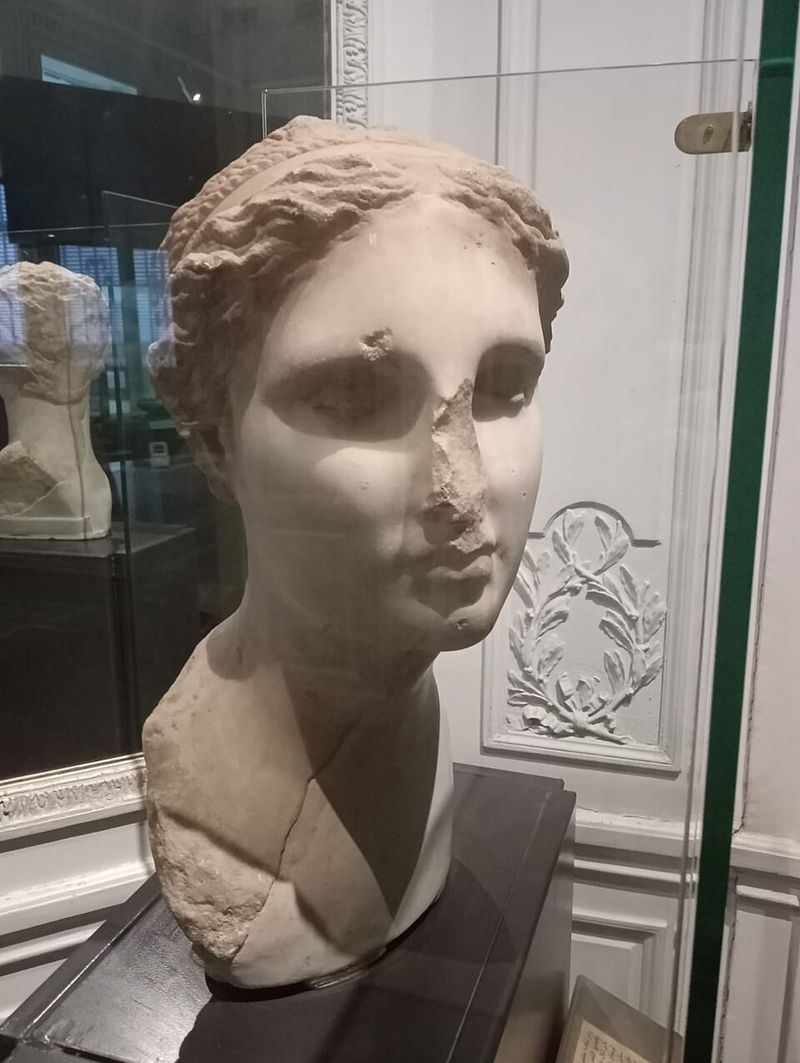
Few dynasties burned as brightly or ended as dramatically as the Ptolemaic rulers of Egypt. Founded by Ptolemy I after Alexander the Great’s death, this Greek royal house controlled Egypt for nearly 300 years, blending Greek and Egyptian culture in remarkable ways.
Cleopatra VII, the dynasty’s last ruler, was one of the most famous figures in all of ancient history. She famously allied with both Julius Caesar and Mark Antony in desperate attempts to keep her kingdom independent from Rome’s growing power.
When Rome finally conquered Egypt in 30 BCE, Cleopatra chose death over surrender, reportedly dying from a snake bite. Her death ended one of history’s most fascinating royal lines.
Egypt became a Roman province, and the Ptolemaic name vanished from the throne forever, closing three centuries of Greek-Egyptian rule with a single, unforgettable moment.
The Julio-Claudian Dynasty (Roman Empire)
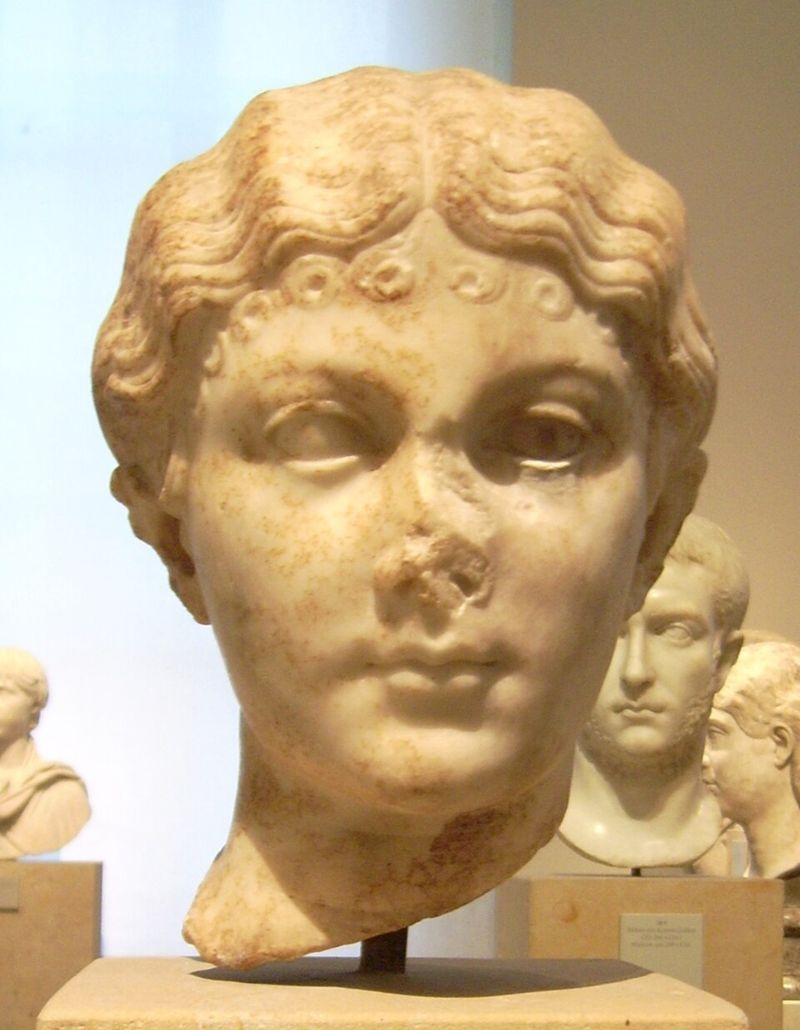
Rome’s first imperial dynasty reads almost like a cautionary tale about power, paranoia, and family dysfunction. The Julio-Claudians included some of history’s most memorable rulers: the wise Augustus, the brooding Tiberius, the erratic Caligula, the scholarly Claudius, and the infamous Nero.
Each emperor was more troubled than the last, and the dynasty’s reputation grew darker with each passing reign. Caligula’s violent cruelty and Nero’s erratic behavior shocked even the Romans, who were no strangers to political violence.
When Nero died in 68 CE without leaving an heir, the dynasty collapsed almost instantly. The Roman Senate declared him an enemy of the state, and he reportedly died by suicide while in hiding.
His death triggered a chaotic year of civil war known as the Year of the Four Emperors, proving just how fragile even the mightiest royal line could be.
The Merovingian Dynasty (Francia)
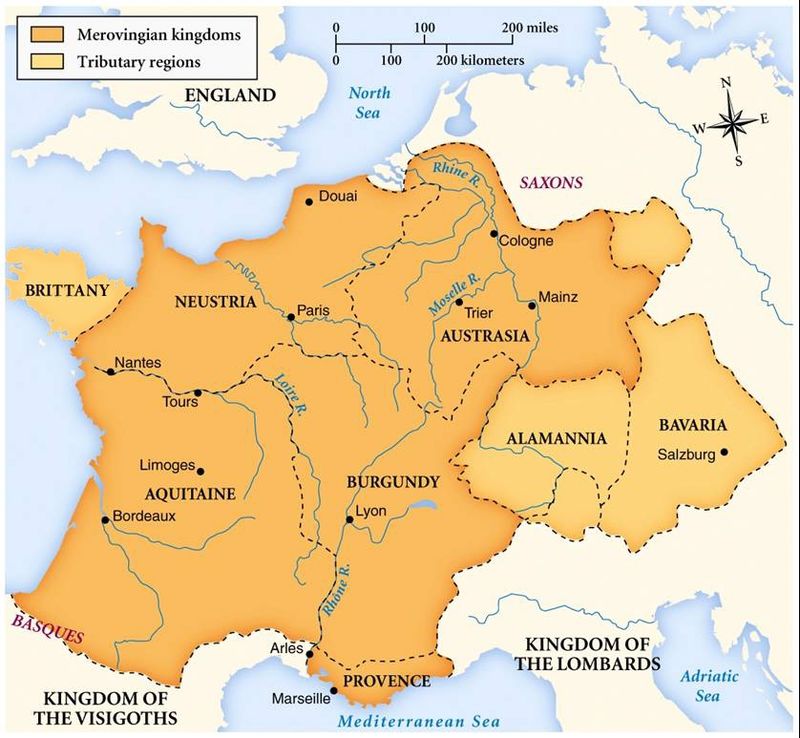
Long before France became France, the Merovingian kings ruled the Frankish lands with a fierce and legendary grip. They were the first great royal family to unite large parts of modern-day France and Germany, and their dynasty lasted from the 5th all the way to the 8th century.
Over time, however, real power slipped from the kings into the hands of court officials called “mayors of the palace.” The Merovingian kings became figureheads, earning the nickname “do-nothing kings” from later historians who saw them as rulers in name only.
The Carolingian family, led by Pepin the Short, finally removed the last Merovingian king, Childeric III, from the throne in 751 CE. Childeric was sent to a monastery, and the dynasty simply ceased to exist as a political force.
Their story is a reminder that holding a crown means little without actual power behind it.
The Sassanid Dynasty (Persia)
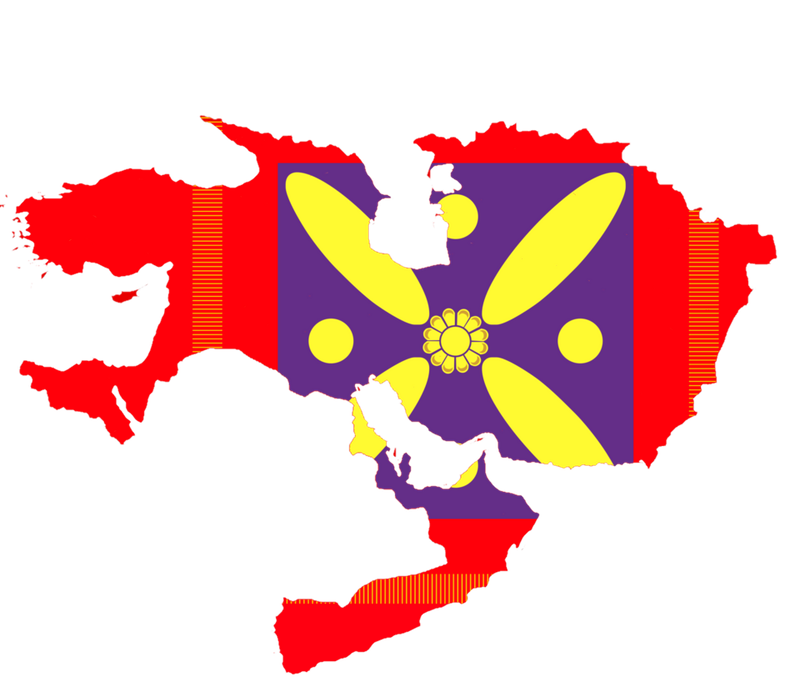
At its height, the Sassanid Empire was one of the most powerful and culturally rich civilizations in the entire ancient world. Ruling from 224 to 651 CE, the Sassanids controlled vast stretches of land from modern-day Iran to parts of Iraq, Syria, and Central Asia.
Their empire was a rival to Rome and later to the Byzantine Empire, and Sassanid art, architecture, and literature influenced cultures across the Middle East for centuries. They were proud rulers with a deep connection to Persian identity and Zoroastrian religion.
The Arab Muslim conquest in the 7th century shattered everything the Sassanids had built. The last emperor, Yazdegerd III, spent years fleeing from city to city before being murdered by his own people.
The dynasty vanished almost overnight, and Persia transformed into an Islamic state. It remains one of history’s most complete and sudden imperial collapses.
The Khwarazmian Dynasty (Central Asia)
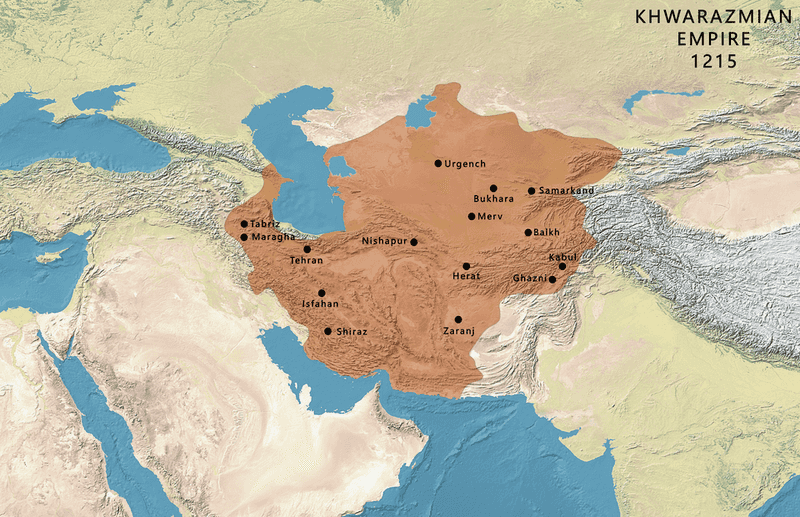
The Khwarazmian Empire once stretched across a huge swath of Central Asia and Persia, making it one of the most powerful Islamic kingdoms of the medieval world. At its peak, it controlled wealthy trade cities and commanded large armies that seemed nearly unstoppable.
Then came Genghis Khan. After a Khwarazmian governor made the catastrophic mistake of executing Mongol trade envoys, Genghis Khan launched a revenge campaign that became one of history’s most devastating military offensives.
City after city fell, and entire populations were wiped out.
The Khwarazmian Shah Muhammad II fled across his own empire before dying alone on an island in the Caspian Sea. His son Jalal ad-Din fought bravely but could not hold the dynasty together.
By the mid-13th century, the empire was completely destroyed. It stands as a stark example of how quickly even a mighty kingdom can crumble under the right enemy’s pressure.
The Hohenstaufen Dynasty (Holy Roman Empire)
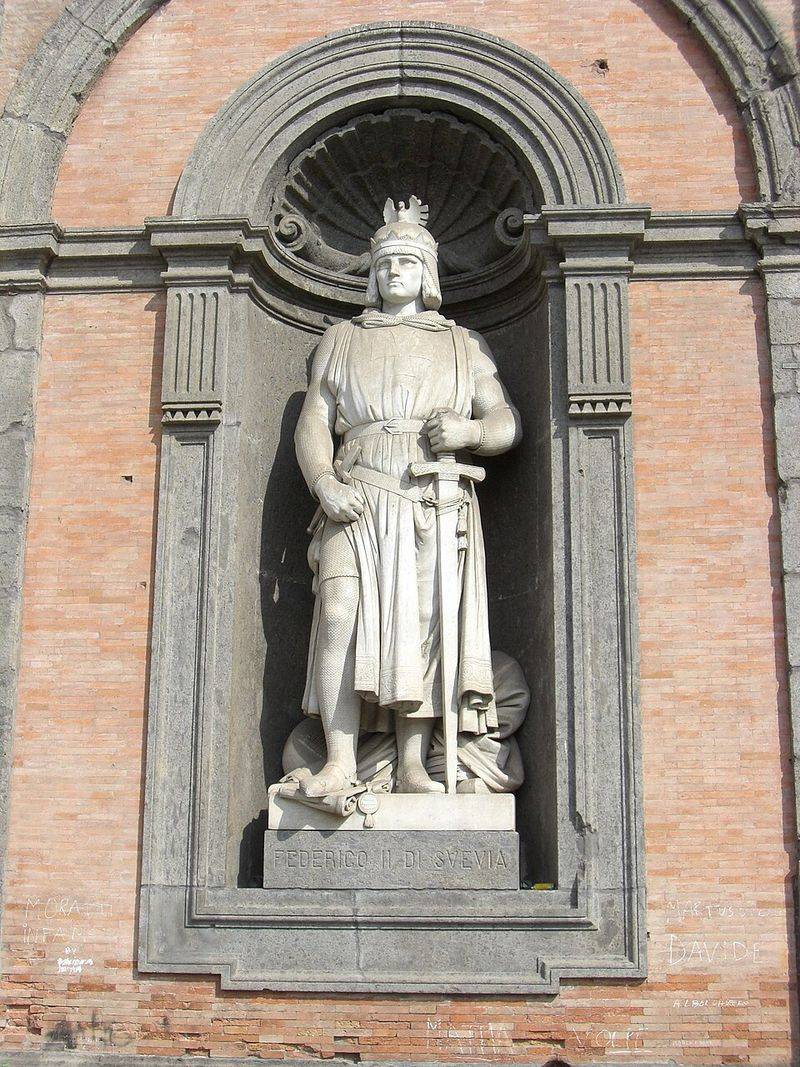
Medieval Germany produced many powerful ruling families, but the Hohenstaufens stood above most. They gave the Holy Roman Empire some of its most capable and ambitious rulers, including Frederick Barbarossa and his grandson Frederick II, who was called “the wonder of the world” by his admirers.
Their real downfall came from a brutal, decades-long conflict with the Catholic papacy. The popes feared the Hohenstaufens’ growing power and worked tirelessly to undermine them, supporting rival claimants and even calling crusades against them.
The dynasty’s end was swift and brutal. Conradin, the last Hohenstaufen heir, was captured and publicly executed in Naples in 1268 at just 16 years old.
His death marked the complete extinction of the male line. The political vacuum they left behind threw Germany into a long period of fragmentation, and their name faded from the pages of active royal history forever.
The Almohad Dynasty (North Africa and Spain)
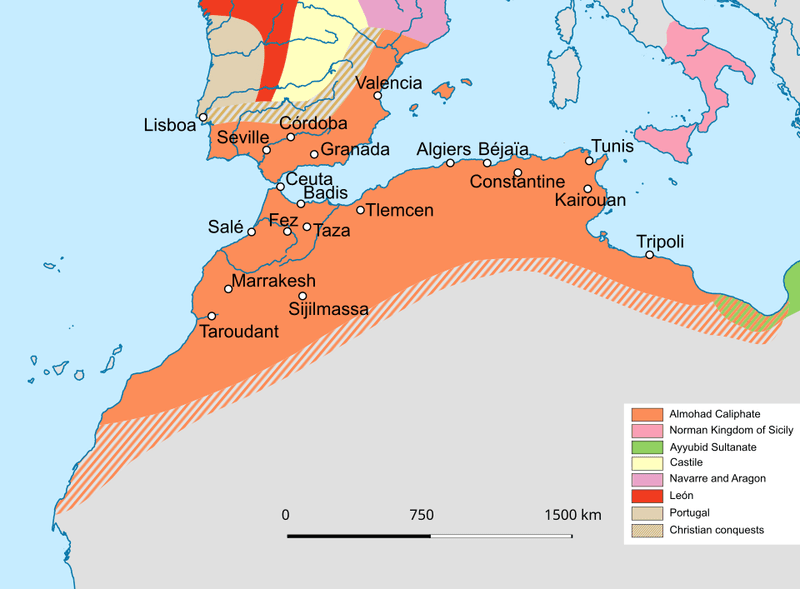
At their peak, the Almohads controlled one of the most impressive empires in the medieval Islamic world, stretching from Morocco all the way across the Strait of Gibraltar into Spain and Portugal. Their capital Marrakesh was a center of art, learning, and religious authority in the 12th century.
The Almohads were deeply religious reformers who believed in a strict interpretation of Islam. They unified North African Berber tribes and pushed back Christian kingdoms in Spain for several decades, making them a formidable force in medieval Mediterranean politics.
Their decline came from two directions at once. Christian kingdoms in Spain grew stronger and won key battles, most notably at Las Navas de Tolosa in 1212.
At the same time, rival Muslim dynasties chipped away at their African territories. By the mid-13th century, the Almohad Empire had disintegrated entirely, leaving behind only scattered regional powers where a great empire once stood.
The Ayyubid Dynasty (Middle East)
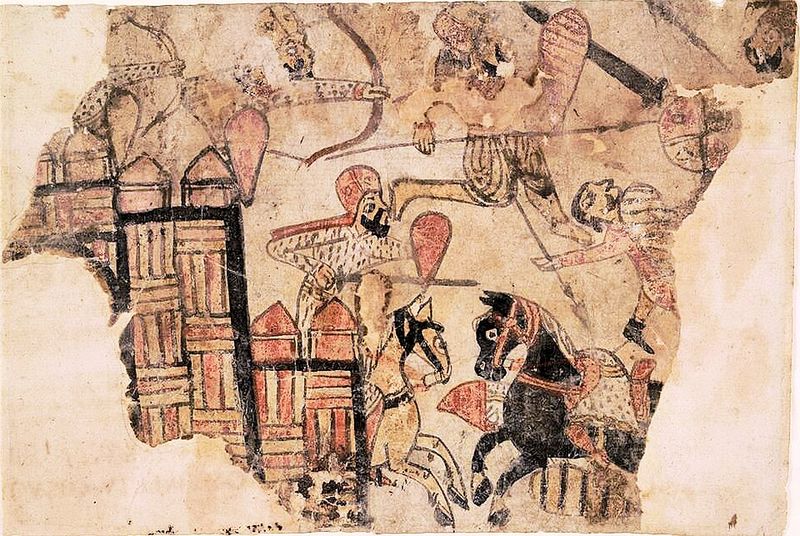
Saladin is one of the most celebrated military leaders in history, known not just for his victories against the Crusaders but also for his reputation as a fair and honorable ruler. He founded the Ayyubid dynasty in 1171, uniting Egypt and Syria under one powerful banner.
The Ayyubids managed the complex politics of the Crusader period with a combination of military force and skilled diplomacy. Saladin’s recapture of Jerusalem in 1187 shocked Europe and reshaped the entire Crusade movement.
His family continued to rule after his death, but unity was harder to maintain than it looked.
The dynasty fractured into competing branches, each controlling different territories and frequently fighting one another. The Mamluks, a powerful military class of formerly enslaved soldiers, eventually took control of Egypt in 1250 and pushed the remaining Ayyubid rulers out of power.
A dynasty built on remarkable strength quietly faded through internal rivalry.
The Inca Royal Dynasty (South America)
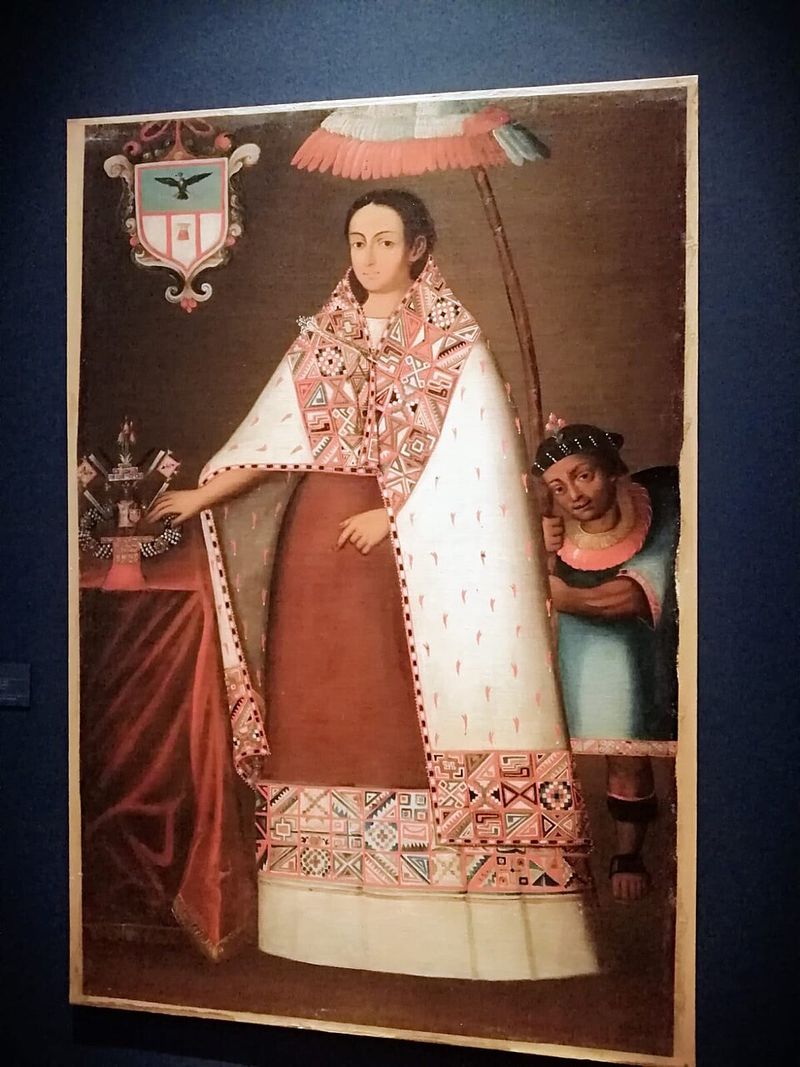
Before Europeans ever set foot in the Americas, the Inca Empire was the largest empire on the continent, stretching over 2,500 miles along the western coast of South America. The Sapa Inca, or supreme emperor, was treated as a living god descended from the sun.
The empire began falling apart even before the Spanish fully arrived, thanks to a devastating civil war between two royal brothers, Huascar and Atahualpa, who fought over the throne. This internal conflict weakened the empire at exactly the wrong moment.
Spanish conquistador Francisco Pizarro arrived in 1532 with a small but well-armed force and captured Atahualpa through a treacherous ambush. Despite receiving an enormous ransom in gold and silver, Pizarro had Atahualpa executed anyway.
Combined with European diseases that killed millions of indigenous people, the Inca royal line was shattered within decades, ending one of history’s most extraordinary civilizations.
The Toltec Ruling Houses (Mesoamerica)
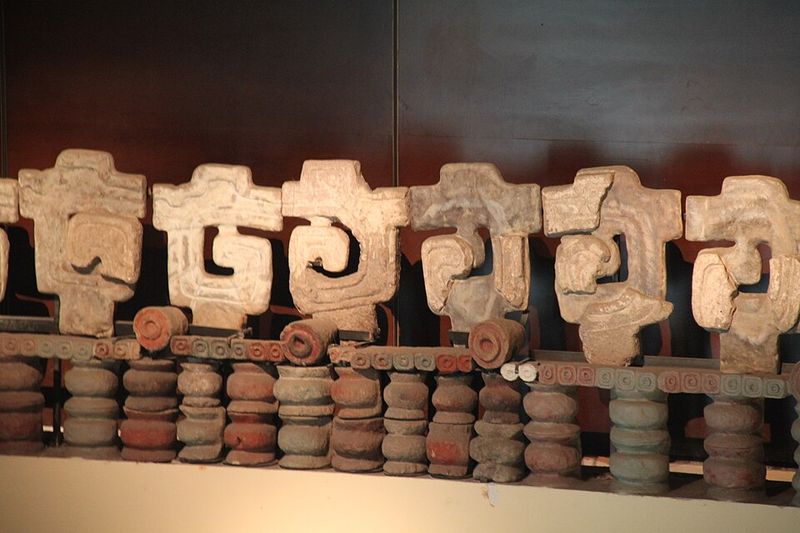
Long before the Aztecs rose to power, the Toltecs dominated central Mexico with a warrior culture that became legendary throughout Mesoamerica. Their capital city, Tula, was filled with towering stone warrior statues and massive pyramid temples that still stand today as silent reminders of their former glory.
The Aztecs themselves revered the Toltecs almost like mythological ancestors, claiming descent from them to boost their own political legitimacy. The Toltec rulers were seen as master craftsmen, warriors, and priests all at once, a combination that made them deeply respected in ancient Mexican culture.
Their political centers collapsed sometime around the 12th century, centuries before European explorers arrived. Historians believe a combination of drought, internal conflict, and invasion from outside groups brought their civilization down.
The ruling elite disappeared from historical records entirely, leaving behind only ruins and legends that other cultures would retell for generations to come.
The Seleucid Dynasty (Hellenistic Asia)
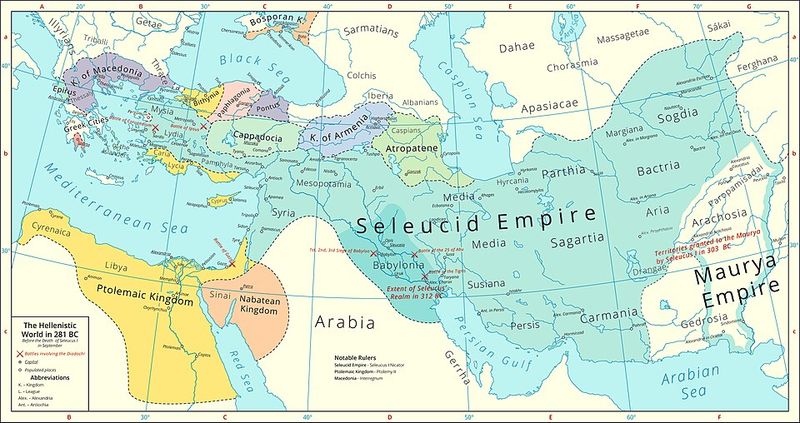
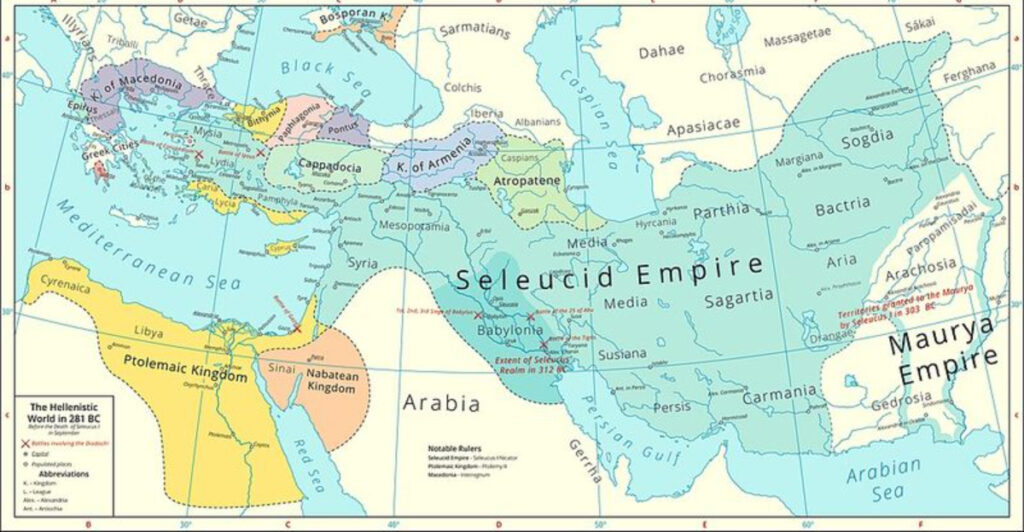
When Alexander the Great died without a clear successor, his generals carved up his enormous empire among themselves. Seleucus I took the lion’s share, claiming a massive territory that stretched from modern-day Turkey all the way to the borders of India, creating one of the largest kingdoms in the ancient world.
The Seleucid Empire was a fascinating cultural experiment, blending Greek language and customs with Persian, Babylonian, and other Eastern traditions. At its best, it was a cosmopolitan empire that encouraged trade and learning across a vast geographic area.
Holding such a large territory together proved impossible over time. Revolts broke out in Persia and other eastern regions, and the powerful Parthian Empire steadily absorbed Seleucid lands from the east.
Rome applied pressure from the west. By the 1st century BCE, the dynasty had shrunk to almost nothing and was finally extinguished, leaving behind only a rich cultural legacy scattered across the ancient world.
The Shang Dynasty (China)
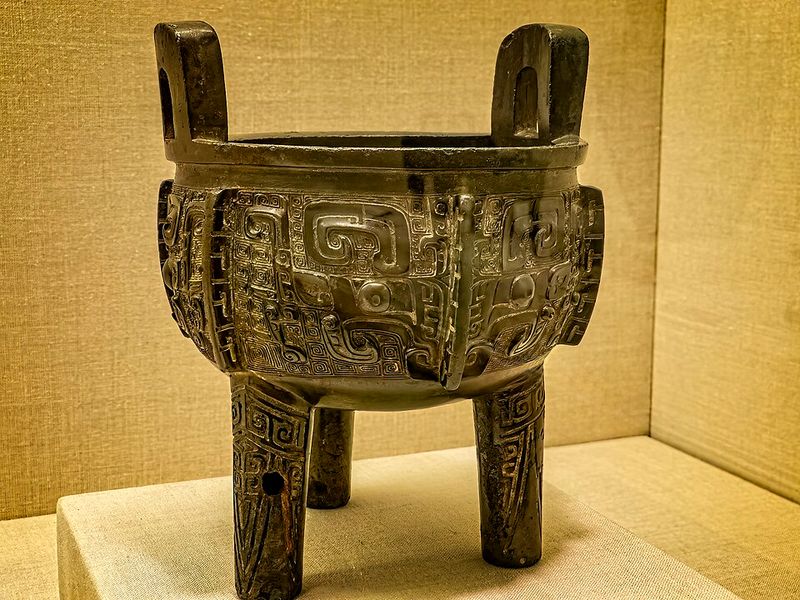
China’s Shang Dynasty holds a special place in history as the earliest Chinese royal family confirmed through both archaeological evidence and written records. They ruled the Yellow River valley from around 1600 to 1046 BCE, making them one of the oldest documented ruling dynasties anywhere in the world.
The Shang were remarkable innovators. They developed one of the earliest Chinese writing systems, cast extraordinary bronze vessels used in religious rituals, and built walled cities that were advanced for their time.
Their kings also served as religious leaders who communicated with ancestors through oracle bones, inscribed animal bones used for divination.
Their downfall came from the Zhou people to the west. King Zhou of Shang, the dynasty’s last ruler, is remembered in Chinese tradition as a cruel and reckless tyrant.
The Zhou defeated him at the Battle of Muye, and he reportedly set himself on fire rather than surrender. The Zhou dynasty began, and Shang political control ended permanently.
The Capetian House of Courtenay (France and Constantinople)
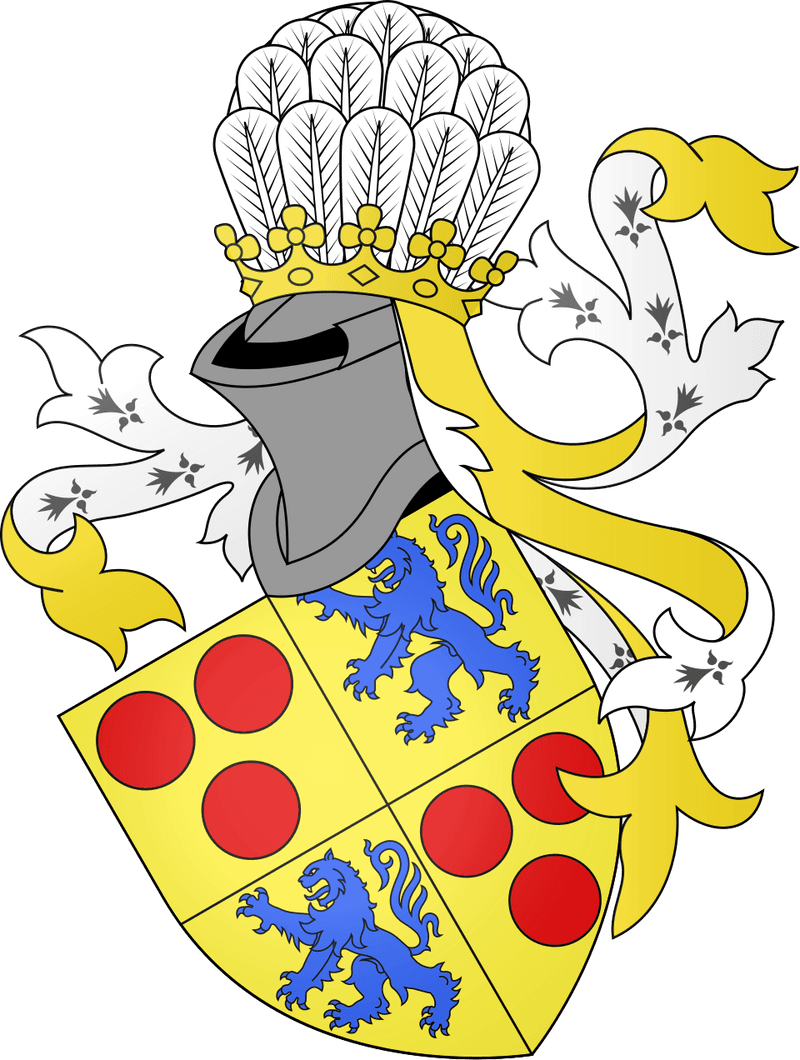
The House of Courtenay started as a branch of France’s powerful Capetian royal family, which gave them impressive pedigree and political connections. Their most extraordinary chapter began when members of the family became emperors of the Latin Empire of Constantinople, established after the Fourth Crusade sacked the city in 1204.
Ruling Constantinople as a Latin Christian emperor in a city surrounded by hostile Greek populations and rival Byzantine claimants was never going to be easy. The Latin emperors struggled constantly with poverty, military weakness, and a lack of support from Western Europe.
The Greek Byzantine Empire recaptured Constantinople in 1261, driving the Courtenay claimants out for good. Without a throne or territory, the family’s royal status became more of a title than a reality.
Over the following centuries, the line dwindled through lack of heirs and political irrelevance, eventually going extinct. Their story is one of ambition briefly realized and then slowly extinguished.
The Nguyen Dynasty (Vietnam)
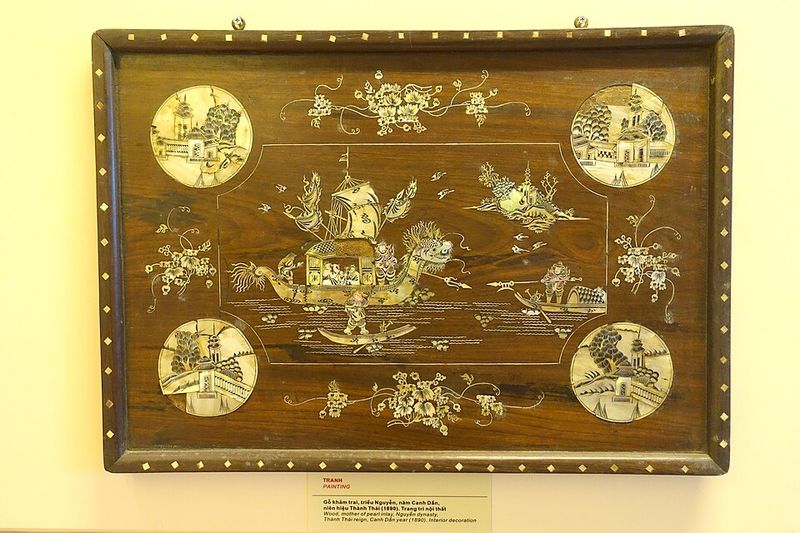
Vietnam’s Nguyen dynasty ruled as the country’s last imperial family, bringing a sense of cultural grandeur to the nation during a deeply turbulent era. They unified Vietnam under one throne in 1802 and built the Imperial City of Hue, a walled palace complex that still stands today as a UNESCO World Heritage Site.
French colonization in the late 19th century gradually stripped the Nguyen emperors of real political power, turning them into symbolic figures under foreign control. Emperor Bao Dai, the dynasty’s final ruler, found himself navigating an almost impossible situation between French colonial masters and growing Vietnamese nationalist movements.
In August 1945, following Japan’s defeat in World War II and the rise of Ho Chi Minh’s revolutionary government, Bao Dai abdicated the throne. He famously said it was better to be a free citizen than an enslaved king.
With his abdication, over a century of Nguyen imperial rule ended quietly but permanently, closing Vietnam’s long chapter of monarchy.
The Moche Elite Families (Ancient Peru)
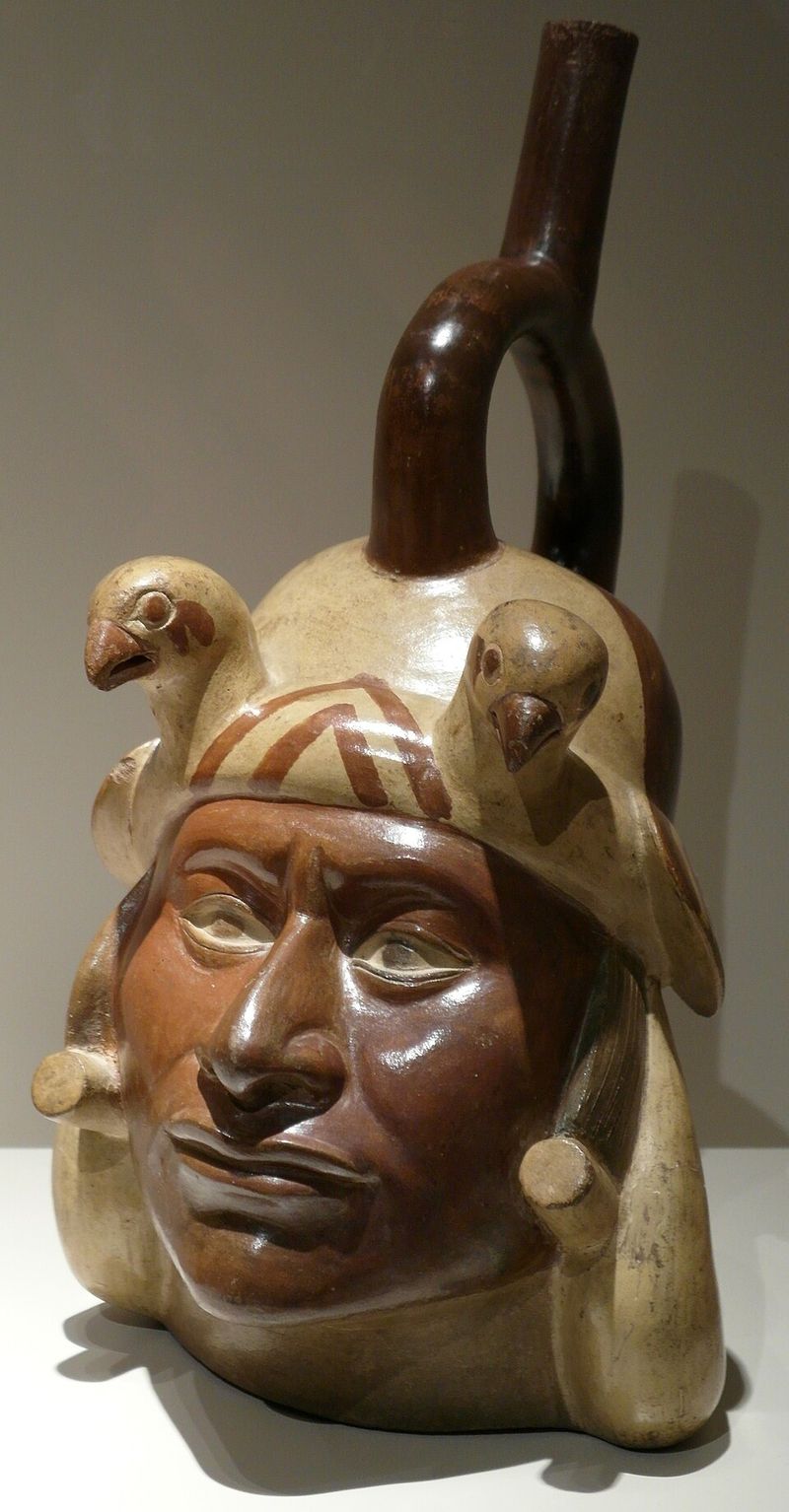
Centuries before the Inca built their famous empire, the Moche civilization created a sophisticated and powerful culture along Peru’s northern coast. Their ruling elite oversaw impressive irrigation systems, elaborate pottery, detailed metalwork, and massive pyramid temples called huacas that towered over the desert landscape.
Moche art is especially remarkable because it depicts real human figures with incredible detail, giving historians a rare window into daily life, warfare, and ritual sacrifice in ancient Peru. Their rulers clearly held enormous religious and political authority, controlling resources and labor across a wide coastal region.
Sometime around 600 to 750 CE, the Moche civilization began to collapse. Severe flooding linked to El Nino weather events, followed by prolonged droughts, devastated their carefully managed farmland.
Warfare between rival Moche city-states added to the chaos. The ruling elite lost their authority as communities broke apart, and the Moche name faded from history long before any European ever reached South American shores.
Share this story