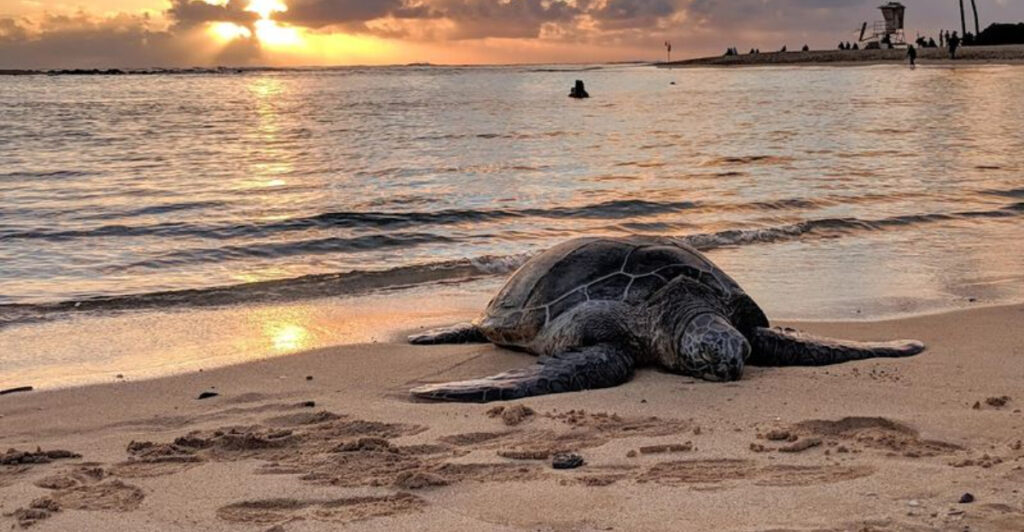
Few wildlife encounters feel as magical as spotting a sea turtle in the wild. Along U.S. coastlines, from Florida to Hawaii and even Puerto Rico, certain beaches offer incredible opportunities to watch these ancient creatures nest, rest, and swim.
Sea turtles have roamed the oceans for more than 100 million years, and protecting their nesting grounds is critical to their survival. Whether you are a nature lover, a family traveler, or simply curious, these 17 beaches give you a real chance to witness something truly unforgettable.
1. Canaveral National Seashore, Florida
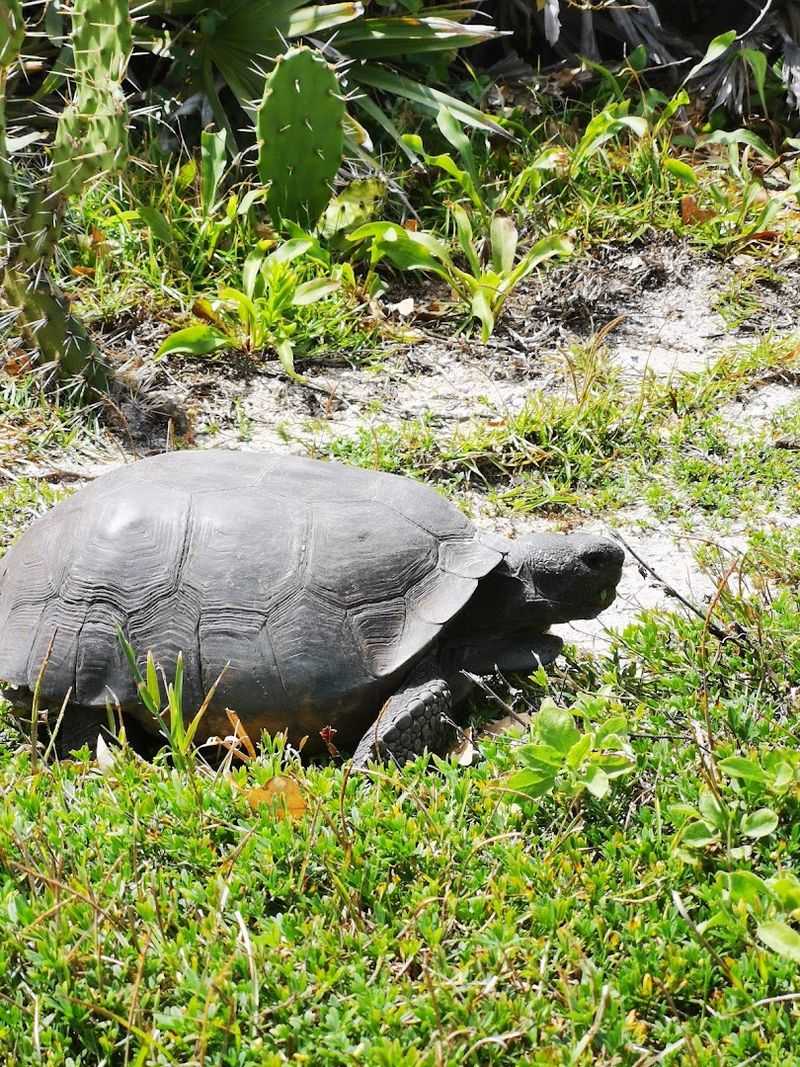
Stretching along Florida’s Atlantic coast, Canaveral National Seashore is one of the most critical sea turtle nesting beaches in the entire country. Loggerhead turtles return here year after year, drawn by the long, undisturbed shoreline that remains free from heavy development.
The seashore protects nearly 25 miles of beach, giving turtles plenty of quiet space to lay their eggs.
During nesting season, which runs from May through October, rangers and volunteers monitor the beach nightly to protect nests from predators and human disturbance. Visitors can join guided turtle walks offered by local organizations for a structured, respectful experience.
Flashlights and flash photography are strictly prohibited to avoid disorienting nesting females.
Canaveral also sits near Kennedy Space Center, making it a uniquely exciting destination where space history and natural wonder share the same coastline. Plan ahead, as guided tours fill up quickly during peak season.
2. Juno Beach, Florida
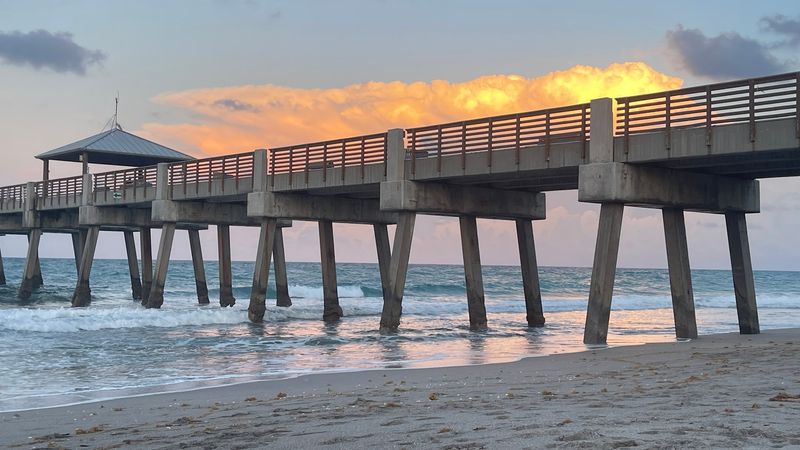
Juno Beach wears its turtle pride openly. Home to the Loggerhead Marinelife Center, this small Palm Beach County town has built its identity around sea turtle conservation, and the results speak for themselves.
The beach here hosts one of the highest concentrations of loggerhead turtle nests recorded anywhere on Earth.
The Loggerhead Marinelife Center offers free admission to its rehabilitation facility, where injured turtles receive medical care before being released back into the ocean. Watching a recovering turtle swim in its tank is both educational and deeply moving.
The center also runs organized turtle walks during nesting season, giving lucky participants a front-row seat to the nesting process.
Juno Beach itself is clean, well-maintained, and family-friendly, making it an ideal stop for travelers of all ages. Check the center’s website in advance to reserve a spot on one of their popular guided nighttime turtle walks.
3. Melbourne Beach, Florida
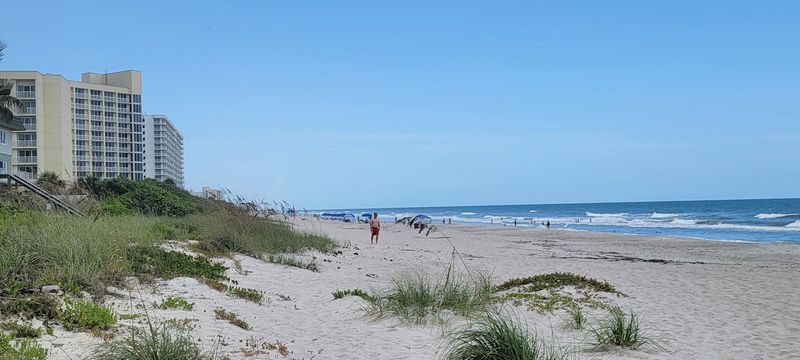
Melbourne Beach sits at the heart of Florida’s Space Coast, a region so packed with sea turtle nesting activity that researchers consider it one of the busiest turtle nesting zones on the entire planet. Loggerhead turtles dominate here, but green sea turtles and leatherbacks also make appearances during nesting season.
The sheer number of nests recorded each summer is staggering.
Local conservation groups patrol the beach regularly, marking nests with wooden stakes and bright tape to alert beachgoers. Residents and visitors are encouraged to follow light ordinances that require oceanfront buildings to use turtle-friendly lighting during nesting months.
These small adjustments make a big difference in helping hatchlings find their way safely to the sea.
Beyond turtles, Melbourne Beach offers a laid-back coastal atmosphere with local shops, seafood restaurants, and easy beach access. Arriving early in the morning increases your chances of spotting fresh crawl tracks left overnight by nesting females.
4. Siesta Key, Florida
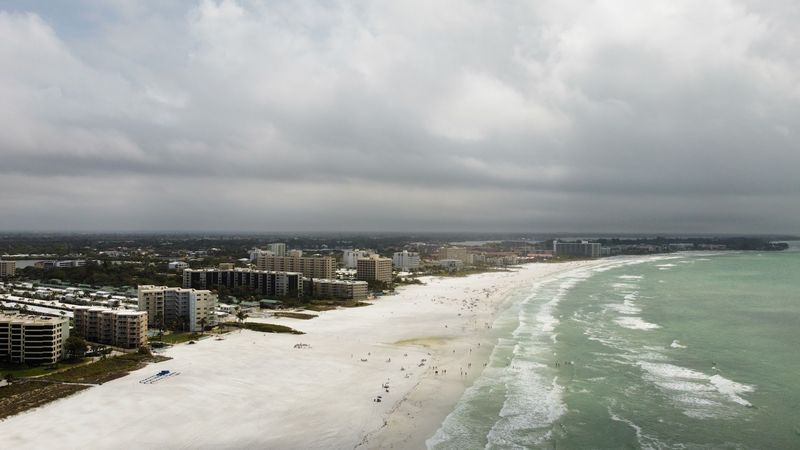
Siesta Key is world-famous for its powdery white quartz sand, but during summer months, this Gulf Coast gem takes on an even more special role as a sea turtle nesting habitat. Loggerhead turtles crawl ashore here to lay their eggs, and local volunteers work tirelessly to protect every nest that appears on the beach.
Sarasota County’s sea turtle monitoring program is one of the most active in Florida, with trained volunteers surveying the beach every single morning from May through October. When a new nest is discovered, it is marked and logged, and the public is notified through community updates.
Siesta Key’s relatively calm Gulf waters also make it easier to spot turtles swimming just offshore during daylight hours.
If you visit during nesting season, keep an eye out for nest markers along the shoreline. Respecting the roped-off areas ensures hatchlings have the best possible chance of making it safely to the water.
5. Anna Maria Island, Florida
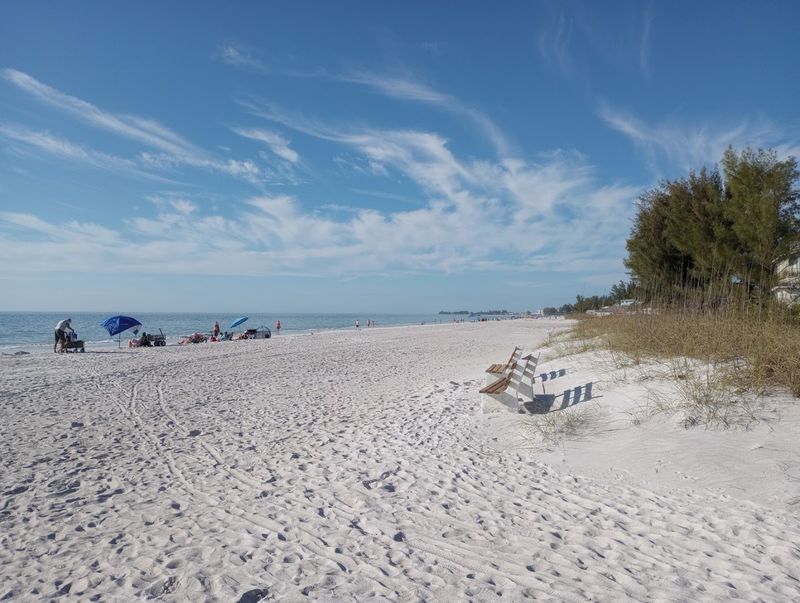
Anna Maria Island has a quiet, old-Florida charm that sea turtles seem to appreciate just as much as human visitors do. Every summer, loggerhead turtles return to this small barrier island on Florida’s Gulf Coast to nest, continuing a cycle that has played out for thousands of years.
The island’s relatively low-key development helps keep the beaches suitable for nesting.
The Anna Maria Island Turtle Watch and Shorebird Monitoring program has been protecting nests here for decades. Volunteers walk the beach at dawn each morning during nesting season, documenting new nests and educating beachgoers about proper turtle etiquette.
Their dedication has helped maintain healthy nesting numbers year after year.
Visitors are welcome to observe nest activity from a respectful distance. Filling in holes dug in the sand, removing beach chairs at night, and turning off unnecessary lights are simple actions that make a real difference for nesting turtles and their hatchlings.
6. Dry Tortugas National Park, Florida
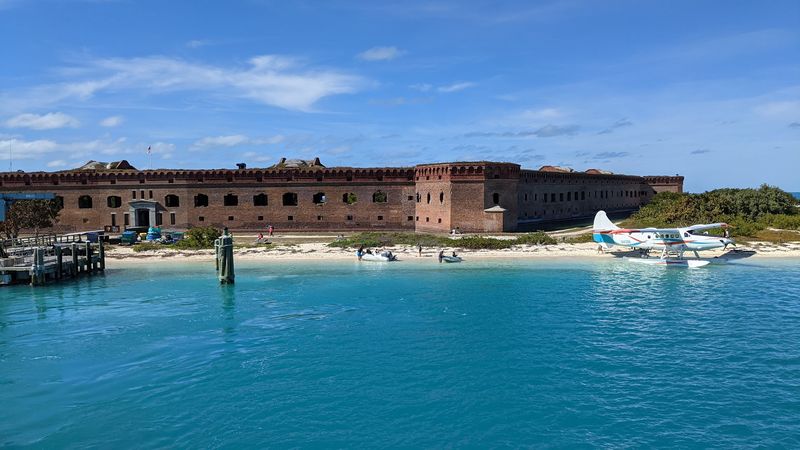
Getting to Dry Tortugas National Park requires effort, but the reward is extraordinary. Located about 70 miles west of Key West, this remote cluster of islands is accessible only by ferry or seaplane, and that isolation is exactly what makes it such a pristine sea turtle habitat.
Green sea turtles and loggerheads both nest and feed in these protected waters.
The park’s shallow, clear waters offer some of the best snorkeling in the United States, and turtle sightings while snorkeling are genuinely common. Turtles seem remarkably relaxed in this protected environment, often swimming within just a few feet of careful, respectful snorkelers.
The surrounding coral reefs provide rich feeding grounds that draw turtles back repeatedly.
Camping is available on Garden Key for those who want an overnight experience under a sky full of stars. Just remember that the park has strict rules about approaching or touching wildlife, so admire these incredible animals from a comfortable distance.
7. South Padre Island, Texas
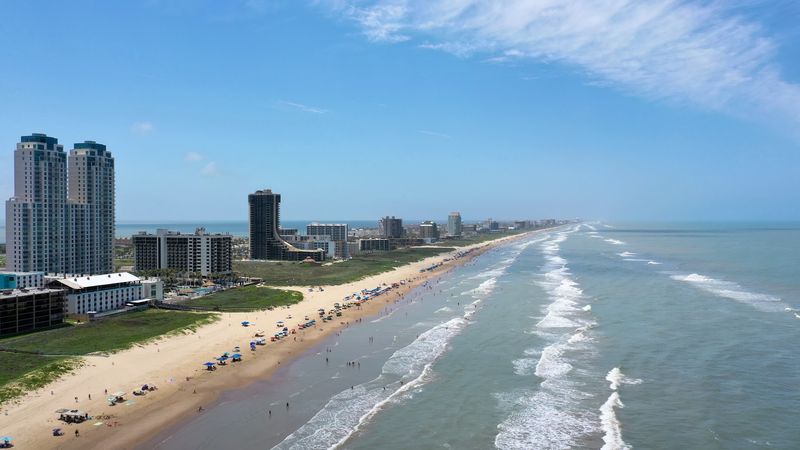
South Padre Island holds a special place in sea turtle conservation history. This long, narrow barrier island along the Texas Gulf Coast is the primary site in the United States for Kemp’s ridley sea turtle recovery efforts, and the progress made here over recent decades is genuinely inspiring.
The Kemp’s ridley is the world’s most endangered sea turtle, and South Padre is central to its comeback story.
Sea Turtle Inc., a nonprofit based on the island, leads conservation, rehabilitation, and education efforts year-round. During hatchling release events, which draw crowds of excited visitors, baby turtles are guided safely into the Gulf under careful supervision.
These events are open to the public and are among the most memorable wildlife experiences available anywhere along the U.S. coast.
Visiting in late spring or early summer gives you the best chance of witnessing a hatchling release. South Padre Island also offers great birding, fishing, and warm Gulf waters for swimming.
8. Hilton Head Island, South Carolina
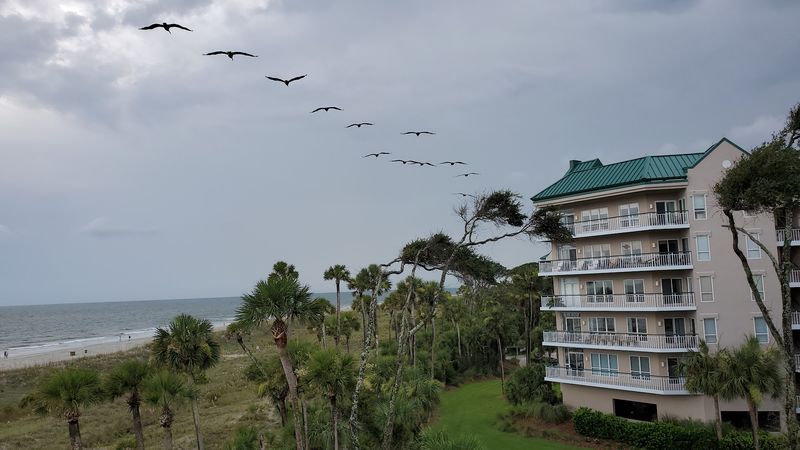
Hilton Head Island may be best known for golf courses and resort living, but every summer, its beaches transform into an important loggerhead sea turtle nesting corridor. Female loggerheads haul themselves ashore between May and August to lay clutches of around 100 eggs each, and the island’s conservation community takes this responsibility seriously.
The Coastal Discovery Museum and various volunteer organizations monitor nests throughout the season. Beachfront property owners receive guidance on keeping lights low and removing obstacles that could interfere with nesting females or disoriented hatchlings.
The community’s cooperative attitude toward turtle conservation has helped maintain consistent nesting numbers over the years.
Turtle patrol volunteers walk the beach at sunrise each morning to identify and protect new nests. Visitors staying at beachfront properties are encouraged to follow posted guidelines.
Even small acts like avoiding bonfires near the waterline and not leaving trash on the beach contribute meaningfully to protecting these remarkable animals.
9. Cape Hatteras National Seashore, North Carolina
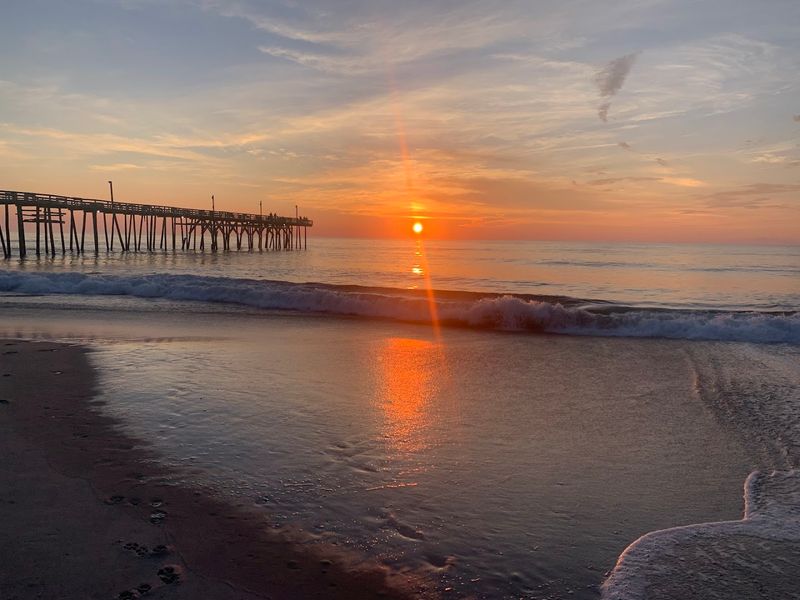
Cape Hatteras National Seashore stretches across the Outer Banks of North Carolina, offering some of the most dramatic and wild coastline on the entire East Coast. This protected federal seashore attracts three species of nesting sea turtles: loggerheads, green turtles, and the impressive leatherback.
Having three species use the same stretch of beach is relatively rare and makes Cape Hatteras a genuinely special destination.
The National Park Service manages an active sea turtle monitoring program here, with rangers and trained volunteers patrolling the beach regularly during nesting season. Nests are marked and protected, and sections of beach may be temporarily closed when turtles are actively nesting or hatching.
These closures are a sign that conservation is working, not an inconvenience.
Cape Hatteras also offers excellent surfing, fishing, and birdwatching, making it a well-rounded outdoor destination. The lighthouse itself, one of America’s most iconic, adds a striking visual backdrop to any beach walk.
10. Bald Head Island, North Carolina
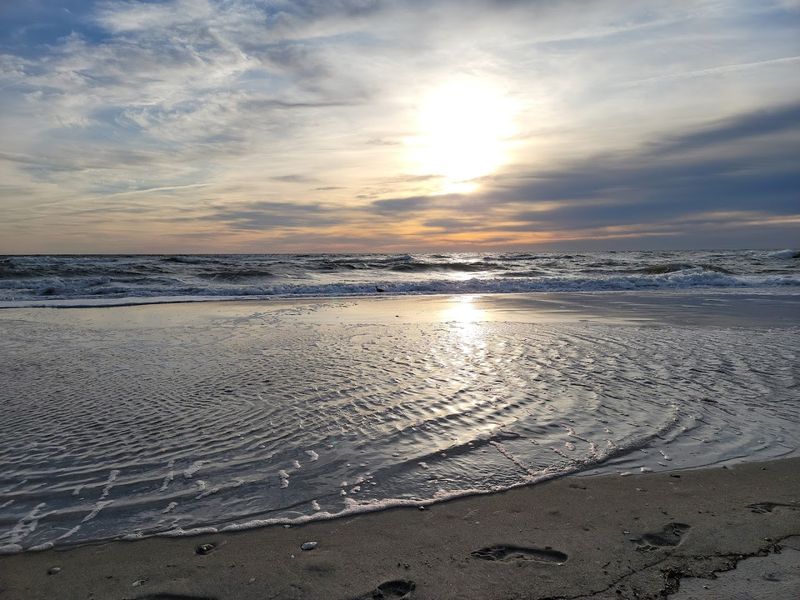
Reaching Bald Head Island requires a short ferry ride from Southport, North Carolina, and that small barrier to access makes all the difference. Without bridges or cars allowed on the island, the beaches remain quiet and largely undisturbed, creating near-perfect nesting conditions for loggerhead sea turtles.
The island feels like a step back in time, and sea turtles have been taking advantage of that ever since.
The Bald Head Island Conservancy runs one of the most respected sea turtle monitoring programs in the Southeast. Their team tracks every nest on the island, collects valuable data, and offers public education programs that help visitors understand the challenges sea turtles face.
Turtle nest counts here have remained strong, a testament to decades of careful stewardship.
Summer evenings on Bald Head Island are magical. With minimal light pollution and the sound of waves, waiting quietly on the beach for a turtle sighting feels like a genuine wilderness experience rather than a tourist activity.
11. Cumberland Island, Georgia
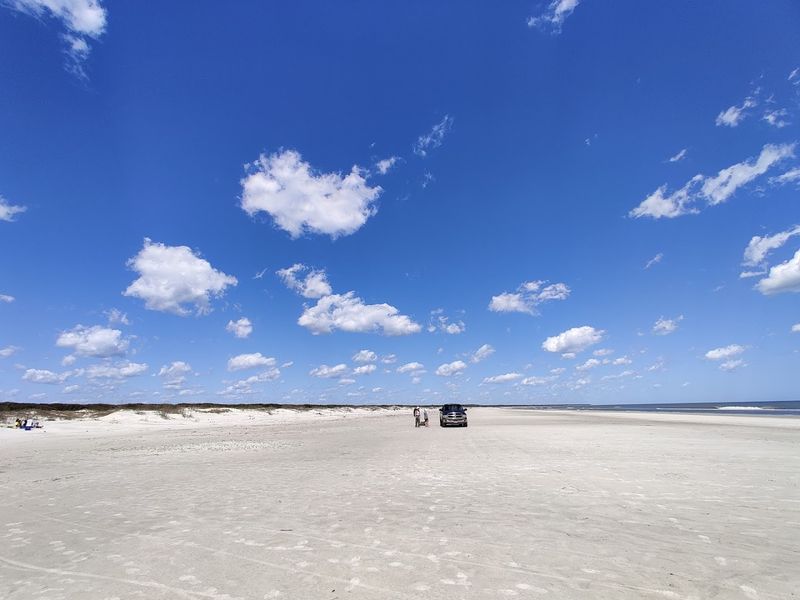
Cumberland Island is one of those rare places where nature genuinely feels in charge. Georgia’s largest barrier island is accessible only by ferry, and most of it is protected as a National Seashore.
Wild horses roam freely, ancient ruins dot the landscape, and loggerhead sea turtles have been nesting on its undeveloped beaches for centuries. It is one of the Southeast’s most ecologically important nesting sites.
Because visitor numbers are limited by ferry capacity, the beaches here never feel crowded. That solitude benefits both turtles and the lucky travelers who make the trip.
The National Park Service monitors nests throughout the season, and nest success rates on Cumberland tend to be high due to the minimal human disturbance.
Camping is available on the island for those who want a deeper experience. Waking up at dawn to walk the beach alone, with wild horses nearby and turtle tracks in the sand, is an experience that genuinely stays with you.
12. Jekyll Island, Georgia
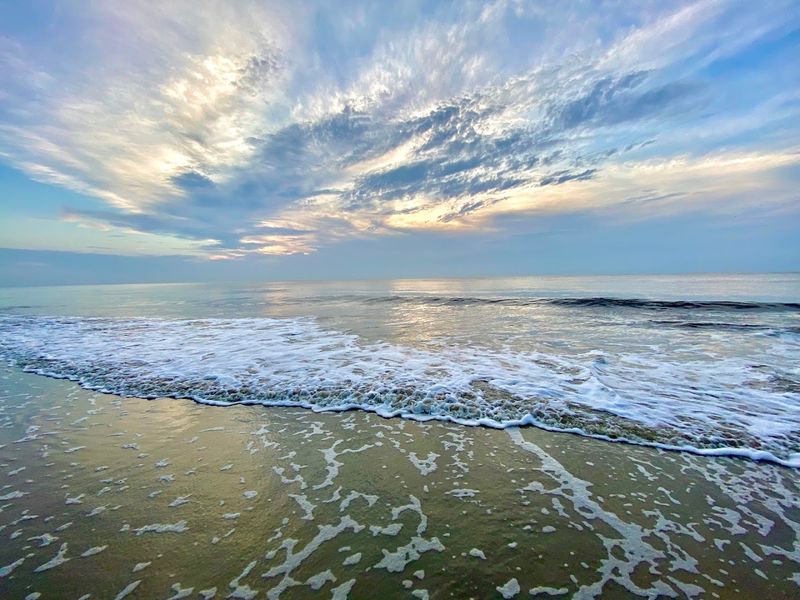
Jekyll Island punches well above its weight when it comes to sea turtle conservation. Despite being one of Georgia’s more accessible barrier islands, it has developed a world-class turtle protection program centered around the Georgia Sea Turtle Center.
This facility combines a hospital for injured sea turtles with a public education center, creating an experience that is both informative and genuinely moving.
Visitors to the Georgia Sea Turtle Center can watch veterinarians and staff care for turtles recovering from boat strikes, fishing line entanglement, and cold stunning. The center also conducts regular turtle walks during nesting season, giving participants a supervised chance to observe nesting activity up close.
These walks are popular and book out quickly, so reserving in advance is strongly recommended.
Jekyll Island’s beaches are wide and well-maintained, with a relaxed atmosphere that suits families perfectly. The combination of accessible beaches, a top-tier turtle center, and strong conservation programming makes this one of the best overall turtle destinations on the East Coast.
13. Laniakea Beach, Oahu, Hawaii
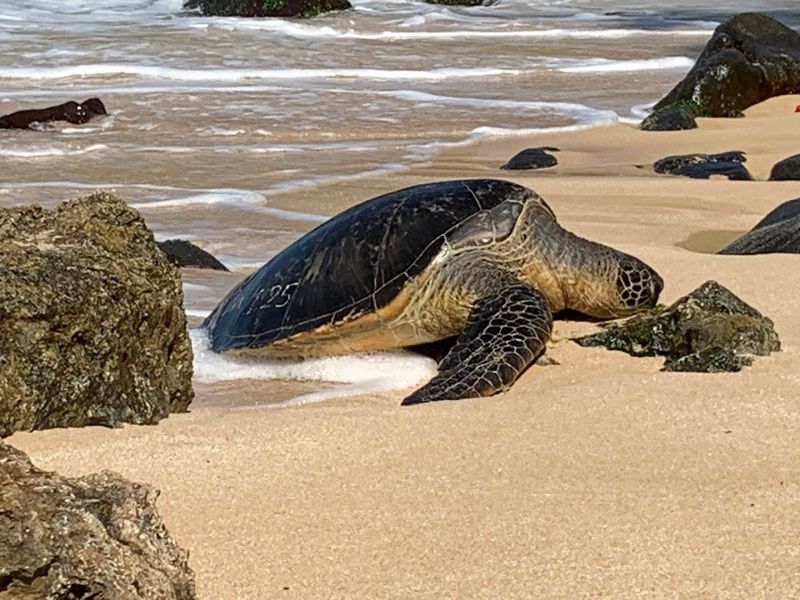
Laniakea Beach on Oahu’s North Shore has earned its nickname, Turtle Beach, completely honestly. Hawaiian green sea turtles, known locally as honu, haul out onto the sand here so regularly that visitors have a genuinely high chance of seeing one resting on shore during any given visit.
Watching a honu bask in the sun just a few feet away is a quietly thrilling experience.
Volunteer turtle stewards from the nonprofit Malama na Honu station themselves on the beach daily to educate visitors and ensure turtles are not approached too closely. Hawaiian green sea turtles are protected under the Endangered Species Act, and the required minimum distance is six feet.
The stewards are friendly and knowledgeable, making every interaction feel welcoming rather than restrictive.
Laniakea is located along the famous Kamehameha Highway, making it easy to visit while exploring the North Shore. Arriving on a weekday morning typically means smaller crowds and a calmer experience for both visitors and turtles alike.
14. Poipu Beach, Kauai, Hawaii
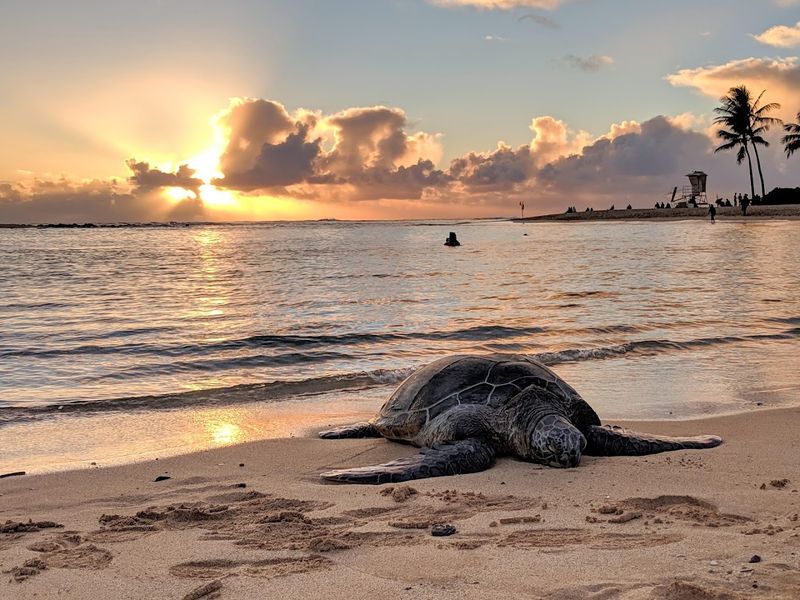
Poipu Beach on Kauai’s sunny south shore consistently ranks among Hawaii’s most popular beaches, and for good reason. The calm, protected waters make it ideal for swimming and snorkeling, and Hawaiian green sea turtles are a regular presence both in the water and occasionally on the sand.
Spotting a honu gliding through the clear shallows while you snorkel is an experience that feels almost unreal.
The reef just offshore provides excellent feeding grounds for turtles, which is why they return so reliably. Snorkelers who move slowly and stay calm in the water have the best chance of extended turtle encounters.
Chasing or touching turtles is illegal and harmful, but simply floating nearby and watching them graze on algae is perfectly safe and deeply rewarding.
Poipu Beach Park has restrooms, lifeguards, and picnic areas, making it convenient for full-day visits. The surrounding area also offers great dining and access to other Kauai attractions, rounding out a well-balanced coastal day trip.
15. Kaloko-Honokohau National Historical Park, Hawaii
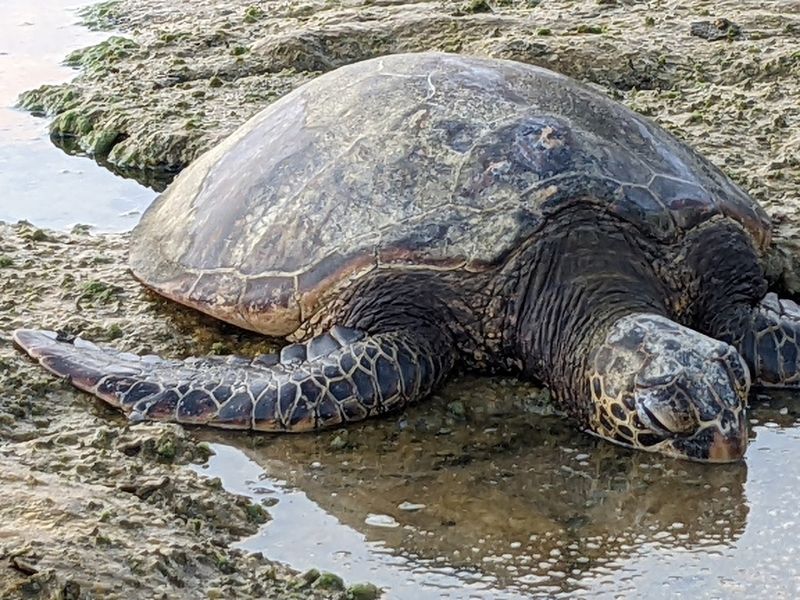
Kaloko-Honokohau National Historical Park on the Big Island of Hawaii is a fascinating blend of ancient Hawaiian culture and thriving coastal wildlife. The park preserves traditional fishponds and settlement sites, and its calm, protected waters have long been a reliable habitat for Hawaiian green sea turtles.
Seeing a honu glide through the same waters where ancient Hawaiians once fished creates a powerful sense of continuity.
Turtles here are seen both swimming in the park’s coastal ponds and resting on the rocky shoreline. Because the park receives fewer visitors than Hawaii’s more famous beaches, encounters feel quieter and more personal.
Rangers are available to answer questions and provide context about both the cultural and natural significance of the area.
The park is located just south of Kailua-Kona, making it an easy addition to any Big Island itinerary. Bring water and sunscreen, as the lava landscape offers little shade, and always follow posted wildlife guidelines during your visit.
16. Makalawena Beach, Hawaii (Big Island)
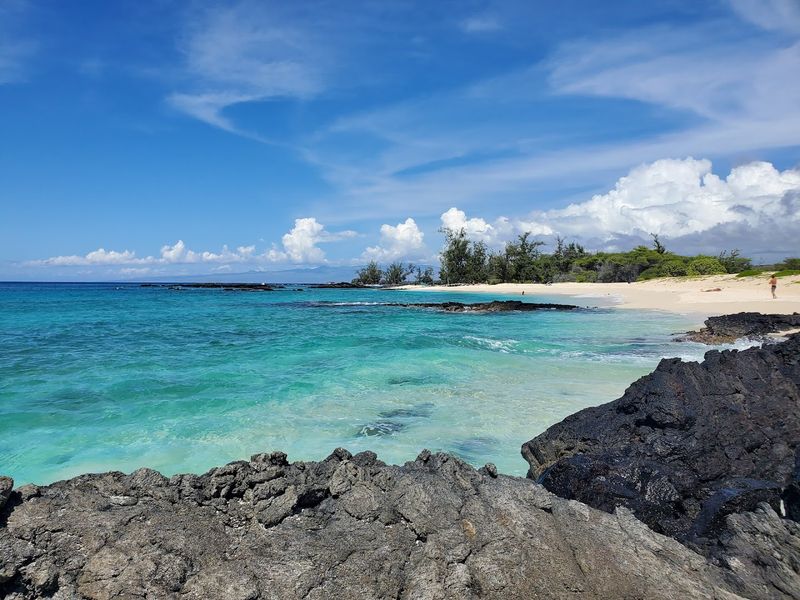
Getting to Makalawena Beach takes a bit of work. Reaching this remote stretch of white sand on the Big Island requires a roughly 20-minute hike across sharp lava fields, but travelers who make the effort are rewarded with one of Hawaii’s most unspoiled coastal environments.
Because of that access challenge, the beach stays refreshingly uncrowded, and the turtles here seem to know it.
Hawaiian green sea turtles are frequently spotted both resting on the sand and swimming in the crystal-clear offshore waters. Snorkeling conditions here are excellent when the surf is calm, and turtle sightings underwater are common.
The absence of crowds means turtles are rarely startled, allowing for longer, more relaxed observations.
Wear sturdy shoes for the lava hike, bring plenty of water, and pack out everything you bring in. There are no facilities at Makalawena, which is part of what keeps it so beautifully wild.
Early morning visits offer the best combination of calm water and active turtle sightings.
17. Culebra and Vieques, Puerto Rico
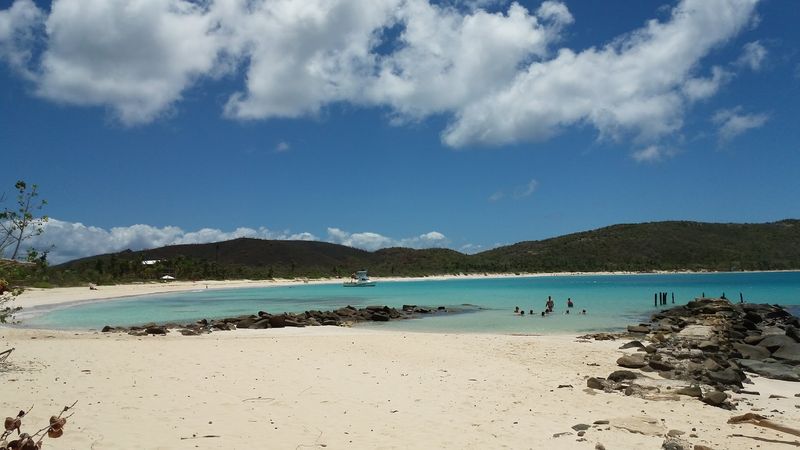
Puerto Rico’s offshore islands of Culebra and Vieques are among the most important sea turtle nesting grounds in the entire Caribbean. Leatherback turtles, the largest sea turtles on Earth, nest on the beaches of Culebra in impressive numbers, while hawksbill turtles are frequently spotted in the surrounding coral reef systems.
These islands represent a critical stronghold for species that face serious threats across much of their range.
Culebra’s Playa Resaca and Playa Brava are primary leatherback nesting sites, and guided nighttime turtle watches are available through local conservation organizations during nesting season. Vieques also sees regular nesting activity, and the bioluminescent bay nearby adds an almost surreal quality to evening wildlife excursions.
Conservation efforts on both islands have grown significantly in recent years.
Reaching these islands requires a short ferry or flight from mainland Puerto Rico, but the experience of watching a massive leatherback emerge from the dark Caribbean sea to nest makes every bit of the journey worthwhile.
Share this story