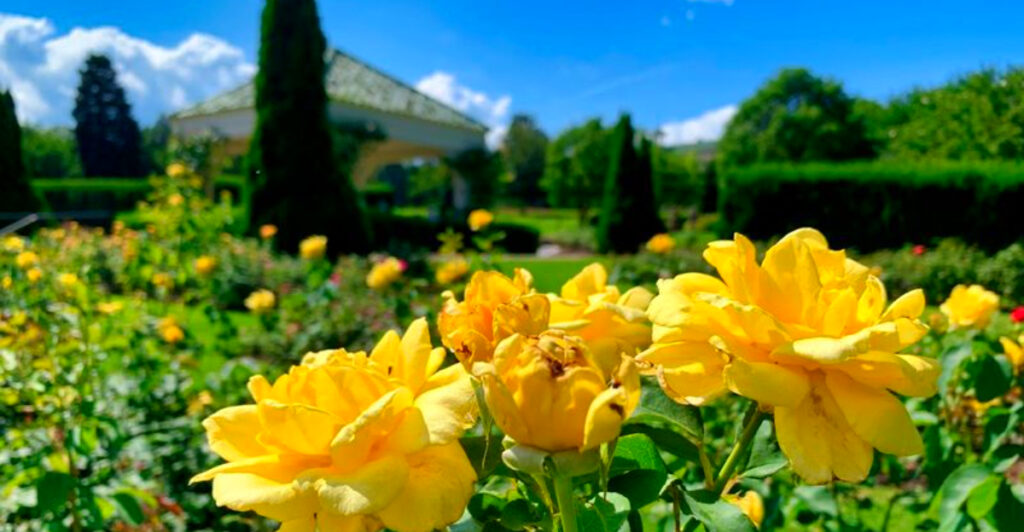
A botanical garden in central Pennsylvania has become one of the East Coast’s most beloved public spaces by combining thousands of roses, seasonal blooms, and family-friendly attractions across 23 carefully designed acres. Visitors can explore themed gardens, walk among colorful flower displays, and step inside a butterfly atrium where tropical butterflies move freely around the space.
What makes the destination especially memorable is the setting around it. Originally inspired by a request for a simple rose garden in the 1930s, the property has grown into a major attraction tied closely to the town’s chocolate-making history and welcoming atmosphere.
Whether people come for the gardens, the butterflies, or a relaxing afternoon outdoors, it is the kind of place that leaves a lasting impression on visitors of all ages.
Where the Garden Begins: Address, Location, and First Impressions
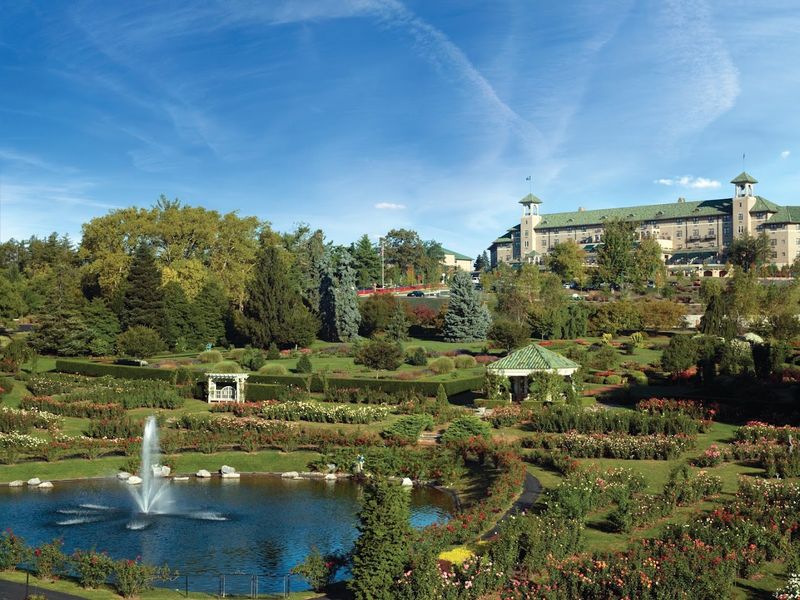
The moment you pull up to 170 Hotel Rd, Hershey, PA 17033, something shifts. The parking lot is generous, the signage is welcoming, and the Hotel Hershey looms beautifully in the background like a storybook castle that somehow ended up in south-central Pennsylvania.
Hershey Gardens sits right next to that iconic hotel, perched on a gentle hillside that gives the property a naturally layered, almost theatrical quality. The gardens are open most days from 9 AM, with closing times varying slightly by day, and the phone number on file is +1 717-534-3492 if you need to call ahead.
First-time visitors are often surprised by how quickly the outside world disappears once you pass through the entrance. The winding paths, the fragrance of fresh blooms, and the distant sound of water features all work together to create an instant sense of calm.
It earns its 4.7-star rating with very little effort.
The Origin Story: Milton Hershey’s Gift to His Community
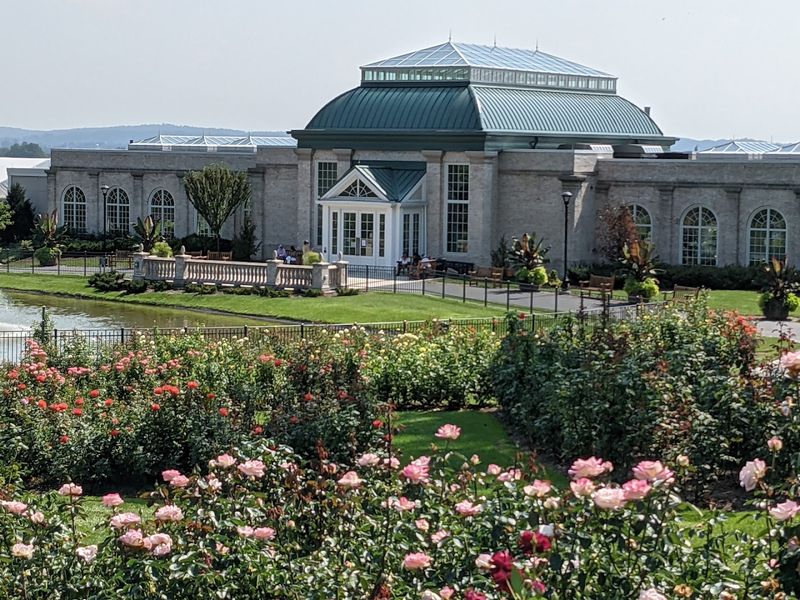
Back in 1937, Milton Hershey had a fairly modest request. He wanted a nice garden of roses, something pleasant for the community and visitors to enjoy near his hotel.
What he got was the seed of something far grander than anyone could have predicted at the time.
The original garden covered just 3.5 acres and featured 12,000 rose bushes. It was designed as a gift, not a business venture, which explains the generous, unhurried spirit that still runs through the place today.
Milton Hershey had already built an entire town around his chocolate factory, complete with schools, a hospital, and public parks, so a garden was simply one more chapter in his remarkable story of community-building.
That founding philosophy has never really left. The gardens still feel like something given freely rather than sold, even if there is now an admission fee.
Understanding where this place came from makes every bloom feel just a little more meaningful, and the next section reveals how dramatically it has grown since those first rose bushes were planted.
The Historic Rose Garden: 3,000 Roses and 115 Varieties
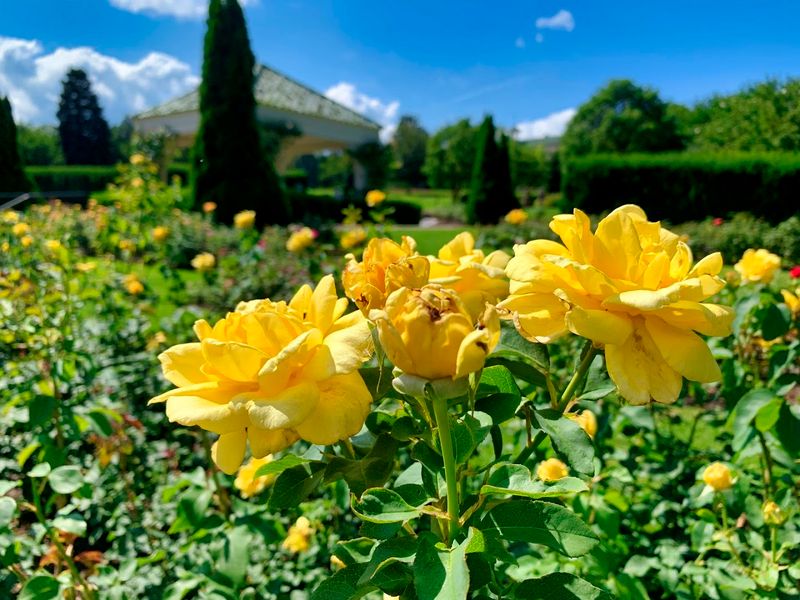
Few things in the plant world match the sheer visual impact of 3,000 rose bushes in full bloom. The Historic Hershey Rose Garden is the heart of the entire property, and it delivers on every expectation with a confidence that borders on theatrical.
The collection spans 115 varieties, meaning that even seasoned rose enthusiasts will spot cultivars they have never encountered before. Each plant is labeled, so you can jot down names for your own garden back home.
The fragrance on a warm summer morning is genuinely something else, layered and complex in a way that no candle or perfume ever quite captures.
Peak rose season runs roughly from late May through mid-June, though blooms have been spotted well into September and even October. The garden is meticulously maintained, with every bush trimmed and every bed weeded to near-perfection.
Whether you visit with a camera, a sketchbook, or simply two open eyes, the rose garden alone justifies the drive to Hershey. And just beyond it, the seasonal gardens have their own spectacular story to tell.
A Garden for Every Season: Tulips, Annuals, and Chrysanthemums
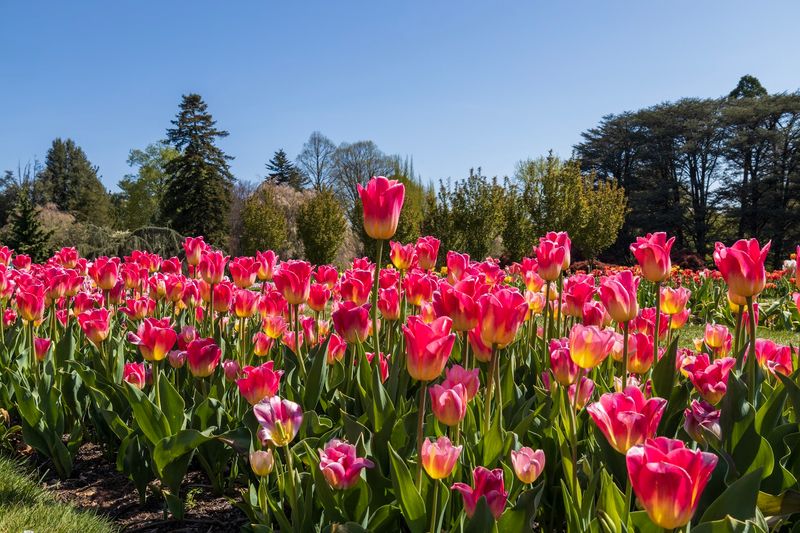
One of the smartest things about Hershey Gardens is that it refuses to be a one-season destination. The Seasonal Display Garden reinvents itself throughout the year with a rotation of blooms that keeps repeat visitors genuinely surprised every time they return.
Spring brings thousands of daffodils, tulips, and hyacinths in bold sweeps of color that feel almost painterly against the green Pennsylvania hillside. Summer swaps those out for vivid annual plantings that pack the beds with saturated color from edge to edge.
By fall, chrysanthemums take over, and the whole garden shifts into warmer, earthier tones that pair beautifully with the changing leaves on the surrounding trees.
The transitions between seasons are handled with obvious care and intention, and the result is a garden that never looks tired or neglected. Many visitors make a habit of returning in each new season just to see what has changed.
Some people have even signed up for memberships specifically because one annual visit felt like too little, which says everything about how well this garden does its job.
The Butterfly Atrium: One of Only 25 in the Entire Country
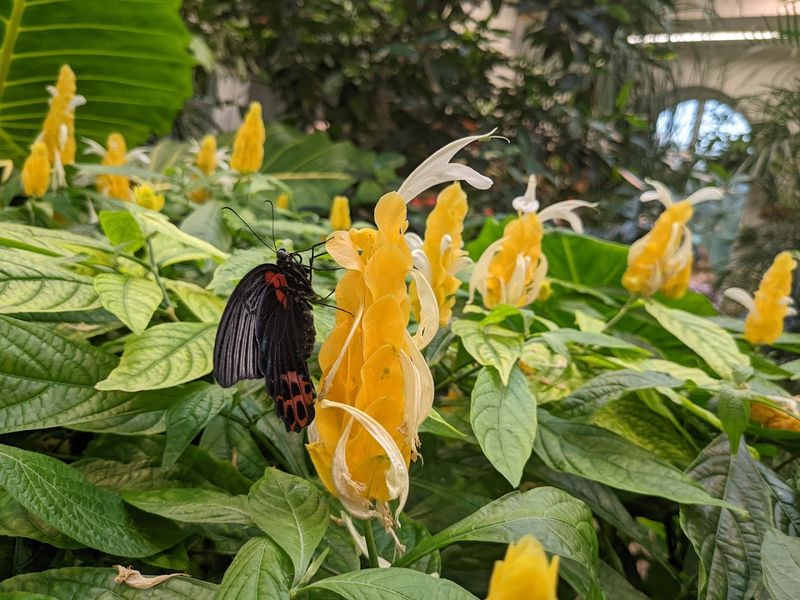
Here is a fact worth pausing on: the Butterfly Atrium at Hershey Gardens is one of only 25 indoor tropical butterfly atriums in the entire United States. That alone makes it worth a detour from wherever you happen to be headed.
The atrium lives inside the Milton and Catherine Hershey Conservatory and stays warm and lush year-round, making it an especially welcome retreat during the colder months when the outdoor gardens are quieter. Hundreds of butterflies from South America, Central America, Africa, and Asia flutter freely through the humid air, landing on plants, water features, and occasionally on unsuspecting visitors who stand still long enough.
The chrysalis cabinet near the entrance lets you watch butterflies in the pupal stage, which is a genuinely fascinating thing to observe up close. Staff members are stationed throughout and seem to genuinely love answering questions about species, life cycles, and the tropical plants that support the whole ecosystem.
Note that strollers are not permitted inside, so plan accordingly if you are visiting with very young children.
Beyond Roses: The Japanese Garden, Herb Garden, and Hidden Corners
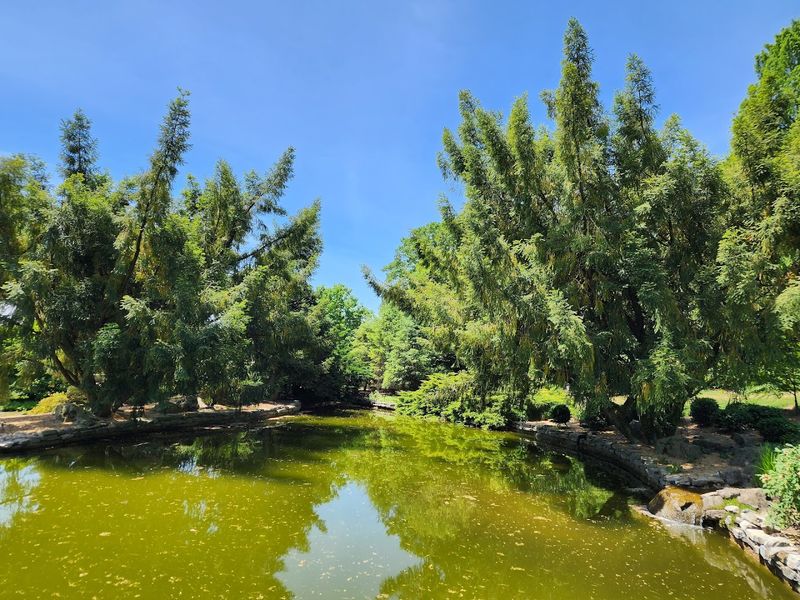
The rose garden and butterfly atrium get most of the attention, but Hershey Gardens is quietly full of smaller worlds that reward a slower pace. The Japanese Garden is one of the most peaceful spots on the entire property, with koi ponds, meditation spaces, and carefully shaped plantings that encourage you to stop moving and simply look.
The Herb Garden is a sensory experience in its own right, packed with plants that beg to be touched and smelled. The Native Plant Garden is a thoughtful nod to the regional ecosystem, and many visitors have left with ideas for their own home gardens after walking through it.
The Rock Garden adds textural variety, and the Perennial Garden provides reliable color throughout the growing season.
Each of these areas feels like a distinct room in a very large and well-designed house. You can spend a full afternoon moving between them and still feel like you missed something.
The winding paths are part of the charm, because they consistently reveal new angles and unexpected views that make the 23 acres feel even larger than they actually are.
The Children’s Garden: Where Young Visitors Become Explorers
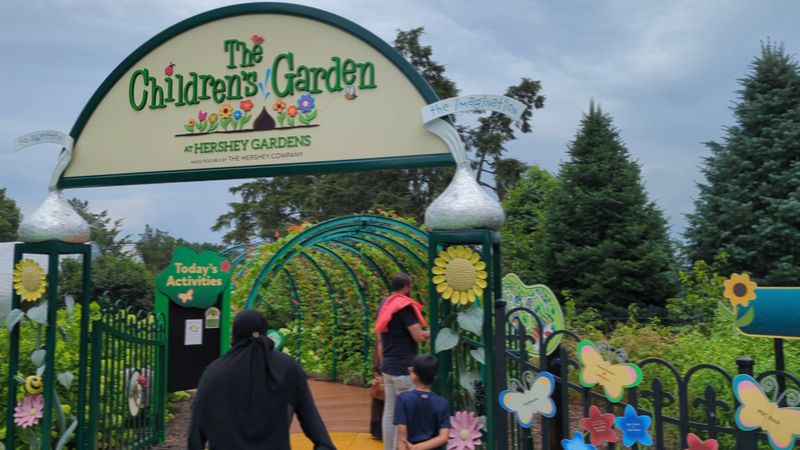
Not every botanical garden manages to be genuinely fun for young children, but the Children’s Garden at Hershey Gardens pulls it off with real creativity. The space is packed with interactive displays, playful plantings, musical elements, and statues that invite kids to touch, climb, and explore rather than just observe from a distance.
There are flower-themed play areas, spots where children can make sounds with garden-inspired instruments, and whimsical corners that feel like they belong in a storybook. Kids who might otherwise lose interest in a traditional garden tend to find themselves fully absorbed here, moving from one discovery to the next without any prompting from adults.
The layout is thoughtful enough that parents can keep an eye on their children while still enjoying the surrounding plantings themselves. Families with toddlers, school-age kids, and even curious teenagers have all found things to love in this section.
It is one of the clearest signs that Hershey Gardens was designed with everyone in mind, not just serious horticulture enthusiasts looking for quiet contemplation.
Pumpkin Palooza and Seasonal Events: The Garden After Summer
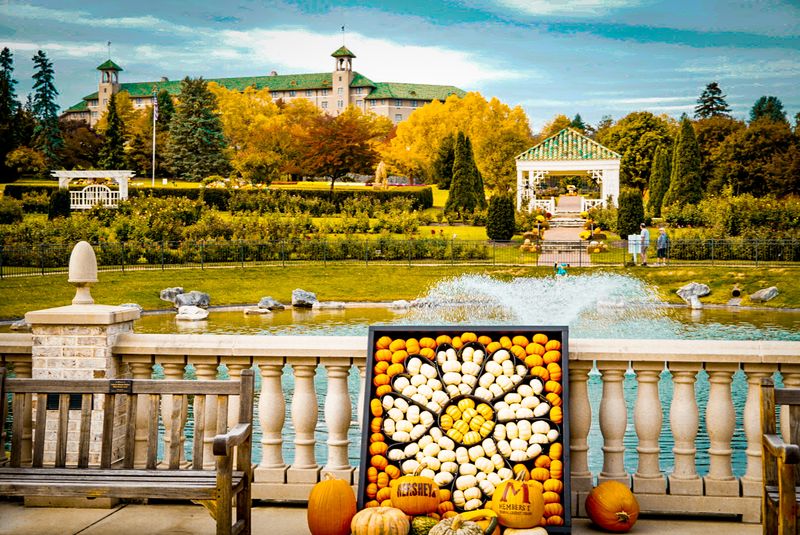
Most people assume botanical gardens are best visited in spring or summer, and while those seasons are genuinely spectacular at Hershey Gardens, the fall program deserves serious attention. The annual Pumpkin Palooza event transforms the grounds into an outdoor gallery of elaborately painted and decorated pumpkins that draw visitors from well outside the region.
The designs range from pop culture references to intricate artistic patterns, and the level of craftsmanship on display is impressive enough to stop most adults in their tracks. Staff members are on hand to talk about the creative process, and there are activities for children woven throughout the event.
The combination of autumn foliage, chrysanthemum blooms, and hundreds of artful pumpkins creates a visual atmosphere that photographs beautifully and feels genuinely festive.
Fall visits also tend to be less crowded than peak summer weekends, which means more space to wander and more time to linger in favorite spots. The garden has a way of making every season feel like the right one to visit, which is a rare and valuable quality in any outdoor destination.
The Sweet Town Around It: Hershey, Pennsylvania’s Unique Identity
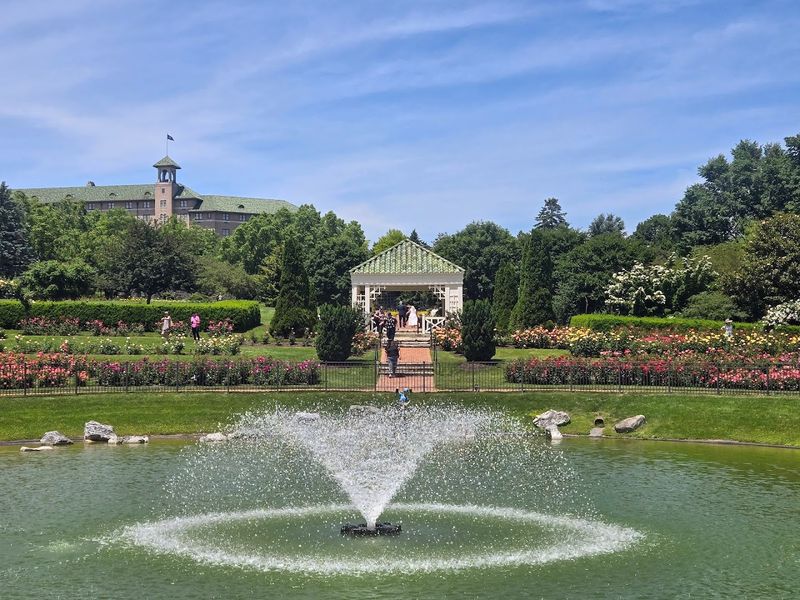
The town of Hershey, Pennsylvania, carries its identity with cheerful confidence. Known widely as the Sweetest Place on Earth, a nickname tied directly to Milton Hershey and his famous chocolate company, the town has a personality unlike anywhere else in the state.
Even the streetlights are shaped like Hershey’s Kisses, which is the kind of detail that makes first-time visitors do a double take and then immediately reach for their cameras. The whole town feels like a place that knows exactly what it is and leans into it without apology.
There is something genuinely charming about that level of civic self-awareness.
The gardens sit within easy reach of Hersheypark, the Hotel Hershey, and other local attractions, making it simple to build a full day or weekend itinerary around the area. Many visitors use the gardens as a peaceful counterpoint to the louder thrills of the theme park nearby.
The contrast between the two experiences is part of what makes a trip to Hershey feel so complete and well-rounded.
The View From the Hillside: Hersheypark and Beyond
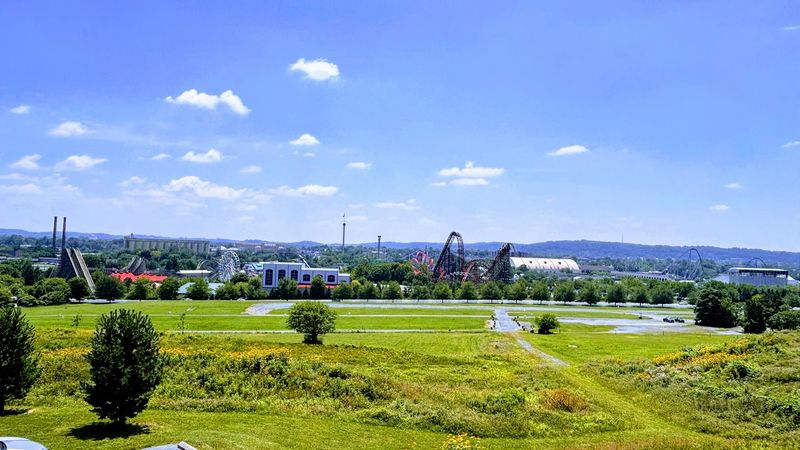
One of the quieter pleasures of Hershey Gardens is the view it offers from its elevated hillside position. On a clear day, you can see Hersheypark spread out below, its roller coasters and attractions visible in the distance like a colorful map of organized fun.
The contrast between the serene garden setting and the energetic theme park in the background is genuinely striking. It is the kind of view that makes you feel like you are seeing the whole personality of Hershey at once, the calm and the exhilarating existing comfortably side by side.
Several benches are positioned along the upper paths specifically to take advantage of this perspective.
Photographers especially love this vantage point during golden hour, when the light softens and the whole landscape takes on a warmth that is hard to replicate at any other time of day. Even visitors who are not particularly interested in photography tend to pause here longer than they planned.
The view has a way of making time feel slightly more generous than usual.
Practical Tips for Getting the Most Out of Your Visit
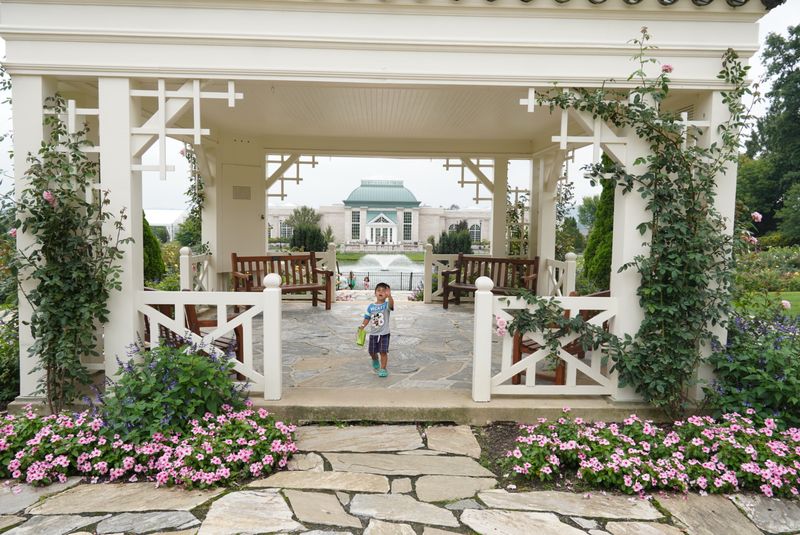
A few practical notes can make the difference between a good visit and a great one. The gardens are open seven days a week, generally from 9 AM, with most days closing at 5 PM and Mondays extending to 6 PM.
Arriving early on weekdays is the best strategy for avoiding weekend crowds, especially during peak bloom season in late spring.
Bringing water and snacks is genuinely recommended, particularly in summer when the open areas can get warm. Comfortable walking shoes are a must, since the winding paths cover considerably more ground than the map suggests.
The free daily educational walk offered to all guests is worth joining if the timing works out, as the staff knowledge level is impressively high.
Parking is plentiful and easy on weekdays, though weekend visits during popular events can get competitive for spots. The gift shop near the entrance stocks local products and garden-related souvenirs worth browsing on the way out.
A membership is available for frequent visitors and pays for itself quickly if you plan to return more than twice in a year.
Share this story