What makes a whole country happy? Researchers have been asking that question for years, and the answers are surprisingly consistent.
The World Happiness Report ranks nations each year based on things like healthcare, freedom, safety, income, and how much people trust each other. Some countries keep showing up near the top, and their secrets to happiness are worth knowing about.
Finland
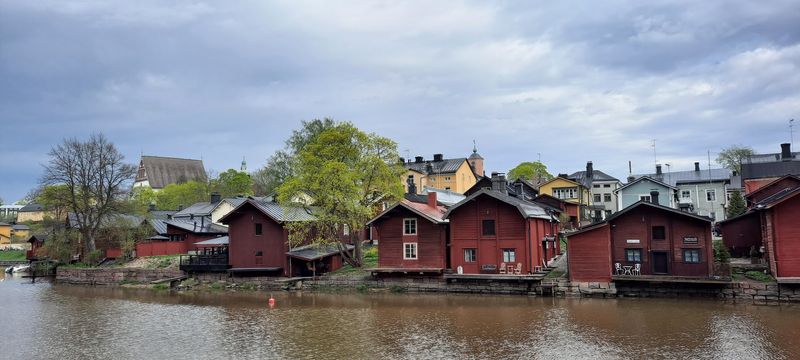
Finland has held the title of world’s happiest country for so many years in a row that it almost feels unfair to everyone else. Since 2018, Finland has topped the World Happiness Report consistently, and the Finns themselves seem almost puzzled by all the fuss.
Life there is quietly excellent.
Education is free, healthcare is strong, and corruption is almost nonexistent. Finnish kids consistently rank among the best-educated in the world, yet they spend fewer hours in school than students in many other countries.
Quality beats quantity every time.
Nature plays a huge role in Finnish happiness too. Forests cover nearly 75 percent of the country, and having a lakeside cabin is practically a national tradition.
Silence is respected, personal space is valued, and nobody pressures you to be louder than you are. Finland proves that happiness does not have to be flashy.
It can be a quiet lake, a hot sauna, and really good coffee.
Denmark
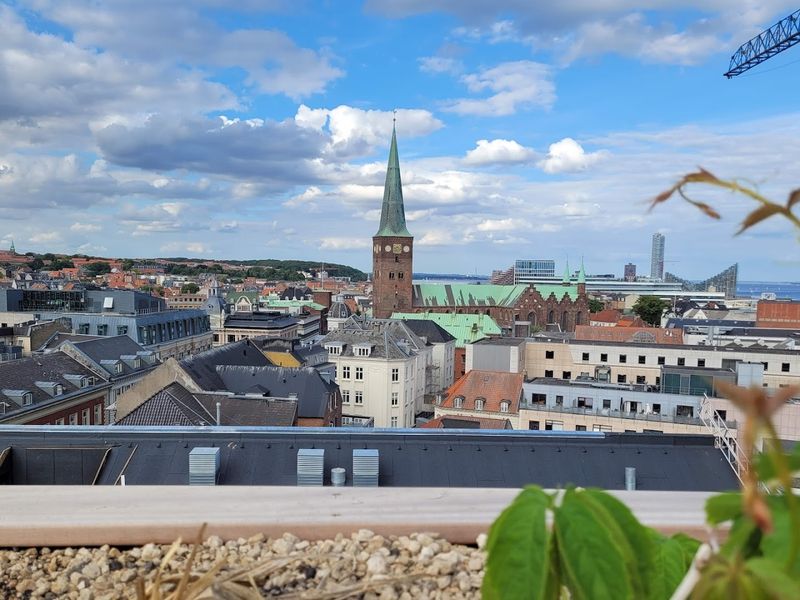
Ask a Dane what hygge means and you might get a warm smile, a cup of coffee, and a 20-minute conversation. Hygge is the Danish concept of coziness, togetherness, and finding comfort in simple pleasures, and it is basically a national lifestyle.
Denmark consistently ranks among the top three happiest countries in the world. Work-life balance is taken seriously here.
Danish workers average around 33 hours per week, and employers actually respect that. Nobody brags about being exhausted.
Healthcare is universal, higher education is free, and social equality is deeply embedded in the culture. Danes also trust their government at unusually high rates, which removes a lot of daily stress that people in other countries quietly carry around.
Cycling is the preferred way to get around in cities, which keeps people active and reduces pollution simultaneously.
Copenhagen regularly tops global livability rankings, but happiness in Denmark is not limited to the capital. Smaller towns and rural areas report equally high satisfaction levels.
When a whole country builds its culture around wellbeing, the results speak for themselves.
Iceland
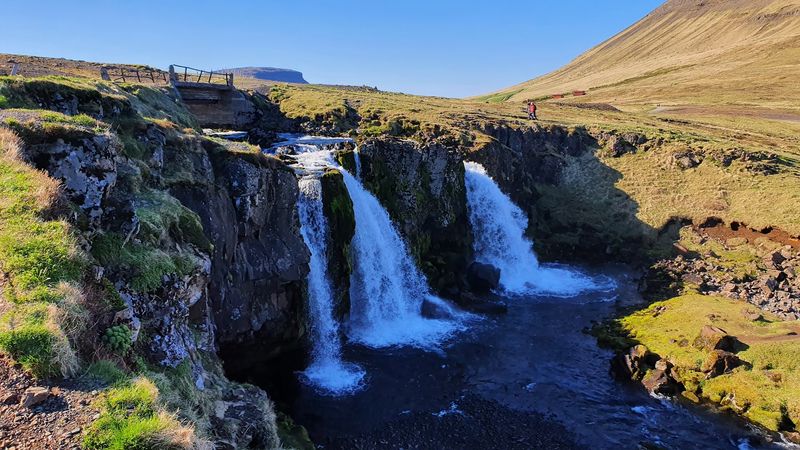
Iceland is a country where volcanoes erupt, winters last forever, and people somehow report some of the highest happiness levels on the planet. That combination sounds impossible, but Iceland makes it work beautifully.
With a population of just around 370,000 people, Iceland feels more like a large tight-knit community than a nation. Crime rates are extremely low, and the country regularly ranks as one of the safest places on Earth.
People leave car doors unlocked and children walk to school alone without worry.
Gender equality is another area where Iceland leads the world. It has ranked first on the Global Gender Gap Index for over a decade straight.
Women participate equally in the workforce and in government, which creates a stronger, more balanced society overall.
Even the famous dark winters do not drag happiness down too far. Icelanders combat the long nights with geothermal hot pools, strong community bonds, and a cultural appreciation for storytelling.
The midnight sun in summer more than makes up for it. Iceland is proof that happiness grows best in places where people genuinely look out for one another.
Sweden
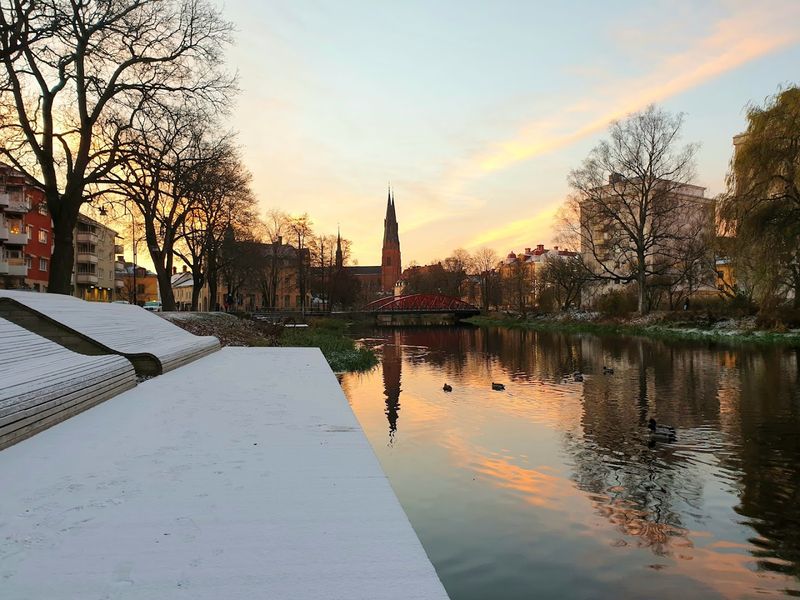
Sweden runs on a social contract that most countries only dream about. Citizens pay fairly high taxes, and in return they receive world-class healthcare, free university education, and some of the most generous parental leave policies anywhere on Earth.
Both parents can take up to 480 days of paid parental leave per child. Fathers are actively encouraged to take their share, which helps create a more equal home life from day one.
That kind of policy does not just help families, it reshapes an entire culture over generations.
Swedish cities consistently rank among the world’s most sustainable and livable. Stockholm is built across 14 islands and surrounded by water, forests, and parks that residents actually use.
Environmental quality is not just a political talking point in Sweden, it is a lived daily reality.
Swedes also have a cultural concept called lagom, which roughly translates to just the right amount. Not too much, not too little.
It applies to everything from portion sizes to personal ambition. In a world obsessed with extremes, Sweden’s quiet middle path seems to be working out remarkably well for everyone involved.
Netherlands
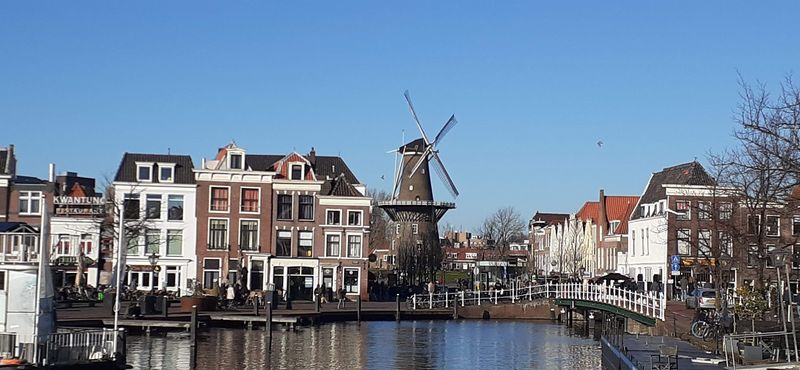
There are more bicycles than people in the Netherlands, and somehow that single fact tells you almost everything you need to know about this country. Cycling is not just transportation here, it is a philosophy built into the roads, the culture, and daily life.
The Dutch consistently rank among the happiest people in Europe, and their approach to work-life balance is a big reason why. Part-time work is extremely common and completely respected across all career levels.
Working fewer hours is not seen as laziness, it is seen as wisdom.
Healthcare in the Netherlands is excellent, and the country performs strongly in education rankings as well. Dutch children are frequently rated as some of the happiest kids in the world, which is a strong indicator of long-term national wellbeing.
Happy childhoods tend to produce happy adults.
Personal freedom is also deeply valued. The Netherlands has long been known for its progressive social policies and tolerance toward different lifestyles and backgrounds.
Amsterdam draws millions of visitors each year, but outside the capital, charming smaller cities like Utrecht, Delft, and Groningen offer equally high quality of life with far fewer crowds and a genuinely relaxed pace.
Norway
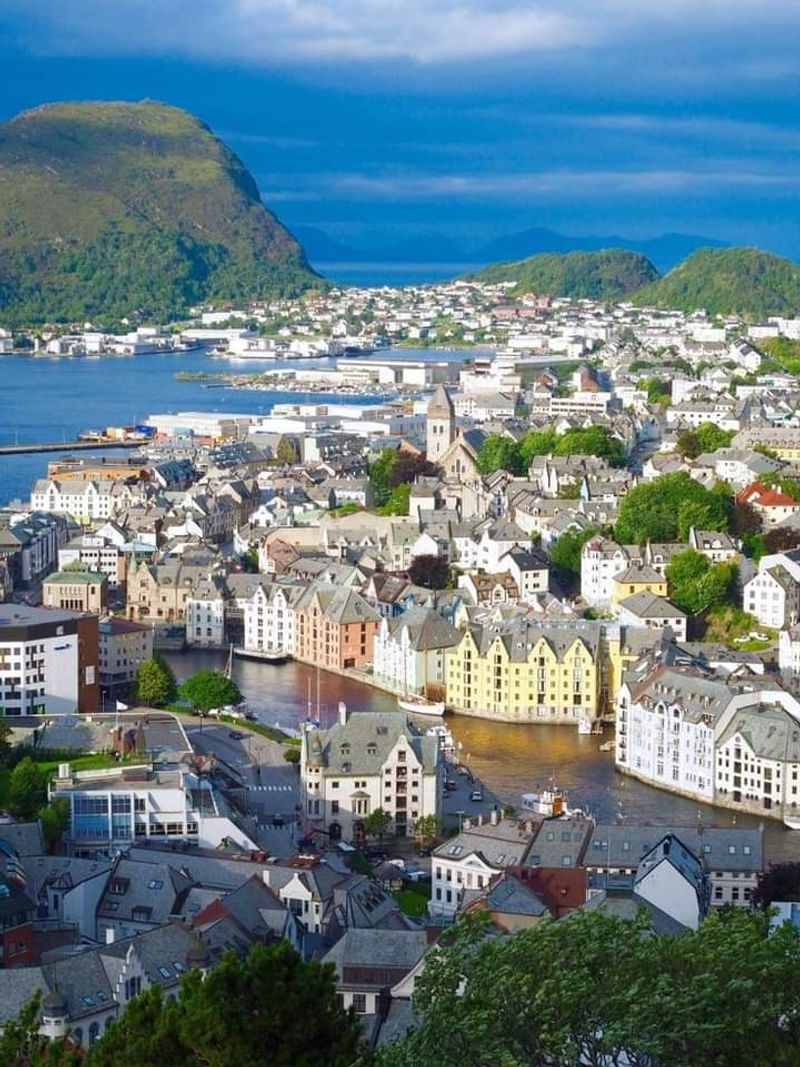
Norway sits on one of the largest sovereign wealth funds in the world, built from oil revenues and managed with remarkable discipline for future generations. That kind of long-term thinking is baked into Norwegian culture at every level.
The welfare system here is genuinely comprehensive. Free healthcare, free higher education, generous unemployment benefits, and strong pension systems mean that Norwegians rarely face the kind of financial catastrophe that devastates families in less-supported countries.
Security creates the foundation for happiness.
Outdoor life is central to Norwegian identity. The concept of friluftsliv, meaning open-air living, is something Norwegians practice year-round regardless of weather.
Hiking, skiing, fishing, and simply spending time in nature are not weekend hobbies, they are weekly necessities for most families.
Norway also scores near the top globally for trust in government and low corruption. When citizens believe their institutions are working in their interest, daily life feels far less stressful.
The country is not perfect, and Norwegians would be the first to tell you that, but the combination of natural beauty, financial security, and strong social bonds creates a quality of life that is genuinely difficult to match anywhere else on the planet.
Switzerland
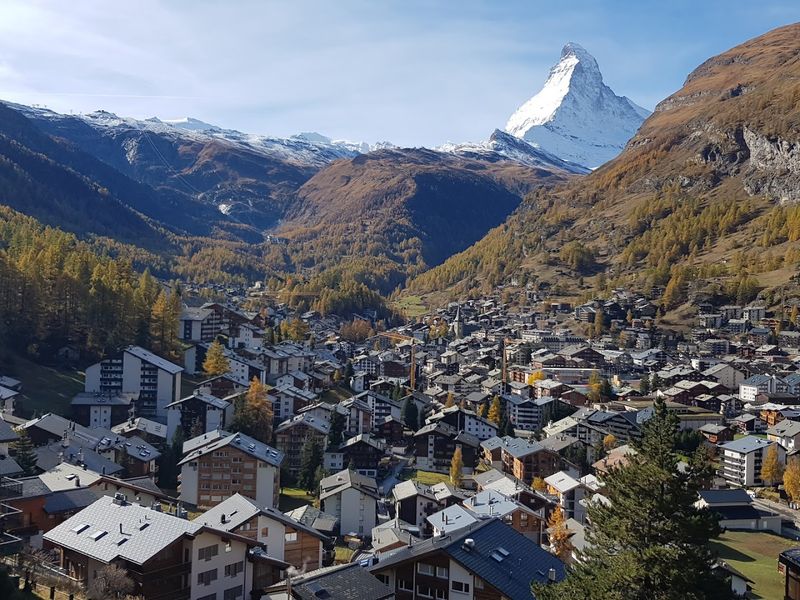
Switzerland is the kind of place where the trains run exactly on time, the mountains look like a painting, and the chocolate is genuinely that good. But behind the postcard scenery is a country that has quietly built one of the most functional societies on Earth.
Economic stability is one of Switzerland’s greatest strengths. Unemployment rates are consistently low, wages are high, and the financial system is among the most trusted in the world.
People can plan for the future without constant economic anxiety hanging over them.
What makes Switzerland especially interesting is its political system. Citizens vote directly on major decisions through referendums multiple times each year.
That level of direct democracy creates a strong sense of ownership over public life, which research consistently links to higher happiness levels.
Switzerland is also multilingual, with four official languages, which means cultural richness is built right into the national identity. Geneva, Zurich, and Basel regularly top global quality-of-life rankings.
Healthcare is excellent, public transport is world-class, and the natural environment is fiercely protected. Switzerland shows that when a country genuinely invests in systems that work, people notice, and they feel it in their daily lives every single day.
Costa Rica
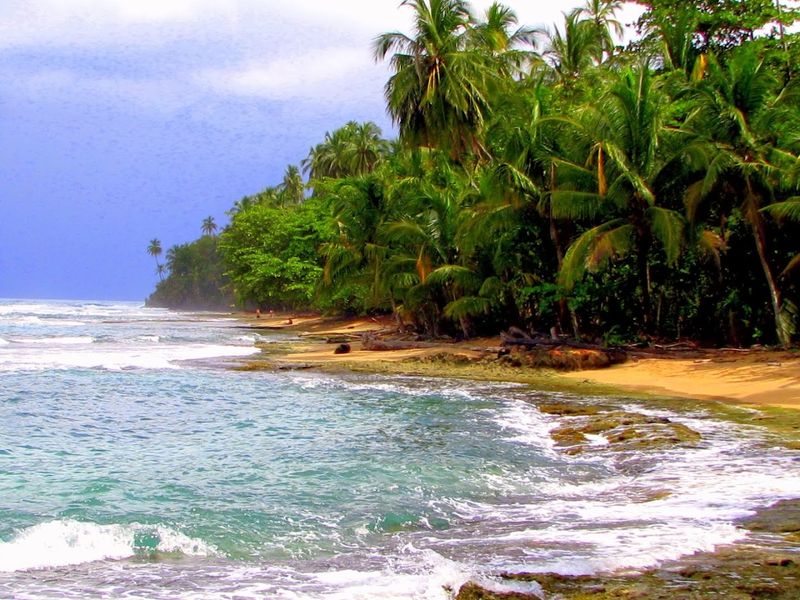
Costa Rica abolished its military in 1948 and redirected that budget toward education and healthcare. That one bold decision set the tone for everything that followed, and decades later the country consistently outranks far wealthier nations in happiness surveys.
The concept of pura vida, meaning pure life, is Costa Rica’s unofficial national motto. It is used as a greeting, a farewell, a compliment, and a general outlook on existence.
When your culture is built around appreciating life as it is, happiness tends to follow naturally.
Biodiversity is another source of national pride. Costa Rica contains roughly five percent of the world’s total biodiversity despite covering less than 0.03 percent of the planet’s surface.
Ecotourism is a major industry, and environmental protection is taken seriously at both the government and community level.
Life expectancy in Costa Rica is remarkably high given its income level. The Nicoya Peninsula is actually designated as one of the world’s five Blue Zones, places where people regularly live past 100 years old.
Strong family bonds, plant-heavy diets, daily physical activity, and a sense of purpose keep Costa Ricans not just happy but genuinely healthy well into old age.
Luxembourg
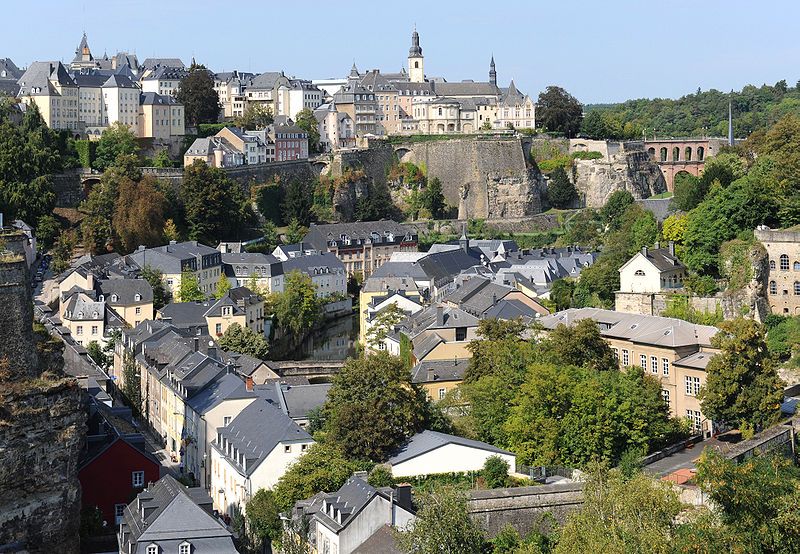
Luxembourg is roughly the size of Rhode Island, but what it lacks in land area it more than compensates for in quality of life. It holds the title of one of the highest GDP per capita in the entire world, and that financial strength genuinely translates into daily life for residents.
Unemployment is low, public services are excellent, and the country offers free public transportation nationwide, making it the first country in the world to do so. Getting around without spending money on transport is a small thing that adds up to real daily relief for working families.
Luxembourg City itself is a UNESCO World Heritage site, with dramatic gorges, medieval fortresses, and sleek modern architecture all sharing the same skyline. The city feels simultaneously ancient and forward-thinking, which reflects the national character well.
As a founding member of the European Union and home to several major EU institutions, Luxembourg punches well above its weight on the global stage. Residents benefit from a multicultural environment where over 170 nationalities live and work side by side.
That diversity brings energy, perspective, and a cosmopolitan atmosphere that keeps this tiny country feeling much larger and more vibrant than its borders might suggest.
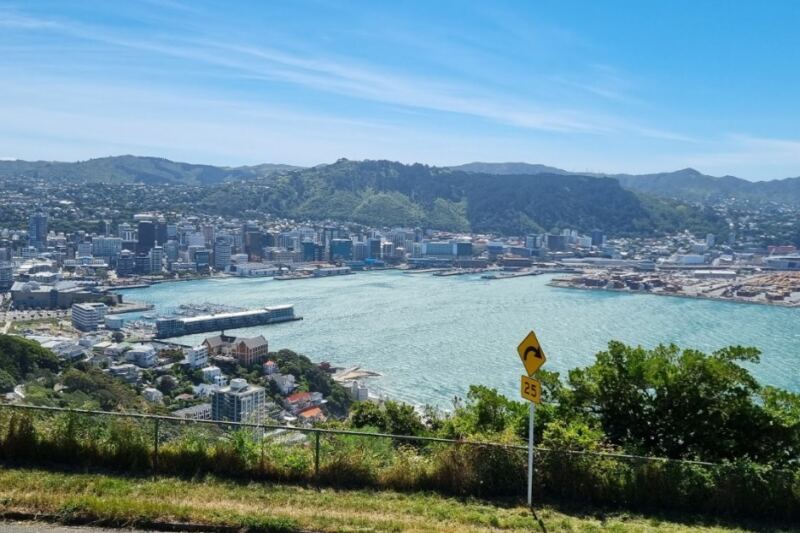
New Zealand
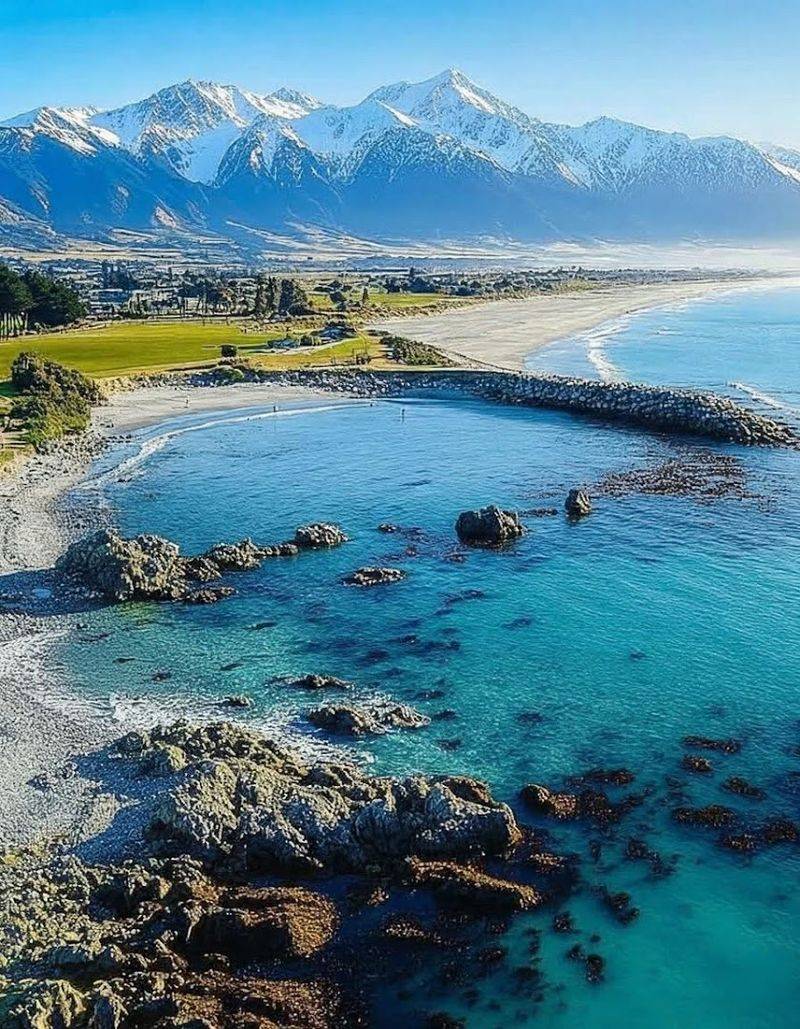
New Zealand sits at the bottom of the world and consistently floats near the top of global happiness rankings. The geography alone is enough to lift your mood, with volcanic mountains, black sand beaches, ancient forests, and crystal fjords all within a few hours of each other.
Beyond the scenery, New Zealand scores highly for personal safety, political stability, and environmental quality. It is one of the least corrupt countries in the world and has a long history of progressive governance.
Women gained the right to vote in New Zealand in 1893, making it the first self-governing country to do so.
The outdoor lifestyle is deeply embedded in everyday culture. Hiking, called tramping locally, surfing, and mountain biking are not just tourist activities.
They are how ordinary New Zealanders spend their weekends, which keeps the population active, connected to nature, and mentally refreshed.
Maori culture adds a unique and important layer to New Zealand’s national identity. The concept of manaakitanga, which centers on hospitality and care for others, is reflected in how communities treat newcomers and support each other.
That deep cultural value of looking after people contributes meaningfully to the country’s consistently high wellbeing scores.
Australia
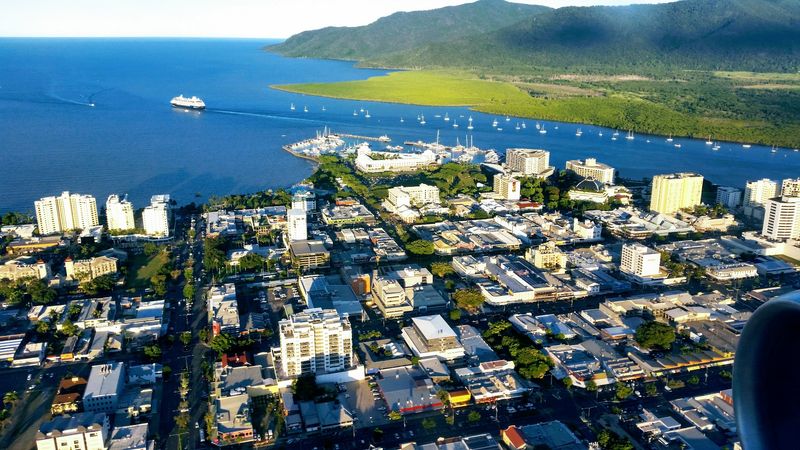
Australians have a word, arvo, for afternoon, and another, brekkie, for breakfast, and honestly that cheerful tendency to shorten everything feels like a pretty accurate reflection of the national attitude toward life. Keep it light, keep it warm, keep it moving.
Australia performs consistently well in global happiness rankings because of a combination of strong economic conditions, universal healthcare through Medicare, and a genuinely outdoor-focused lifestyle. With over 10,000 beaches, outdoor activity is not a seasonal luxury, it is a year-round way of life.
Melbourne and Sydney regularly appear on lists of the world’s most livable cities. Both offer world-class dining, arts scenes, public transport, and multicultural neighborhoods that feel vibrant without feeling chaotic.
Australia is one of the most ethnically diverse nations on Earth, and that diversity shows up positively in food, culture, and community life.
Work-life balance has improved significantly in Australia over recent decades, with growing awareness of mental health and wellbeing in workplace culture. Minimum wage protections are strong, paid leave is standard, and Australians are increasingly vocal about protecting their personal time outside work.
The result is a population that, broadly speaking, feels good about where they live and the life they are building.
Canada

Canada is so consistently polite that it has become a running joke internationally, but behind the friendly reputation is a country that has genuinely built systems designed to support its people. Universal healthcare, strong immigration pathways, and solid social safety nets are not accidents, they reflect deliberate national values.
Multiculturalism is one of Canada’s defining features. Over 20 percent of the population was born in another country, and rather than treating that as a challenge, Canada has largely embraced it as a national strength.
Cities like Toronto and Vancouver are among the most ethnically diverse urban areas anywhere in the world.
Natural space is almost incomprehensibly abundant. Canada has the world’s longest coastline, thousands of lakes, and vast wilderness that remains largely untouched.
For Canadians who value outdoor space and breathing room, the geography delivers in ways that few other countries can match.
Safety, institutional trust, and personal freedom all score highly in Canadian surveys. While housing affordability has become a growing concern in major cities, overall life satisfaction remains strong.
Canadians tend to report feeling proud of their healthcare system and their country’s approach to social inclusion, both of which contribute directly to a sense of security and belonging in daily life.
Austria
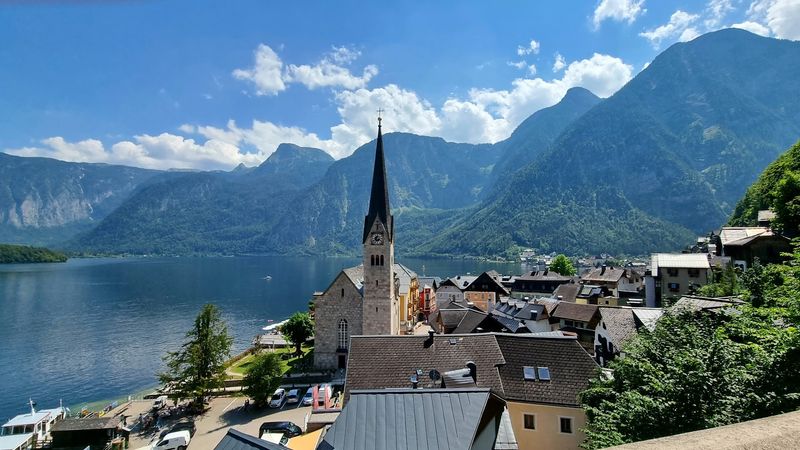
Vienna has been ranked the world’s most livable city so many times by the Economist Intelligence Unit that the title almost feels permanently reserved. Walking through the city feels like moving through a living museum, except the coffee is better and the public transport actually shows up on time.
Austria combines old-world elegance with deeply modern social infrastructure. Healthcare is excellent and accessible, public education is strong, and the country maintains low unemployment rates even during broader European economic turbulence.
Stability is something Austrians have quietly built into every corner of national life.
Classical music is practically a civic institution here. Vienna was home to Mozart, Beethoven, and Schubert, and the city still hosts some of the world’s most celebrated orchestras and opera houses.
Culture is not just entertainment in Austria, it is a source of genuine national pride and community identity.
Outside the capital, Austria offers alpine skiing, pristine lakes, and charming medieval towns that draw millions of visitors each year. Salzburg, Innsbruck, and Graz each offer their own distinct personality and quality of life.
Austrians also enjoy generous vacation time, around 25 days minimum by law, which means rest and recreation are genuinely built into the national calendar.
Ireland
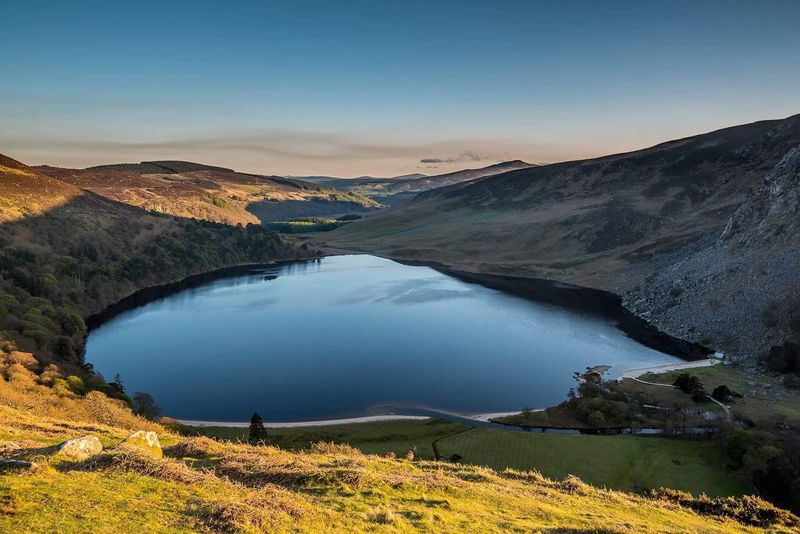
Ireland went from being one of Europe’s poorer countries just a few decades ago to one of its fastest-growing and most dynamic economies. That transformation has been remarkable, and it shows up clearly in rising happiness scores and improving quality of life across the country.
Irish social culture is famously warm. The pub is not just a place to drink in Ireland, it is a community living room where conversations happen, friendships deepen, and strangers become regulars within a single evening.
That social glue matters more than people often realize when measuring national happiness.
The Irish diaspora has spread Irish culture and identity across the globe, and that international presence feeds back into a strong national pride at home. St. Patrick’s Day is celebrated on every continent, which is a pretty extraordinary reach for a country with a population of around five million people.
Ireland also benefits from a young population by European standards, strong foreign investment, and a growing tech sector centered in Dublin. Environmental beauty remains one of the country’s greatest assets, from the Cliffs of Moher to the Ring of Kerry.
Balancing rapid modernization with deep cultural roots is something Ireland is still figuring out, but it is doing so with considerable charm and resilience.
Slovenia
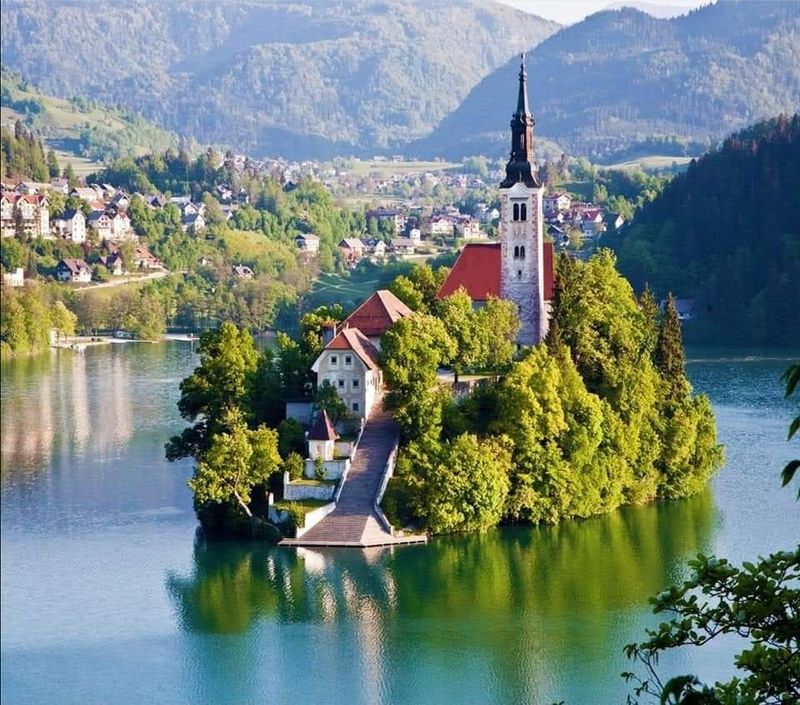
Slovenia might be the most underrated country in Europe, full stop. Sandwiched between Austria, Italy, Croatia, and Hungary, this small nation packs extraordinary natural beauty, a clean and walkable capital, and some of the most impressive sustainability credentials on the continent.
Ljubljana, the capital, has been named a European Green Capital and is genuinely one of the most pleasant city centers in Europe to walk around. The old town is largely car-free, the river running through the middle is lined with outdoor cafes, and the whole place feels relaxed in a way that bigger European capitals rarely manage.
Slovenia scores well on safety, healthcare access, and environmental quality. Crime rates are very low, and residents consistently report feeling secure in their communities.
The country has a strong sense of civic pride, and public spaces are maintained with care that reflects genuine community investment.
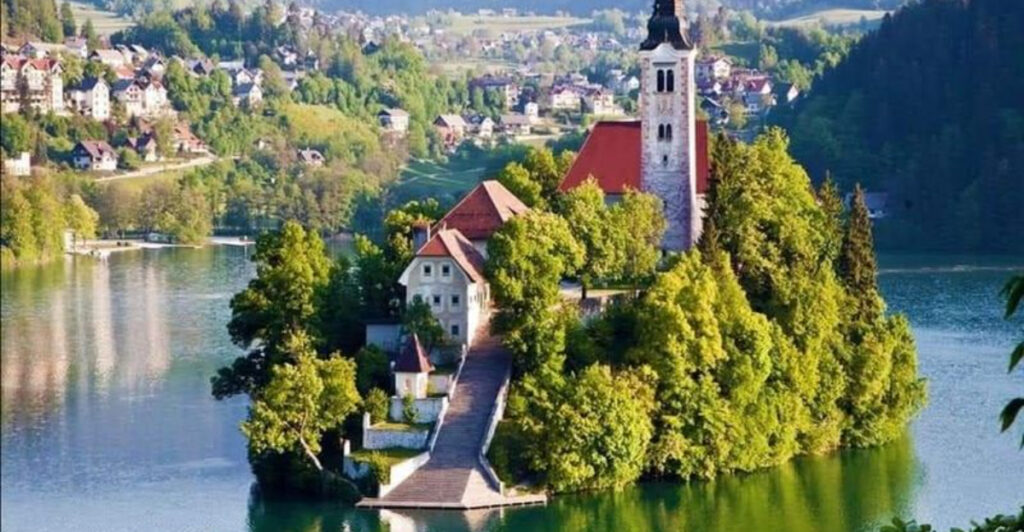
Outdoor life is central here. Lake Bled is one of the most photographed spots in Europe for good reason, but beyond the famous postcard views, Slovenia offers world-class hiking, cycling, cave exploring, and skiing all within a remarkably compact geography.
For a country of just over two million people, Slovenia delivers a quality of life that punches well above its size and is finally getting the global recognition it has long deserved.
Share this story