There is a botanical garden tucked into a southeast Portland neighborhood that most locals have never heard of, even after living nearby for decades. The first time I visited, I had no idea what to expect, and that turned out to be the best part.
Over two thousand plant species, a canopy tree walk, a historic manor house, and a babbling creek are all waiting on a single property that costs less than a movie ticket to enter. By the time I left, I was already planning my return trip, and I think you will be doing the same after reading this.
Where to Find This Hidden Portland Treasure
Most people are surprised to learn that one of Portland’s most beautiful natural spaces sits quietly at 6704 SE 122nd Ave, Portland, OR 97236, tucked into a residential corner of southeast Portland that most visitors never think to explore.
The garden is open Thursday through Sunday from 10 AM to 4 PM, which means planning your visit around those four days is essential. Adult admission is $8, and during your birthday month, you and a guest get in for free, which is one of the more charming perks I have come across at any garden.
Free parking is available on site, and restrooms are conveniently placed near both the entrance and the gift shop. The phone number is +1 503-208-6030, and the website at leachgarden.org has updated event listings worth checking before you go.
Unlike many well-known Portland attractions, this one does not come with long lines or crowded pathways. On a quiet weekday morning, you might find yourself nearly alone among thousands of plant species, which makes the whole experience feel like a private discovery you stumbled into by luck.
The Fascinating Story Behind the Garden
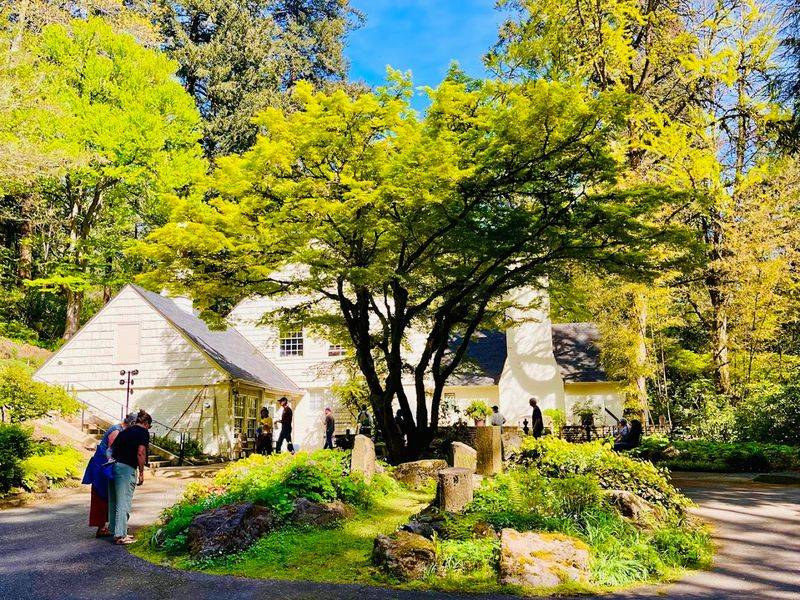
The backstory of this place is genuinely one of the coolest things about it. The garden traces its roots back to the 1930s, when John and Lilla Leach began cultivating the land around their home, building what would eventually become a remarkable private collection of Pacific Northwest plants.
Lilla was a self-taught botanist who discovered several plant species new to science during her lifetime, which is a level of dedication that makes your average weekend gardener feel deeply humbled. The couple’s passion shaped every corner of the property, and you can still feel that love woven into the landscape today.
After the Leaches passed away, they left the estate to the City of Portland, ensuring that their life’s work would remain open to the public. The manor house still stands on the property and is part of guided tours offered at 11 AM, 12 PM, and 1 PM on open days.
Learning that history while walking the same trails the Leaches once tended gives the visit a warmth that most botanical gardens simply cannot replicate. Their legacy is alive in every leaf and bloom here, and that connection to the past is quietly powerful.
Over Two Thousand Plant Species in One Place
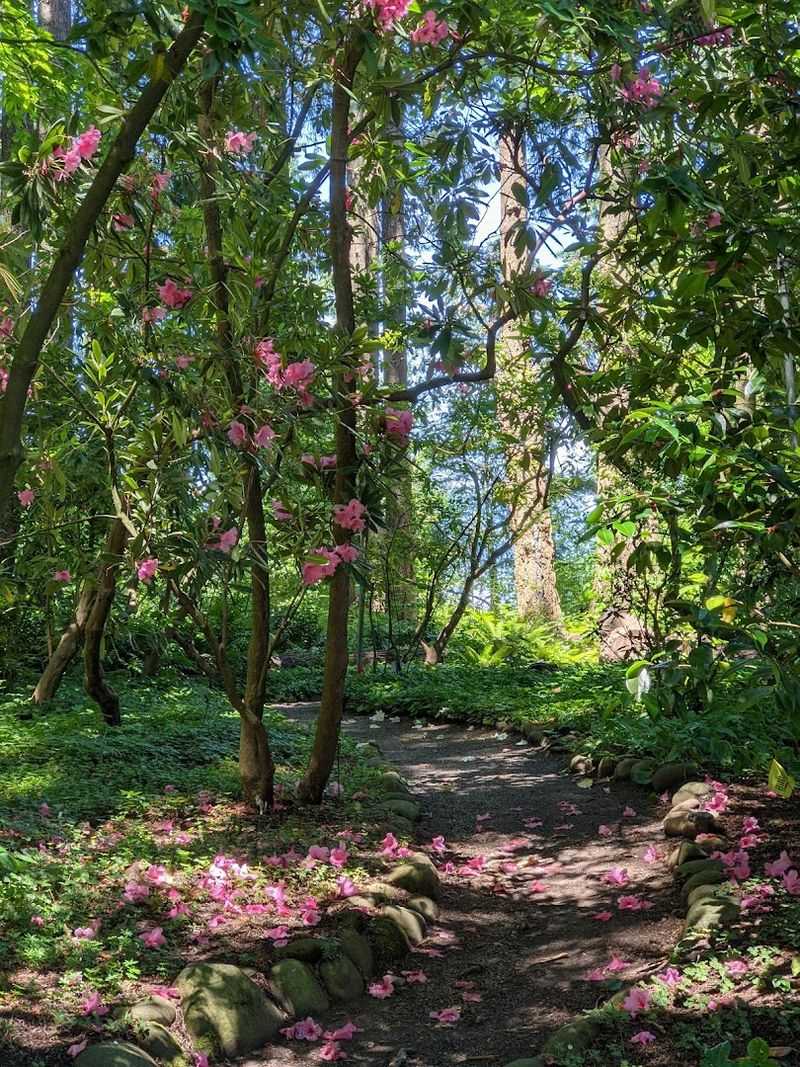
The sheer variety of plants at this garden is what stops most first-time visitors in their tracks. With more than 2,000 species spread across the property, there is always something new to notice, no matter how many times you have walked the same trail before.
Native Pacific Northwest plants make up a significant portion of the collection, which gives the garden a distinctly regional identity that feels authentic rather than assembled for show. Ferns, flowering shrubs, towering conifers, and delicate woodland plants all share space in a layout that feels natural rather than rigidly curated.
The pollinator garden is a particular highlight, buzzing with activity during warmer months and bursting with color in a way that makes it almost impossible not to stop and stare. Even in February, when most flowering plants are resting, the garden holds a quiet, moody beauty that has its own appeal.
Because the plant collection changes so dramatically with the seasons, no two visits ever look quite the same. Spring brings fresh blooms, summer fills the paths with rich green canopy, autumn lights everything up with warm color, and winter strips it back to a stark and elegant simplicity that longtime members find just as rewarding.
The Aerial Tree Walk That Changes Everything
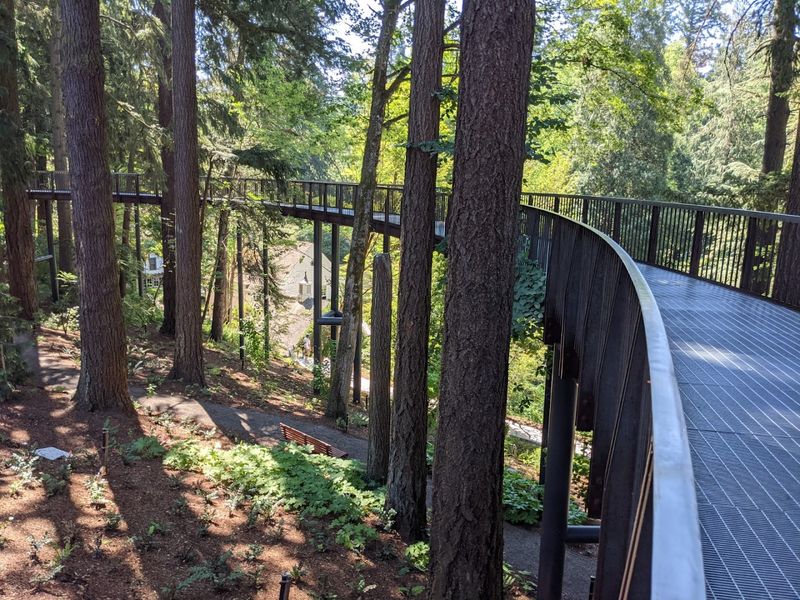
Before the aerial tree walk was added, the garden was already worth visiting. After it opened, the whole experience jumped to a completely different level, and it has become the feature most visitors talk about first when recommending the place to friends.
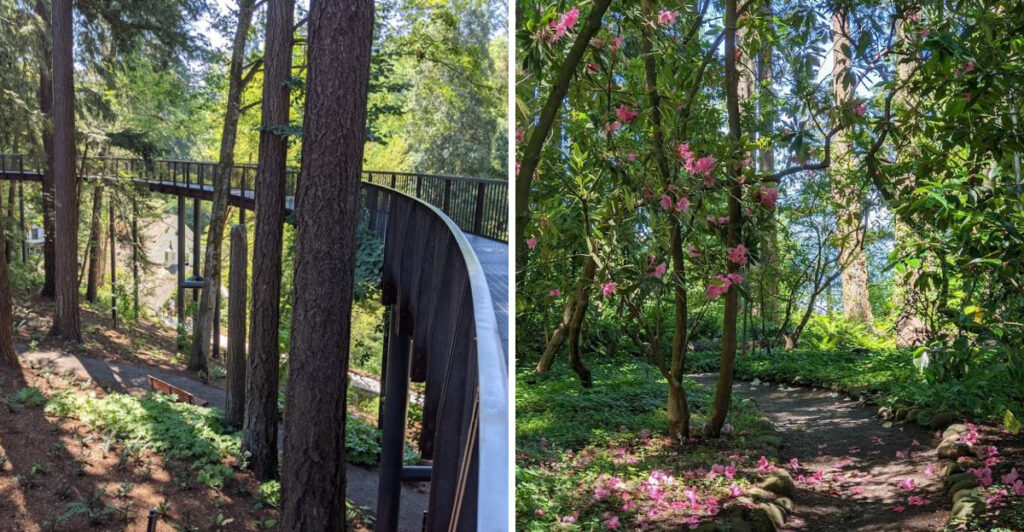
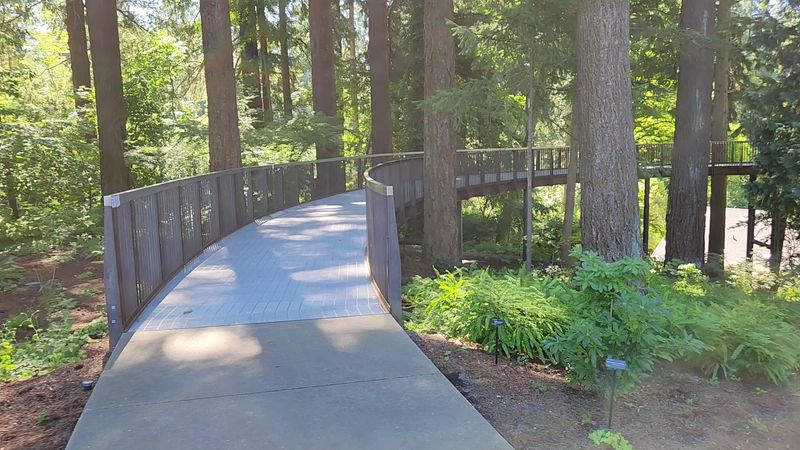
The walkway encircles a Douglas Fir Grove, giving you a bird’s-eye view of the original garden below that puts the entire property into perspective. From up there, you can see how the landscape was designed, how the trails connect, and just how much is packed into what initially seems like a modest piece of land.
The views from the walk are genuinely breathtaking, with tall trees surrounding you on all sides and the canopy stretching out in every direction. It is not a full treetop experience in the strictest sense, landing more at mid-canopy level, but that actually works in its favor by keeping the experience intimate and approachable rather than daunting.
Photographers especially love the walk because it opens up angles and backdrops that ground-level paths simply cannot offer. Whether you are shooting portraits, landscapes, or just capturing the mood of the place for your own memories, the aerial walk delivers one compelling frame after another.
Johnson Creek and the Trails Along the Water
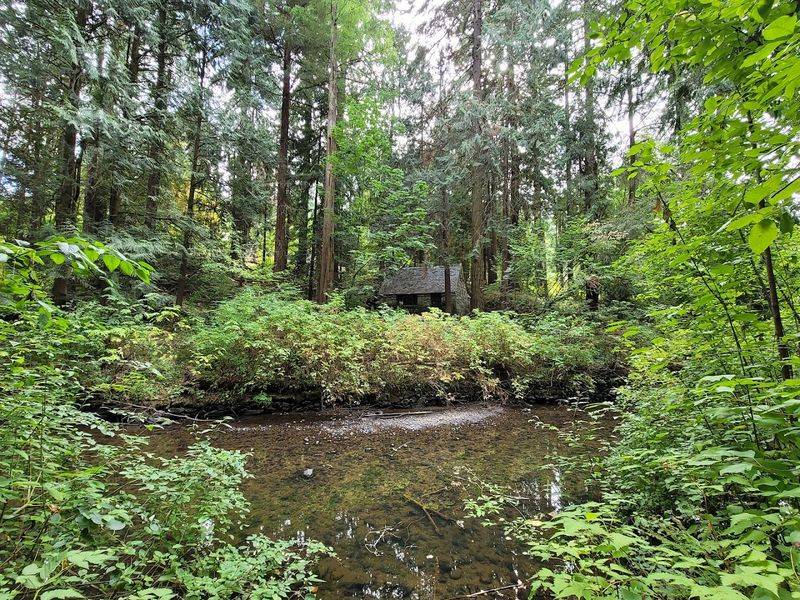
A small creek borders the property, and its presence transforms the atmosphere of the whole garden in a way that is hard to fully describe until you are standing beside it. The sound of moving water threading through the landscape adds a layer of calm that pulls your shoulders down and your breathing slower almost immediately.
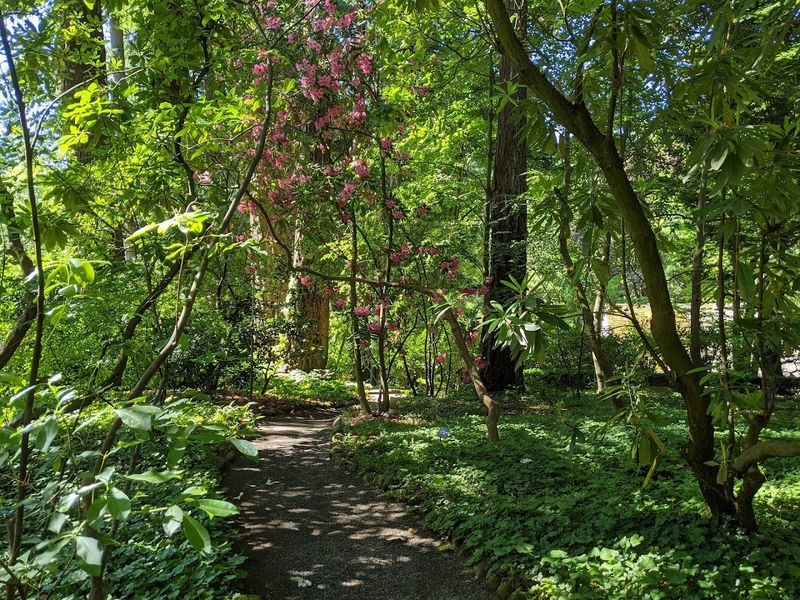
Johnson Creek runs along the edge of the grounds, and the trails that follow it are among the most relaxing stretches of the entire visit. The combination of water, native plantings, and dappled light filtering through the tree canopy creates a setting that feels far removed from the surrounding city.
The bridge crossing the creek is a popular spot for photographs, and it is easy to see why. The circular design frames the water and surrounding greenery in a way that looks almost deliberately composed, even though the whole scene is entirely natural.
On rainy days, which are plentiful in Portland, the creek swells slightly and the whole area takes on an even moodier, more atmospheric quality. One visitor I spoke with mentioned making the trip specifically on an overcast, rainy afternoon and finding it completely worth the wet shoes, which honestly tracks with my own experience there.
A Wedding Venue That Nature Built
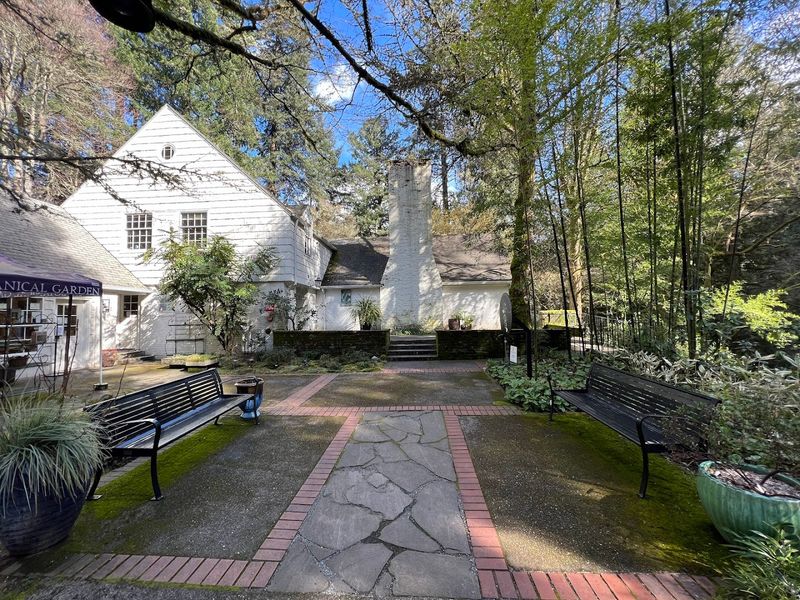
Not every botanical garden doubles as a sought-after wedding venue, but this one does it effortlessly. The combination of towering trees, diverse plantings, a historic manor house, and a flowing creek creates a setting that wedding photographers describe as endlessly photogenic, and it is easy to see why so many couples choose it.
The property works equally well for larger celebrations and intimate micro weddings, which is a flexibility that most venues simply cannot offer. The varied terrain means different areas of the garden can serve different parts of the day, from the ceremony under the Douglas firs to portraits along the creek trail.
Because the garden changes so dramatically with the seasons, weddings held here in spring look entirely different from those in autumn, which means no two events ever feel like copies of each other. That seasonal variety keeps the space feeling fresh and personal rather than formulaic.
The staff consistently earn praise from couples and vendors alike for being genuinely warm, professional, and helpful throughout the planning and event process. That kind of hospitality is not something you can manufacture, and it adds a human quality to the venue that makes the experience memorable long after the flowers have faded.
What to Expect on the Trails
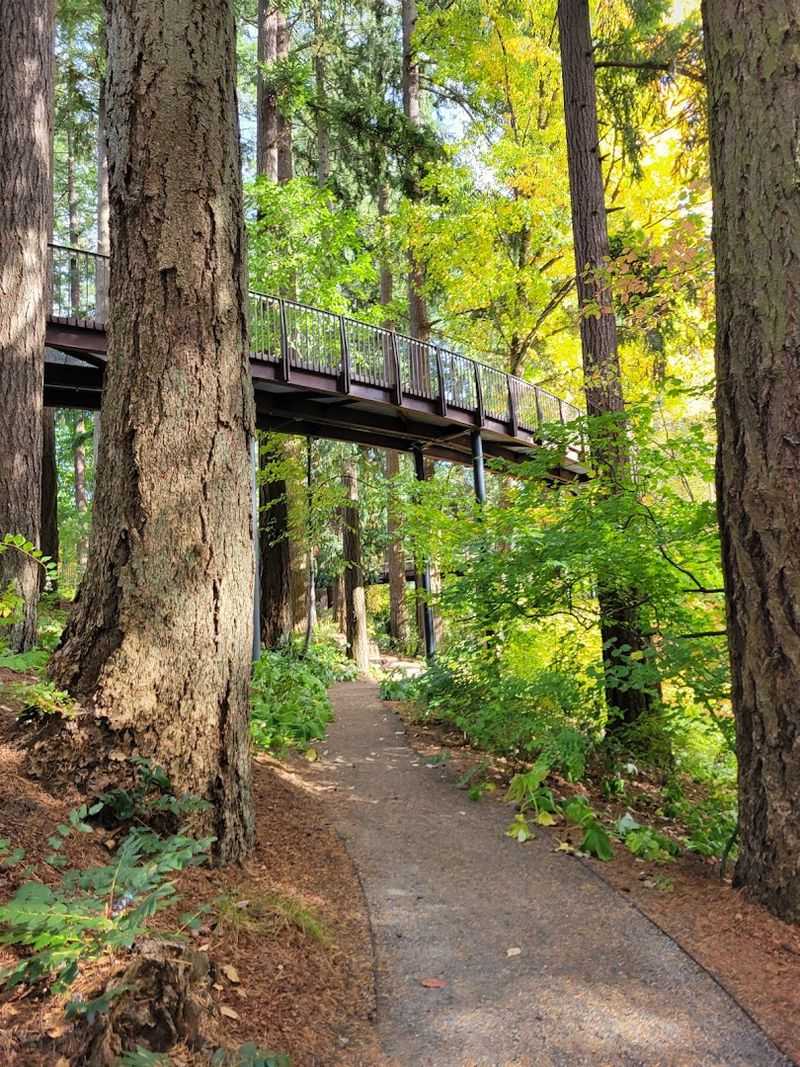
The trails here are charming, but they come with a few things worth knowing before you lace up your shoes. The property covers roughly 1.5 miles of walkable paths, and the terrain is varied enough that it keeps the experience interesting from start to finish.
Some sections are relatively flat and easy to navigate, while others involve steep stairs and hilly stretches that require a bit of effort. The garden is not fully stroller-friendly or ADA-accessible in all areas, so visitors with mobility considerations should check the website in advance to plan the most accessible route.
Walking with a group is a great way to enjoy the trails, especially if anyone in your party needs extra support on the steeper sections. The benches and chairs placed throughout the grounds are genuinely useful, offering natural rest points where you can sit and take in the surroundings without feeling rushed.
Going slowly is the right approach here. The trails reward patience, and visitors who take their time consistently notice plants and details they missed on faster passes.
The recommended pace is unhurried, and the garden is designed to be savored rather than completed, which is a refreshing change from most outdoor attractions.
The Gift Shop and Little Surprises Along the Way
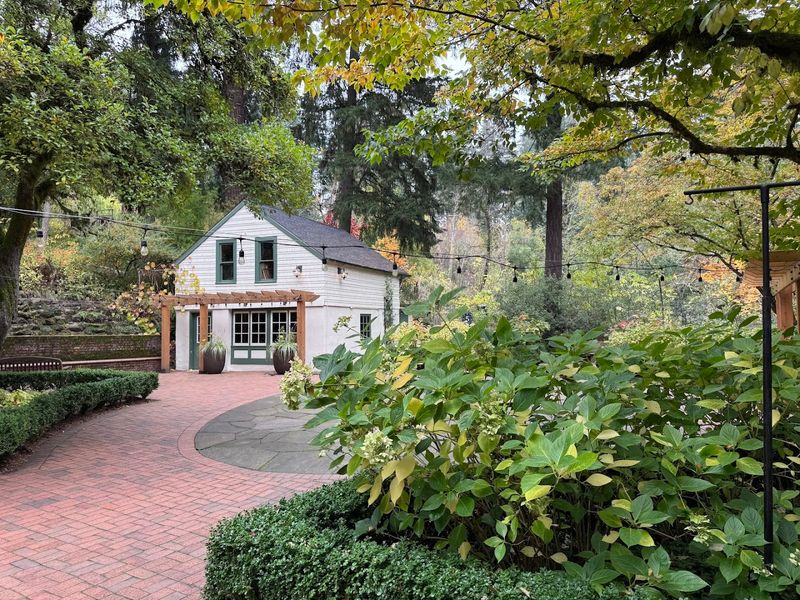
The gift shop at this garden is better than you might expect, and I mean that as a genuine compliment. It carries a thoughtful selection of locally sourced products including honey, kombucha, canned lattes, and a handful of other items that feel curated rather than generic.
It is the kind of shop where you go in expecting to browse for two minutes and come out fifteen minutes later carrying something you did not plan to buy but are genuinely glad you found. The selection leans into the garden’s identity as a place rooted in nature and local community.
Beyond the shop, the property holds a few delightful surprises scattered throughout the grounds. Dina the dinosaur, a colorful figure tucked under some bushes, has become a beloved discovery for younger visitors and adults who appreciate a bit of unexpected whimsy in their garden stroll.
There is also a small playhouse in the meadow that younger children gravitate toward, giving families with kids an extra reason to visit beyond the plants themselves. These small touches reflect a garden that takes its role as a community space seriously, offering something for every type of visitor rather than catering exclusively to dedicated plant enthusiasts.
Events, Classes, and Community Connections
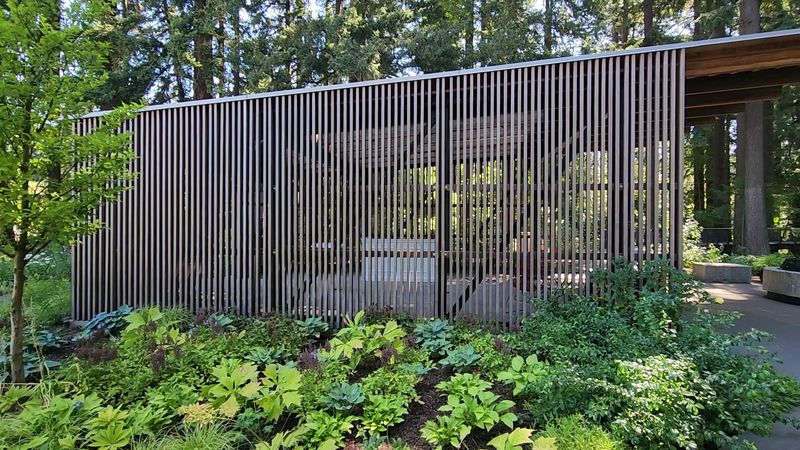
The garden is more than a place to walk and look at plants. It functions as an active community hub, hosting classes, seasonal events, and special programming throughout the year that draw regulars back time and again.
Past events have included Juneteenth celebrations with free admission, craft activities, and community gatherings that reflect the garden’s commitment to being welcoming and accessible to everyone in the Portland area. Those kinds of events turn a botanical garden into something that feels genuinely alive and connected to the city around it.
Classes offered on site cover topics related to plants, nature, and gardening, making the space useful for people who want to learn and not just observe. The educational programming is a big part of what separates this garden from a simple park and gives it a deeper purpose within the community.
Membership options are available for frequent visitors, and longtime members consistently describe the garden as their favorite place in all of Portland. That kind of loyalty says a great deal about what the space offers beyond its physical beauty, pointing to a sense of belonging and connection that keeps people coming back season after season, year after year.
Tips for Getting the Most Out of Your Visit
A few practical details can make the difference between a good visit and a great one. The garden is open Thursday through Sunday from 10 AM to 4 PM, so arriving early gives you the best chance of experiencing the quieter, more peaceful version of the space before crowds build up later in the day.
Wear comfortable shoes with solid grip, especially if you plan to tackle the steeper trail sections or explore the aerial walk. The terrain is uneven in places, and the Pacific Northwest weather means paths can be slick after rain, which in Portland is a near-constant consideration.
Bringing a camera is strongly recommended, whether that is a professional setup or just your phone. The garden offers photogenic moments around nearly every corner, and the variety of light, color, and texture makes it easy to fill a memory card without ever feeling like you are forcing a shot.
If you are visiting during your birthday month, do not forget to mention it at the entrance, because you and a guest get in free. That small detail, combined with the $8 standard adult admission, makes this one of the most affordable and rewarding ways to spend a few hours outdoors in the Portland area, and honestly, in the entire Pacific Northwest.
Share this story