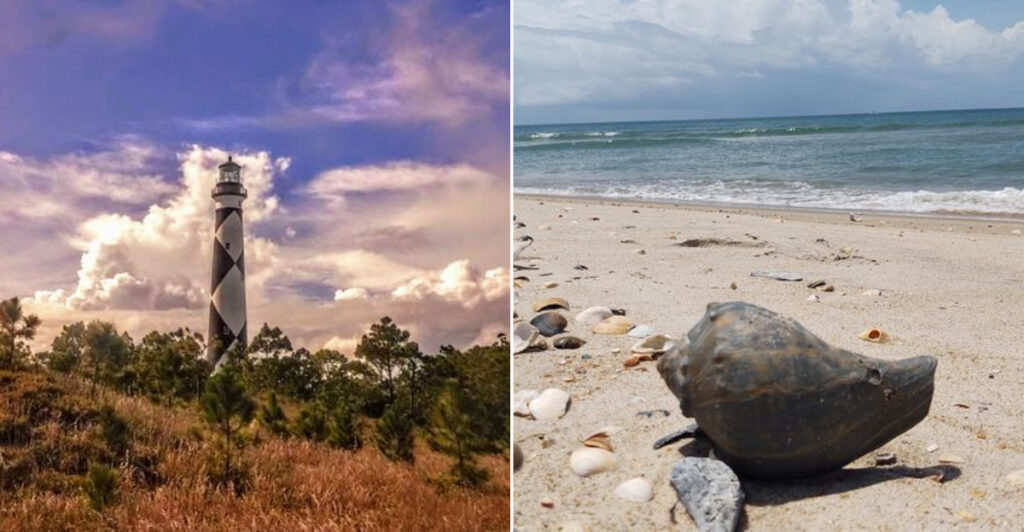
There is a stretch of North Carolina coastline that most people have never heard of, and that is exactly what makes it so special. No bridges connect it to the mainland.
No traffic lights, no fast food signs, no parking lots. Just wild beach, open sky, and one of the most iconic lighthouses on the entire East Coast standing tall against the elements.
This place sits at the southern tip of Core Banks, a barrier island system that has stayed remarkably unchanged for generations. Getting there requires a ferry ride, which means only the curious and the committed actually show up.
That natural filter keeps the crowds thin and the experience surprisingly pure. Whether you are a history lover, a beach wanderer, or just someone who needs a break from the noise, this remote island delivers something that is genuinely hard to find anywhere else.
The Lighthouse That Has Stood For Over 150 Years
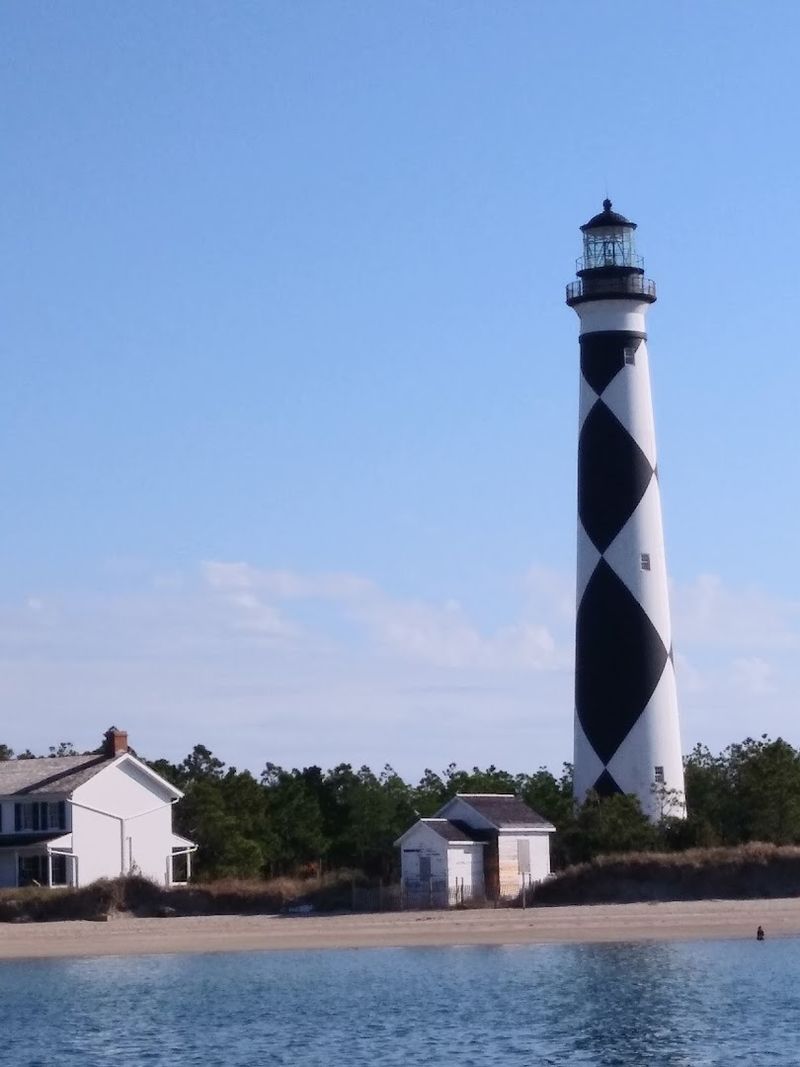
The Cape Lookout Lighthouse is the centerpiece of the entire island, and it is hard to miss. Standing 163 feet tall with its distinctive black-and-white diamond pattern, it has guided ships safely past the dangerous shoals of Cape Lookout since 1859.
The current lighthouse replaced an earlier one built in 1812 that was considered too short and too dim to do the job properly. The new structure was designed to be visible from much farther out at sea, and it has proven its worth through countless storms and changing coastlines.
During certain seasons, the National Park Service opens the lighthouse for climbing, giving visitors access to panoramic views of the surrounding barrier islands and open Atlantic. The climb involves a spiral staircase with 207 steps, so it is not for everyone, but those who make it to the top tend to agree it is worth every step.
Few lighthouses on the East Coast carry this level of history and architectural boldness.
Why This Island Has No Crowds (And Why That Matters)
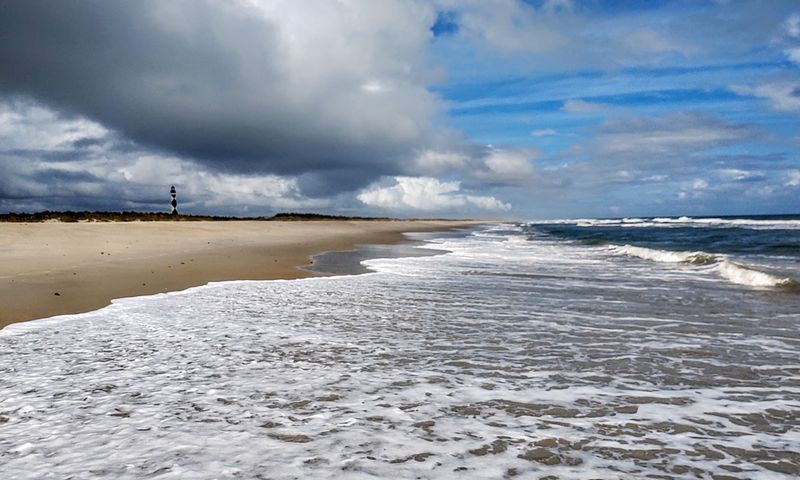
On a summer Saturday, most popular beaches on the East Coast are packed with umbrellas, chairs, and noise. Cape Lookout looks nothing like that.
Because there is no road access and no commercial development, the number of people who show up on any given day stays naturally low.
That is not just a pleasant bonus, it is a defining feature of the experience. Wide stretches of undeveloped beach are genuinely rare on the Atlantic coast, and Cape Lookout offers miles of them.
The lack of facilities also means visitors have to plan ahead. Bringing water, food, sunscreen, and everything else needed for the day is essential, since there is nowhere to buy supplies once you arrive.
That extra preparation step filters out casual day-trippers and keeps the atmosphere quieter than most coastal destinations.
For people who want a beach experience that feels less like a theme park and more like an actual natural place, Cape Lookout consistently delivers on that promise.
The Wild Horses Of Shackleford Banks
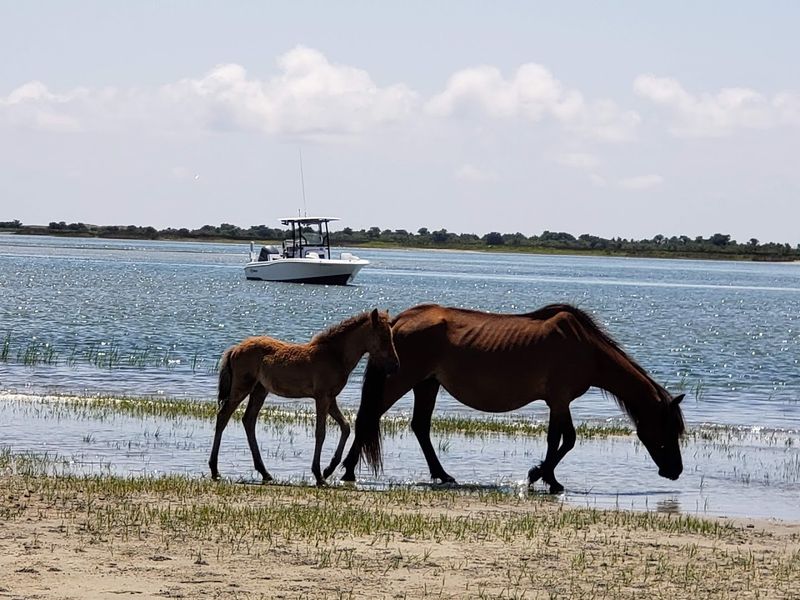
Just across a narrow stretch of water from Cape Lookout lies Shackleford Banks, and this neighboring island carries its own remarkable story. A herd of wild horses has lived on Shackleford Banks for centuries, descendants of horses believed to have arrived during the colonial era.
These horses are not tame and are not managed like domestic animals. They roam freely across the island, grazing on marsh grass and moving between the dunes and the shoreline on their own schedule.
The Shackleford Banks herd typically numbers around 100 horses, and the population is monitored by a nonprofit organization working alongside the National Park Service to keep the herd healthy without interfering with their wild nature.
Ferry services from Harkers Island and other nearby points make Shackleford Banks accessible as part of a Cape Lookout National Seashore visit. Seeing free-roaming horses on an undeveloped barrier island is the kind of thing that stops people mid-sentence and makes them reach for their cameras without thinking twice.
A Brief History Of The People Who Once Called This Place Home
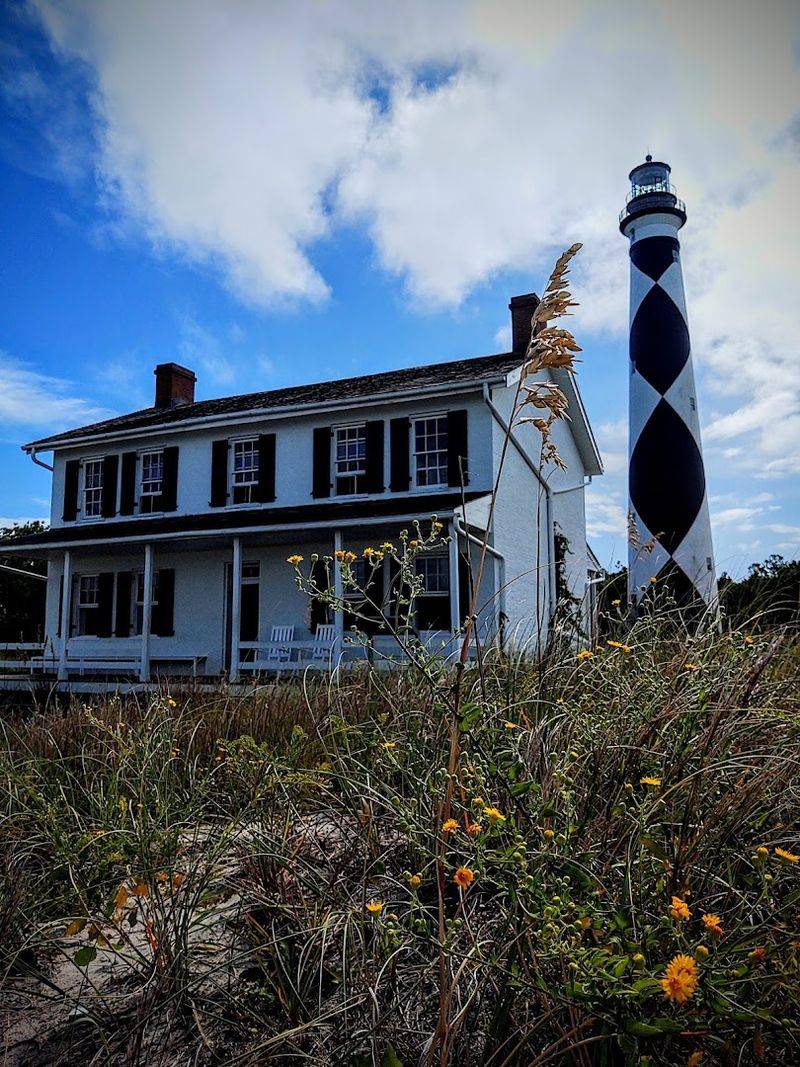
Before Cape Lookout became a national seashore, people actually lived here. Small fishing communities dotted the Core Banks for generations, with residents making their living from the sea in ways that had barely changed for over a century.
The community at Cape Lookout village, located near the lighthouse, was one of several settlements that existed on the banks. These communities fished, hunted, and survived in an environment that most outsiders would consider harsh and isolating.
When the National Park Service began establishing Cape Lookout National Seashore in the 1960s and 1970s, the remaining residents were eventually relocated to the mainland. Some families left willingly, others with considerable reluctance, and the story of that transition is still discussed among descendants of the original communities.
A few historic structures from those former settlements still stand today, preserved by the Park Service as reminders of the human history layered beneath the natural landscape. That history adds real depth to what might otherwise seem like just a beautiful beach.
Shell Collecting Along Miles Of Undisturbed Beach
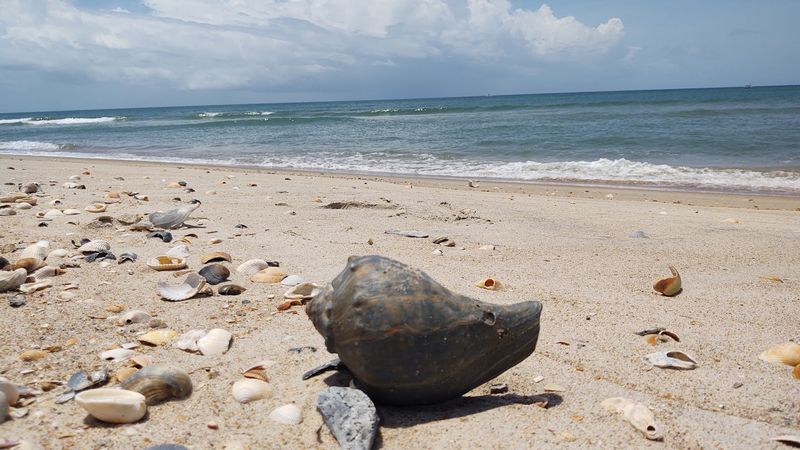
Cape Lookout has a well-earned reputation among shell collectors, and that reputation is backed by geography. The Cape sits at a point where ocean currents converge, which pushes shells and other marine materials ashore in impressive quantities.
Scotch bonnets, the official state shell of North Carolina, wash up here with enough regularity that dedicated collectors make special trips just for the chance to find one. Lightning whelks, olive shells, and sand dollars also turn up frequently along the shoreline.
The best shelling tends to happen after storms or at low tide, when fresh material has been deposited on the beach. Early morning walks before other visitors arrive also improve the odds of finding something worth keeping.
Because Cape Lookout is a national seashore, there are rules about what can be taken. Live shells and living organisms must be left in place, but empty shells are fair game within reasonable limits.
Few beaches on the entire East Coast offer this kind of shelling quality in such a quiet, unhurried setting.
Fishing At One Of The East Coast’s Most Productive Spots
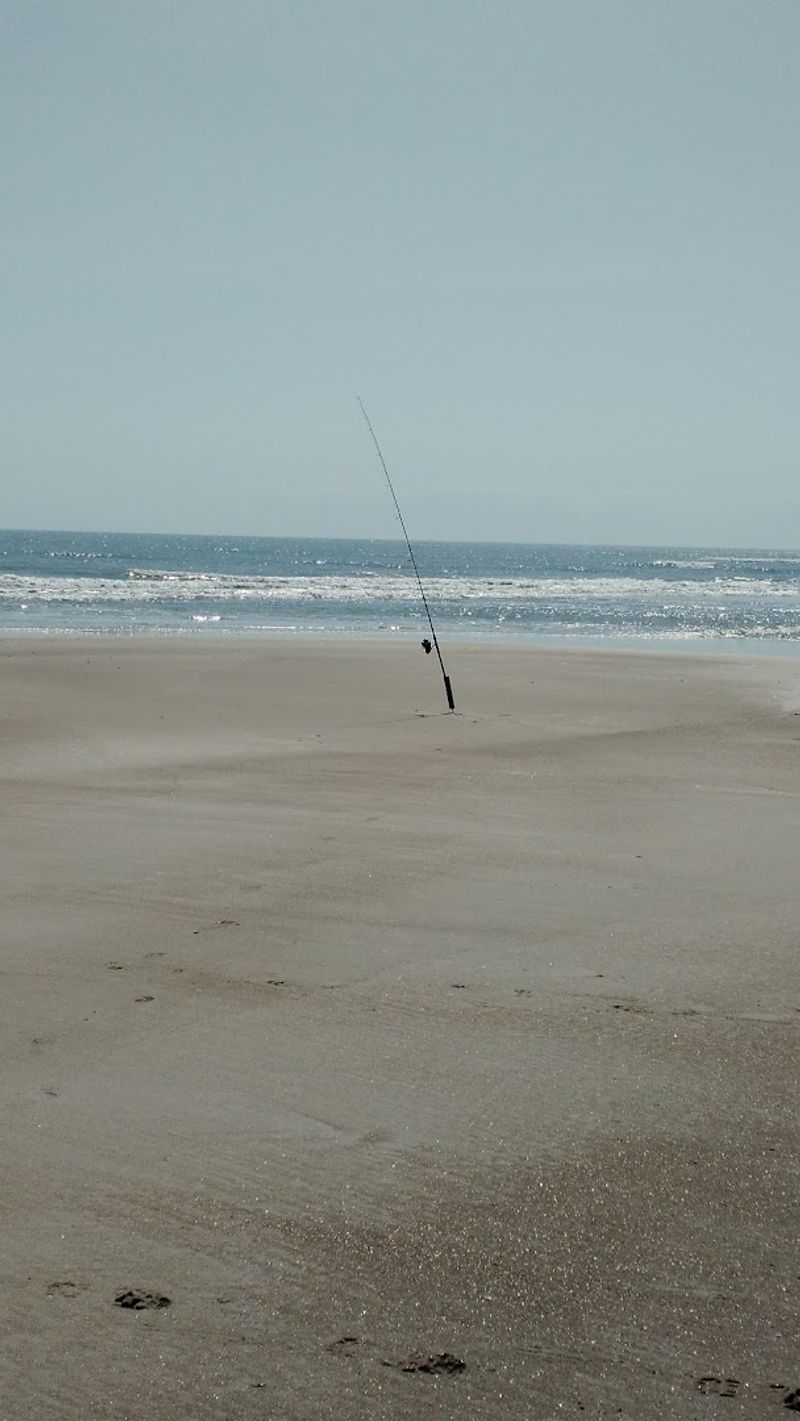
Cape Lookout has been a destination for serious anglers for as long as anyone can remember, and the reasons are rooted in simple oceanography. The shoals extending from the Cape create a meeting point for warm and cold water currents, which draws baitfish and, in turn, larger game fish in impressive numbers.
Surf fishing along the outer banks of Core Banks is a popular approach, with red drum, bluefish, flounder, and striped bass among the species regularly caught from the shore. Offshore fishing charters also operate in the waters around Cape Lookout for those targeting larger pelagic species.
The area is part of what anglers sometimes call the “Graveyard of the Atlantic” fishing grounds, a reference to both the productive waters and the historically treacherous shoals that have wrecked hundreds of ships over the centuries.
Fishing from the beach here requires no special permit beyond a standard North Carolina saltwater fishing license, which makes it accessible to anyone willing to make the ferry trip and set up along the shore.
Camping Under The Stars On A Barrier Island
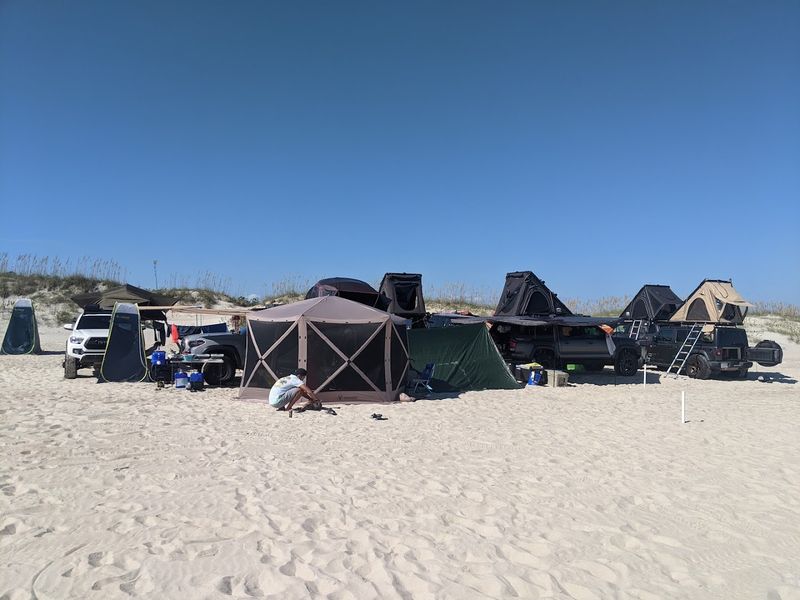
Spending a night on Cape Lookout is a completely different experience from a day trip. The National Park Service allows primitive camping throughout most of Core Banks, which means visitors can set up a tent directly on the beach with nothing between them and the open Atlantic sky.
There are no designated campsites with hookups or amenities. Camping here means bringing everything in and packing everything out, including all trash and waste.
The reward for that extra effort is a level of quiet and isolation that is hard to replicate anywhere on the developed East Coast.
Cabins are also available for rent through the park concessionaire, offering basic shelter for those who prefer four walls over a tent. These are simple structures without air conditioning or modern conveniences, but they put a roof over your head on an otherwise roadless island.
Reservations for cabins fill up quickly, especially during summer months, so planning well ahead is strongly recommended for anyone hoping to stay overnight on the island.
The Ferry Ride That Sets The Tone For The Whole Trip
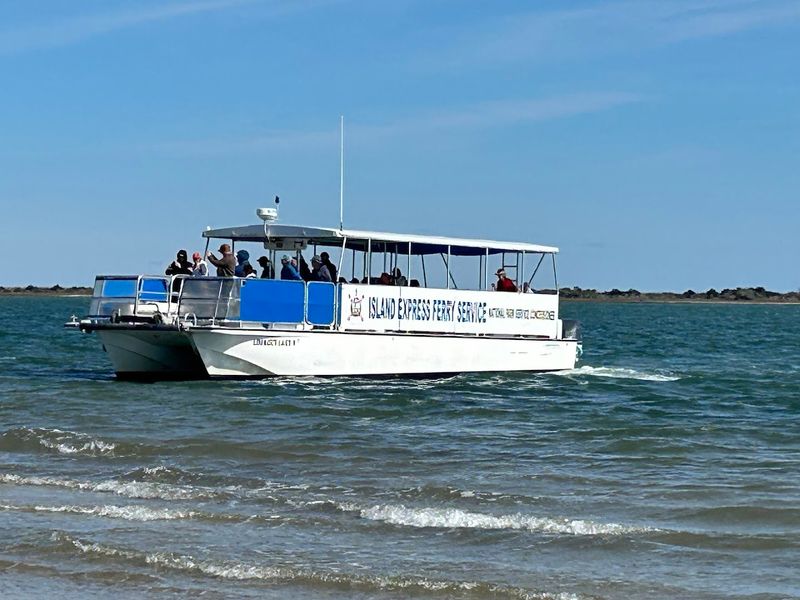
Getting to Cape Lookout is part of the experience, not just a logistical step to get through. The ferry crossing from Harkers Island or other nearby departure points takes roughly 20 to 45 minutes depending on the operator and conditions, and that time on the water serves as a genuine transition between the mainland world and the island one.
Several private ferry services operate routes to Cape Lookout and the surrounding national seashore areas. Schedules vary by season, and some operators offer both passenger and vehicle ferry options, allowing visitors to bring ATVs or four-wheel-drive vehicles onto the island for beach driving.
The crossing itself passes through the calm waters of Back Sound and Core Sound, with views of marshes, birds, and open water that set a clear tone for what is ahead. First-time visitors often note that the ferry ride itself changes their mental state before they even set foot on the island.
Checking ferry schedules in advance and booking ahead during peak season is a practical must, not a suggestion.
Bird Watching In A Genuinely Untouched Habitat
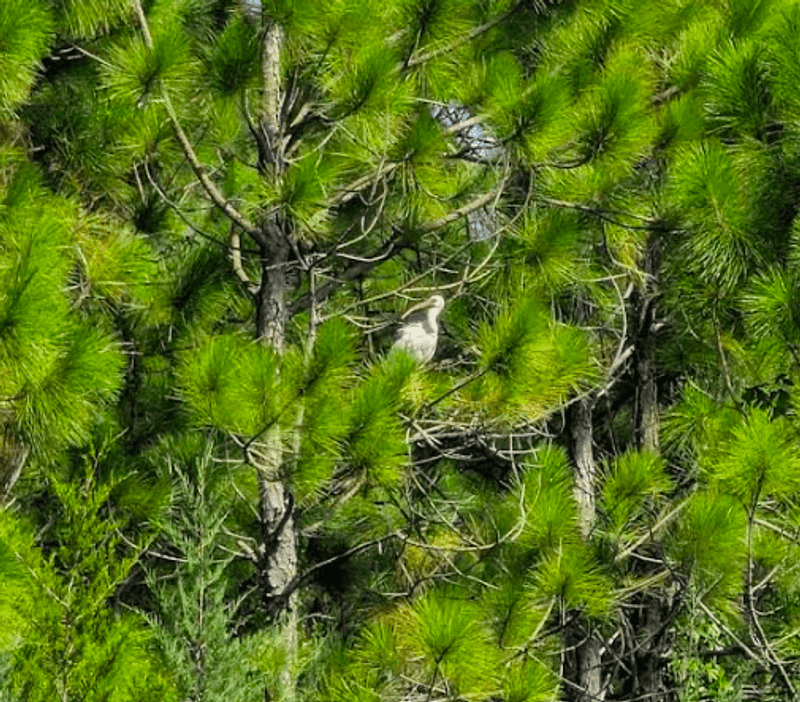
Cape Lookout National Seashore sits along the Atlantic Flyway, one of the major migratory routes used by birds traveling between their breeding and wintering grounds. That geographic position makes it a productive spot for bird watching across all four seasons.
During spring and fall migration, the island sees a wide variety of shorebirds, wading birds, and songbirds passing through. Brown pelicans, oystercatchers, terns, and black skimmers are common sights along the shoreline throughout much of the year.
The undeveloped nature of the seashore means bird habitats remain largely intact. Nesting colonies of least terns and other protected species use sections of the beach during summer, and park rangers typically mark these areas to prevent disturbance.
Bringing binoculars is an obvious recommendation, but even casual observers tend to notice the bird activity here simply because there are so many of them and so few human distractions competing for attention. It is one of those places where wildlife feels like the default, not the exception.
The Dangerous Shoals That Have Shaped Centuries Of Maritime History
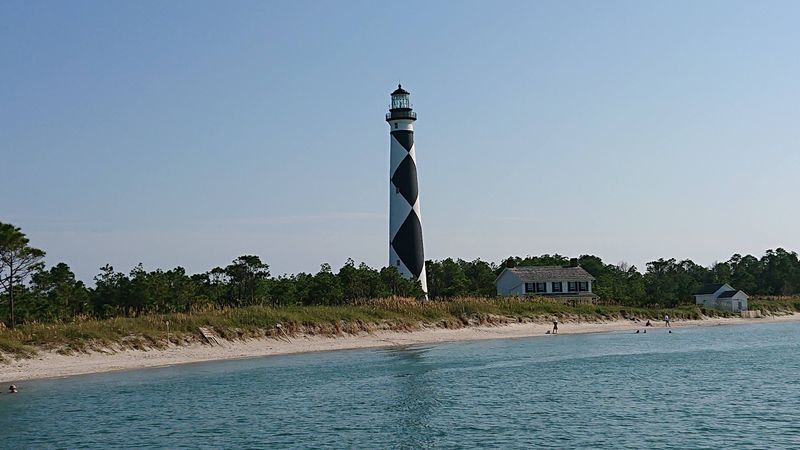
The waters just offshore from Cape Lookout have claimed more ships than most people realize. The Diamond Shoals and Lookout Shoals are shallow, shifting underwater formations that extend miles from the Cape, creating some of the most hazardous navigation conditions on the entire Atlantic coast.
Hundreds of documented shipwrecks lie beneath these waters, ranging from colonial-era vessels to ships lost during World War II, when German submarines operated aggressively in the shipping lanes just off the North Carolina coast. The region earned its nickname, the Graveyard of the Atlantic, for reasons that were very real to the sailors who traveled these waters.
That history is not just a dark footnote. It directly explains why the Cape Lookout Lighthouse was built where it was and why the lighthouse keepers who maintained it were considered so essential to maritime safety for over a century.
Divers occasionally explore some of the accessible wrecks in the area, and the maritime history adds a layer of meaning to what might otherwise seem like just a quiet stretch of coastline.
What The National Park Service Protects Here And Why It Matters
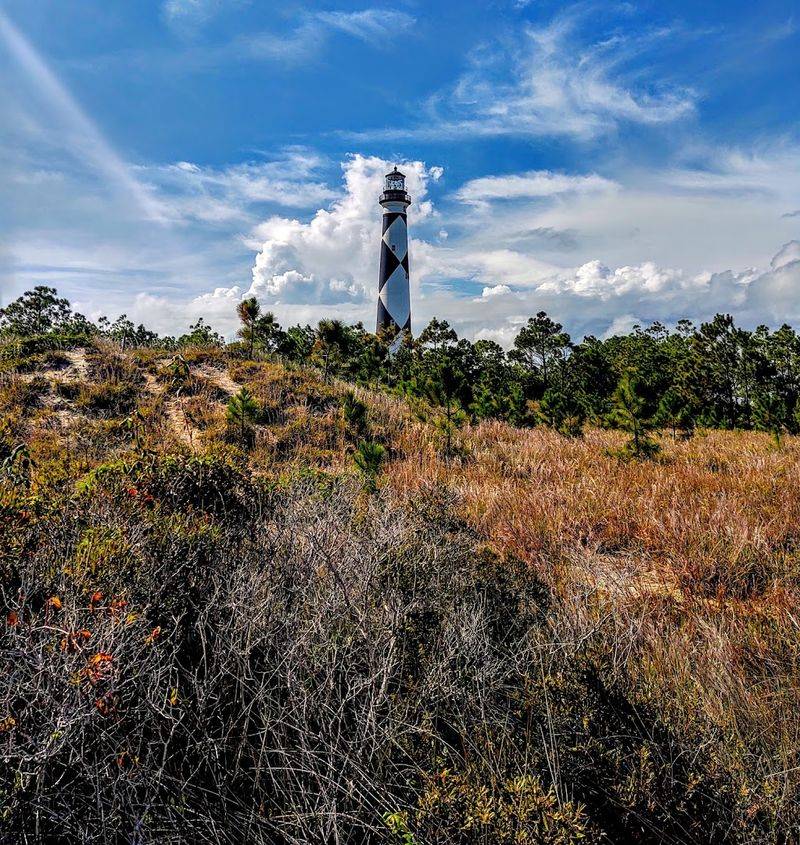
Cape Lookout National Seashore was established in 1966, making it one of the earlier national seashores created along the Atlantic coast. The designation covers approximately 56 miles of barrier island coastline, including Core Banks and Shackleford Banks, protecting the ecosystem from commercial development.
The national seashore status means the land is managed for conservation, recreation, and preservation of natural and cultural resources. Development is strictly limited, which is the direct reason the island looks today much as it did generations ago.
The Park Service manages a range of habitats within the seashore, including beach, dune, maritime forest, salt marsh, and tidal flat environments. Each of these supports distinct plant and animal communities that depend on the undisturbed nature of the landscape.
Federal protection also means the historic structures on the island, including the lighthouse complex and remnants of former communities, are preserved and maintained for future generations. That combination of natural and cultural preservation is what gives Cape Lookout its unusual depth as a destination beyond just a pretty beach.
The Best Time Of Year To Make The Trip
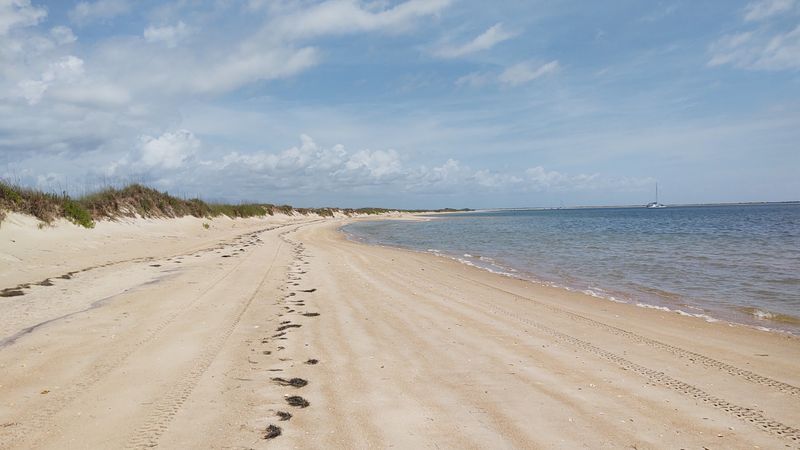
Cape Lookout is a year-round destination, but the experience changes significantly depending on when you go. Summer brings the warmest water and the longest days, but it also brings the most visitors and the highest heat and humidity levels, which can make full days on an exposed barrier island genuinely uncomfortable.
Spring and fall are widely considered the most pleasant seasons for visiting. Temperatures are moderate, crowds are thinner, and the wildlife activity during migration periods makes these months particularly rewarding for anyone interested in birds or marine life.
Winter visits are possible and carry their own appeal. The island is almost completely empty during the colder months, and the starkness of the landscape takes on a different character.
Ferry services may operate on reduced schedules in winter, so checking availability before planning a cold-weather trip is important.
Hurricane season runs from June through November, and the barrier island location means weather conditions can change rapidly. Keeping a close eye on forecasts before any visit is practical common sense, not just a precaution.
Practical Tips For First-Time Visitors Who Want To Get It Right
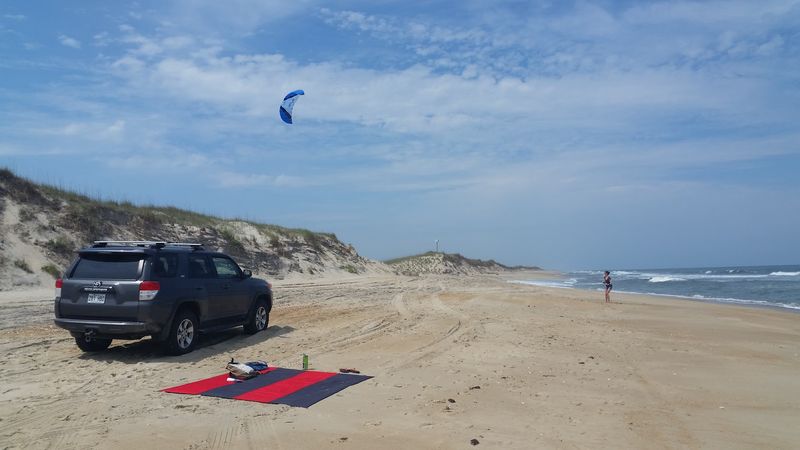
Visiting Cape Lookout requires a bit more planning than a typical beach trip, and first-timers who skip the preparation step often end up cutting their visit short. The island has no stores, no restaurants, and no fresh water sources, so everything needed for the day must come with you on the ferry.
Sun protection is not optional on an exposed barrier island with no shade structures. Wide-brimmed hats, high-SPF sunscreen, and protective clothing make a significant difference over the course of a full day outdoors.
Insect repellent is also strongly recommended, particularly during warmer months when biting insects can be active in the marshy areas near the interior of the island. Many visitors who skip this step regret it by mid-afternoon.
Bringing more water than expected is a consistent piece of advice from people who know the island well. The combination of heat, sun, and physical activity adds up faster than most people anticipate.
Finally, confirming the return ferry time before the trip begins prevents the kind of logistical stress that nobody needs at the end of a good beach day.
Why Cape Lookout Stays With You Long After You Leave
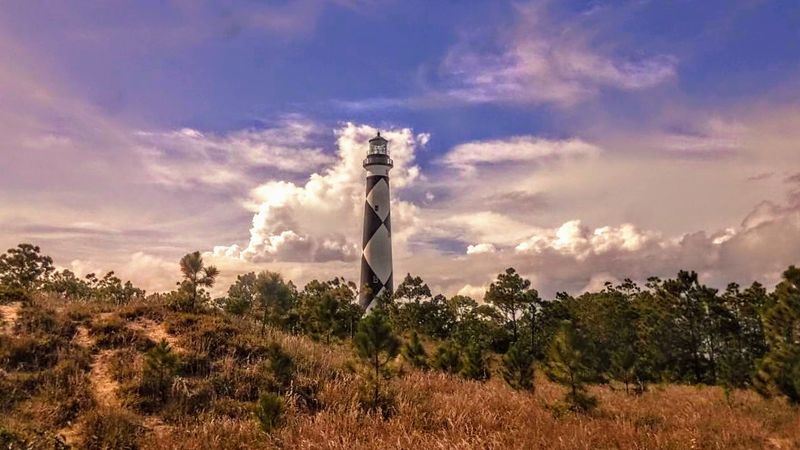
Some places earn their reputation through marketing, and others earn it by simply being exactly what they claim to be. Cape Lookout falls firmly into the second category.
The island does not try to impress anyone with amenities or attractions, because the place itself is the attraction.
The combination of a historic lighthouse, wild horses on a neighboring island, productive fishing, exceptional shelling, and miles of undeveloped beach creates an experience that covers a surprisingly wide range of interests. Families, solo travelers, nature enthusiasts, and history buffs all find something meaningful here.
What tends to stay with people after the ferry ride back to the mainland is the quiet. Not just the absence of noise, but the specific quality of a place that has not been reshaped to accommodate convenience.
That is increasingly rare along the Atlantic coast, and it is the thing that brings people back to Cape Lookout again and again.
The island asks a little more of you than a standard beach destination, and that is exactly why it gives back so much more in return.
Where Exactly This Place Is And How To Find It
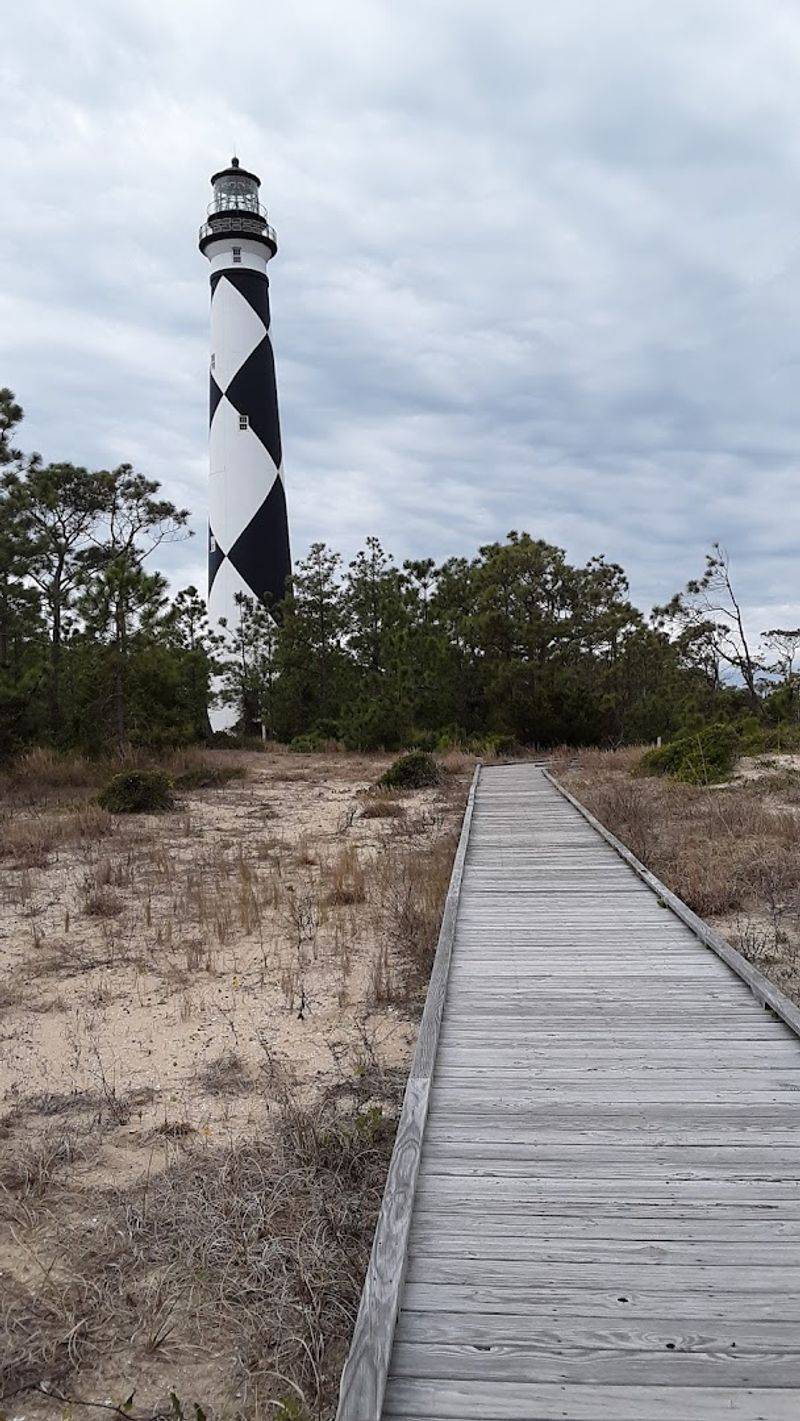
Cape Lookout sits at the southern tip of Core Banks, a barrier island along the Atlantic coast of North Carolina, with the mailing address of North Carolina 28531. There are no roads connecting it to the mainland, which means the only way to arrive is by ferry or private boat.
The island is part of Cape Lookout National Seashore, a federally protected area managed by the National Park Service. The seashore stretches about 56 miles and includes Core Banks and Shackleford Banks.
Ferry services depart from several points on the mainland, including Harkers Island, which is one of the most popular launch spots for reaching the Cape Lookout area. The ride is short but meaningful, because the moment the mainland disappears behind you, the whole mood shifts.
There are no paved roads, no hotels, and no stores on the island itself. That is not a warning, it is actually the whole point of going.
Share this story