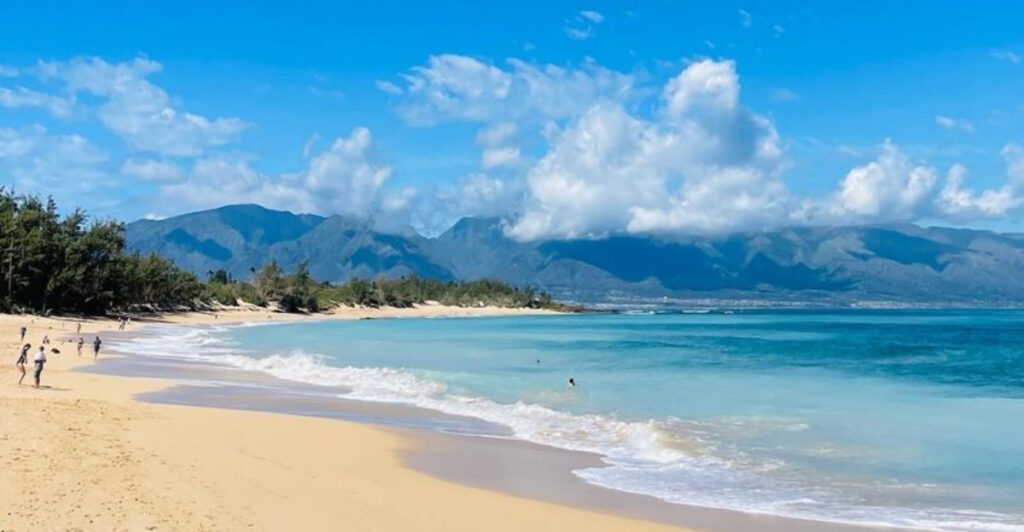
Maui has a beach for every kind of traveler, whether you want glassy calm water for snorkeling, dramatic black sand under your feet, or a front-row seat to world-class surf. I have spent time on quite a few of these shores, and the variety still surprises me every visit.
Some beaches are polished and resort-backed, while others feel wild and almost untouched. This list covers 15 beaches that genuinely deserve a spot on your Maui itinerary.
Kapalua Bay
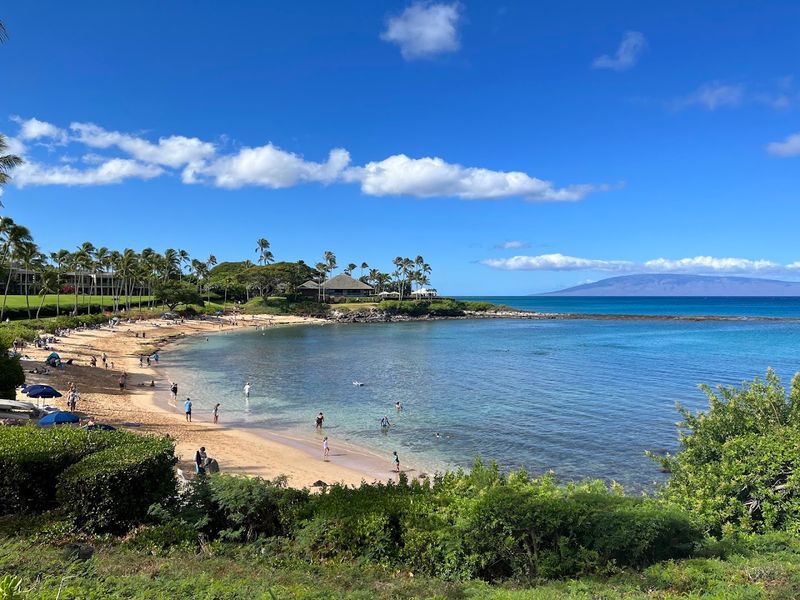
Kapalua Bay has a reputation so good it almost feels unfair to the other beaches. Tucked into a curved, reef-lined cove on West Maui, it delivers calm mornings and clear water that make snorkeling feel almost effortless.
First-timers often say it looks exactly like a postcard, and honestly, they are not wrong.
The reef edges on both sides of the bay help block swells, keeping the interior relatively gentle compared to more exposed shorelines. That protection makes it a solid pick for swimmers who are not confident in rougher conditions.
Mornings tend to be the calmest, so arriving early is a smart move.
Facilities here are decent, with restrooms and parking available nearby. The surrounding Kapalua area is known for upscale hotels and lush greenery, which adds a nice backdrop.
Pack reef-safe sunscreen, skip the flip-flops for snorkeling, and give yourself at least half a day here.
Napili Bay
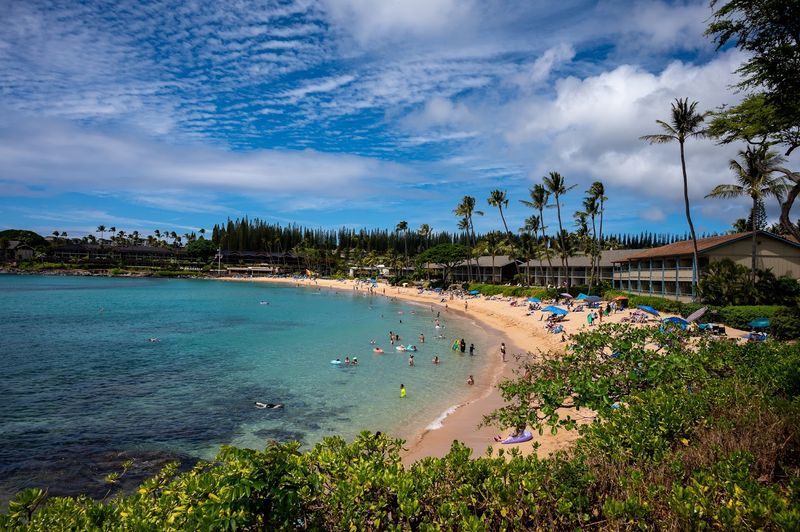
Nobody told Napili Bay it was supposed to be the quieter alternative to the big resort beaches, and yet here it is, quietly stealing hearts. The crescent shape is textbook Maui: golden sand curving around blue-green water with a laid-back vibe that feels genuinely unhurried.
Families and couples keep coming back for exactly that reason.
When conditions are calm, the bay can be wonderful for swimming and light snorkeling. The key phrase there is “when conditions are calm.” There is no lifeguard on duty, so checking surf reports before you wade in is not optional, it is mandatory.
The surrounding area has a mix of condos and smaller hotels, giving it a more residential feel than the big resort strips. Sunsets from this bay hit differently.
Pro tip: grab a spot on the sand well before the sun drops, because you will not be the only one with that plan.
Ka’anapali Beach
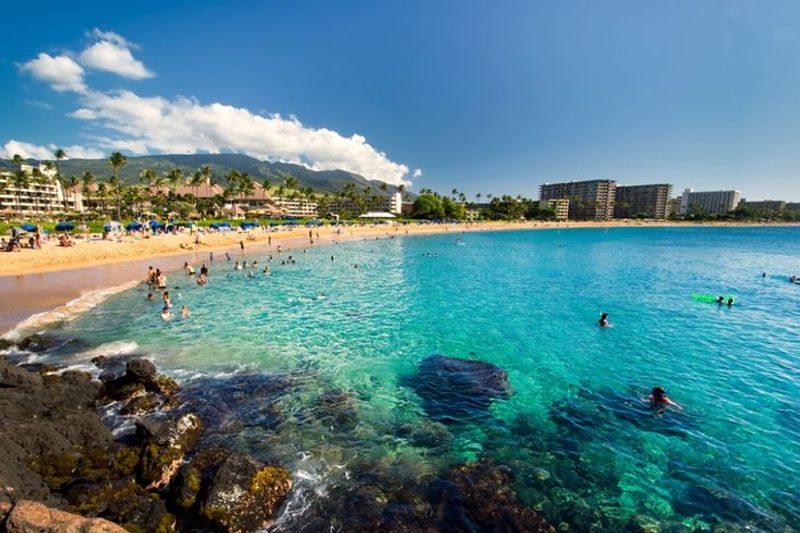
Ka’anapali Beach does not try to be a hidden gem, and that is part of its charm. Stretching along West Maui with a lineup of resorts, restaurants, and shops behind it, this beach is built for a full, easy beach day with zero logistical headaches.
Everything you need is basically right there.
The north end of the beach features Black Rock, a lava promontory where snorkeling can be surprisingly good when the water is clear. It is also where cliff jumping happens, though that activity comes with obvious risks worth thinking through before leaping.
The swimming along the main stretch is generally accessible when seas are calm.
People-watching here is an Olympic sport. Between the resort guests, the outrigger canoes, the parasailers overhead, and the occasional wedding setup, there is always something happening.
I once watched a man attempt to read a novel while being repeatedly photobombed by strangers. Respect.
Wailea Beach
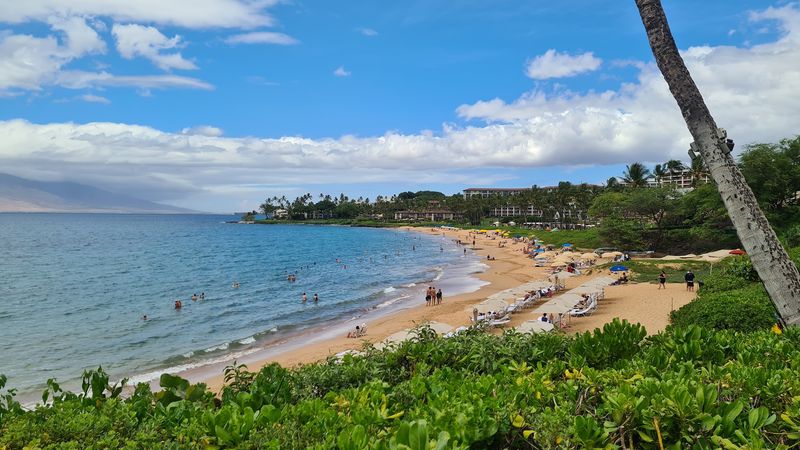
Wailea Beach is what happens when South Maui decides to put its best foot forward. Soft sand, a scenic resort backdrop, and generally manageable swimming conditions on calm days make it one of the most polished beach experiences on the island.
Public access is available, which matters more than people realize.
The beach sits between two major resorts, and the facilities nearby make it easy to spend hours without needing to plan too far ahead. Calm mornings are the sweet spot here, both for the water and for snagging a good patch of sand before the crowds settle in.
South Maui beaches can get breezy in the afternoons, which is refreshing in summer but can kick up chop in the water. Swimming is best earlier in the day for that reason.
Wailea also connects to a paved coastal walking path that runs along several nearby beaches, making it a great starting point for a longer morning stroll.
Keawakapu Beach
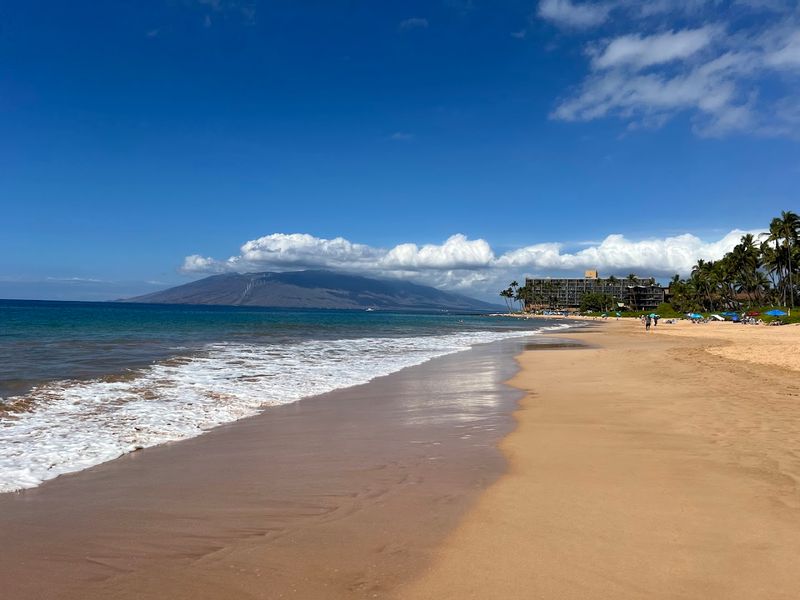
Keawakapu Beach sits in that sweet spot between Kihei and Wailea, which means it gets the best of both worlds without being the loudest option in either neighborhood. Long, sandy, and refreshingly uncrowded on weekday mornings, it is the kind of beach where you can actually spread out and exhale.
That alone puts it on the list.
Swimmers like it for its relatively calm conditions on good days, but there is no lifeguard here, so personal judgment about water conditions is essential. Clear skies and flat water are your green light.
Murky water or choppy surf is your cue to walk the shoreline instead.
The beach runs long enough that a morning walk from one end to the other is genuinely satisfying. Several access points exist along South Kihei Road, and parking, while not always abundant, is manageable if you arrive before 9 a.m.
Quiet, scenic, and underrated, Keawakapu earns its spot on any South Maui itinerary.
Ulua Beach
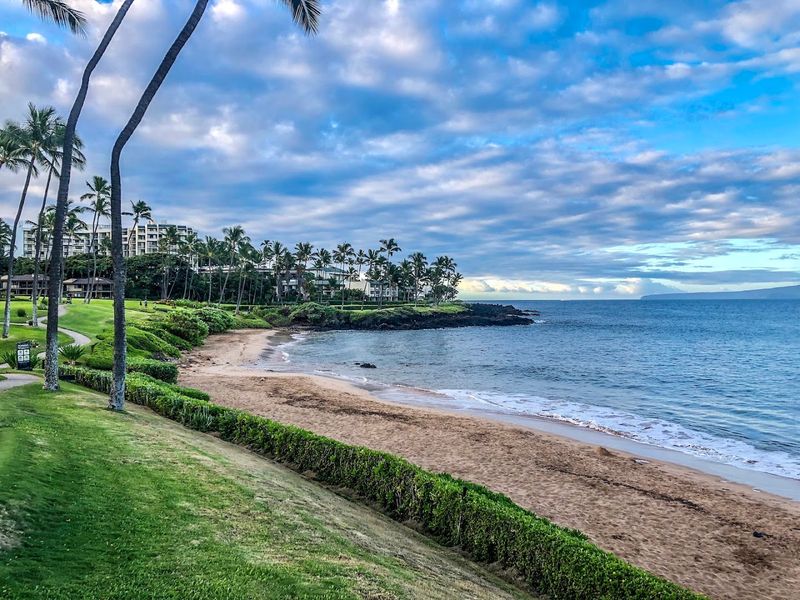
Ulua Beach has quietly built a reputation as one of the friendlier beginner snorkel spots in the Wailea area, and it delivers when conditions cooperate. The reef on the right side of the beach holds a solid variety of fish and coral life, and the entry is straightforward enough that first-timers do not need a guided tour to enjoy it.
Calm conditions are non-negotiable here. When surf picks up, visibility drops and currents can become unpredictable, so checking conditions before heading out is standard practice.
Coral reefs are also fragile ecosystems, so standing on them or touching them is a hard no, full stop.
The beach itself is compact but well-positioned within the Wailea resort corridor, meaning parking, restrooms, and showers are all accessible nearby. Shore diving is also popular here for those with more experience.
If you are new to snorkeling in Hawaii, Ulua on a calm morning is a reasonable and rewarding place to start.
Makena Beach (Big Beach)
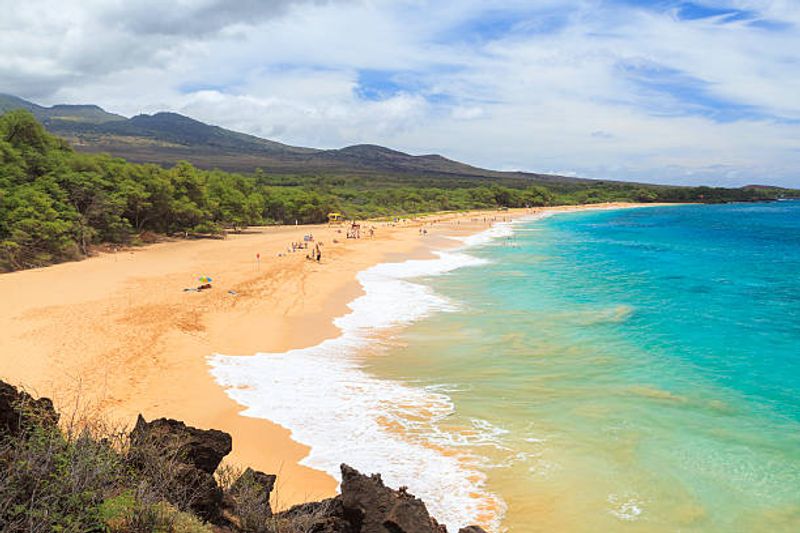
Big Beach earns its name in every possible way. The wide, sweeping shoreline stretches over a quarter mile of golden sand with bright blue water and the volcanic cinder cone Puu Olai rising at the north end like a natural exclamation point.
It is one of the most visually striking beaches on the island, no argument.
That beauty comes with power, though. The shorebreak at Big Beach is notoriously strong and has injured visitors who underestimated it.
The state recommends swimming only during calm seas, and that guidance is worth taking seriously. Bodysurfing and board surfing happen here, but those are activities for people who know what they are doing.
Makena State Park now charges for parking, so budget that into your plan. Arriving early is smart both for parking and for getting a good spot on the sand.
Little Beach, accessible by a short trail over the cinder cone, is a separate and clothing-optional cove popular with locals.
Maluaka Beach
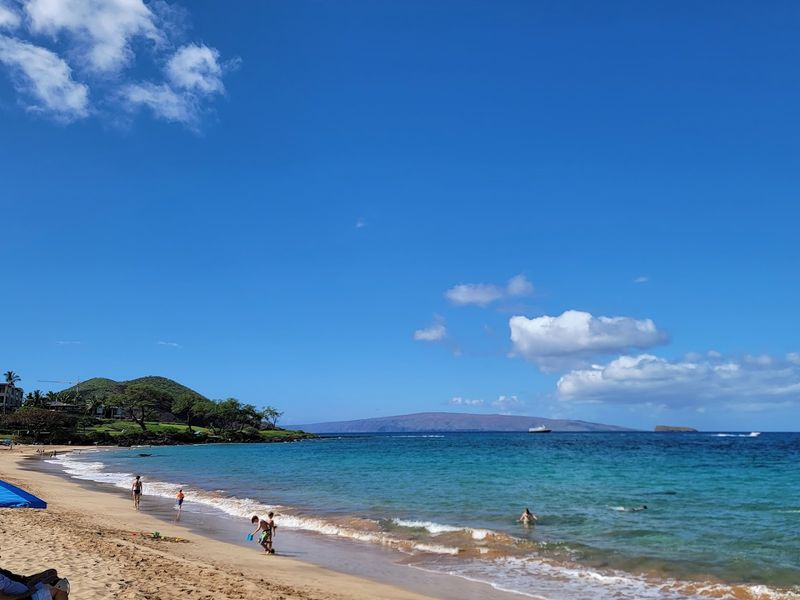
Maluaka Beach gets attached to the phrase “Turtle Town” so often that visitors sometimes treat it like a guaranteed sea turtle petting zoo, which is not accurate or fair to the turtles. Green sea turtles do frequent this stretch of South Maui coastline, but they are wild animals and federal law protects them.
Watching from a respectful distance is the move.
The snorkeling can be genuinely rewarding here when conditions are calm, but this part of the Wailea-to-Makena coast has had serious drowning incidents involving snorkelers, particularly those using full-face masks or snorkeling without a buddy. That context is important and not meant to scare you off, just to encourage caution.
Never snorkel alone, always check conditions, and stick to lifeguarded beaches if you have any doubts about your comfort in open water. On a calm day with proper preparation, Maluaka is a beautiful and memorable stop.
Respect the place and it rewards you.
Hamoa Beach
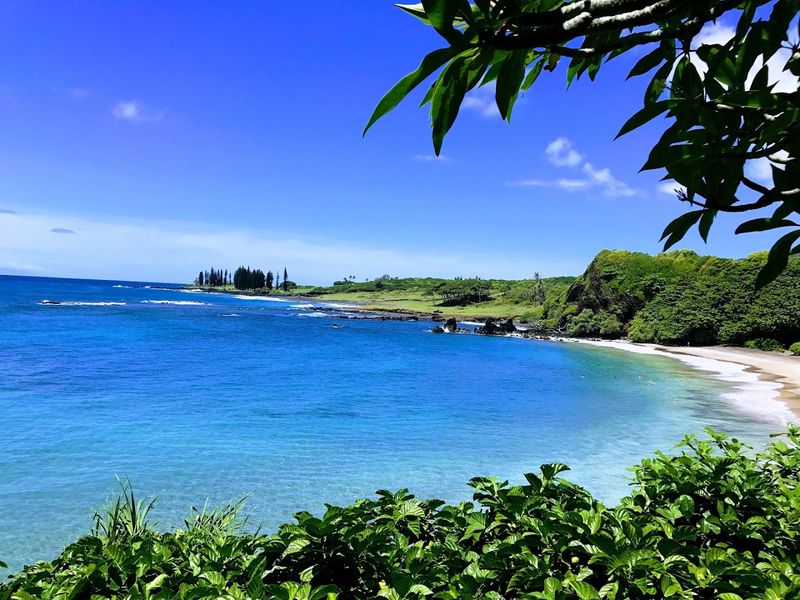
Getting to Hamoa Beach requires the Road to Hana, and that alone filters out a chunk of the crowd. What waits at the end is a crescent-shaped beach framed by lava cliffs and thick tropical vegetation, with a sand mix of white coral and darker volcanic material that gives it an unusual and striking appearance.
The setting is dramatic enough that photographers have been known to forget they brought swimsuits. Swimming can be wonderful in calm conditions, but Hamoa is exposed to open ocean swells and can have strong surf and currents.
It is not a casual “always safe” swim spot, so reading the water before entering is essential.
A small pavilion and restrooms are available, originally built for guests of the nearby Travaasa Hana hotel. The beach is technically open to the public, though parking is limited.
Plan your timing around the Road to Hana crowds, and consider visiting on a weekday for a quieter experience.
Wai’anapanapa Black Sand Beach
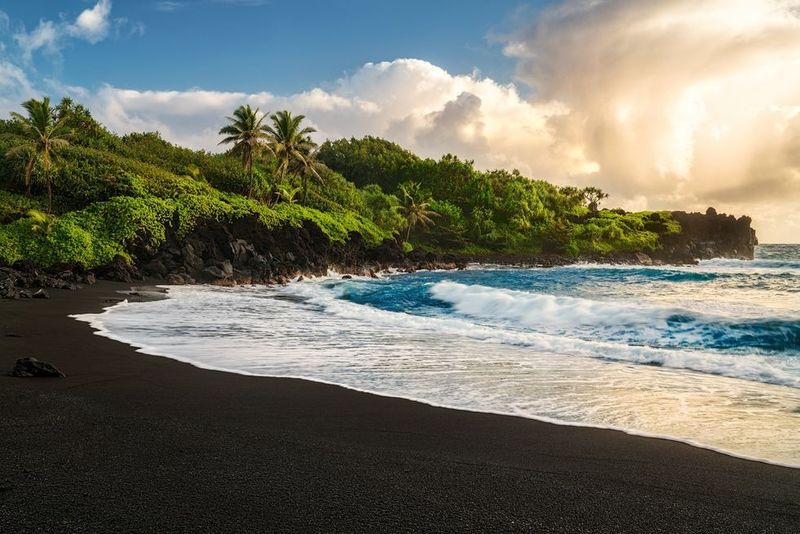
Black sand beaches exist on a few Hawaiian islands, but Wai’anapanapa makes a strong case for being the most dramatic of the bunch. The jet-black sand comes from volcanic basalt, and the surrounding landscape of sea arches, blowholes, lava formations, and hala forest makes the whole place feel genuinely otherworldly.
It is one of those locations where your phone camera gets a real workout.
Swimming here is generally not recommended due to strong waves and currents, but the scenery and coastal hiking more than compensate. The park also connects to a section of the ancient King’s Highway coastal trail, which is worth exploring if you have the time and energy.
Wai’anapanapa State Park operates on a reservation system, so you need to book both parking and entry in advance through the official Hawaii state parks website, up to 30 days ahead. Do not show up without a reservation and expect to get in.
Plan accordingly and you will have the experience to yourself.
Ho’okipa Beach Park
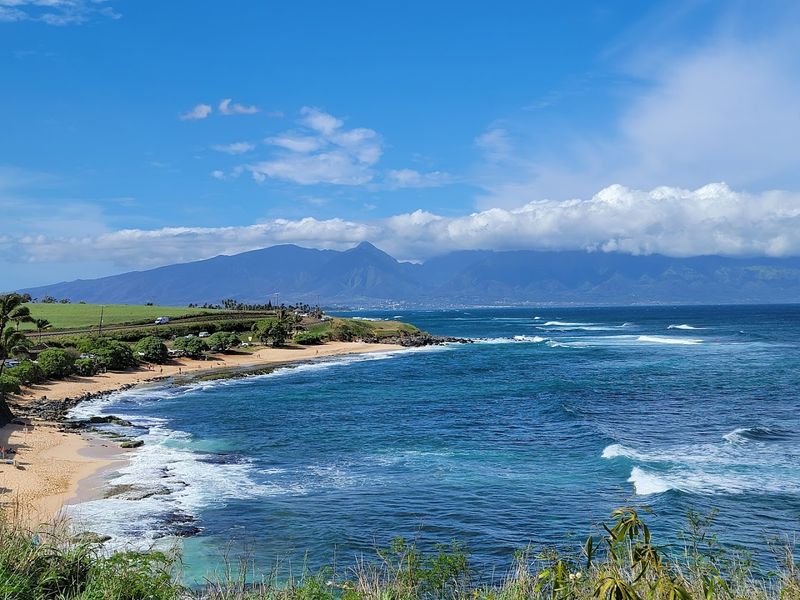
Ho’okipa is not a beach you visit to relax with a paperback novel. This North Shore powerhouse is Maui’s most celebrated surf and windsurf venue, and on a good day, watching the athletes in the water is a legitimate spectator sport.
The waves here are serious, and the talent level of the people riding them tends to match.
Maui County recognizes Ho’okipa as one of the island’s premier ocean sports destinations, with a surfing history that stretches back decades. Windsurfers put on a show in the afternoons when the trade winds kick in, turning the water into what looks like a very chaotic sailing competition with a lot more style.
Casual swimming is not the point here, especially when surf is elevated. The overlook area above the beach offers excellent viewing without requiring you to get anywhere near the water.
Parking can fill up on busy days, so arriving early or visiting on a quieter morning helps. Bring binoculars if you have them.
Baldwin Beach Park
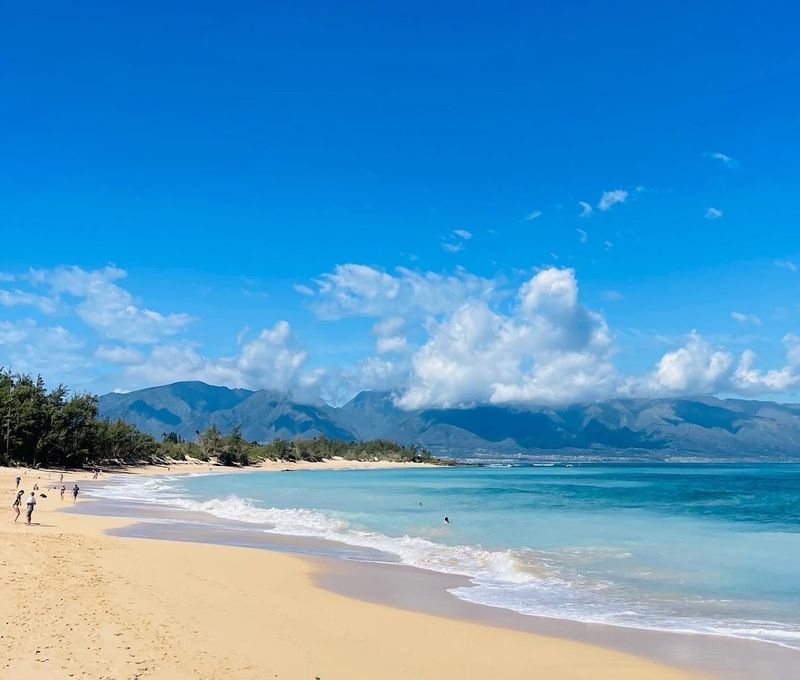
Baldwin Beach Park in Paia is the North Shore’s answer to “I want a real beach day without the resort markup.” Wide, sandy, and equipped with lifeguard facilities, restrooms, picnic areas, and parking, it checks the practical boxes while still delivering the kind of open, breezy beach experience that makes Maui feel like Maui.
North Shore conditions can shift quickly, but on calmer days Baldwin is one of the best spots on the island for a long walk along the shoreline or simply spreading out a towel without elbowing strangers. The local crowd gives it a more relaxed and authentic feel than the resort beaches to the west.
Paia town is just a short drive away, which makes Baldwin a natural combo stop: beach in the morning, lunch at one of Paia’s genuinely excellent restaurants afterward. The town has a funky, artsy North Shore personality that pairs well with a sandy, sun-soaked morning.
Highly recommend the combo.
Kama’ole Beach Park I
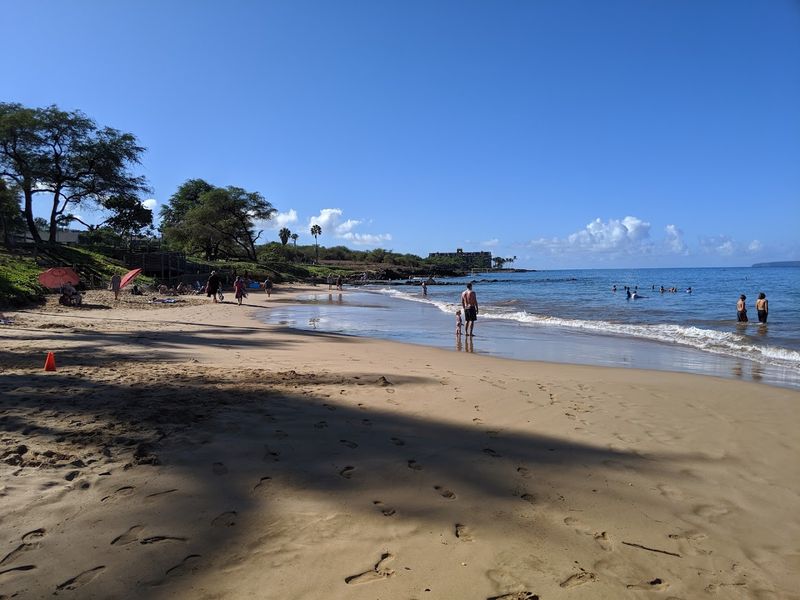
Kihei has three Kamaole beach parks lined up along South Kihei Road, and Kamaole I is the pick of the litter for a straightforward, well-equipped beach day. Lifeguard coverage, public restrooms, parking, and a central location make it one of the most accessible beaches in South Maui for visitors staying in the area.
Convenience, when done right, is a feature.
The beach has a decent sandy stretch and generally manageable swimming conditions on calm days, which is why families tend to gravitate here. It is not the most dramatic scenery on the island, but it is reliable and well-maintained.
Sometimes reliable is exactly what you need after a long day of driving the Road to Hana.
Worth noting: Kamaole II has faced storm-damage-related closures, so Kamaole I is the safer booking for your beach day plans. The park sits right on South Kihei Road, making it easy to find even without GPS.
Parking fills up midday, so aim for a morning arrival.
Palauea Beach
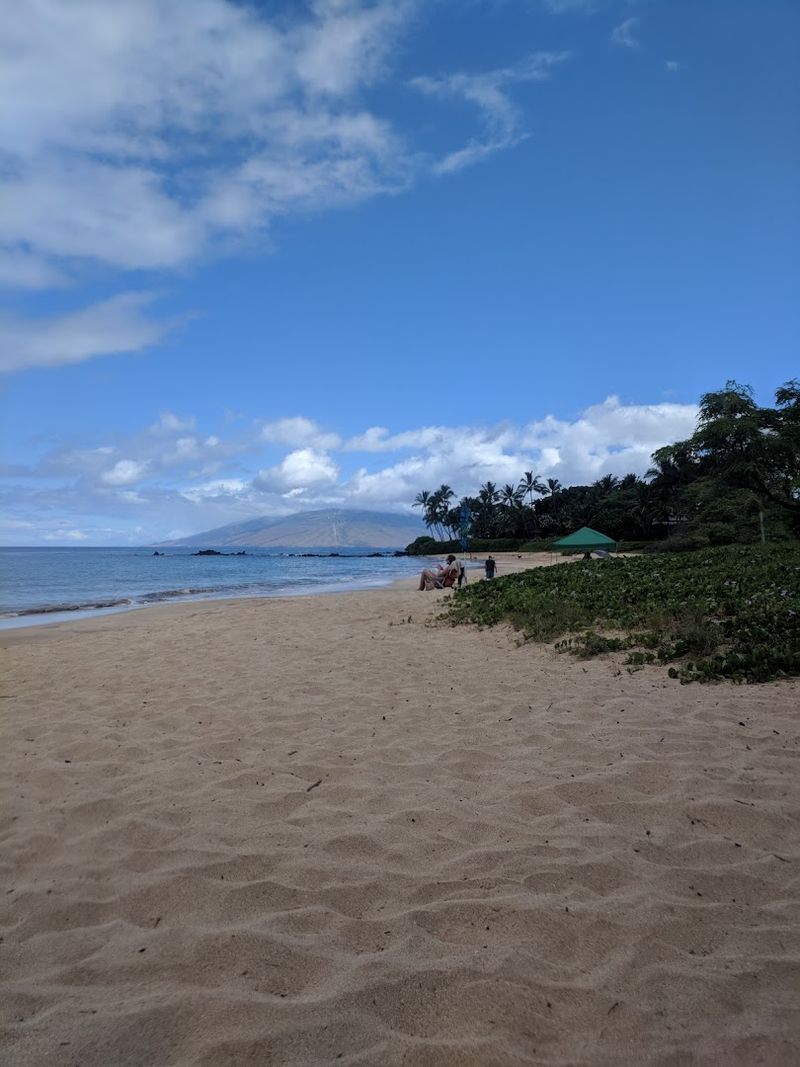
Palauea Beach, sometimes called White Rock, is the kind of South Maui spot that locals appreciate precisely because it has not been fully discovered by the resort crowd. Fewer facilities, no lifeguard, and a quieter atmosphere make it better suited to visitors who want a more natural, less produced beach experience.
Think of it as the anti-resort beach.
The swimming here is best saved for calm days with clear water. Without a lifeguard on duty, personal ocean awareness is your safety net.
It is a great spot for lounging, short swims in flat conditions, and watching the sunset without fighting for a view. The sunsets in this part of South Maui are genuinely excellent.
Getting there involves a short walk from the public beach access point, and the lack of big facilities keeps the crowds thinner. Bring everything you need since there are no concession stands or rental shops nearby.
Palauea rewards visitors who come prepared and keep it low-key.
Kahekili Beach Park
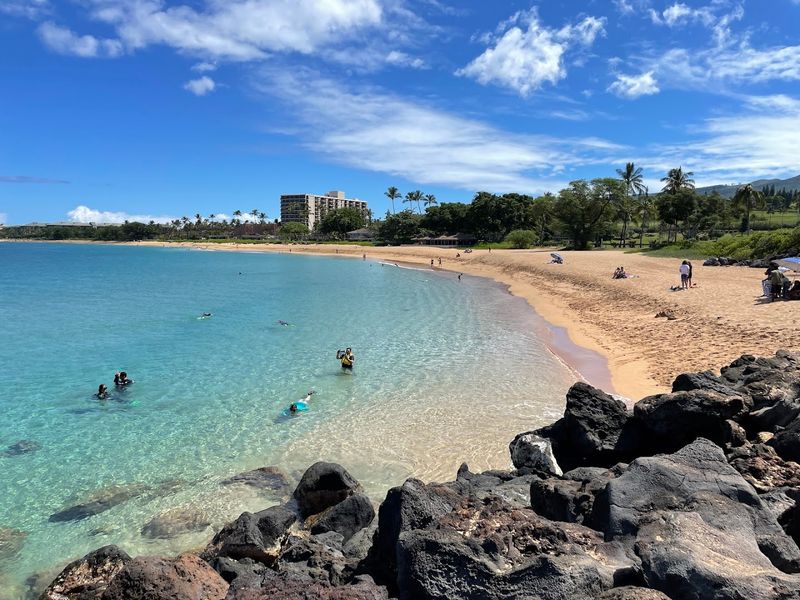
Kahekili Beach Park goes by a second name, Airport Beach, which sounds considerably less glamorous but accurately describes its location just north of the Kapalua Airport. Do not let the name fool you: the beach itself is a solid West Maui option with park amenities, relatively easy snorkeling access when the ocean cooperates, and a more relaxed vibe than the busier Ka’anapali strip nearby.
The snorkeling can be worthwhile on calm days, with reef life accessible from shore without a long swim out. Facilities include restrooms and parking, which removes the usual logistical stress of beach planning.
It tends to feel less crowded than the resort beaches immediately to the south, which is a genuine selling point.
As with every Maui beach, checking ocean conditions before entering the water is non-negotiable. The North Kaanapali coastline can see varied conditions depending on season and swell direction.
Kahekili works best as a morning beach, when the water is typically at its calmest and the parking situation is most forgiving.
Share this story