South America is home to some of the most delicious and creative desserts in the world. From creamy caramel-filled cookies to vibrant fruit puddings, each country brings its own sweet traditions to the table.
These treats have been passed down through generations and are enjoyed at family gatherings, street markets, and special celebrations. Whether you have a love for chocolate, coconut, or caramel, South American desserts have something truly special waiting for you.
1. Alfajores (Argentina/Peru)
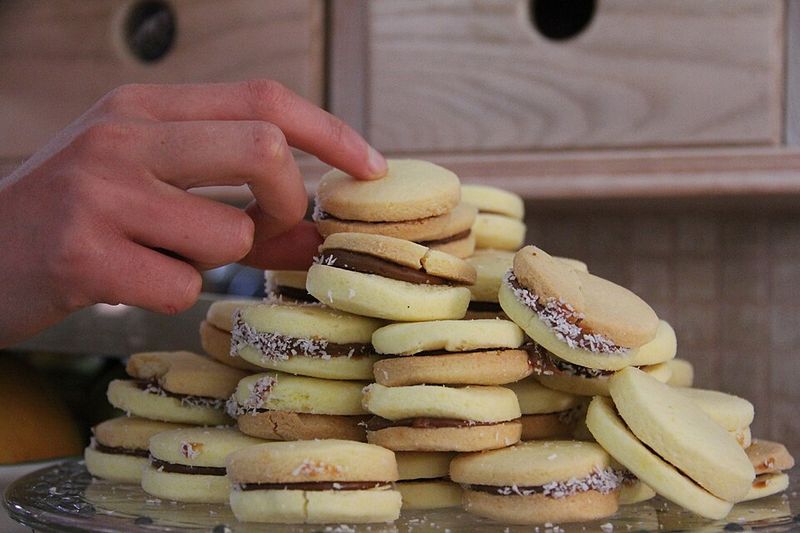
Few cookies in the world can match the charm of an alfajor. Two soft, crumbly shortbread rounds are pressed together with a generous layer of dulce de leche in the middle, creating a melt-in-your-mouth experience with every single bite.
In Argentina, they are often rolled in powdered sugar or dipped in white or dark chocolate. In Peru, a version called alfajor de penoca uses honey and spices for a slightly different flavor.
No matter the variation, the result is always satisfying.
Alfajores are sold everywhere from corner bakeries to supermarkets across South America. They make popular gifts when traveling and are easy to find in specialty Latin food stores worldwide.
If you ever spot a box of these cookies, grab them without hesitation. They are absolutely worth every calorie.
2. Brigadeiro (Brazil)
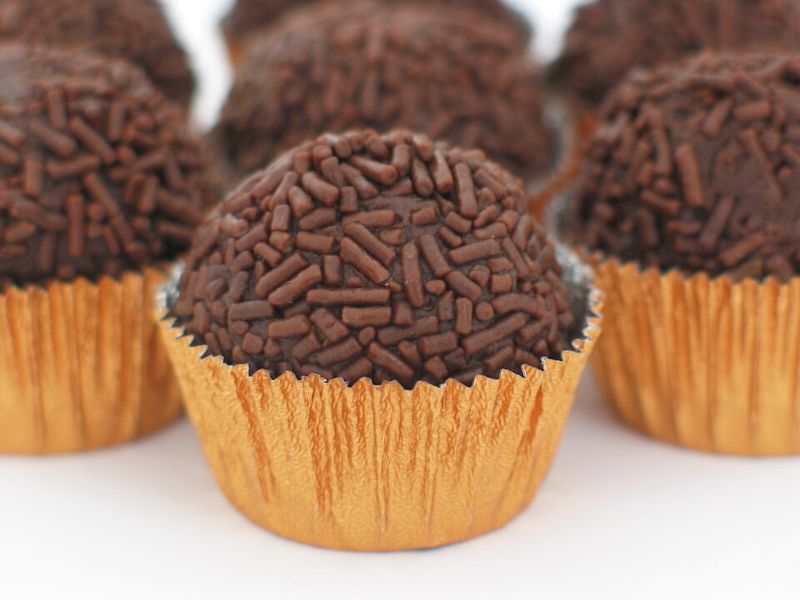
Brazil’s most iconic sweet treat started as a clever solution during a shortage of fresh milk in the 1940s. A brigadeiro is made by cooking sweetened condensed milk with cocoa powder and butter until thick, then rolling the mixture into small balls coated in chocolate sprinkles.
The name comes from Brigadier Eduardo Gomes, a Brazilian political figure whose supporters sold the sweets at fundraising events. Today, no Brazilian birthday party is complete without a tray of these glossy little truffles sitting proudly on the dessert table.
What makes brigadeiros so lovable is how easy they are to prepare at home. With just three main ingredients and about 15 minutes of cooking time, anyone can make them.
Flavor variations include pistachio, coconut, and strawberry, but the classic chocolate version will always hold the top spot in Brazilian hearts.
3. Tres Leches Cake (Popular Across South America)
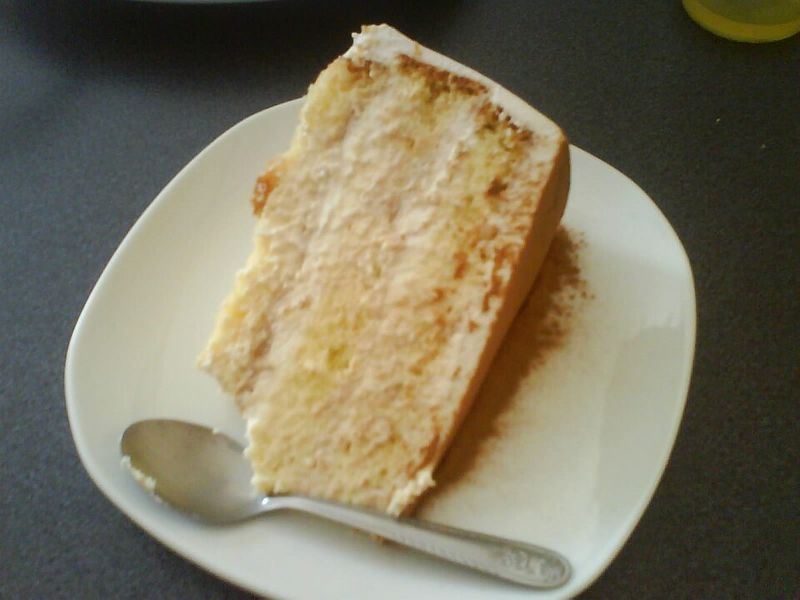
Imagine a cake so moist it practically dissolves on your tongue the moment you take a bite. Tres leches cake earns its name from the three types of milk used to soak it: evaporated milk, sweetened condensed milk, and heavy cream.
Together, they transform a simple sponge into something extraordinary.
Popular across Colombia, Venezuela, Peru, and beyond, this dessert is a staple at quinceañeras, birthdays, and holiday celebrations. The top is usually covered with a layer of lightly sweetened whipped cream and sometimes a dusting of cinnamon or fresh fruit.
Making tres leches at home is a rewarding project for beginner bakers. The cake actually tastes better the next day after the milk mixture has fully soaked in overnight.
Many families have their own secret recipe passed down through generations, making each version feel personal and special.
4. Dulce de Leche Flan (Argentina/Uruguay)
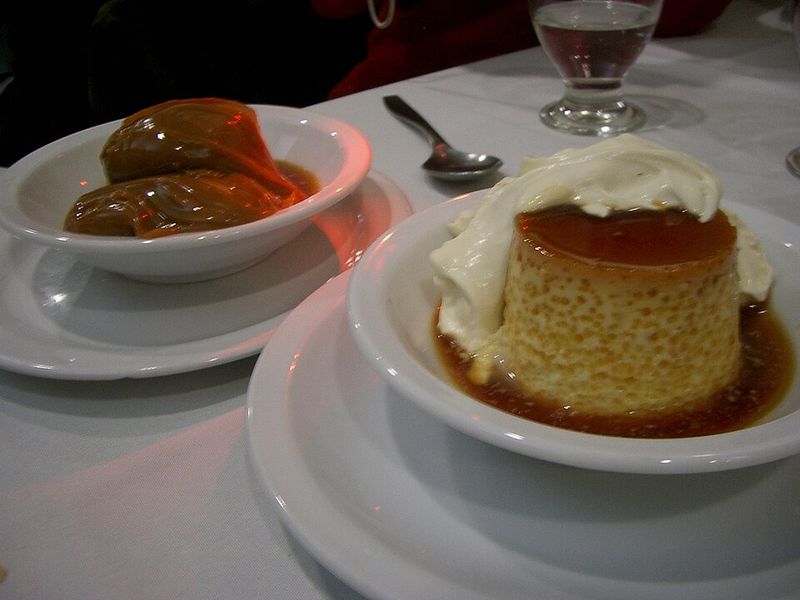
Classic flan is already a beloved dessert across Latin America, but Argentina and Uruguay take it to a whole new level by adding dulce de leche into the custard mixture. The result is a silkier, richer, and more deeply flavored version that feels like a warm hug on a plate.
The texture is incredibly smooth, almost like eating a spoonable caramel cloud. When flipped onto a plate, the golden caramel sauce pools around the base, creating a presentation that looks far fancier than the effort required to make it.
Dulce de leche flan is a regular feature at Sunday family lunches throughout the Rio de la Plata region. Restaurants often serve it chilled with a small dollop of whipped cream on the side.
For anyone who enjoys creamy custard desserts, this version offers a noticeably deeper and more complex sweetness than the traditional recipe.
5. Quindim (Brazil)

Quindim is one of those desserts that stops you in your tracks the moment you see it. Its jewel-like golden yellow color comes entirely from a generous number of egg yolks, combined with sugar, butter, and finely shredded coconut baked slowly in small round molds.
The top layer turns into a firm, glossy custard while the bottom develops a chewy coconut base. When unmolded and flipped upside down, the shiny surface catches the light in a way that makes it look almost too pretty to eat.
Almost.
Originally brought to Brazil by Portuguese colonizers who adapted recipes from African culinary traditions, quindim has a fascinating cultural history behind its bright appearance. It is commonly found at Brazilian bakeries and dessert shops.
Served at room temperature or slightly chilled, each small portion delivers a concentrated burst of coconut and caramel sweetness.
6. Suspiro Limeño (Peru)
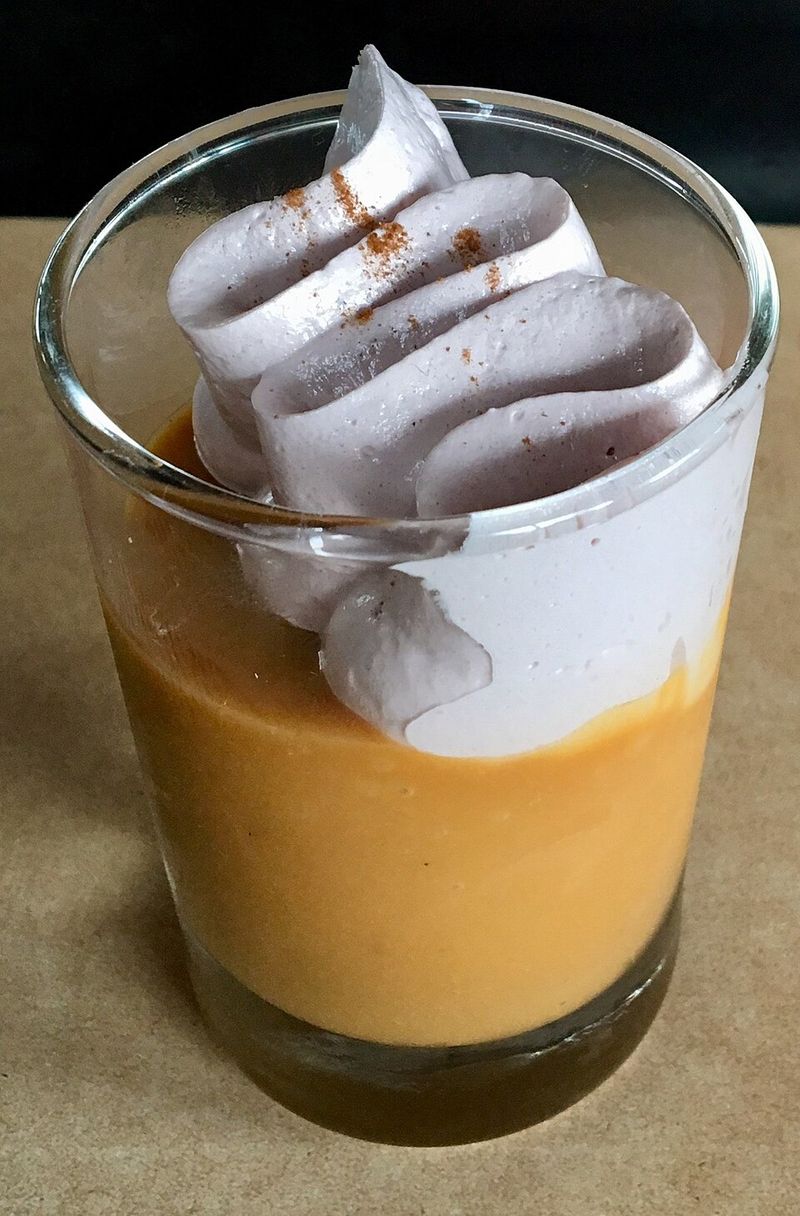
The name translates to “sigh of a Lima woman,” and once you taste it, the poetic name makes complete sense. Suspiro limeño is a two-layered dessert featuring a dense, caramel-flavored pudding made from condensed milk and egg yolks on the bottom, crowned with a delicate port wine meringue on top.
Peruvian poet Jose Galvez reportedly gave it this romantic name after his wife created the recipe, saying the dessert was as sweet and fleeting as a woman’s sigh. Whether the story is true or not, it adds a lovely layer of charm to an already wonderful treat.
The contrast between the heavy, creamy base and the airy meringue topping is what makes this dessert so memorable. It is typically served in individual glass cups so both layers are visible.
Finding suspiro limeño outside Peru can be tricky, but it is absolutely worth seeking out.
7. Chocotorta (Argentina)
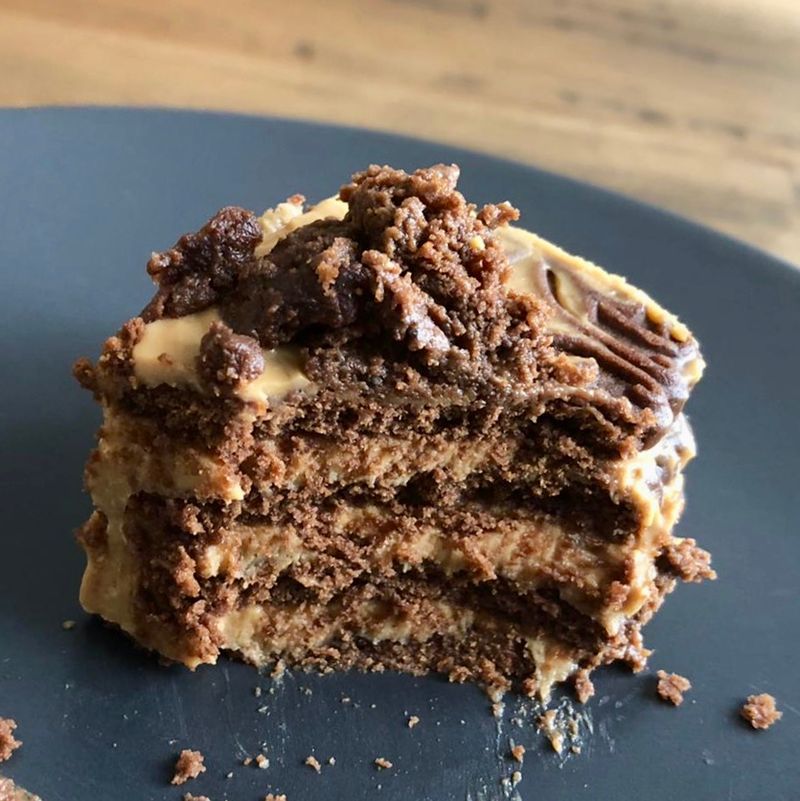
Argentina’s answer to the icebox cake is the beloved chocotorta, and it requires zero baking skills to pull off. Chocolate cookies are briefly dipped in coffee or milk to soften them, then layered with a mixture of dulce de leche and cream cheese to build a refrigerator cake that slices beautifully.
What started as a clever marketing campaign by a cookie brand in the 1980s turned into one of Argentina’s most treasured homemade desserts. Today, nearly every Argentine family has their own version, sometimes adding a splash of Baileys or a layer of whipped cream for extra indulgence.
The chocotorta tastes even better after sitting in the refrigerator overnight, as the layers meld together into one harmonious, fudgy creation. It is endlessly customizable and incredibly forgiving for beginner cooks.
Guests at Argentine gatherings almost always request seconds, and sometimes thirds, without any shame whatsoever.
8. Cocadas (Colombia/Brazil)
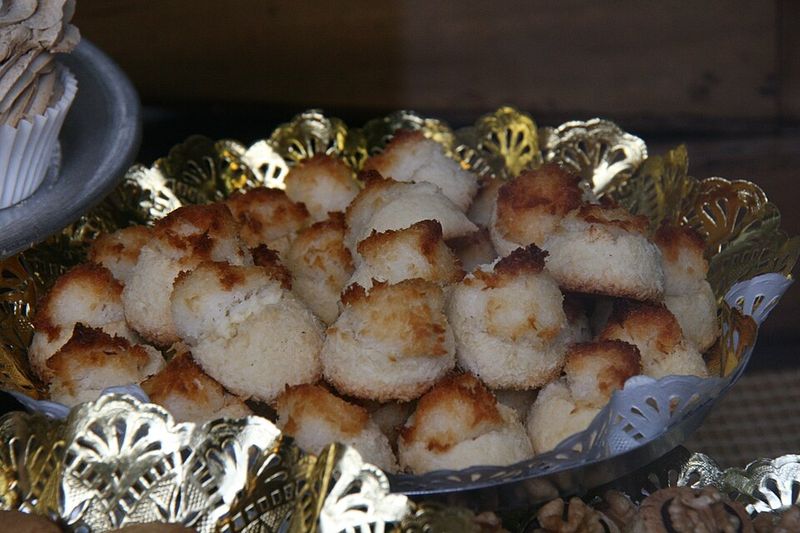
Coconut lovers, meet your new obsession. Cocadas are chewy, sweet coconut candies found all along the coasts of Colombia and Brazil, where fresh coconut is always in abundance.
Made with shredded coconut, sugar, and sometimes condensed milk, they can be soft and fudgy or firm and slightly crispy depending on the region and recipe.
In Colombia, cocadas are a popular street food sold by vendors on the Caribbean coast, often made in large batches and wrapped in small packets. Brazilian versions sometimes include egg yolks or coconut milk for extra richness.
Some recipes add a pinch of cinnamon or lime zest for brightness.
These little sweets are incredibly easy to make at home and require only a handful of pantry staples. They store well and travel nicely, making them a fantastic homemade gift.
Once you try a freshly made cocada, store-bought coconut candy will never quite measure up again.
9. Torta Rogel (Argentina)
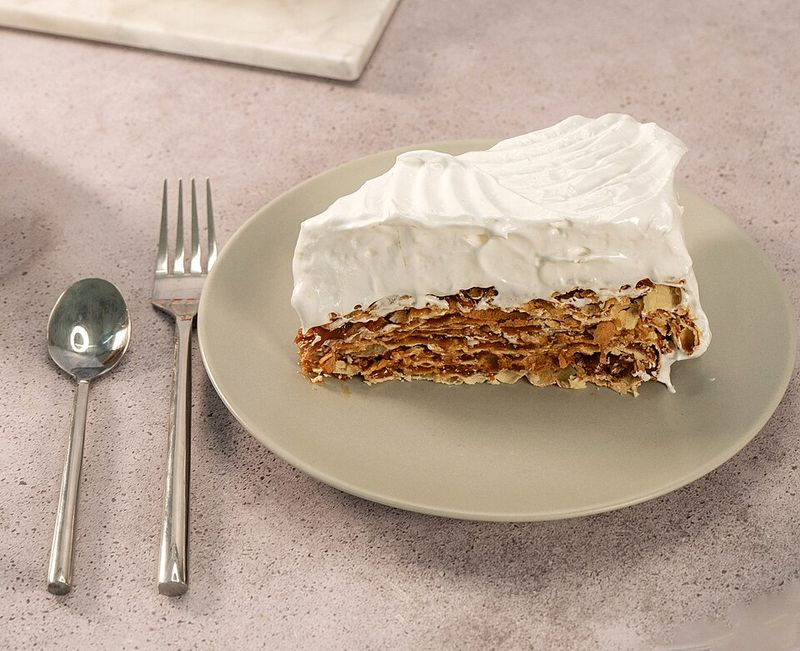
Standing tall with its many thin, crackling pastry layers, torta rogel is one of Argentina’s most impressive looking desserts. Each layer of dough is rolled out paper thin, baked until crisp, then generously spread with dulce de leche before the next layer is placed on top.
The whole cake is then crowned with a thick swirl of Italian meringue.
Some versions stack as many as ten or twelve layers high, making a slice both visually stunning and deeply satisfying to eat. The contrast between the crispy pastry, sticky caramel filling, and fluffy meringue creates a dessert that hits every texture note perfectly.
Torta rogel has roots in Spanish and Austrian pastry traditions brought to Argentina by European immigrants. It remains a centerpiece dessert for birthdays and special occasions.
Bakeries across Buenos Aires compete to make the tallest and most perfectly layered version, treating it as a matter of serious local pride.
10. Picarones (Peru)
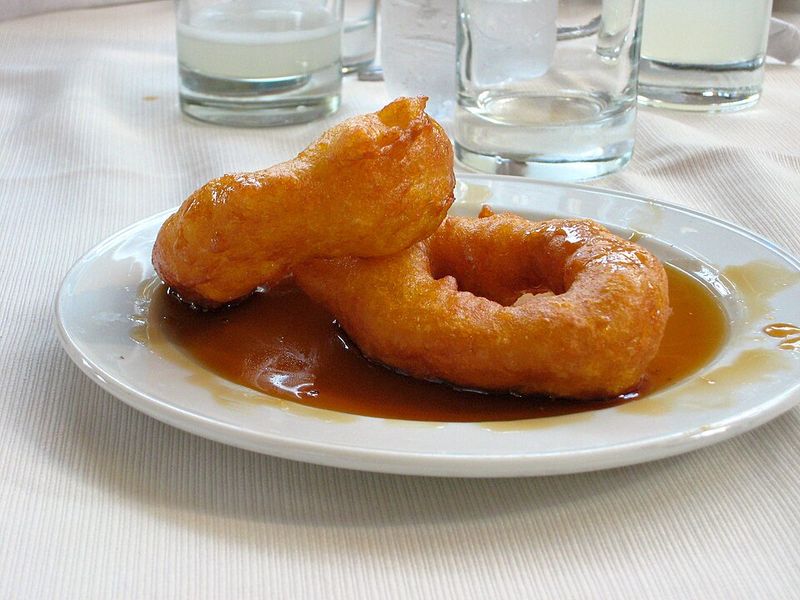
Walk through any Peruvian street market in the evening and the smell of picarones frying in hot oil will pull you in before you even realize it. These ring-shaped doughnuts are made from a dough that blends cooked sweet potato and squash, giving them a naturally sweet flavor and a slightly denser texture than regular doughnuts.
What truly sets picarones apart is the chancaca syrup drizzled over them. Made from raw cane sugar, orange peel, cinnamon, cloves, and sometimes a touch of anise, the syrup adds layers of warm, spiced sweetness that complement the earthy dough beautifully.
Picarones have been part of Peruvian culinary culture since colonial times, with roots tracing back to African and Spanish influences. They are best enjoyed fresh and hot straight from the fryer.
Some street vendors have been perfecting their picarone recipe for decades, and the difference in quality is absolutely noticeable.
11. Arroz con Leche (Across South America)
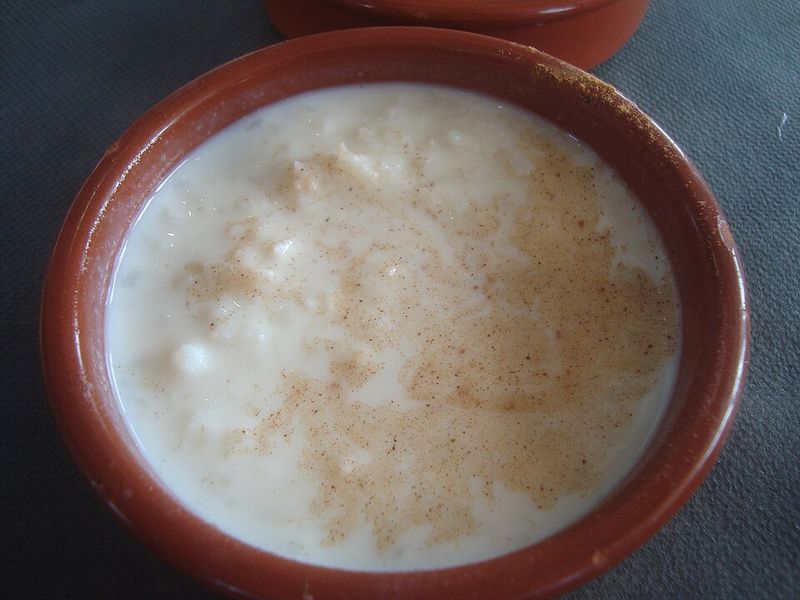
There is something deeply comforting about a warm bowl of arroz con leche. Found in nearly every South American country with its own regional spin, this simple rice pudding is made by slowly simmering white rice in whole milk with sugar, cinnamon, and vanilla until thick and creamy.
In Peru, it is often served alongside mazamorra morada as a classic dessert pairing. Colombian versions sometimes include coconut milk for a tropical twist, while Argentine recipes lean heavily on cinnamon and lemon zest.
No matter the variation, the dish always tastes like home.
Arroz con leche is one of the most accessible desserts to make from scratch because the ingredients are inexpensive and always available. It can be enjoyed warm on a cool evening or chilled and served with a sprinkle of cinnamon on top.
Few desserts manage to feel this universally soothing across so many different cultures.
12. Pastel de Nata-Style Brazilian Custard Tarts
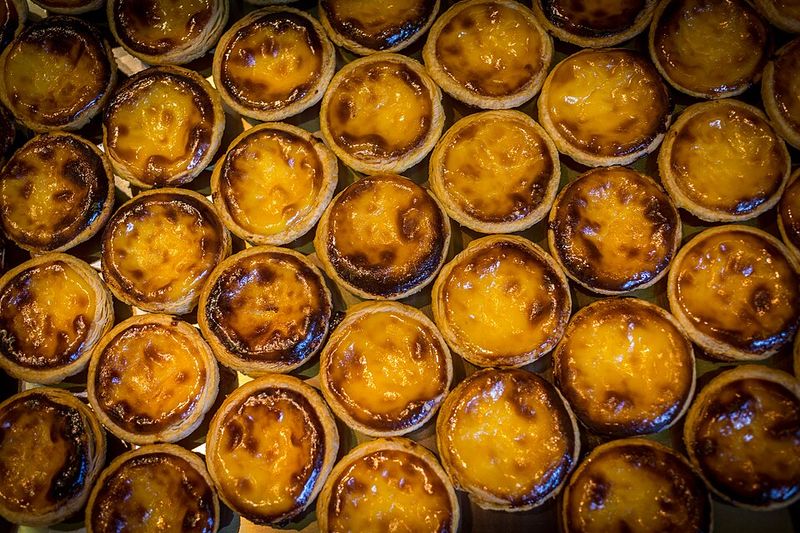
Brazil’s deep Portuguese heritage shows up beautifully in its love for creamy baked custard tarts. Inspired by the famous pasteis de nata from Lisbon, Brazilian bakeries have developed their own version with a flakier crust and a slightly richer custard filling flavored with vanilla and sometimes a hint of coconut.
The pastry shell is made from thin layers of buttery dough that shatter satisfyingly when you bite through them. Inside, the custard is smooth and wobbly with lightly caramelized spots on top from the high oven heat.
Paired with a small cup of strong Brazilian coffee, these tarts are an unbeatable afternoon snack.
You will find versions of these tarts in padarias, the beloved Brazilian neighborhood bakeries that serve as community gathering spots. Each bakery takes pride in its own custard recipe, adjusting the sweetness and texture to match local tastes.
Trying them fresh out of the oven is highly recommended.
13. Mazamorra Morada (Peru)
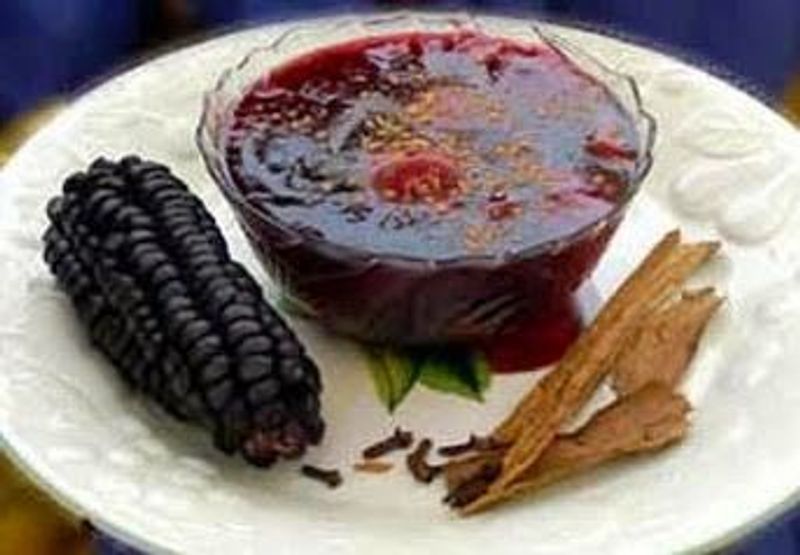
Purple corn might not be the first ingredient that comes to mind when thinking about dessert, but in Peru, it is the star of one of the country’s most beloved traditional sweets. Mazamorra morada gets its striking deep purple color from purple corn, which is boiled with dried fruits, pineapple, cinnamon, and cloves to create a richly spiced liquid base.
Sweet potato starch is then added to thicken the mixture into a smooth, pudding-like consistency. The flavor is complex and warming, with fruity, spiced notes that feel unlike anything else in the dessert world.
It is traditionally served warm, though a chilled version is equally enjoyable on a hot day.
Mazamorra morada has been prepared in Peru for centuries and holds a special place in the country’s food culture. It is often paired with arroz con leche, served side by side in a combination Peruvians call “combinado.” The pairing of purple and white on one plate is as visually striking as it is delicious.
14. Torta de Mil Hojas (Chile)
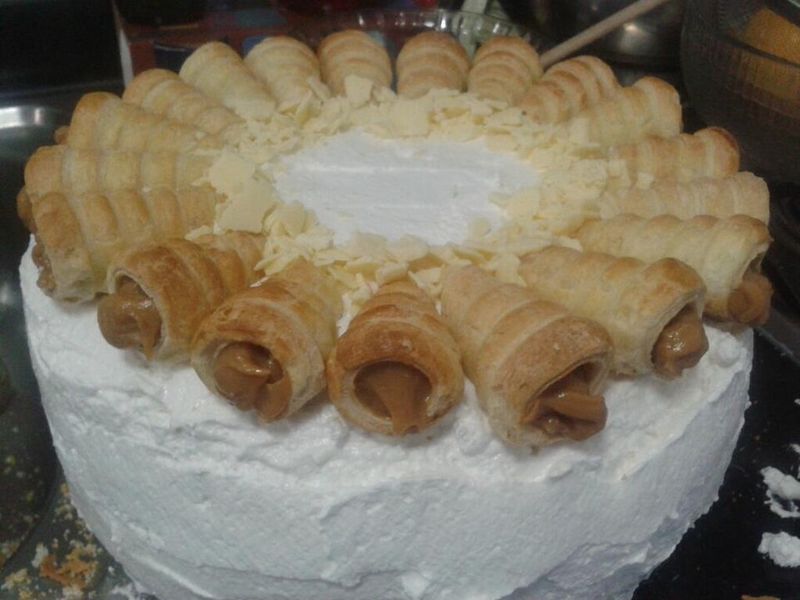
Chile’s take on the classic mille-feuille is a showstopper at any celebration. Torta de mil hojas, which translates to thousand-layer cake, features dozens of paper-thin pastry sheets baked until golden and crisp, then layered generously with manjar, the Chilean name for dulce de leche.
Some versions incorporate walnuts between the layers for a bit of crunch, while others add whipped cream or fruit jam for variety. The top is often dusted with powdered sugar or decorated with meringue.
Cutting through the many layers produces a satisfying crunch that fills the room.
This cake is a staple at Chilean birthday parties and family reunions, and making it from scratch is considered a true labor of love. The dough must be rolled extremely thin and each layer baked separately, which requires patience and skill.
Chileans who master the recipe are held in high regard at every family gathering they attend.
15. Helado de Dulce de Leche (Argentina)
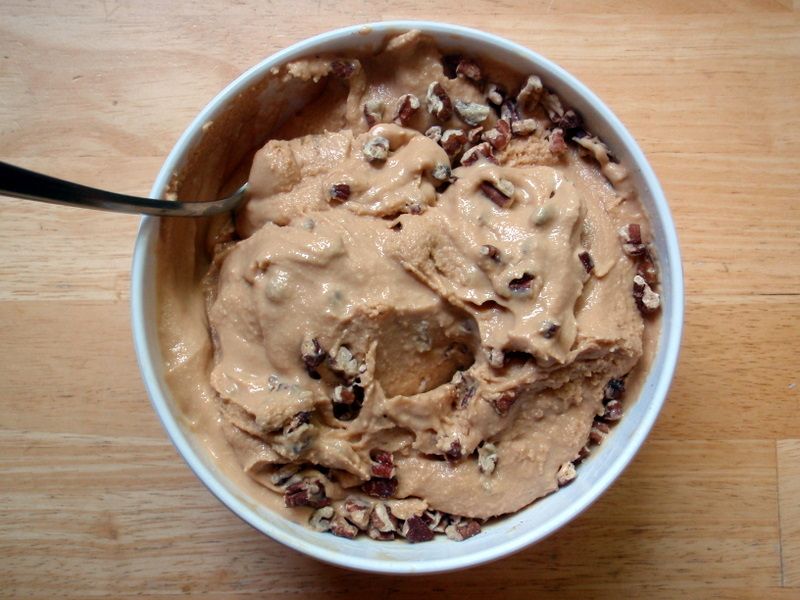
Argentina takes its ice cream seriously, and nowhere is that more evident than in the cult status of helado de dulce de leche. Argentine-style ice cream, known as helado artesanal, has a denser and creamier texture than American ice cream thanks to a lower air content and a higher proportion of fat and egg yolks in the base.
The dulce de leche flavor is the undisputed king of Argentine heladerias. Rich, deeply caramelized, and intensely creamy, it tastes nothing like the pale caramel-flavored ice creams found in other countries.
Some shops swirl ribbons of extra dulce de leche through the scoops for an even more indulgent experience.
Buenos Aires alone has thousands of heladerias, and locals visit them year-round regardless of the weather. Trying the dulce de leche flavor is considered a non-negotiable part of any visit to Argentina.
One taste and it becomes immediately clear why Argentines consider their ice cream among the finest in the entire world.
Share this story