Most travelers heading to Eastern Europe pack their bags for castles, cobblestone streets, and hearty food. But tucked between mountain ranges, ancient monasteries, and sun-drenched hillsides, some of the continent’s most fascinating wine regions are quietly waiting to be discovered.
The surprising part? Many of these places have been producing remarkable bottles for thousands of years, yet they barely appear on the average tourist’s radar.
From a subterranean city built entirely around aging barrels to hilltop villages where winemaking traditions predate the Roman Empire, Eastern Europe is sitting on a treasure chest that most visitors walk right past. This list covers 12 wine regions that reward the curious traveler with genuine history, unique grape varieties, and experiences you simply cannot replicate in Bordeaux or Tuscany.
Read on, and you might find yourself rerouting your next European trip entirely.
1. Tokaj, Hungary
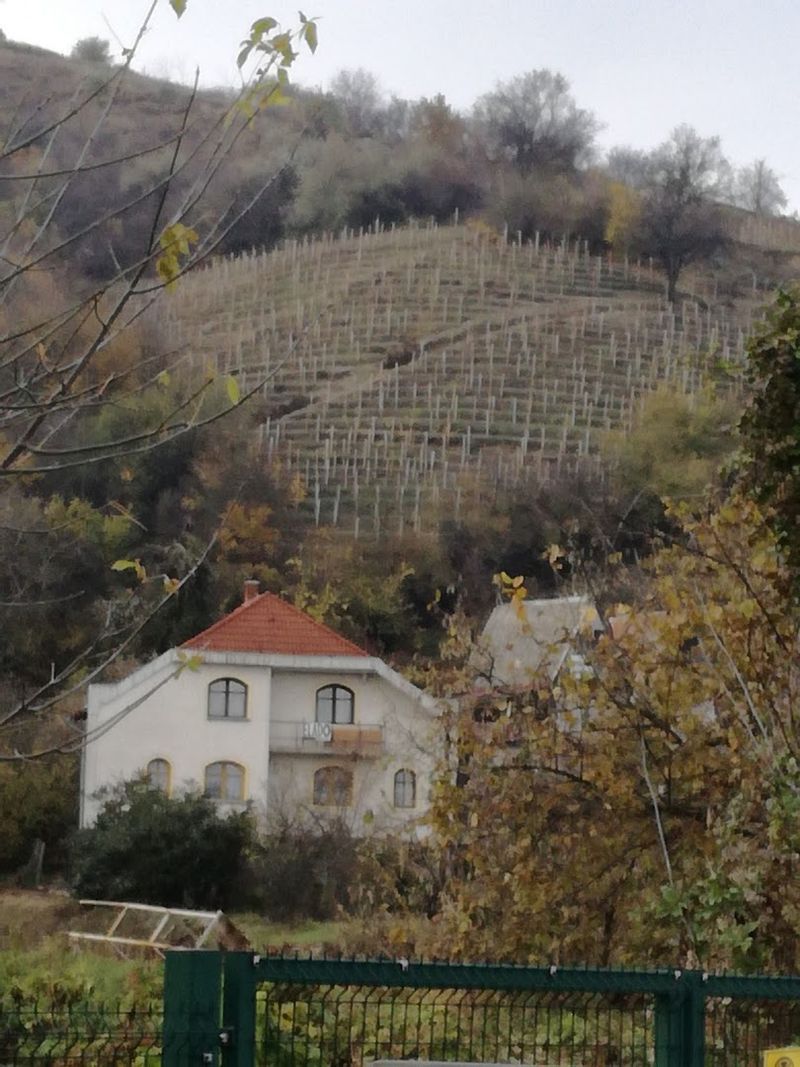
Hungary’s most celebrated wine region has a reputation that stretches back centuries, yet somehow it still flies under the radar for most international travelers who stop at Budapest and go no further.
Tokaj sits in northeastern Hungary where two rivers meet, creating a microclimate that has shaped its winemaking identity for over 500 years. The volcanic soil here is unlike anything else in Central Europe, and the underground cellars carved directly into the rock are a genuine spectacle.
The region is best known for its sweet Aszú style, made from individually selected grapes affected by a naturally occurring mold that concentrates their sugars. Louis XIV of France reportedly called Tokaj wine the “king of wines and the wine of kings,” which is not bad praise for a region most tourists skip entirely.
The town itself is small, walkable, and lined with family-run cellars that welcome visitors with tastings and no queues whatsoever.
2. Kakheti, Georgia
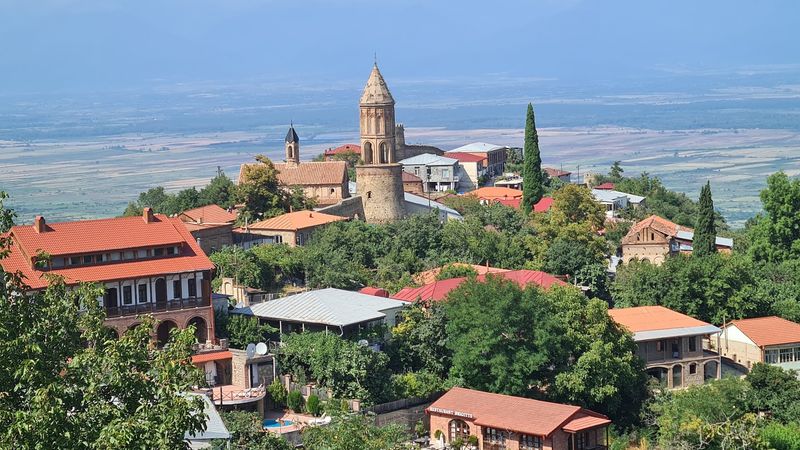
No wine region on Earth can match Georgia’s claim to fame: archaeologists have found evidence of grape cultivation and fermentation here dating back more than 8,000 years, making Kakheti the oldest continuously active wine country on the planet.
The region covers the eastern part of Georgia, stretching toward the border with Azerbaijan, and accounts for the vast majority of the country’s grape production. Vineyards here are often family-owned and have been passed down through generations without much outside interference.
What truly sets Kakheti apart is the qvevri method, where grapes are fermented in large clay vessels buried underground. This ancient technique produces amber-colored wines with a depth of character that modern stainless-steel tanks simply cannot replicate.
Visiting Kakheti usually involves staying with local families, sharing a traditional supra feast, and learning that Georgian hospitality is itself a kind of art form that has also been around for millennia.
3. Melnik, Bulgaria
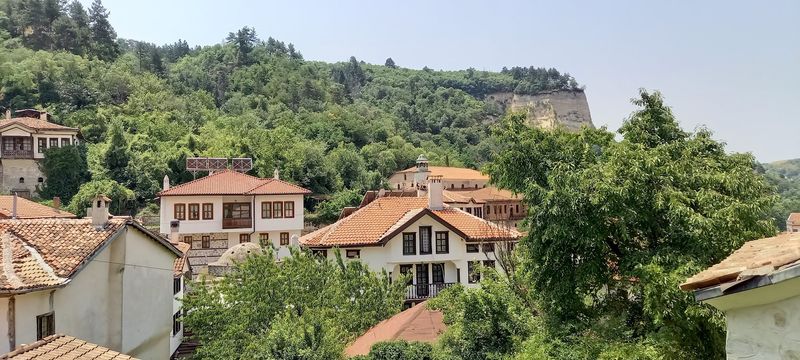
Bulgaria’s smallest town is also one of its most dramatic, and the combination of geology and grape-growing here is genuinely hard to find anywhere else in Europe.
Melnik sits in a narrow valley carved between towering sandstone pyramids in the southwestern corner of Bulgaria, close to the Greek border. The landscape looks almost geological fantasy, with pale rock formations rising above traditional stone houses and terraced vineyards that cling to every available slope.
The local Melnik grape variety produces bold, deeply colored red wines that have been traded across the Balkans for centuries. Legend has it that the Bulgarian revolutionary Yane Sandanski was so fond of local bottles that he transported them in barrels loaded onto horses.
Most visitors to Bulgaria head straight for Sofia or the Black Sea coast, completely bypassing this extraordinary corner of the country. That oversight works in favor of those who do make the trip, since the village feels genuinely unhurried and uncrowded.
4. Vipava Valley, Slovenia
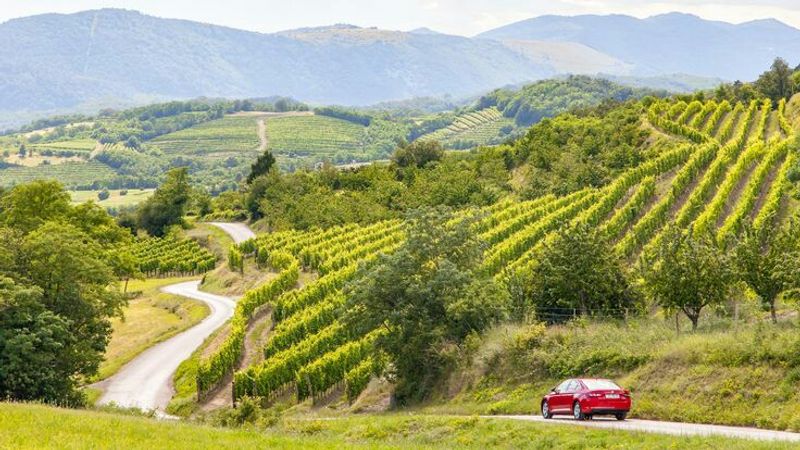
Squeezed between Italy and Austria, Slovenia is a country that routinely gets overshadowed by its neighbors, and its wine regions suffer the same fate despite producing bottles that can hold their own against anything from across the border.
The Vipava Valley runs through the western part of the country and enjoys a unique position where Mediterranean warmth meets Alpine freshness. That contrast shapes wines with a particular liveliness that local producers are increasingly proud to showcase on the international stage.
The valley is home to native grape varieties like Zelen and Pinela that exist almost nowhere else in the world. Both produce white wines with a distinct character that reflects the valley’s specific terroir rather than following any global trend.
Natural and minimal-intervention winemaking has a strong foothold here, attracting a growing community of wine enthusiasts who seek out authentic producers. Medieval villages like Štanjel sit above the vines and add a historical dimension that makes the whole area feel like a genuinely complete destination.
5. Miniș, Romania
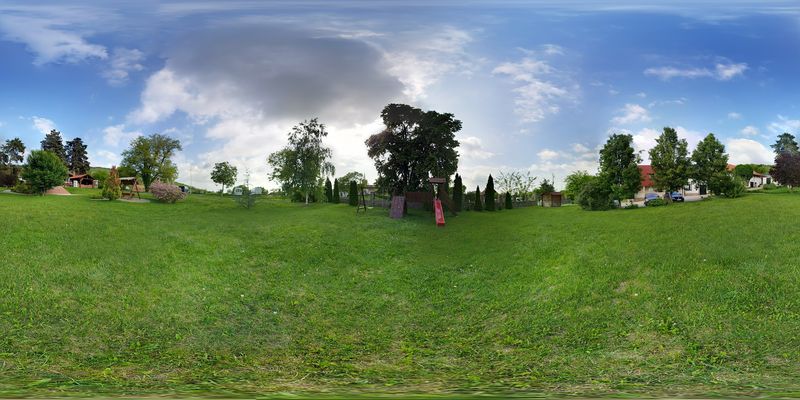
Romania holds a surprisingly prominent position in European wine history, and Miniș is one of the oldest documented wine-producing areas in the entire country, with records of viticulture here going back over 2,000 years.
The region sits in the Mureș River valley in western Romania, not far from the city of Arad. Its landscape is defined by gentle hills, old vine plots, and a quiet agricultural rhythm that has changed little over the decades.
Miniș specializes in robust reds and aromatic whites, with the local Cadarcă grape variety playing a starring role. Cadarcă is a historically significant variety across the Carpathian Basin and produces wines with a distinctive personality that differs markedly from anything grown in Western Europe.
Because the region sits well outside the main tourist corridors, visitors who make the effort typically have vineyards and tasting rooms almost entirely to themselves. That kind of unhurried access to genuine winemaking heritage is increasingly rare and genuinely worth the detour.
6. Tikveš, North Macedonia
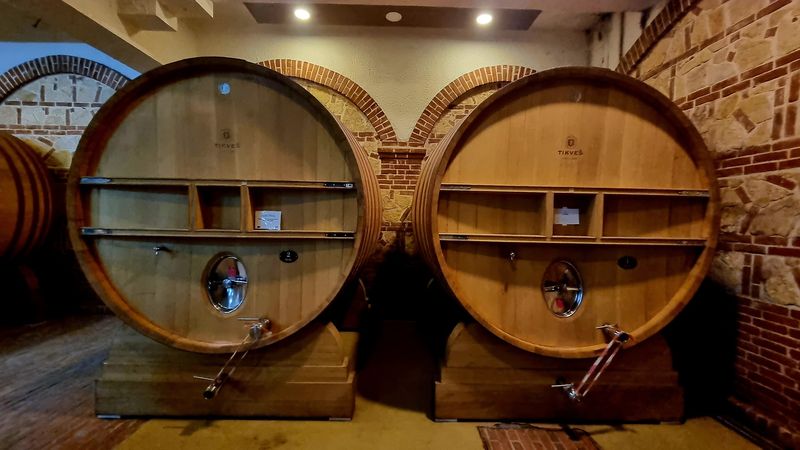
North Macedonia does not often appear on European travel itineraries, which is a genuine oversight given that the Tikveš region produces some of the Balkans’ most consistent and characterful bottles at prices that would make a French sommelier blush.
Tikveš stretches across central North Macedonia, covering a wide basin protected by surrounding hills that create one of the warmest and sunniest microclimates in the entire Balkan Peninsula. That sunshine translates directly into ripe, full-bodied reds with good natural structure.
The region’s flagship producer, Tikveš Winery, is one of the largest in Southeast Europe and has been operating since 1885. But beyond the big estate, a growing number of smaller boutique producers are pushing the quality envelope and attracting attention from international buyers.
Vranec, the dominant local red grape, is practically a national symbol and produces wines that age remarkably well. International travelers who discover Tikveš tend to become quietly evangelical about it, which is exactly the kind of word-of-mouth a hidden region deserves.
7. Valle de Cricova, Moldova
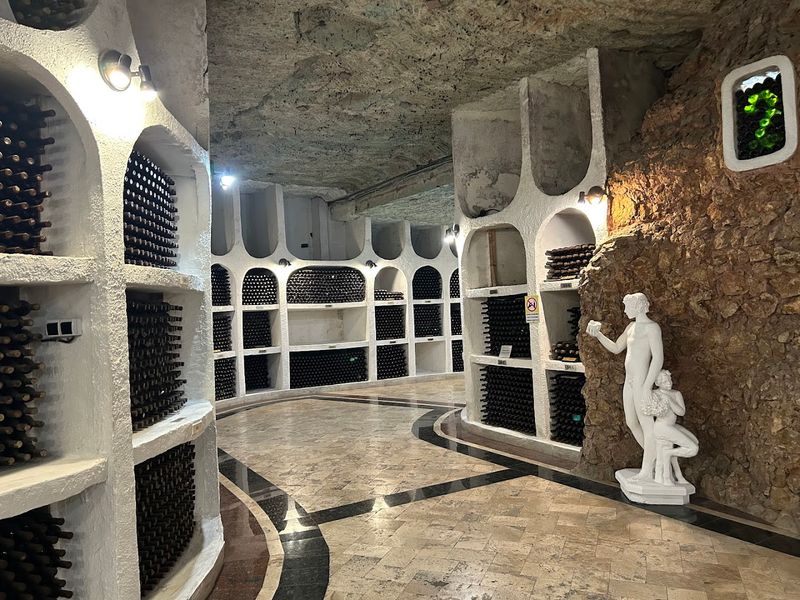
Imagine an entire city built underground, with named streets, tasting halls, and millions of bottles aging in the dark. That is not science fiction.
That is Cricova, and it sits beneath the hills just north of Moldova’s capital, Chisinau.
The Cricova cellars were carved out of limestone quarried to build the city above, and the resulting labyrinth stretches for over 120 kilometers of underground passages. The facility maintains a constant cool temperature year-round, which happens to be ideal for long-term storage.
Famous visitors over the decades have included Yuri Gagarin, who reportedly got so absorbed in a tasting session that he stayed for two days. Moldova as a whole has more vineyard land per capita than any other country on Earth, yet it remains Europe’s least-visited nation.
A tour of the Cricova cellars involves riding through tunnels in a small vehicle, passing through dedicated sections organized by origin and type. It is one of the most genuinely unusual wine experiences available anywhere on the continent.
8. Szekszárd, Hungary
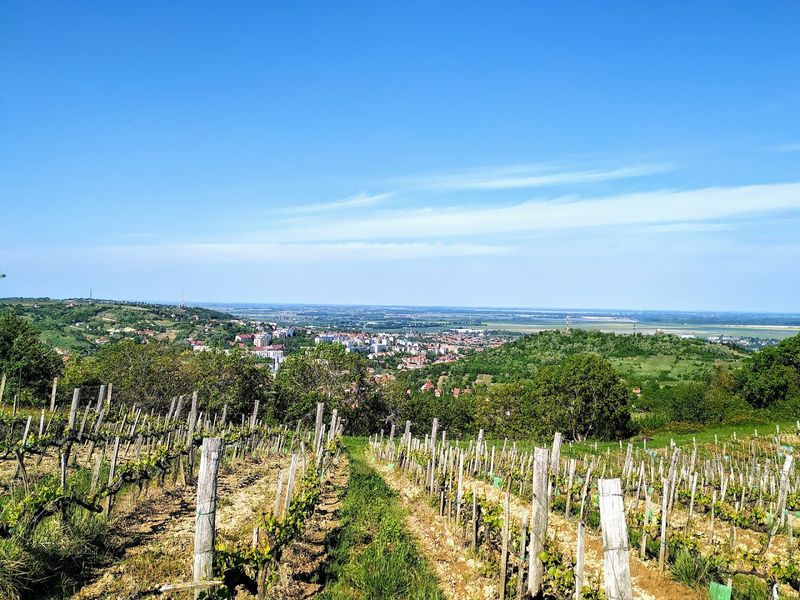
While Tokaj gets all the international attention, Szekszárd quietly goes about producing some of Hungary’s finest red wines in a region that most foreign visitors have never even tried to pronounce correctly. For the record, it is roughly “SEK-sard.”
Located in southern Hungary, Szekszárd benefits from a warm continental climate and loess-rich soils that suit red varieties particularly well. The area has been producing wine since Roman times, when the settlement was known as Alisca.
The region is most celebrated for Bikavér, a multi-grape red blend whose name translates to “Bull’s Blood.” Szekszárd’s version tends to be richer and more structured than the more famous Eger interpretation of the same blend, and local producers are fiercely proud of the distinction.
Family wineries dominate the landscape here, and many offer informal cellar visits with no advance booking required. The town itself has a pleasant historic center and a relaxed pace that makes it an ideal base for a few unhurried days of exploration.
9. Istria, Croatia
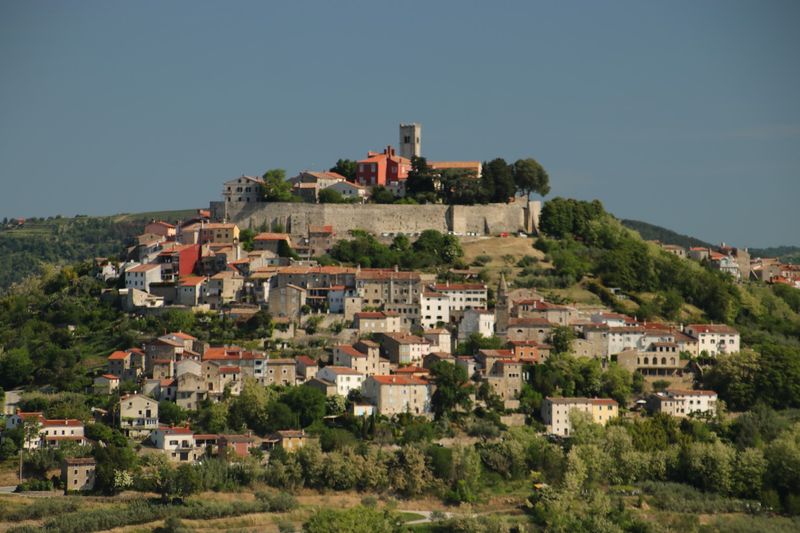
Croatia’s coastline draws enormous crowds every summer, but the inland hills of Istria represent a completely different proposition: medieval hilltop towns, boutique producers, and a pair of native grape varieties that have been quietly building an international following.
Malvasia Istriana is the white grape that defines the peninsula, producing wines that range from fresh and citrusy to rich and textured depending on the producer’s approach. Teran, the dominant red variety, grows almost exclusively in the region’s red iron-rich soil and produces deeply colored, structured wines with a notably high natural acidity.
The hilltop towns of Motovun, Grožnjan, and Oprtalj sit above the vineyards and offer a combination of history, local food culture, and wine that rivals anything the more famous parts of Italy have to offer just across the border.
Istrian producers have invested heavily in quality over the past two decades, and the results are now appearing on wine lists in major European cities. Getting there before the crowds fully arrive is still very much possible.
10. Dealu Mare, Romania
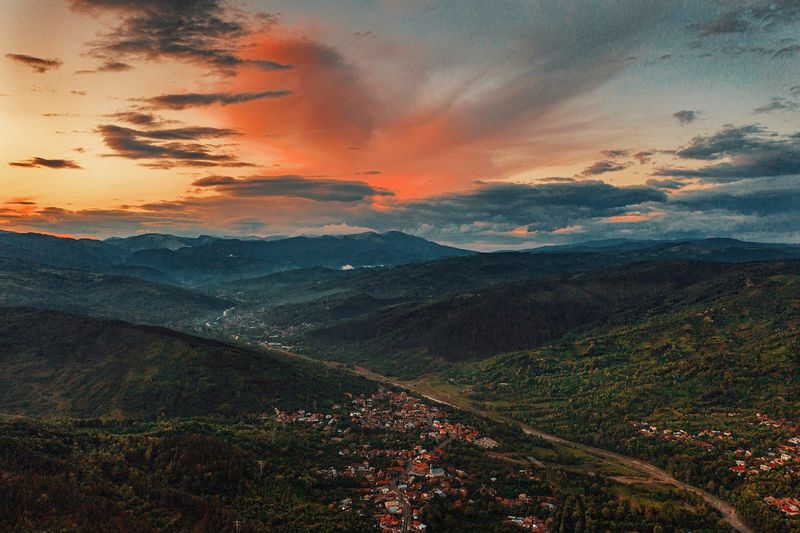
Romania is the sixth-largest wine producer in Europe, a fact that surprises almost everyone who hears it for the first time, and Dealu Mare is the crown jewel of the country’s entire production landscape.
The region sits in the foothills of the Carpathian Mountains, roughly two hours north of Bucharest, and covers a broad sweep of south-facing slopes that capture maximum sun exposure across the growing season. That consistent warmth produces full-bodied reds with genuine depth and aging potential.
Indigenous varieties like Feteasca Neagra and Feteasca Regala are gaining serious international attention, with sommeliers in London and New York increasingly seeking them out as alternatives to overexposed French and Italian classics.
The landscape itself combines vineyards with Orthodox monasteries, quiet rural towns, and a countryside rhythm that feels entirely removed from the pressures of modern tourism. An emerging enotourism infrastructure is making the region more accessible, but for now, it still has the unhurried quality of somewhere genuinely undiscovered.
11. Pleven, Bulgaria
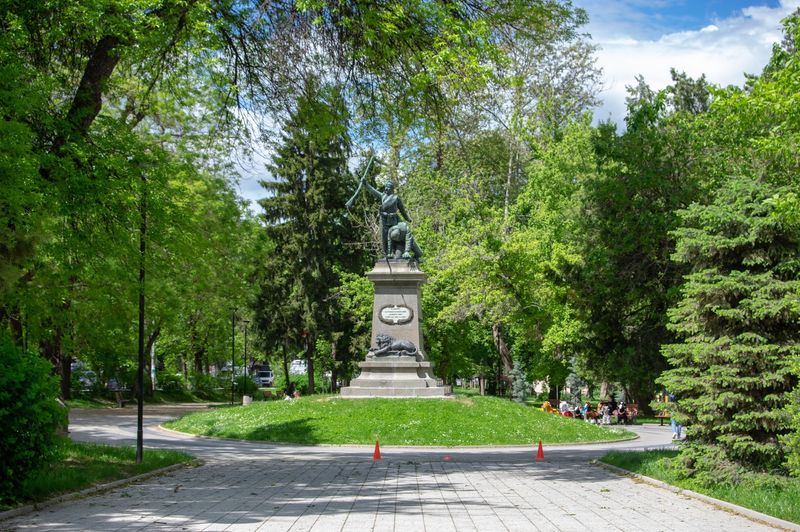
Bulgaria tends to get bracketed with the Thracian Valley when wine conversations arise, but the Pleven region in the north of the country has its own distinct identity and a history of serious winemaking that deserves far more recognition.
The Danubian Plain that surrounds Pleven is flat, fertile, and blessed with a continental climate that suits a wide range of grape varieties. The area has been producing wine since Thracian times, long before Bulgaria existed as a modern state.
After a difficult period during and after the Soviet era, when quantity was prioritized over quality, local producers have spent the last two decades rebuilding their reputation from the ground up. The results are increasingly impressive, particularly for red varieties like Mavrud and Rubin, both of which are native to Bulgaria.
The estates here are peaceful, often surrounded by open countryside with no tourist infrastructure in sight. That absence of crowds is precisely what makes Pleven an appealing destination for travelers who prefer their wine experiences without a gift shop attached.
12. Telavi, Georgia
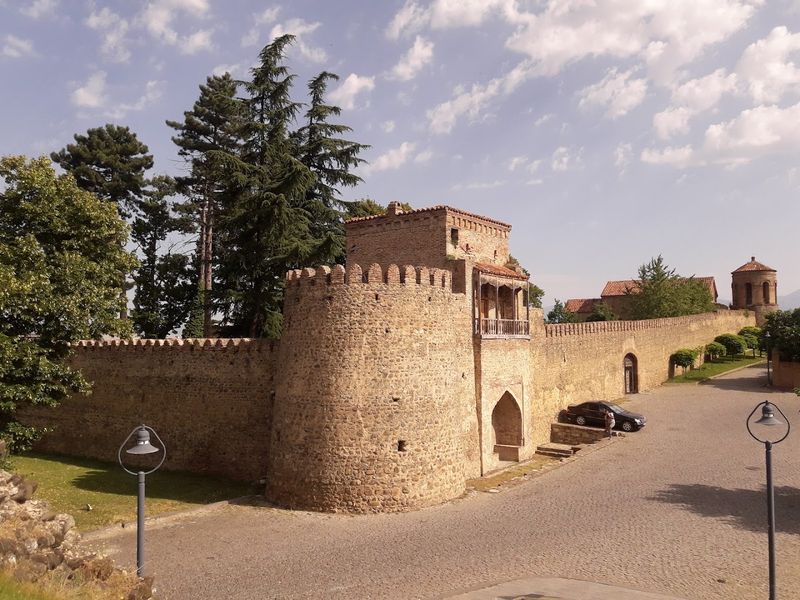
There are not many places in the world where you can taste ancient grape varieties, visit a monastery that predates most European nations, and look up to see snow-capped mountain peaks towering above the vines. Telavi manages all three without even trying.
As the main city of the Kakheti region, Telavi serves as the practical base for exploring Georgia’s most important wine territory. The city itself retains a pleasantly unhurried character, with a historic fortress, a famous old plane tree that is said to be over 900 years old, and a local market that operates on its own schedule.
The surrounding countryside is planted extensively with Saperavi, a deeply pigmented red grape that produces some of the most structured and age-worthy wines in the entire Caucasus. Rkatsiteli, the dominant white variety, has been cultivated in this area for at least 3,000 years.
Winery visits in the Telavi area typically involve sitting down with the producer’s family, sharing food, and hearing stories that connect modern bottles to genuinely ancient traditions. That kind of access is rare and worth the journey from anywhere in Europe.
Share this story