There is a town in the heart of Nevada where copper mines shaped a city, steam locomotives still run on schedule, and abandoned ghost towns wait just down the road. It sits along one of America’s loneliest highways, yet it is anything but forgotten.
The landscape surrounding it stretches into mountain ranges, ancient bristlecone pine forests, and wide-open skies that make you stop and stare. This is the kind of place where history feels alive, not just preserved behind glass, and where every street corner has a story worth hearing.
If you have ever wanted to explore a real Western town that still carries the grit and charm of its past, keep reading, because this place delivers on every single promise.
Where the Story Begins: Downtown Ely, Nevada
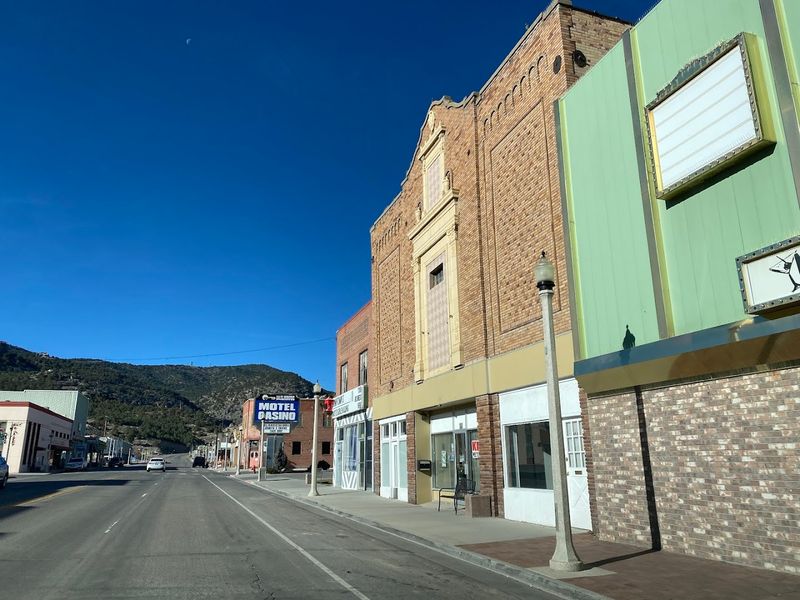
Right at the heart of White Pine County, Ely, Nevada sits at 39.2533 N, 114.8742 W, with a mailing address of Ely. This city is the county seat and the only incorporated city in White Pine County, which tells you a lot about just how remote and self-contained it really is.
Ely started its life as a stagecoach stop along the Pony Express and Central Overland Route, which means riders and travelers were passing through here long before copper ever entered the picture. The town has that rare combination of frontier history and early 20th-century boomtown energy baked right into its bones.
Walking through downtown, you notice wide streets, historic brick buildings, and a general sense that the past is never far away. Ely is not a tourist trap dressed up to look historical; it simply is historical, and that authenticity is refreshing.
The Copper Boom That Built a City
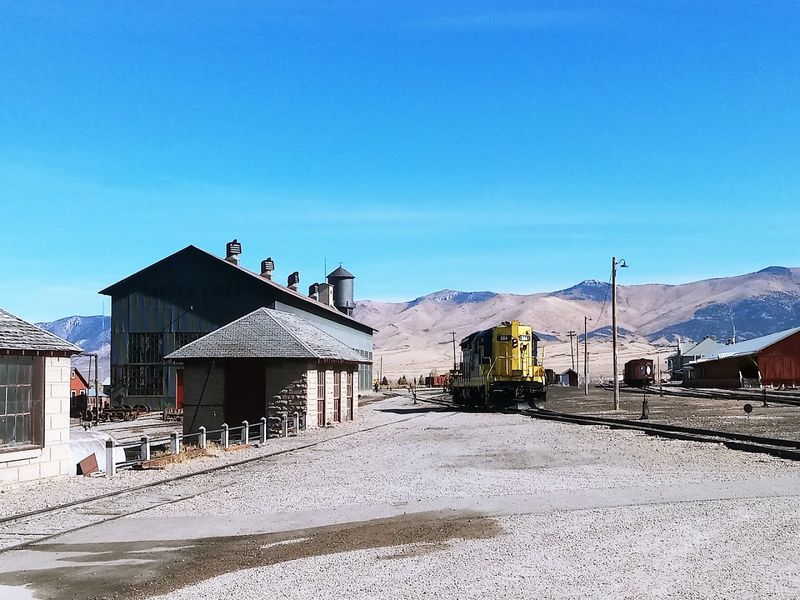
Copper changed everything for Ely. In 1906, significant copper deposits were discovered in the surrounding hills, and almost overnight, this quiet stagecoach stop transformed into a full-scale boomtown drawing workers, investors, and families from across the country.
The Ruth Copper Pit, located just outside of town, became one of the most productive open-pit copper mines in American history. At its peak, the operation employed thousands of workers and produced enormous quantities of ore that fueled industries far beyond Nevada’s borders.
What makes this history especially interesting is that Ely’s mining boom came later than most other Nevada towns, many of which had already peaked and faded by the time copper fever hit White Pine County. That late start actually helped Ely survive longer and develop more infrastructure than many of its neighbors.
The legacy of copper is still visible across town, from the architecture to the local museums that celebrate the industry proudly.
All Aboard the Nevada Northern Railway
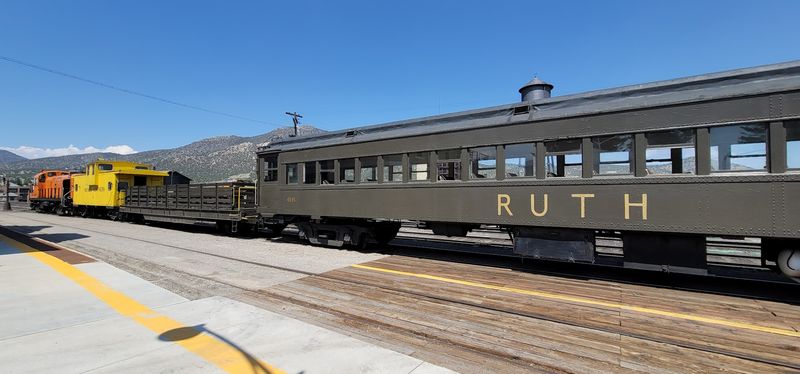
Few things in Ely create as much excitement as the Nevada Northern Railway, and for good reason. This historic railroad was originally built in 1906 to haul copper ore from the mines to the main rail line, and today it operates as one of the best-preserved historic railroads in the entire United States.
The railway has been recognized as a National Historic Landmark, and unlike many preserved railroads that simply display old equipment behind ropes, the Nevada Northern actually runs its steam and diesel locomotives on regular excursion trips. You can ride the train through the high desert landscape and feel the rumble of a genuine working steam engine beneath you.
The depot itself is a treasure, featuring original buildings, equipment, and documentation that paint a vivid picture of early 20th-century railroad life. Railfans and casual visitors alike consistently leave impressed by how authentic and hands-on the entire experience feels.
The Ghost Town Trail: A Drive Through Forgotten History
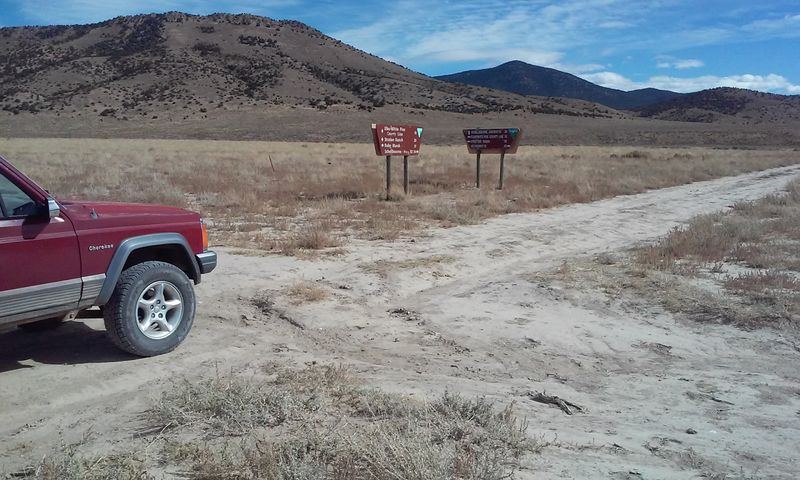
White Pine County is dotted with ghost towns, and Ely serves as the perfect base camp for exploring them. Towns like Hamilton, Treasure City, and Cherry Creek once thrummed with activity during Nevada’s earlier silver and gold rushes, and now they stand as quiet, weathered reminders of how quickly fortunes can rise and fall.
Hamilton, for example, was once home to over 10,000 residents during its silver boom in the late 1860s. Today, only crumbling foundations and scattered stone walls remain, half-swallowed by the desert landscape.
There is something genuinely moving about standing in a place where thousands of people once lived their entire lives.
Many of these ghost towns are accessible by paved or well-maintained dirt roads, making them reachable without a specialized vehicle. Bringing a camera and a healthy curiosity is all you really need to turn an afternoon drive into an unforgettable history lesson written in stone and silence.
Great Basin National Park: A Natural Wonder Next Door
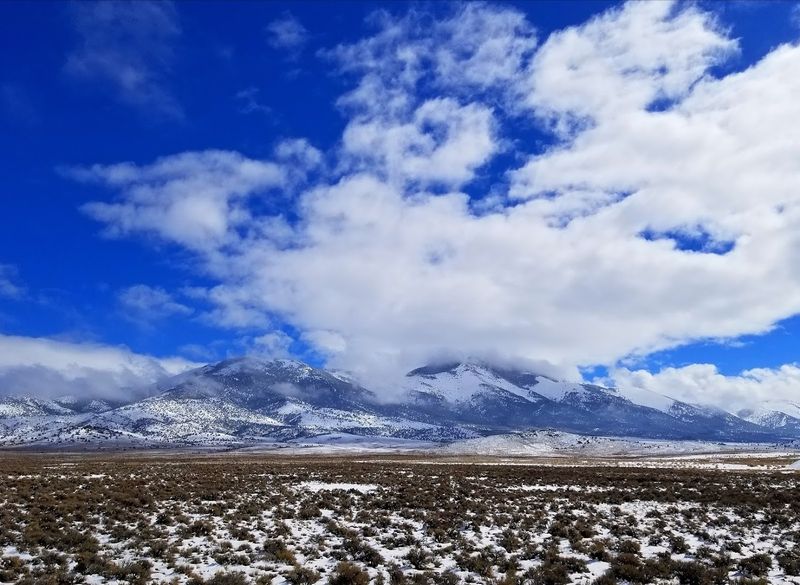
About an hour’s drive west of Ely, Great Basin National Park stands as one of America’s least-visited yet most spectacular national parks. The park is home to Wheeler Peak, which rises to over 13,000 feet, and ancient bristlecone pine trees that are among the oldest living organisms on the planet.
The Lehman Caves inside the park offer guided tours through a stunning underground world of stalactites, stalagmites, and rare cave formations called cave shields. It is the kind of place that makes you feel small in the best possible way.
Because the park sees far fewer visitors than more famous national parks, you can often hike trails in near-total solitude, which is a rare and genuinely peaceful experience. The dark skies above Great Basin are also extraordinary for stargazing, with the park holding a Gold Tier designation from the International Dark-Sky Association.
The Loneliest Road in America Runs Right Through Town
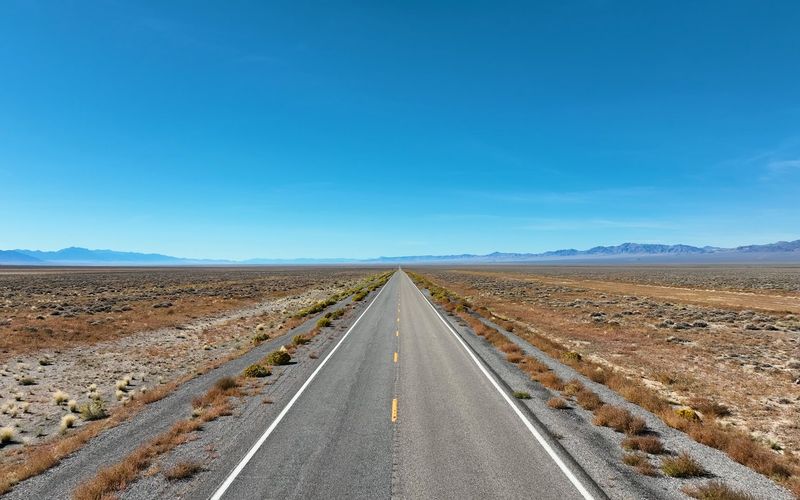
US Route 50 has earned the nickname “The Loneliest Road in America,” and Ely sits directly on it. Life Magazine gave the highway that memorable label back in 1986, and rather than taking offense, Nevada leaned into the title with pride, creating a passport program that rewards travelers who stop at key towns along the route.
Driving US 50 is an experience in itself. The highway stretches across Nevada’s Basin and Range landscape, crossing mountain passes and open valleys with almost no commercial development in sight.
It is the kind of road that clears your head.
Ely functions as one of the main service stops along this route, which means the town has a practical, welcoming energy built around travelers who need food, rest, and a reason to linger. The Loneliest Road passport is available at the Nevada Northern Railway depot, making Ely a logical and rewarding first stop.
The White Pine Public Museum: Small Town, Big Stories
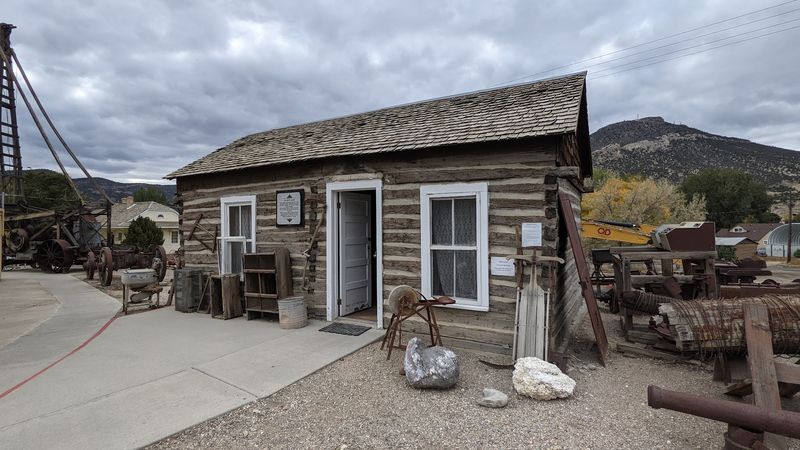
The White Pine Public Museum in Ely does an excellent job of telling the full story of this region, from its earliest Indigenous inhabitants through the Pony Express era, the copper boom, and beyond. The collection is genuinely diverse and thoughtfully organized, making it easy to follow the timeline of the area’s development.
Exhibits cover Native American history, pioneer life, the railroad industry, and the mining operations that defined Ely for decades. There are artifacts, photographs, and documents that you simply will not find anywhere else, because this is the community that lived these stories.
One of the most compelling aspects of the museum is how it connects the dots between different chapters of Ely’s history, showing how each era built upon the last. For a small-town museum, the depth of content is genuinely impressive, and it is the kind of place where you arrive planning to spend an hour and end up staying much longer.
Hiking the Snake Range and Schell Creek Range
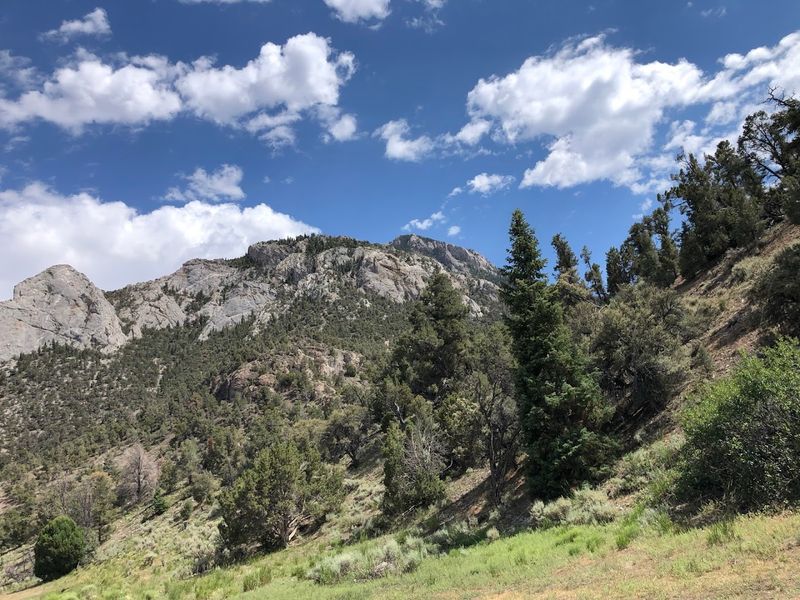
Ely is surrounded by mountain ranges that offer serious hiking opportunities without the crowds you would find in more popular destinations. The Snake Range, which contains Wheeler Peak, and the Schell Creek Range both provide trails ranging from gentle valley walks to challenging alpine climbs.
The terrain shifts dramatically as you gain elevation, moving from sagebrush flats through pinyon-juniper woodland and into subalpine meadows dotted with wildflowers during summer months. The variety of ecosystems packed into a short vertical distance is one of the things that makes hiking here genuinely interesting rather than repetitive.
Wildlife sightings are common on these trails. Mule deer, pronghorn antelope, golden eagles, and even the occasional mountain lion territory marker can be found in these ranges.
Hikers should carry plenty of water, as the high desert environment can be deceptively dry even when temperatures feel moderate. Starting early in the morning is always the smartest move.
The Hotel Nevada: A Historic Landmark Still Standing
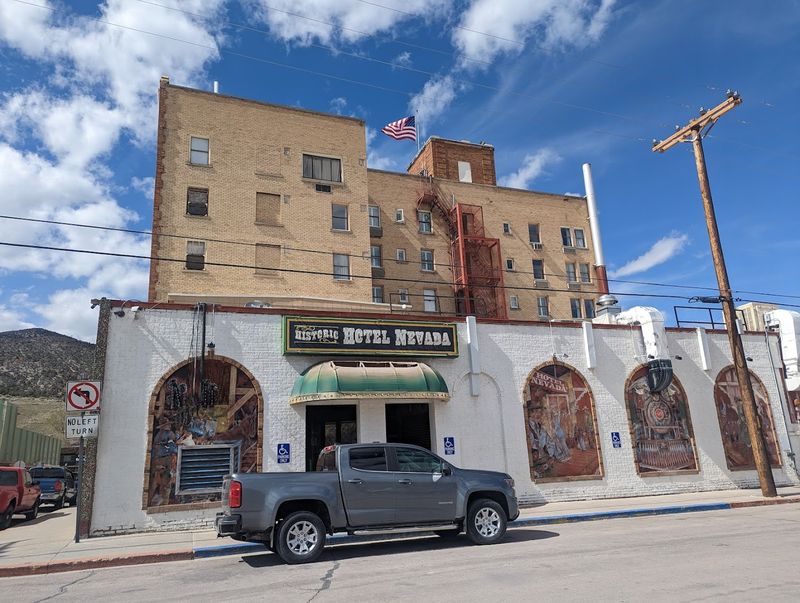
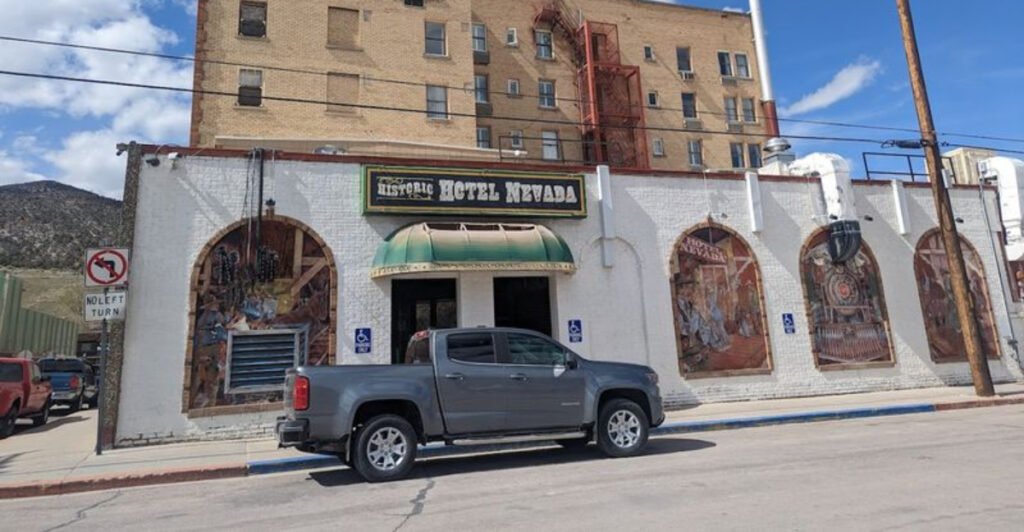
The Hotel Nevada in downtown Ely opened its doors in 1929 and has been welcoming travelers ever since. At the time of its construction, it was the tallest building in Nevada, which gives you a sense of just how significant Ely was during the height of its copper boom prosperity.
The building still retains much of its original character, with a classic facade and interiors that have been carefully maintained over the decades. It has hosted miners, ranchers, traveling businesspeople, and curious tourists across nearly a century of operation, and the accumulated history of all those guests feels genuinely present when you walk through the lobby.
Staying at the Hotel Nevada is one of those travel experiences that connects you to a place in a way that a generic chain hotel simply cannot replicate. It is not just accommodation; it is participation in the living history of a town that has never stopped moving forward.
Wildlife Watching in the High Desert
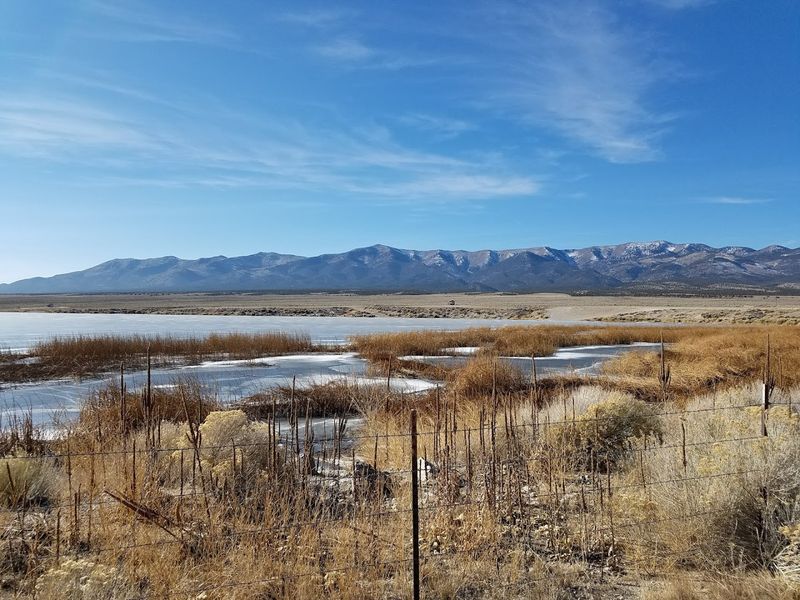
The landscape around Ely supports a surprisingly rich variety of wildlife, and you do not need to venture deep into the backcountry to encounter it. Pronghorn antelope, the fastest land animal in North America, are frequently spotted grazing along the highway corridors and open valleys surrounding town.
Mule deer are common sights at dawn and dusk near the mountain foothills, and raptors including red-tailed hawks, ferruginous hawks, and prairie falcons are a regular presence in the open skies above the basin. Spring and fall bring migratory birds through the region, adding even more variety for those who enjoy birdwatching.
The key to successful wildlife watching here is patience and timing. Early mornings and late afternoons are consistently the most productive windows, especially near water sources like springs and seasonal streams.
Carrying binoculars and a field guide to Great Basin wildlife makes every drive through the surrounding valleys feel like its own small adventure.
Planning Your Visit: Practical Tips for Ely
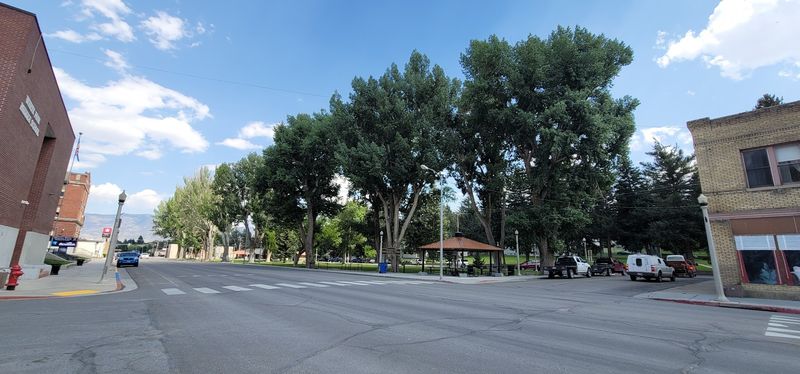
The best times to visit Ely are late spring through early fall, when temperatures are manageable and mountain roads are fully accessible. Summer days can be warm but rarely extreme, and evenings cool down noticeably thanks to the town’s elevation of around 6,400 feet above sea level.
Ely is roughly four hours from both Las Vegas and Salt Lake City by car, making it a natural midpoint for a road trip through the Great Basin. US 93 and US 50 both connect through town, so it fits naturally into a larger Nevada itinerary without requiring a significant detour.
Accommodations range from the historic Hotel Nevada to several motels and a campground near Great Basin National Park. Fueling up in Ely before heading out on any long drive is a practical necessity, as the next service stations in any direction can be quite far away.
Planning ahead makes the whole trip smoother and more enjoyable.
Share this story