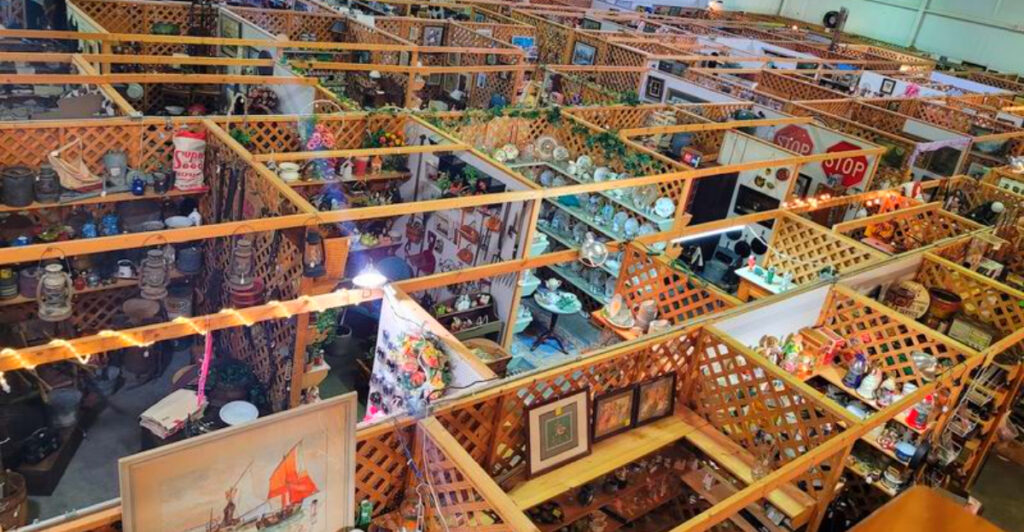
NorEast Architectural Antiques in Marshfield, Missouri is not the kind of antique store you rush through in fifteen minutes. The massive warehouse is packed with reclaimed wood, vintage doors, iron fixtures, stained glass, mantels, and architectural pieces pulled from historic homes and buildings across the country.
Every section feels different, and nearly every item comes with a story attached to it.
What makes the place stand out is the scale and variety. One visit might turn up century-old church pews, hand-carved columns, industrial factory pieces, or reclaimed lumber ready for a custom project.
Designers and renovators come looking for statement pieces, but plenty of visitors stop in just to wander the aisles and see what they uncover next.
Unlike many antique shops that focus on small collectibles, NorEast specializes in the kinds of pieces that completely change a space. It feels part salvage yard, part design showroom, and part museum dedicated to craftsmanship that is hard to find today.
Even people with no plans to buy anything usually leave with photos, ideas, or something they did not expect to carry out the door.
A Missouri Address With a New England Soul
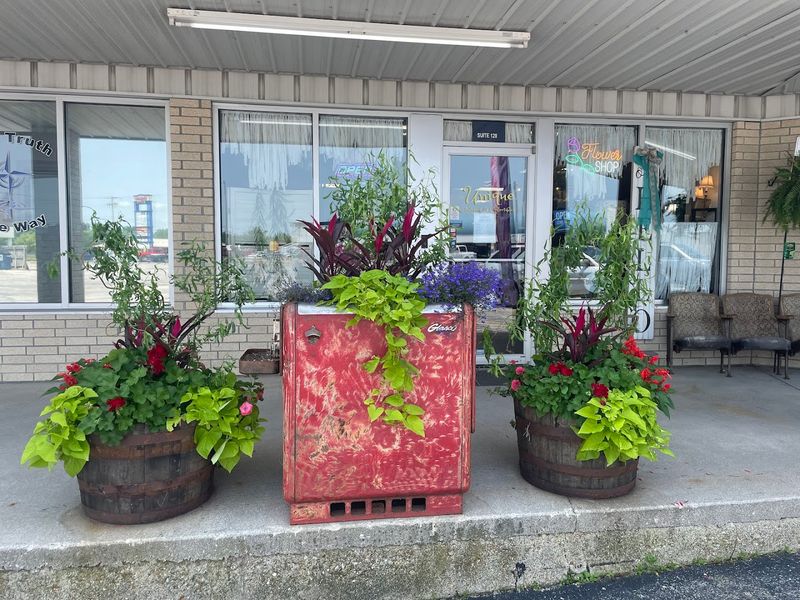
The address alone tells part of the story. NorEast Architectural Antiques is rooted in Marshfield, Missouri, a town tucked into Webster County in the southern Ozarks, bringing a distinctly New England-inspired salvage philosophy to the heart of the Midwest.
The business built its identity on sourcing and saving architectural antiques and antique building materials that might otherwise be lost forever. The inventory spans pieces dating from 1700 to 1940, meaning some of what sits on these shelves predates the American Revolution.
That kind of range is almost unheard of in a single location. The shop draws homeowners, designers, architects, and curious visitors from across the region, all hunting for that one piece that changes a room completely.
Marshfield is not a city you typically associate with historic New England salvage, and that contrast is exactly what makes this destination so unexpectedly fascinating.
Where the Inventory Spans Three Centuries
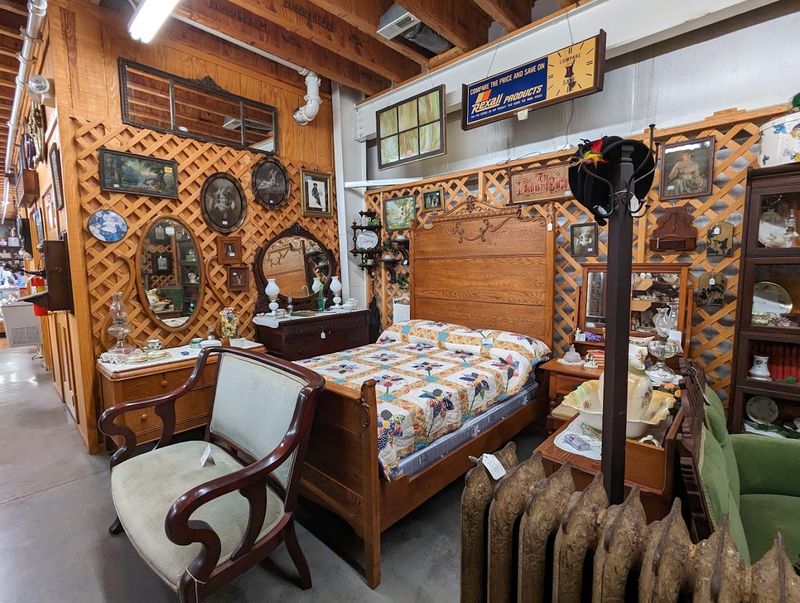
Most antique stores deal in decades. NorEast Architectural Antiques deals in centuries.
The inventory here stretches from the early 1700s all the way through 1940, covering roughly 240 years of American building history under one very impressive roof.
Some tiles in the collection date back to the 1680s, which means you could be holding a piece of material older than the United States itself. Antique hand-hewn beams and original wide-plank boarding from the 1700s sit alongside Victorian-era millwork and early twentieth-century hardware, creating a timeline you can actually touch.
That depth of inventory is what separates this place from a typical antique market. Each piece arrives with genuine age and provenance, not a manufactured vintage look.
For anyone who has ever wanted to bring real historical character into a home renovation or restoration project, the sheer chronological range here opens up possibilities that are genuinely hard to find anywhere else.
The 12,000-Square-Foot World of Salvaged Wonders
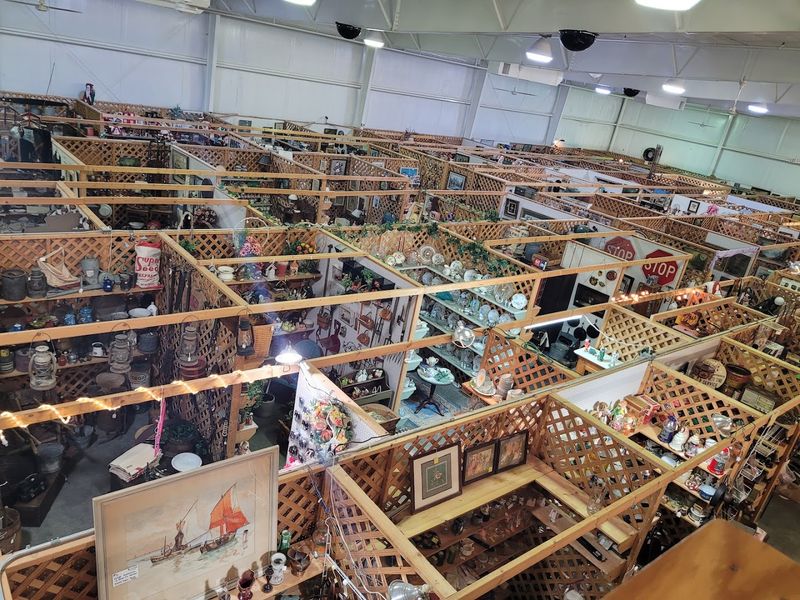
Twelve thousand square feet sounds like an abstract number until you actually start walking through it. The main showroom at NorEast Architectural Antiques fills that entire space with salvaged mantels, antique doors, vintage plumbing fixtures, ornate ironwork, lighting, stair parts, and millwork arranged across a space that takes serious time to fully explore.
Beyond the main building, an additional 6,000-square-foot structure houses a working wood shop and sawmill, set on six acres of property. That means the team can cut reclaimed beams, boards, and custom flooring right on site, which is a service most salvage operations simply cannot offer.
The sheer physical scale of this operation shifts it out of the casual antique shop category entirely. This is a working facility built around the serious business of preservation and reuse.
Every square foot is packed with something worth stopping to examine, and the wood shop adds a hands-on dimension that few competitors can match.
Decorative Accents That Carry the Weight of History
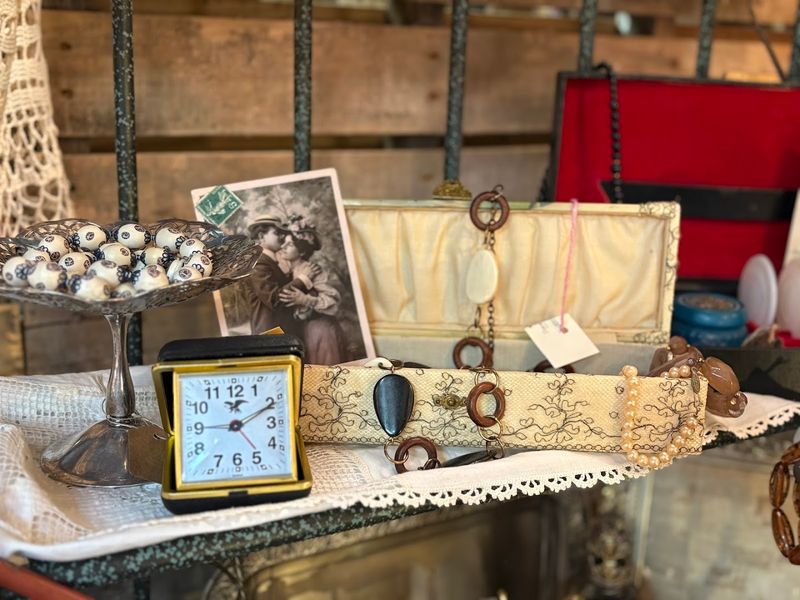
Not every treasure at NorEast is architectural in the grand sense. Scattered across the warehouse are decorative pieces — carved corbels, ornate moldings, finials, and wall medallions — that once gave personality to homes built with genuine craftsmanship in mind.
These smaller finds are sometimes the most surprising discoveries of all.
Interior designers especially love combing through this section. A single carved rosette or a plaster ceiling medallion can transform a plain modern room into something that feels genuinely layered with time and intention.
The inventory shifts constantly, which means every visit honestly has a good chance of turning up something new.
Reclaimed Lumber and Hand-Hewn Beams With Real Stories
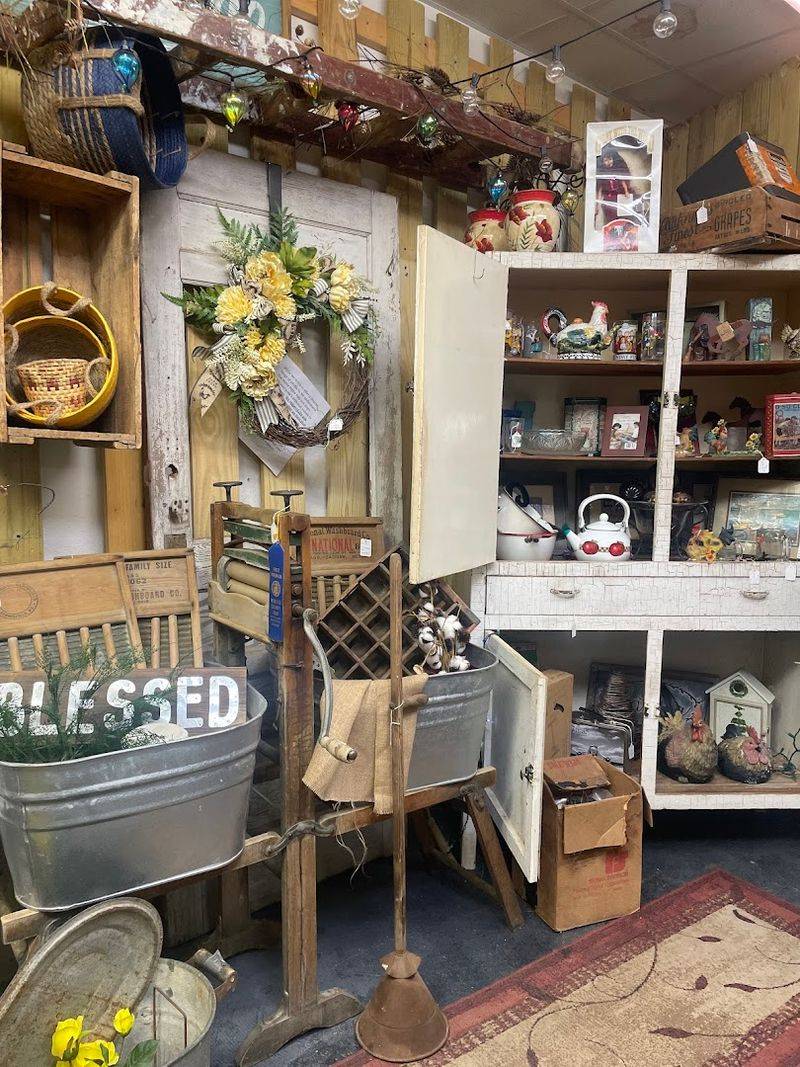
There is a texture to genuinely old wood that no staining technique or distressing tool can fake. Hand-hewn beams from the 1700s carry the marks of the broadaxes that shaped them, and those marks are part of what makes them so visually striking in a modern interior.
NorEast Architectural Antiques stocks an impressive supply of reclaimed lumber, wide-plank boarding, and antique beams, and the on-site sawmill means custom cuts are a real option. Need a beam trimmed to a specific length or boards milled to a particular width?
That can happen right here, which saves a significant amount of time and coordination for builders and renovators.
The wood alone draws contractors and designers who understand that reclaimed material carries environmental benefits alongside aesthetic ones. Using wood that has already been harvested and seasoned for a century is as sustainable as building gets.
The grain patterns, the aging, and the sheer density of old-growth timber are qualities that simply do not exist in new lumber.
Doors, Hardware, and the Details That Define a Home
Original hardware is one of the most underrated elements of historic architecture. A solid brass mortise lock from the 1890s or a hand-forged iron hinge from a colonial-era barn carries a weight and precision that modern reproductions consistently fail to match.
NorEast Architectural Antiques stocks a broad selection of antique doors alongside the hardware that goes with them. Paneled wooden doors from early twentieth-century homes, wide plank doors from older farmhouses, and ornate Victorian entries all pass through the inventory regularly.
The hardware collection includes hinges, knobs, escutcheons, door knockers, and more, covering a wide range of periods and styles.
For someone renovating an older home, sourcing period-correct hardware can be one of the most frustrating parts of the project. Having doors and hardware available together in one location, with staff knowledgeable enough to help match pieces to the right era, makes this shop an invaluable resource for anyone serious about getting the details right.
Cast Iron Cookware and Kitchen Relics From Another Era
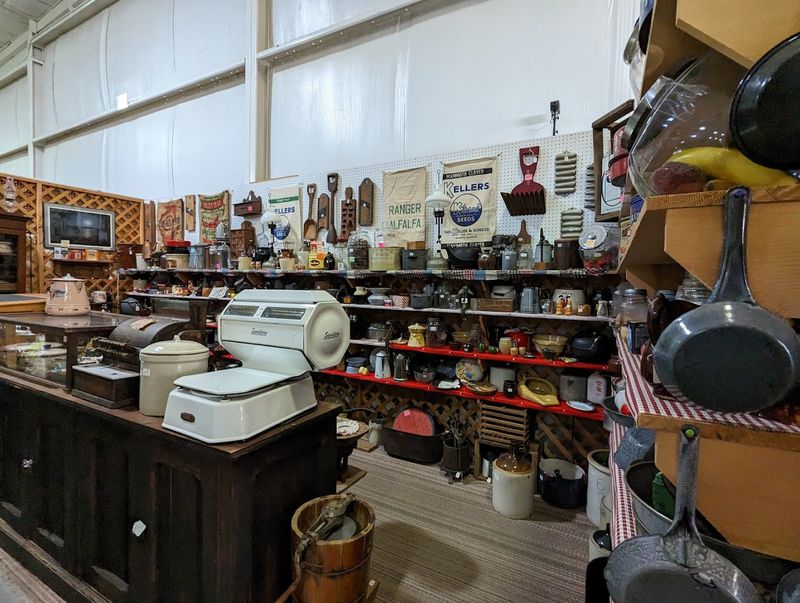
Old kitchens told their stories through the tools they left behind, and NorEast keeps that tradition very much alive. Cast iron skillets, Dutch ovens, and bread pans from farmhouses long forgotten line the shelves here, each piece seasoned by decades of real use.
Finding one feels like inheriting a small slice of culinary history.
Collectors and home cooks both recognize the value in these discoveries. A pre-1900s cast iron pan cooks just as beautifully today as it did back then.
Beyond pure function, these pieces bring warmth and honest character to modern kitchens that no brand-new cookware could ever truly replicate.
Plumbing Fixtures and Sinks From a More Elegant Era
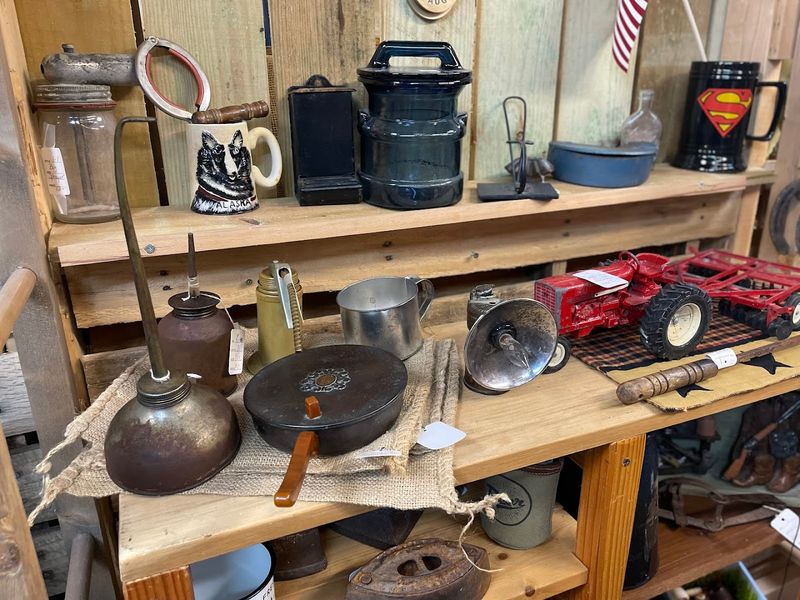
Before plumbing fixtures were designed to be invisible and purely functional, they were made to be noticed. Cast iron farmhouse sinks with thick aprons, deep porcelain bathroom basins, and early pedestal sinks carry a solidity and visual presence that modern fixtures rarely attempt.
The kitchen and bath inventory at NorEast Architectural Antiques reflects that older standard of craftsmanship. These are pieces that were built to last generations, and many of them have already done exactly that.
Finding one in good condition is genuinely exciting for anyone putting together a period kitchen or bathroom renovation.
The challenge with vintage plumbing is always compatibility, but the staff here understands that concern and can help buyers think through what will work in a modern setting. A salvaged farmhouse sink paired with updated plumbing behind the scenes can deliver the warmth of history without sacrificing any convenience.
That balance is exactly what brings so many designers back to this shop repeatedly.
Ironwork, Lighting, and the Art of the Unexpected Find
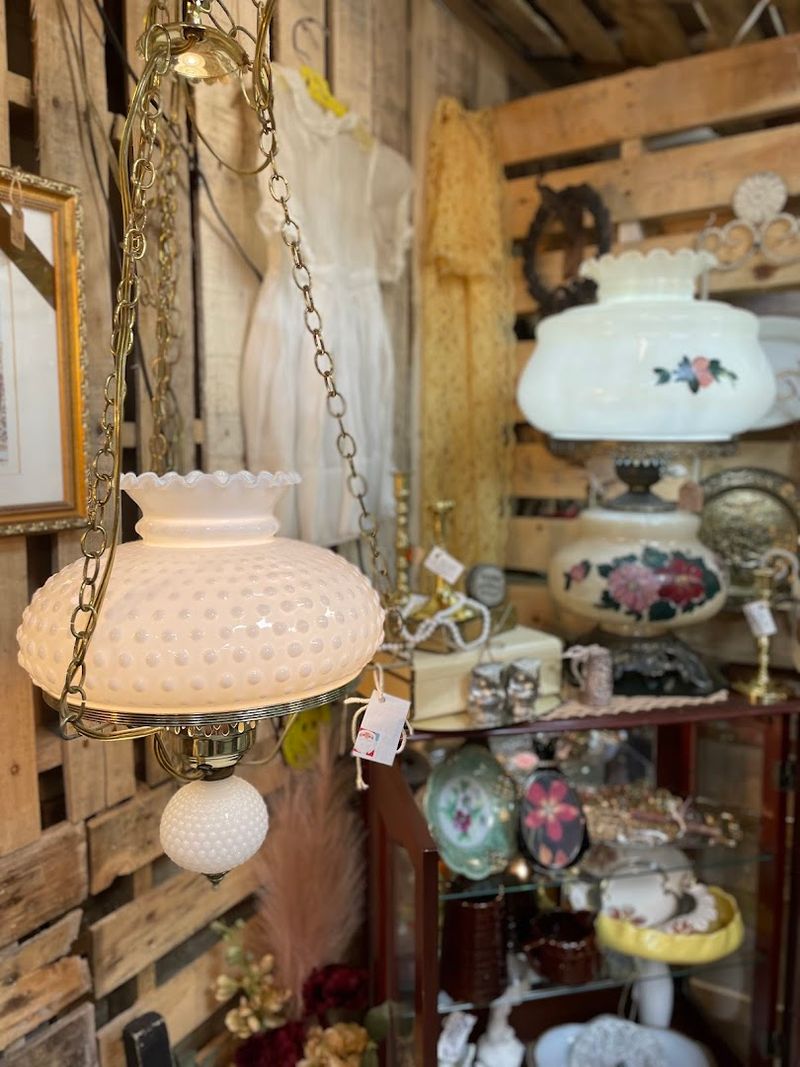
Part of what makes a visit to NorEast Architectural Antiques so enjoyable is that the inventory refuses to stay predictable. Alongside the expected categories of beams and doors, the shop carries ironwork, vintage lighting, and architectural artifacts that fit no neat classification but demand attention anyway.
Wrought iron railings, decorative gates, old factory lighting fixtures, and one-of-a-kind ornamental pieces show up regularly, sourced from demolitions, estate clearances, and historic property renovations. The general rule for what gets stocked here is simple: it has to be pre-1940 and it has to be genuinely interesting.
That curatorial instinct is what elevates this place above a standard salvage yard. Someone made a conscious decision that quality and character matter more than volume, and the result is a collection where even the smallest bracket or hinge feels like it was chosen for a reason.
The lighting section alone is worth a dedicated browse, since original fixtures from the early twentieth century are increasingly hard to find in good condition.
Serving Designers, Architects, and Homeowners Alike
NorEast Architectural Antiques is not just a retail shop. It functions as a working partner for professionals in the design and construction world.
Architects, interior designers, and general contractors rely on this resource when a project calls for authentic historic materials that cannot be sourced through standard supply chains.
The team actively collaborates with clients on new construction projects that want an aged look, full historic restorations where authenticity is non-negotiable, and commercial renovations that need character fast. The ability to arrange shipping across the United States makes the geographic reach of this shop significantly larger than its Missouri address might suggest.
For homeowners tackling their own projects, the staff brings the same level of engagement and knowledge to every conversation, regardless of project scale. A single mantel for a living room renovation gets the same thoughtful attention as a full commercial restoration.
That consistent approach to service is one of the reasons professionals keep returning here when the stakes are highest.
A History of Resilience and Rebuilding
The story behind this business carries its own kind of historic weight. NorEast Architectural Antiques originally started in Amesbury, Massachusetts, before relocating to its current operation in 2006.
Then, in 2008, a fire destroyed the main building and most of the inventory in a single devastating event.
Rather than walking away from decades of work, the team rebuilt from the ground up and reopened in 2009. That kind of determination says something meaningful about the people behind the operation and explains why the business carries such a strong sense of purpose in everything it does.
The collections have since grown back to impressive levels, and the rebuilt facility now serves as a more capable operation than ever before. Knowing that history adds a layer of appreciation to every piece in the showroom.
The shop itself became a story of preservation and persistence, which fits perfectly with its mission of saving historic materials that the world might otherwise discard without a second thought.
Share this story