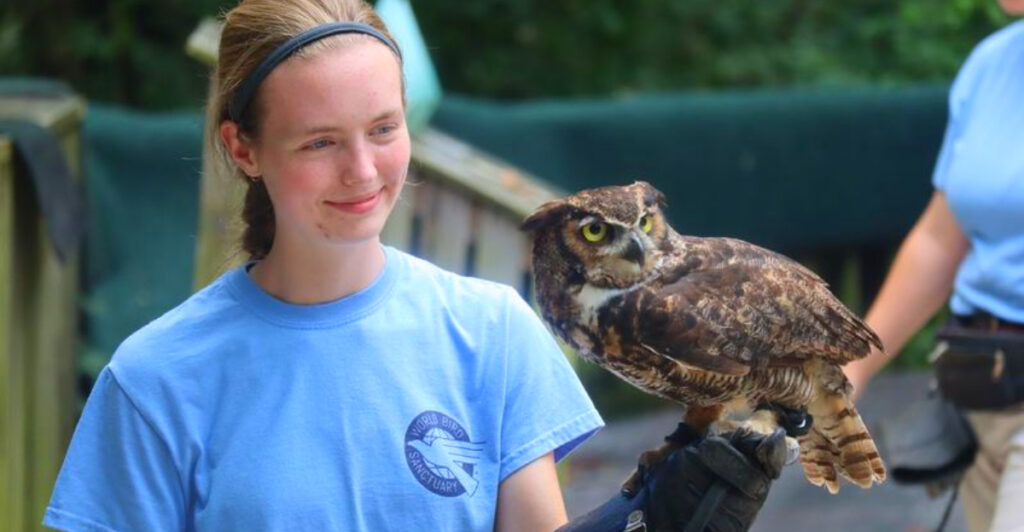
Just outside St. Louis, the World Bird Sanctuary gives visitors a chance to see bald eagles, owls, falcons, vultures, and other birds of prey from just a few feet away. Some guests even get the rare experience of holding an owl on a gloved arm during special programs, turning a simple nature outing into something far more memorable.
Spread across more than 300 wooded acres, the sanctuary combines walking trails, live bird exhibits, conservation work, and educational programs in a setting that feels surprisingly peaceful. Many of the birds are permanent residents with injuries that prevent them from returning to the wild, and their stories add a personal side to every visit.
With affordable admission by the carload, it is one of the most unique wildlife experiences in the St. Louis area.
Where the Sanctuary Calls Home
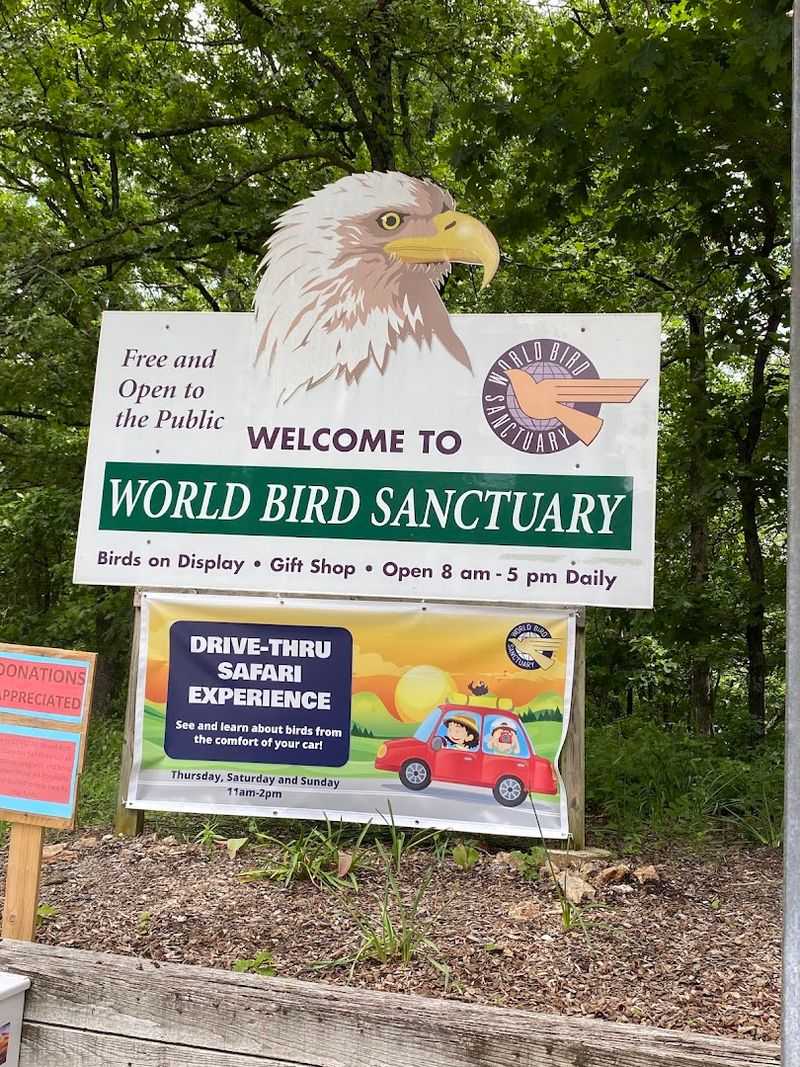
Nestled inside more than 300 acres of lush hardwood forest, the World Bird Sanctuary sits at 125 Bald Eagle Ridge Road in Valley Park, Missouri 63088, just a short drive from the St. Louis metro area. The address alone feels like a clue about what awaits you, and Bald Eagle Ridge Road absolutely delivers on its promise.
The sanctuary is open every single day of the year from 8 AM to 5 PM, with just two exceptions: Thanksgiving and Christmas. That kind of consistent access makes it easy to plan a visit no matter the season.
You can reach the sanctuary at 636-225-4390 or browse their site at worldbirdsanctuary.org before you go.
The forested setting gives the property a genuinely wild feeling, even though the trails are well-maintained and easy to navigate. Towering oaks and hickories shade the pathways, and you can hear bird calls echoing through the canopy before you even reach the first enclosure.
The natural landscape is very much part of the experience here.
A Mission Built Around Saving Birds
The World Bird Sanctuary was not built just to display beautiful birds. Its founding purpose centers on preserving Earth’s biological diversity and securing the future of threatened bird species in their natural environments.
That mission shapes every single thing that happens on the property, from the enclosure designs to the education programs.
Conservation here means action, not just intention. The sanctuary works through a combination of education, field studies, propagation of threatened species, and hands-on rehabilitation of injured birds.
Every year, hundreds of raptors come through the facility, receive care, and many of them return to the wild.
The sanctuary also breeds ambassador birds that are sent to zoos across the country, and it participates in species exchange programs to help rebuild populations of endangered raptors. Knowing that your twelve-dollar parking fee directly supports this kind of work adds a meaningful layer to an already memorable outing.
There is real purpose woven into every corner of this place.
The Raptor Hospital Working Behind the Scenes
Most visitors walk the trails without realizing there is a fully functioning hospital operating just out of sight. The Kathryn G.
Favre Foundation Raptor Hospital treats more than 800 injured birds of prey every single year, handling everything from wing fractures to lead poisoning cases that would otherwise be fatal.
The birds receiving care inside the hospital are kept deliberately separated from human activity. That separation is intentional and important.
Birds destined for release need to stay wild at heart, and too much human contact during recovery can reduce their chances of surviving independently once they return to their natural habitat.
Lead poisoning is one of the most common issues the hospital treats, often caused by birds ingesting contaminated prey in the wild. The medical team works carefully to stabilize these animals and nurse them back to full health before evaluating whether release is possible.
The hospital is a reminder that the sanctuary’s most important work is often the work that visitors never directly see.
The Outdoor Avian Exhibits Along Avian Avenue
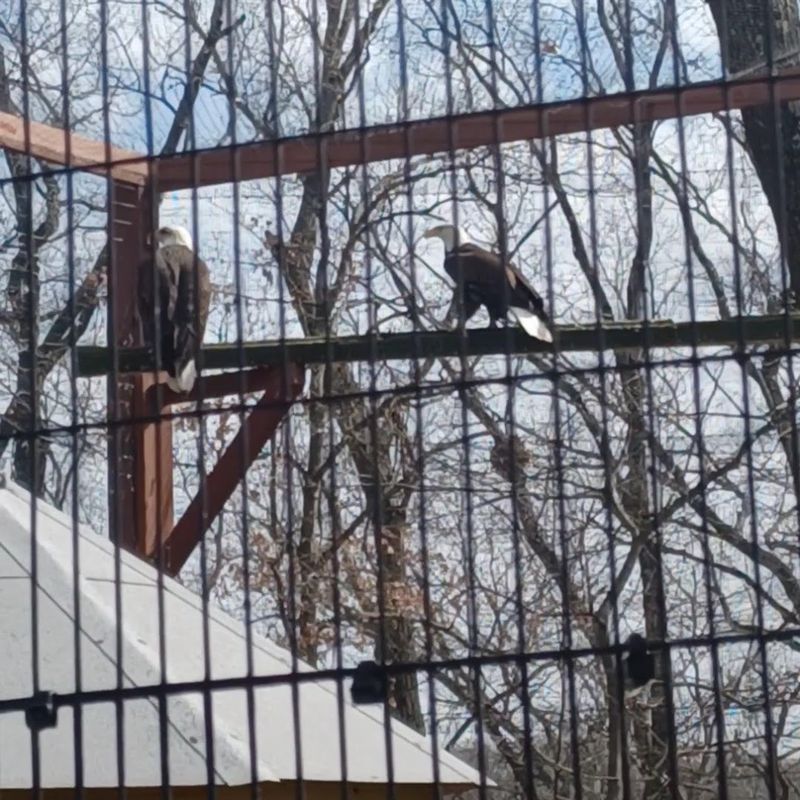
The main walking route through the sanctuary is a paved path known as Avian Avenue, and it is the kind of trail that makes you slow down naturally. Large enclosures line both sides, each one housing birds that cannot be released into the wild due to injuries or conditions that prevent independent survival.
Every enclosure comes with detailed, easy-to-read signage explaining the species, the individual bird’s story, and the specific reason it lives at the sanctuary. The information is written clearly enough for kids to follow but detailed enough to keep adults genuinely interested.
It is educational without feeling like homework.
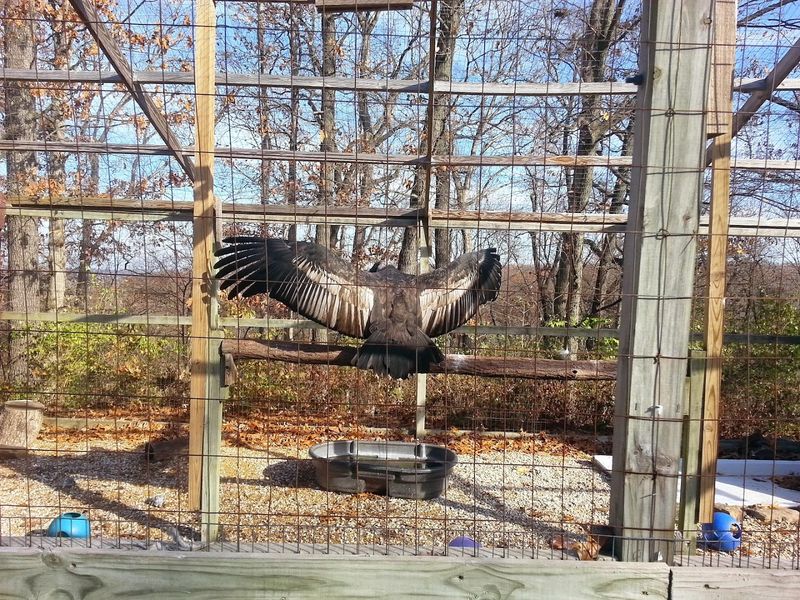
The enclosures themselves are notably spacious, giving the birds room to move, perch, and behave naturally rather than being cramped into small display cages. Bald eagles, great horned owls, snowy owls, Harris’s hawks, falcons, vultures, and even a California condor are among the residents you might encounter.
After Avian Avenue, a crushed gravel trail loops back through a quieter section of forest where smaller songbirds often appear.
Bald Eagles and the Birds That Will Stop You Cold
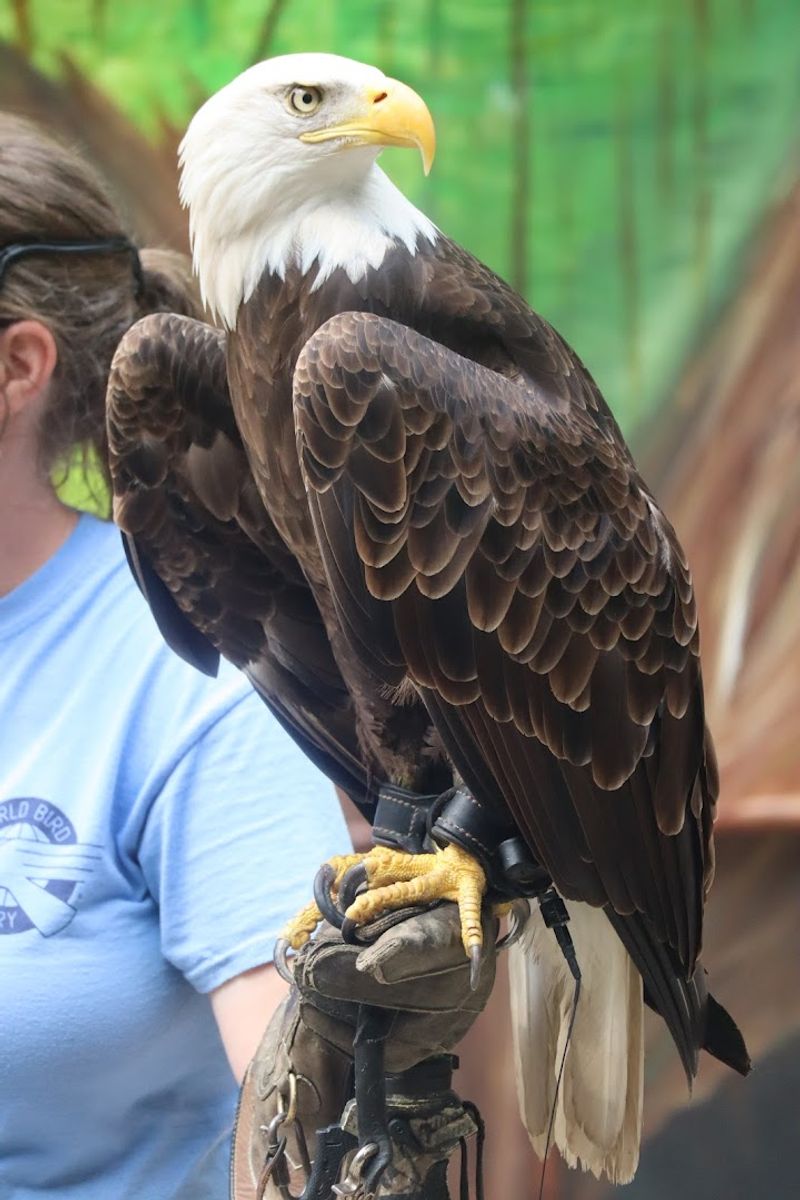
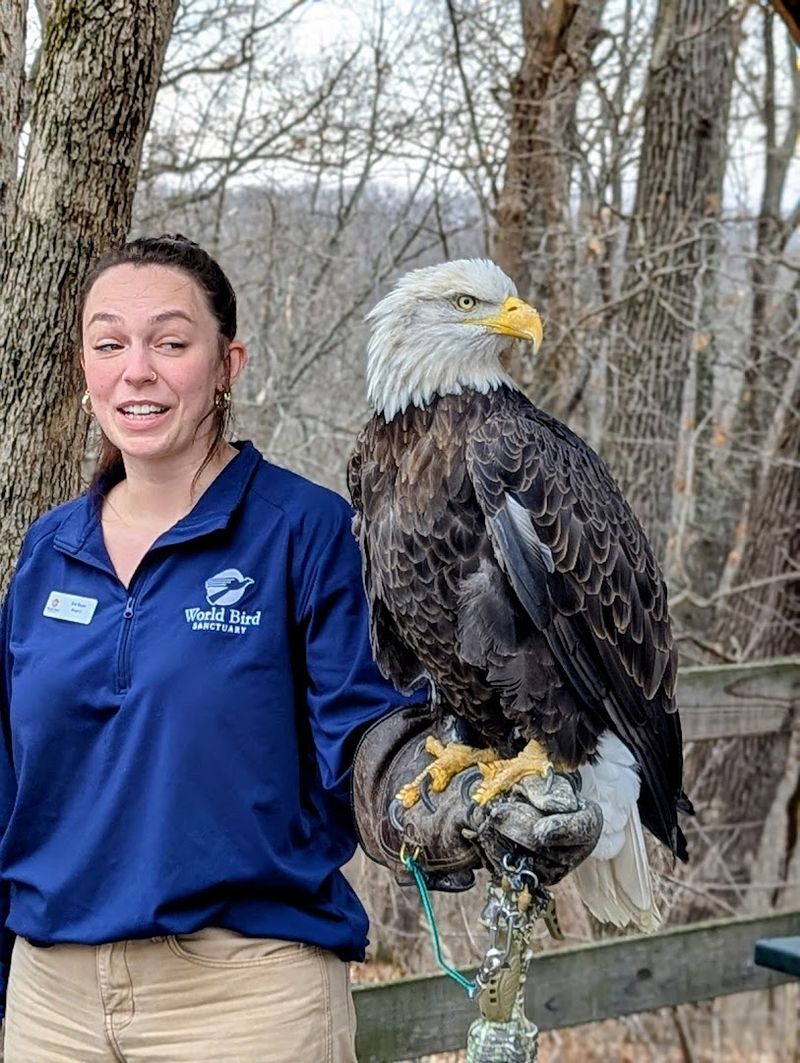
There is a bald eagle at the sanctuary that has lived in captivity for nearly thirty years. His story is complicated and quietly moving, and the staff will tell it to you with the kind of care that makes clear these birds are not just exhibits but individuals with histories.
Bald eagles have a commanding physical presence that photographs simply cannot prepare you for. Seeing one at close range, studying its white-feathered head, its thick talons, and the sheer width of its wingspan, is a genuinely different experience from anything a screen can offer.
The sanctuary also houses a California condor, which visitors frequently describe as prehistoric-looking, and with good reason. With a wingspan that can exceed nine feet, the condor carries an ancient, almost otherworldly quality that tends to stop people mid-stride on the trail.
The variety of raptors on display means that nearly every few steps along Avian Avenue brings a new species and a new reason to pause and look carefully.
Owls That Will Absolutely Win Your Heart
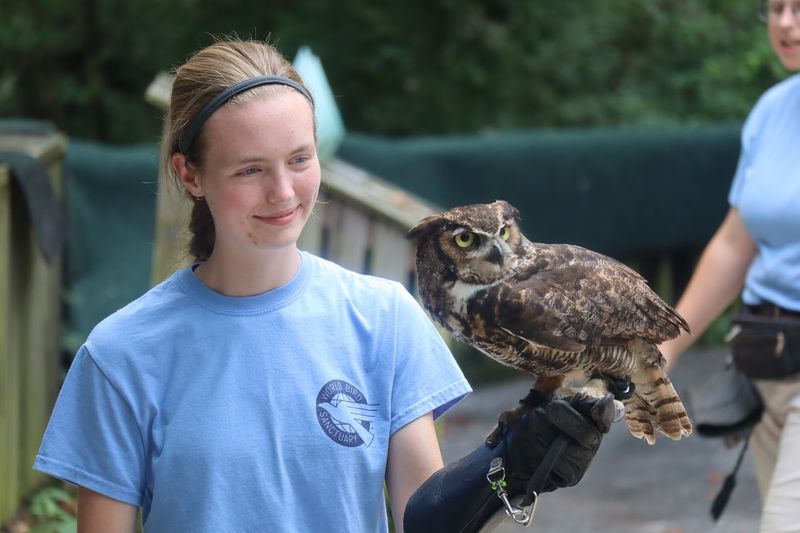
Owls tend to steal the show at the sanctuary, and it is not hard to understand why. Great horned owls, snowy owls, and other owl species are housed throughout the property, each one with a distinct personality that becomes obvious the longer you watch them.
One snowy owl named Crystal lives at the sanctuary permanently because she is nearly blind and cannot survive in the wild. The staff speak about her the way you might speak about a beloved family pet, and watching visitors react to her pure white feathers and calm demeanor is its own quiet reward.
For those who want an even closer encounter, the Handle an Exotic Raptor experience gives you the chance to hold a great horned owl or similar bird on a gloved arm while a knowledgeable handler walks you through the bird’s history, behavior, and unique personality traits. One female owl named Buzz reportedly sits as calmly as a house cat during these sessions, which is both charming and a little surreal.
More on that experience coming up shortly.
The Handle a Raptor Experience Worth Every Penny
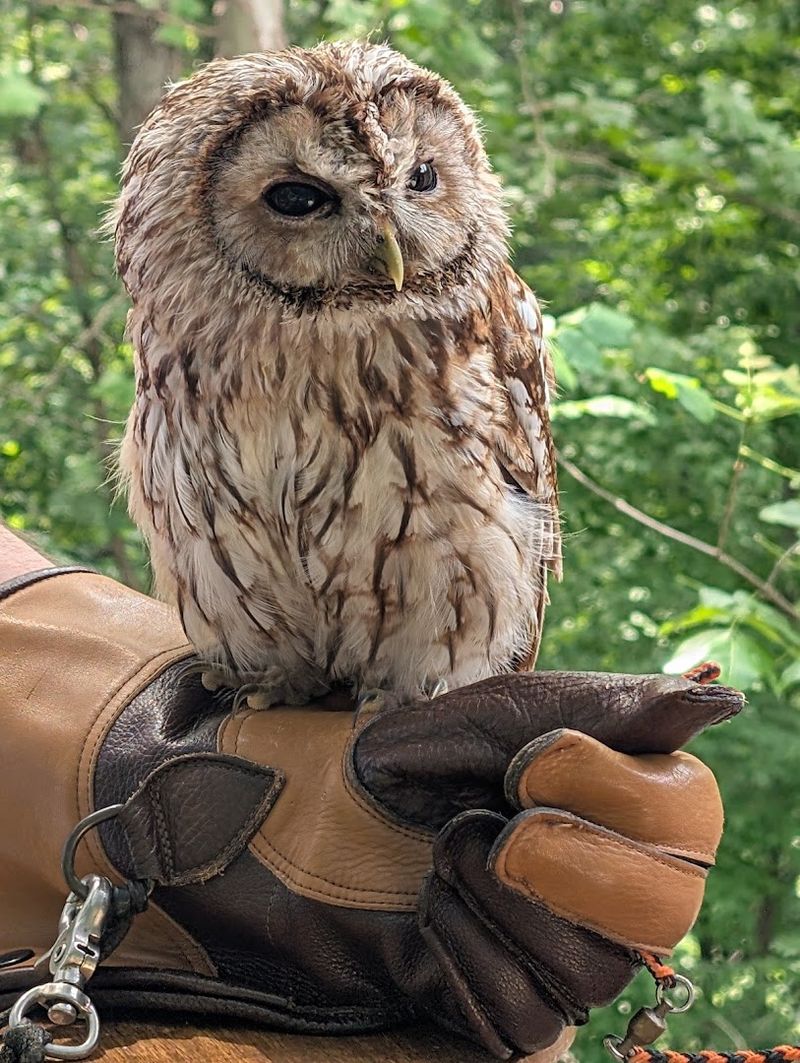
For an additional fee beyond the parking admission, the sanctuary offers a Handle an Exotic Raptor session that is genuinely one of the more memorable things you can do outdoors in Missouri. During the session, a trained staff member places a raptor, often a great horned owl or a Harris’s hawk, directly onto your gloved arm.
The handlers are sharp, enthusiastic, and clearly devoted to these birds. They answer every question you can think to ask, from feeding habits to how the bird ended up at the sanctuary, and they do it with the kind of enthusiasm that comes from genuinely loving the work.
Holding a live raptor is heavier than most people expect, and the bird’s grip through even a thick glove is a reminder that these are powerful, wild animals despite their calm behavior during the session. The experience runs for a set time and often concludes with the opportunity to watch a free-flying bird demonstration in the small amphitheater area nearby, which makes the whole session feel like a complete, layered adventure.
Seasonal Flying Bird Shows That Bring the Sky to Life
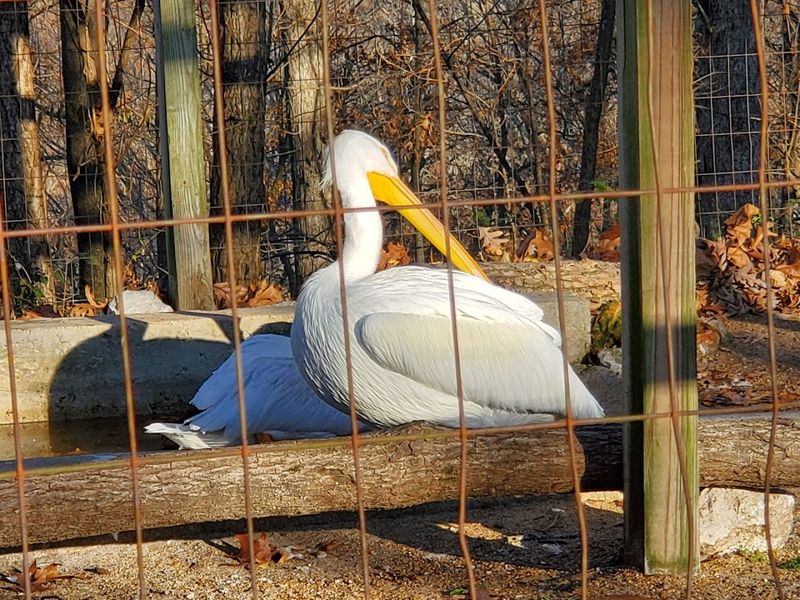
The sanctuary hosts seasonal Flying Bird Shows in its small outdoor amphitheater, and watching a raptor soar freely overhead against an open sky is a completely different sensation from viewing one perched inside an enclosure. The birds move with a speed and precision that is almost hard to process in real time.
These shows are led by experienced handlers who narrate the flight, explaining what the bird is doing and why, turning what could be a simple visual spectacle into an educational moment that sticks with you. The combination of proximity and expert commentary makes these events particularly worthwhile for families with curious kids.
Timing your visit to coincide with a scheduled show adds a real highlight to the overall experience, so it is worth checking the sanctuary’s website or calling ahead at 636-225-4390 to confirm show times before you arrive. The amphitheater seating is open and casual, and even on a busy day the atmosphere stays relaxed and unhurried rather than rushed or crowded.
Trails, Picnic Spots, and the Quieter Side of the Property
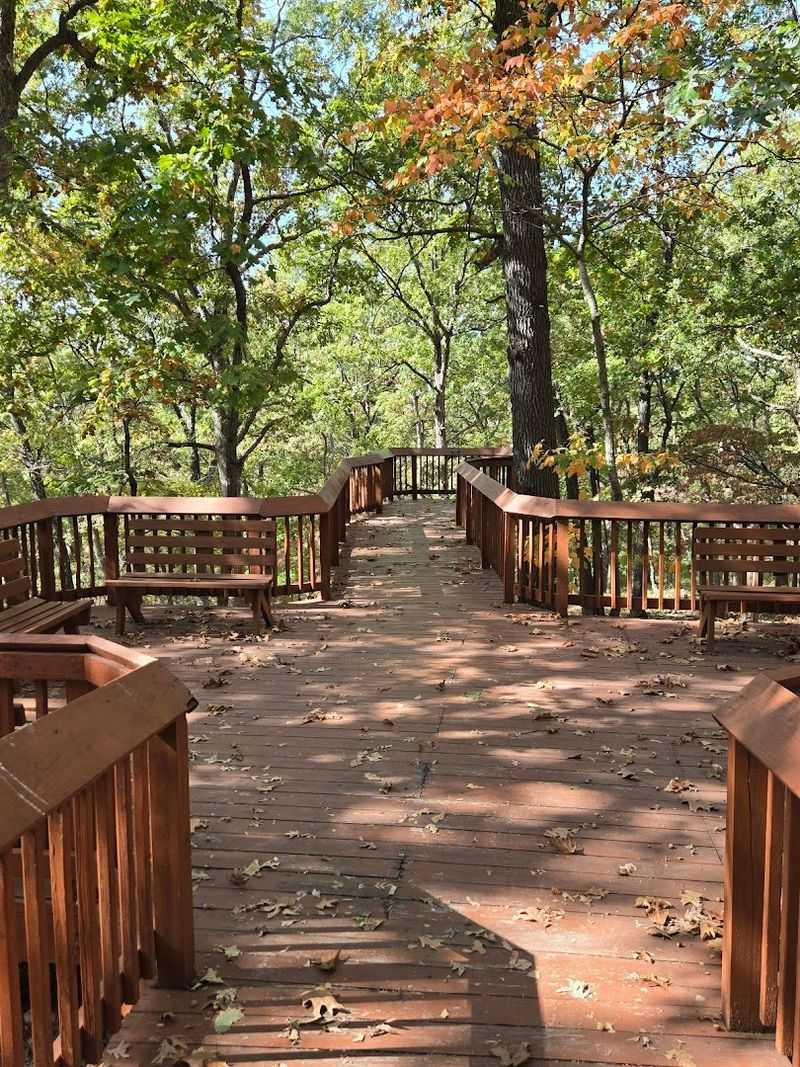
Beyond Avian Avenue and the raptor enclosures, the sanctuary opens up into quieter hiking trails that wind through the surrounding hardwood forest. These paths are a favorite for birders who come specifically to spot wild songbirds moving through the canopy, and on a calm morning the variety of calls you hear is remarkable.
Covered and shaded picnic tables are scattered throughout the property, making the sanctuary a genuinely pleasant spot for a family lunch between trail walks. The tables are plentiful enough that finding a shaded spot rarely feels competitive, even on a moderately busy afternoon.
One practical note worth mentioning: ticks are a real consideration in this forested environment, especially during warmer months. Staying on the paved and gravel paths helps, but checking yourself and any children thoroughly after the visit is strongly recommended.
Insect repellent applied before you arrive is a smart precaution. The natural setting is beautiful, and a little preparation keeps the experience entirely pleasant from start to finish.
A Playground and Family Perks That Make It a Full Day Out
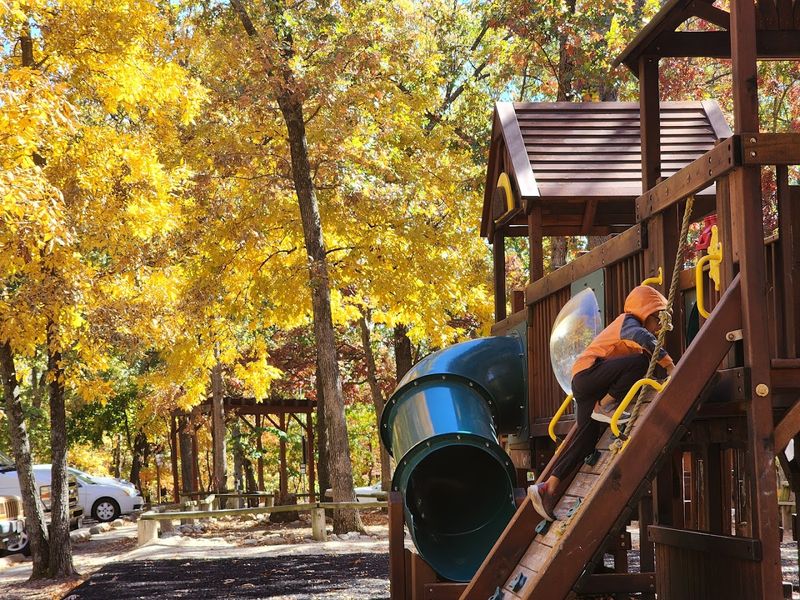
Families with young children will find that the sanctuary has genuinely thought about their visit. A well-maintained playground sits within the property, giving kids a place to burn energy between stops along the bird trail.
It is a small but thoughtful addition that makes a longer visit feel manageable rather than exhausting for little ones.
Clean, well-kept restrooms are available on-site, which might sound like a minor detail but becomes very important when you are spending two to three hours outdoors with a family in tow. The paved trails along Avian Avenue are fully accessible for strollers and wheelchairs, so the main exhibit area is comfortable and navigable for visitors of all mobility levels.
The overall atmosphere at the sanctuary leans calm and unhurried rather than theme-park busy. Crowds tend to stay manageable, the layout is spacious enough that you rarely feel packed in, and the natural setting keeps the mood relaxed throughout.
It is the kind of outing that feels restorative rather than draining, which is a rare quality in a family-friendly attraction.
Why This Sanctuary Deserves a Spot on Your Missouri Itinerary
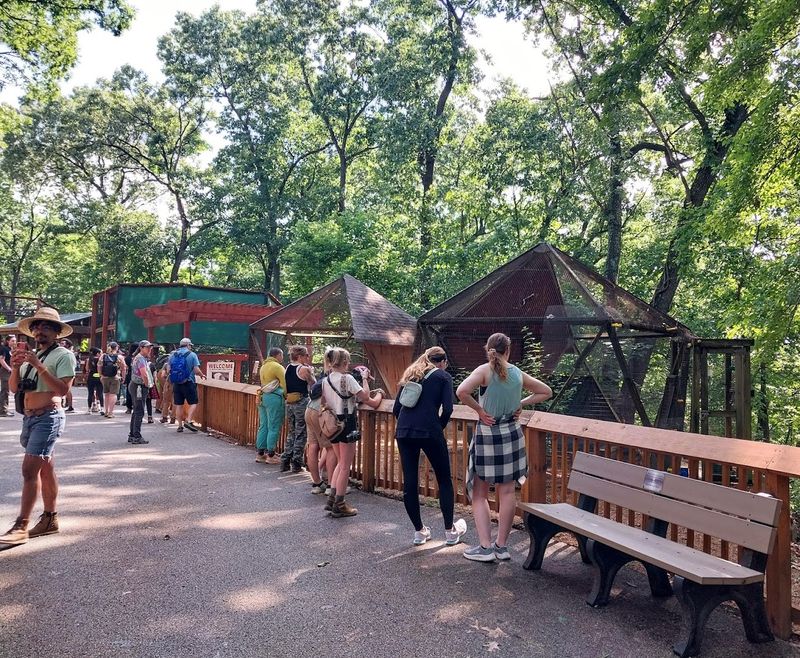
The sanctuary earns its 4.8-star rating from nearly 1,800 reviewers not through flashy marketing but through consistent, genuine quality. The staff are knowledgeable and approachable, the enclosures are clean and spacious, and the educational programming is substantive without ever feeling dry or lecture-heavy.
At roughly twelve dollars per car for parking, the value proposition is hard to argue with. A family of four can spend two to three hours exploring the trails, watching a flying bird show, visiting the playground, and browsing the gift shop without the kind of sticker shock that accompanies most comparable attractions.
Lone Elk Park, a free wildlife area where you may spot bison or elk, sits right next door and makes an easy add-on to round out the afternoon. The World Bird Sanctuary is one of those places that tends to surprise people who are not sure what to expect, and then quietly becomes a regular destination they return to season after season because the experience never really gets old.
Share this story