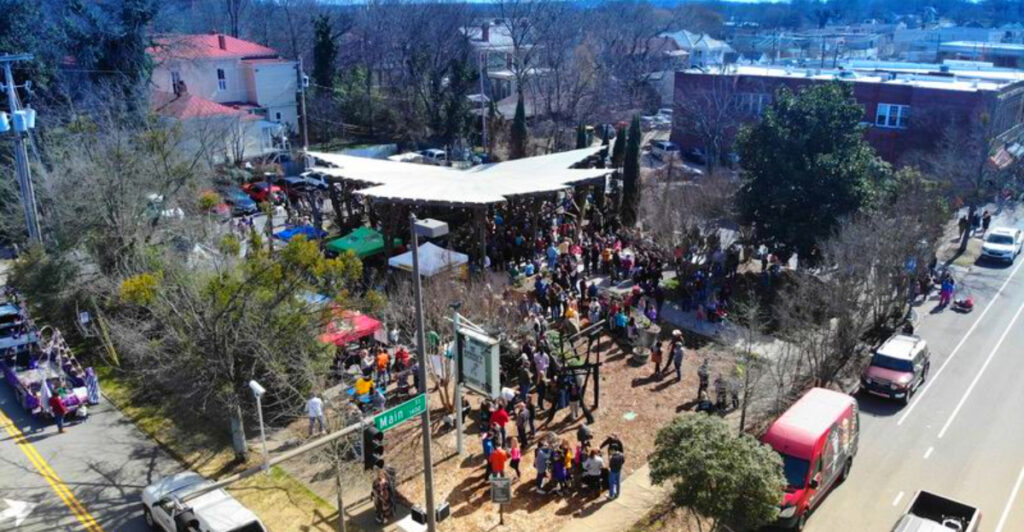
A former fast-food restaurant site in downtown Little Rock has been turned into one of the city’s most unexpected gathering spaces. Today, the block is filled with public art, native plants, reclaimed materials, community events, and weekly drum circles that draw locals back again and again.
What makes the space stand out is how connected it feels to the neighborhood around it. Instead of becoming another polished tourist stop, the garden evolved into a community-driven space where people meet, relax, volunteer, and create.
Every corner reflects the effort that went into transforming an abandoned lot into something locals genuinely use and care about.
For first-time visitors, the biggest surprise is how much life and personality fits into a single city block. The story behind the garden is every bit as interesting as the space itself.
Where the Garden Actually Lives
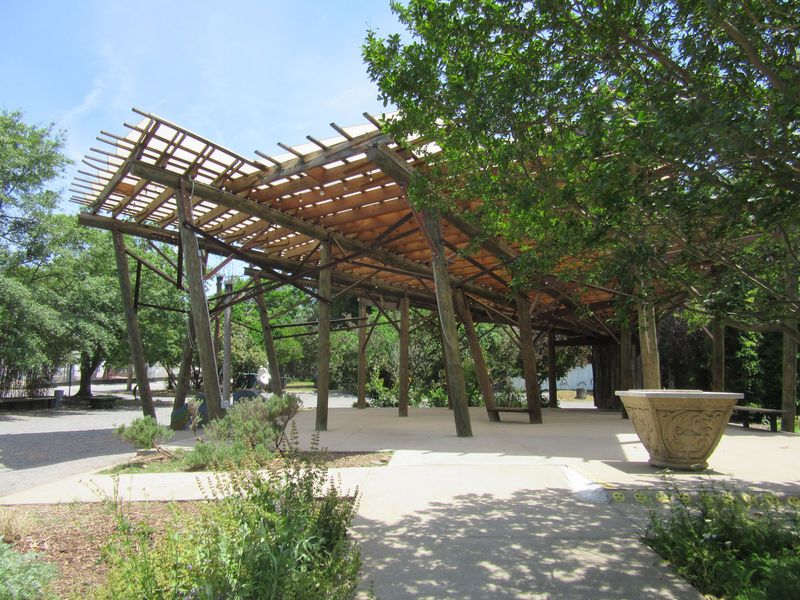
My first impression of the SoMa district in Little Rock was that it had that particular energy of a neighborhood still figuring itself out in the best possible way. The Bernice Garden sits at 1401 S Main St, Little Rock, AR 72202, right at the southeast corner of Daisy Bates Avenue and South Main Street.
The SoMa name is short for South of Main, and it fits perfectly. This part of Little Rock blends local businesses, creative spaces, and residential blocks into something that feels genuinely walkable and lived-in.
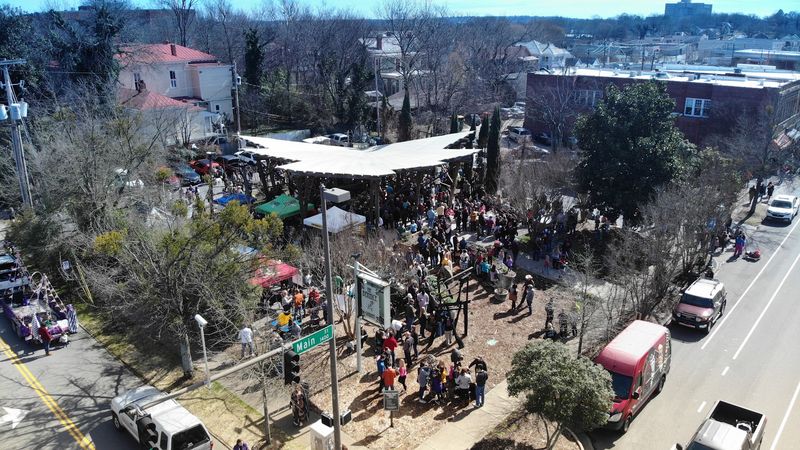
The garden itself is 100 feet by 150 feet, which means it covers roughly one city block. Fair warning: if you are expecting a sprawling botanical park, reset those expectations before you arrive.
What you get instead is something more intentional and more personal, and that compact scale is actually part of what makes it feel so welcoming and easy to explore.
The Vision Behind the Green Space
Not every urban garden starts with a clear mission, but this one did. Owner Anita Davis envisioned the Bernice Garden as a gathering place built around three ideas: community, sustainability, and support for local artists.
That combination is rarer than it sounds.
Most public green spaces in American cities are managed by city departments with limited budgets and even more limited creativity. The Bernice Garden is privately owned, which means Davis had the freedom to shape it according to her own values rather than committee decisions.
The result is a space that feels curated without feeling precious. Every plant, every sculpture, and every structural choice reflects a deliberate philosophy about how a neighborhood can care for itself.
I kept noticing small details during my visit that only make sense once you understand the intention behind them. The garden is open to the public daily from 6 AM to 9 PM, except when reserved for private events, and that open-door policy says a lot about what Davis was trying to build here.
What the Canopy Is Made Of and Why It Matters
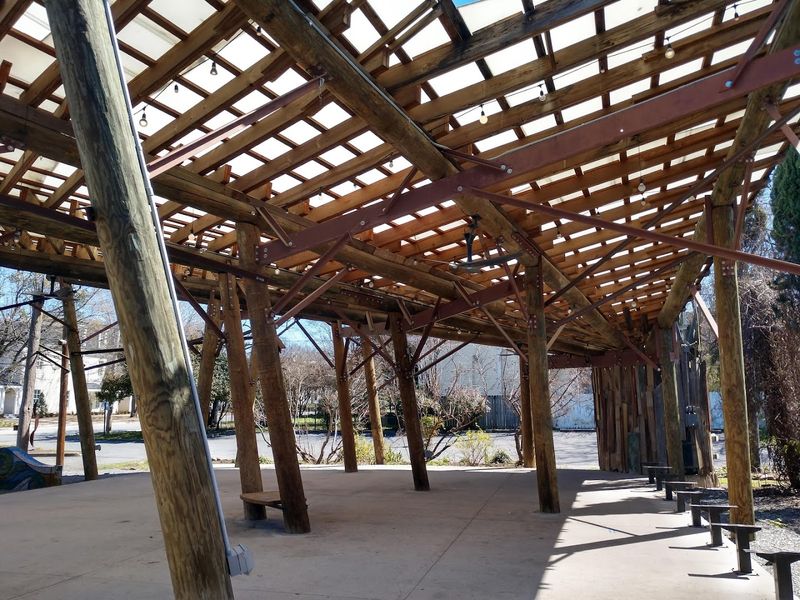
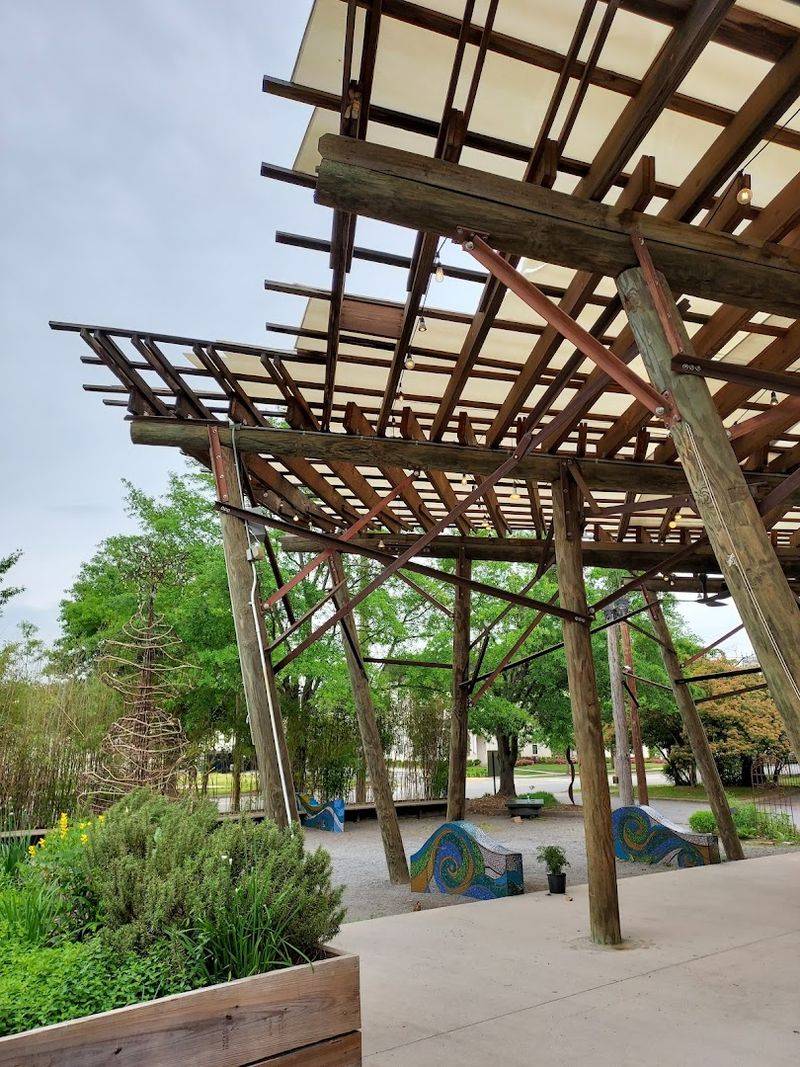
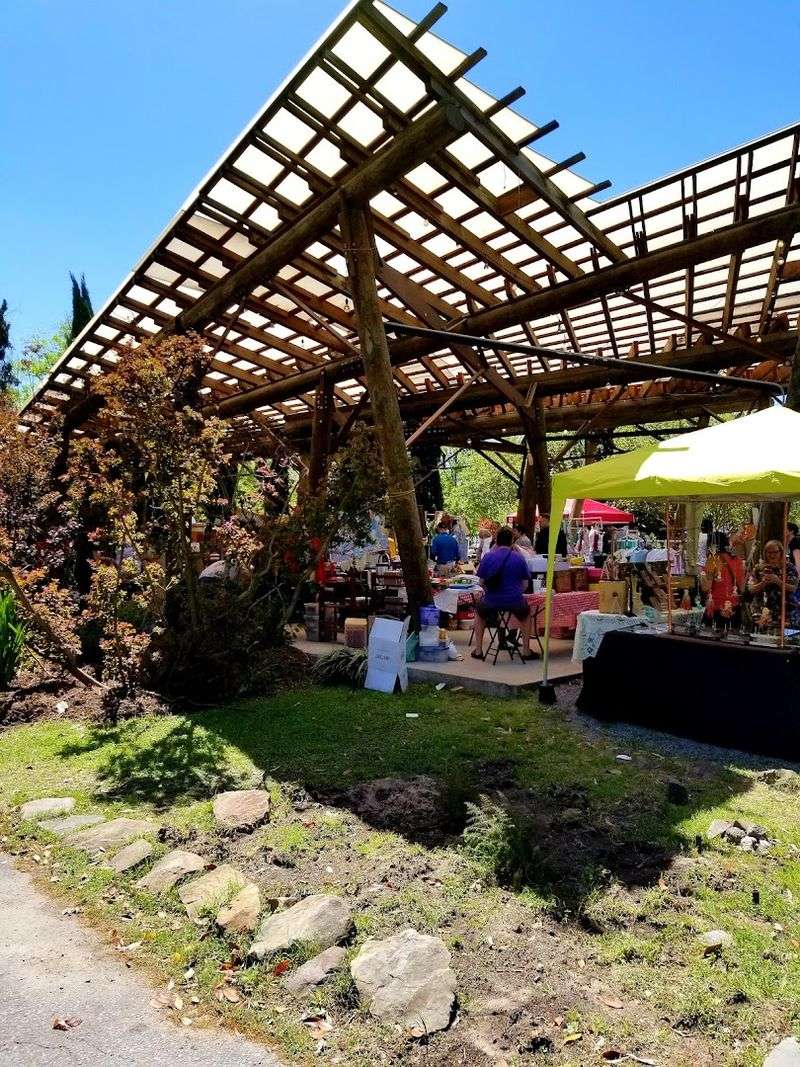
The large wooden canopy that shades the central gathering area is one of the first things you notice, and once you learn what it is made of, it becomes even more interesting. Built in 2011, the structure was constructed entirely from reclaimed wood salvaged from farms in Eastern Arkansas.
Beyond the visual appeal, the canopy serves a practical environmental purpose. It collects rainwater and channels it into a 50-gallon cistern, which is then used to water the garden’s plants.
That closed-loop system is a tidy piece of sustainable design that most visitors walk right past without realizing what they are looking at.
I appreciated that this was not just decorative sustainability, the kind where a place slaps a recycling bin near the entrance and calls it green. Here, the infrastructure itself is built around reducing waste and working with natural systems.
The canopy also creates a genuinely comfortable shaded area that makes the garden usable even on warm Arkansas afternoons, which is a practical bonus worth mentioning.
Recycled Glass, Concrete History, and Clever Pathways
The ground beneath your feet at the Bernice Garden tells its own story. The pathways and a countertop featuring the shape of the state of Arkansas are made from recycled glass, which catches light in a way that plain concrete never could.
The concrete patio, meanwhile, was not poured fresh for this project. It is the original foundation of a fast-food restaurant that previously occupied this corner.
Keeping that slab and building something beautiful on top of it was both a cost-conscious and philosophically consistent choice.
The overall ground surface is crushed granite, which drains well, holds up to foot traffic, and gives the garden a clean, natural look that does not try to compete with the plants and sculptures around it. I found myself looking down at the ground more than once during my visit, which is not something I usually do in a garden.
The material choices here are quiet but deliberate, and they reward the kind of visitor who pays attention to details most people overlook.
Native Plants and the Wildlife They Attract
Rosemary, lavender, ornamental grasses, and a rotating mix of annual and perennial flowers fill the planting beds, but the star of the green space is the wildflower section. That patch of native plants was designed specifically to support local wildlife, and it works.
Dragonflies, butterflies, and moths move through the garden regularly, which gives the space a quality of aliveness that manicured parks often lack. There is something genuinely satisfying about watching a butterfly land on a lavender stem in the middle of a downtown block surrounded by parked cars and city noise.
Native plants are also lower-maintenance than exotic ornamentals, which aligns with the garden’s sustainability goals. They evolved alongside the local climate and soil conditions, so they do not demand constant watering or chemical intervention to thrive.
The wildflower section in particular rewards visitors who linger rather than rush through. If you visit in late spring or summer, set aside a few extra minutes to just stand near that area and watch what shows up.
The wildlife does not disappoint.
An Open-Air Sculpture Gallery in the Middle of the City
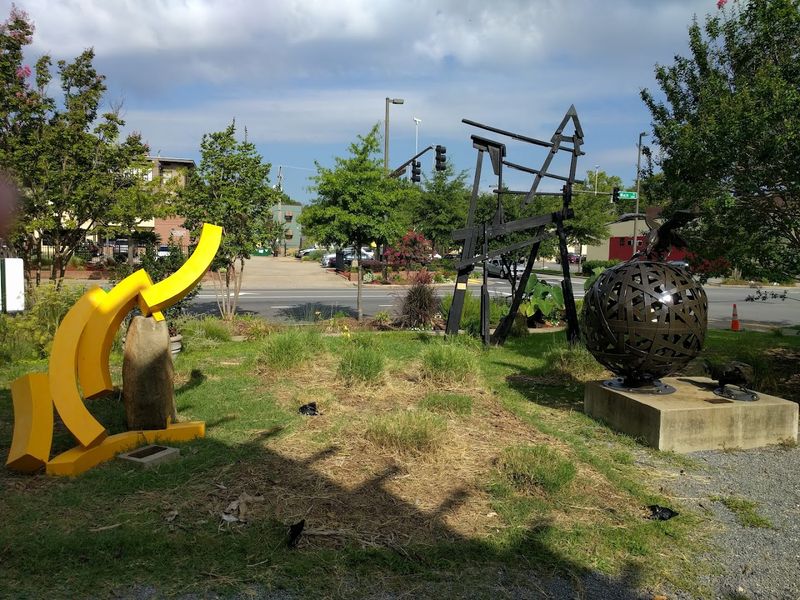
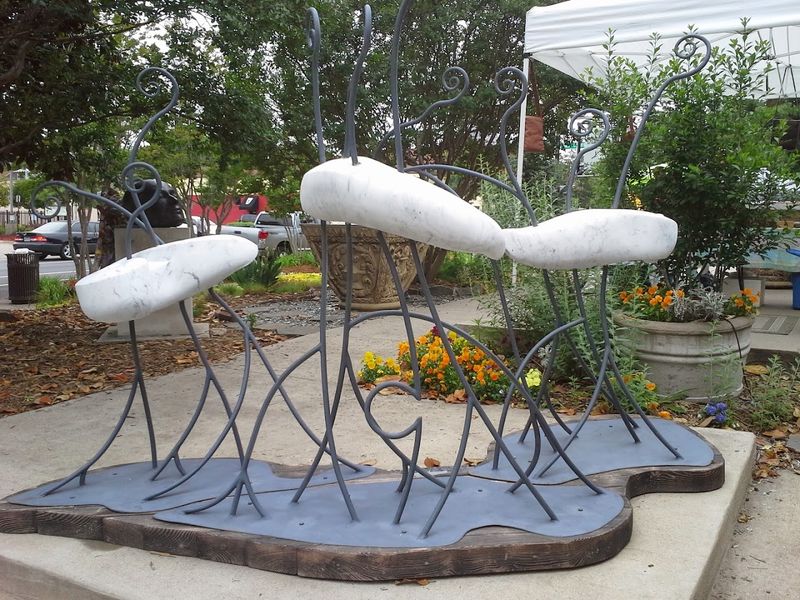
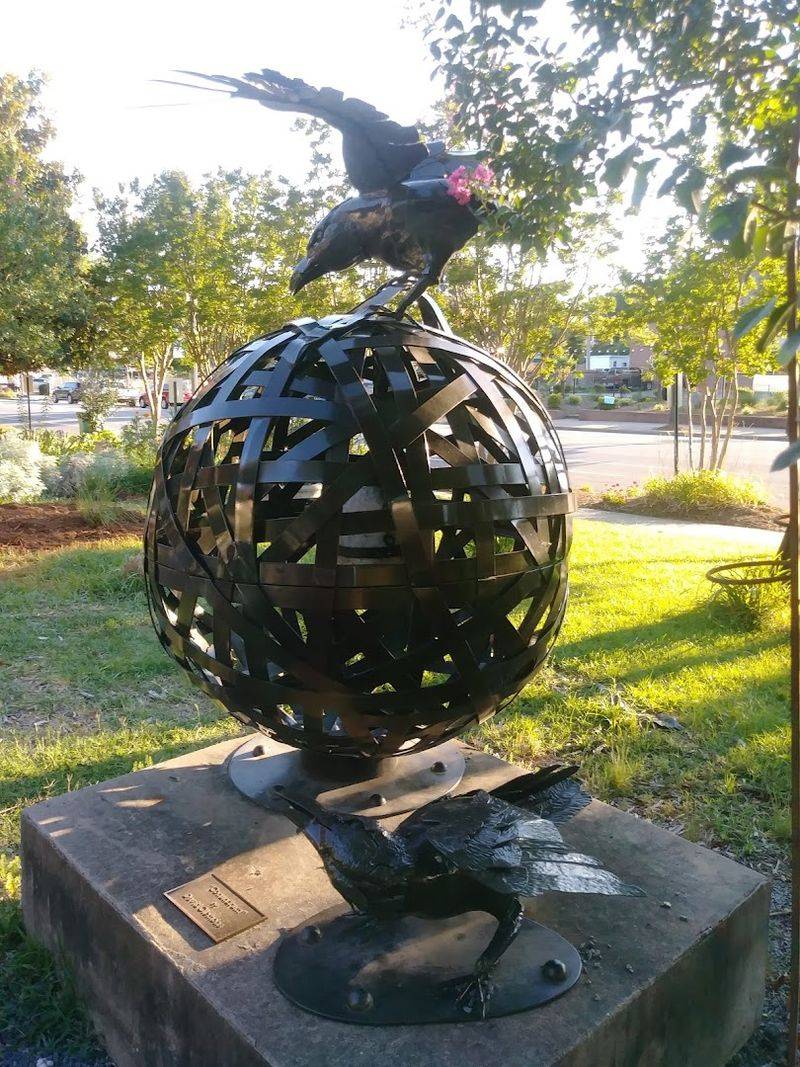
Calling the Bernice Garden a sculpture garden undersells it slightly, but that is genuinely one of its core identities. The space functions as an open-air gallery showcasing both permanent and rotating temporary works by Arkansas artists.
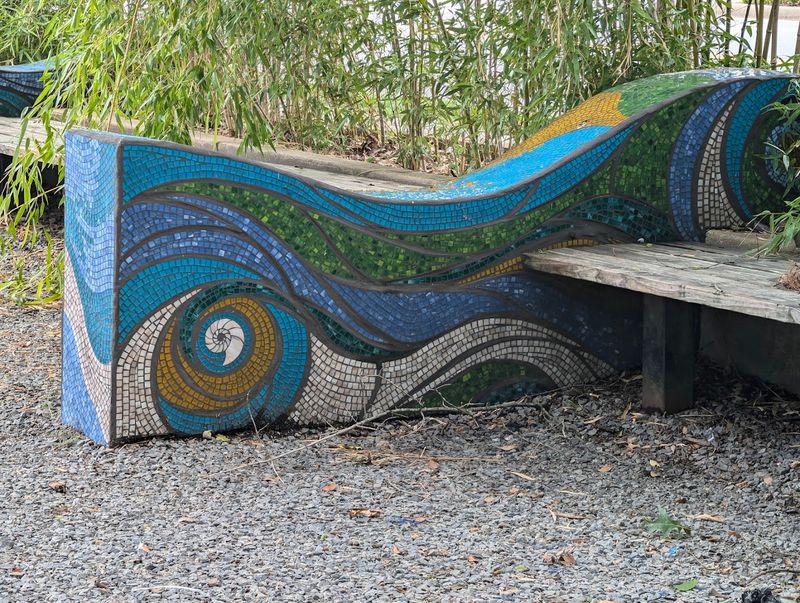
The sculptures range in scale and material, and many are made from reusable or recycled materials, which keeps them thematically consistent with the rest of the garden’s philosophy. Mosaics and rock formations add texture to the spaces between the larger pieces, and a hand-crafted sign inspired by the garden’s raven logo greets visitors near the entrance.
What I found most compelling about the art here is that it is not decorative in a generic way. The works reflect the spirit, natural history, and culture of Arkansas specifically, which gives the collection a sense of place that imported or generic public art rarely achieves.
You do not need an art background to appreciate what is on display. The sculptures invite curiosity rather than demanding interpretation, and that accessibility makes the gallery feel genuinely public rather than exclusive.
Sunday Farmers Market and What You Will Find There
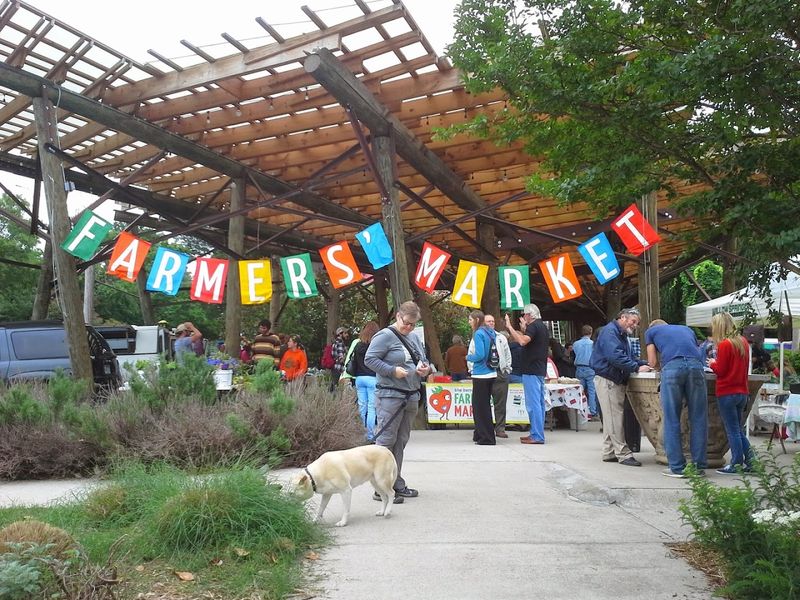
The Sunday farmers market is probably the single most beloved thing about the Bernice Garden among regular visitors, and after experiencing it myself, I completely understand why. Running from April through November, the market typically operates from 10 AM to 2 PM, though some listings show a 9 AM start time, so arriving early is a safe strategy.
Fresh produce is the foundation, but the vendor list goes well beyond vegetables. Natural haircare products, herbal teas, fresh granola, handmade breads, soaps, eggs, meats, and original artwork all share space under the canopy and along the pathways.
Local musicians often perform during market hours, which adds a layer of atmosphere that makes the whole experience feel more like a neighborhood celebration than a shopping errand.
The vendors are regulars, which means the quality is consistent and the relationships between sellers and customers are real. I watched people stop to chat with the same bread vendor three times during a single visit.
That kind of familiarity is what separates a great farmers market from a good one, and this one earns the distinction honestly.
Midweek Events That Keep the Garden Alive All Week
The Sunday market gets most of the attention, but the Bernice Garden stays active throughout the week with a rotating lineup of community programming. Namaste Wednesdays bring public access yoga to the garden, which is exactly as pleasant as it sounds when the weather cooperates.
Acoustic music mornings give musicians and listeners a relaxed outdoor setting that feels nothing like a formal performance venue. Plant swaps attract gardeners from across the neighborhood who trade cuttings, seedlings, and growing tips in a format that is entirely free and entirely communal.
Larger festivals also use the garden as their home base. The Arkansas Cornbread Festival is one notable example, drawing food lovers and local vendors into the space for a celebration that feels rooted in regional culture rather than generic festival programming.
The variety of events means that almost any week of the year, there is something happening here worth showing up for. Check the garden’s website at thebernicegarden.org before you visit to see what is on the calendar during your trip.
Saturday Drums and Spontaneous Music Sessions

One of the most unexpected and delightful things I learned about the Bernice Garden is that drummers show up on Saturdays and just play. Not as a ticketed event, not as a formally organized performance, just musicians gathering in an open space and making music together.
The informal nature of it is the whole point. Visitors who happen to be nearby hear the rhythm and wander over.
Some watch, some clap along, and apparently some are handed drums and invited to join in regardless of their experience level. The generosity of that gesture, offering a stranger a drum and letting them fumble through it without judgment, captures something real about the culture of this space.
The garden’s open hours from 6 AM to 9 PM mean there is plenty of time in the day for these kinds of spontaneous gatherings to unfold naturally. Music here is not a performance so much as a conversation, and the garden’s layout, with its central canopy and open pathways, creates a natural amphitheater effect that makes even informal playing sound surprisingly good.
Practical Tips for Your First Visit
A few practical things will make your first visit to the Bernice Garden noticeably smoother. Parking in the SoMa neighborhood is limited, which is true of most of downtown Little Rock, so arriving on foot or by rideshare if you are staying nearby is a reasonable plan.
The garden is open daily from 6 AM to 9 PM, but the most interesting times to visit are Sunday mornings during market season and Saturdays when the drummers are around. A plant identification app on your phone adds an extra layer of engagement if you want to know exactly what you are looking at in the planting beds.
The River Market and Community Bakery are both nearby if you want to extend your outing into a longer neighborhood exploration. Food trucks occasionally park on or near the property as well.
The garden is compact, so a focused visit takes about 20 to 30 minutes, but if you arrive during a market or event, plan for considerably more time because the energy of those days has a way of keeping you there longer than you intended.
Why This Garden Keeps Drawing People Back
A 4.4-star rating from 281 reviews on Google Maps tells a partial story, but the full picture is better understood by looking at what people actually say about this place. The word that comes up most consistently is not beautiful or impressive.
It is peaceful.
For a downtown space surrounded by city streets, that quality is genuinely hard to achieve and easy to lose. The Bernice Garden maintains it through a combination of thoughtful design, active programming, and a community of regulars who treat the space with care.
The wildflowers attract wildlife. The sculptures invite reflection.
The market creates connection. The music loosens everything up.
No single element of the Bernice Garden would be enough on its own to make it worth a special trip. But the combination of all of them, stacked onto one city block in the SoMa district of Little Rock, adds up to something that is harder to find than it should be: a public space that actually feels public, welcoming, and alive every single time you show up.
Share this story