History books often paint famous figures as heroes or legends, but the full story is rarely so simple. Many people we were taught to admire had darker sides that textbooks tend to leave out.
Taking a closer look at these historical icons can help us understand the past more honestly and completely. Here are 13 well-known figures whose real records are more complicated than their celebrated reputations suggest.
1. Christopher Columbus
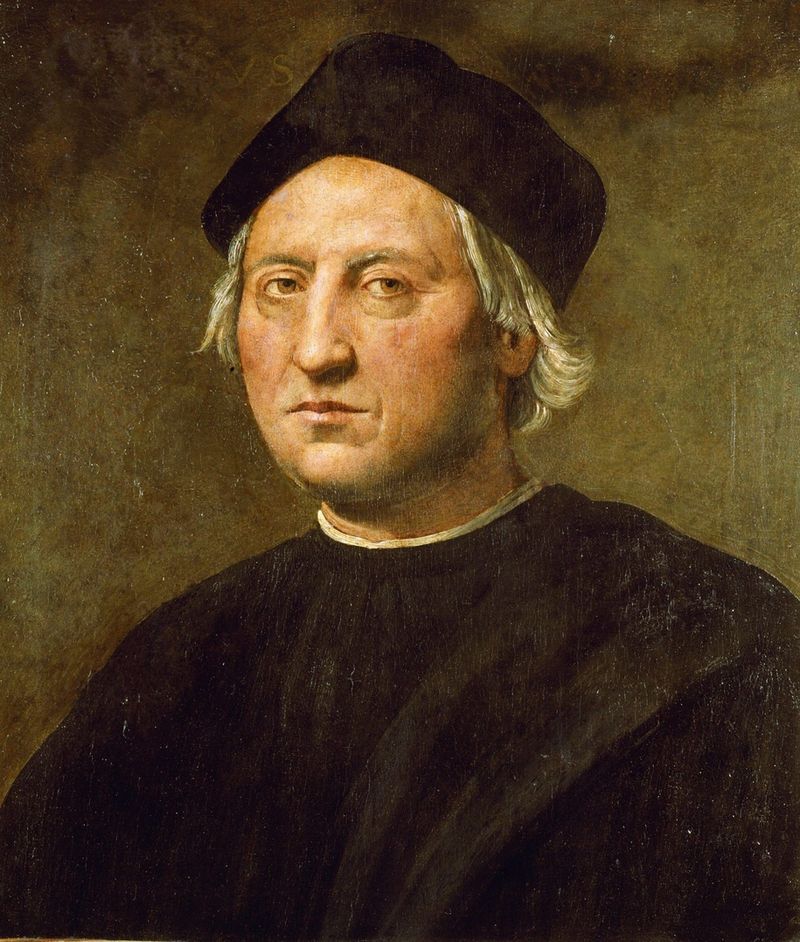
Few names are as celebrated in American classrooms as Christopher Columbus, yet the story behind his voyages is far more troubling than most people learn. Columbus did not “discover” a land that already had millions of people living on it.
Indigenous communities had thriving civilizations long before his ships arrived.
After landing in the Caribbean in 1492, Columbus and his men enslaved native populations, forced them to mine for gold, and punished those who resisted with brutal violence. Entire communities were wiped out within decades of his arrival.
Historical records, including Columbus’s own journals, document the cruelty carried out under his orders.
Calling him a hero ignores the suffering his expeditions caused. Many cities and states have replaced Columbus Day with Indigenous Peoples Day as a way to honor those whose lives were devastated.
Understanding both sides of his legacy gives history the honesty it deserves.
2. Thomas Edison
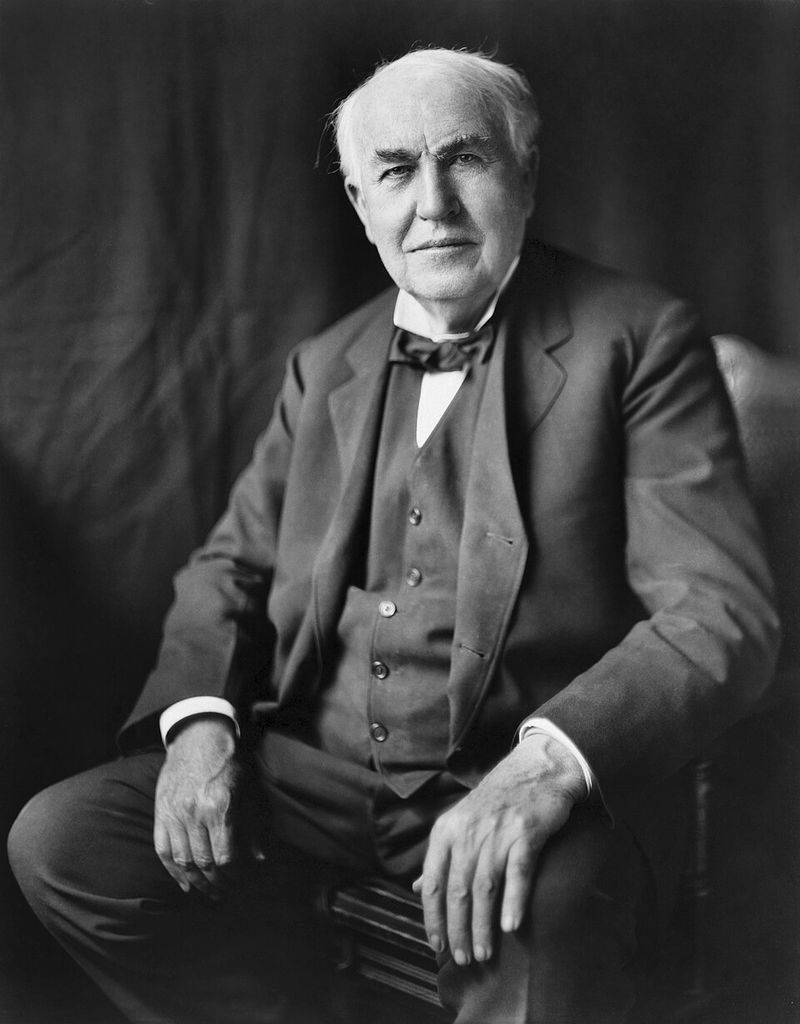
Thomas Edison is practically synonymous with American genius. The light bulb, the phonograph, the motion picture camera, his name is attached to some of the most important inventions in modern history.
But the way Edison built his empire deserves a much harder look.
Edison ran a large invention factory where teams of employees did much of the actual work, yet he often claimed sole credit. His treatment of Nikola Tesla is one of history’s most glaring examples of professional betrayal.
Tesla worked for Edison, made significant improvements to his systems, and was reportedly denied promised compensation.
Edison also waged a ruthless public campaign against alternating current, Tesla’s preferred electrical system, even electrocuting animals publicly to make it look dangerous. His drive for dominance overshadowed the contributions of brilliant people around him.
Edison was talented, but his legacy is tangled with ambition that crossed ethical lines.
3. Che Guevara
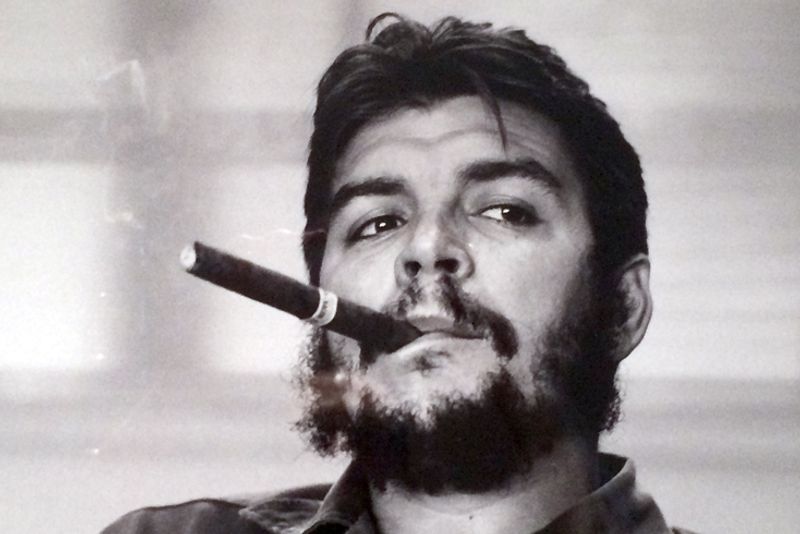
That iconic image of Che Guevara on a t-shirt has become one of the most recognizable symbols of rebellion worldwide. To many, he represents courage, idealism, and the fight against oppression.
To others, he represents something far more disturbing.
After helping Fidel Castro take power in Cuba, Guevara became one of the chief enforcers of the new revolutionary government. He oversaw executions at La Cabana prison, where hundreds of people deemed enemies of the revolution were killed.
Many were given little more than a summary trial before being shot.
Guevara also held deeply prejudiced views about Black and Indigenous people, documented in his early travel writings. He promoted armed revolution across Latin America and Africa, contributing to cycles of violence rather than lasting peace.
Admiring his image while ignoring his actions does a disservice to the people who suffered under his command.
4. Mother Teresa
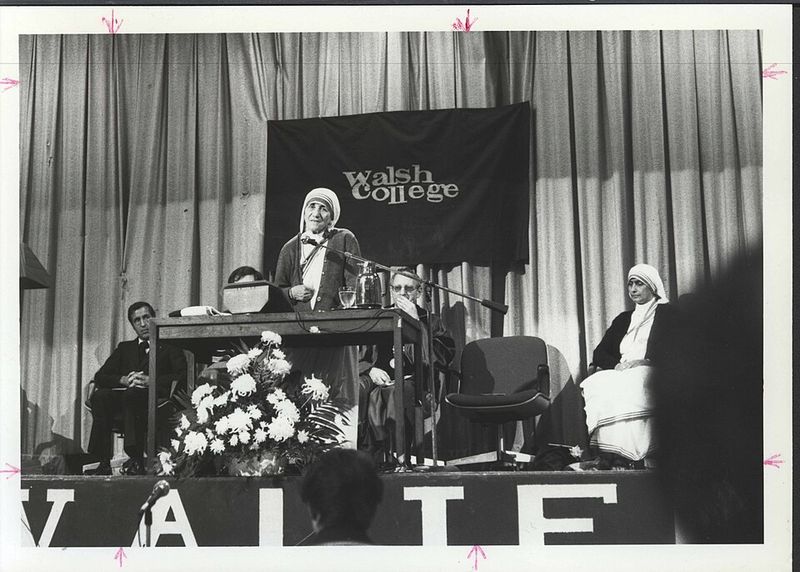
Mother Teresa spent decades caring for the poor and dying in Calcutta, and her name became a global symbol of selfless compassion. She was canonized as a saint by the Catholic Church in 2016, cementing her place among history’s most admired figures.
But a growing body of criticism has raised serious questions about her actual work.
Investigative journalists and medical professionals who visited her missions described unsanitary conditions, inadequate pain management, and a lack of proper medical care for patients who were seriously ill. Critics argued that she had the resources to do far better.
Some researchers also suggested she viewed suffering as spiritually meaningful, which may have influenced the level of care provided.
Her financial dealings have also drawn scrutiny, with questions raised about where large donations actually went. None of this erases the good she did, but it does complicate the image of a purely selfless saint that the world was given.
5. Winston Churchill
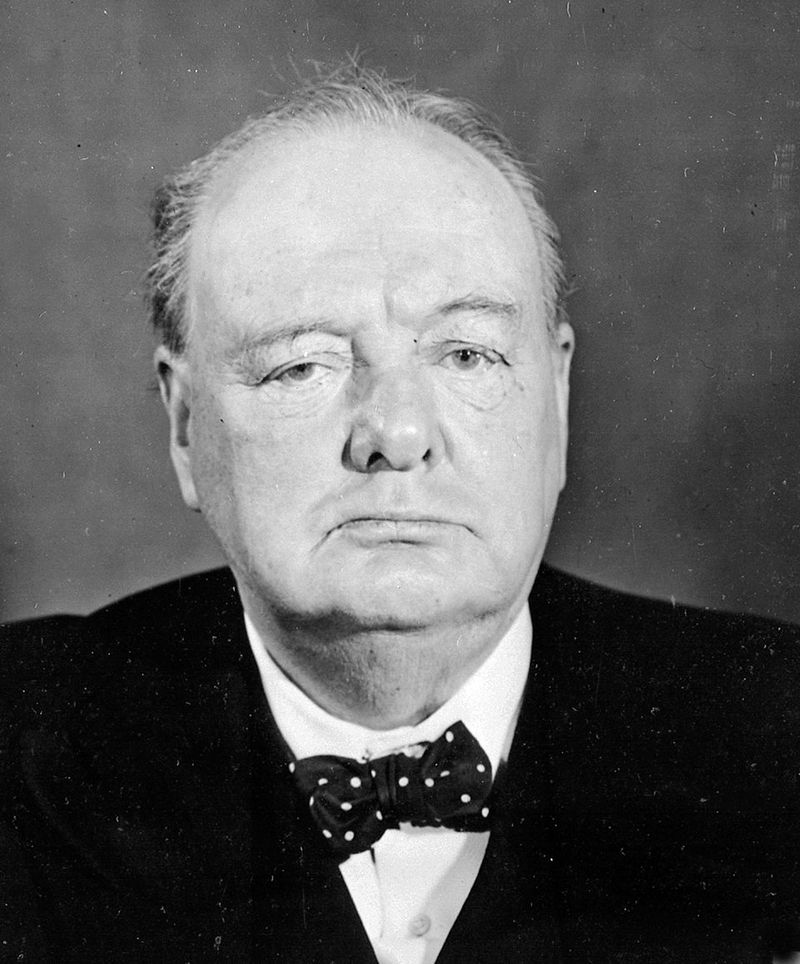
Winston Churchill is one of the most quoted leaders in modern history. His defiant speeches during World War II helped rally Britain against Nazi Germany, and his role in the Allied victory is genuinely significant.
Many consider him the greatest Briton who ever lived.
However, Churchill’s record outside of Europe tells a very different story. He was a firm believer in British imperialism and made statements about non-white peoples that were openly racist even by the standards of his time.
His policies during the 1943 Bengal famine in India contributed to the deaths of an estimated two to three million people.
Churchill diverted food supplies away from India during the famine, reportedly dismissing Indian suffering with callous remarks. He also supported brutal tactics against independence movements in Kenya and elsewhere.
Celebrating only his wartime heroism without acknowledging these realities gives an incomplete and misleading picture of who Churchill truly was.
6. Henry Ford
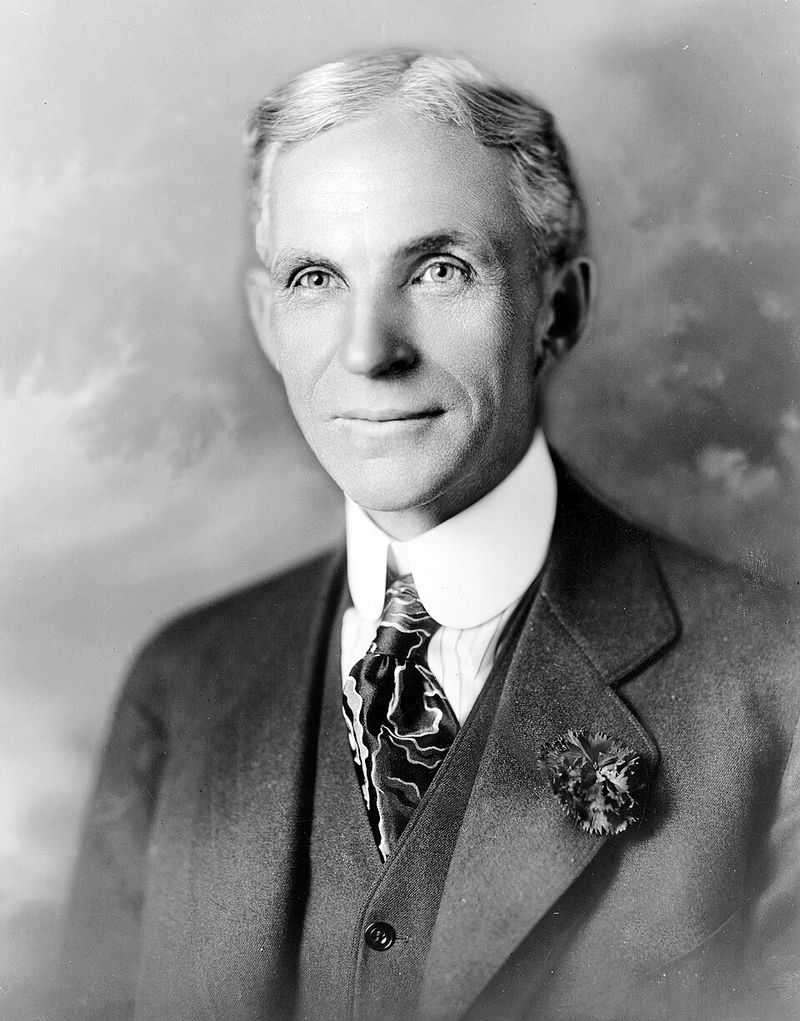
Henry Ford changed the world. His assembly line production method made cars affordable for ordinary Americans, and his business model reshaped modern manufacturing in ways still felt today.
He paid his workers relatively well for the era, and many credit him with building the American middle class.
What often gets left out of that story is Ford’s deeply held antisemitic beliefs. He published a newspaper called The Dearborn Independent that ran hundreds of antisemitic articles over several years.
These articles were later compiled into a book called “The International Jew,” which was distributed widely, including in Germany.
Adolf Hitler kept a portrait of Henry Ford on his office wall and praised him in Mein Kampf. Ford received the Grand Cross of the German Eagle, Nazi Germany’s highest honor for foreign nationals, in 1938.
His contributions to manufacturing do not cancel out the real-world harm his propaganda caused.
7. Mahatma Gandhi
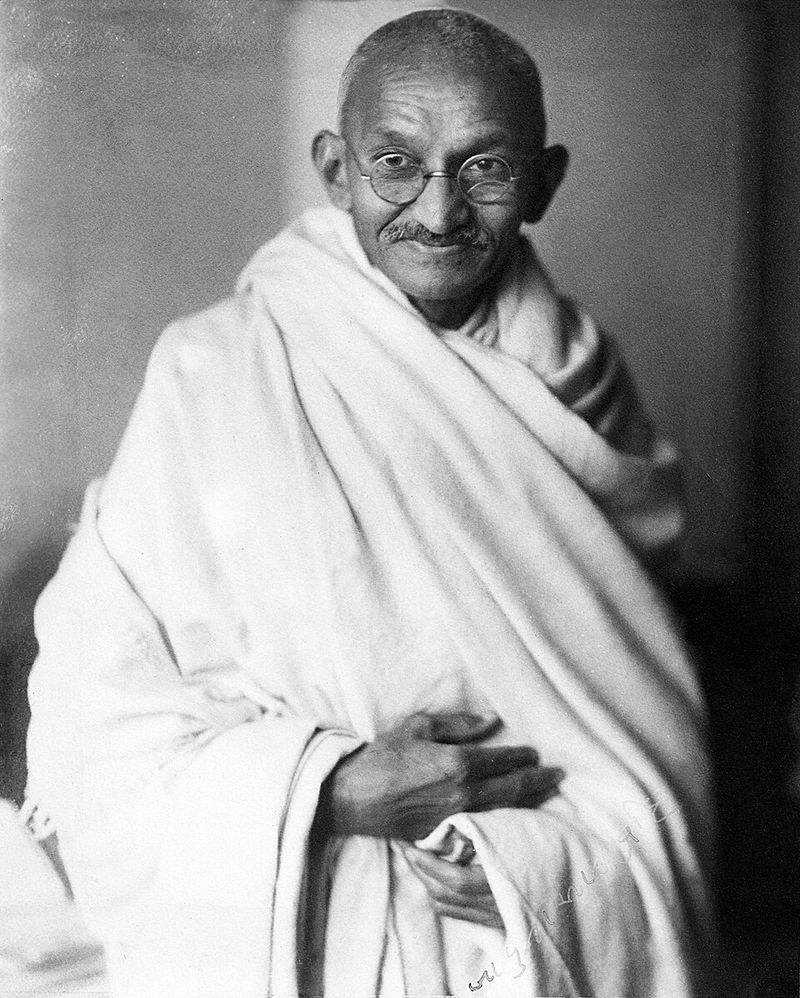
Mahatma Gandhi is one of the most beloved figures of the 20th century. His philosophy of nonviolent resistance inspired civil rights movements around the world, from the American South to South Africa.
He is rightly celebrated for helping lead India to independence from British rule.
Earlier in his life, however, Gandhi made remarks about Black Africans that were shockingly prejudiced. During his years in South Africa, he wrote letters and articles that referred to Black South Africans with derogatory terms and argued that Indians deserved better treatment than African people.
These views have been documented extensively by historians.
Gandhi later evolved significantly in his thinking, and many scholars debate how much weight to give his earlier statements. Still, pretending they do not exist does a disservice to the people he wrote about so dismissively.
A complete portrait of Gandhi must include the full arc of his beliefs and contradictions.
8. John F. Kennedy
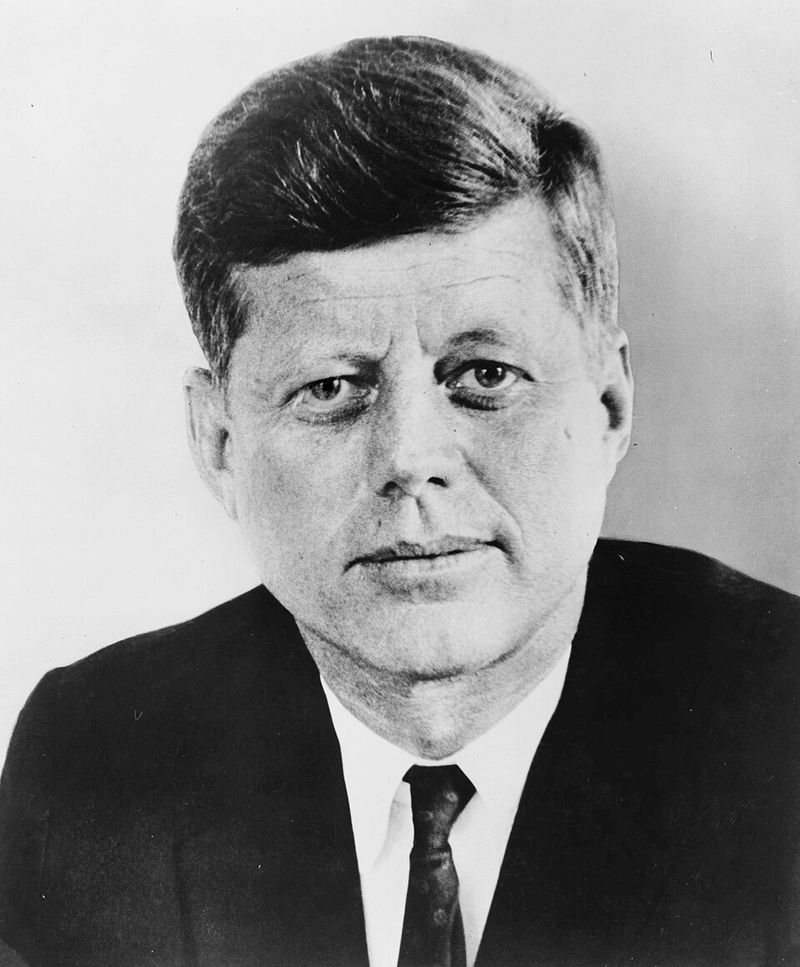
John F. Kennedy remains one of the most admired American presidents in polling history.
His youth, charisma, and inspiring speeches gave the country a sense of energy and possibility during the early 1960s. His assassination in 1963 only deepened the sense of a promising era cut tragically short.
Behind the polished image, Kennedy’s personal conduct was far less admirable. Historians have documented numerous extramarital affairs, some involving significant ethical concerns, including a relationship with a young White House intern and alleged connections to organized crime figures through other relationships.
His administration worked hard to keep these matters hidden from the press.
Kennedy also made significant political miscalculations, including the failed Bay of Pigs invasion of Cuba. His record on civil rights was cautious and slow-moving until pressure from activists forced action.
The mythology surrounding him has often outpaced the more complicated reality of his presidency and personal character.
9. Woodrow Wilson
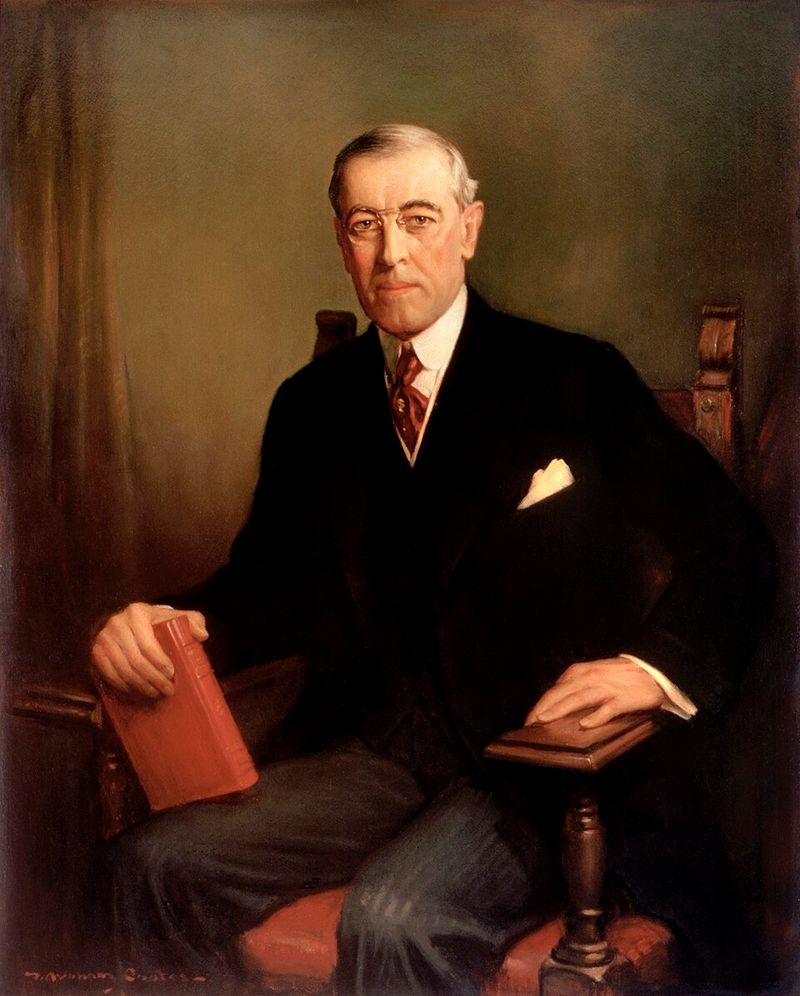
Woodrow Wilson is remembered as an idealistic statesman who proposed the League of Nations and championed a new world order after World War I. He won the Nobel Peace Prize in 1919 and is frequently ranked among the more consequential American presidents by historians.
Wilson was also an outspoken white supremacist who used the power of the presidency to enforce racial segregation across the federal government. He re-segregated agencies that had been integrated since the Civil War, fired Black federal employees, and praised the film “The Birth of a Nation,” which glorified the Ku Klux Klan, reportedly screening it inside the White House.
His progressive reputation applied almost exclusively to white Americans. Black leaders who met with him to protest segregation were dismissed and humiliated.
Princeton University, where he served as president before entering politics, removed his name from campus buildings in 2020 due to his racist legacy.
10. Napoleon Bonaparte
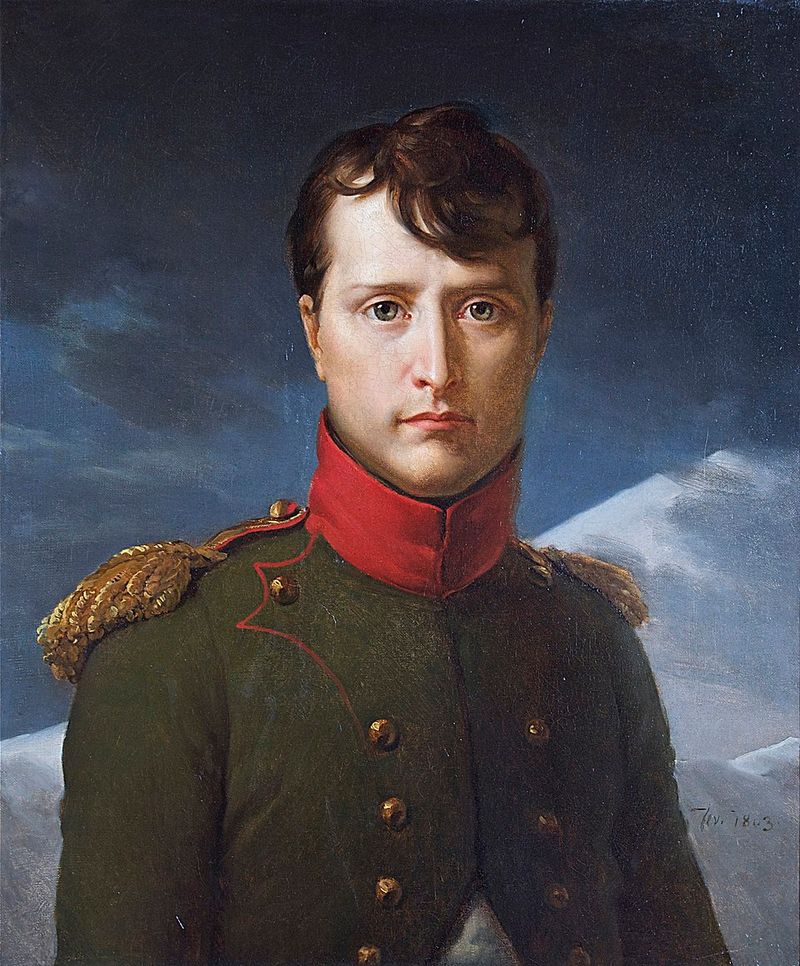
Napoleon Bonaparte is one of history’s most studied military commanders. His tactical brilliance reshaped European warfare, and his legal reforms through the Napoleonic Code influenced legal systems across the world.
For many in France, he remains a symbol of national pride and ambition.
The cost of Napoleon’s ambitions, however, was staggering. His wars across Europe caused an estimated three to six million military deaths, and civilian casualties pushed the total even higher.
The Peninsular War in Spain and the catastrophic invasion of Russia resulted in mass suffering on a scale that is difficult to fully comprehend.
Napoleon also reversed the abolition of slavery in French colonies after it had been declared during the Revolution, reintroducing it in Haiti and other territories. The brutal suppression of the Haitian Revolution under his orders stands as one of the darkest chapters connected to his rule.
Military genius and humanitarian disaster walked side by side throughout his career.
11. Andrew Jackson
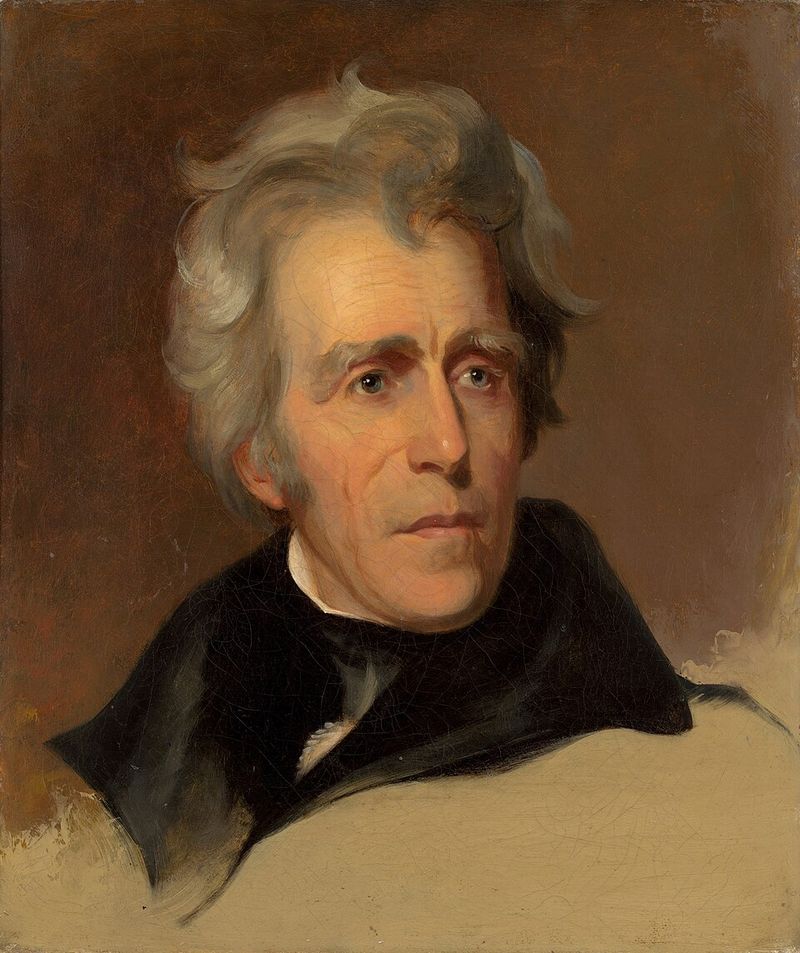
Andrew Jackson is celebrated on the twenty-dollar bill and remembered by some as a champion of the common man. He expanded voting rights for white men without property, and his presidency is often framed as a democratic turning point in American history.
His nickname was “Old Hickory,” a nod to his toughness and resolve.
Jackson was also the architect of one of the most devastating acts of ethnic cleansing in American history. The Indian Removal Act of 1830, which he championed and signed into law, forced tens of thousands of Native Americans from their ancestral homelands in the Southeast.
The resulting forced marches, particularly the Cherokee Trail of Tears, killed thousands of people from disease, starvation, and exposure.
Jackson owned enslaved people throughout his life and was unapologetic about it. Honoring him as a symbol of democracy while ignoring his record against Native and Black Americans requires a selective reading of history that fewer people are willing to accept today.
12. Cecil Rhodes
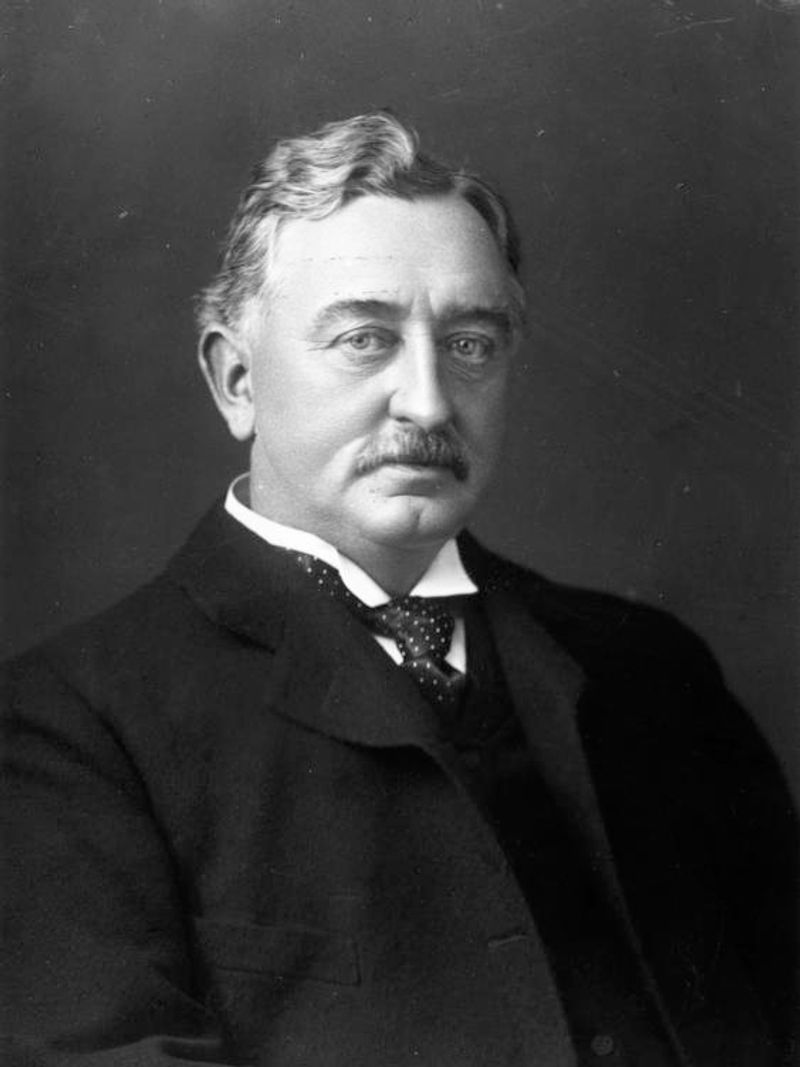
Cecil Rhodes was once celebrated as a visionary empire builder whose name was literally stamped on a country, Rhodesia, now Zimbabwe. He founded the De Beers diamond company, donated large sums to education, and established the Rhodes Scholarship, which still sends students to Oxford University every year.
Rhodes was also a driving force behind the violent colonization of southern Africa. He believed openly in white racial superiority and used his political power in Cape Colony to strip Black Africans of voting rights.
His British South Africa Company used private armies to seize land from indigenous communities, killing those who resisted.
He once reportedly said his goal was to paint as much of Africa red as possible, referring to British imperial territory. Statues of Rhodes have been removed from campuses in South Africa and the United Kingdom in recent years.
His scholarships fund opportunity, but they carry the weight of a deeply exploitative legacy.
13. Mao Zedong
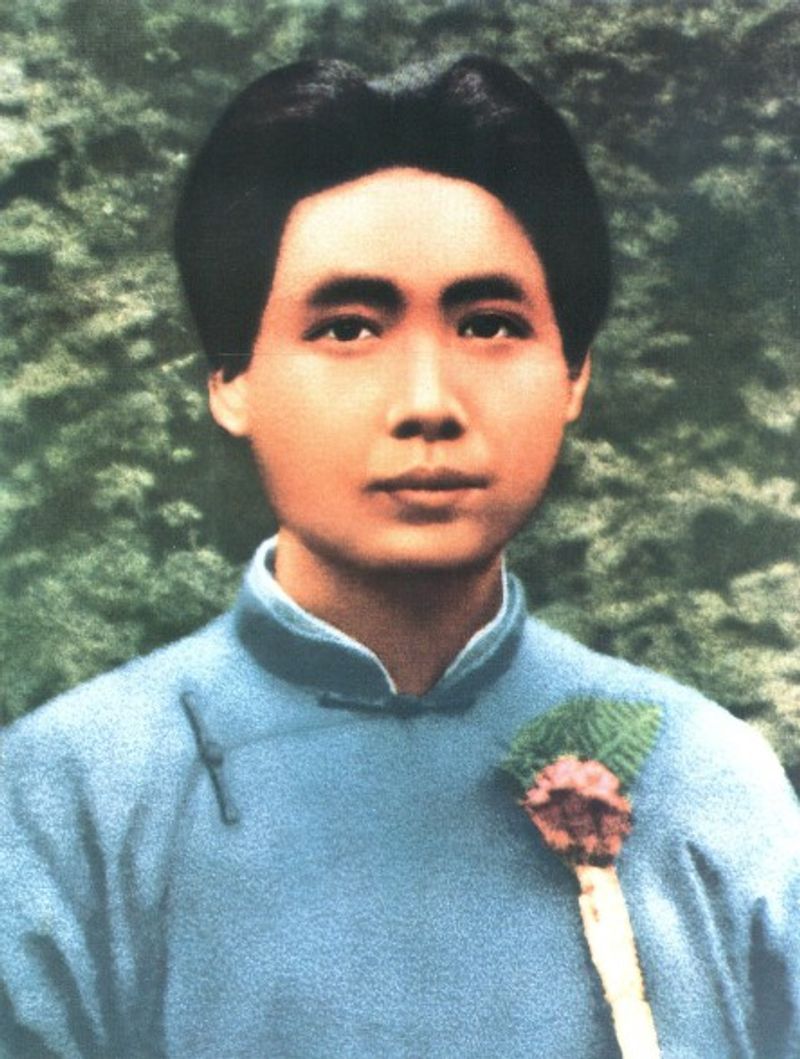
Mao Zedong unified China after decades of civil war and foreign invasion, and his supporters credit him with transforming a fragmented nation into a modern state. His image still appears on Chinese currency, and official Chinese government policy holds that he was more right than wrong in his leadership.
That legacy, however, rests on an enormous foundation of human suffering.
The Great Leap Forward, Mao’s campaign to rapidly industrialize China from 1958 to 1962, resulted in a famine that historians estimate killed between 15 and 55 million people. Farmers were forced to abandon food production in favor of steel manufacturing, and local officials who reported crop failures were punished.
The result was one of the deadliest famines in human history.
The Cultural Revolution that followed persecuted millions of intellectuals, teachers, and ordinary citizens. Families were torn apart, schools were shut down, and historical artifacts were destroyed.
Mao’s vision for China came at a human cost almost impossible to put into words.
Share this story