There is exactly one country on Earth named after a woman, and it sits like a jewel in the Eastern Caribbean, wrapped in rainforest, volcanic peaks, and warm turquoise water. Saint Lucia earned that distinction through French and British colonial history, with the island named after Saint Lucy of Syracuse, a Christian martyr.
What makes this island even more remarkable is that it packs so much into such a small space: twin volcanic spires, a drive-in volcano, waterfalls tumbling into lush gardens, and fishing villages painted in every color you can think of. I spent time exploring this island from its bustling capital to its quietest jungle trails, and I can honestly say it rewarded every single step.
Keep reading, because Saint Lucia has more stories, surprises, and scenery than most places three times its size.
Saint Lucia: Location, Address, and First Impressions
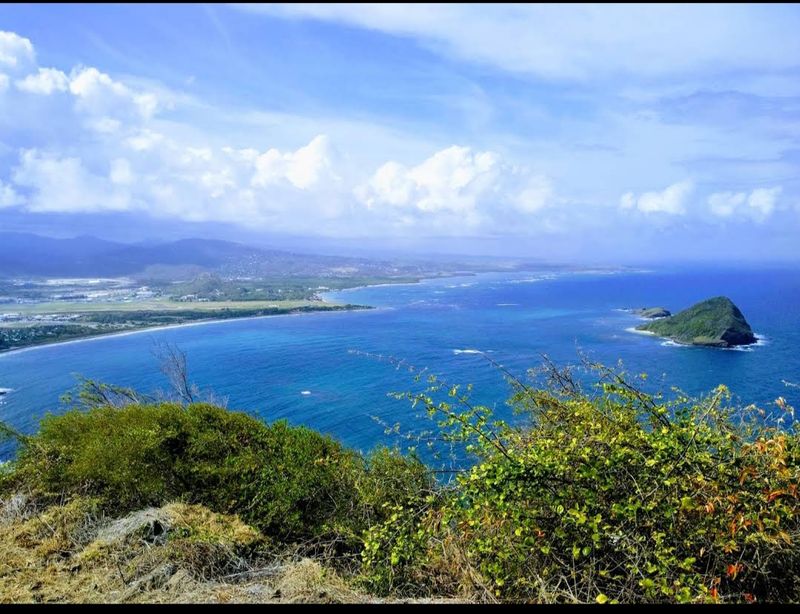
The moment the plane descends toward Hewanorra International Airport in Vieux Fort, on the southern tip of Saint Lucia, Eastern Caribbean, you get your first real look at what this country is all about.
Green mountains roll toward the sea, fishing boats dot the coastline, and the air that hits you when you step outside is warm and thick with the smell of tropical vegetation.
Saint Lucia sits at coordinates 13.9094 N, 60.9789 W, nestled between Martinique to the north and Saint Vincent to the south. The island covers about 238 square miles, which sounds modest until you realize how much is packed into every single one of them.
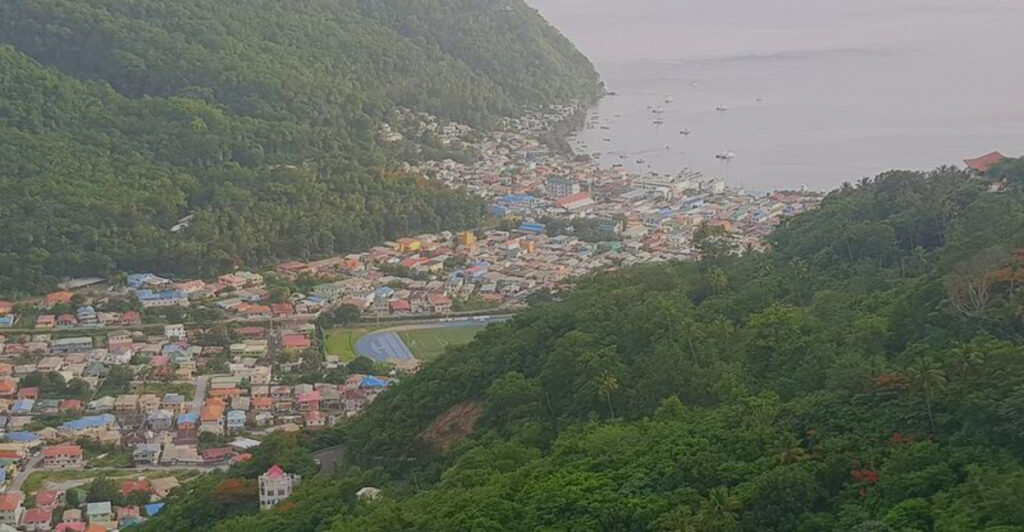
Castries, the capital city, sits on the northwest coast and serves as the main hub for commerce, culture, and cruise ships. First impressions here are loud, colorful, and completely unforgettable.
The Woman Behind the Name: Saint Lucy of Syracuse
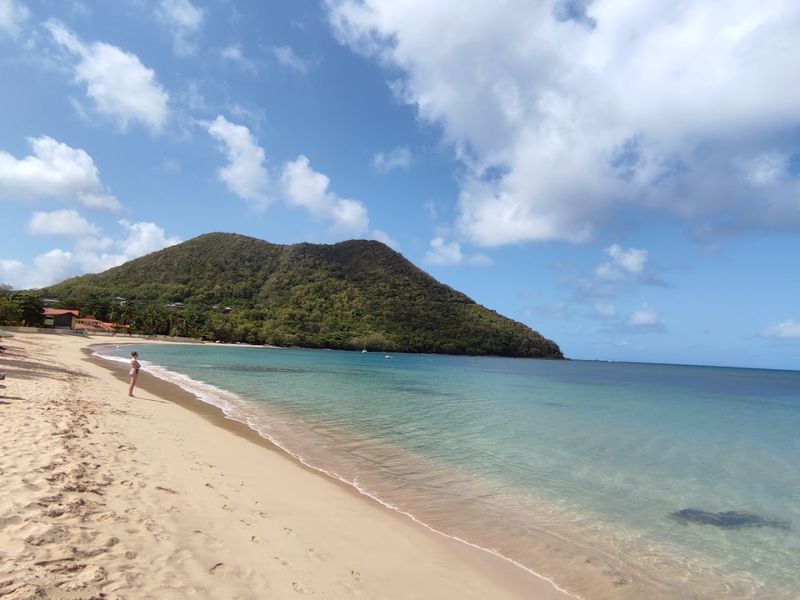
Saint Lucia is the only sovereign nation on the planet named after a real woman, and that woman was Saint Lucy of Syracuse, a Christian martyr who lived in Sicily around 283 to 304 AD.
According to tradition, Lucy refused to renounce her Christian faith under Roman persecution and paid a tremendous price for that conviction. She was eventually recognized as a saint by the Catholic Church, and her feast day, December 13th, is still celebrated in many countries around the world.
French settlers are believed to have landed on the island on or near her feast day, which is how the island received her name. The French called it “Sainte Lucie,” and the name stuck through centuries of colonial back-and-forth between France and Britain.
Today, Saint Lucia carries that name with pride, and the connection to its patron saint remains woven into the island’s cultural identity.
The Pitons: Twin Volcanic Giants That Define the Island
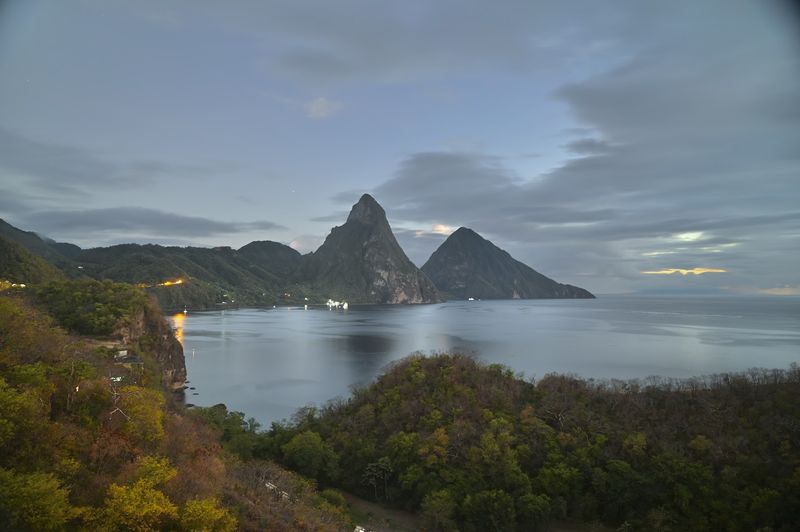
No conversation about Saint Lucia goes very far before the Pitons come up, and once you see them in person, you completely understand why.
Gros Piton stands at 2,619 feet and Petit Piton reaches 2,461 feet, and both rise almost vertically from the sea along the island’s southwest coast near the town of Soufriere. They are UNESCO World Heritage-listed and form part of a protected management area that includes coral reefs, volcanic features, and dense rainforest.
Hiking Gros Piton is a serious physical challenge that rewards you with panoramic views stretching across the Caribbean on a clear day. The trail winds through forest thick with birds, lizards, and plants found nowhere else on Earth.
Seeing these peaks from a boat at sunrise, with mist clinging to their upper slopes and the sea glittering below, is one of those experiences that genuinely stays with you long after you leave.
Castries: The Capital City With Caribbean Soul
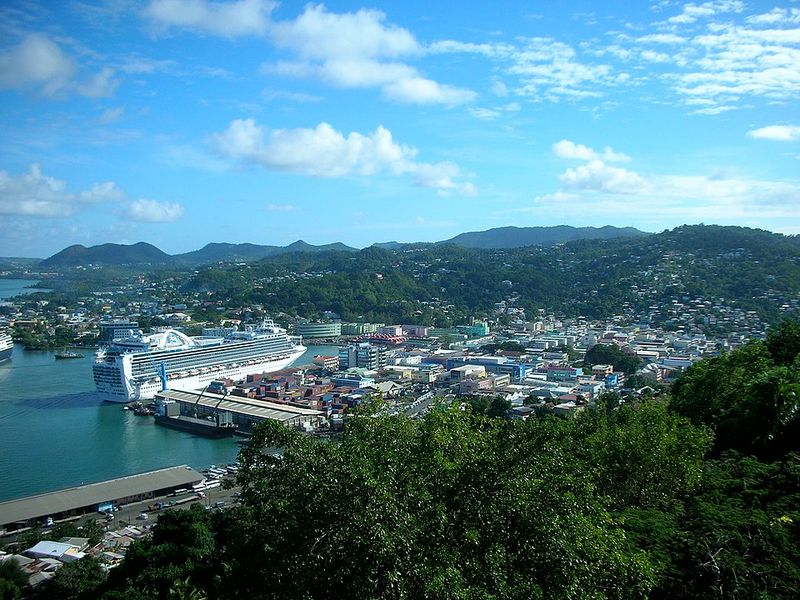
Castries is the kind of capital city that hits all your senses at once, in the best possible way. The waterfront buzzes with cruise passengers, local vendors, and taxi drivers, while the smell of freshly cooked Creole food drifts through the market stalls.
The city has been rebuilt several times after fires, so much of its architecture is relatively modern, but the heart of the place feels genuinely old and layered with history. Derek Walcott Square, named after the island’s Nobel Prize-winning poet, sits at the center of things and offers a shaded spot to watch the city move around you.
The market building near the waterfront is a must-visit, selling everything from fresh produce and spices to handmade crafts and local hot sauces. Castries is not a quiet city by any stretch, but its energy is warm, welcoming, and thoroughly Caribbean in the best sense of the phrase.
Soufriere: The Volcanic Town With a Drive-In Crater
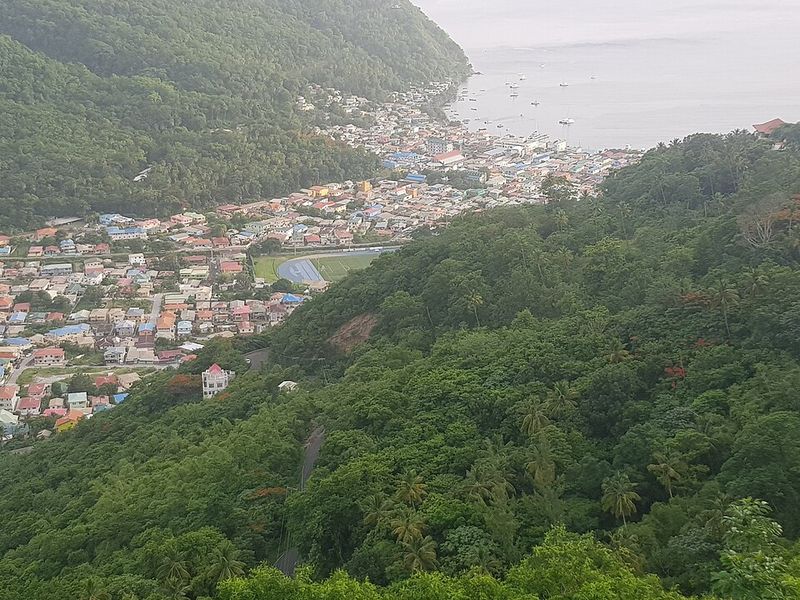
Soufriere is the oldest town on the island and arguably its most dramatic, sitting in the shadow of the Pitons and next to one of the Caribbean’s most unusual natural attractions: a drive-in volcano.
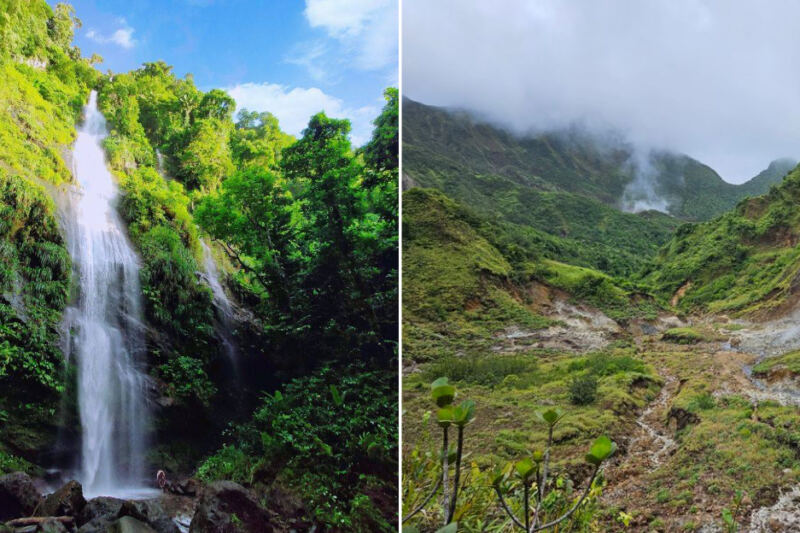
La Soufriere Volcano is technically the world’s only drive-in volcano, meaning you can actually pull a vehicle right up to the edge of the bubbling, steaming sulfur springs. The smell of sulfur is strong and unmistakable, and the landscape around the vents looks almost otherworldly, with yellow mineral deposits and grey mud pools that gurgle and hiss constantly.
Beyond the volcano, Soufriere offers botanical gardens, historic plantation ruins, and some of the best snorkeling reefs on the island just offshore. The town itself is small and a little rough around the edges, but that rawness is part of what makes it feel authentic.
Soufriere rewards the curious traveler who is willing to look past the polished resort experience.
Toraille Waterfall: Where Rainforest Meets a Natural Pool
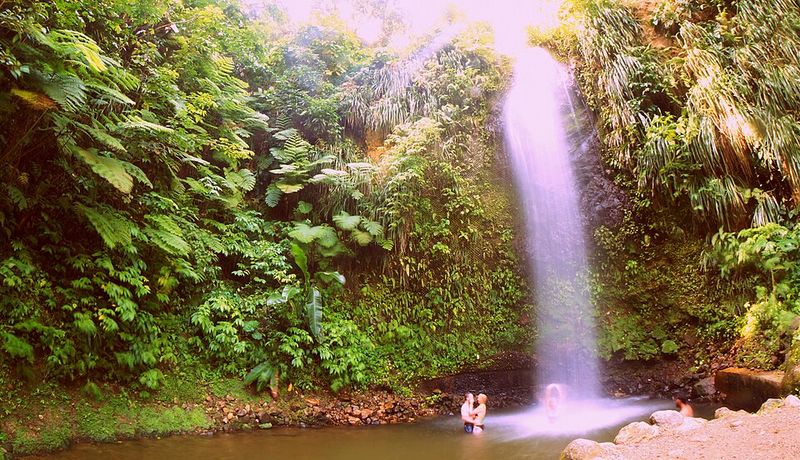
Tucked into the interior rainforest of Saint Lucia, Toraille Waterfall is one of those places that feels like a reward for making the effort to find it.
The falls drop about 15 meters over a rocky cliff face and pour directly into a garden-like setting below, complete with tropical plants, banana trees, and a small pool where you can stand directly under the cascade. The water is cool and refreshing, which feels particularly wonderful after hiking through the humid jungle to reach it.
The surrounding garden is well maintained and home to a variety of local plant species that are labeled for curious visitors. Getting here involves a short walk from the road, and the path itself passes through scenery that is worth slowing down to appreciate.
Toraille is not the most dramatic waterfall you will ever see, but it has a quiet, intimate quality that makes it one of the most genuinely enjoyable stops on the island.
Reef Diving and Snorkeling: Life Beneath the Surface
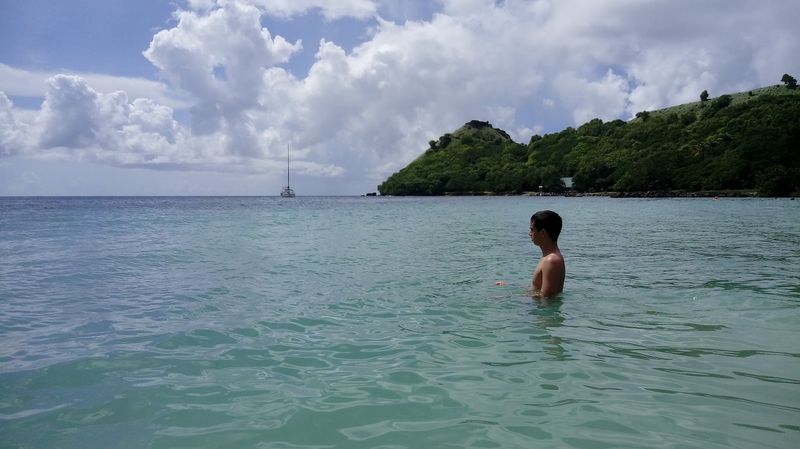
Saint Lucia sits above some of the most biodiverse reef systems in the Eastern Caribbean, and the underwater world here is genuinely worth the plunge.
The waters around Anse Chastanet and the Piton Wall are particularly celebrated among divers, offering visibility that regularly exceeds 30 meters and a cast of marine characters that includes sea turtles, eagle rays, moray eels, and dense schools of tropical fish. The coral formations here are colorful and largely intact, which is not something every Caribbean destination can claim.
Snorkelers are not left out either. Many of the reefs sit shallow enough to enjoy without tanks, and the calm, clear bays along the west coast make entry and exit easy even for beginners.
Several dive operators on the island offer guided excursions with equipment rental, and morning dives tend to offer the calmest water and best light for photography.
Rainforest Trails and Interior Wilderness
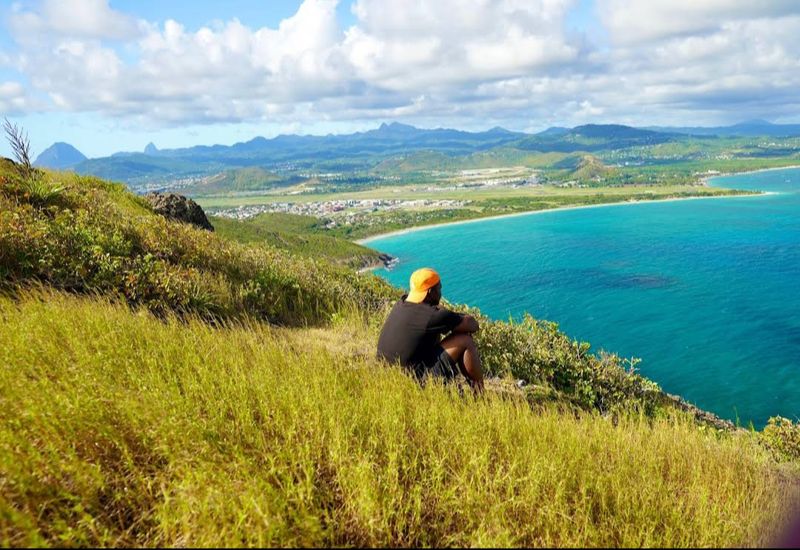
Saint Lucia’s interior rainforest covers a significant portion of the island and feels like a completely different world from the coastal resorts and busy harbor towns.
The Edmund Forest Reserve and Quilesse Forest Reserve protect large stretches of old-growth tropical forest where trails wind through towering trees draped in ferns and bromeliads. The sounds here are dominated by birds, including the Saint Lucia parrot, known locally as the Jacquot, which is the national bird and one of the rarest parrots in the world.
Hiking these trails without a guide is possible on some routes, but having a local naturalist with you transforms the experience entirely. They can spot things you would walk right past, from camouflaged lizards to medicinal plants used in traditional Creole medicine.
The forest also acts as the island’s water source, feeding the rivers and waterfalls that make Saint Lucia’s interior so lush and dramatically green year-round.
Creole Culture, Food, and the Island’s French-British Heritage
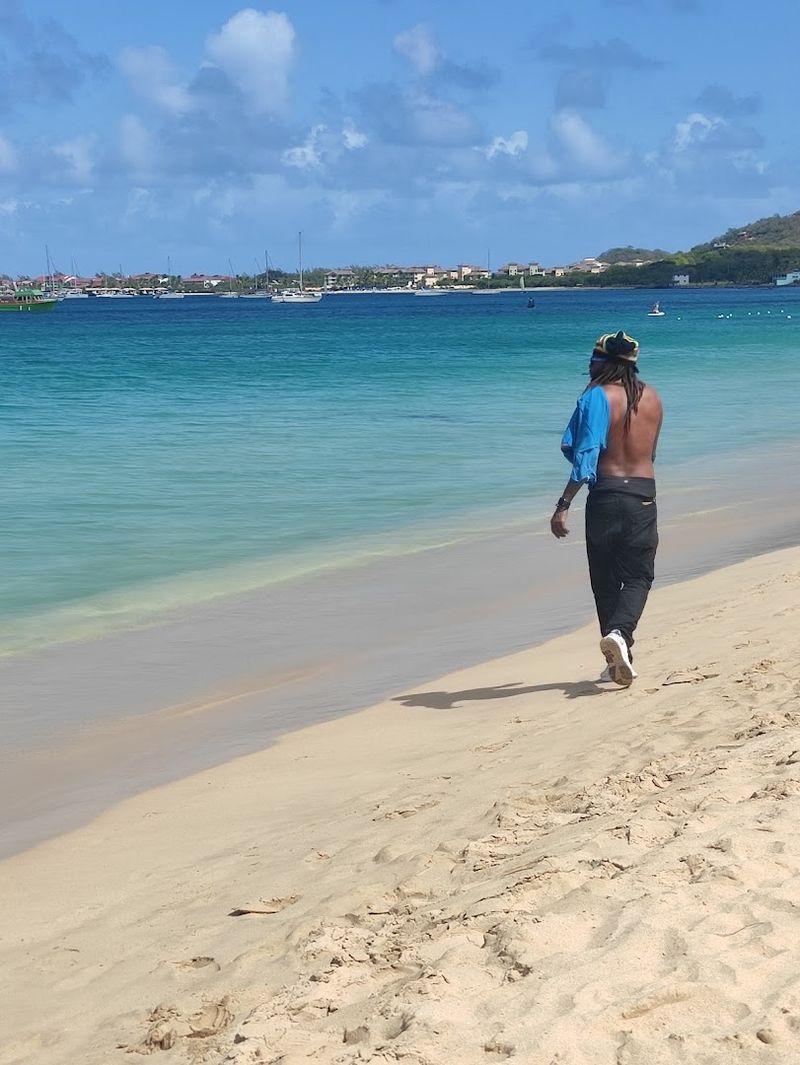
Saint Lucia changed hands between France and Britain fourteen times before finally becoming a British territory in 1814, and that complicated history produced one of the Caribbean’s most layered cultures.
The island’s official language is English, but Kweyol, a French-based Creole language, is spoken widely and carries enormous cultural pride. You hear it in the markets, in music, and in the way older generations greet each other on the street.
The food reflects this dual heritage beautifully. Green fig and saltfish is the national dish, a hearty combination of boiled green banana and salted cod that sounds simple but tastes deeply satisfying.
Breadfruit, callaloo, plantain, and fresh seafood appear on menus everywhere, often cooked with local spices that give the food a warmth and complexity that is hard to replicate anywhere else.
Friday nights in Gros Islet bring the weekly street party called the Jump Up, where Creole food stalls and live music fill the streets.
Best Time to Visit and Practical Tips for Travelers
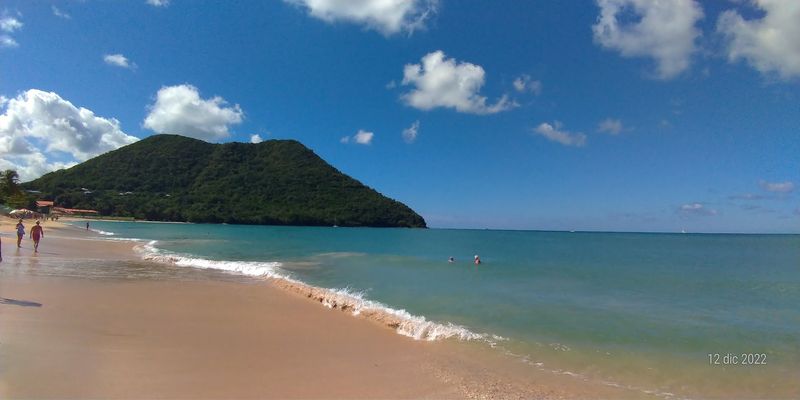
Saint Lucia sits in the tropics, so the weather is warm year-round, but timing your visit smartly makes a real difference in what you experience.
The dry season runs roughly from December through May and offers the most reliably sunny days, calmer seas, and lower humidity. This is also peak tourist season, so accommodation prices rise and popular spots get busier.
The wet season, June through November, brings afternoon showers and occasional tropical storms, but also lush, intensely green scenery and noticeably lower prices.
Getting around the island is easiest by renting a car, though the roads are narrow, winding, and occasionally steep. Taxis and organized tours are widely available if driving feels too adventurous.
The local currency is the Eastern Caribbean dollar, though US dollars are accepted almost everywhere. Tipping is customary but not always included in restaurant bills, so checking before you pay is always a good habit.
Share this story