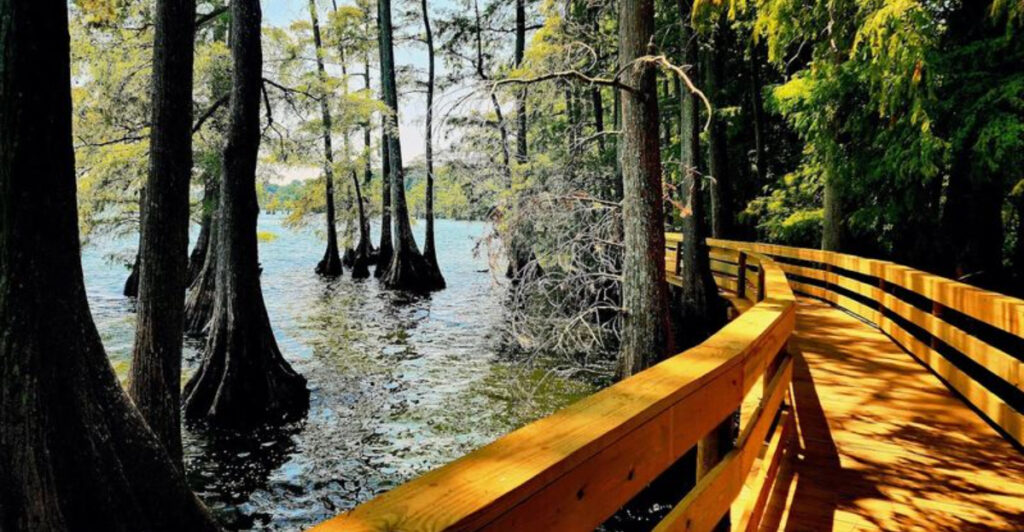
Tennessee is packed with jaw-dropping outdoor spots, and the best part is that you do not need to empty your wallet to enjoy them. From roaring waterfalls and ancient mountain trails to quiet lakeside paths and river gorges, this state has something wild waiting around every bend.
I grew up thinking great adventures always cost a fortune, but Tennessee proved me completely wrong. Whether you have a free Saturday or a long weekend, these 12 escapes will get you outside for $20 or less.
Great Smoky Mountains National Park, Gatlinburg, Tennessee
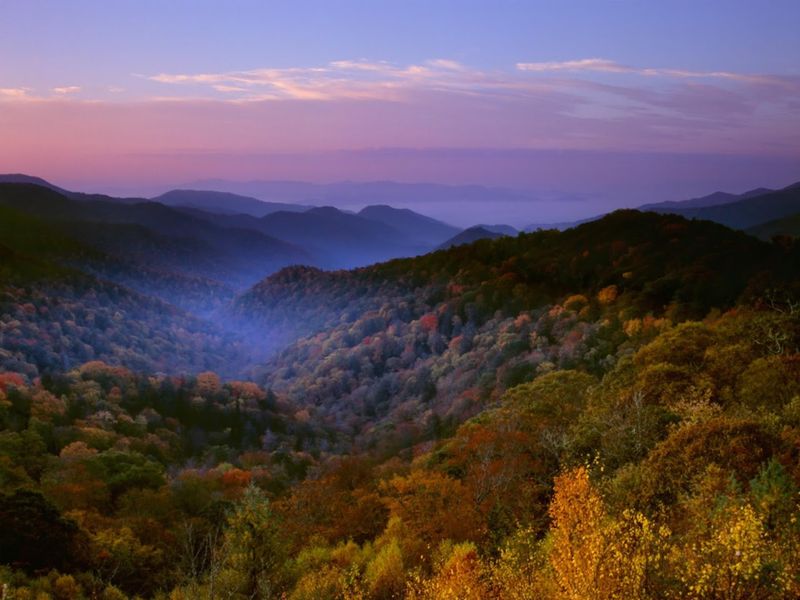
No entrance fee and a $5 parking tag. That is honestly the best deal in American outdoor recreation, and the Smokies deliver on every penny of it.
Pull up to Sugarlands Visitor Center, grab a trail map, and you are already winning the day.
Newfound Gap Road is free to drive and packed with overlooks that would make any travel photographer weep with joy. Cades Cove is another solid pick, especially if you want to spot white-tailed deer doing their best runway walk at dawn.
Weekly parking tags jump to $15, but a single-day tag keeps your trip well inside the $20 budget.
Check trail alerts before heading out, because individual roads can close without warning even when the park is fully open. The National Park Service website updates closures regularly, so a quick look saves a wasted two-hour drive.
Go early, stay curious, and let the mountains do the rest.
Fall Creek Falls State Park, Spencer, Tennessee
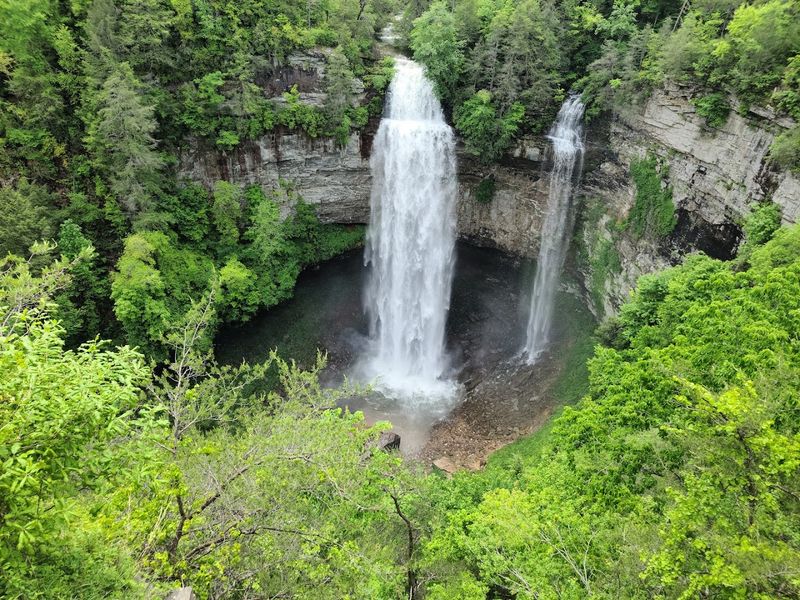
Fall Creek Falls drops 256 feet, which makes it one of the tallest waterfalls in the entire eastern United States. That fact alone is worth the drive to Spencer.
And here is the kicker: walking to the overlooks and hiking the trails costs absolutely nothing.
The park sprawls across nearly 30,000 acres of Cumberland Plateau wilderness, so there is no shortage of things to explore. Trails wind past multiple falls, gorges, and forest scenery that shifts with every season.
I once spent an entire afternoon just moving from one overlook to the next, and I never got bored.
If you want to add paddling or a swim, the park has facilities for those too, though some activities carry small fees. For a pure under-$20 day, stick to hiking and waterfall gazing.
Stay behind barriers near cliff edges because the rocks get slick fast, and the drop is very real.
Cummins Falls State Park, Cookeville Area, Tennessee
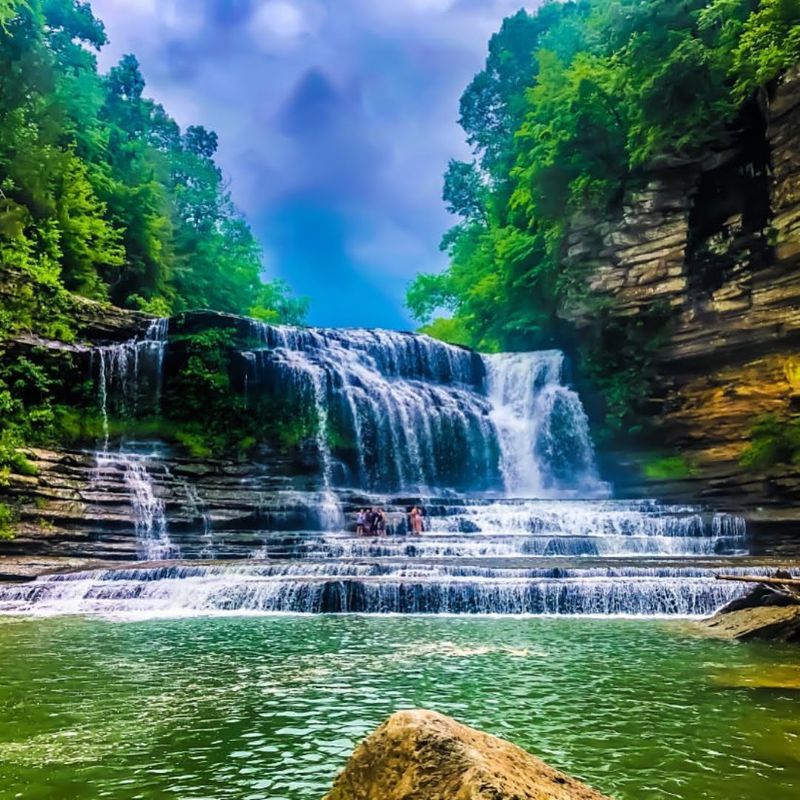
Cummins Falls is the kind of place that shows up on your friend’s Instagram and makes you say, “Where is that?” The 75-foot waterfall and natural swimming hole look almost too good to be real. Spoiler: they are completely real and very worth the trip.
Here is the important detail that saves you a wasted visit. Gorge access requires a permit during peak season, and those permits are reserved through the Tennessee State Parks website for dates in May through August.
Without one, you cannot reach the swimming hole or the base of the falls during busy months.
The good news is that the overlook trails and land-side paths are still open and genuinely beautiful. You get solid views of the gorge and falls without needing a permit at all.
Either way, the total cost stays comfortably under $20. Just check current conditions before you load up the car and head out.
Burgess Falls State Park, Baxter, Tennessee
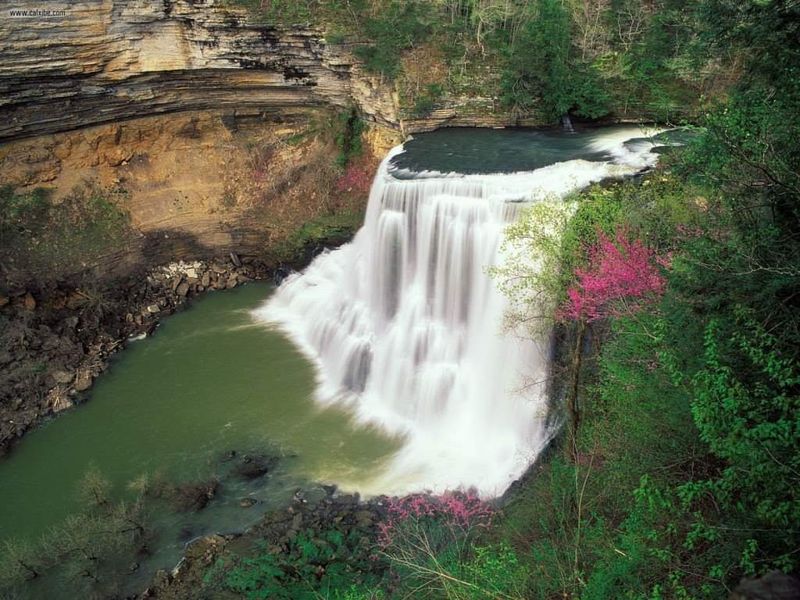
Four waterfalls for the price of zero. Burgess Falls State Park on the Falling Water River gives you a full waterfall tour on a single trail, and the only thing it costs is the energy to walk it.
That is a spectacular return on investment.
The star of the show is the main Burgess Falls, which drops 103 feet into a rocky pool below. The trail to reach it passes three smaller cascades first, so the payoff builds nicely with every step.
It feels like a waterfall greatest hits album, but free and outdoors.
One scheduling note worth knowing: the park lists waterfall-viewing hours from 8 a.m. to 4 p.m., so this works best as a morning or early afternoon trip. Show up close to opening time to beat the crowds and snag the best views at each overlook.
Pack a lunch and make a proper half-day adventure out of it.
Frozen Head State Park, Wartburg, Tennessee
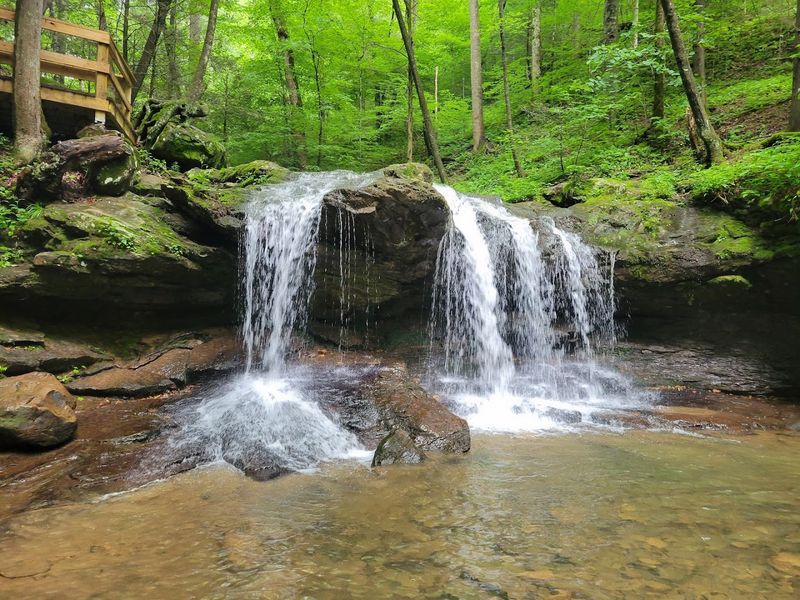
Frozen Head is where Tennessee hikers go when they want to feel like they actually earned the view. This is not a gentle stroll to a pretty overlook.
The trails here are real, the terrain is rugged, and the Cumberland Mountains do not apologize for any of it.
The park has more than 50 miles of foot trails passing waterfalls, rock shelters, and mountaintop cap rocks that open up into wide wilderness views. A full day of hiking here costs nothing, which makes it one of the best free adventures in the state.
You just need solid shoes and a realistic fitness plan.
Frozen Head is also quietly famous as the inspiration behind the Barkley Marathons, one of the most brutal ultramarathons on the planet. You do not have to run it to appreciate the landscape, though.
Most visitors are perfectly happy with a solid day hike and a well-deserved snack at the trailhead afterward.
Obed Wild and Scenic River, Wartburg, Tennessee
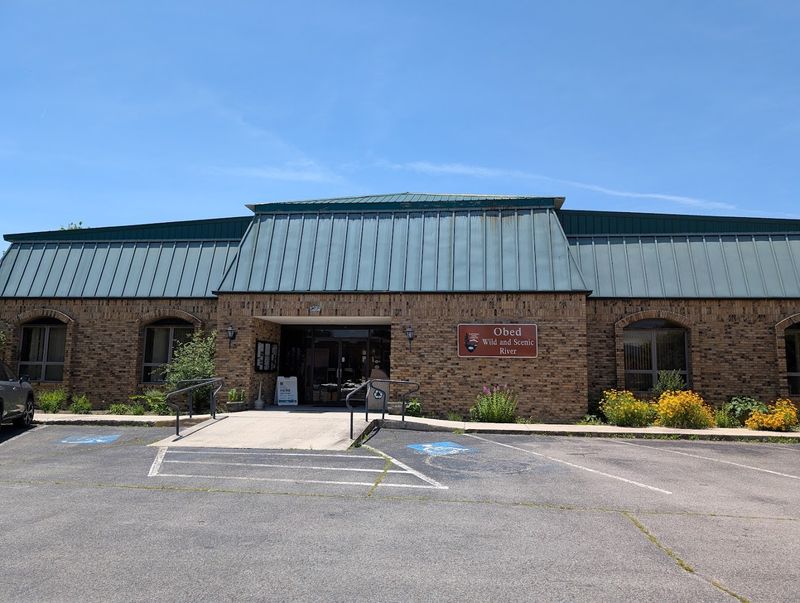
The Obed Wild and Scenic River is managed by the National Park Service and still flies under the radar compared to the Smokies. That is genuinely good news for anyone who prefers their outdoor adventures without a parking lot full of tour buses.
Less crowd, same quality scenery.
The river cuts through the Cumberland Plateau with sandstone cliffs, forested gorges, and water that still feels wild and unhurried. Hiking, fishing, paddling, and rock climbing are all on the table here.
A stop at the visitor center in Wartburg helps you plan your route based on current trail and river conditions.
Cost-wise, this one is as close to free as it gets. There is no entrance fee, and the main experience is exploring public land on your own terms.
It is especially worth the trip for readers who want something genuinely scenic without the Smokies crowds. Bring water, sunscreen, and your best sense of adventure.
Big South Fork National River and Recreation Area, Oneida, Tennessee
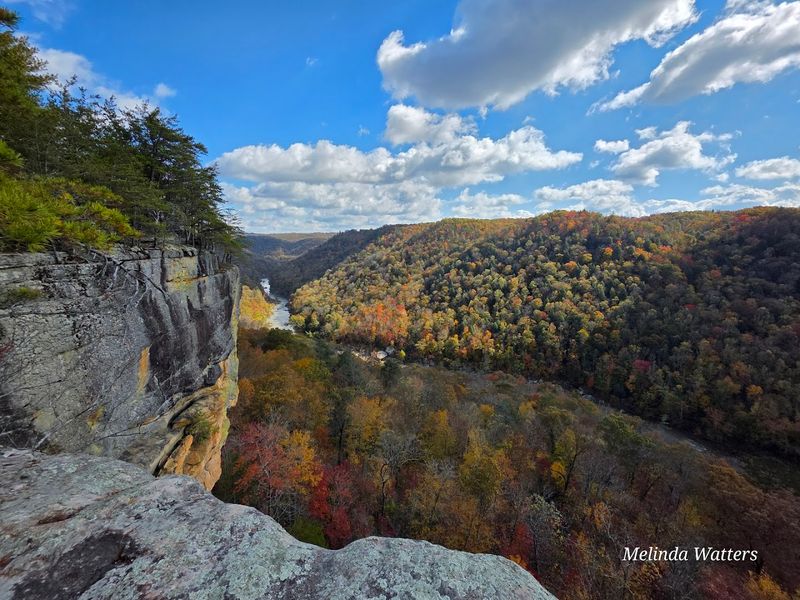
One hundred and twenty-five thousand acres of Cumberland Plateau wilderness, zero entrance fee. Big South Fork is the kind of place that sounds too good to be true, but the National Park Service confirms it: this park does not charge admission.
Your wallet can relax.
The landscape here is dramatic in the best possible way. Sandstone bluffs rise above deep river gorges, and the trails range from easy riverside walks to serious backcountry routes.
Horseback riding and paddling are popular too, though some specific activity areas may carry their own small fees.
For a clean under-$20 day, focus on hiking, overlook stops, and a swing through the visitor center for maps and trail advice. The Twin Arches trail is a crowd favorite for good reason.
Two massive natural stone arches sitting in the middle of the forest is the kind of thing that makes you stop mid-hike and just stare for a while.
Fiery Gizzard State Park, Tracy City, Tennessee
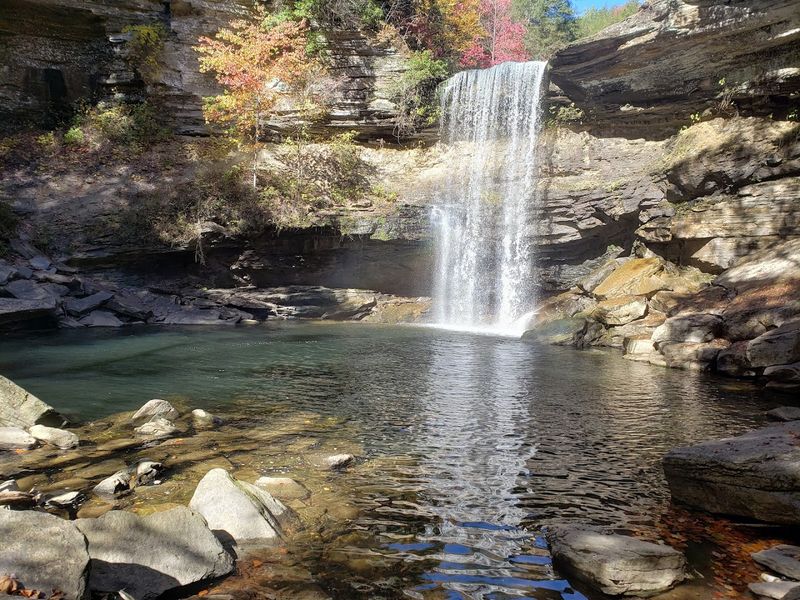
With a name like Fiery Gizzard, this park was always going to be either amazing or deeply disappointing. Thankfully, it is absolutely amazing.
Tennessee hikers consistently rank it among the best trail experiences in the entire state, and the scenery backs that claim up fully.
The park covers more than 7,800 acres and includes over 20 miles of trails with waterfalls, old-growth trees, rock formations, and remnants of the area’s coal-mining past. History and nature packed into a single trail system is a rare combination.
The Grundy Lakes area adds another layer of cool industrial history to the mix.
Entry is free as a Tennessee State Park, which makes Fiery Gizzard one of the highest-value hiking options in the state for budget-conscious adventurers. The trails lean toward moderate to challenging, so this is a better pick for hikers who want a workout alongside the views.
Wear good boots and bring more water than you think you need.
Radnor Lake State Park, Nashville, Tennessee
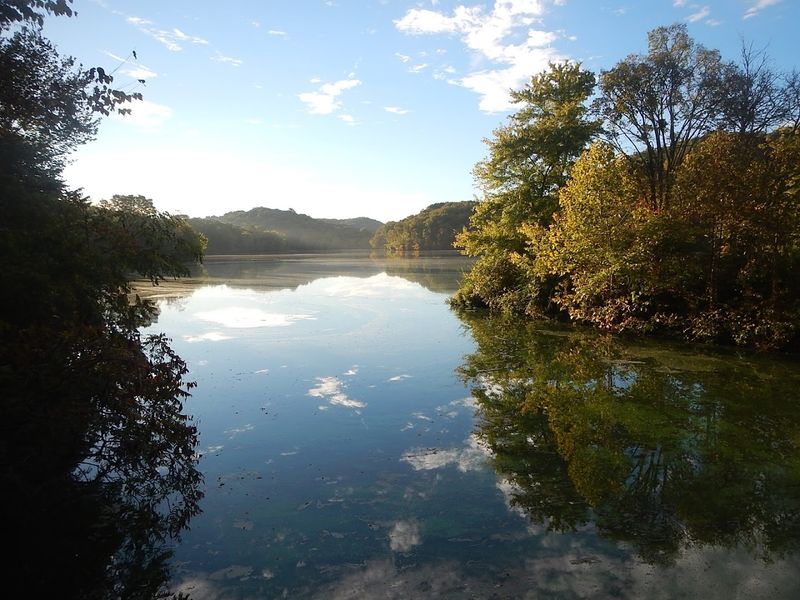
Most people think of honky-tonks and hot chicken when they think of Nashville. Radnor Lake State Park is the city’s best-kept secret, tucked inside 1,389 acres of protected natural area just minutes from downtown.
It is genuinely surprising how wild it feels so close to a major city.
The park is a designated Class II Natural Area, which means it is managed for wildlife and quiet recreation rather than loud activity. Hiking, birding, and wildlife watching are the main draws.
I spotted a great blue heron here on a Tuesday morning, and it was a better start to the day than any coffee shop could have offered.
Tennessee State Parks are free to enter, so Radnor costs nothing to enjoy. The trails are well-maintained and range from easy lakeside loops to slightly hillier routes through the surrounding forest.
If you live in or near Nashville and have not been yet, that is a situation worth fixing this weekend.
Reelfoot Lake State Park, Tiptonville, Tennessee
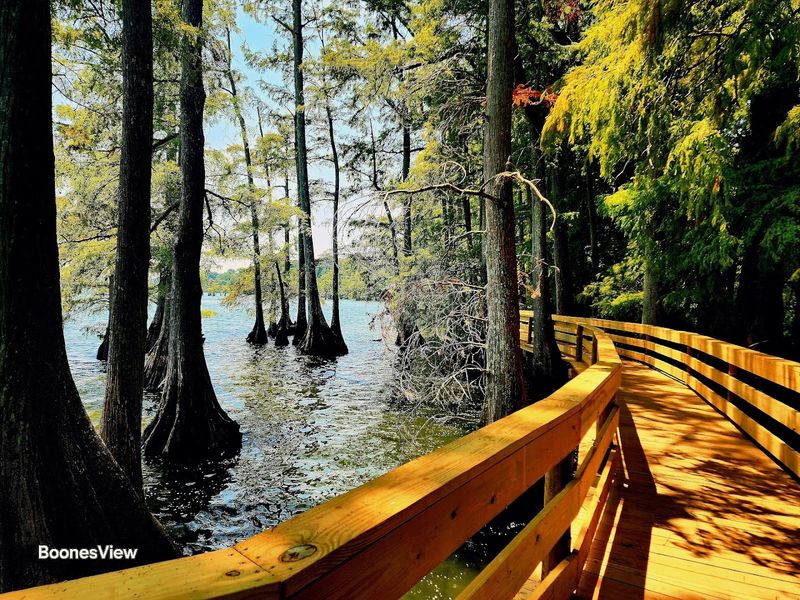
Reelfoot Lake was born from one of the most powerful earthquake sequences in American history. The New Madrid earthquakes of 1811 to 1812 literally shook the land so hard that the Mississippi River reversed course and flooded the area, creating Tennessee’s only large naturally occurring lake.
That is a wild origin story for a park.
Today the lake is a haven for wildlife, especially bald eagles that winter here in impressive numbers. Birding, photography, and shoreline hiking make for a genuinely full day without spending much at all.
The landscape looks nothing like the rest of Tennessee, with cypress trees rising from still water and wetland views stretching to the horizon.
Boat rentals and guided eagle tours are available but carry extra costs. For a budget-friendly visit, stick to the hiking trails, the boardwalk areas, and the lake overlooks.
The scenery is distinctive enough that even a simple walk here feels unlike anything else on this list.
Big Ridge State Park, Maynardville, Tennessee
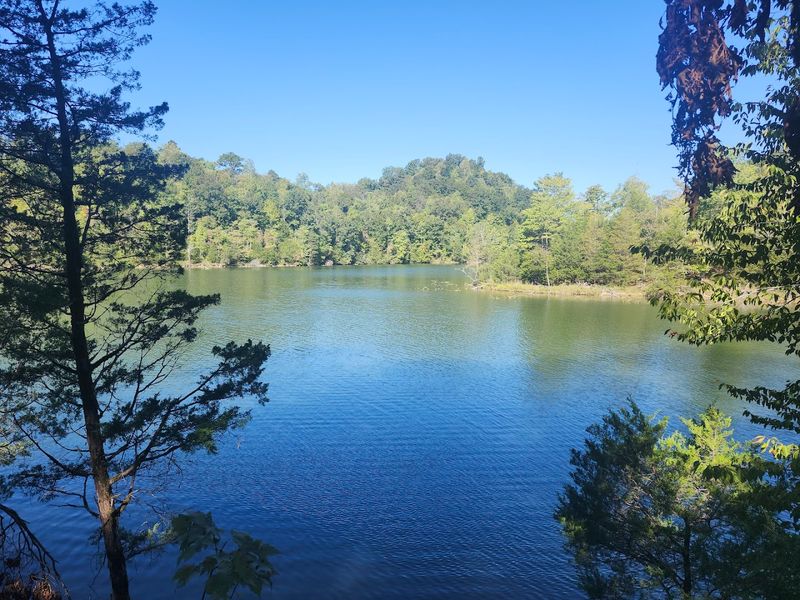
Big Ridge State Park sits in the Appalachian Ridge and Valley region near Norris Lake, and it has that old-school Tennessee state park feel that newer parks just cannot replicate. The rolling ridges, quiet coves, and lake access make it a solid pick for a low-key outdoor day that still packs in serious scenery.
The trail system covers more than 15 miles and ranges from easy lakeside strolls to genuinely rugged ridge routes. Some paths pass old cemeteries and remnants of early settlements, which adds a layer of history to the hike that I find hard to beat.
It is the kind of trail where you half-expect to stumble across something unexpected around every corner.
Paddling, fishing, and swimming are also available for visitors who want more than just hiking. Tennessee State Parks are free to enter, so the main costs here are any rentals or supplies you bring along.
Budget-friendly, historically interesting, and quietly beautiful: Big Ridge checks all three boxes.
Fort Pillow State Historic Park, Henning, Tennessee
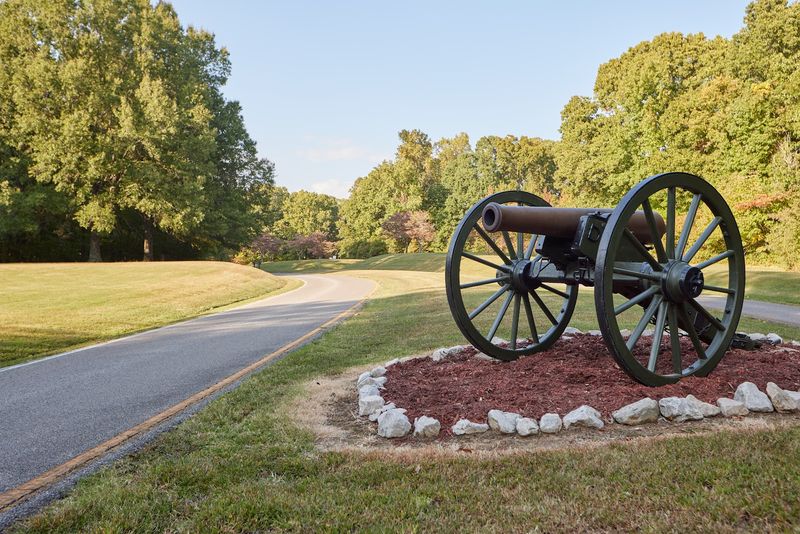
Not every great Tennessee outdoor escape involves a waterfall, and Fort Pillow State Historic Park is the proof. This one sits on the Chickasaw Bluffs above the Mississippi River with hiking trails, restored Civil War fortifications, a museum, and river views wide enough to make you feel genuinely small in the best way.
The park covers significant Civil War history, including the 1864 Battle of Fort Pillow, making it one of the more meaningful stops on this list. The earthwork fortifications are still visible along the bluffs, and walking them while looking out over the Mississippi adds real weight to the visit.
History and hiking rarely combine this well.
About 20 miles of trails wind through the park near the fortifications and bluff overlooks. There is no expensive ticket required to explore the grounds, hike the trails, or take in the river views.
The museum is worth a stop too, especially for anyone who wants context before hitting the trails.
Share this story