There is a place in southern Georgia where alligators outnumber tourists, blackwater trails wind through ancient cypress trees, and a train ride doubles as a wildlife tour. This is one of the largest blackwater swamps in North America, covering roughly 438,000 acres and straddling the Georgia-Florida border.
Most people drive past Waycross without stopping, which means they are missing one of the most genuinely wild and accessible outdoor experiences in the entire Southeast. This park packs boat tours, a vintage train ride, reptile shows, nature walks, and real alligator sightings into a single family-friendly day trip that does not require hiking boots or a survival kit.
Whether you are a nature lover, a curious kid, or just someone who wants a great story to tell, this swamp delivers.
The Blackwater Swamp: What Makes This Place Unique
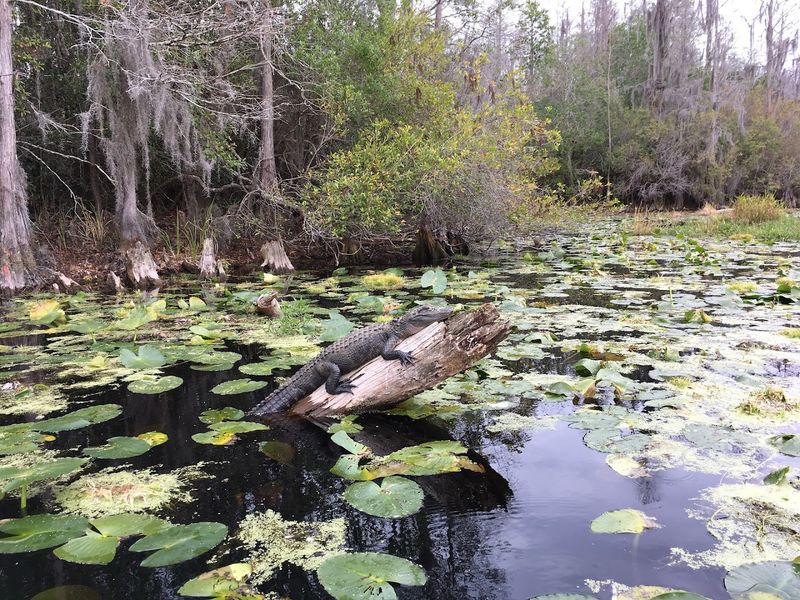
The water here is not murky from pollution. That deep, tea-colored tint comes from tannins released by decaying plant material, which is a completely natural process that has been happening in this swamp for thousands of years.
The Okefenokee is the largest blackwater swamp in North America, and it sits on a massive peat bog that has been building up for over 7,000 years. The peat is so thick in some areas that it actually floats, which is how the swamp got its name from the Seminole language, meaning “land of the trembling earth.”
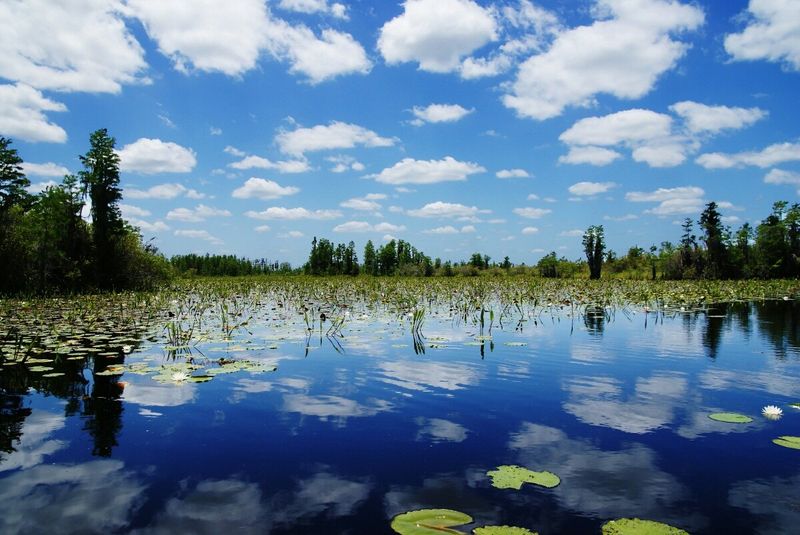
Cypress trees rise out of the water with their distinctive knobby roots, Spanish moss drapes across branches, and water lilies dot the surface in warmer months. The whole ecosystem functions as a natural water filter and wildlife habitat that supports hundreds of species.
Spending time here is a reminder of how much the natural world can accomplish entirely on its own terms.
Alligator Country: What to Expect on the Water
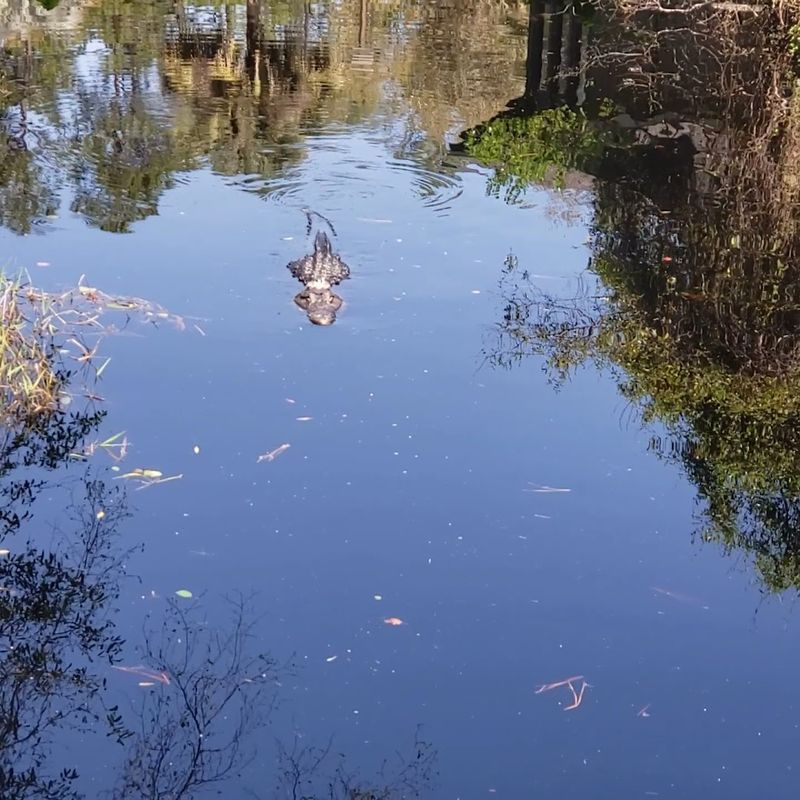
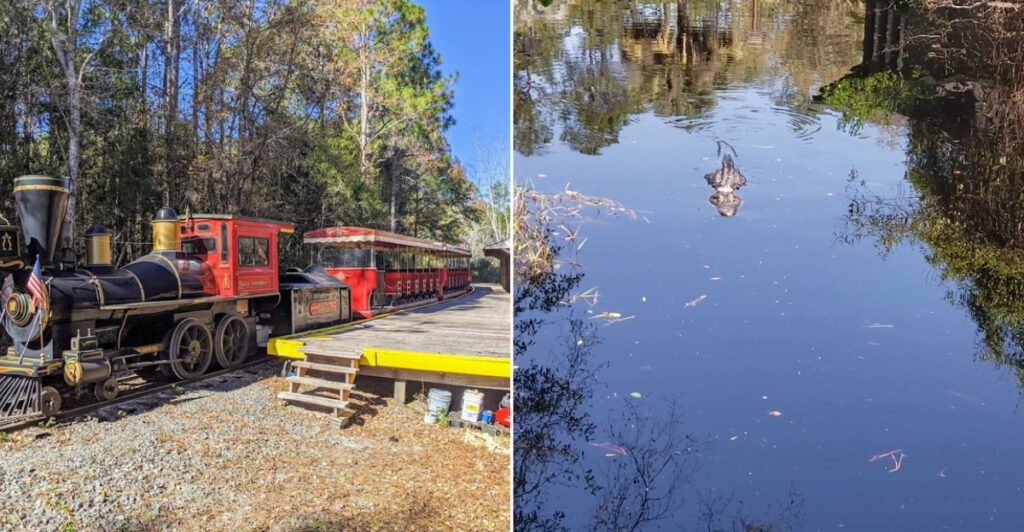
Alligators are the headline act at Okefenokee Swamp Park, and they rarely disappoint. During the boat tour, gators can be spotted sunbathing along the banks, floating near the surface, or resting in the shallows just a few feet from the watercraft.
The best sightings tend to happen on warmer days when alligators are most active. February visits during cold snaps may yield fewer water-level sightings, but spring and summer bring the reptiles out in full force.
The guided boat tour lasts approximately 45 minutes and covers a route through the blackwater trails where alligator nests, turtles, and native birds are regularly observed.
Guides on the boat tours are knowledgeable about the swamp’s ecosystem and share information about alligator behavior, nesting habits, and the broader food chain that keeps this environment balanced. Spotting a six-foot gator gliding silently through the water just a few yards away is one of those moments that tends to stay with people for a long time.
All Aboard: The Train Ride Through the Park
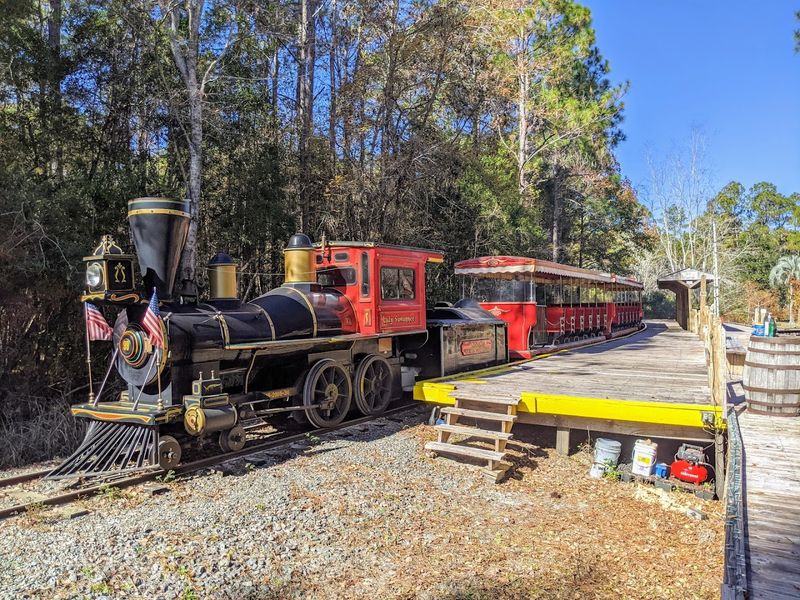
The train ride at Okefenokee Swamp Park is not just a novelty for young children. It covers a meaningful stretch of the park, lasting around 45 minutes and passing through forested areas, historic village structures, and sections of the swamp that would otherwise be inaccessible on foot.
The train makes stops that allow passengers to step off and walk around restored historic buildings that reflect what life looked like for early settlers in this region. The combination of natural scenery and local history makes the ride genuinely informative rather than just a slow loop around the property.
One thing worth knowing is that the train cars are open to the weather, so dressing for the temperature matters. On cooler days, a light jacket is a smart call.
The audio system on the train has received mixed feedback, so positioning yourself near the guide can help. Despite that minor note, the train remains one of the park’s most popular and talked-about features for families visiting any time of year.
Up in the Air: The 90-Foot Observation Tower
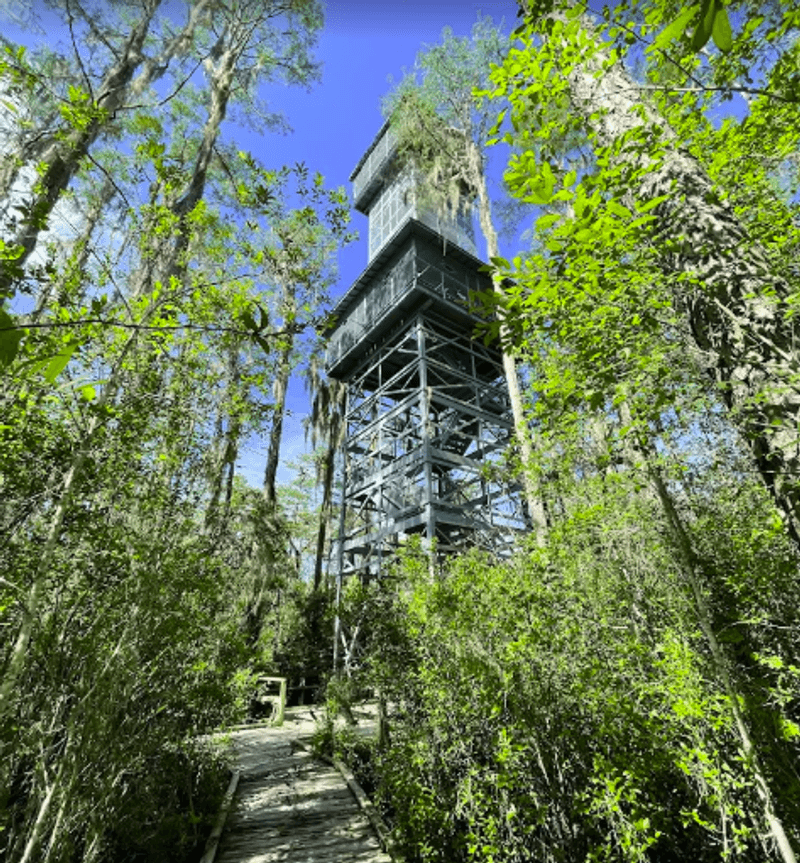
Most visitors come for the water, but the view from above tells a different story entirely. The park features a 90-foot observation tower that rises above the tree canopy and offers a broad perspective of the swamp stretching out in every direction.
From the top, the scale of the Okefenokee becomes much clearer. What looks like a dense forest at ground level reveals itself as an intricate patchwork of open water, floating peat islands, and cypress stands that extend far beyond what any single trail or boat route can cover.
The climb is manageable for most ages, and the platform at the top is sturdy and well-maintained. Early morning visits tend to produce clearer views before the midday haze settles in.
Wildlife spotters with binoculars will find the tower especially useful for scanning the treetops for nesting birds and watching alligators move through the water far below. It is one of those vantage points that genuinely reframes the whole experience of being at the swamp.
Boardwalks and Nature Trails on Foot
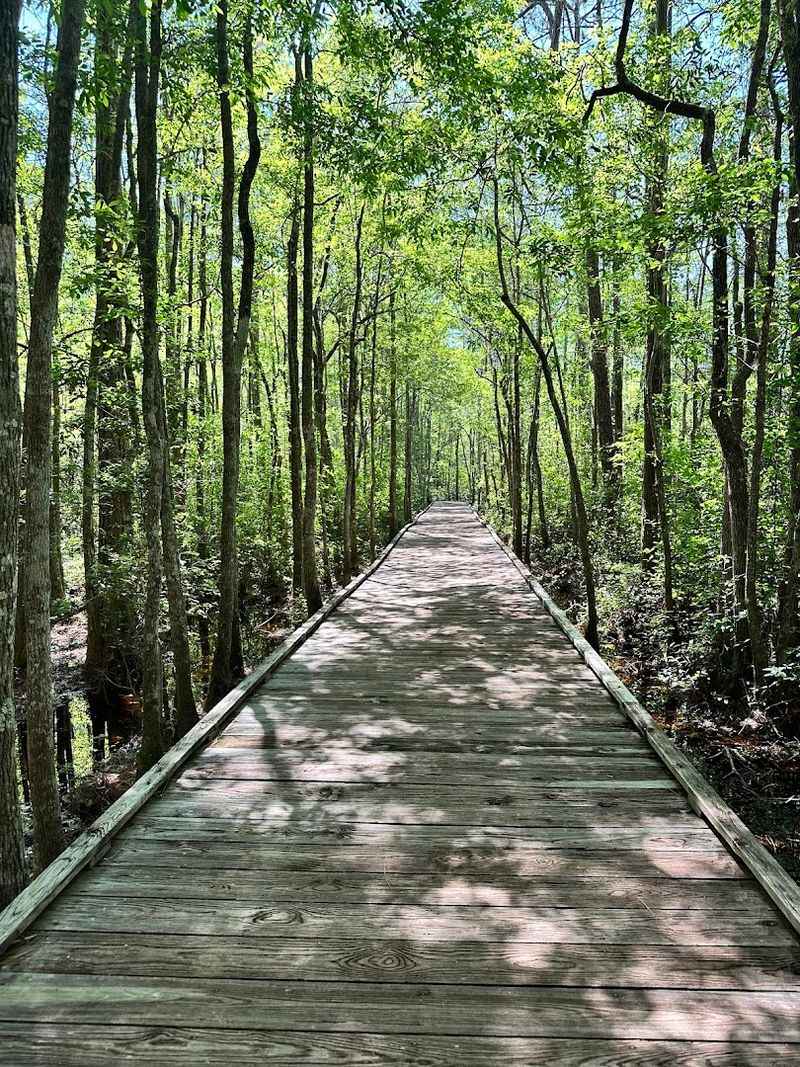
Beyond the boat and the train, the park offers a network of boardwalks and short nature trails that let visitors explore at their own pace. The elevated boardwalks cut through the swamp environment and provide close-up access to the water, vegetation, and wildlife without requiring any special gear or physical fitness level.
Walking the boardwalks is a good way to spot turtles, frogs, wading birds, and alligators resting near the water’s edge. The paths are well-maintained and easy to navigate for families with strollers or guests with limited mobility.
Interpretive signage along the trails provides information about the plants and animals found in each zone of the swamp.
The trails are relatively short compared to backcountry wilderness hikes, but they are packed with detail. Taking time to pause and look rather than just walk through makes a significant difference in what gets noticed.
The boardwalks also offer some of the best photography opportunities in the park, especially in the early morning hours when the light is low and the water is calm.
The Museum and Interpretive Exhibits Inside the Park
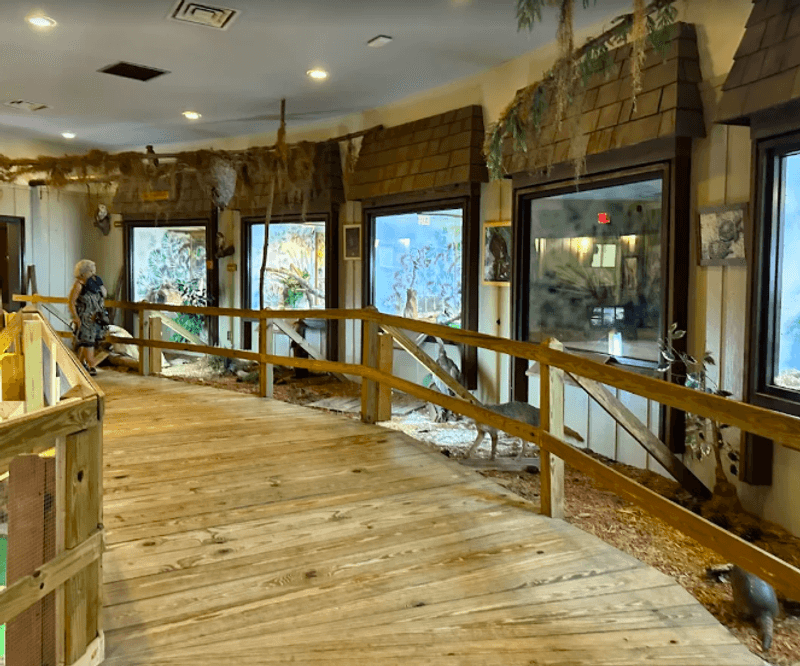
The educational component of Okefenokee Swamp Park extends well beyond the guided tours. An on-site museum houses exhibits about the history, ecology, and wildlife of the Okefenokee, giving context to everything visitors observe out on the water or along the trails.
The exhibits cover the geological origins of the swamp, the Native American cultures that lived in and around the Okefenokee for centuries, and the more recent history of logging and conservation that shaped the landscape as it exists today. The information is presented clearly and is accessible to a wide range of ages.
For families with curious kids, the museum is a smart first stop before heading out on any tours. Understanding what to look for and why it matters tends to make the outdoor portions of the visit far more rewarding.
The museum also provides a good backup option on warmer days when a few minutes indoors helps recharge before heading back out into the Georgia heat.
Seasonal Events: Halloween Haunt and Christmas Lights
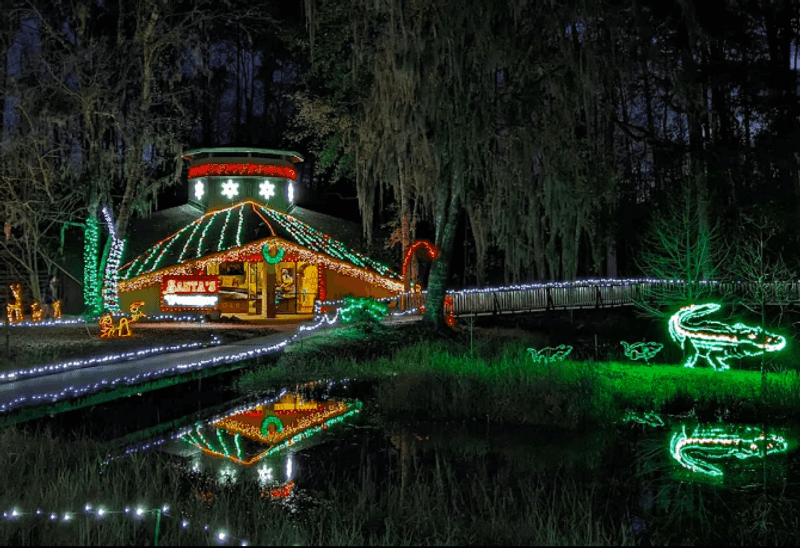
The park does not slow down when the regular season winds down. Okefenokee Swamp Park runs a popular series of seasonal events that transform the property into something entirely different after dark.
The Halloween event includes haunted houses, a haunted train ride through the park at night, and trick-or-treat activities. The Christmas light show is a separate event that draws families from across the region for evening train rides through elaborate light displays that line the tracks and illuminate the surrounding trees.
Fires are set up for making s’mores, and warm beverages are available for purchase before boarding.
The Christmas event runs at roughly $15 per person and has become a local tradition for many families who return year after year. The train cars are open to the elements during these evening rides, so layering up for cooler nights is a practical necessity.
Checking the park’s official website at okeswamp.org for specific event dates and ticket availability well in advance is strongly recommended, as these events fill up quickly.
Best Time to Visit and What the Seasons Bring
Timing a visit to Okefenokee Swamp Park makes a real difference in what gets seen and how comfortable the experience is. Spring and summer bring the most alligator activity, with reptiles regularly visible in the water and along the banks during the warmer months.
February visits are possible and the park stays open year-round, but cold spells can push alligators into less visible spots. On the upside, winter visits come with a notable benefit: fewer insects.
February guests have reported zero mosquito activity, which is a significant comfort consideration for a swamp environment that can be quite buggy in warmer months.
Fall is another strong option, with cooler temperatures and the added bonus of the Halloween event. Summer visits require bug spray, sunscreen, and hydration planning, but the wildlife activity is at its peak.
The park is open daily from 9 AM to 5 PM regardless of season, so there is always a window to plan around. Arriving early tends to produce the best wildlife sightings.
Family Friendly from Start to Finish
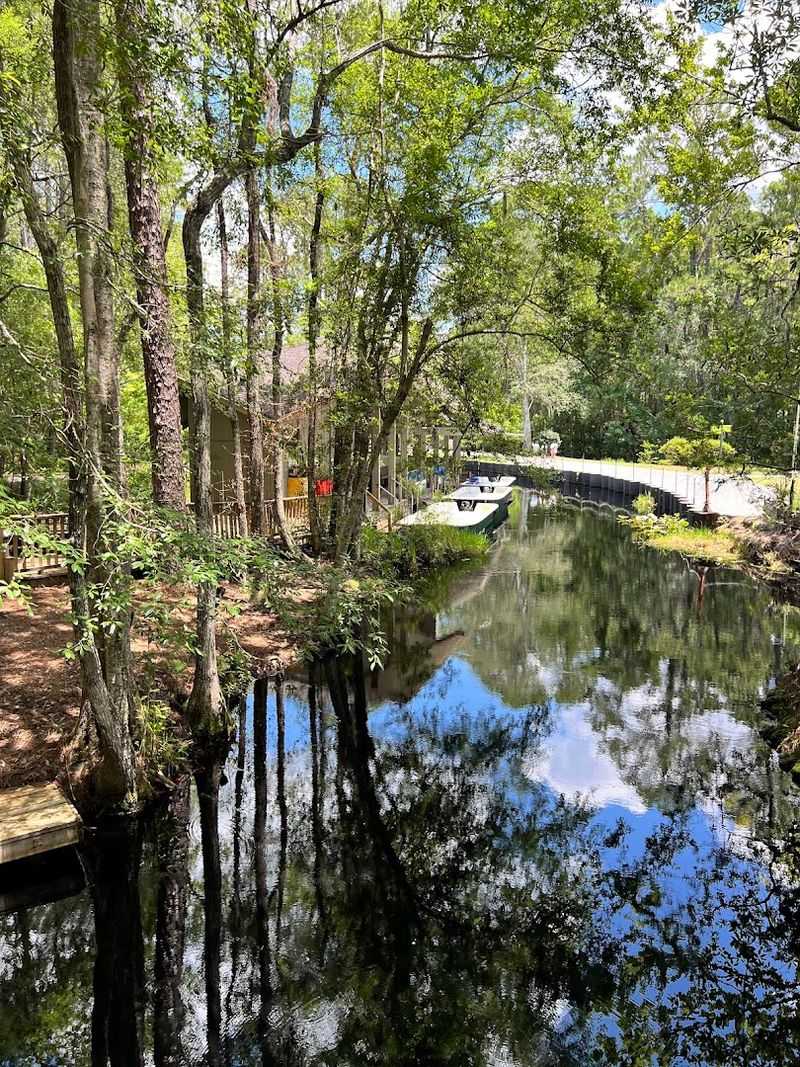
Few outdoor destinations in Georgia manage to hold the attention of a three-year-old and a history-minded adult at the same time, but Okefenokee Swamp Park pulls it off consistently. The layout is easy to navigate, the paths are accessible, and the activities are genuinely varied enough to keep different ages engaged throughout the day.
For very young children, doing all three main activities in a single visit can be a lot. The boat tour, train ride, and animal encounter each run around 45 minutes, which adds up quickly for toddlers.
Picking two out of three and saving the third for a return visit is a practical approach for families with little ones who have limited stamina.
The park is clean, well-organized, and staffed by people who seem to enjoy their jobs. Restrooms, a snack cafe, and a gift shop are all available on-site, so the logistical side of a family outing here is covered without any major effort.
The gift shop carries nature-themed items that make for good souvenirs.
Conservation at the Core of Everything Here
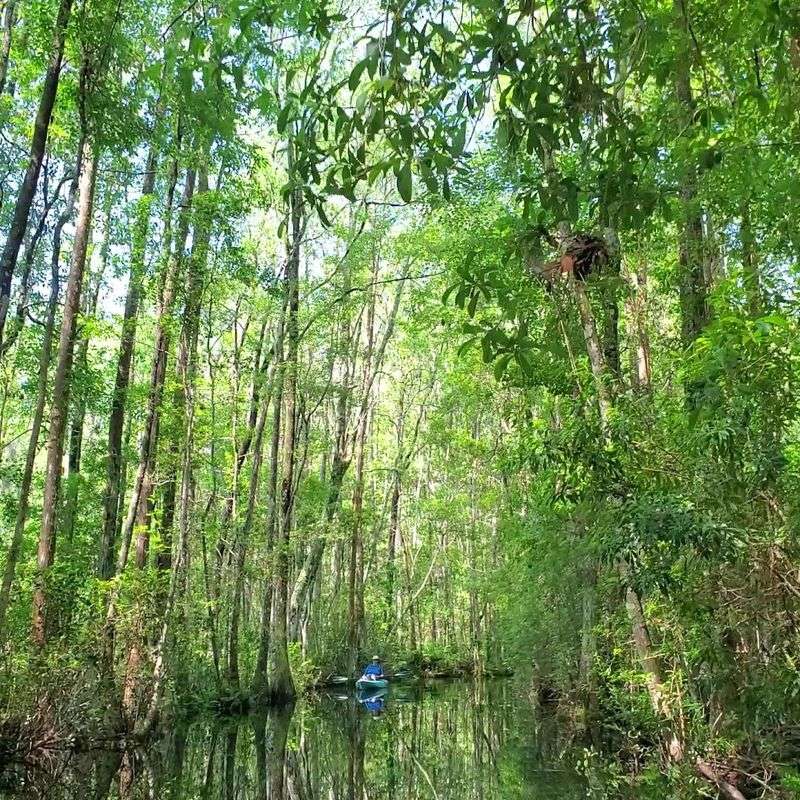
The Okefenokee Swamp is not just a tourist attraction. It is one of the most significant and carefully protected wetland ecosystems in the United States, and the park takes that responsibility seriously.
Every activity offered here is designed to work within the boundaries of conservation rather than against them.
The guided tours actively teach about the ecological importance of the swamp, the threats it faces from development and climate shifts, and the ongoing work being done to protect it. The staff approaches education with a clear sense of purpose that goes beyond just entertaining guests.
The park has operated for decades as both a public-facing attraction and a steward of the natural environment surrounding it. Long-term visitors who have been coming since childhood note the passage of time in the physical condition of some structures, and the park has relied on community support and tourism revenue to maintain and restore its facilities.
Supporting the park through admission and purchases directly contributes to that ongoing conservation work.
Photography Opportunities Throughout the Park
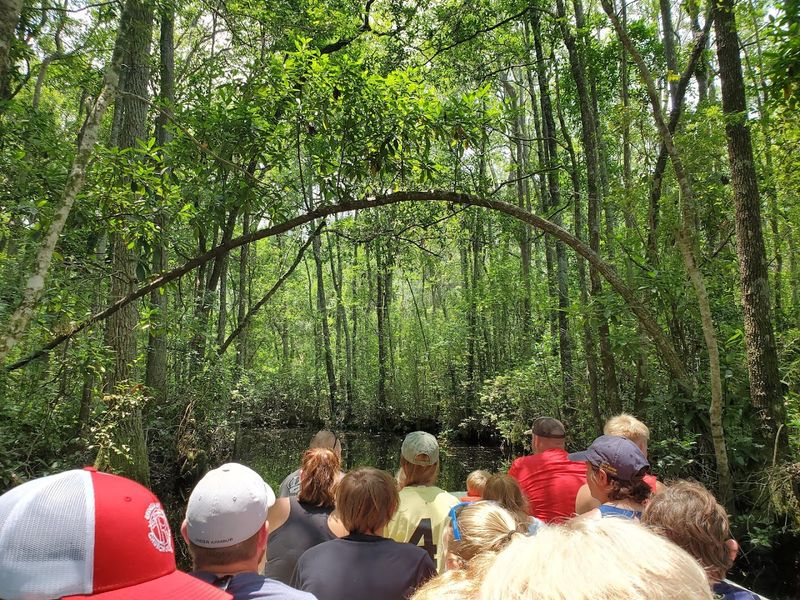
Okefenokee Swamp Park is the kind of place where a camera earns its keep. Between the alligators, the cypress trees, the blackwater reflections, and the wildlife along the trails, there is no shortage of compelling subjects for anyone who enjoys nature photography.
The boat tour produces some of the best close-range wildlife shots, particularly of alligators resting along the banks. Late afternoon boat rides have been noted for excellent photographic conditions as the light shifts and the water takes on a different quality.
The boardwalks also offer strong opportunities for detail shots of plants, insects, and water birds at eye level.
The observation tower is the go-to spot for wide landscape shots that capture the full scale of the swamp. Bringing a zoom lens for wildlife and a wide-angle option for landscapes covers most of what the park offers photographically.
A waterproof case or dry bag for camera gear is a smart precaution on any boat tour, regardless of how calm conditions appear at the start of the ride.
A Place Worth Returning To
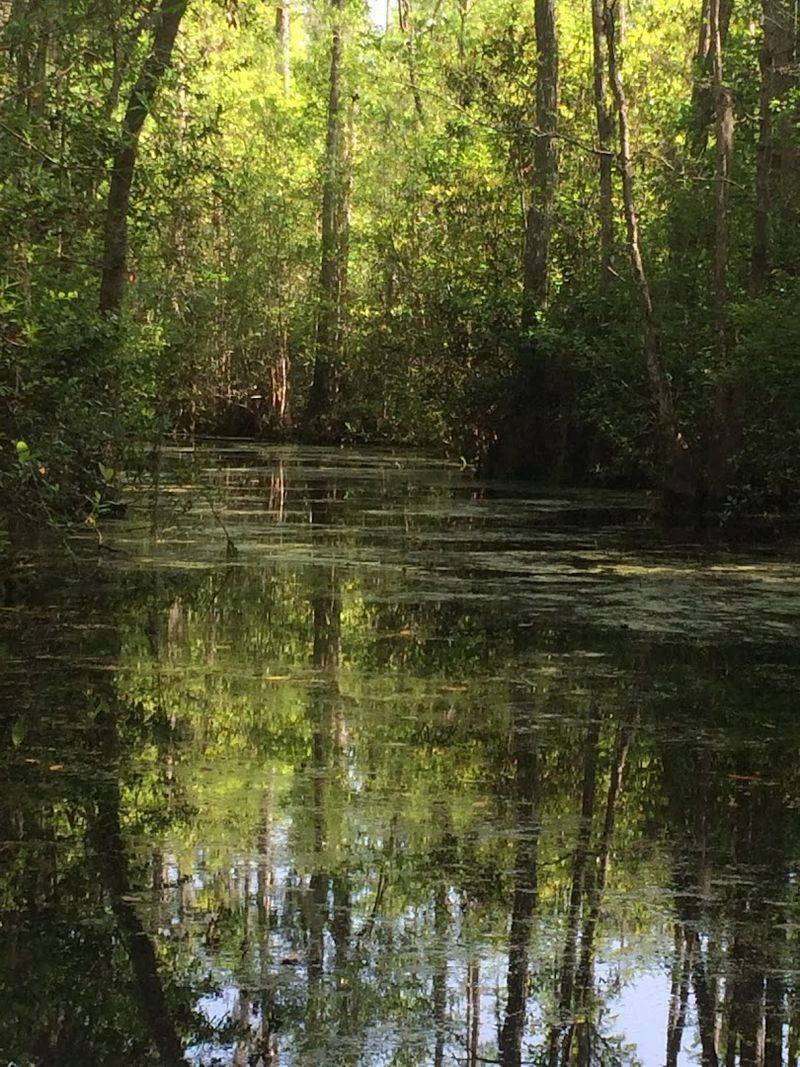
There are parks that feel complete after a single visit, and then there are places that reveal something new each time. Okefenokee Swamp Park falls firmly into the second category.
Families who started bringing their children here years ago are now watching those same kids bring their own children through the gates.
The seasonal events alone give repeat visitors a reason to come back across different times of year. The Christmas light show, the Halloween events, and the natural seasonal changes in wildlife activity all create a different experience depending on when the visit happens.
Spring alligator activity differs from a February cold-weather trip in ways that make each visit feel distinct.
The Okefenokee itself is ancient, patient, and indifferent to the passage of time in a way that few places manage to convey. The park at 5700 Okefenokee Swamp Park Rd serves as the front door to all of that.
For anyone within a few hours of Waycross, Georgia, making the drive is one of the better decisions a weekend can offer.
Where It All Begins: Location and Access
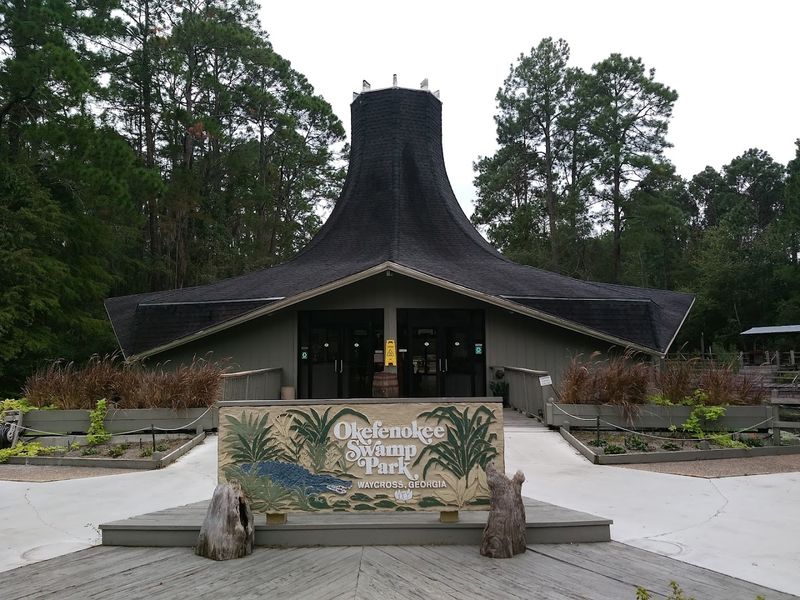
Before the boat tour, before the gators, and before the train whistle blows, there is the matter of actually getting here. Okefenokee Swamp Park sits at 5700 Okefenokee Swamp Park Rd, Waycross, GA 31503, just south of downtown Waycross in Ware County.
The park is open every day of the week from 9 AM to 5 PM, which makes planning a day trip straightforward. Waycross itself sits along Interstate 82 and is reachable from Jacksonville, Florida in about an hour and a half, and from Savannah, Georgia in roughly two hours.
The surrounding area is flat, pine-heavy, and distinctly South Georgia in character. Parking is easy, the entrance is clearly marked, and the staff greets everyone at the gate with genuine enthusiasm.
This is not a hidden trailhead that requires a map and a prayer. It is a well-organized park that takes the guesswork out of exploring one of the most ecologically significant wetlands on the continent.
Share this story