Tucked into the bluffs and valleys of northeast Iowa, there is a small city that most people drive past without knowing what they are missing. Cold springs, limestone cliffs, a rushing river, and a college campus full of history all share the same zip code.
The food scene here punches well above its weight, and the trails will make you wonder why you ever paid for a national park pass. I had heard whispers about this place for years before I finally made the trip, and I can tell you with complete confidence that the reality is even better than the rumor.
By the time you finish reading, you will have a full plan for your own visit, and you will probably already be checking your calendar.
Welcome to Decorah, Iowa
The city of Decorah sits at 43.3033 N, 91.7857 W in Winneshiek County, Iowa, and the address most people use as a starting point is simply Decorah.
The population hovers around 7,587, which means this is a place where you can actually find a parking spot and still have a genuinely memorable experience.
Northeast Iowa is sometimes called “Little Switzerland” because the landscape here looks nothing like the flat cornfields most people picture when they think of the state.
Decorah is the county seat of Winneshiek County, and it serves as the cultural and commercial hub for a wide region of small farms and rural communities.
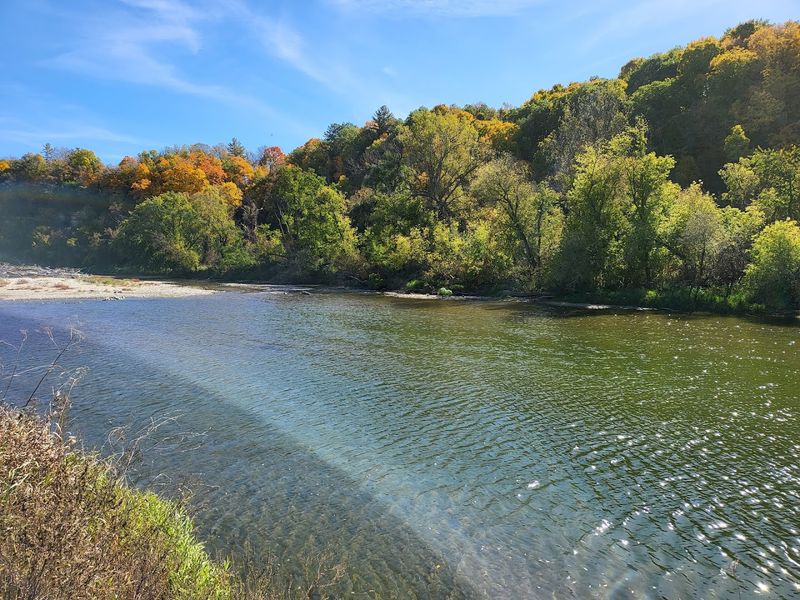
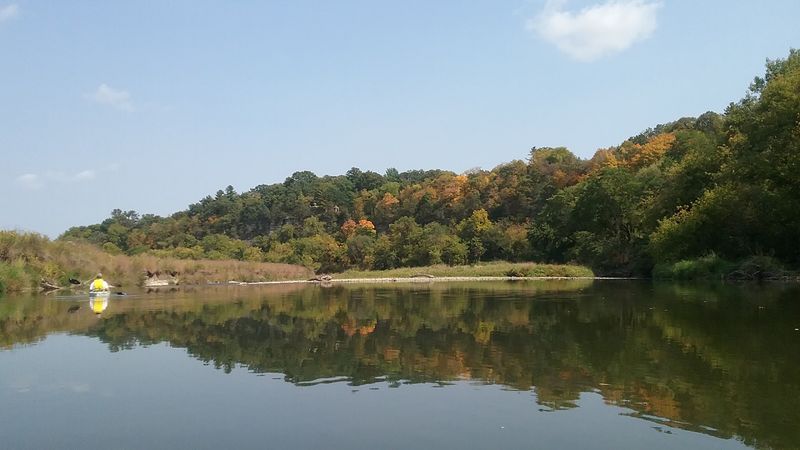
The Upper Iowa River curves right through the heart of the city, giving the whole place a natural centerpiece that shapes everything from the trails to the local identity.
The Bluffs and the River That Define the Landscape
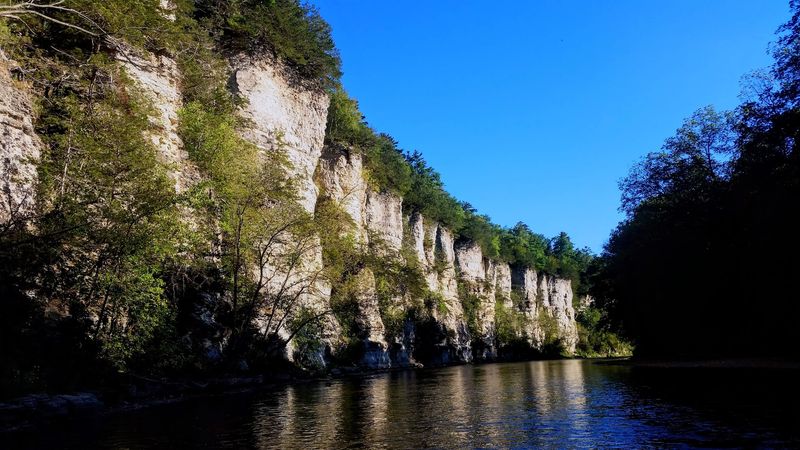
Few rivers in the Midwest do as much visual work as the Upper Iowa River does here in Decorah.
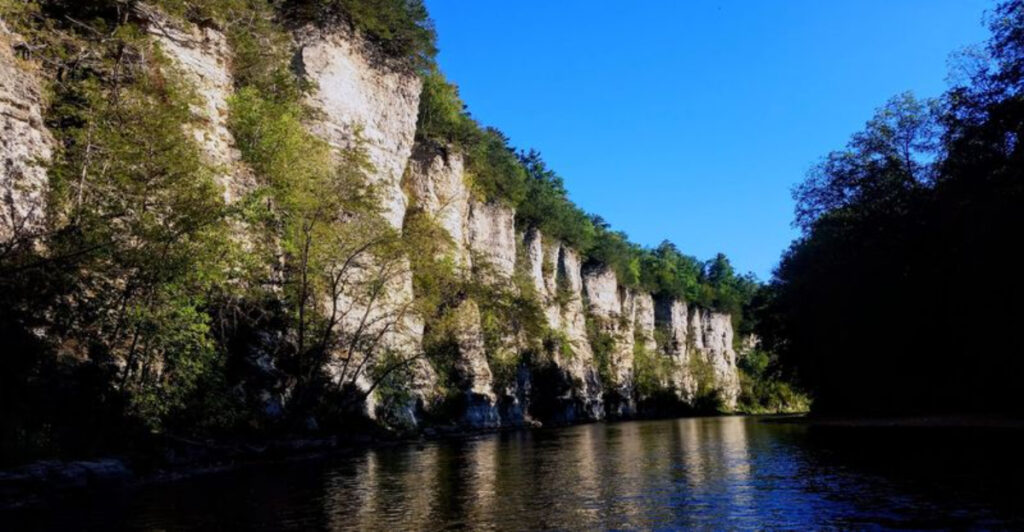
Limestone bluffs rise sharply on both sides of the valley, and the rock faces are streaked with mineral stains that turn gold and orange in the afternoon light.
The river itself is calm enough for a casual float on a hot day, but it has enough current to keep things interesting for kayakers and canoeists.
Cold springs feed into the river from the hillsides, keeping the water temperature refreshingly low even in August, which is a fact that every local knows and every first-time visitor quickly appreciates.
The combination of moving water, forested ridgelines, and open sky creates a landscape that feels genuinely wild even though you are only a few blocks from downtown coffee shops and restaurants.
Decorah Ice Cave and the Geology Beneath Your Feet
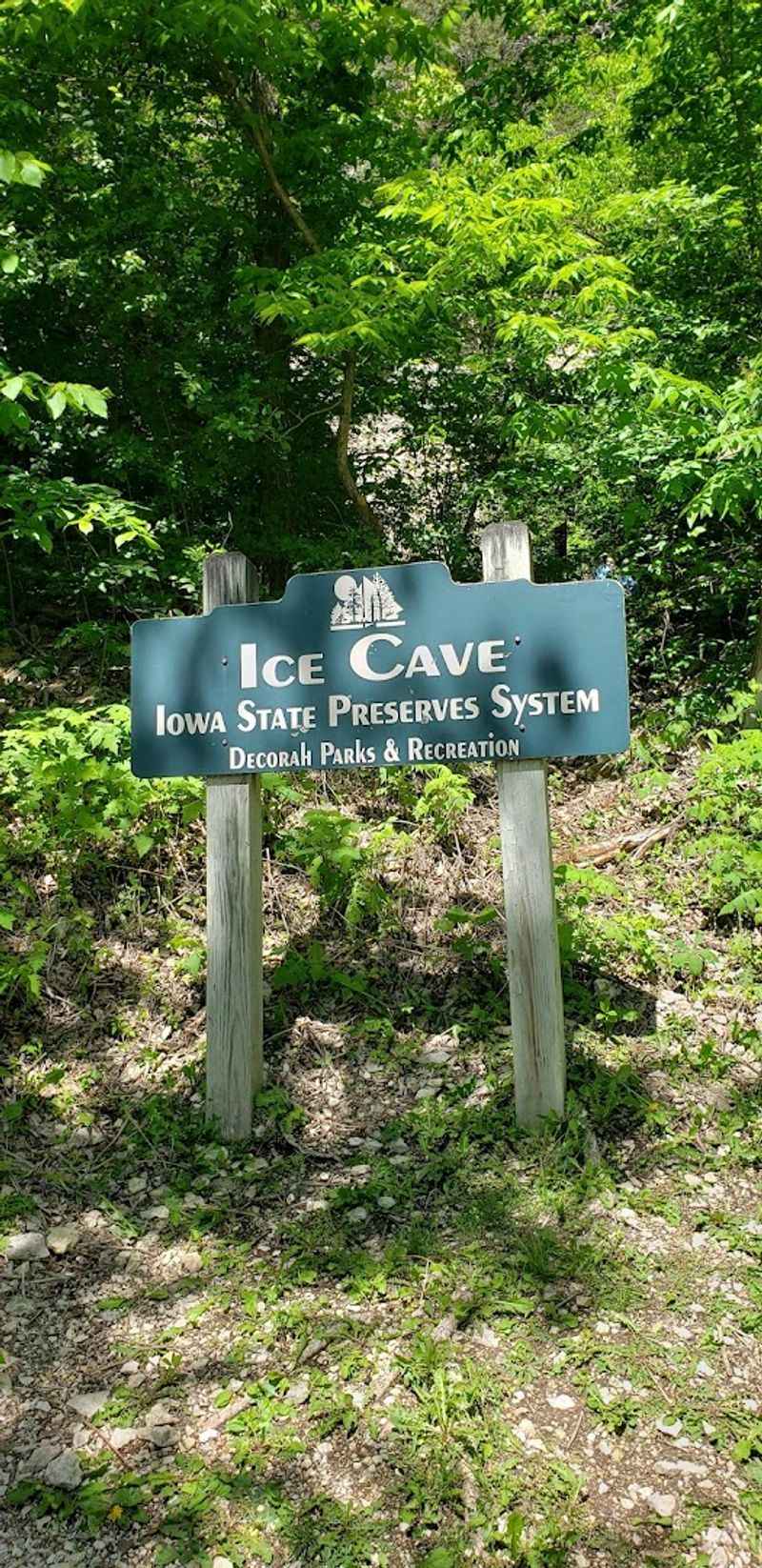
One of the most surprising things I found on my visit was the Decorah Ice Cave, a natural feature that produces cold air from cracks in the limestone bedrock even in the warmest months.
The cave is located along Dunning Spring Park, and the cold draft coming from the rock is immediately noticeable when you crouch down near the opening.
Geologists have long been interested in the area because the limestone formations here are ancient, dating back hundreds of millions of years, and they contain fossils that tell a detailed story about a time when this region was covered by a shallow sea.
The cave is not a walk-in attraction, but the experience of feeling that cold air on a warm July afternoon is one of those small, unexpected moments that stick with you long after the trip is over.
Dunning Spring Park and the Waterfall Worth Seeking Out
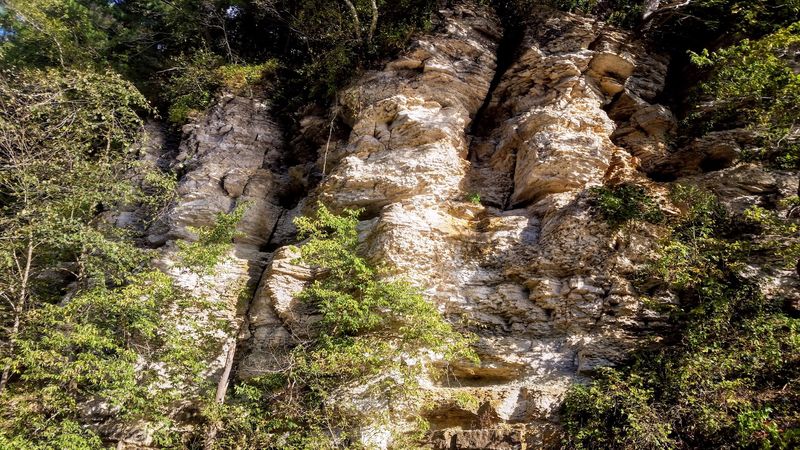
Dunning Spring Park holds one of the prettiest natural features in all of northeast Iowa, and it is free to visit any day of the week.
A natural spring feeds a small but lively waterfall that drops over a mossy rock ledge into a clear pool below, and the whole scene is framed by ferns, wildflowers, and old-growth trees.
The park sits just on the edge of the downtown area, which means you can walk here from most of the restaurants and shops without needing to drive.
I visited on a Tuesday morning and had the waterfall almost entirely to myself, which felt like a small miracle given how beautiful the spot is.
The trail through the park connects to a broader network of paths, so it is easy to turn a quick waterfall visit into a longer morning of exploring the surrounding ravines and hillsides.
Palisades Park and the Views That Earn the Climb
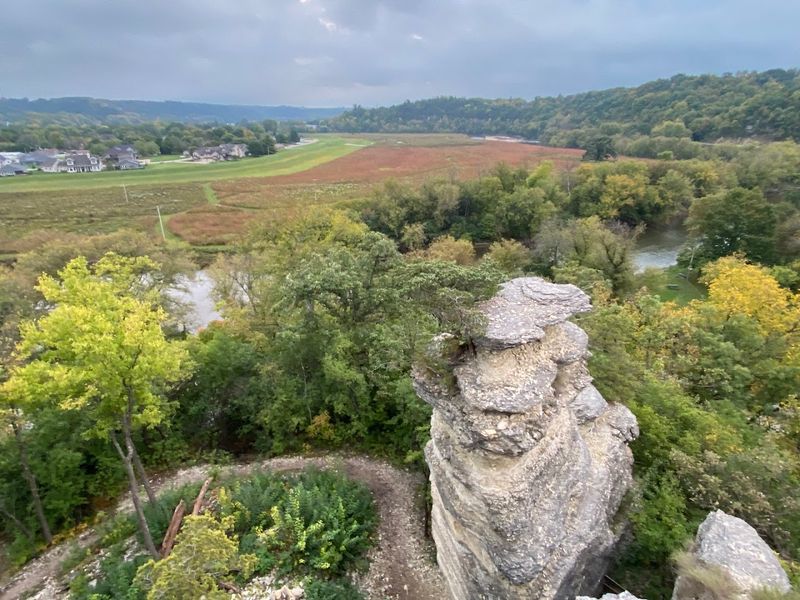
There is a particular overlook at Palisades Park that made me stop walking and just stand there for a few minutes, which is not something I do very often.
The park features a series of trails that wind up through the forest to a set of rocky limestone outcrops, and from the top you can see the Upper Iowa River valley spread out below in a way that genuinely earns the uphill effort.
The trails here range from easy walking paths to steeper routes that require a bit of careful footing, so the park works well for both casual visitors and people who want a real workout.
Fall is an especially rewarding time to visit because the forested hillsides turn brilliant shades of red, orange, and yellow, and the contrast against the pale limestone cliffs is the kind of thing photographers travel hours to capture.
Luther College and the Campus That Shapes the Town
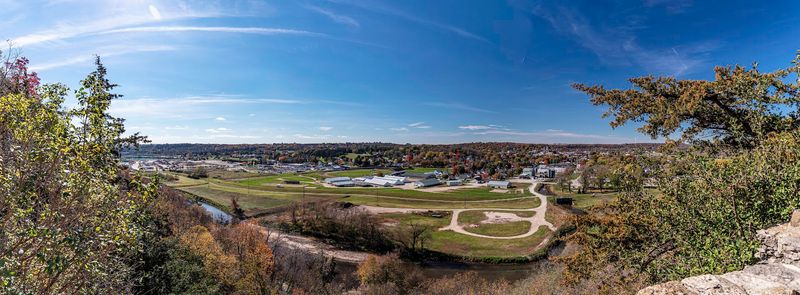
Luther College is a private liberal arts college founded in 1861, and its campus is one of the most attractive in the Upper Midwest.
The buildings are a mix of classic brick architecture and more modern additions, and the whole campus sits on a hillside above the river in a way that gives it a slightly elevated, almost theatrical presence over the rest of the town.
The college brings a steady stream of cultural events, concerts, lectures, and performances to Decorah throughout the year, and many of these events are open to the public at little or no cost.
The Preus Library on campus holds a significant collection of Norwegian-American historical materials, which ties directly into the broader heritage story that runs through everything in this part of Iowa.
The college also keeps the town’s population young and energetic in ways that small cities without a college anchor rarely manage to maintain.
Norwegian Heritage and the Vesterheim Museum
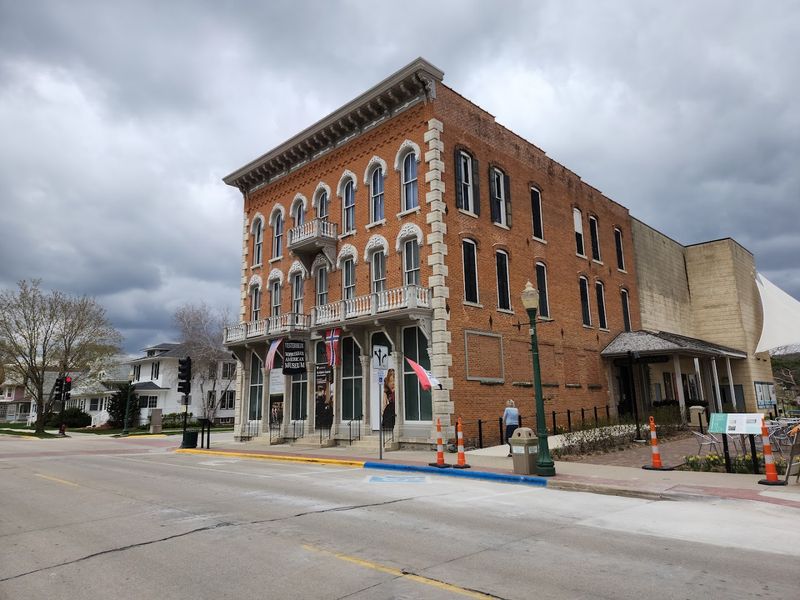
Decorah has one of the most concentrated Norwegian-American communities in the entire United States, and that heritage is visible everywhere from the architecture to the menus to the annual Nordic Fest celebration.
The Vesterheim Norwegian-American Museum is the largest museum in the country dedicated to a single immigrant group, and it occupies a whole block of the historic downtown district with indoor galleries and outdoor heritage structures.
The collection includes folk art, traditional costumes, hand-carved wooden objects, and historical photographs that document the journey of Norwegian immigrants to the American Midwest in the 19th and early 20th centuries.
Even if you have no Norwegian ancestry, the craftsmanship on display in the folk art galleries is genuinely impressive and worth the admission price on its own.
The museum also offers classes in traditional Norwegian crafts like rosemaling and woodcarving, which is a surprisingly hands-on way to connect with a living cultural tradition.
Nordic Fest and the Celebration That Fills the Streets
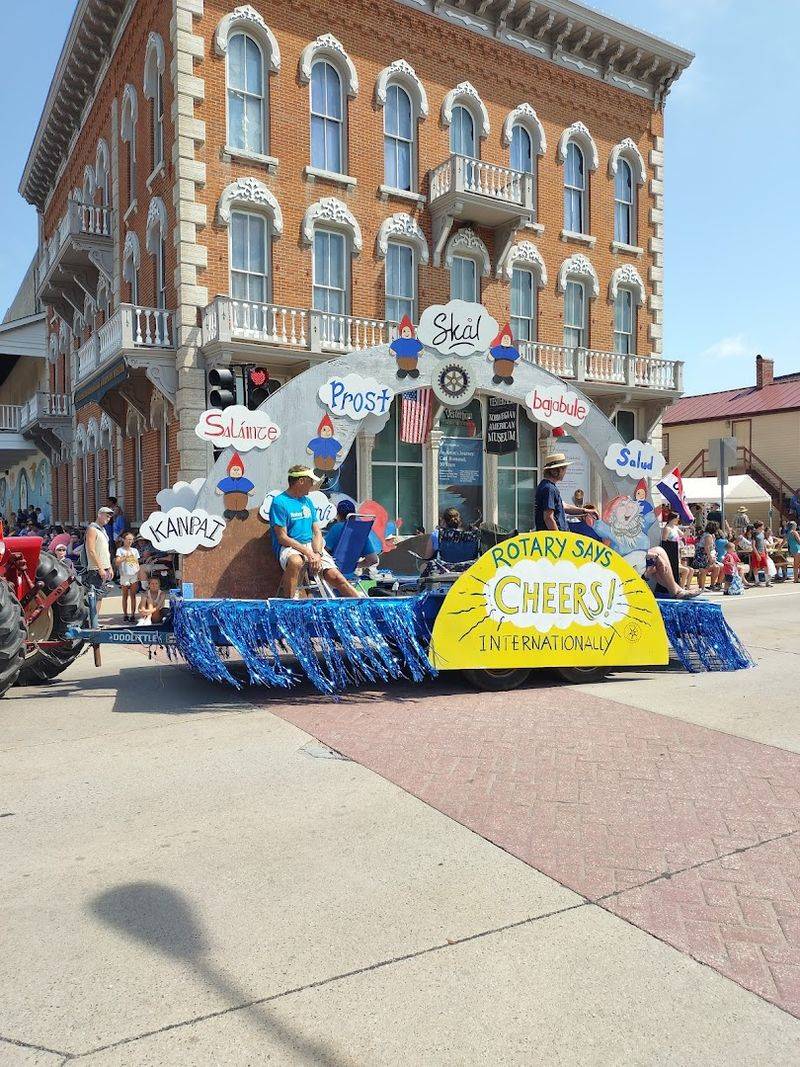
Every summer, Decorah hosts Nordic Fest, a three-day celebration of Norwegian-American heritage that draws visitors from across the region and beyond.
The festival fills the downtown streets with traditional music, folk dancing, craft demonstrations, and food that you are unlikely to find anywhere else in the American Midwest.
Lefse, a soft Norwegian flatbread made from potatoes, shows up at every corner during the festival, and the smell of it cooking on a griddle is one of those sensory memories that stays with you.
The parade is a genuine community event, with local organizations, school groups, and heritage societies all taking part in a procession that moves through the heart of downtown.
Nordic Fest has been running for decades, and the consistency of the event reflects how seriously the community takes its cultural identity, which gives the whole celebration a warmth and authenticity that feels earned rather than performed.
The Food Scene Downtown and What to Order First
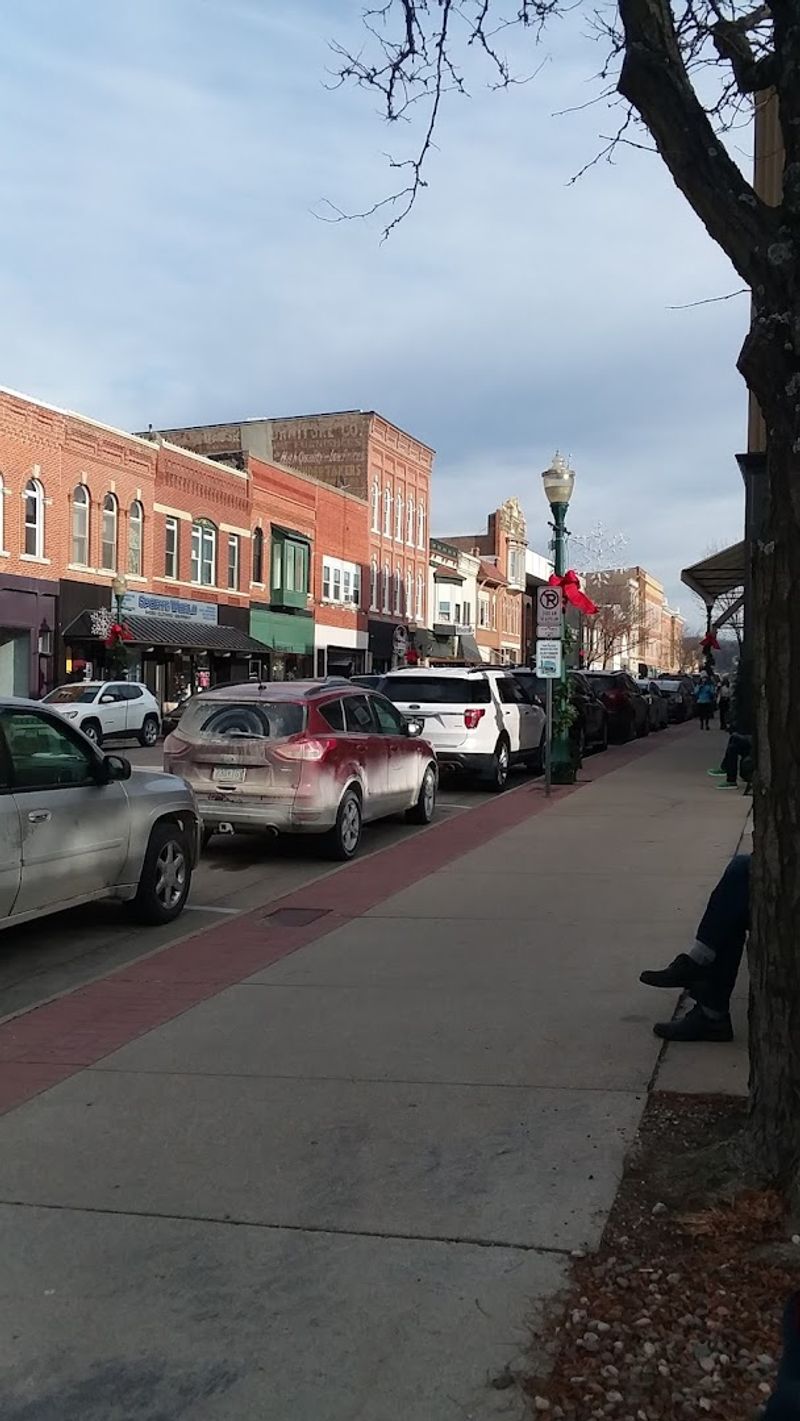
Downtown Decorah has a food culture that is well out of proportion to its size, with restaurants that source ingredients locally and menus that change with the seasons.
The farmers market draws producers from across Winneshiek County every week, and the quality of the vegetables, cheeses, and baked goods on offer reflects the strength of the agricultural community surrounding the city.
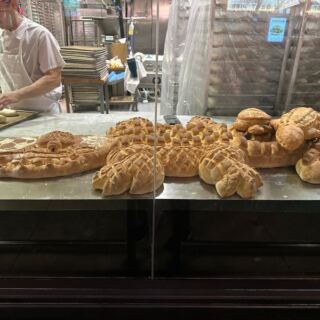
Several downtown restaurants have built their reputations on exactly this kind of farm-direct sourcing, which means the food tastes fresh in a way that is hard to fake and easy to notice.
I made the mistake of ordering just one thing at the first place I stopped, and I immediately regretted not arriving hungrier.
The local food identity here is not a marketing slogan but a practical reality shaped by decades of farmers, chefs, and community members who decided that what grows nearby is worth celebrating on the plate.
Trout Run Trail and Getting Around on Two Wheels
The Trout Run Trail is an 11-mile paved loop that circles the entire city of Decorah, and it is one of the best urban trail systems I have come across anywhere in the Midwest.
The trail follows the Upper Iowa River for much of its route, passing through bottomland forest, open meadows, and wetland areas that attract a remarkable variety of birds throughout the year.
Bald eagles are a common sight along this corridor, especially in winter and early spring when they gather near open water to hunt for fish.
The trail is fully paved and mostly flat, which makes it accessible for riders and walkers of all fitness levels, and the full loop takes most people between two and three hours at a comfortable pace.
Bike rentals are available in town, so you do not need to haul your own equipment to enjoy one of Decorah’s most reliable and rewarding outdoor experiences.
Share this story